















Why Did a Tyre Company Create the MICHELIN Guide?
The MICHELIN Guide was launched in 1900 as a guidebook for motorists before becoming an influential name in the world of gastronomy. (Source: Collected)
To understand what a MICHELIN Star is, it is necessary to go back to the late 19th century, when automobiles were still unfamiliar to most people. In 1889, André and Édouard Michelin laid the foundations for Michelin & Cie in Clermont-Ferrand, France. At the time, there were fewer than 3,000 cars across the whole of France — still a very small market for the tyre industry.
To expand the tyre market, the Michelin brothers needed to encourage people to use cars more often. The more frequently and farther people travelled, the greater the demand for tyres would become. From this challenge came the idea of creating a practical guide for motorists.
In 1900, the first MICHELIN Guide was published. Around 35,000 copies were distributed free of charge, providing motorists with practical information such as maps, instructions on changing tyres, locations for refuelling and vehicle repairs, as well as hotels and places to eat.
The MICHELIN Guide therefore did not begin as a culinary guide. Its original purpose was to support road travel, encourage people to take more journeys by car and indirectly increase demand for tyres.
For its first two decades, the Guide was distributed free of charge. In 1920, according to a story recorded by MICHELIN itself, André Michelin saw a copy of the guide being used to prop up a workbench in a garage. Based on the belief that people tend to value more highly what they pay for, the MICHELIN Guide began to be sold for 7 francs. Around this period, paid advertisements were also removed, restaurant coverage received greater emphasis, and Michelin began recruiting anonymous reviewers — the predecessors of today’s MICHELIN inspectors.
From a book designed to tell motorists where to travel, where to stay and where to eat, the MICHELIN Guide gradually moved beyond its original role as a road guide. In particular, the restaurant listings in the famous red guide paved the way for the globally influential restaurant evaluation system that followed.
What Is a MICHELIN Star and How Did the 1, 2 and 3 Star System Develop?
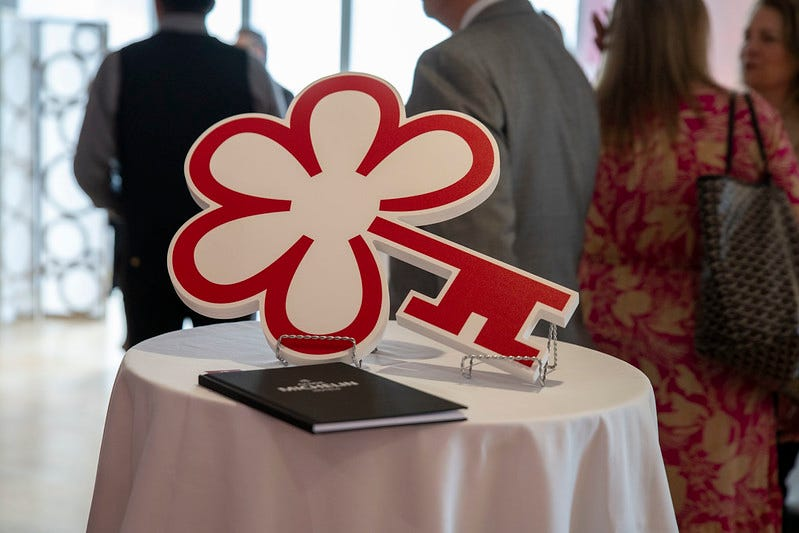
MICHELIN Stars have three levels: One Star, Two Stars and Three Stars, reflecting different levels of culinary excellence. (Source: Collected)
As the restaurant section gained increasing attention, the MICHELIN Guide entered a new phase: moving from simply listing places to eat to recognising outstanding restaurants. In 1926, the Guide began awarding a single star; by 1931, the One, Two and Three Star system had been established. In 1936, the meaning of each level was officially published.
So, what is a MICHELIN Star? Put simply, it is the MICHELIN Guide’s most famous form of recognition for restaurants offering outstanding culinary quality. The three Star levels represent different degrees of excellence:
One MICHELIN Star recognises a restaurant with high-quality cooking, worth a stop.
Two MICHELIN Stars are awarded to restaurants with excellent cooking, worth a detour.
Three MICHELIN Stars — the highest distinction — are awarded to restaurants offering exceptional cuisine, worth a special journey.
MICHELIN Stars are awarded to restaurants, not individual chefs. The system also has a maximum of Three Stars; therefore, the term “5-star MICHELIN restaurant” is not part of the Guide’s official rating system and should not be confused with hotel star classifications.
The level of luxury in a restaurant’s setting is also not a deciding factor in the awarding of Stars. A restaurant with lavish interiors or a prestigious location does not automatically have an advantage; conversely, a modest establishment can still earn MICHELIN recognition if its food is sufficiently compelling and its quality remains consistent.
Therefore, to properly understand what a MICHELIN Star is, it is important to focus on the core of the system: the quality of the food — from ingredients, technique and flavour to distinctive character and the ability to maintain consistency.
Behind the Restaurant Doors: Who Decides Which Restaurants Receive MICHELIN Stars?

MICHELIN inspectors work anonymously, pay their own bills and evaluate restaurants according to a shared set of criteria. (Source: Collected)
The credibility of the MICHELIN Guide also comes from the way its evaluation system is organised. Behind the Stars are MICHELIN inspectors — full-time employees of the Michelin Group with extensive professional experience in the restaurant and hospitality industry, who work anonymously.
During each visit, they make reservations under different names, dine like ordinary guests and pay their own bills. Keeping their identities confidential helps reduce the possibility of restaurants providing special treatment to evaluators. More importantly, Star decisions are not based on the impression of a single individual after one meal; restaurants may be inspected multiple times before the results are discussed and agreed upon.
Regardless of the market, the evaluation revolves around five core criteria:
Quality of ingredients
Mastery of cooking techniques
Harmony of flavours
The chef’s personality as expressed through the cuisine
Consistency over time and across the entire menu
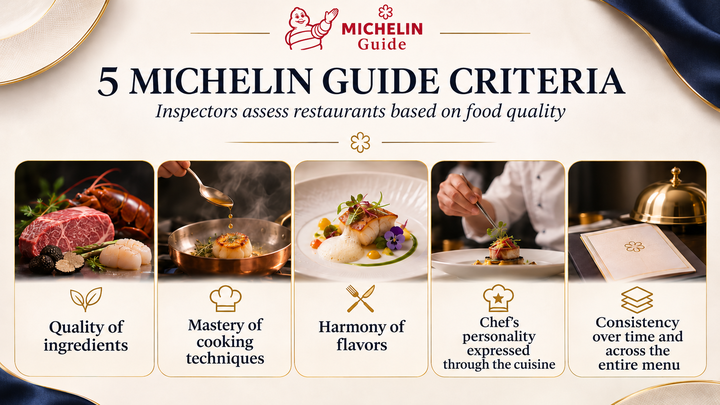
This evaluation approach explains why a modest eatery and a luxury restaurant can still be considered under the same set of criteria. The setting, location and style of service may enrich the overall dining experience, but they are not the core factors that determine whether a restaurant receives a MICHELIN Star.
It is this combination of anonymity, independent assessment, repeated inspections and a shared evaluation framework that gives the MICHELIN Guide its authority. Behind a Star is not simply one impressive meal, but the ability to maintain quality and identity consistently over time.
>>> See more: From Fishing Village Flavours to Fine Dining: What Will MICHELIN See in Phu Quoc?
The MICHELIN Guide’s Journey in Vietnam: From Hanoi, Ho Chi Minh City and Da Nang to Phu Quoc
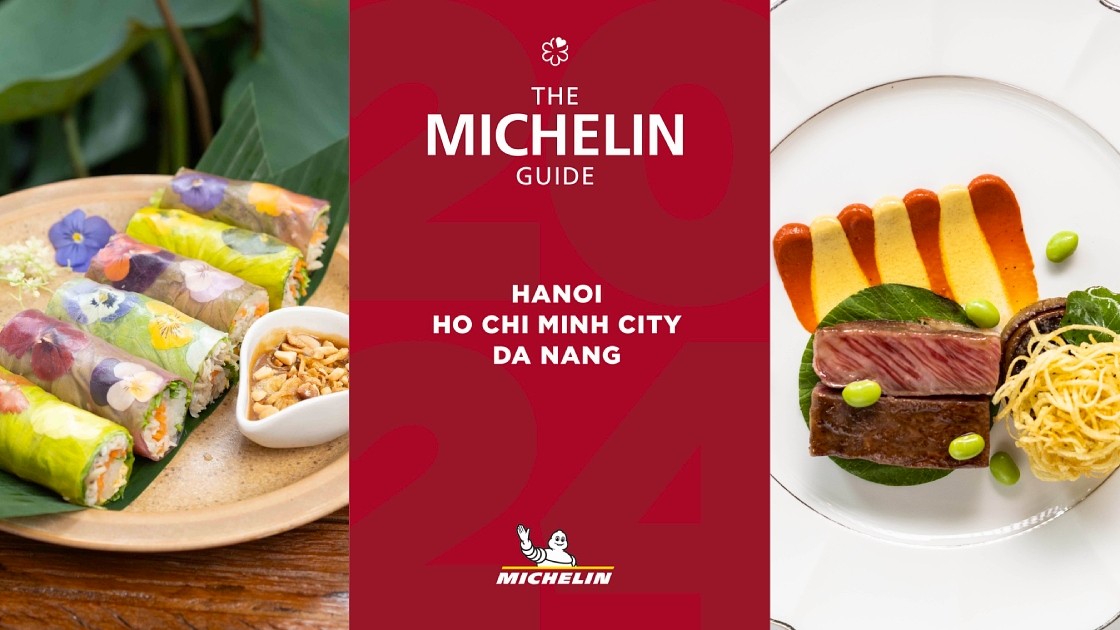
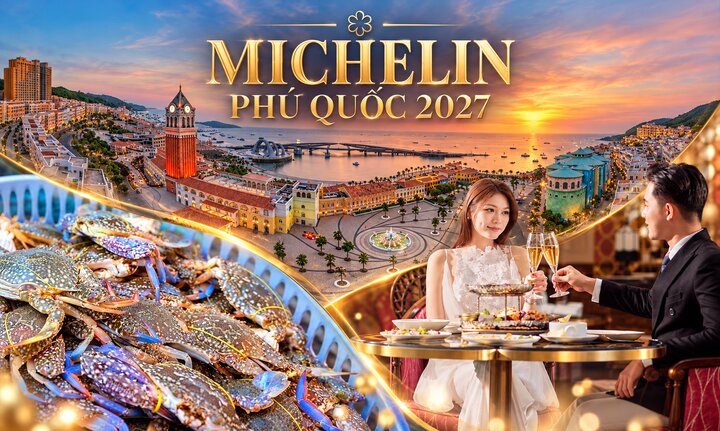
Phu Quoc has become the fourth MICHELIN Guide destination in Vietnam; its first selection will appear in the MICHELIN Guide Vietnam 2027. (Source: Collected)
In Vietnam, the MICHELIN Guide officially announced the expansion of its selection at the end of 2022. In June 2023, the first selections for Hanoi and Ho Chi Minh City were unveiled, marking the first time the country’s two major culinary centres appeared in the Guide.
In 2024, Da Nang became the third MICHELIN Guide destination in Vietnam. The addition of Da Nang expanded the selection into central Vietnam while bringing more establishments representing local and coastal cuisine into the MICHELIN Guide Vietnam.
On 1 October 2026, the MICHELIN Guide announced its expansion to Phu Quoc, making the Pearl Island the fourth destination in Vietnam after Hanoi, Ho Chi Minh City and Da Nang. Selected restaurants in Phu Quoc will appear in the MICHELIN Guide Vietnam 2027, expected to be announced in mid-2027.
In its official announcement, MICHELIN highlighted Phu Quoc’s culinary identity as being closely connected to the sea and distinctive local products such as fish sauce and pepper. The Guide also noted the coexistence of the island’s approachable fishing-village food culture with an evolving restaurant scene featuring international culinary talent.
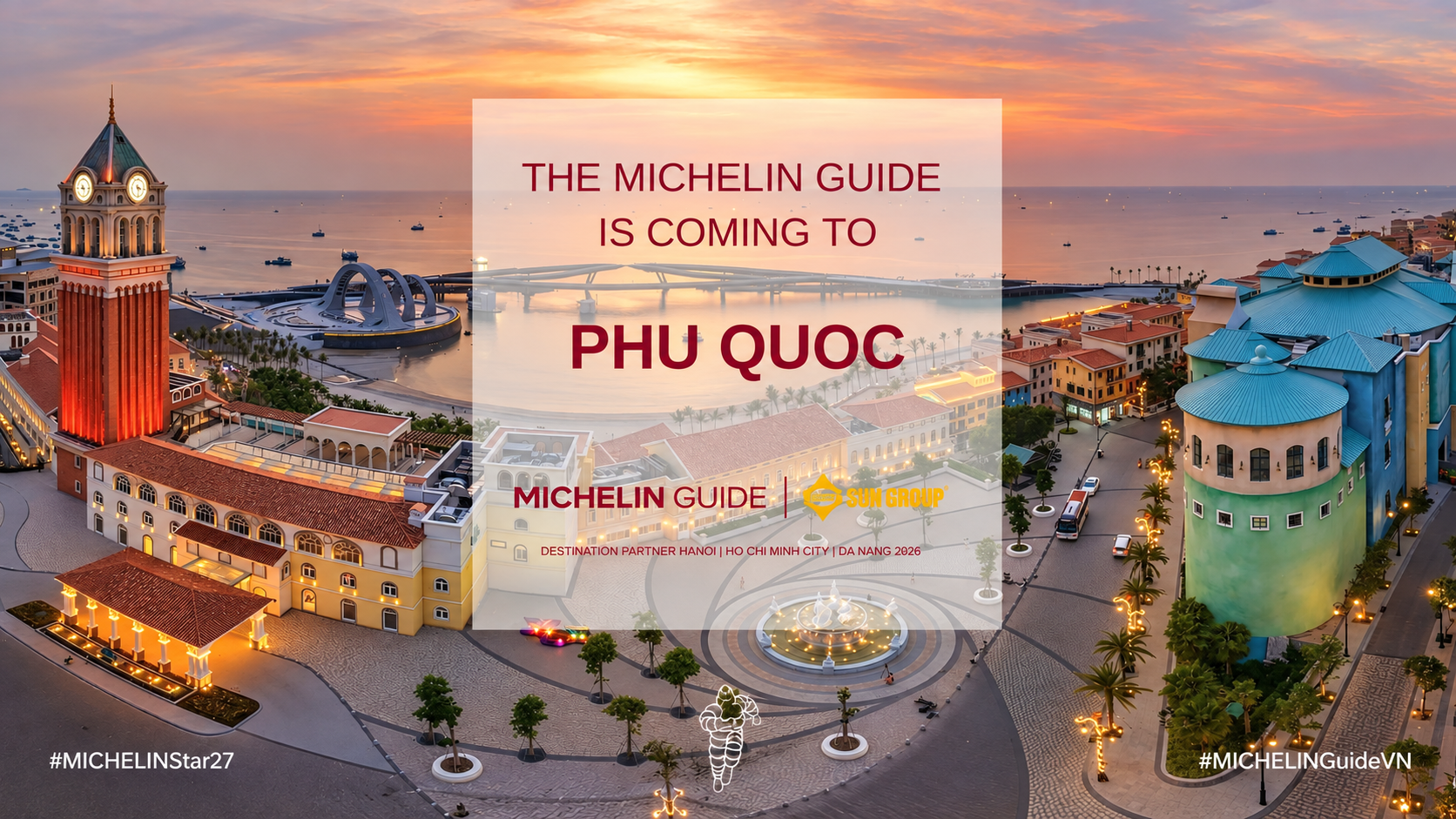
On 1 October 2026, the MICHELIN Guide announced its expansion to Phu Quoc, making the Pearl Island the fourth destination in Vietnam. (Source: Collected)
This coexistence creates a multi-layered culinary picture of Phu Quoc: from dishes rooted in the lives of local fishermen and the island’s produce to restaurants that reinterpret local ingredients through new techniques and presentations. This is also what makes the 2027 selection highly anticipated — not only for the number of Stars, but also for which flavours of the island MICHELIN will recognise.
Therefore, what is worth watching in MICHELIN Phu Quoc 2027 is not simply how many MICHELIN Stars the Pearl Island will receive, but also which flavours, culinary styles and establishments the Guide will select to represent the destination’s gastronomic identity.
From Hanoi, Ho Chi Minh City and Da Nang to Phu Quoc, the MICHELIN Guide’s selection in Vietnam has expanded from major cities to an island destination with a distinctive identity of its own. What matters is not simply the addition of another destination, but also the opportunity for Phu Quoc’s signature flavours — shaped by the sea, fish sauce, pepper and fishing-village life, as well as the island’s distinctive culinary experiences — to be assessed according to the same international criteria used by the Guide.
In the MICHELIN Guide’s journey in Vietnam, Sun Group also plays a notable role as a destination partner. According to Sun Group, this partnership forms part of its efforts to help enhance the quality of Vietnam’s tourism experience, with gastronomy increasingly becoming an important factor in shaping the appeal and distinctive identity of each destination. Phu Quoc becoming the fourth MICHELIN Guide destination in Vietnam also reflects the growing appeal of gastronomy at major tourism destinations. And once a destination is featured on the MICHELIN Guide map, it gains further opportunities to shine and strengthen its position on the global tourism map.
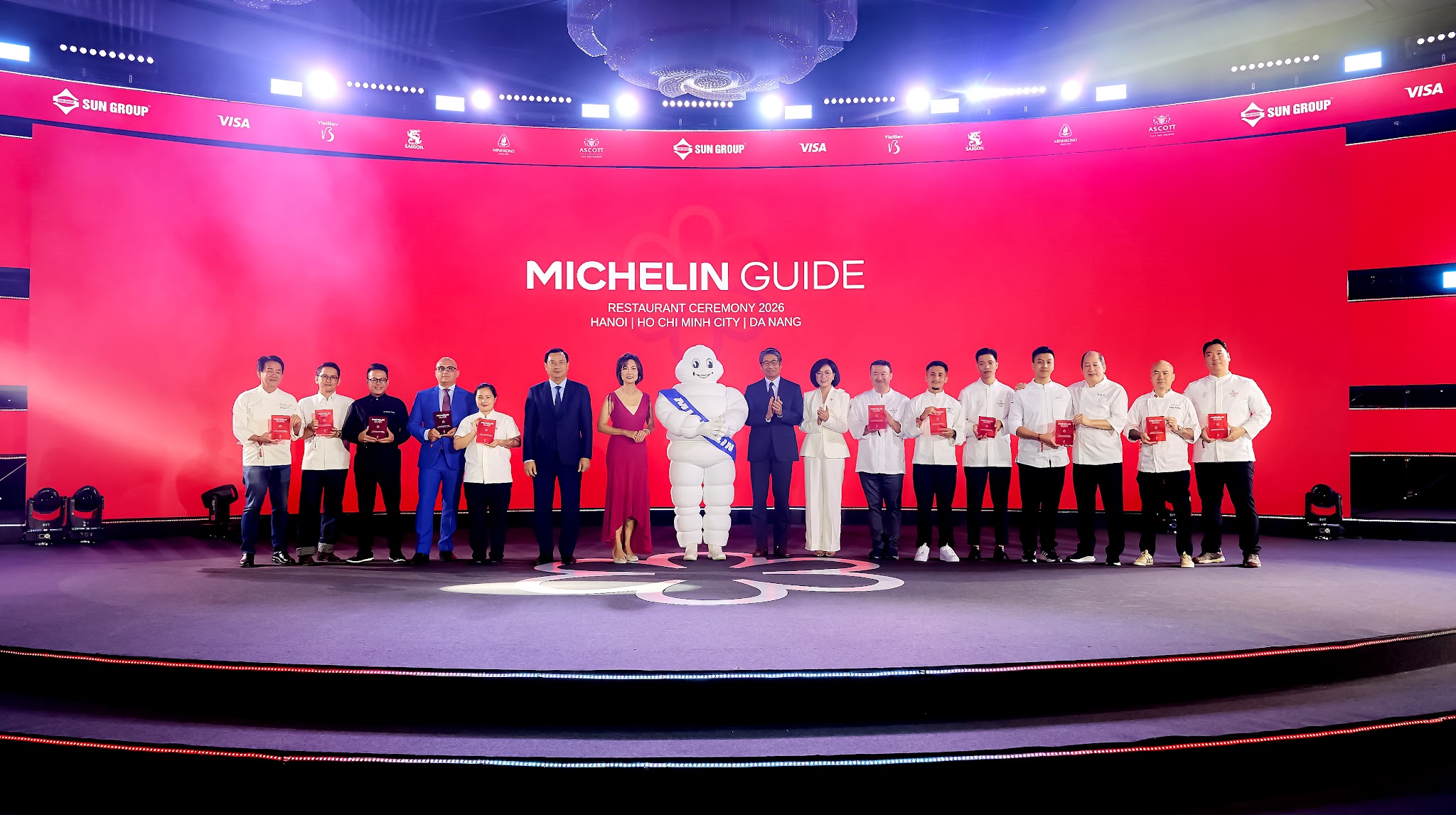
Các nhà hàng đạt 1 sao Michelin 2026 (Nguồn: Sưu tầm)
From a guidebook created for motorists in 1900 to the MICHELIN Guide Vietnam 2027, one principle has remained constant: guiding people towards places worth stopping for. In Phu Quoc, that story will continue to unfold through the restaurants and flavours selected by MICHELIN.