















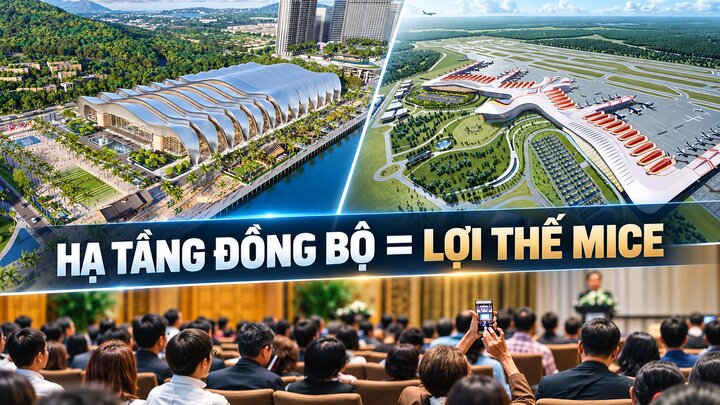
The MICE Operations Challenge: When Integration Determines Event Quality
Behind every conference session that starts on time is a tightly coordinated chain of services. For groups numbering in the hundreds or thousands, organisational quality depends not only on each individual component, but also on how effectively those components are connected into one consistent journey.
A destination therefore needs more than facilities that meet the required standards. Seamless coordination and professional services are equally important in allowing guests to focus on the quality of the content and on valuable networking opportunities.
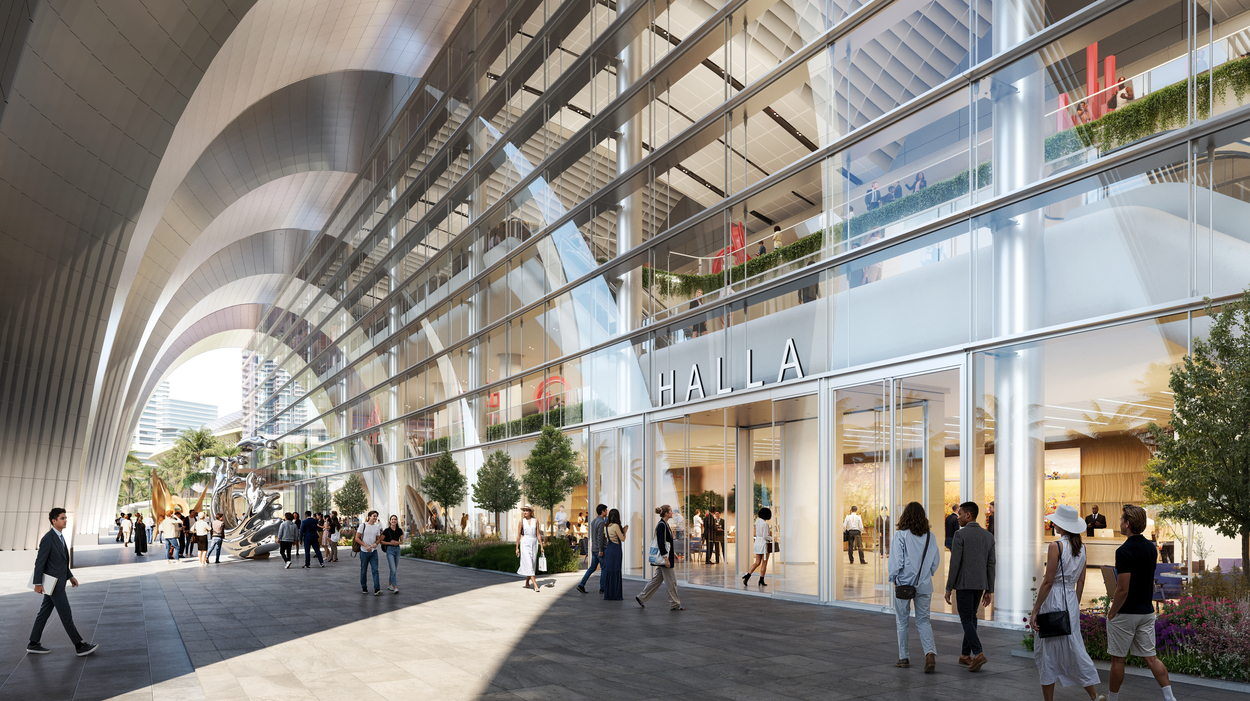
Integrated infrastructure provides strong momentum for MICE development.
A Disruption in One Link Can Affect the Entire MICE Journey
Whether for a domestic conference or an international event, guests may depart from different locations but still need to arrive on time. A flight schedule change, a prolonged group transfer or congestion during hotel check-in can have a knock-on effect on subsequent sessions. The organiser’s challenge is to keep the programme running smoothly and reliably.
Convenient transport, reasonable distances between venues and flexible capacity help reduce coordination pressure. More importantly, service providers need to share schedules and respond promptly when changes occur.
For MICE, being able to welcome large groups is only the starting point; maintaining consistent quality throughout the event is what truly demonstrates operational capability.
Optimising Cost and Time – The Economic Value of Integrated Infrastructure
The economic efficiency of a MICE event depends not only on the cost of each individual service, but also on how those services are connected and operated as part of the overall programme.
A hotel with an attractive room rate is not necessarily the most efficient option if guests have to travel repeatedly between their accommodation, conference venue and banquet space. Transport costs, coordination staff and waiting time can all increase the actual budget while also affecting the participant experience.

The connection between services helps improve the efficiency of budget and time management in MICE organisation. (Illustrative image)
Notably, time in MICE also carries business value. At customer conferences, partnership forums or networking events, informal conversations on the sidelines can sometimes become the starting point for new business opportunities. A well-organised itinerary that minimises unnecessary travel can create more time and space for meaningful interactions.
Therefore, the economic advantage of integrated infrastructure lies not only in reducing logistical costs, but also in improving resource efficiency and the quality of the overall experience. When budgets, time and services are optimised within a single journey, every MICE investment has greater potential to translate into tangible value for businesses.
Phu Quoc and an Integrated Approach to MICE Infrastructure
Phu Quoc is emerging as a notable MICE destination in both the domestic and international markets. As MICE demand increasingly requires a combination of conferences, accommodation, leisure and destination experiences, Phu Quoc’s advantages are becoming more evident thanks to its increasingly integrated tourism and MICE infrastructure.
This foundation continues to be strengthened by a series of projects developed for APEC 2027, further enhancing the island’s capacity to host large-scale events and MICE programmes.
Notably, the development of Phu Quoc’s infrastructure has seen strong participation from major private-sector corporations. Among them, Sun Group has made a clear mark through its tourism–resort–entertainment–event ecosystem in southern Phu Quoc, alongside key infrastructure projects serving APEC 2027. This interconnected development model gives Phu Quoc an additional competitive advantage in the MICE market.
From Air Routes to the Airport: The Journey Begins Before Guests Arrive on the Island
For MICE groups, direct flights and suitable frequencies help reduce connection risks, simplify arrival arrangements and expand accessibility for both domestic and international participants. Air connectivity is therefore the first link in the event logistics chain.
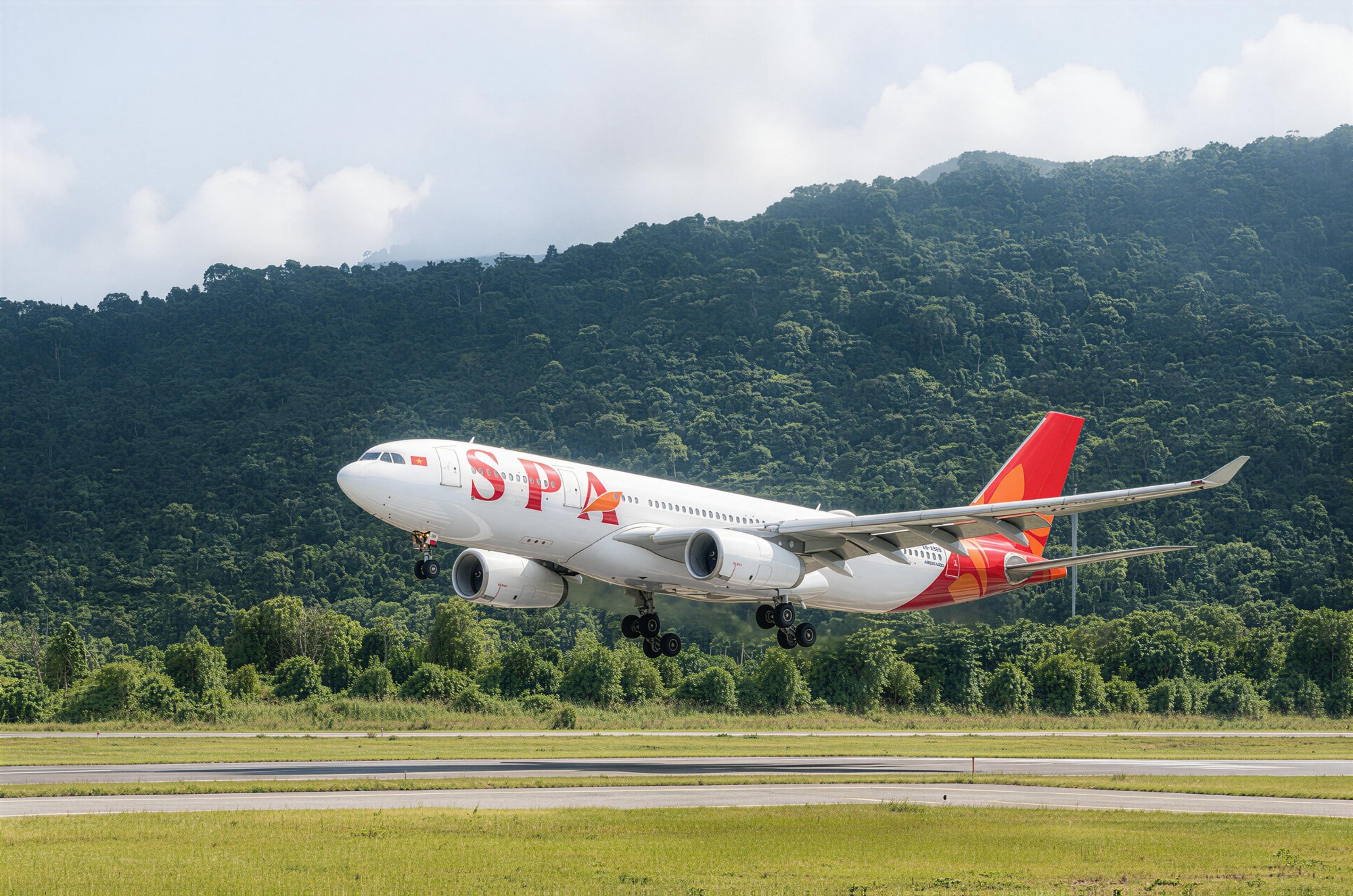
Sun PhuQuoc Airways serves international markets travelling to Phu Quoc.
Sun PhuQuoc Airways is developing a route network centred on Phu Quoc, with plans to deploy Airbus A330 wide-body aircraft on long-haul international markets. As of October 2026, the airline has launched a series of direct routes to Taipei (Taiwan, China), Hong Kong (China), Chengdu (China), Shanghai (China), Ahmedabad (India), Seoul (South Korea), Bangkok (Thailand), Kuala Lumpur (Malaysia) and Singapore. Looking ahead, the new airline is expected to continue strengthening international connectivity and expanding its overseas network. With Sun PhuQuoc Airways’ hub-and-spoke model centred on Phu Quoc, the Pearl Island will open its doors not only to tourists but also to large-scale international events and conferences.
In parallel, Sun Group is investing in the expansion of Phu Quoc International Airport. According to the announced plan, the first phase is designed to reach a capacity of 20–24 million passengers per year by 2030. Since taking over Phu Quoc International Airport on 1 January 2026, Sun Group has been working with Changi Airports International (Singapore) to pioneer the “destination airport” model in Vietnam, integrating aviation, shopping, dining and entertainment. Every experience at Phu Quoc Airport will become an engaging part of the MICE travel journey.
From the Aviation Gateway to the Convention Centre: The Value of a Continuous Transport Corridor
A large group needs more than a short route; it also requires predictable traffic flows, pick-up and drop-off points, and journey times. The airport–hotel–convention centre corridor therefore serves as the backbone of the overall itinerary.
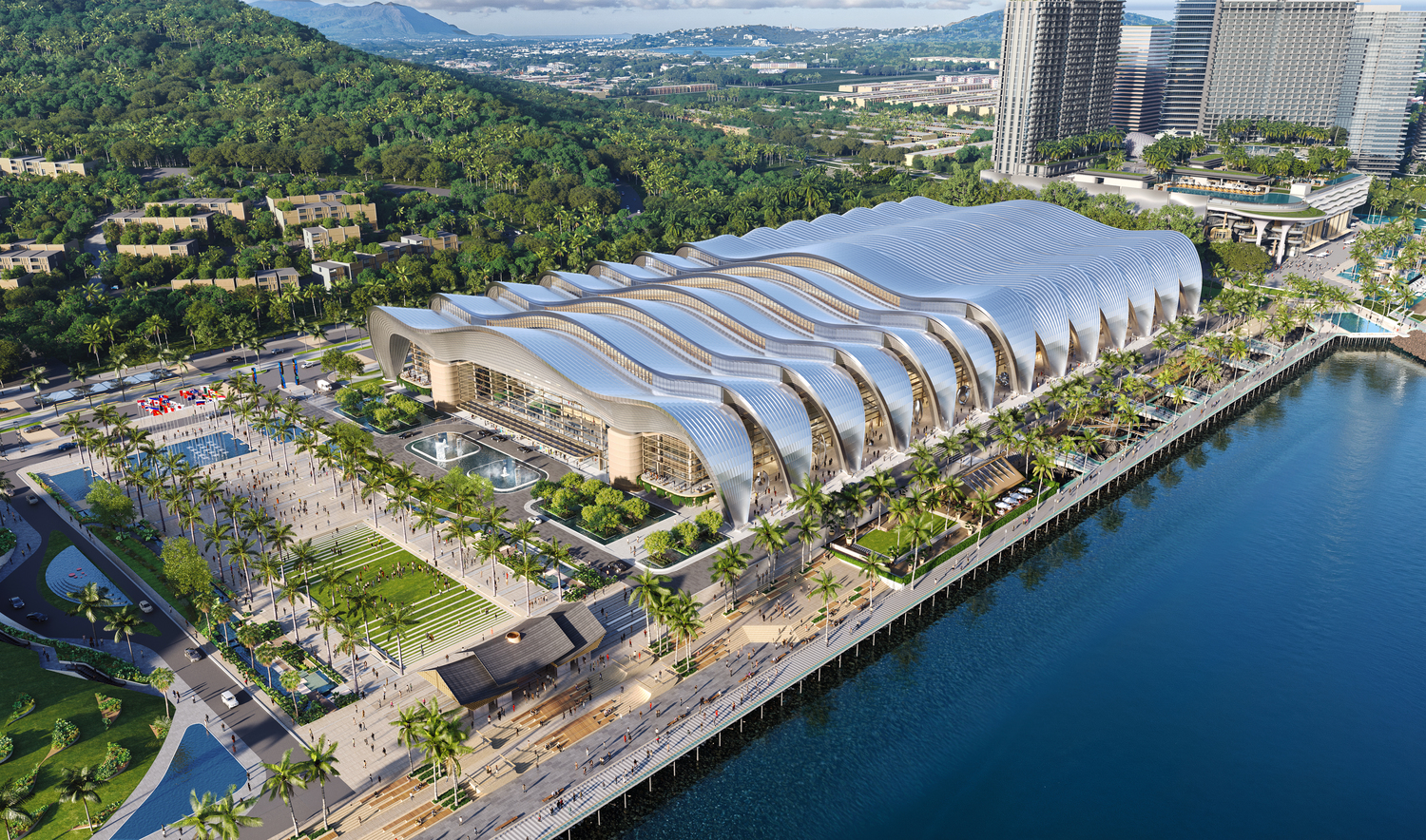
The APEC Convention Centre developed by Sun Group.
In Phu Quoc, the DT.975 road is being upgraded into a 10-lane transport corridor connecting the airport with southern Phu Quoc, while APEC Boulevard will provide internal connectivity within the complex. A Light Rail Transit (LRT) line is also being developed along this corridor, with trial operations targeted for July 2027 and commercial operations scheduled for November 2027.
Once completed, the combination of road infrastructure and public transport could help distribute traffic flows, reduce waiting times and provide greater flexibility during periods of concentrated group movement.
Conference Facilities and Accommodation: Integrating Spaces to Enhance the Quality of Interaction
A large-scale event may need to serve speakers, delegates, VIP guests and technical teams simultaneously. Conference venues, reception areas and accommodation therefore need to meet different requirements while operating in a coordinated manner.
As part of the infrastructure being developed towards APEC 2027, Sun Group is creating the APEC Convention and Exhibition Centre together with the Bai Dat Do hotel complex, adding further conference and accommodation capacity to Phu Quoc.
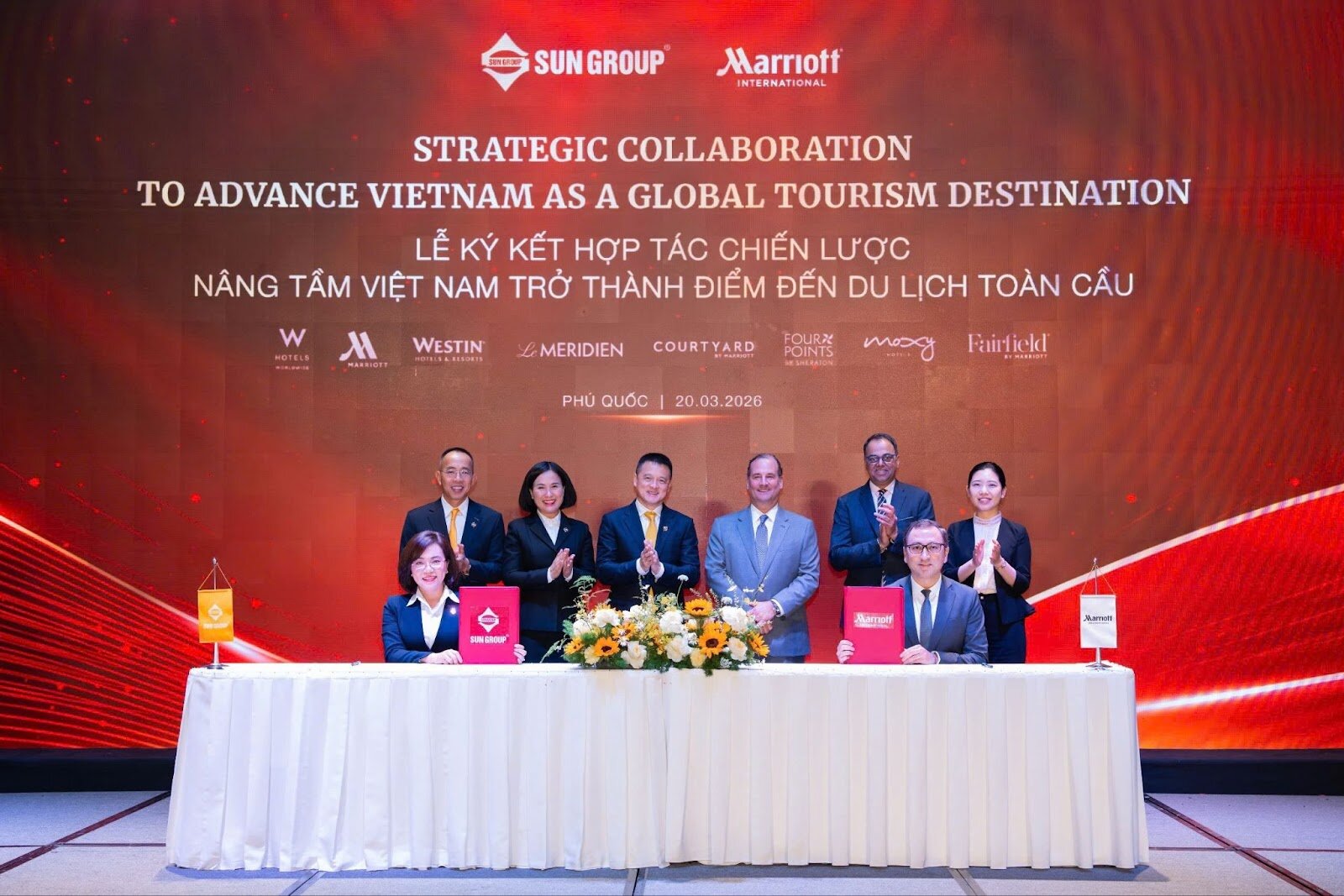
Sun Group and Marriott International enter a strategic partnership, helping elevate Vietnam’s position as a global tourism destination.
In September 2026, Sun Group and Marriott International signed a strategic partnership agreement, with four brands — JW Marriott Marquis, W Hotels, Le Méridien and The Luxury Collection — expected to manage properties within the Bai Dat Do complex. When conference venues and accommodation are conveniently integrated, delegates have more time for interaction, while organisers can reduce complicated transfers and create more opportunities for guests to experience the destination. This is the practical value of integrated infrastructure.
Completing the Service Chain with Destination Experiences
Experiences beyond the conference room can leave a lasting impression on guests, but they need to suit the available time, travel distances and group size, rather than simply being added to the itinerary to increase the number of attractions visited.
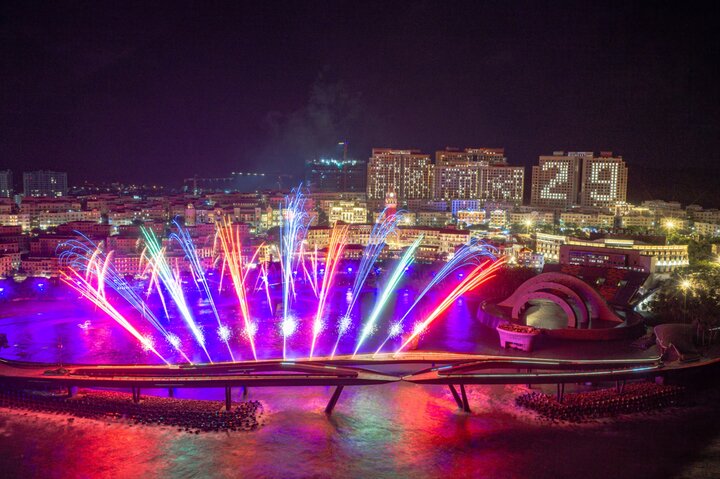
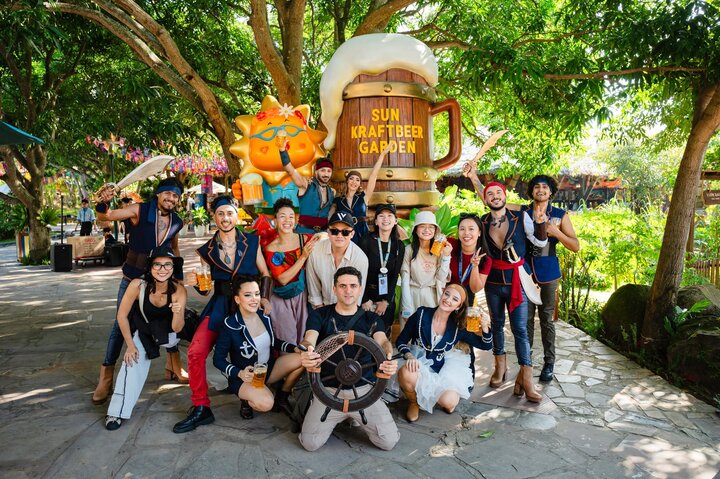
In southern Phu Quoc, Sun Group has developed Sun World Hon Thom, the sea-crossing cable car, Sunset Town and a range of large-scale arts and entertainment products, creating a vibrant destination ecosystem from day to night. It is also one of the few places in the world where visitors can enjoy fireworks twice every night, 365 days a year. These experiences can complement conference programmes combined with leisure, recognition events or partner networking. When organised effectively, conferences and destination experiences become two complementary parts of the same journey rather than separate services.
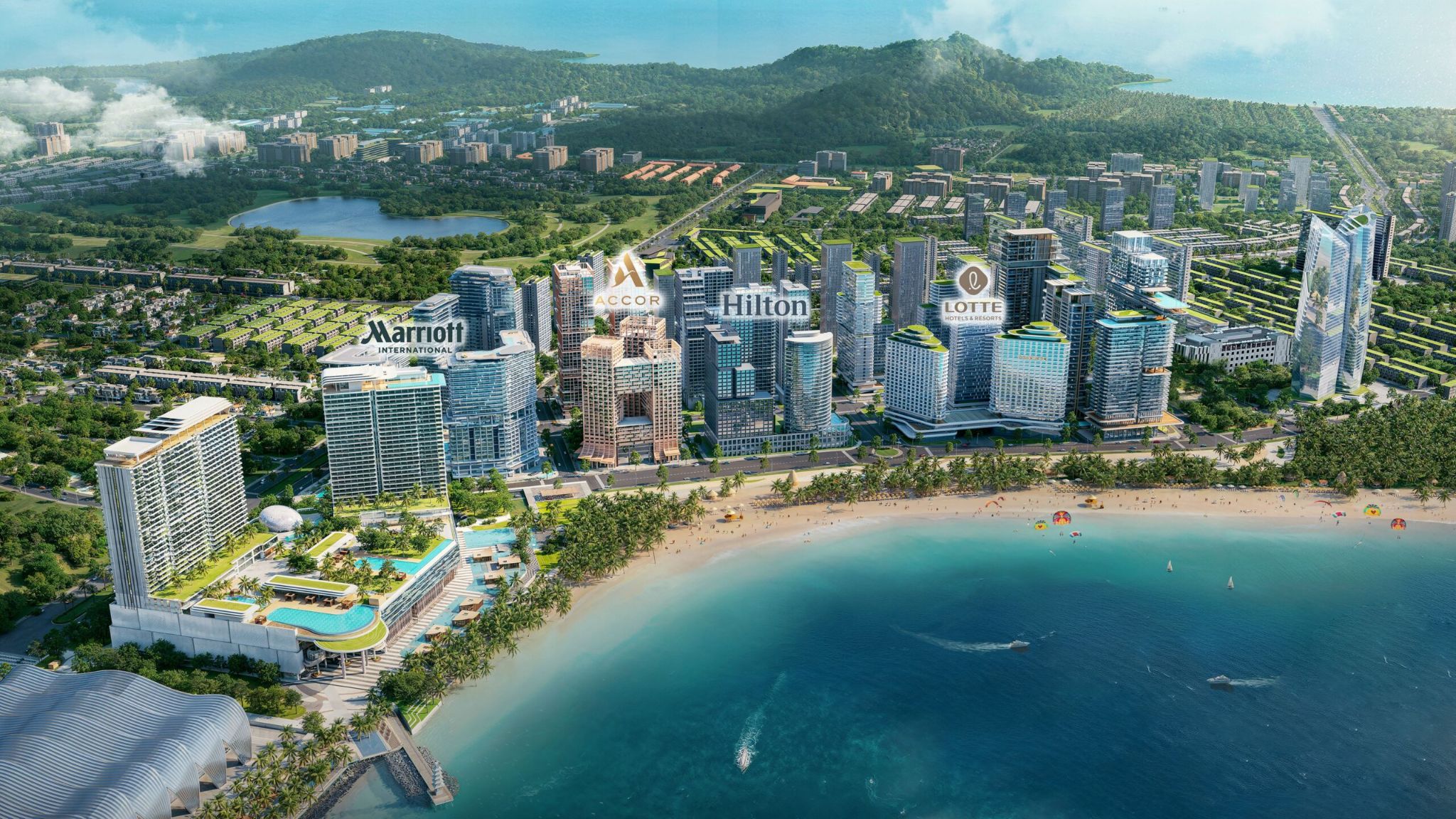
The ecosystem developed by Sun Group in southern Phu Quoc helps complete the destination experience chain.
With aviation, transport, conference facilities, accommodation and destination experiences in southern Phu Quoc, Sun Group is helping build the interconnected components of a MICE destination, gradually positioning Phu Quoc among Asia’s leading MICE tourism destinations. Following APEC 2027, the Pearl Island is expected to accelerate its development significantly and continue attracting major international events as its MICE tourism infrastructure becomes increasingly comprehensive and integrated.