















Cuisine Adds Greater Depth to the Phu Quoc Experience
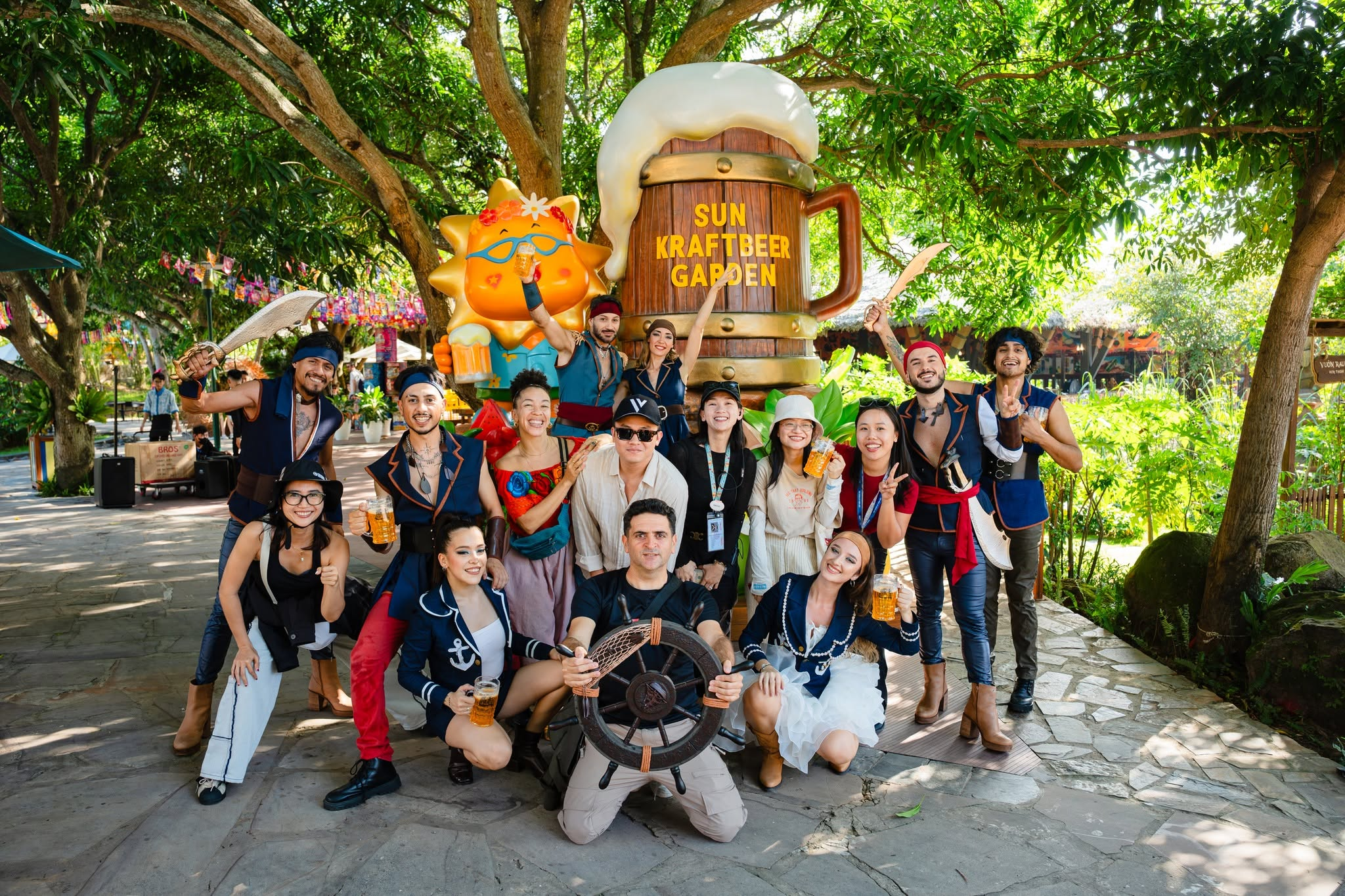
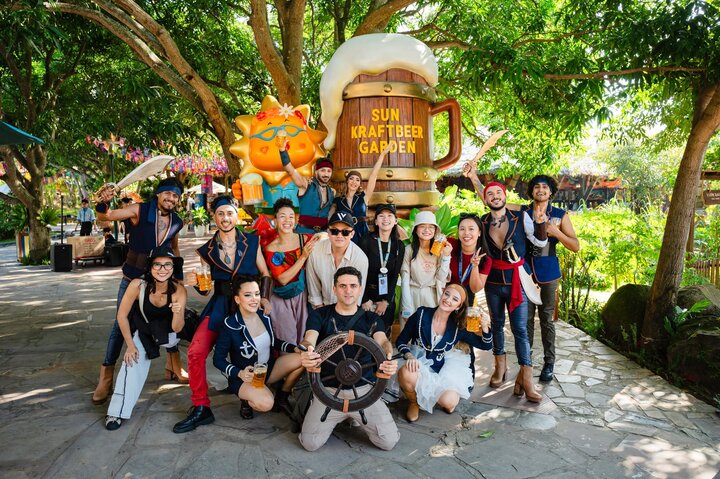
The Sun KraftBeer Garden area is a favourite among many visitors.
Phu Quoc has long been remembered for its emerald waters, soft white-sand beaches and an increasingly diverse travel experience that unfolds from early morning until late at night. But as scenery and activities have become familiar reasons to visit the Pearl Island, cuisine offers another way to explore the destination — one that is closer to local life and leaves a lasting impression through flavour. From local specialities to thoughtfully designed dining spaces, every meal can become a highlight to look forward to during the journey.
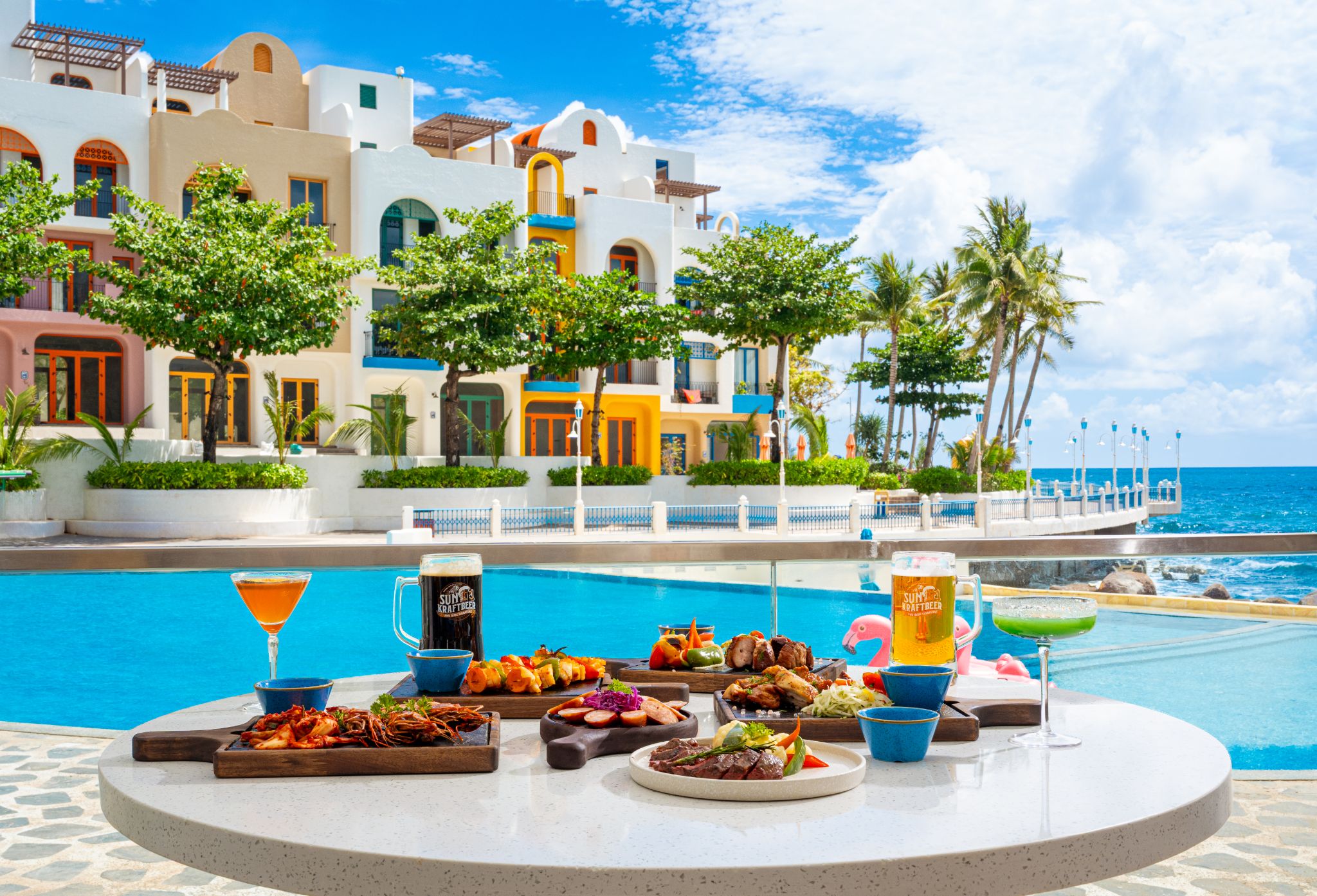
European dishes at Santo Beach Club are even more enjoyable when paired with Sun KraftBeer — a craft beer with a distinctive Phu Quoc character.
Within this evolving culinary landscape, the presence of MICHELIN Guide Phu Quoc could create another significant milestone: transforming cuisine from a supporting element of the journey into a reason for travellers to actively choose and explore the destination. This could encourage visitors to spend more time on the island, move between different areas and discover Phu Quoc beyond its familiar attractions. A meal would then become more than simply a break between activities — it could become a memorable highlight of the journey in its own right.
From Seafood and Fish Sauce to Pepper: Phu Quoc’s Culinary “Calling Cards”
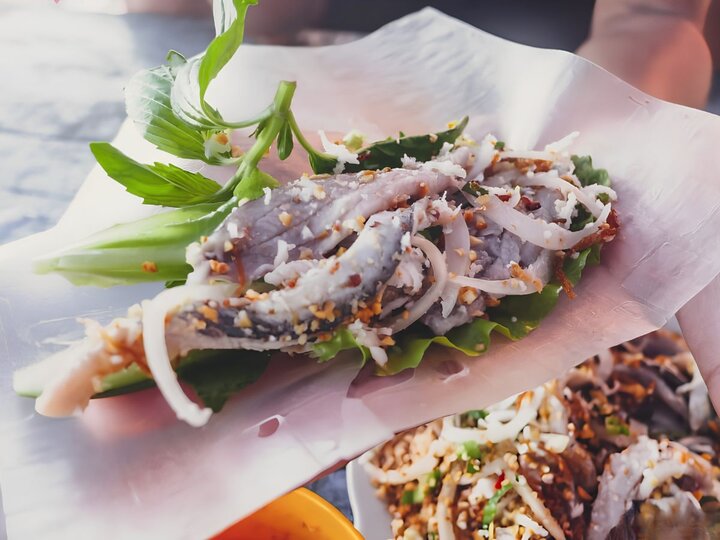
Phu Quoc’s cuisine has a distinctive advantage: its flavours are deeply rooted in the land and sea. Seafood from local waters, fish sauce from traditional barrel houses, and pepper from local farms do more than shape the island’s dishes — they also become recognisable culinary signatures that help visitors remember the Pearl Island through taste. Each local product carries with it part of the story of the sea, traditional livelihoods and everyday life on the island.
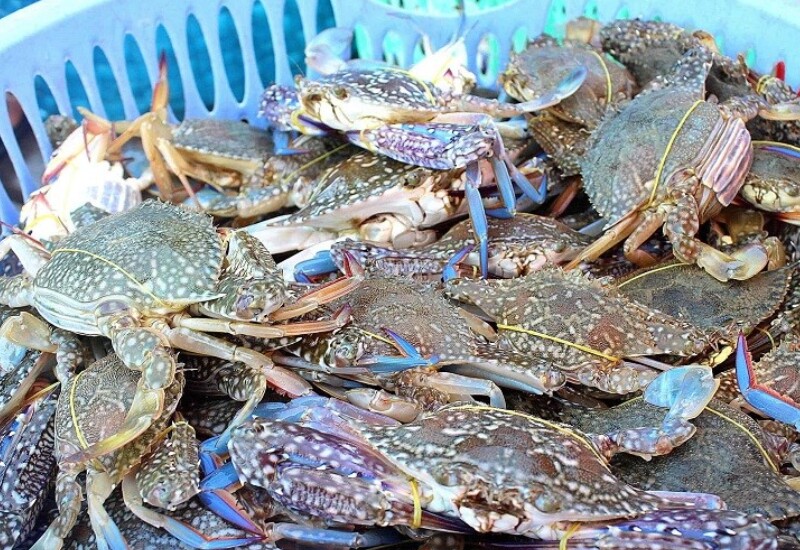
Ham Ninh crab has long been a culinary symbol of the Pearl Island, closely associated with the coastal fishing village located about 20 km from central Phu Quoc. (Source: Collected)
These are also among the elements highlighted by the MICHELIN Guide when describing the appeal of Phu Quoc’s cuisine. What is notable is not simply that familiar local products may become more widely known, but that they can also be recognised as defining features of the destination. A seafood meal can evoke the rhythm of life in a fishing village; the taste of fish sauce can lead back to the story of traditional barrel houses; while the distinctive heat of pepper recalls the pepper farms that have long been part of the island’s landscape and everyday life.
The presence of MICHELIN Guide Phu Quoc could therefore create further opportunities for these local values to enter a wider range of culinary spaces and be expressed in new ways. Yet whether in a local eatery or a carefully curated dining experience, what ultimately creates distinction is the character of Phu Quoc behind every flavour.
In this way, seafood, fish sauce and pepper are no longer simply local specialities to try, but can become culinary “calling cards” that help visitors recognise and remember Phu Quoc among many other island destinations.
MICHELIN Guide: From Local Ingredients to New Standards at the Dining Table
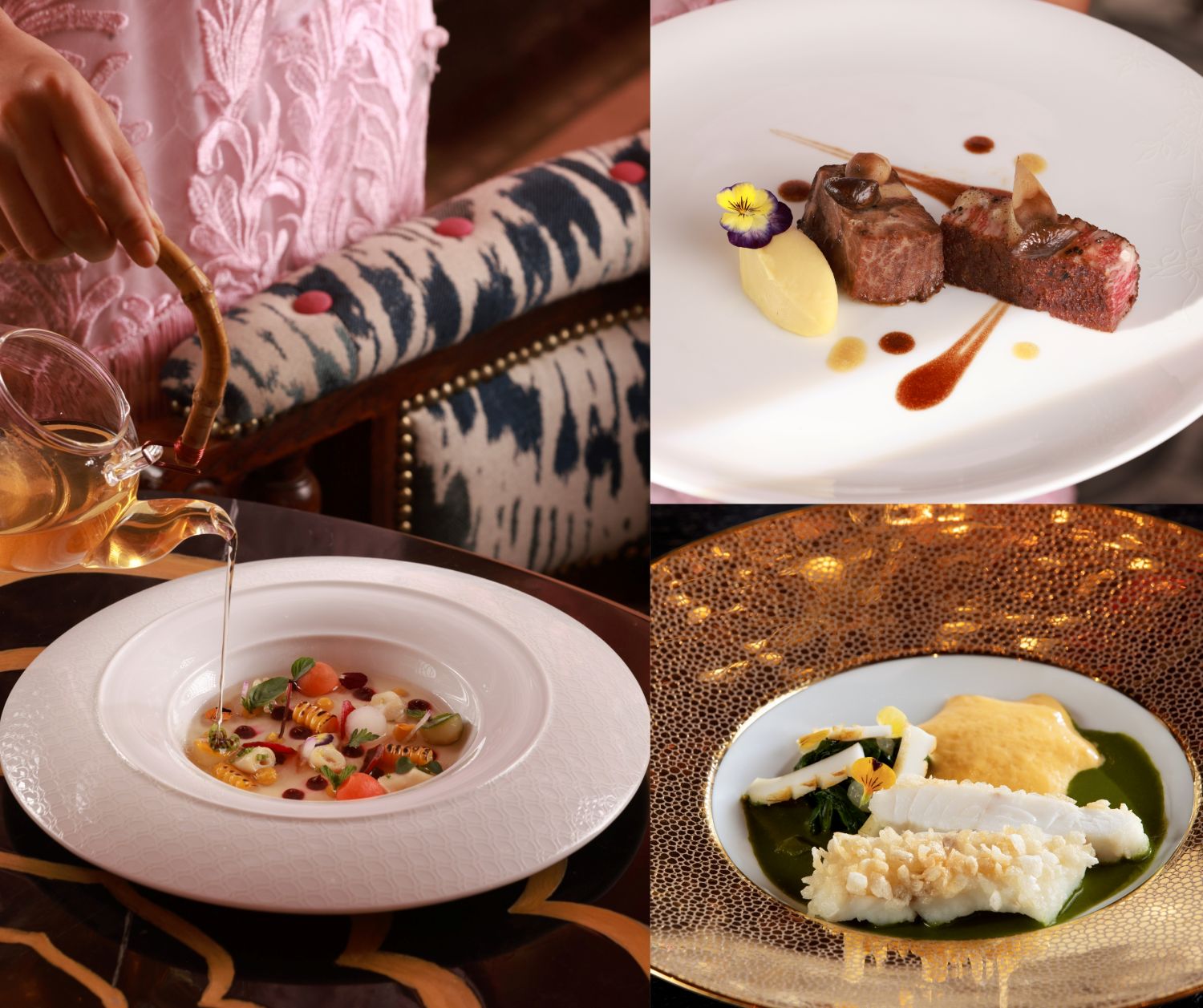
French-inspired cuisine with Mediterranean influences, shaped by the distinctive touch of chef Olivier Elzer at Pink Pearl by Olivier E.
The presence of MICHELIN Guide Phu Quoc could mark a new stage for the Pearl Island’s culinary scene, where ingredients, technique and a distinctive culinary identity become key differentiators at the dining table. Within the MICHELIN evaluation system, the focus is not on scale or the grandeur of the setting, but on the quality of the ingredients, mastery of cooking techniques, harmony of flavours, the personality of the cuisine, and consistency over time and across the entire menu.
For Phu Quoc, the question is no longer whether the island has distinctive culinary assets, but how those local strengths can be transformed into dining experiences capable of leaving a lasting impression. Seafood, fish sauce, pepper and many other local ingredients already provide a strong foundation; the challenge lies in how they are interpreted on the plate. When ingredients are handled with finesse, combined with strong technique and expressed with individuality, even a familiar dish can take on a new identity while still retaining the island’s culinary “DNA”.
The presence of the MICHELIN Guide could also create further momentum for restaurants, chefs and culinary operators to invest more deeply in food quality and the overall dining experience. Phu Quoc welcomed more than 8.57 million visitors in the first nine months of 2026; combined with the island’s distinctive local ingredients, this visitor volume could create further room for innovation — from more refined uses of local produce to the development of menus and dining spaces with a distinctive identity.
At that point, Phu Quoc’s culinary landscape could become even more diverse: alongside local eateries preserving traditional flavours would be carefully developed dining spaces, where seafood, fish sauce, pepper and other familiar island ingredients are presented in new ways while still retaining the authentic “soul” of Phu Quoc.
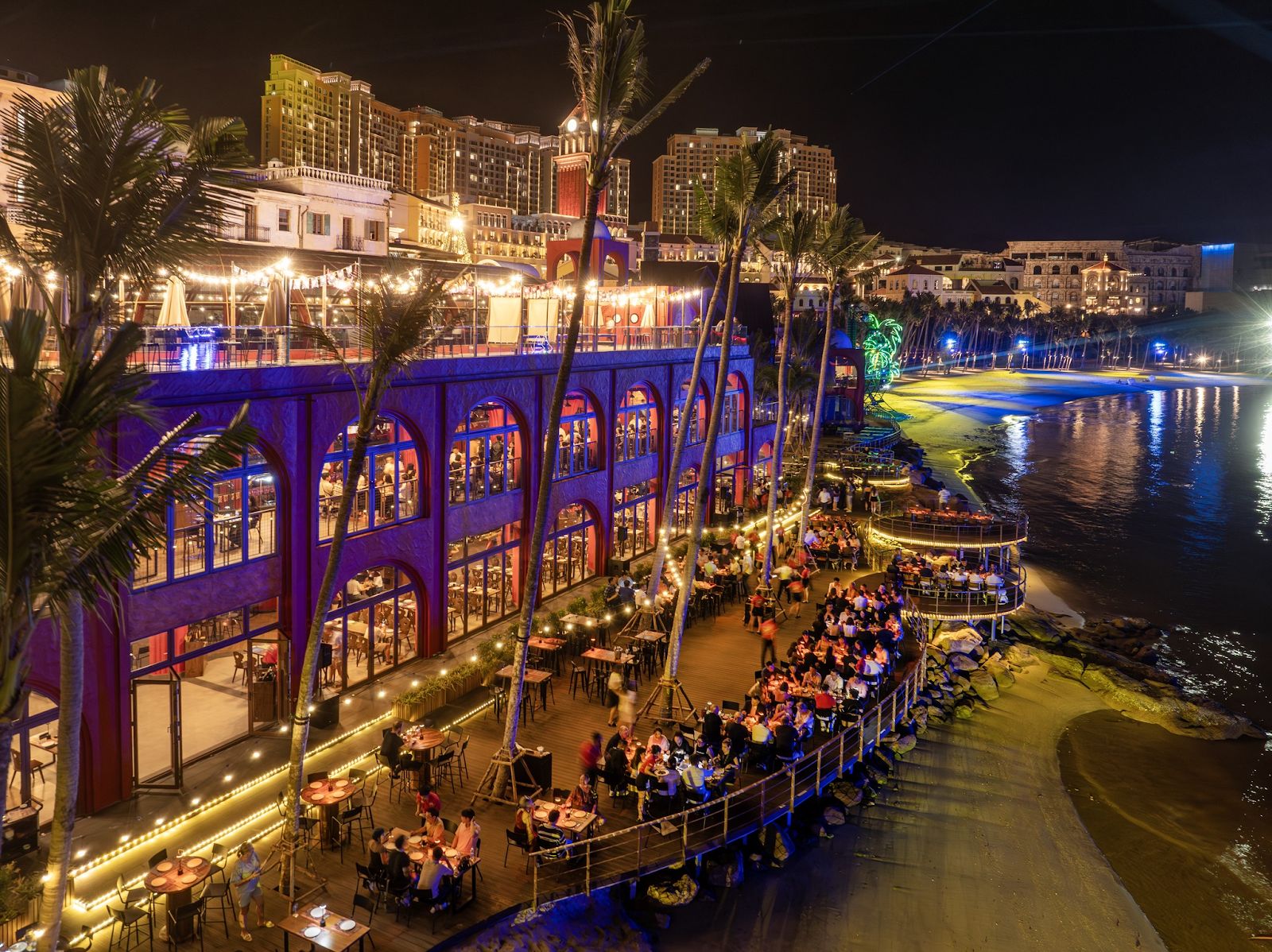
Sun Bavaria GastroPub serves freshly brewed craft beer alongside a European-inspired menu featuring Phu Quoc seafood.
The value to be expected, therefore, lies not only in how many restaurants in Phu Quoc may eventually be recognised by MICHELIN. More importantly, a new benchmark could provide further momentum for the entire culinary experience to be refined — from the quality of the food to the distinctive impression each restaurant leaves on a visitor’s journey.
👉 UNIQUE CULINARY EXPERIENCES AT SUNSET TOWN
Phu Quoc – The Fourth Destination Expanding Vietnam’s Culinary Map
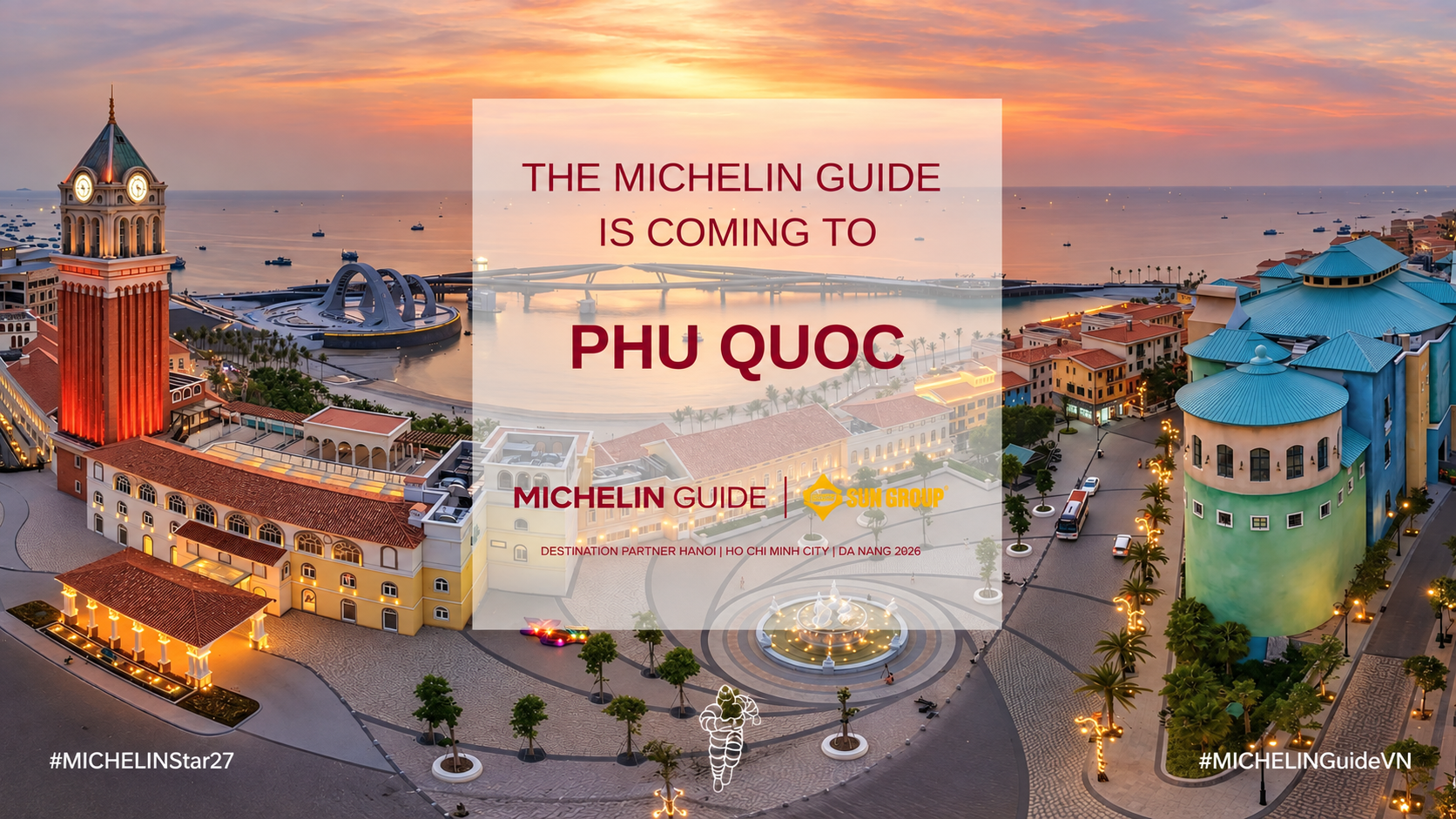
Phu Quoc becoming the fourth MICHELIN Guide destination in Vietnam, after Hanoi, Ho Chi Minh City and Da Nang, carries significance beyond the island itself. It brings island flavours into the broader narrative of Vietnamese cuisine, enriching the story of a country defined by diverse cultural identities.
More broadly, this allows Vietnamese cuisine to be presented to international travellers in a more varied way — not only through major cities, but also through destinations where landscape, culture and local produce come together to create distinctive dining experiences. In Phu Quoc, that value becomes even more pronounced as island flavours have the opportunity to blend with modern culinary thinking in a rapidly developing tourism destination.
For this reason, the greatest expectation surrounding MICHELIN Guide Phu Quoc goes beyond the number of restaurants that may receive recognition. More importantly, it lies in the positive transformation it could encourage across the wider service ecosystem, reinforcing Vietnam’s position not only as a destination of outstanding natural beauty, but also as a place for distinctive, world-class culinary experiences.