















From sea to table: Fresh seafood at the heart of Phu Quoc’s culinary appeal
As Vietnam’s largest island, Phu Quoc enjoys an exceptional advantage when it comes to fresh seafood. Fish, squid, shrimp, crab, sea urchin and a wide variety of seasonal catches have long been part of everyday meals for local residents and are now among the island’s essential culinary experiences for visitors. The journey from sea to table is remarkably short, with the day’s catch quickly making its way to local markets, fishing villages, casual eateries and upscale restaurants across the island.
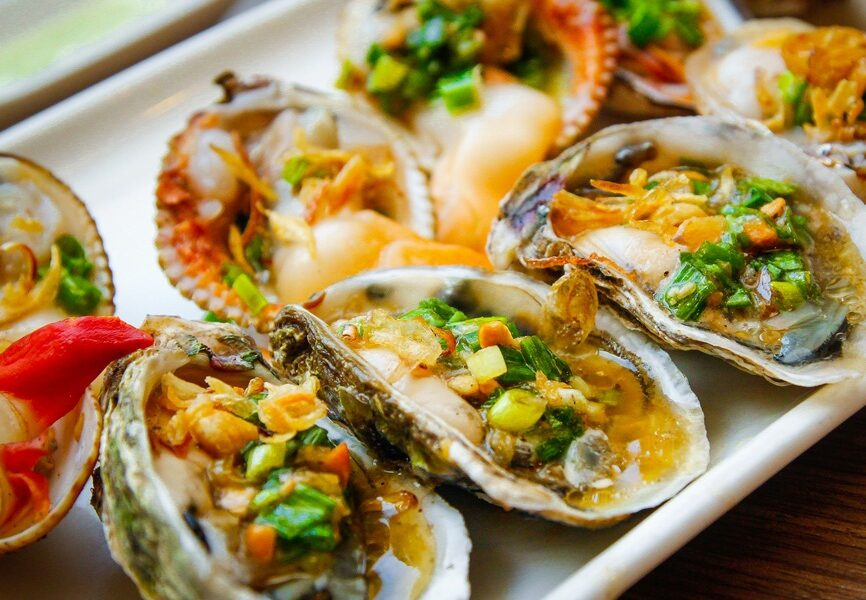
Fresh seafood from the waters surrounding the island provides a strong foundation for Phu Quoc’s distinctive culinary identity.
What makes Phu Quoc seafood particularly appealing is the way it is prepared to preserve its freshness and natural flavors. Ham Ninh crab is often simply steamed to retain its delicate sweetness, while sea urchin is grilled over charcoal with scallion oil, and grilled scad offers firm, naturally sweet flesh. Fresh herring, meanwhile, forms the heart of Phu Quoc’s signature herring salad. Rather than relying on elaborate techniques, these straightforward cooking methods allow the island’s exceptional seafood to remain the true star of the table.
This is an important advantage as Phu Quoc officially enters the MICHELIN Guide’s selection landscape. Ingredient quality is one of the core criteria used by MICHELIN inspectors when assessing restaurants. With an abundant supply of fresh seafood readily available, establishments ranging from humble local eateries to sophisticated fine-dining restaurants have access to outstanding ingredients that can be interpreted, refined and transformed into a wide spectrum of culinary experiences.
Fish sauce, pepper and the local produce that defines the “taste of Phu Quoc”
If seafood provides the freshness, fish sauce and pepper are two essential elements that help define the distinctive flavors of Phu Quoc cuisine. Traditional fish sauce production has been intertwined with island life for generations, using fresh anchovies and a meticulous fermentation process in large wooden barrels. Far more than an everyday seasoning, Phu Quoc fish sauce has become an emblematic local product, appearing in dipping sauces and adding depth and character to countless dishes.
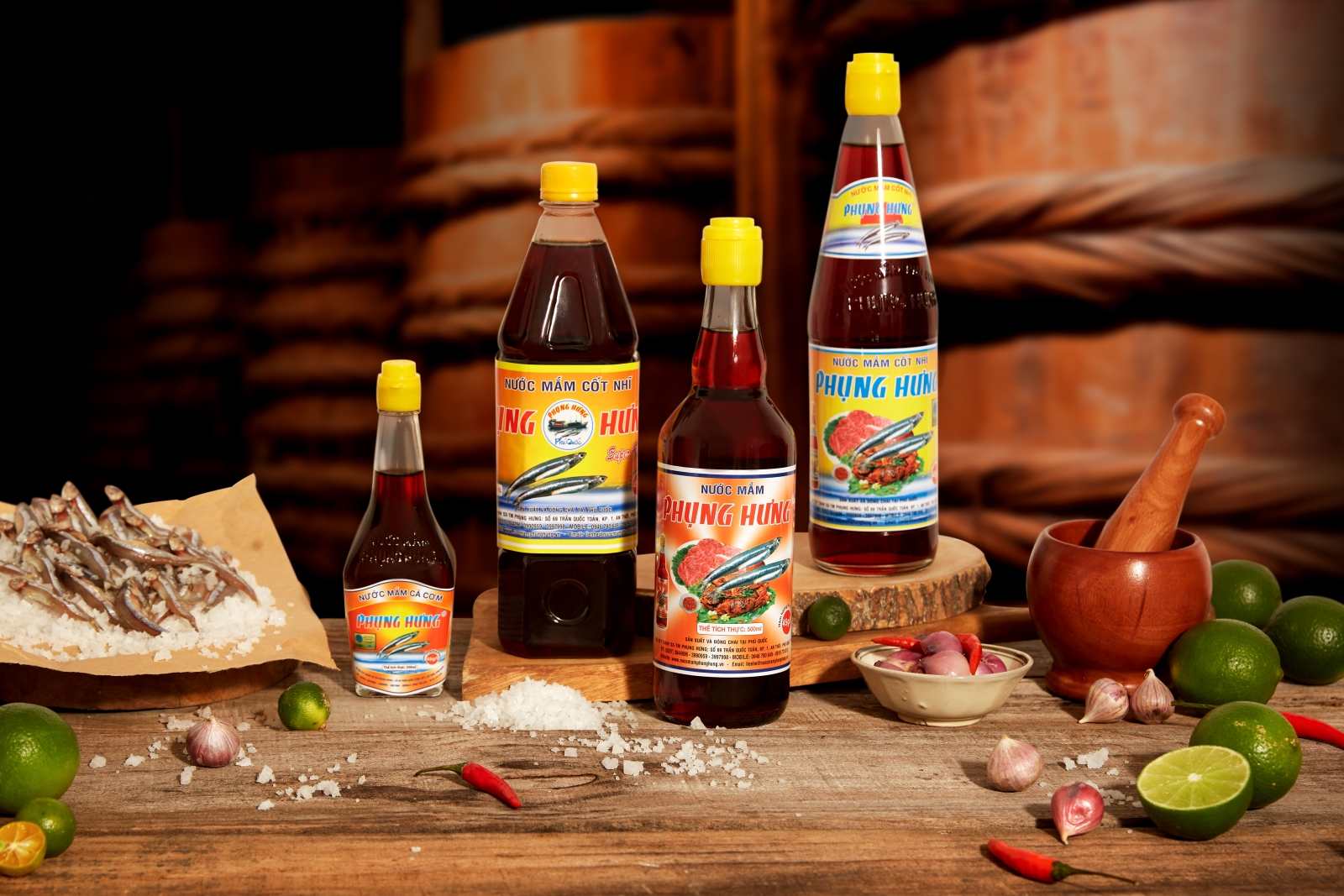
Traditional fish sauce and pepper are two essential local products that shape Phu Quoc’s distinctive culinary identity.
Alongside fish sauce, Phu Quoc pepper is another indispensable feature of the island’s culinary landscape. Lush pepper farms produce intensely aromatic peppercorns with a distinctive heat, while also becoming attractions in their own right. When paired with freshly caught seafood, these local ingredients create memorable combinations, from simple seafood served with pepper, salt and lime to richly seasoned grilled dishes and creative interpretations at contemporary restaurants.
Notably, when announcing its expansion to Phu Quoc, the MICHELIN Guide highlighted fish sauce and pepper among the key products shaping the island’s culinary identity. This reflects how Phu Quoc’s appeal extends beyond a handful of signature dishes. Instead, it comes from a rich ecosystem of local ingredients shaped by the island’s natural environment, traditional crafts and generations of coastal life.
Duong Dong, Ham Ninh and a culinary culture rooted in fishing village life
Phu Quoc’s cuisine is also compelling because of its close connection to the everyday rhythms and traditions of coastal communities. In Duong Dong, bustling markets and long-established eateries serve familiar local specialties such as bun quay, bun ken, herring salad and freshly caught seafood. Ham Ninh, meanwhile, retains the atmosphere of a traditional fishing village, where visitors can enjoy seafood by the water while experiencing the unhurried rhythms of local life. Together, these destinations turn dining into a deeper exploration of the island’s culture.
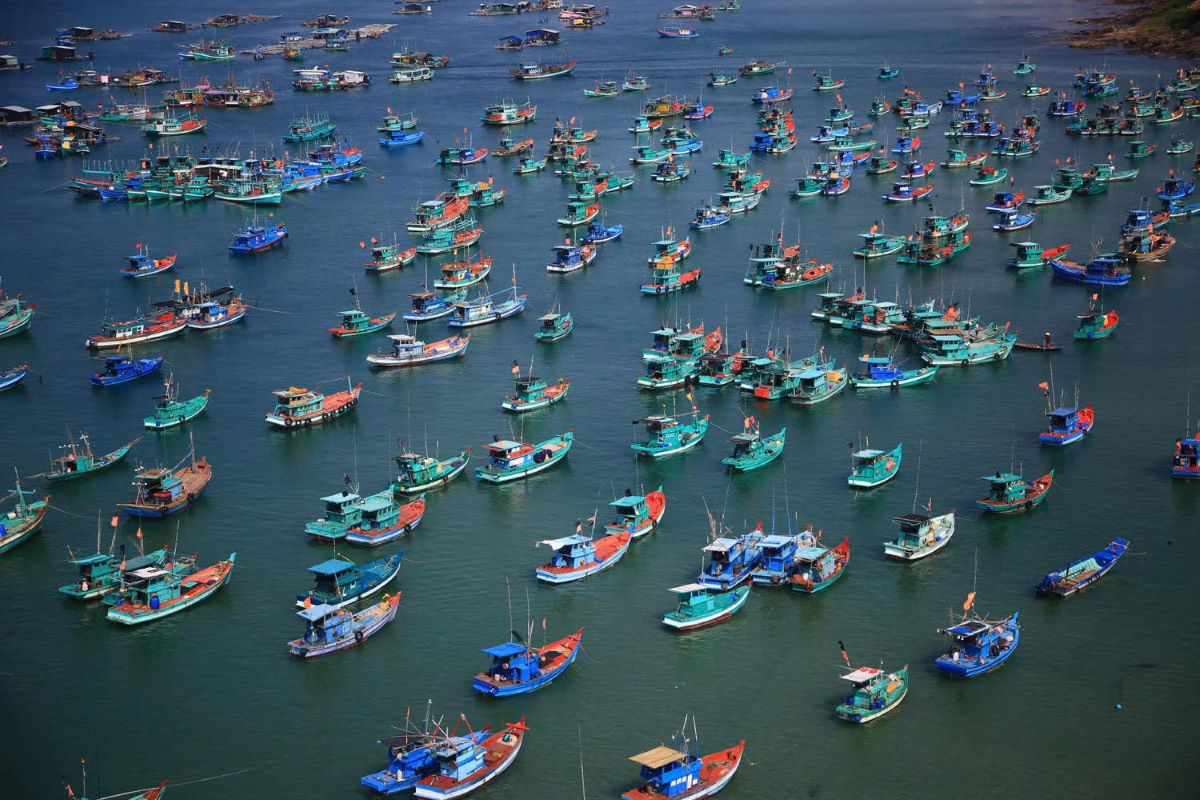
Phu Quoc’s long-standing fishing village culture continues to preserve the island’s authentic local flavors.
A culinary day in Phu Quoc might begin with a steaming bowl of bun quay in the morning, continue with a stroll through a local market to discover regional produce, and end with a fresh seafood dinner by the sea. While these dishes are often simple in presentation, they reveal the resourcefulness of island communities in making the most of ingredients available around them. Over generations, this unpretentious food culture has created a rich culinary memory, establishing Duong Dong and Ham Ninh as essential stops on any food-focused journey around the island.
This fishing village heritage also adds an important layer to Phu Quoc’s appeal in the eyes of the MICHELIN Guide. As the island rapidly evolves into an upscale tourism destination, the continued presence of dining experiences rooted in the sea, local markets and everyday island life creates a compelling contrast. It gives Phu Quoc’s culinary story greater depth and a strong sense of place.
A fusion of flavors: When Phu Quoc meets international cuisine
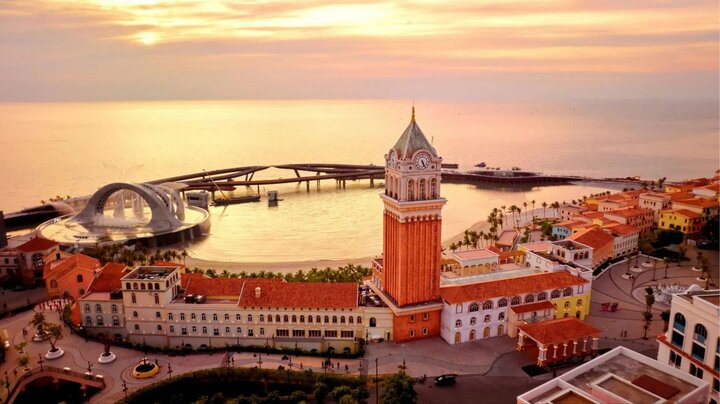
Alongside its down-to-earth local food culture, Phu Quoc’s culinary landscape has undergone a remarkable transformation in recent years, driven by the arrival of upscale restaurants and international culinary talent. The rapid development of tourism infrastructure, luxury resorts and entertainment complexes has introduced new influences to the island, ranging from French and Italian to Mediterranean and contemporary Cantonese cuisine. Visitors can now move seamlessly between authentic local dishes and sophisticated dining experiences crafted to international standards.
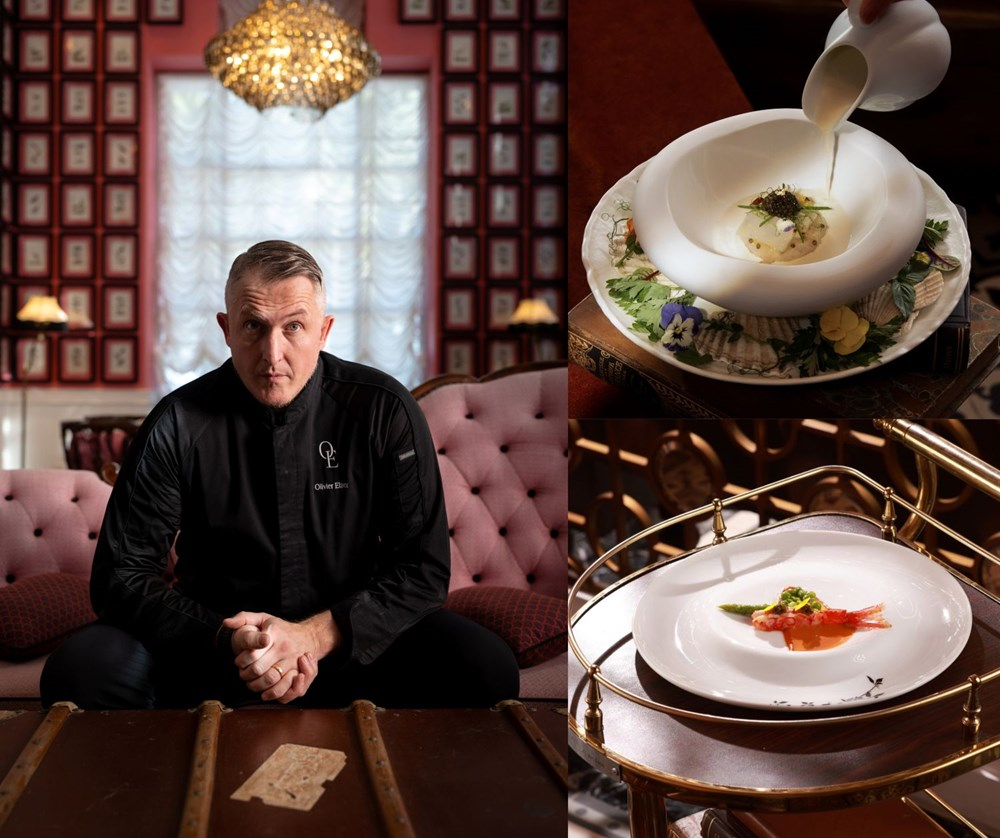
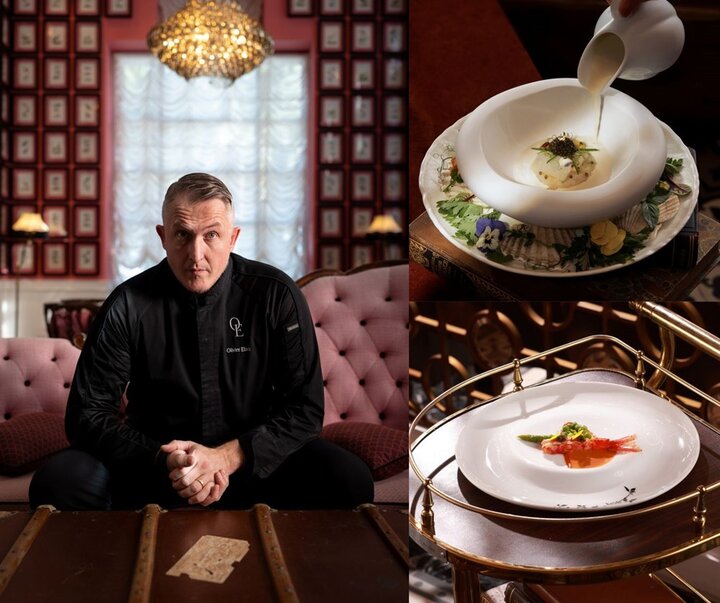
International chefs are bringing fresh perspectives and new approaches to Phu Quoc’s exceptional local ingredients.
This diversity is reflected in several notable dining destinations across the island. Pink Pearl by Olivier E. at JW Marriott Phu Quoc Emerald Bay Resort showcases refined French cuisine with Mediterranean influences under the direction of Chef Olivier Elzer, a chef with extensive MICHELIN-starred credentials. At La Festa Phu Quoc – Curio Collection by Hilton, Seta introduces contemporary Cantonese cuisine through handcrafted dim sum and classic roasted specialties, while Mare celebrates the vibrant flavors of Italy and the Mediterranean. The Home Pizza, meanwhile, offers an inventive meeting point between local and international cuisine with its distinctive herring salad pizza, transforming one of Phu Quoc’s best-known specialties through the lens of a familiar Italian favorite.
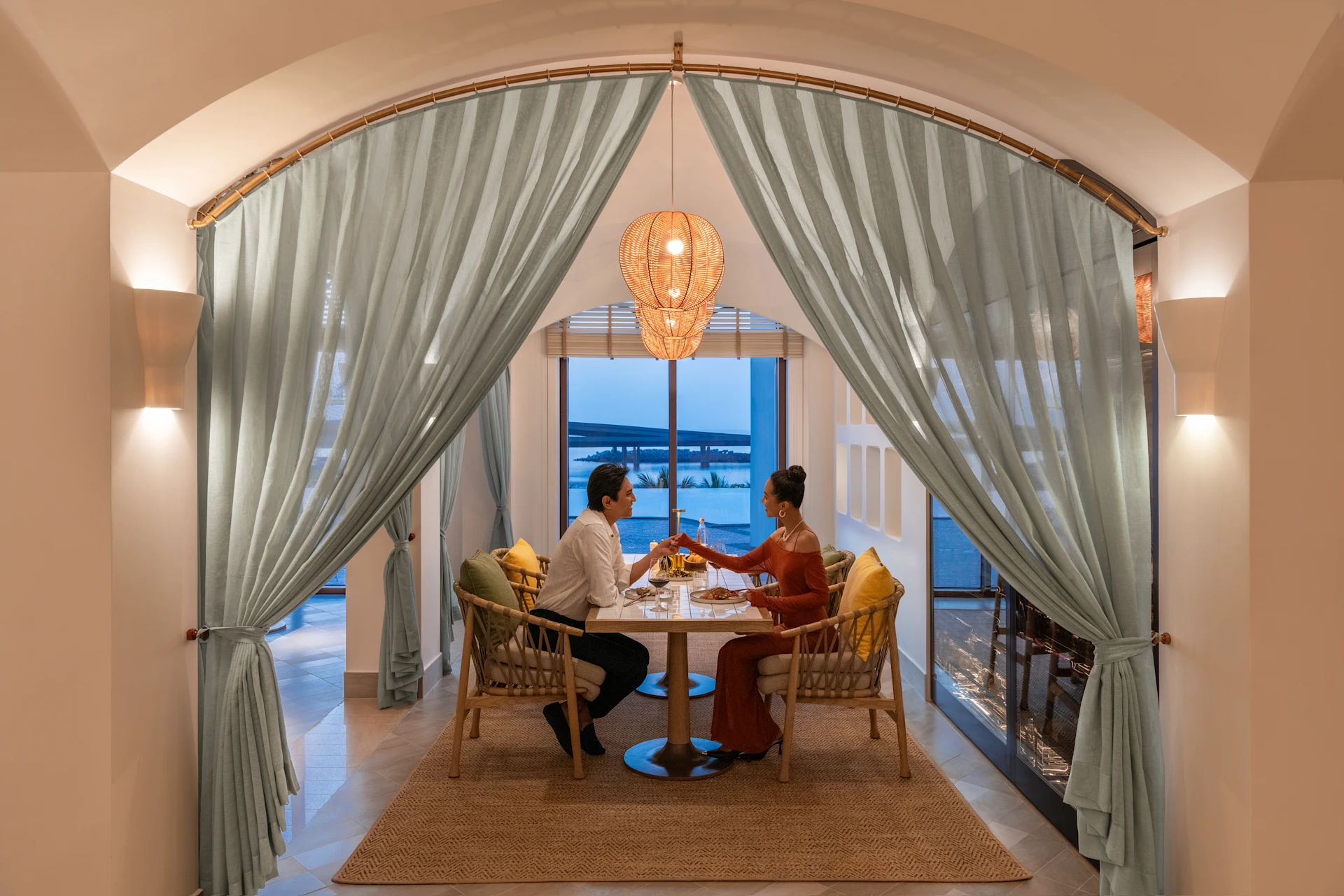
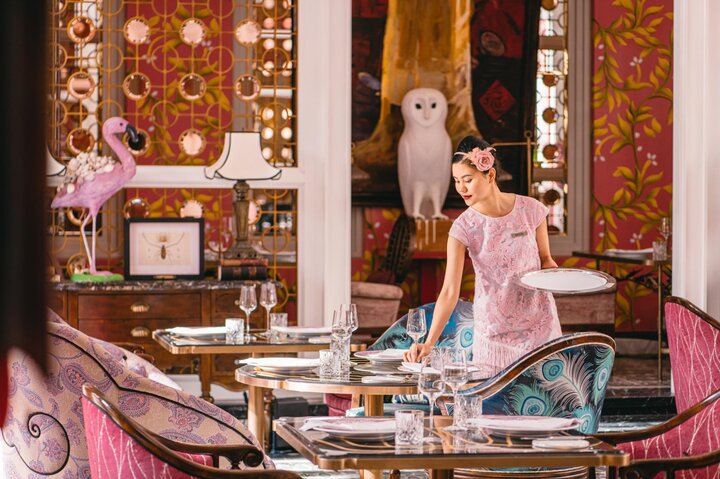
International-standard restaurants are adding new dimensions to Phu Quoc’s increasingly diverse culinary landscape.
The rise of international dining does not overshadow Phu Quoc’s traditional culinary heritage. Instead, it creates new possibilities for local seafood, fish sauce and pepper to be interpreted in creative and sophisticated ways. This intersection is also part of what makes the island particularly compelling: a long-established fishing village culture now exists alongside a vibrant dining market enriched by international culinary talent. Together, these parallel currents have created a food ecosystem that remains deeply rooted in local identity while being increasingly capable of meeting the expectations of global diners.
The MICHELIN Guide’s expansion to Phu Quoc demonstrates how gastronomy is becoming an increasingly important pillar of the island’s appeal. Phu Quoc’s culinary strength lies not only in its exceptionally fresh seafood, but also in its renowned fish sauce and pepper, enduring fishing village traditions and an increasingly diverse collection of contemporary restaurants.
As local identity continues to interact with international culinary influences, Phu Quoc is strengthening its position as a world-class gastronomic destination. The arrival of the MICHELIN Guide is set to provide further momentum, bringing the flavors and culinary stories of the Pearl Island to an even wider global audience.