
















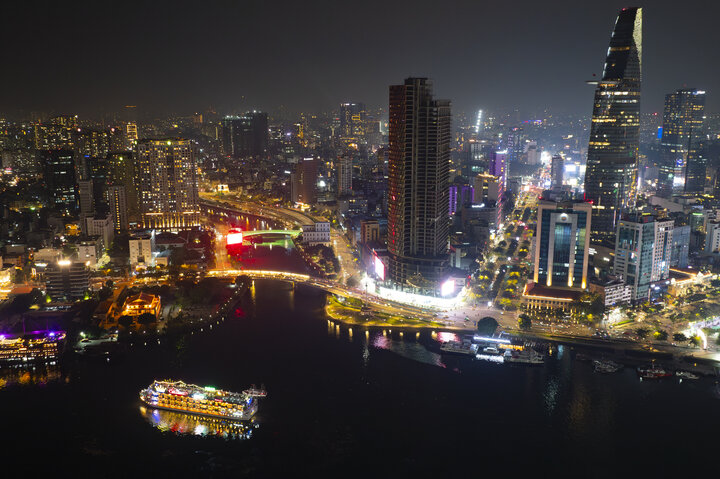
To understand Saigon, it may be best to begin in the late afternoon. As the harsh sunlight softens, the city loses some of its glare, and the layers of time etched into its streets become easier to discern. An old tiled roof, a shuttered window, or a church arch may share the same view as a towering glass skyscraper. The city remains in motion, yet here and there, the pace begins to ease: along the riverfront, over coffee with friends, or during an unhurried stroll across a public square. Saigon has long welcomed people from far and wide who come to build a life here, and its prosperity has been shaped by these very encounters. To observe the city, then, is also to see how different worlds find a natural harmony.
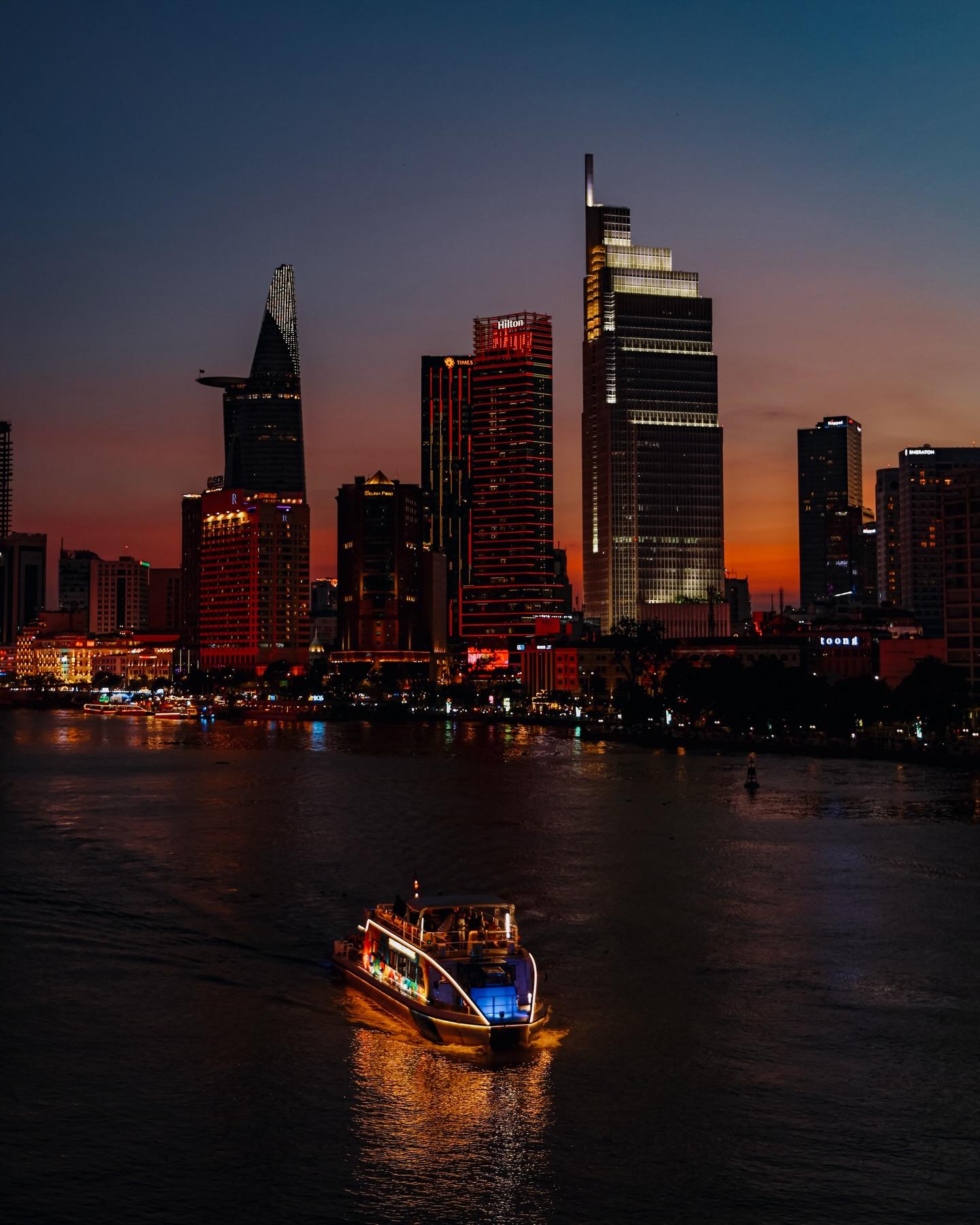
The urban landscape of Ho Chi Minh City
The River and the Layers of Time
From the banks of the Saigon River, the skyline unfolds as a living cross-section of the city's history. The waterway that once carried goods, people, and new ways of life into the city continues its gentle course past riverbanks undergoing transformation. For a metropolis shaped by trade, the river has long served as a link to the wider world, long before boulevards and skyscrapers became emblems of prosperity. Standing here in the late afternoon, it is easy to understand why Saigon has always looked outward, ready to embrace what is new.
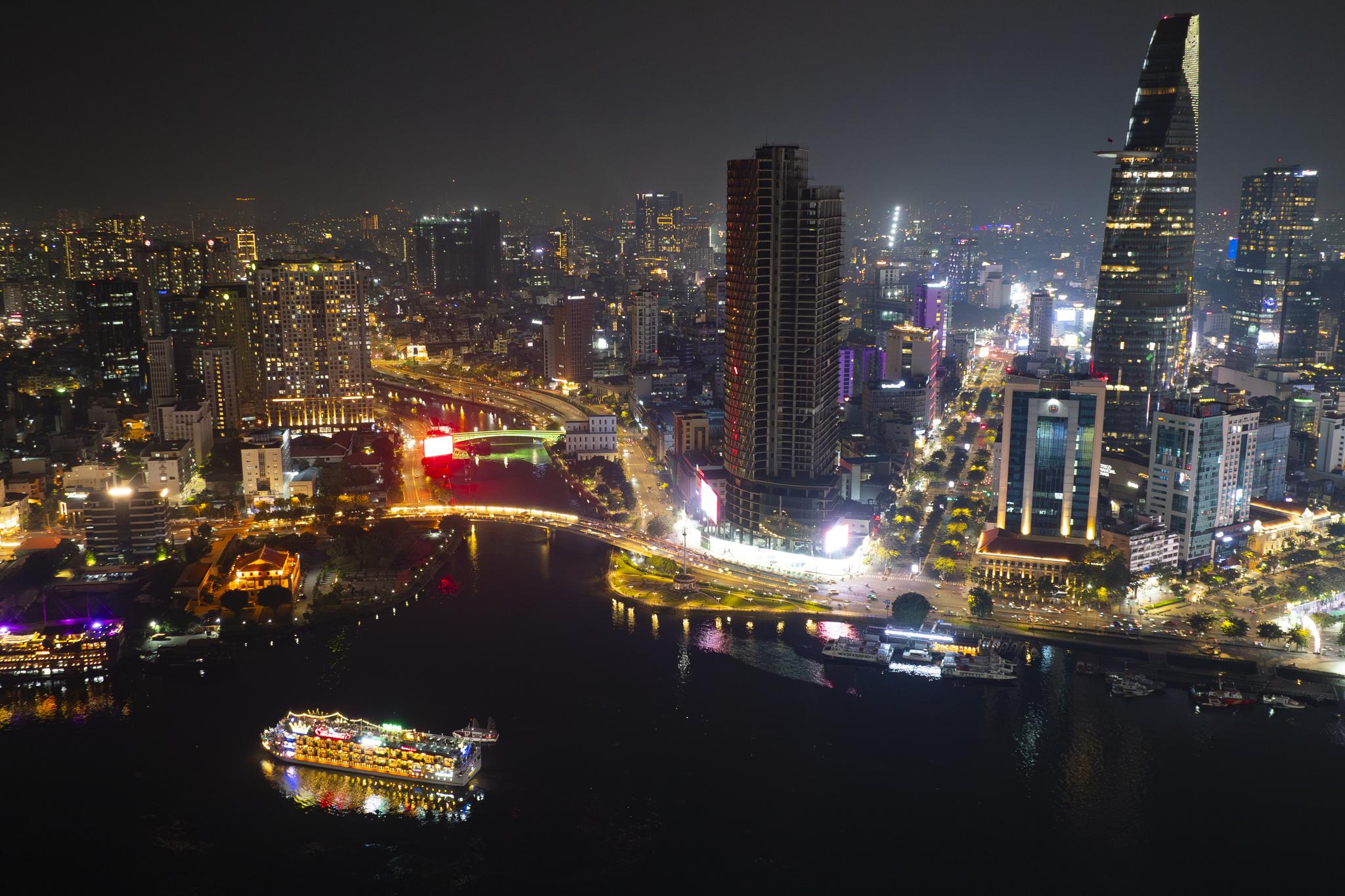
The dazzling and captivating beauty of Ho Chi Minh City when night falls.
Bitexco Financial Tower rises in a familiar silhouette against the sky, while across the river, the buildings of Thu Thiem continue to reshape the urban landscape. The late-afternoon sun glides across glass facades, leaving trails of light that shimmer before giving way to the glow of illuminated windows. Yet Saigon's appeal also lies in the remarkable proximity of old and new. From the central boulevards, a short walk leads to the Municipal Theatre, the Central Post Office, or Notre-Dame Cathedral Basilica of Saigon. These landmarks lend the city a historical depth that no amount of new development can replace.
Set aside a quiet moment at the end of the day for a walk along Bach Dang Wharf, or take in the city from a river cruise. Away from the flow of traffic, the spaces between buildings, stretches of greenery, and bridges connecting the two banks come into view. The water is never entirely still: passing boats break the reflections of city lights into fragments before the ripples draw them together again. This subtle movement lends the nighttime scene a particular poetry, as though the city were still in conversation with the river that has accompanied it through so many seasons of change.
Architecture That Tells Today's Story
A new bridge brings two riverbanks closer together. An urban railway changes how people think about getting around. A new park creates room to pause. Viewed together, these developments reveal a subtle shift in the experience of urban life in Saigon.
The city still needs speed to keep moving, but it also needs breathing room: places where people can walk, sit, and meet without the expectation of making a purchase. Ultimately, the quality of a city is measured in tangible ways by the spaces it makes available to people.
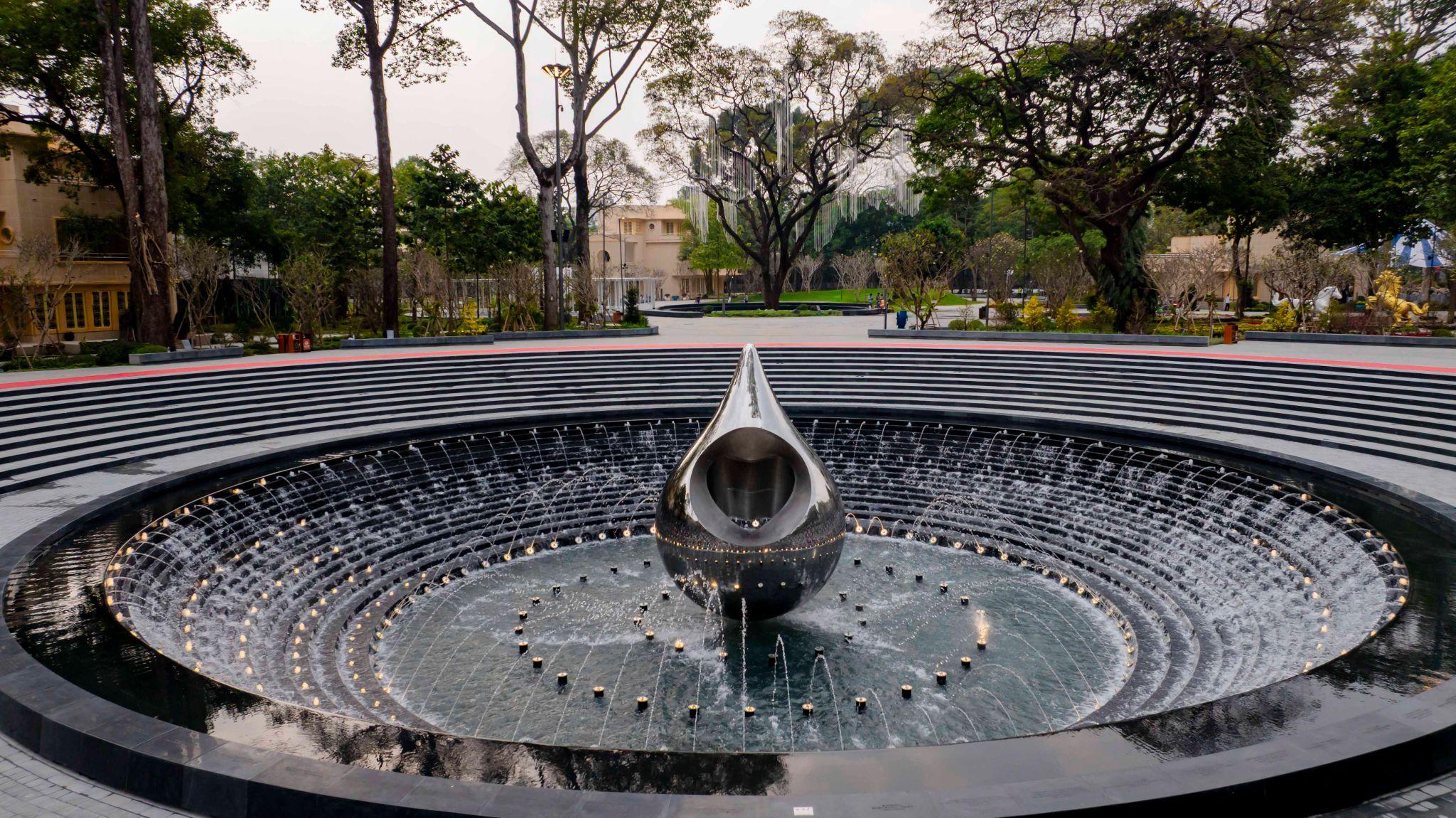
The teardrop symbol in Ly Thai To Park No. 1.
At Ly Thai To Park No. 1, the Droplet memorial stands as a poignant tribute to those who lost their lives during the COVID-19 pandemic. Its mirrored stainless-steel surface reflects the surrounding landscape, while a heart-shaped form at its center evokes the compassion that sustained the city through its darkest days. In a metropolis accustomed to pressing forward, this is a place for silence and pause. Visitors may remember a loved one, a familiar face, or the acts of kindness that helped them through difficult months. Such memories lend greater weight to the beauty of the present, for after so much loss, the chance to share another ordinary day has become a priceless gift.
At Ben Thanh Metro Station, a lotus-shaped skylight allows natural light to filter down into the underground concourse. Nearby stands the historic market long associated with Saigon in the imaginations of visitors from afar. One represents familiar traditions of commerce; the other introduces a new way of moving through the city. Their coexistence creates a compelling dialogue between past and present. By taking the train and emerging into the heart of the city, visitors can experience this transformation on foot. Infrastructure becomes part of the journey of discovery rather than simply a means of getting from one place to another.
As Ho Chi Minh City expands following its merger with Binh Duong and Ba Ria–Vung Tau, the story of its urban transformation takes on new dimensions. Industrial centers, port networks, and the open sea all become part of a broader vision for development. Seen from central Saigon, this prospect raises a simple but important question: What will the city hold on to as it grows? Its expansive riverfronts, tree-lined streets, historic buildings, and memorial spaces are all worth preserving. They anchor development in everyday life, allowing an increasingly vast metropolis to remain a place people can love through the familiar details of a single street.
The City's Rhythm After Dark
As night falls, Nguyen Hue Walking Street welcomes leisurely strollers, Dong Khoi glows behind its elegant display windows, and Bui Vien takes on a different kind of energy, filled with music and conversations in many languages. Amid luxury boutiques, small food stalls still find their place. Beside the grand lobbies of upscale hotels, intimate cafés invite people to linger over coffee, wait for friends, or simply watch the city go by. Saigon owes much of its appeal to this interplay of contrasts, offering visitors countless ways to find their place within its everyday life.
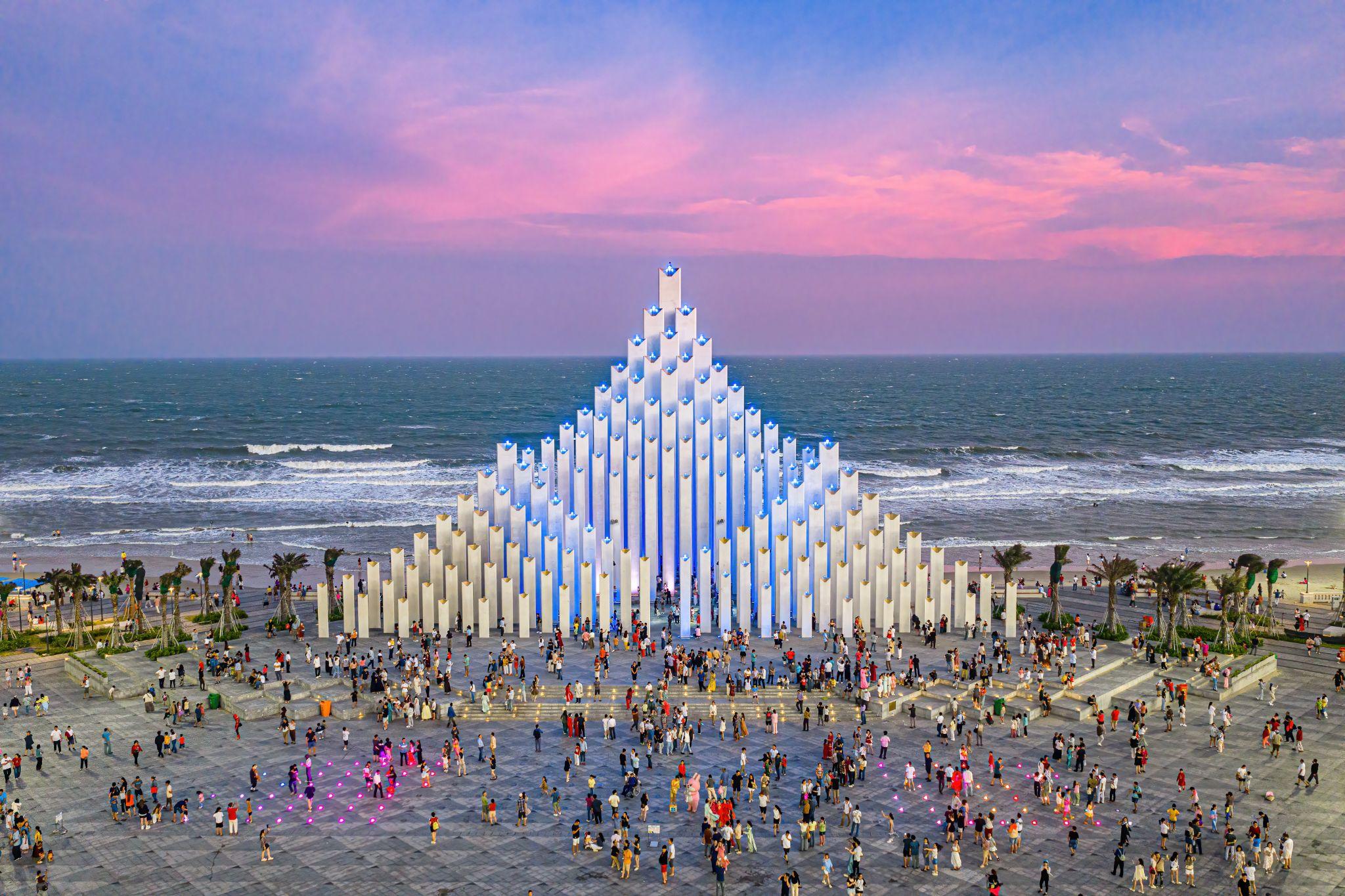
Tam Thang Square in Vung Tau
If the towers reveal how high Saigon aspires to rise, a late-night eatery or a conversation over coffee offers a more intimate sense of the warmth and character of life here. The city's character emerges through details rarely captured in a panoramic view: the easy blend of regional accents, a vendor's quick and attentive service, or the way a newcomer gradually discovers a favorite neighborhood café. This openness has a resilience of its own. It allows the city to embrace the new while preserving the warmth of its human connections.
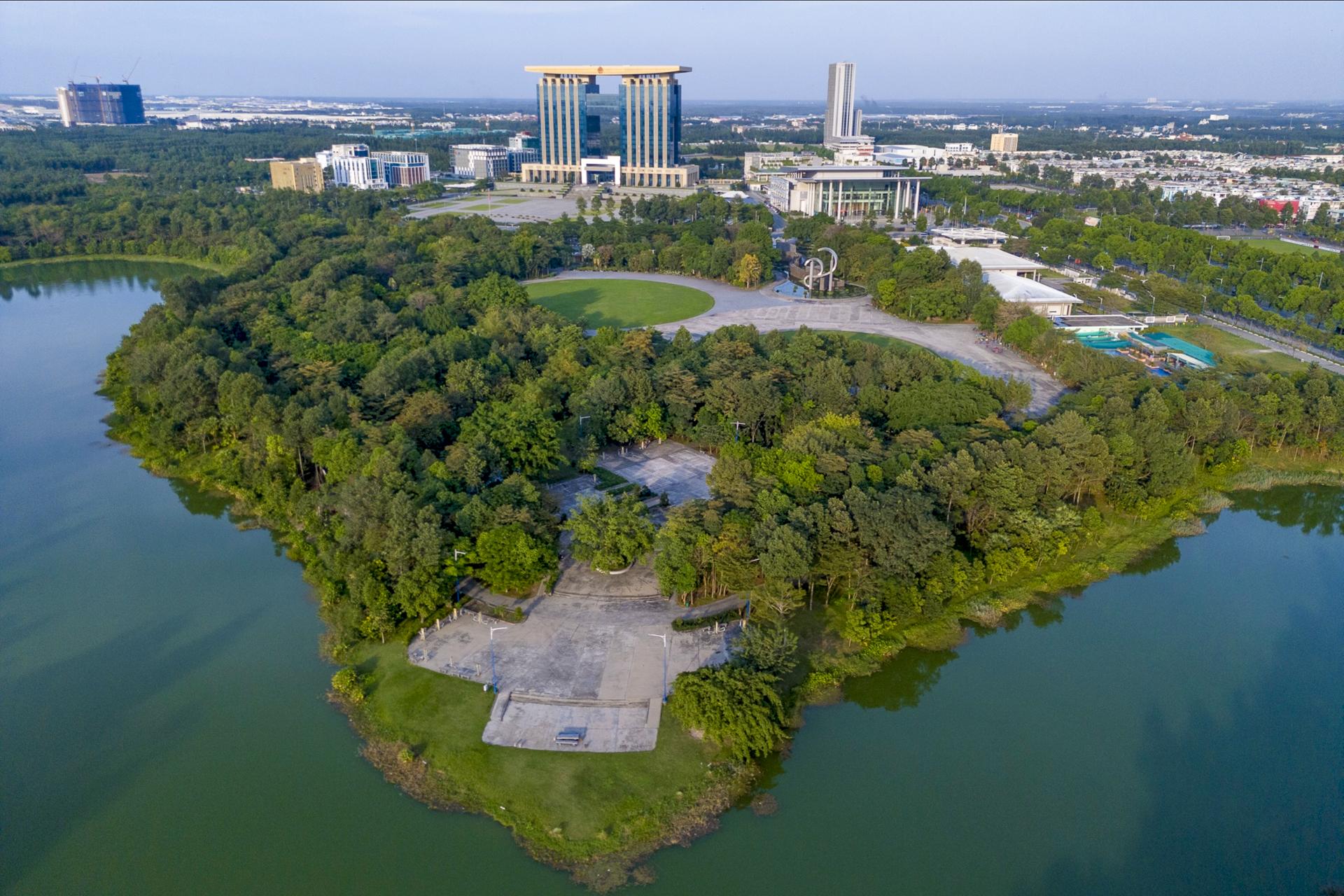
The green urban landscape in Binh Duong
Eventually, leaving the crowded streets and returning to the riverfront, one finds the skyline completely illuminated. The Saigon of the late afternoon seems different from the city now unfolding before our eyes, though only a few hours have passed. Perhaps the city's enduring appeal lies in this remarkable capacity for change, alongside the familiar details that make it unmistakably Saigon: the river, an old facade, a favorite café still glowing in the night. Amid new ambitions and sweeping plans for the future, these familiar details remain the places where a person can first fall in love with the city.