















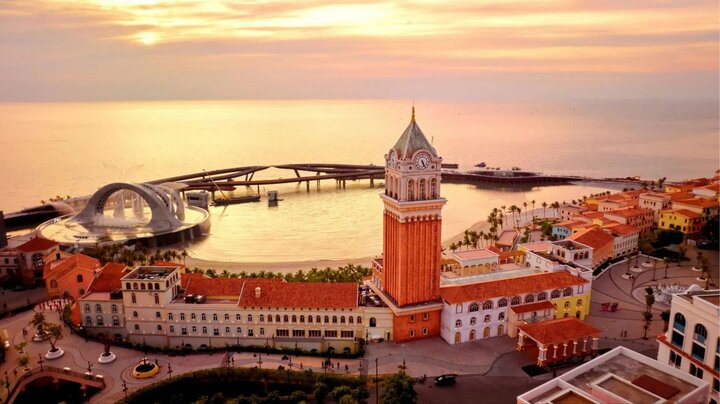
MICHELIN Guide Officially Expands to Phu Quoc
According to the MICHELIN Guide announcement on October 1, 2026, Phu Quoc became the fourth destination in Vietnam to be surveyed by MICHELIN inspectors, following Hanoi and Ho Chi Minh City, which joined the selection in 2023, and Da Nang in 2024. The Phu Quoc selection will be unveiled as part of the MICHELIN Guide Vietnam 2027, expected to be announced in mid-2027.
Unlike the three destinations that came before it, Phu Quoc brings a distinctive dimension to the MICHELIN Guide map in Vietnam: an island destination where cuisine rooted in the sea and traditional fishing-village life exists alongside an increasingly diverse range of dining experiences. What makes MICHELIN Guide Phu Quoc particularly noteworthy, therefore, is not simply the island’s inclusion in the selection. More importantly, Phu Quoc’s culinary landscape — from local specialties and dishes shaped by fishing-village traditions to emerging dining experiences — is now being assessed according to the same evaluation standards applied by the MICHELIN Guide.
What Shapes Phu Quoc’s Distinctive Culinary Identity?
In its official announcement, the MICHELIN Guide highlighted Phu Quoc’s culinary identity as one deeply rooted in its island setting. It is shaped by freshly landed seafood, the rich savouriness of fish sauce, and the distinctive heat and aroma of pepper — local products that do more than define the island’s cuisine; they are also closely tied to the livelihoods, memories and everyday rhythms of local communities.
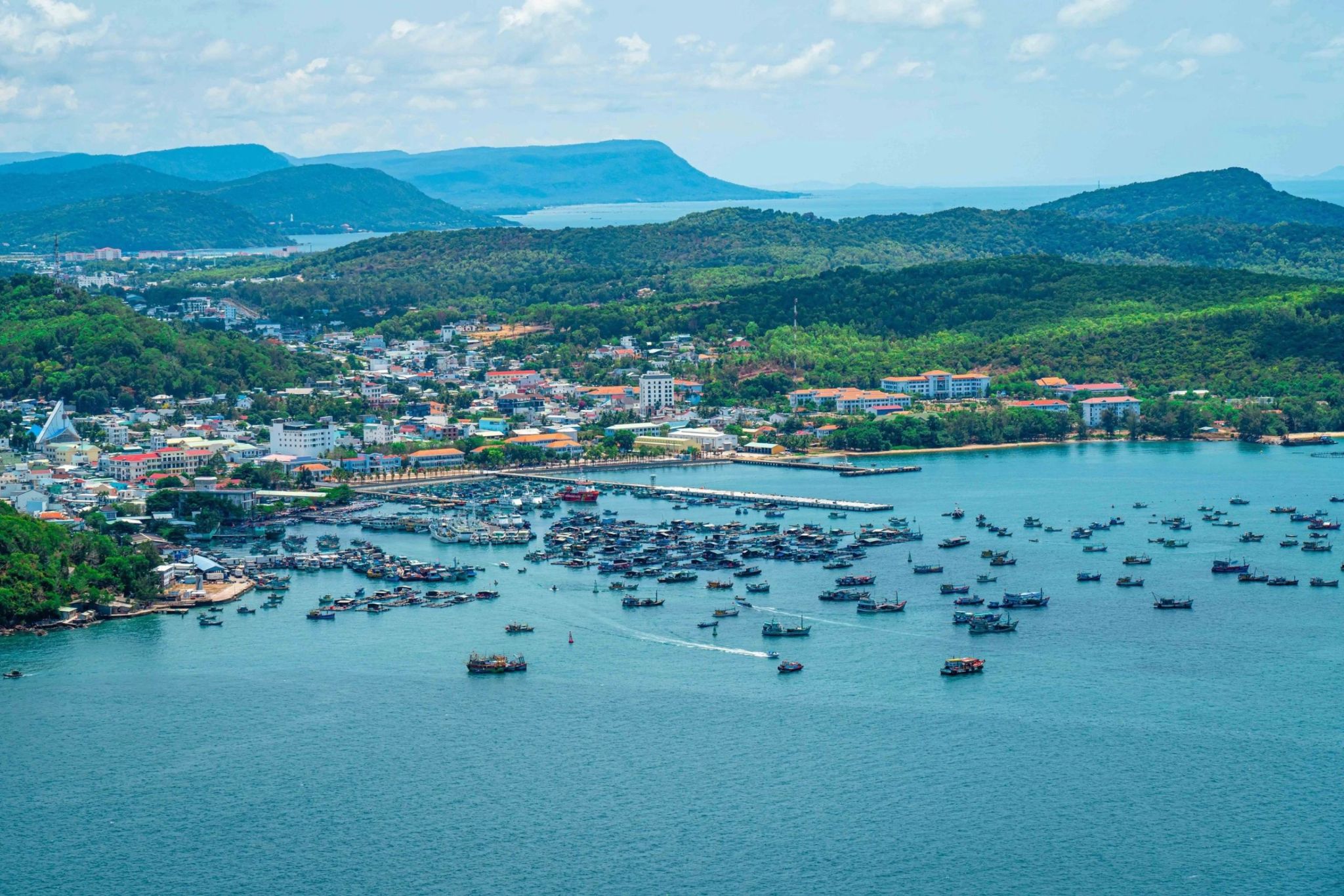
An Thoi Port seen from above, where fishing activities help shape the distinctive maritime rhythm of life in southern Phu Quoc. (Source: Collected)
Building on this foundation, Phu Quoc’s culinary experiences unfold in many different forms. In Duong Dong and Ham Ninh, visitors can still find simple local eateries where the food retains the rustic character and authentic spirit of traditional fishing villages.
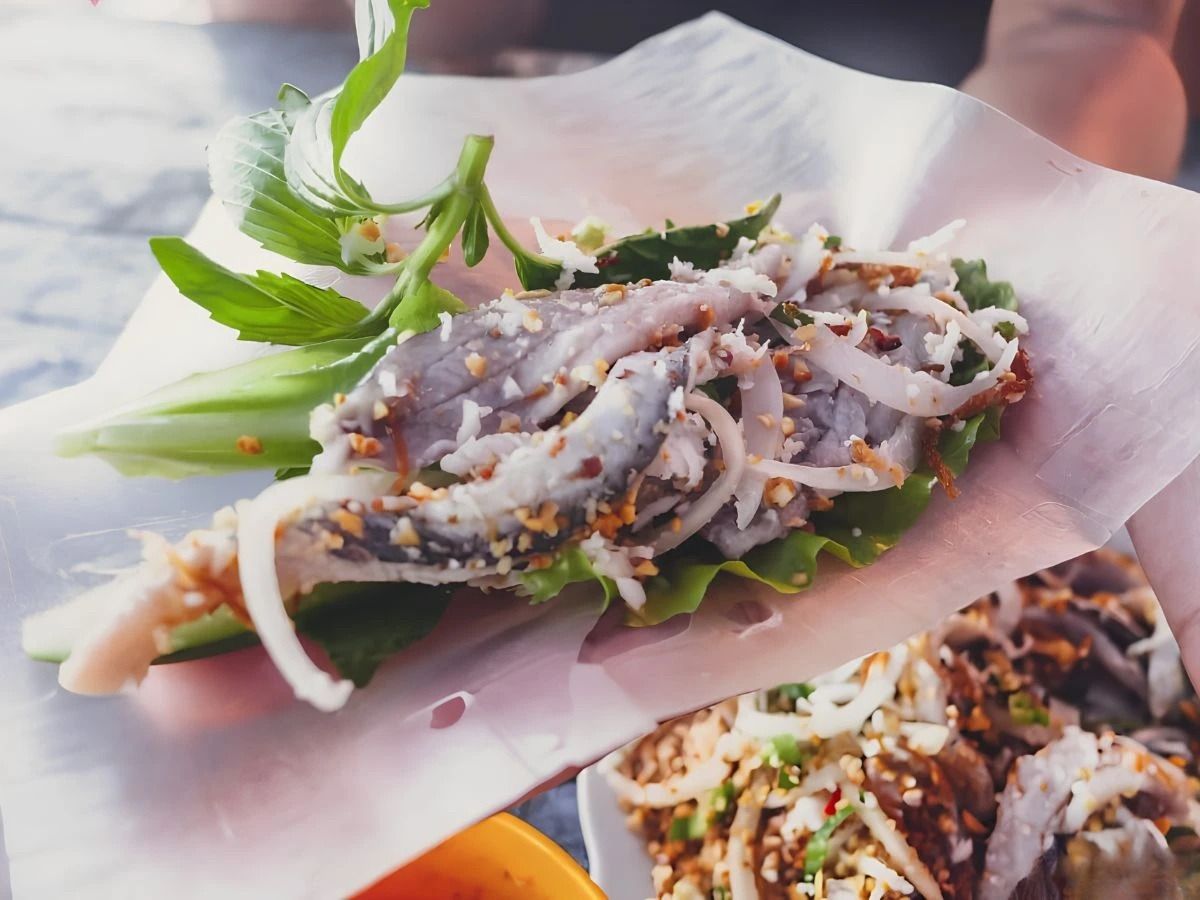
Herring salad wrapped in rice paper is one of Phu Quoc’s signature dishes. (Source: Collected)
Meanwhile, at resorts and emerging destinations, a different culinary landscape is gradually taking shape: local ingredients are being reinterpreted through modern techniques and new combinations, bearing the distinctive touch of chefs with extensive international experience.
The appeal of Phu Quoc’s cuisine, therefore, lies not in a handful of individual specialties, but in the entire journey of flavour — from the sea, pepper gardens and fish sauce houses to humble local meals, restaurants and new dining spaces. It is this continuity between local identity and contemporary expression that creates a multi-layered culinary landscape, where tradition is not lost but retold through different culinary languages.
According to Gwendal Poullennec, International Director of the MICHELIN Guide, what particularly caught the inspectors’ attention was the coexistence of an approachable fishing-village food culture and an evolving culinary scene shaped by talents with international experience.
This is also what makes the story of MICHELIN Guide Phu Quoc so highly anticipated: not only because of the dishes worth discovering, but because of a culinary culture with enough depth to become an integral part of the destination experience itself. A journey to Phu Quoc, therefore, is no longer just about beaches or resort stays, but also about discovering the island through its flavours.
How Will Restaurants in the MICHELIN Guide Phu Quoc Be Evaluated?
In its restaurant evaluation process, the MICHELIN Guide focuses on the quality of the food itself, rather than using the luxury of the setting, the size of the establishment or the prominence of the brand as determining factors.
MICHELIN inspectors work anonymously and independently, with decisions made collectively following discussion and, where necessary, multiple visits. The five universal criteria are: the quality of the ingredients, mastery of cooking techniques, harmony of flavours, the personality of the chef expressed through the cuisine, and consistency across the menu and between visits.
This is particularly noteworthy in Phu Quoc, where the culinary landscape is highly diverse. In principle, a long-established seafood restaurant, a venue specialising in local dishes, a modern Vietnamese restaurant or a fine-dining establishment are all assessed first and foremost on the quality of their food.
The MICHELIN Guide also recognises restaurants in several different ways. A MICHELIN Star is awarded to restaurants offering outstanding cuisine; Bib Gourmand highlights establishments that serve good-quality food at reasonable prices; while MICHELIN Selected refers to restaurants included in the Guide that do not fall into either of those two categories.
For that reason, what makes Phu Quoc worth watching is not simply the question of whether any restaurants will receive a MICHELIN Star, but also which layers of the Pearl Island’s culinary landscape will ultimately be recognised.
When Cuisine Becomes Another Reason to Visit Phu Quoc
For many years, Phu Quoc has been known primarily for its beaches, resorts and entertainment experiences. The arrival of the MICHELIN Guide in Phu Quoc adds a new layer of appeal: cuisine can become a reason in its own right for travellers to visit the Pearl Island, rather than simply an accompaniment to the journey.
Phu Quoc’s cuisine is closely connected to the destination itself. A culinary journey might begin at a local eatery in Duong Dong or a fishing village in Ham Ninh, continue through traditional fish sauce houses and pepper gardens, and then extend to restaurants and experience complexes in southern Phu Quoc.
In this context, the question of “what to eat in Phu Quoc” is no longer separate from “where to go and what to do”, but becomes part of the island discovery experience itself. Cuisine can therefore serve as a thread connecting different areas and experiences, allowing visitors to understand Phu Quoc’s identity more deeply through its flavours.
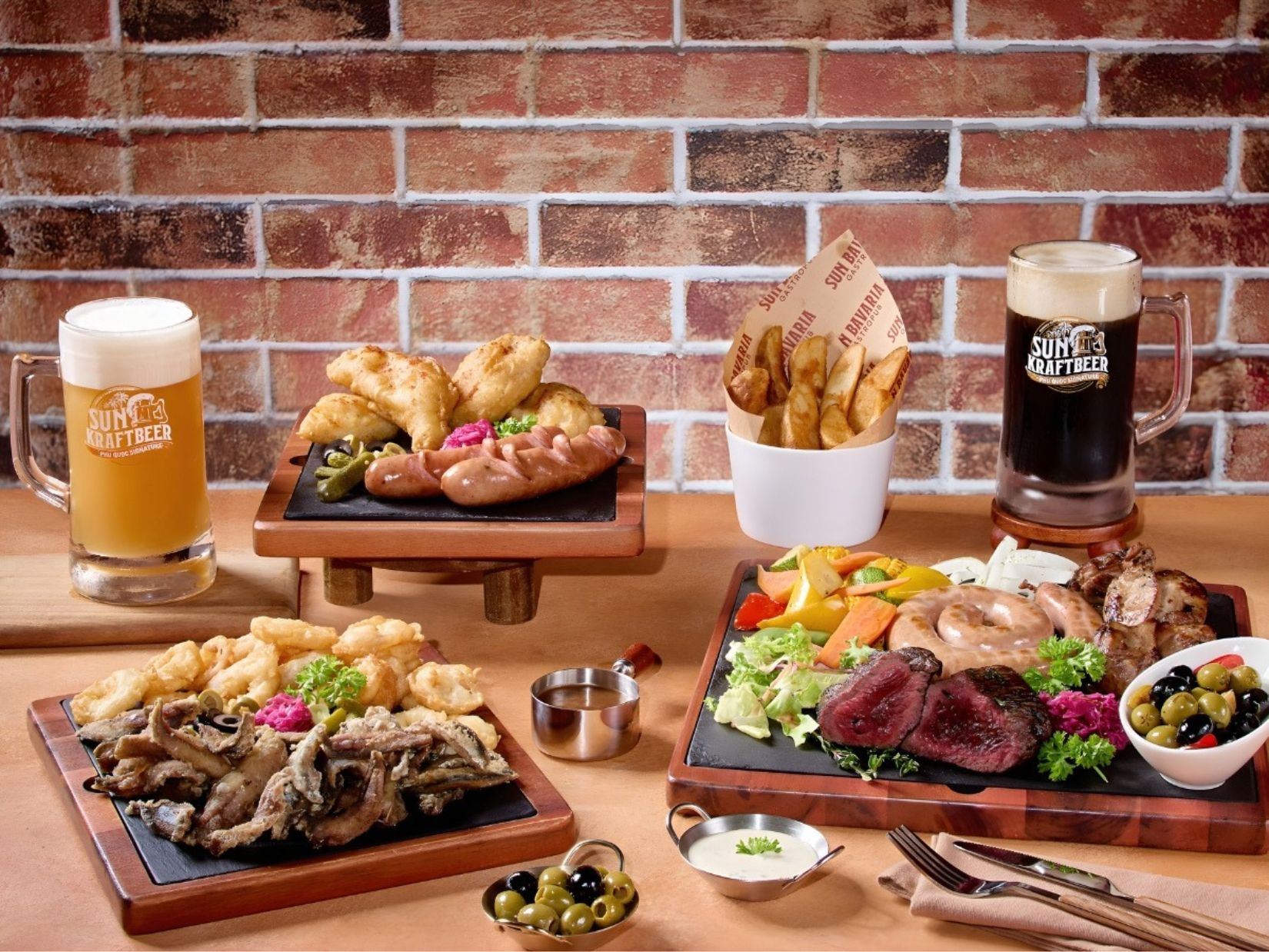
European-style cuisine at Sun Bavaria GastroPub.
From a tourism perspective, this is a notable advantage: as cuisine becomes a motivation for travel in its own right, Phu Quoc gains further opportunities to broaden the scope of exploration and add greater depth to its destination image. From an island renowned for resorts and natural scenery, Phu Quoc can increasingly establish itself as a destination where relaxation, experiences, culture and cuisine come together.
Sun Group Accompanies the MICHELIN Guide Journey in Phu Quoc
The expansion of the MICHELIN Guide selection to Phu Quoc has been supported by Sun Group, continuing the Group’s involvement since the Guide first arrived in Vietnam with Hanoi and Ho Chi Minh City in 2023. In Phu Quoc, this support helps create further opportunities to introduce the elements that shape the island’s culinary identity — from its seafood, fish sauce-making traditions and local food heritage to emerging restaurant experiences — to a wider international audience.
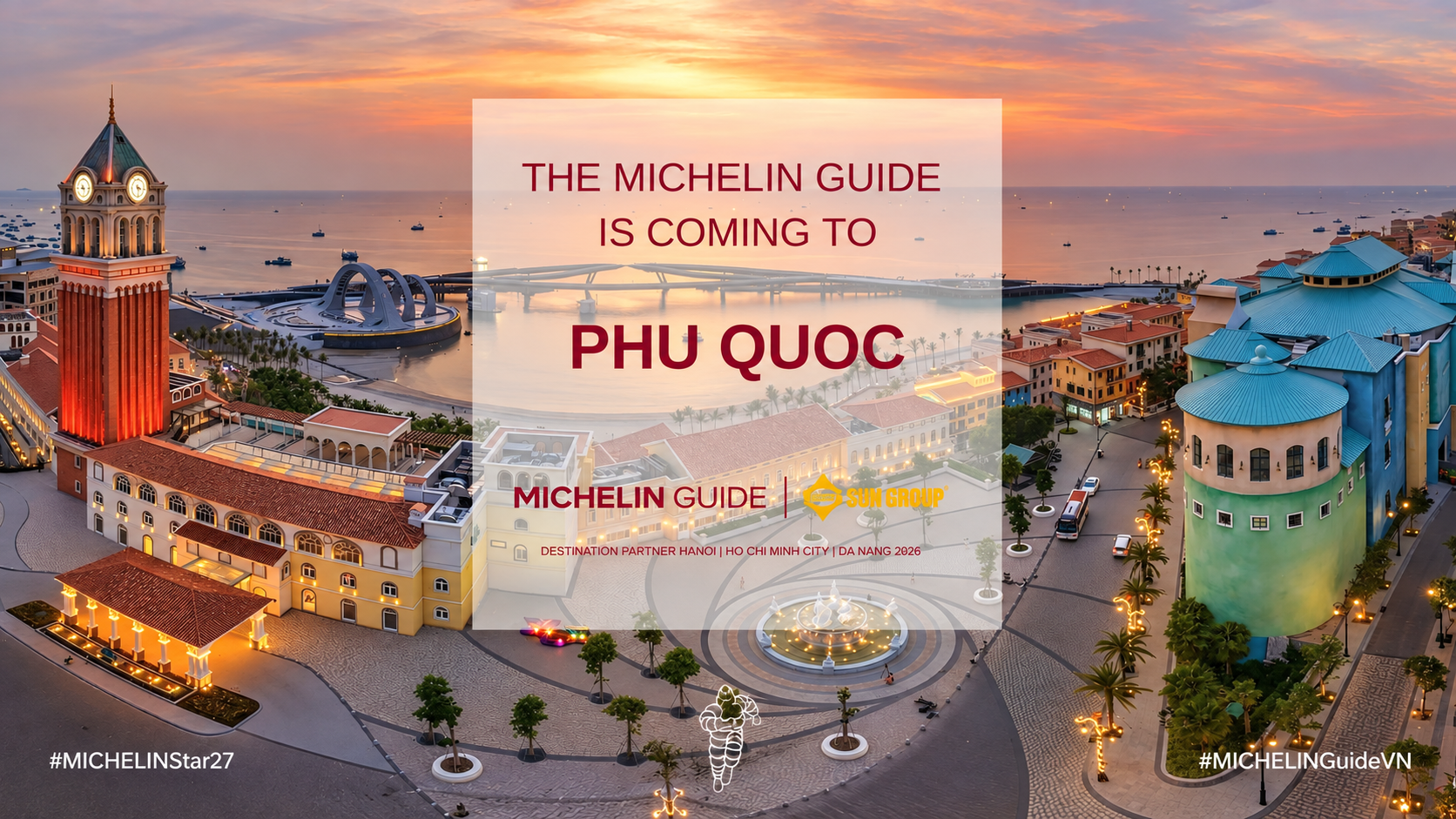
Image from the official announcement of the MICHELIN Guide’s expansion to Phu Quoc. Source: MICHELIN Guide.
This also aligns with Phu Quoc’s ongoing evolution from a beach resort destination into one offering a broader range of experiences. As cuisine is increasingly placed alongside nature, resorts, entertainment and local culture, the island journey becomes richer and more layered, while also allowing local values to play a more prominent role in how Phu Quoc presents itself to the world.
According to the MICHELIN Guide, the restaurant selection for MICHELIN Guide Phu Quoc 2027 is expected to be announced in mid-2027. Only then will the first picture of the Pearl Island’s dining establishments selected by MICHELIN officially be revealed.