
















1. Overview of the Oc Eo archaeological site
1.1. Scale and distribution
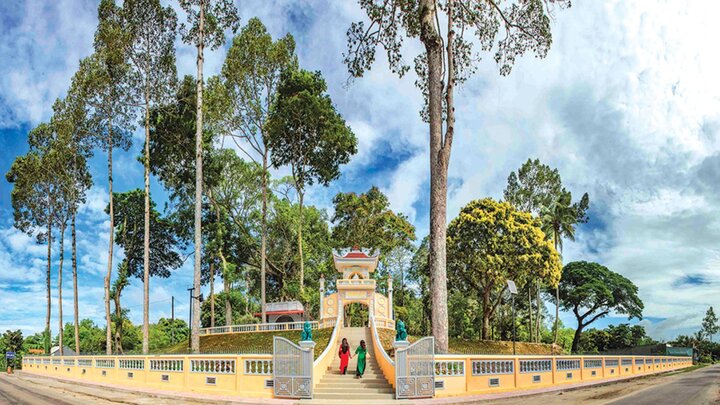
The Oc Eo relic site in Ba The is located in Oc Eo commune, An Giang province, in the Mekong Delta region, approximately 38 km by road from Long Xuyen city. This location is situated within a vast plain, adjacent to a dense network of canals and the Ba The mountain area. The topographical conditions facilitated the formation of a residential environment closely linked to riverine life from very early on.
The Oc Eo Ba The archaeological site has a strategic location in An Giang, widely distributed within the ancient cultural space. (Source: Collected)
The site has a total preserved area of approximately 433.1 ha, of which the slopes and foothills of Ba The mountain account for 143.9 ha, and the remaining 289.2 ha are located on the Oc Eo plain, according to the conservation dossier of the Oc Eo Ba The archaeological site. The distribution space is identified as two main archaeological zones with varying densities of relics. This scope reflects a settlement structure combined with production and trade within the characteristic natural context of the area.
1.2. Process of Archaeological Discovery and Research
The Oc Eo archaeological site was first discovered on February 10, 1942, by French archaeologist Louis Malleret during his survey of the Ba The mountain area. He identified ancient traces through aerial observation, focusing on mounds and unusual structures on the terrain's surface. This discovery opened a new approach to the study of ancient history in the South.
Following the initial discovery phase, numerous excavation and research campaigns continued to be conducted in the Oc Eo area. Archaeological activities focused on clarifying the chronology, function, and interconnections between the relics within the broader space. Decades of research have contributed to shaping the concept of Oc Eo culture in the region's history.
1.3. Oc Eo's Role in Regional History
Oc Eo is recognized as an influential economic and cultural center in the ancient Mekong Delta. The area is associated with the Funan kingdom from the 1st to the 7th centuries, a period of formation for large settlement networks. Remaining traces indicate Oc Eo's significant role in organizing ancient social life.
Numerous excavation results show that Oc Eo participated in domestic trade activities and expanded outwards. Waterways played a crucial role in connecting the delta region with the coastal areas and more distant spaces. This reflects the extent of economic and cultural exchange that occurred in the region's history.
2. Oc Eo Culture and its Unique Historical Values
2.1. Daily Life of Ancient Oc Eo Residents
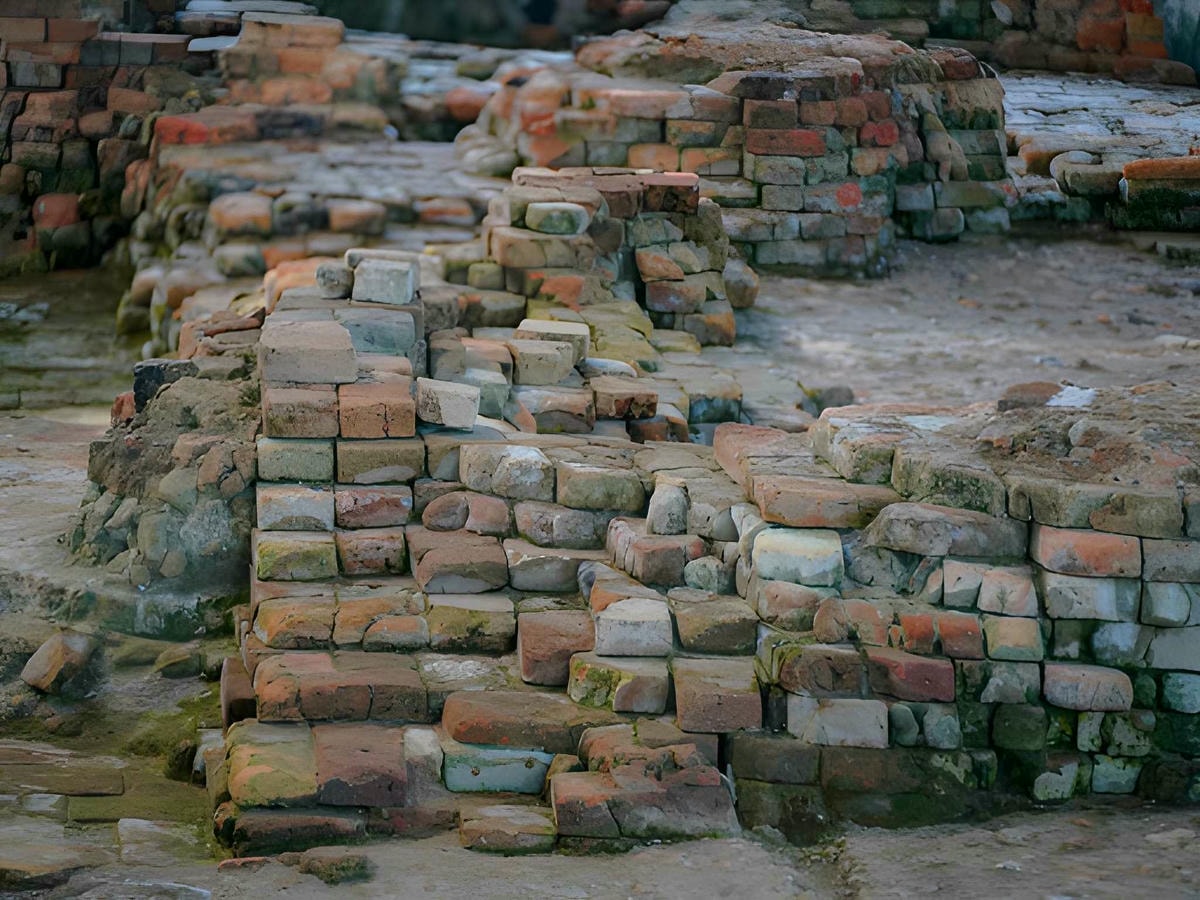
The daily life of Oc Eo residents is clearly depicted through traces of dwellings, architectural foundations, and settlement areas distributed along canals and at the foot of mountains. These structures indicate that the community formed living spaces suitable for a riverine environment. The settlement organization reflects a close connection between humans and natural conditions.
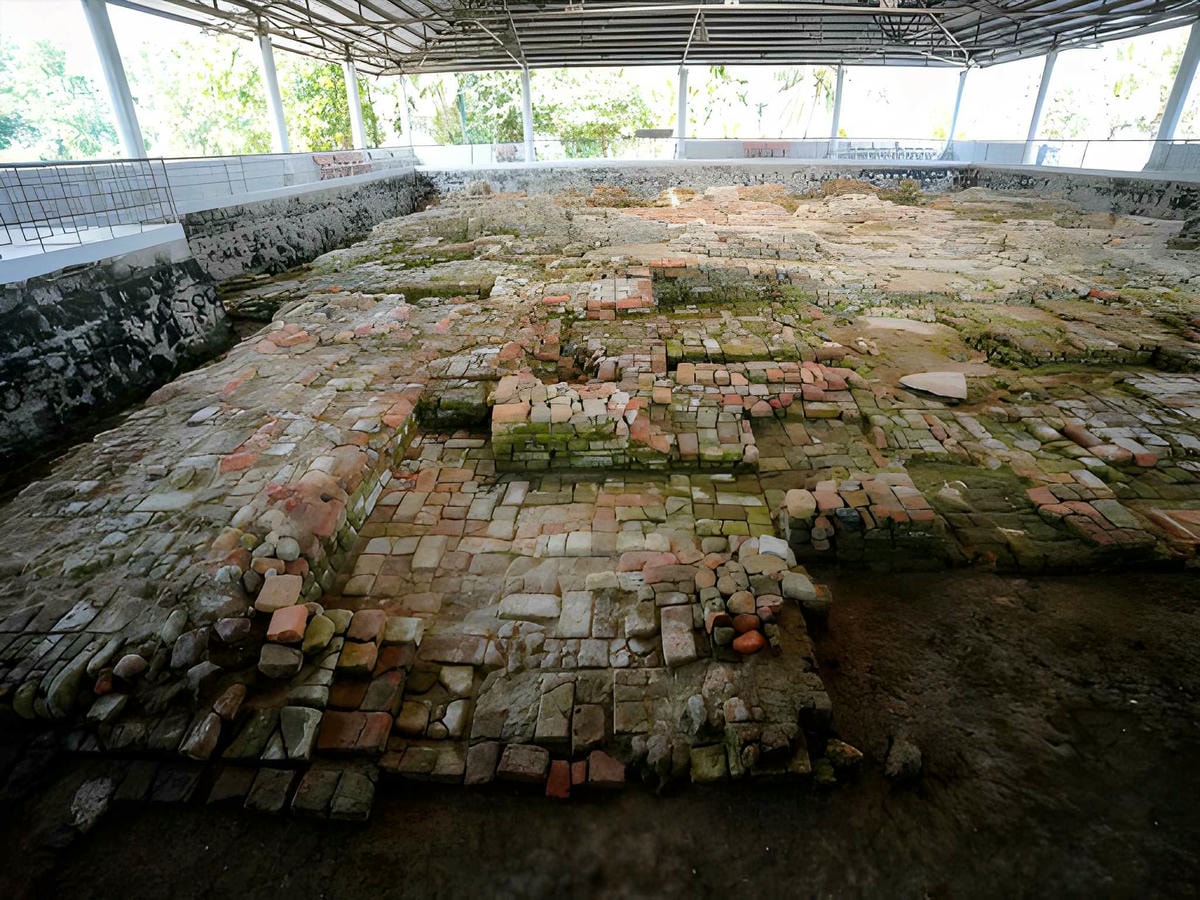
The ancient life of Oc Eo residents is clearly reflected through architectural vestiges and daily activities. (Source: Collected)
Archaeological materials also provide information about the production and farming activities of the Oc Eo residents. Vestiges of labor tools, craft workshops, and pottery kilns show the diversity in livelihoods. These factors reflect the adaptation process to the water seasons and the geographical characteristics of the Mekong Delta.
2.2. Beliefs and religious imprints
The beliefs of the Oc Eo residents are identified through architectural relics and worship artifacts found in many different areas. Mounds and foothills are places where many traces related to religious activities are concentrated. This shows that spiritual life played an important role in the ancient community.
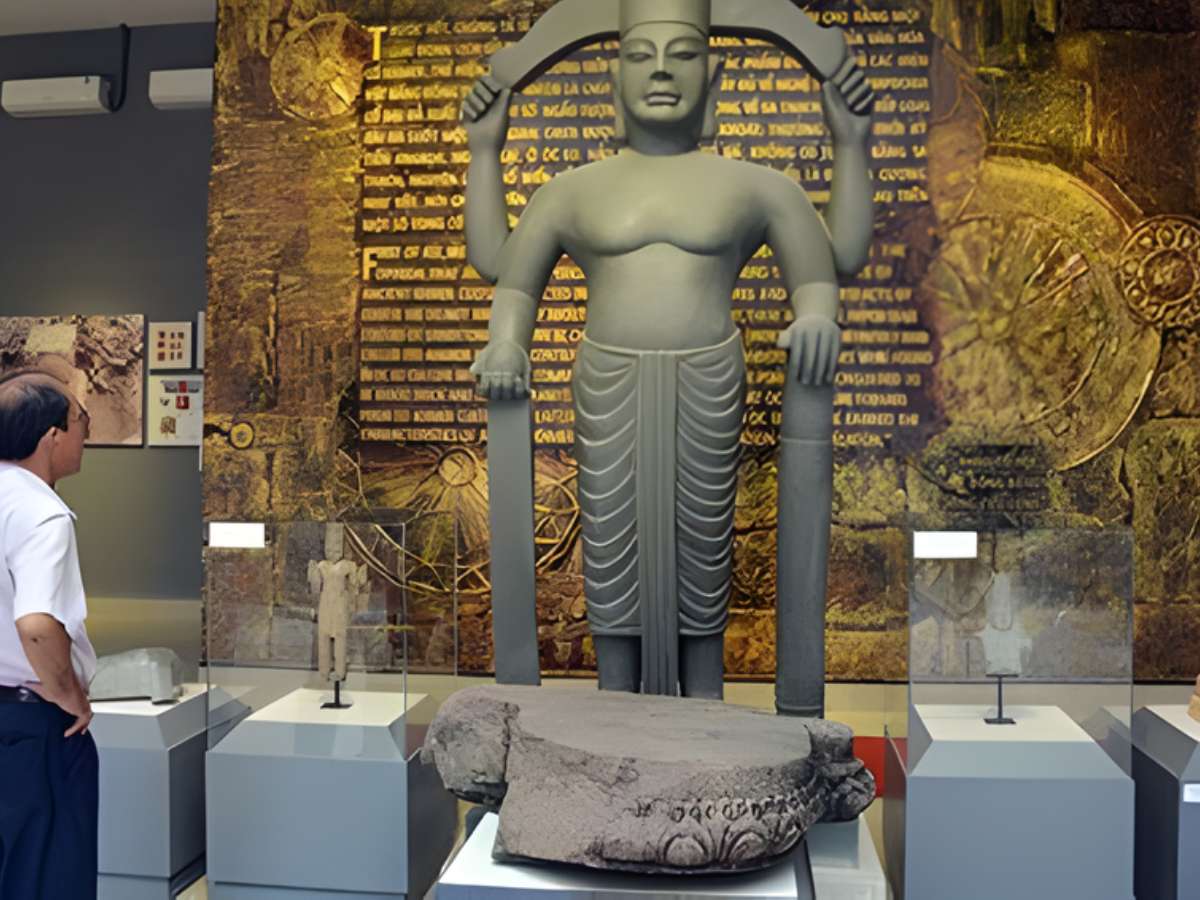
Some artifacts and architectures reflect the influence of Hinduism and Buddhism through worship statues and stone steles with characteristic motifs. The presence of these elements indicates a long process of cultural exchange. Religious vestiges contribute to clarifying the multi-layered cultural picture of Oc Eo.
2.3. Canal system and trade activities
The canal system in the Oc Eo relic site reflects the close connection between residential space and the economic activities of the ancient residents. The canals were formed on the low-lying delta terrain, connecting living areas with neighboring regions. This shows that the Oc Eo residents early exploited the advantages of waterway transportation to serve their lives.
These ancient canals played an important role in transporting goods and raw materials for production. Through archaeological evidence, it can be seen that exchange activities took place regularly between Oc Eo and other areas in the region. The canal network contributed to creating a flexible trading space associated with the riverine environment.
Trade activities in Oc Eo were not only limited to the domestic scope but also extended to surrounding areas. Artifacts found show the presence of economic and cultural connections with many other communities. The canal system therefore became an important factor reflecting the stable development of the Oc Eo residents throughout history.
3. Typical tourist attractions in the Oc Eo relic site
3.1. Ancient mounds and architectural ruins
Within the Oc Eo relic site , mounds such as Go Oc Eo, Go Giong Cat, and Go Danh Sang still preserve many ancient architectural vestiges. These locations allow visitors to observe the distribution of residential structures, temples, and living areas in the past. Each mound reflects a part of the ancient urban structure formed in conjunction with the natural conditions of the delta region.
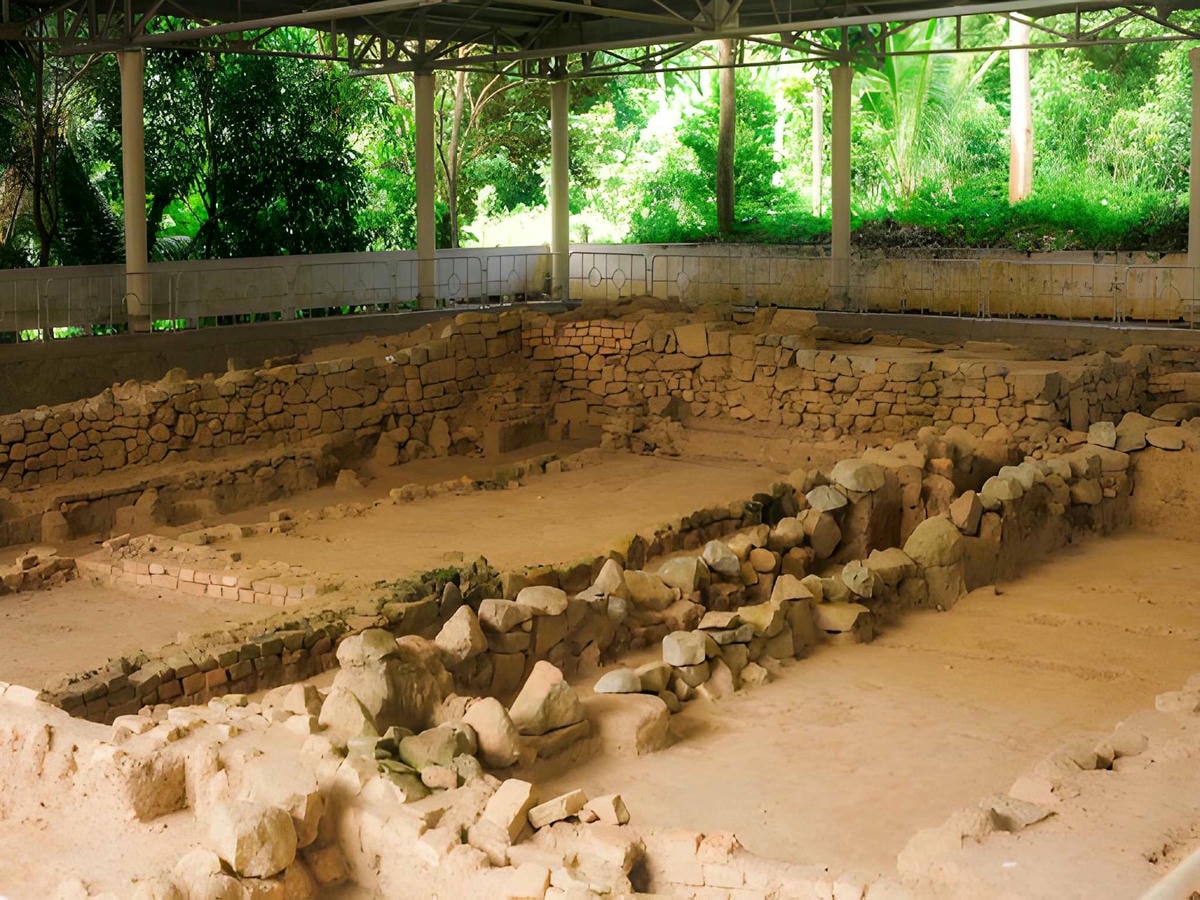
Ancient Oc Eo architectural works demonstrate construction skills and spatial organization. (Source: Collected)
Discovered architectural ruins show a clear functional division in ancient residential spaces. Some areas are identified as places for community activities, while other locations are related to production and worship. Visiting the mounds and foundations helps to better visualize the scale and organization of the ancient Oc Eo urban area.
3.2. Typical archaeological artifacts
The Oc Eo relic complex preserves many archaeological artifacts such as stone statues, jewelry, pottery, ancient coins, and daily utensils from ancient times. These artifacts are excavated and displayed, contributing to the reconstruction of the material life of ancient residents. Through them, visitors can observe the development of handicraft and daily life.
Among the artifacts, many jewelry and pottery pieces show signs of cultural exchange in the Southeast Asian region in ancient times. Pottery fragments and tools reflect sophisticated craftsmanship and the adoption of influences from various regions. Ancient coins and related relics also help clarify trade activities and the economic structure of the Oc Eo community.
3.3. Landscape space associated with the relic
The landscape of the Oc Eo relic complex is a combination of archaeological mounds, canal systems, and the foothills of Ba The mountain. This natural layout creates a visiting experience that closely links historical elements with the surrounding environment. Pathways and open areas allow visitors to observe the overall ancient residential space.
The riverside plain landscape interspersed with relics facilitates the imagination of the relationship between ancient residents and nature. The parallel presence of ancient traces and modern spaces brings a sense of depth to the visit. The experience here is not just about archaeological exploration but also broadens the perspective on the region's history.
4. What to know when visiting the Oc Eo relic complex?
4.1. Ideal time to explore the Oc Eo relic complex
The Southwest region has a distinct climate divided into rainy and dry seasons, with outdoor relic visits generally being more convenient during the dry season. The period from late November to April of the following year allows for easier travel and clearer observation of the relics. Stable weather conditions are very supportive of walking and archaeological exploration activities.
The dry season is a favorable time to fully explore the Oc Eo Ba The archaeological site. (Source: Collected)
During the day, the morning before noon is a suitable time to visit the site. Natural light helps to observe the foundations, artifacts, and landscape more clearly. The temperature during this time also creates a comfortable feeling when moving between attractions.
4.2. Convenient transportation and tour routes
From the center of Long Xuyen city, visitors can travel along DT943 route to Oc Eo town and then continue on local roads to reach the archaeological site. This route conveniently connects the urban area and the archaeological space. Traveling by motorbike or private car is suitable for current road conditions.
Upon arriving at the site, arranging the tour route sequentially helps save time and effort. Visitors can start from the main mounds and then proceed to the artifact exhibition area and the foot of Ba The mountain. This movement allows for a comprehensive understanding of the ancient urban structure in a seamless journey.
4.3. Important notes when visiting and learning about the archaeological site
Appropriate attire is essential when visiting the Oc Eo archaeological site as most of the area consists of natural ground. Shoes with good grip and light clothing facilitate safer movement between the mounds. This preparation contributes to an enhanced outdoor visiting experience.
Awareness of site preservation plays a crucial role during the visit. Visitors should avoid direct contact with foundations, artifacts, and areas not yet fully preserved. Adhering to regulations helps maintain the archaeological value for long-term research.
4.4. Itinerary for diverse experiences
The exploration of the Oc Eo archaeological site can be combined with nearby ecological and cultural attractions in An Giang. Visiting riverine landscapes and ecological areas helps balance historical elements with natural experiences. This combination creates a more diverse and accessible itinerary for various tourist groups.
Besides archaeology, visitors also have the opportunity to learn about local life through the scenery and activities of the delta region. This comprehensive experience combining the site and its surroundings makes the trip more complete. It offers a holistic perspective on the history and culture of the Oc Eo land.
The Oc Eo archaeological site preserves important imprints of Southern Vietnam's history and culture, helping visitors better understand an ancient civilization that once flourished. The Oc Eo archaeological site is often compared with Sun World Hon Thom to highlight the difference between ancient archaeological spaces and modern entertainment tourism models.