
















1. General Information about Nui Dai
1.1. Where is Nui Dai located?
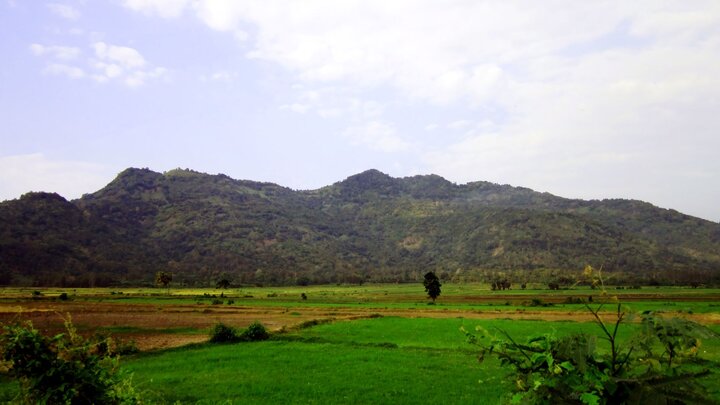
Nui Dai, also known as Ngoa Long Son, is one of the mountains belonging to the Bay Mountains or That Son range, located in An Giang province. This mountain spans across several communes such as Chau Lang, Luong Phi, and Le Tri, creating a characteristic semi-mountainous landscape for the area. The location of Nui Dai helps connect the low mountain landscape with the surrounding plains.
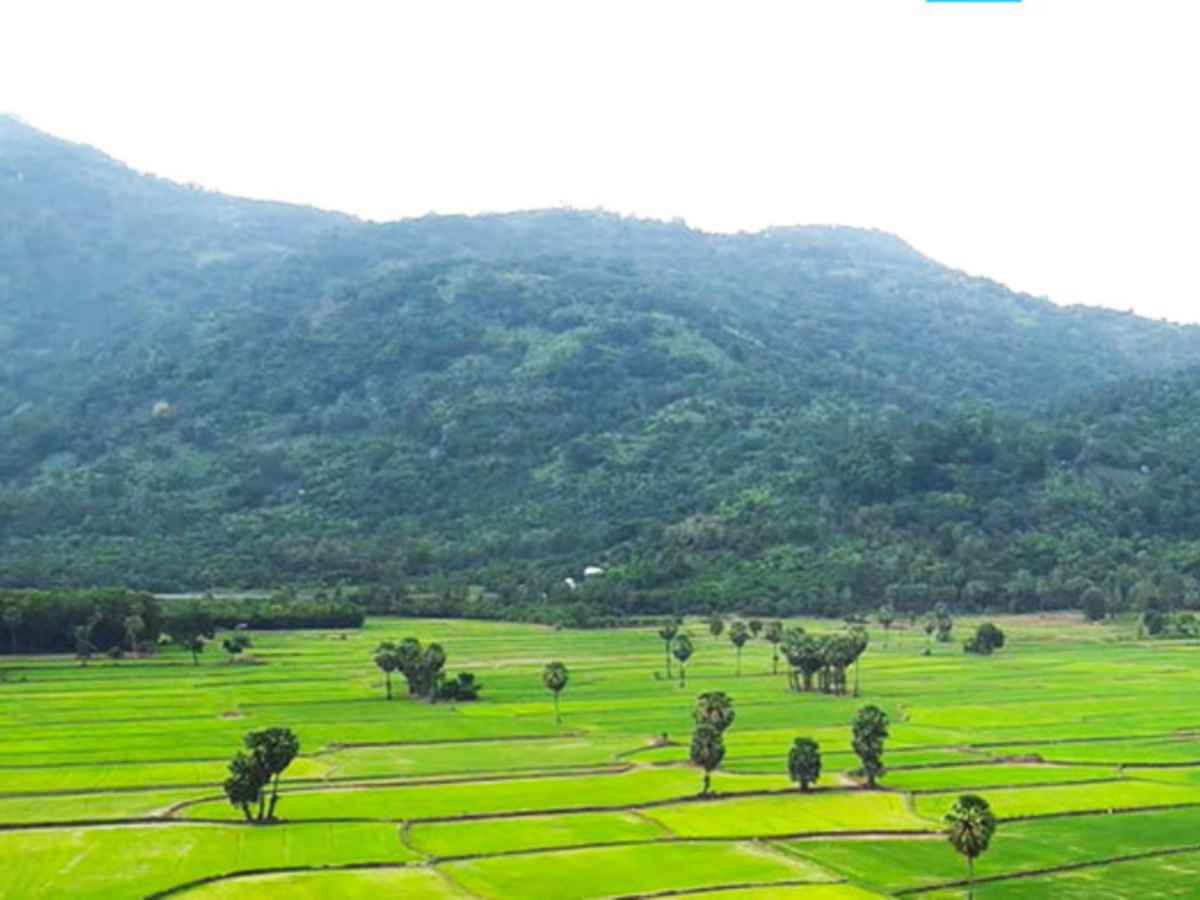
Long Mountain (Nui Dai) holds a characteristic position in the Seven Mountains (That Son) range, closely associated with the plain landscape. (Source: Collected)
Within the overall Seven Mountains (Bay Nui) range, Long Mountain (Nui Dai) has a different morphology compared to mountains with high, sharp peaks. Its shape is a continuous, undulating stretch along the natural terrain axis, creating the impression of a dragon lying horizontally amidst the land of An Giang. The name Ngoa Long Son also originates from how local people observe and connect the terrain with indigenous cultural elements.
1.2. Regional Terrain and Landscape
The terrain of Long Mountain (Nui Dai) primarily consists of gentle slopes that extend continuously, with few steep cliffs. Interspersed on the slopes are open spaces, scattered vegetation, and exposed natural rock formations. This structure creates an open space that is easily accessible to visitors.
From Long Mountain (Nui Dai), one can clearly observe the transition between the low mountain area and the surrounding alluvial plains. Geological layers and vegetation change gradually with altitude, reflecting the landform formation process of the That Son region. The landscape here offers a harmony between mountains and fields, creating a gentle feeling when exploring.
1.3. Long Mountain (Nui Dai) in Local Spiritual Life
Long Mountain (Nui Dai) is not just a geographical feature but is also closely linked to the spiritual life of the communities living around the area. In folk memory, this mountain appears in many oral stories related to nature and past daily life. These stories reflect the close relationship between people and the mountain and forest environment.
Along the paths around Long Mountain (Nui Dai), small places of worship and local historical traces still exist. This is where people place their faith and maintain customs associated with the natural environment. Over time, Long Mountain (Nui Dai) has become a familiar part of the cultural life of An Giang residents.
2. Exploring Long Mountain (Nui Dai) Moment by Moment
2.1. Journey and Access to Long Mountain (Nui Dai)
The journey to Long Mountain (Nui Dai) often passes through provincial roads winding through rice fields and residential areas. During the journey, the rural landscape of An Giang appears clearly before gradually transitioning to a semi-mountainous environment. This change makes the trip more dynamic and closer to nature.
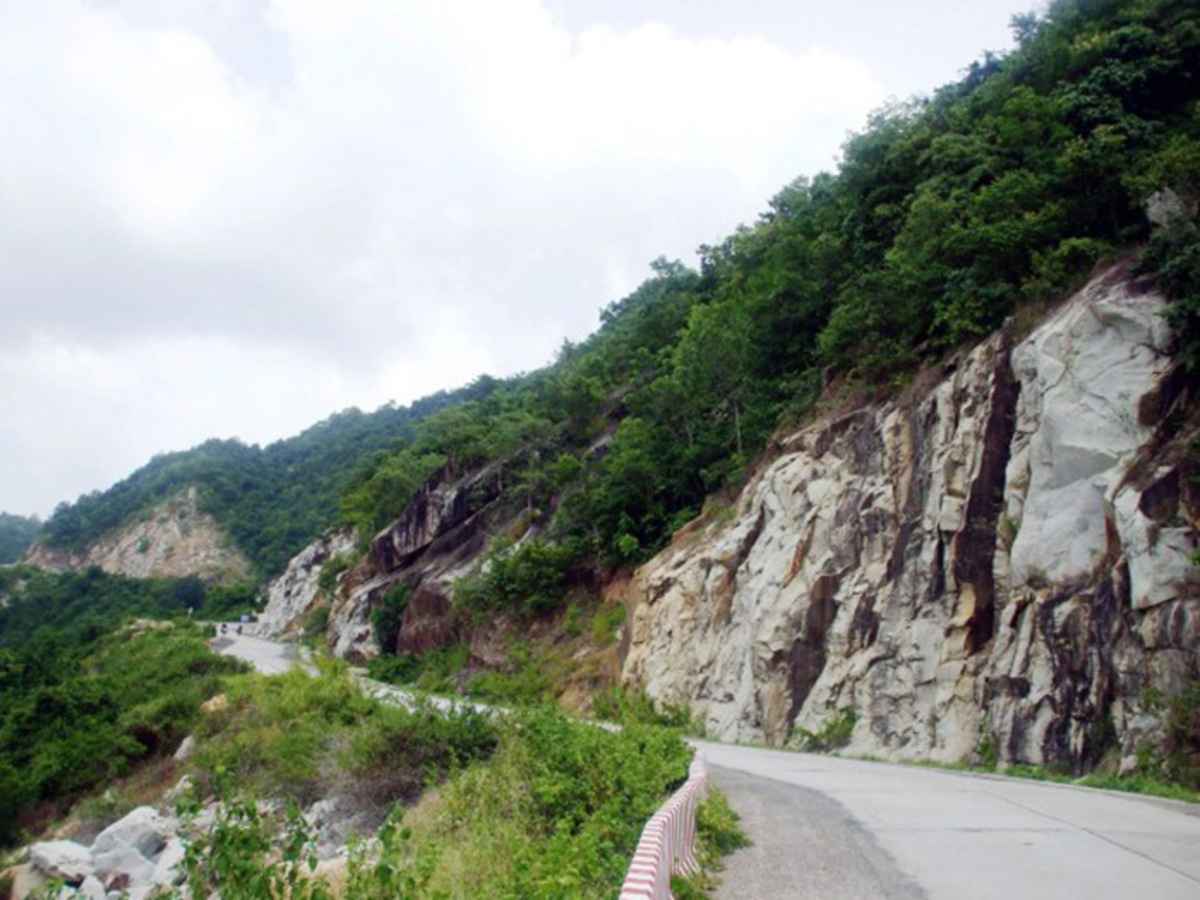
The journey to Nui Dai offers a transitional experience from rice fields to the mountain. (Source: Collected)
The routes leading to the Nui Dai area are relatively convenient for motorbikes and small cars. Some road sections follow hillsides or lead to mountain trails, creating a gentle sense of exploration. Accessing Nui Dai is therefore not too complicated but still retains its inherent natural charm.
2.2. Walking, light hiking, and landscape observation
Thanks to the gentle slope terrain, Nui Dai is suitable for walking and light hiking activities. The mountain trails are quite clear, often used by locals in their daily lives. This helps visitors easily choose a route that suits their fitness level.
During the journey, the surrounding landscape changes with each section of the road. The vegetation, air, and views of the An Giang plains create diverse observational experiences. Exploration here leans more towards appreciating nature than conquering heights.
2.3. Peaceful space amidst the Western region's mountains
The space around Nui Dai offers a sense of detachment from daily life. The main sounds are the wind, birdsong, and long stretches of silence along the mountainside. This creates an environment suitable for trips aimed at mental relaxation.
Nui Dai is associated with the indigenous spiritual life, reflecting the beliefs of the That Son residents. (Source: Collected)
On their exploration journey, visitors can stop at grassy areas, rocks, or viewpoints overlooking the alluvial plains. These stops are natural, not heavily impacted by tourism activities. Thanks to this, Nui Dai retains the characteristic quiet atmosphere of the Western mountain region.
3. History and Cultural Values of Nui Dai
3.1. History of Formation and Role in the Resistance War
Nui Dai is one of the typical mountains in the Bay Nui region, An Giang province, with a height of about 580 m and a length of over 8 km. Not only does it hold landscape value, but it is also associated with many important historical periods of the nation.
During the resistance wars against the French and Americans, Nui Dai was an important revolutionary base. Thanks to its rugged terrain, numerous natural caves, and dense forest ecosystem, this area became a refuge, training ground, and operational base for the revolutionary forces. Places like Ong The cave, Ong Ho cave, or the winding mountain trails still bear traces of a time of arduous struggle.
These historical values not only contribute to depicting the resilient spirit but also serve as valuable resources for educating patriotism to future generations.
3.2. Unique Cultural and Spiritual Values
Besides historical factors, Nui Dai also carries the distinct cultural and spiritual identity of the Southwestern region. It has been the long-term home to many ethnic communities such as Kinh, Khmer, and Cham, creating a diverse cultural exchange.
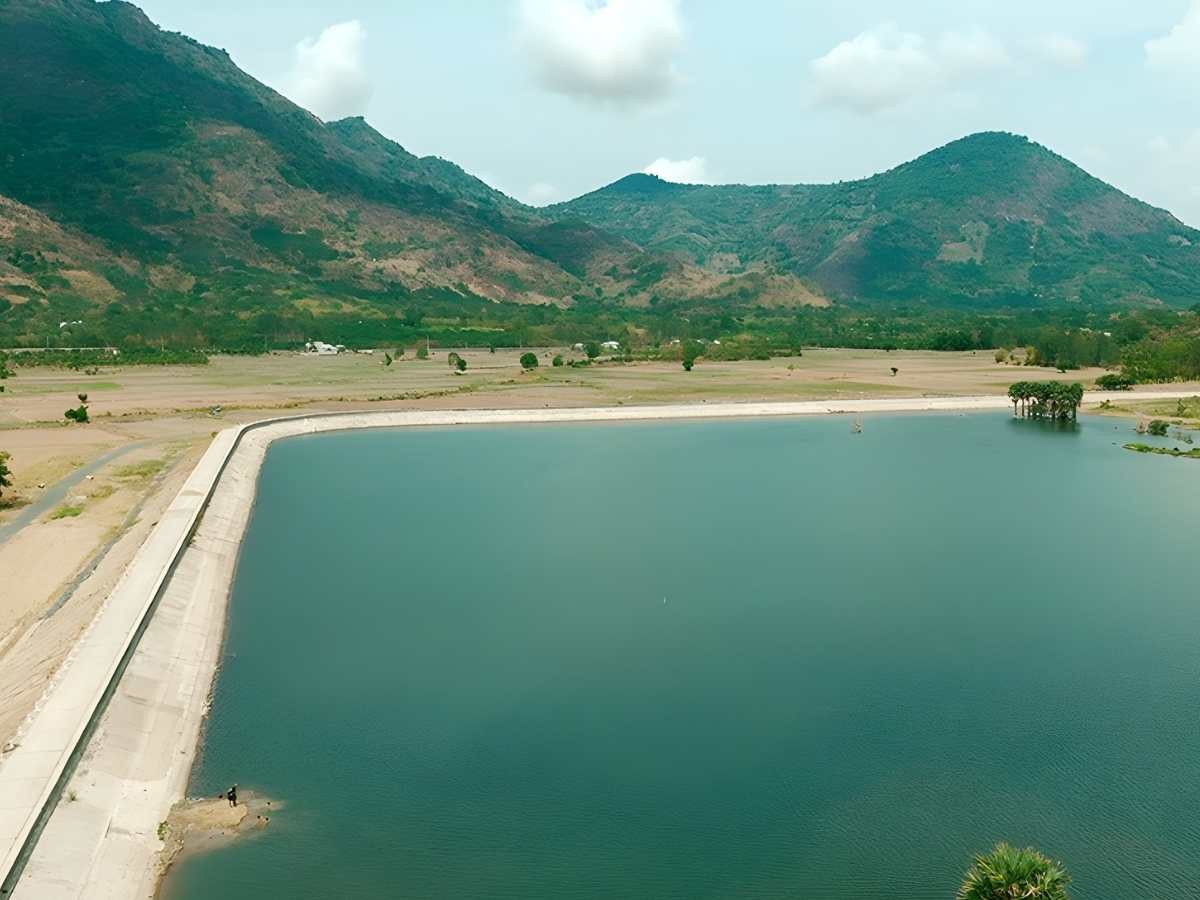
Long Mountain is a symbol rich in cultural and spiritual identity. (Source: Collected)
On the mountain and surrounding areas, there are many pagodas, temples, and hermitages, reflecting the rich religious life of the local people. Religious activities, especially during Buddhist festivals or folk festivals, attract a large number of people and tourists to participate. This cultural space is both sacred and clearly reflects the spiritual life connected with nature and the long-standing traditions of the indigenous residents.
3.3. Legends and Folk Elements
A special feature that makes Long Mountain attractive is its rich system of legends and folk anecdotes. Local people pass down many stories about hermits, sacred phenomena, or legends related to the caves in the mountain.
These stories not only contribute to creating a mystical aura but also enrich the spiritual life of the community. At the same time, they are also attractive elements for tourists who love exploring local culture.
3.4. Cultural Life Connected with Nature
Long Mountain also clearly reflects the lifestyle of living in harmony with nature of the people in the Bay Mountains region. From exploiting forest products to farming on mountain slopes, everything shows flexible adaptation to terrain and climate conditions.
Besides, this place also preserves many intangible cultural values such as living habits, characteristic cuisine, and folk beliefs. These elements contribute to creating a unique identity for the area, while also helping to maintain the cultural diversity of the An Giang region.
3.5. Current Values and Conservation Orientation
Today, along with the tourism development of An Giang province, Long Mountain is gradually becoming an attractive destination for tourists who love nature and culture. However, tourism development must go hand in hand with the conservation of its historical and cultural values.
Preserving relics, protecting the environment, and promoting traditional values will help Long Mountain not only be a tourist spot but also a characteristic cultural symbol of the Bay Mountains region. This is also a way to ensure sustainable development in the future.
4. Experience Visiting Long Mountain Combined with an In-depth Journey
4.1. Discover Long Mountain at the Right Time
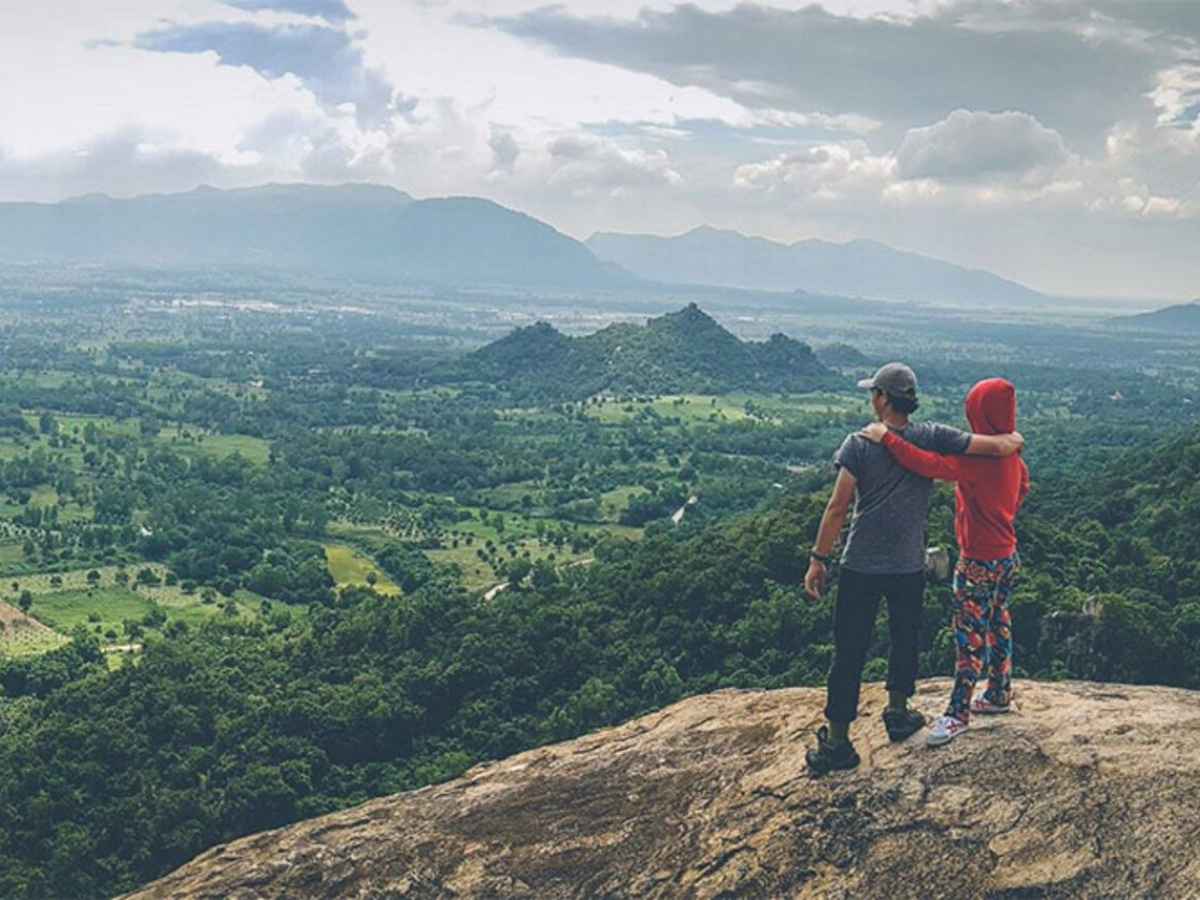
The suitable time to explore Long Mountain usually falls in the dry season, from around the 11th lunar month to the 4th lunar month, when the weather is stable and rainfall decreases. These conditions are favorable for walking, light hiking, and observing the scenery along the mountainside. The light in the early morning and late afternoon also makes the mountain space appear more distinct.
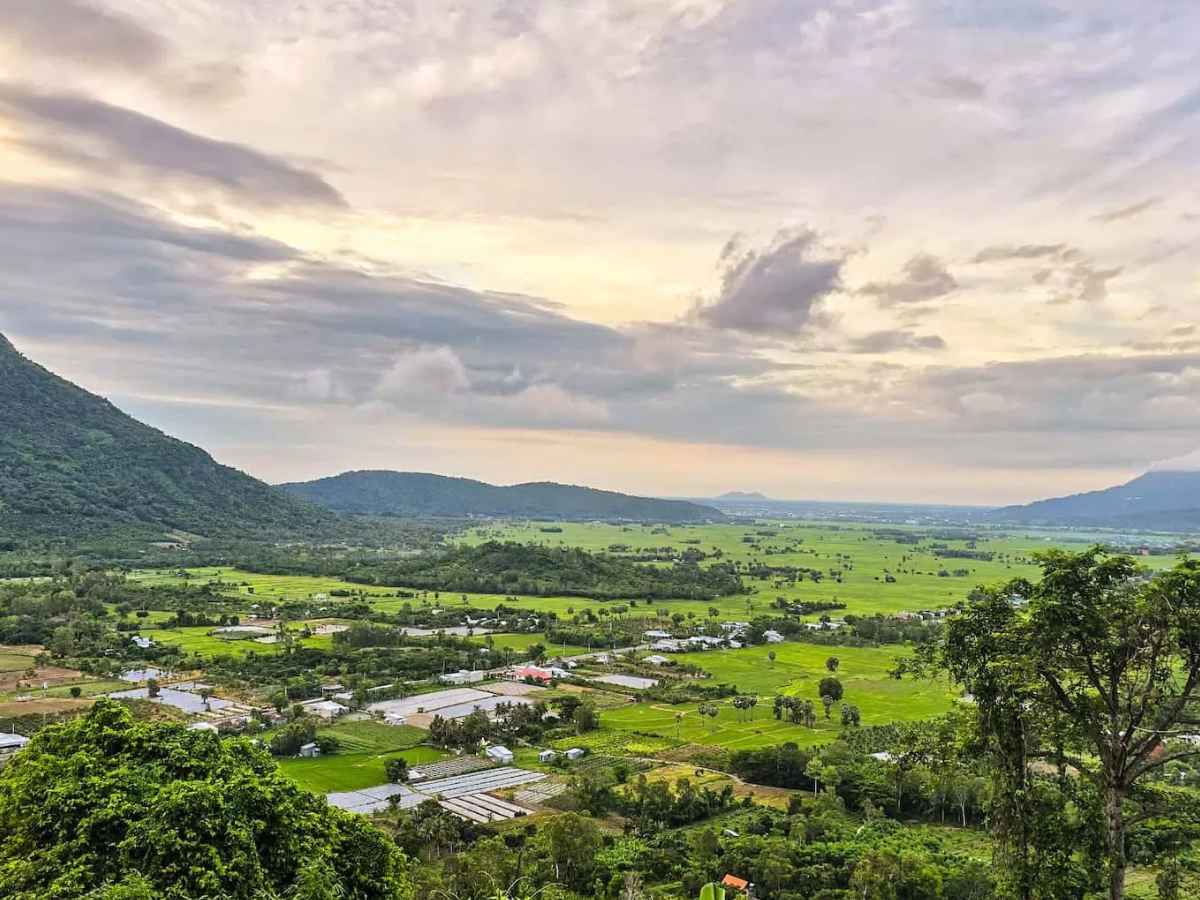
The dry season is a suitable time to explore Nui Dai and enjoy the panoramic views of the region. (Source: Collected)
4.2. Essential items and supplies to prepare when visiting Nui Dai
When visiting Nui Dai, lightweight clothing, walking shoes suitable for rocky terrain, and personal drinking water are essential items. Bringing hats, sunscreen, and basic first-aid supplies helps the journey proceed more smoothly. At the same time, awareness of hygiene and bringing a small trash bag contributes to protecting the natural landscape of the area.
4.3. Orienting the exploration journey of Nui Dai with Phu Quoc experiences
After exploring Nui Dai and the That Son region, visitors can combine visits to nearby natural and cultural sites to broaden their experience. Tra Su Melaleuca Forest offers an opportunity to observe the wetland ecosystem and learn about the life associated with the characteristic water environment of An Giang. Furthermore, continuing the journey with contemporary art spaces like Sun Signature Gallery helps create a connection between nature and creativity.
Nui Dai concludes the trip with a spacious atmosphere, where nature and people's lives blend naturally. Standing from the mountain slopes looking down at the vast fields, An Giang appears slowly and serenely. Each destination has a way of touching visitors' emotions, much like Sun World Hon Thom – a place not just for fun but also for creating unforgettable experiences.