
















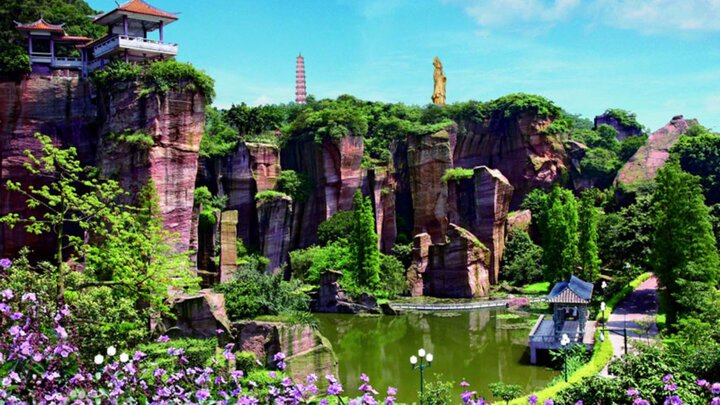
1. Nui Tuong and distinctive topographic features
1.1. Nui Tuong within the An Giang mountain system
Nui Tuong , also known as Lien Hoa Son, is located in Ba Chuc commune, An Giang province, within the That Son region with its characteristic semi-mountainous terrain. This location allows the mountain to stand out as a natural highlight amidst the vast plain west of the Mekong River. From a distance, Nui Tuong is easily recognizable due to its distinct shape compared to the surrounding cultivated areas.
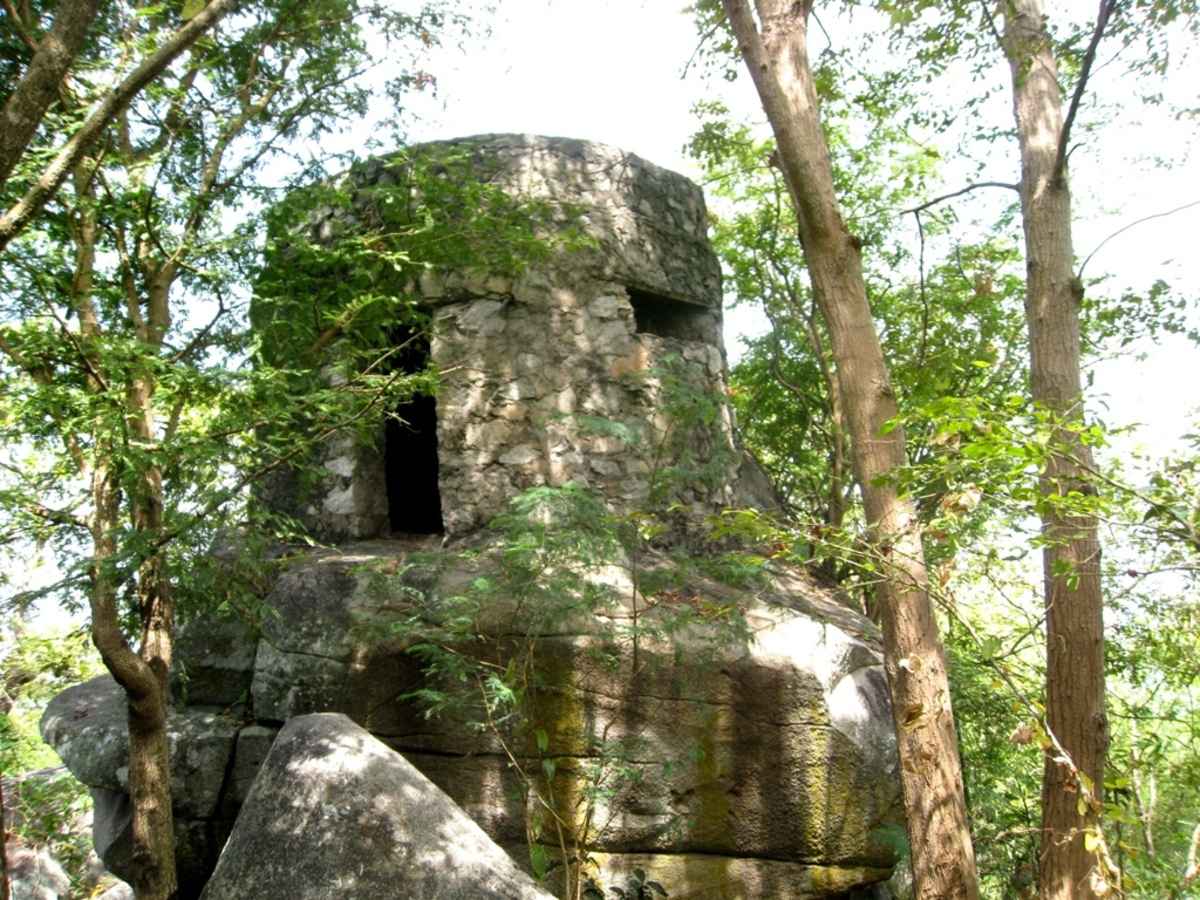
Nui Tuong holds a characteristic position in the That Son mountain system of An Giang. (Source: Collected)
Within the Bay Nui system of An Giang, Nui Tuong is one of over 40 large and small peaks scattered near the Cambodian border. This mountain is located in the same area as Nui Co To, Nui Dai, and Nui Nuoc, forming a distinctive topographical cluster of the Tri Ton region. The presence of Nui Tuong contributes to completing the diverse landscape of An Giang's semi-mountainous region.
1.2. Mountain shape and origin of the name
The shape of Nui Tuong is a low rocky mountain mass with an exposed surface, where large rocks are naturally distributed in various directions. When observed as a whole, the rock formations create evocative shapes, leaning towards suggestion rather than clear definition. This characteristic makes Nui Tuong easily leave a visual impression on first-time visitors.
According to local residents, the name Nui Tuong originates from the association of the shapes of rock formations on the mountain over generations. This naming reflects a folk naming convention, closely tied to natural observation rather than legendary elements. Over time, the name Nui Tuong has become familiar and is used uniformly in the area.
1.3. Scenery around Nui Tuong
The space surrounding Nui Tuong is covered by trees, low vegetation, and naturally distributed rock formations. This arrangement creates a relatively open landscape, not yet heavily impacted by tourism activities. Overall, the area offers a sense of tranquility and separation from the pace of urban life.
At the foot of the mountain, ancient dipterocarp trees and caves extending deep into the mountain still exist. These elements contribute to reflecting the ecological and historical traces that once existed here. The landscape of Nui Tuong therefore resembles a natural space connected to many layers of time.
2. Spatial Exploration of Nui Tuong Sightseeing Activities
2.1. Access route and initial impressions
The roads leading to Nui Tuong are mainly small routes originating from Ba Chuc town, with low vehicle density. The journey allows visitors to clearly feel the transition from the plains to the low mountainous terrain. The change in space occurs quite naturally as the surrounding scenery gradually features more rocky hills and forests.
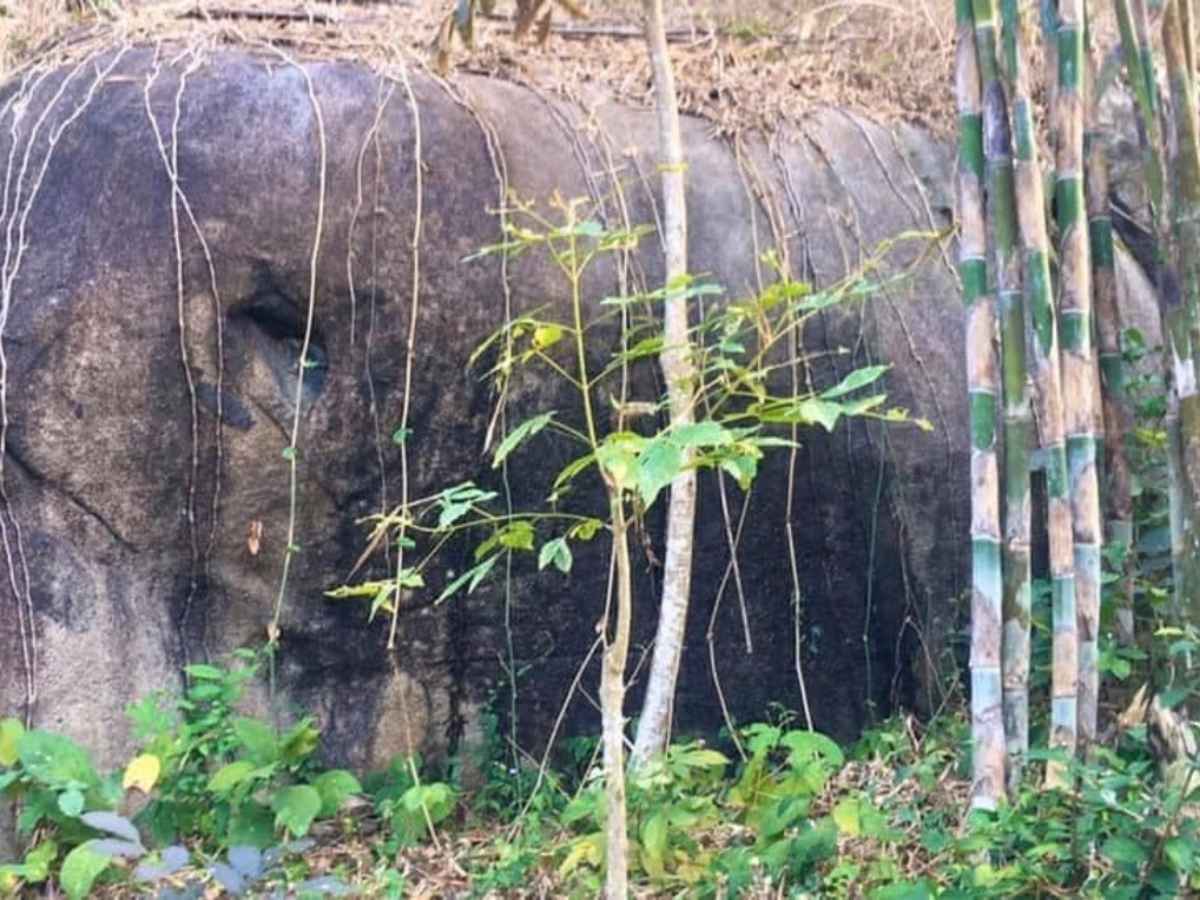
The access path to Nui Tuong (Elephant Mountain) offers a clear sense of transition from the plains to the mountains. (Source: Collected)
As you approach the foot of the mountain, rice fields interspersed with rocky patches create a distinct visual transition. The open space allows visitors to easily observe the surrounding landscape. Due to the lack of many service facilities, the access experience retains the original character of the mountainous region.
2.2. Observing Rock Formations and Vegetation
Moving around the foot and slopes of Nui Tuong allows for clear observation of stacked rock formations and exposed soil and rock layers. This terrain reflects the long process of natural weathering in a semi-mountainous condition. Each rocky area has a different shape and texture, creating diversity in observation.
The vegetation here includes bamboo, rattan, and various shrubs growing on rocky soil. The distribution of plants indicates adaptation to thin soil conditions and changing humidity. Interspersed between the rocky patches are narrow crevices and caves, adding depth to the natural space.
2.3. A Quiet Space for Slow Explorers
Nui Tuong does not offer a sense of conquering height but focuses on the experience of observation and feeling. The pace of visiting here is slow, suitable for those who want to spend time with their surroundings. Quietness is a noticeable element throughout the journey.
The low-noise environment allows visitors to easily focus on the scenery and natural details. Geological and ecological traces become clearer when not dominated by crowded activities. The experience at Nui Tuong is therefore suitable for trips focused on in-depth exploration and observation.
3. History Associated with Nui Tuong
The natural shape of Nui Tuong creates many visual associations, most commonly the image of an elephant or sturdy rocks standing in an open space. These associations lead people to connect the landscape with symbolic concepts and stories formed over time. This perception reflects the relationship between humans and geological landscapes in local cultural life.
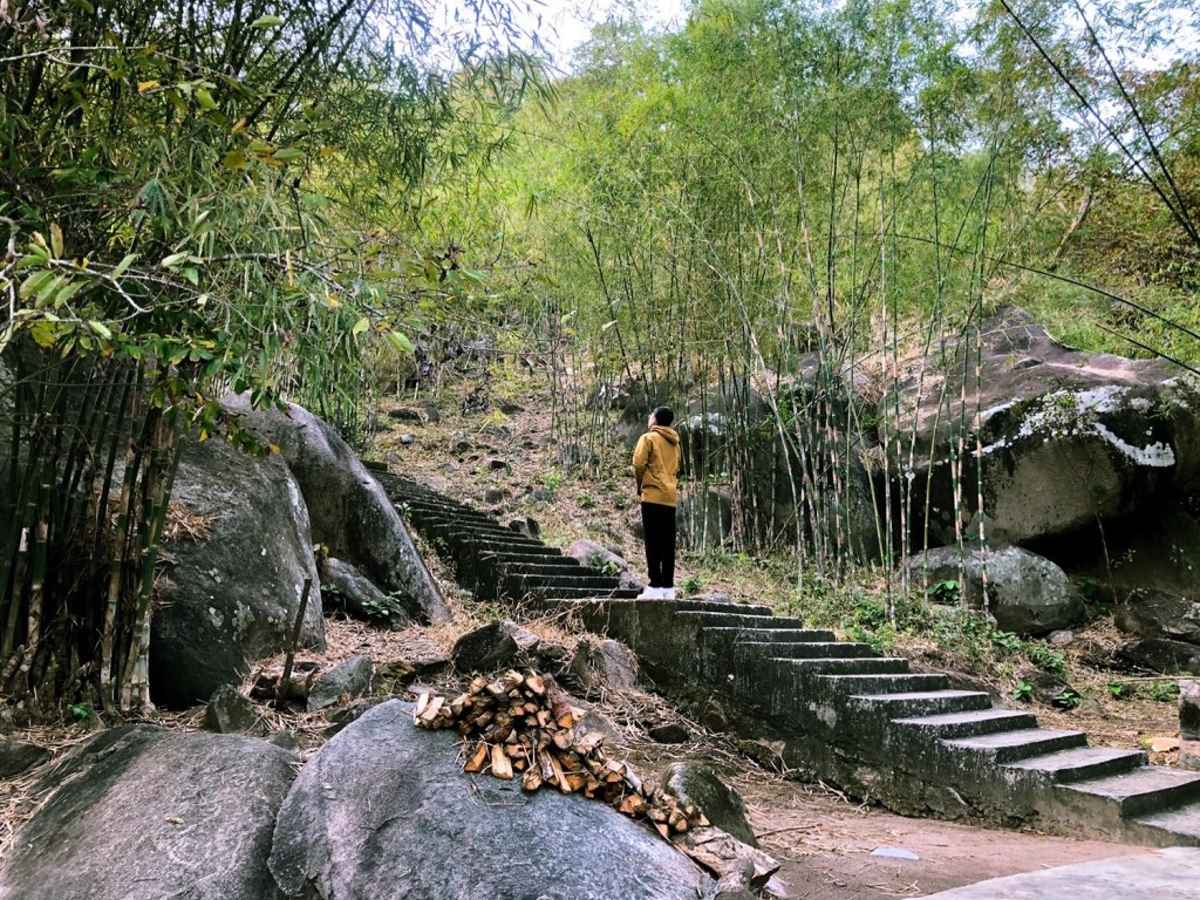
The natural shape of Nui Tuong mountain is associated with symbols and local interpretations. (Source: Collected)
During the resistance period, Nui Tuong mountain once served as a refuge and operational base for revolutionary forces, making a significant contribution to the struggle for independence. Thanks to its rugged terrain, numerous caves, and dense forest canopy, this area became a strategic point, helping to protect forces and organize secret activities.
Besides its historical value, Nui Tuong mountain also preserves many interesting folk tales and legends, reflecting the beliefs and rich imagination of the local people. Today, this place attracts tourists not only with its majestic landscape but also with its unique cultural and historical depth. Preserving and promoting the value of Nui Tuong mountain contributes to helping younger generations better understand the past, while honoring the resilient spirit and cultural identity of the nation.
4. Practical Guide to Visiting Nui Tuong Mountain Integrated with a Multi-Point Experience Journey
4.1. Best Time to Visit Nui Tuong Mountain
Dry periods during the year are usually favorable for travel and observing the terrain of Nui Tuong mountain. Dirt paths and rocky surfaces are more accessible when rainfall is low, ensuring a smoother journey. This also aids in clearly capturing the details of the natural landscape.
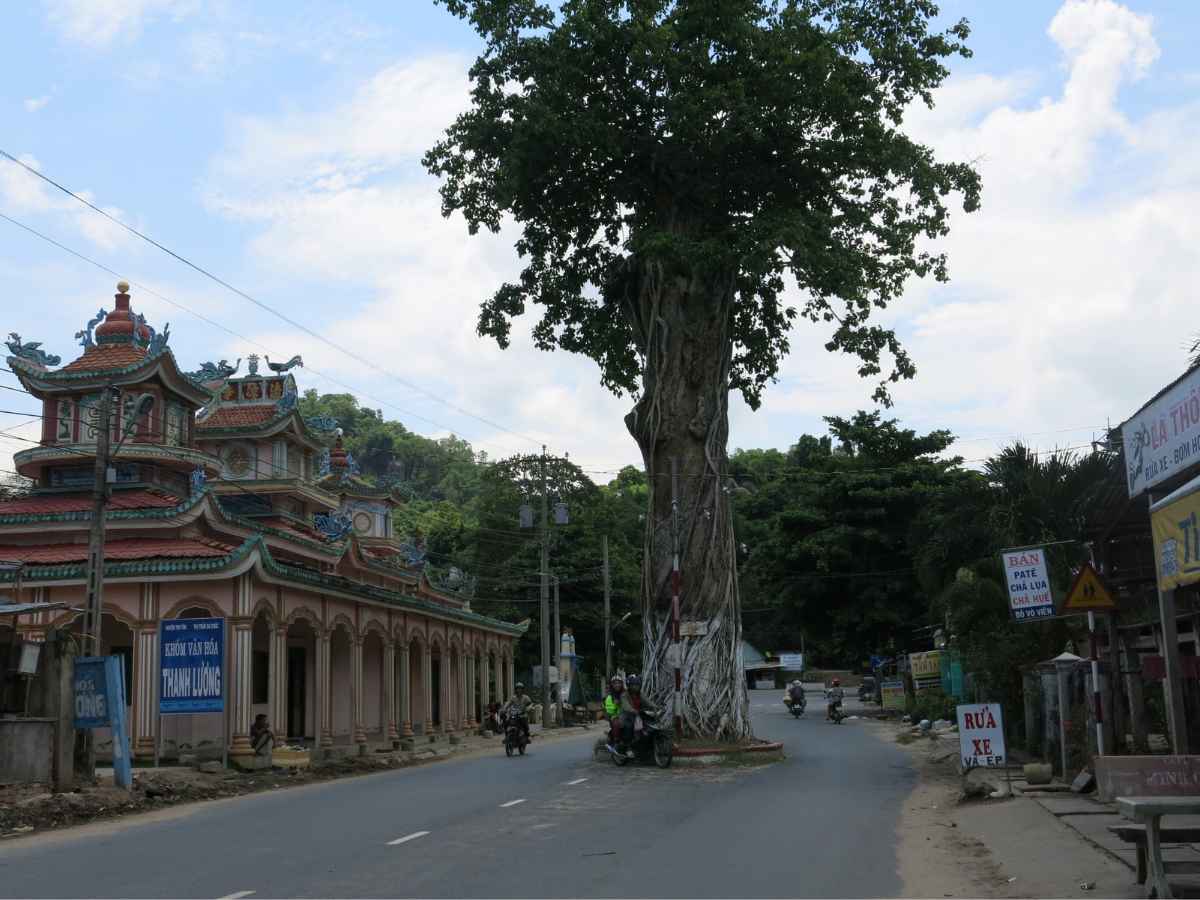
The dry season of the year is suitable for visiting and observing the landscape of Elephant Mountain (Nui Tuong). (Source: Collected)
4.2. Things to know before visiting the rocky mountain area
The exposed rocky terrain and uneven surface require visitors to be cautious when moving. Comfortable attire and shoes with adequate grip enhance safety during exploration. Furthermore, preserving the natural landscape contributes to the conservation of the local ecosystem.
4.3. Combining visits to Elephant Mountain with other iconic spaces
After visiting Elephant Mountain (Nui Tuong) and the semi-mountainous region of An Giang, the journey can extend to modern tourist architectural spaces. Central Village at Sun World Hon Thom in Phu Quoc offers a different experience when placed next to natural rocky landscapes. This combination adds depth and spatial diversity to the trip.
Elephant Mountain (Nui Tuong) offers a special moment of tranquility for exploring An Giang, where mountain scenery blends with a serene spiritual space. It is a suitable stop to find balance between nature and personal emotions. Comparing Elephant Mountain (Nui Tuong) with Sun World Hon Thom helps clarify the differences between traditional spiritual tourism and large-scale entertainment complexes.