
















1. Giong Thanh Pagoda in the context of formation and local life
1.1. Giong Thanh Pagoda located amidst the rural space
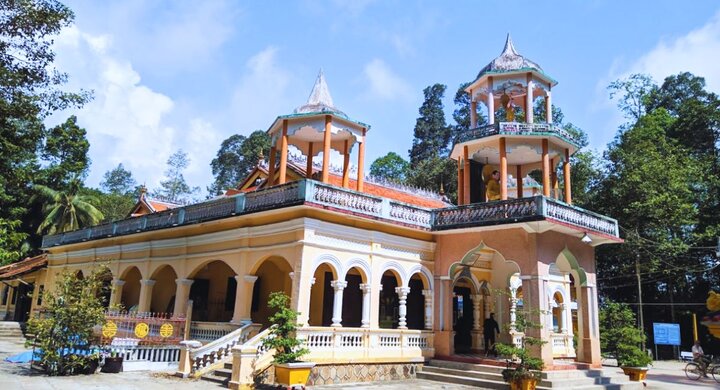
Giong Thanh Pagoda , also known as Long Hung Tu, is located in Tan Chau ward, An Giang province, appearing amidst the traditional garden and residential space of local residents. This location reflects the close connection between rural life and religious activities, where beliefs are integrated into daily life. The surrounding rural space helps the pagoda maintain a sense of closeness and familiarity with the community.
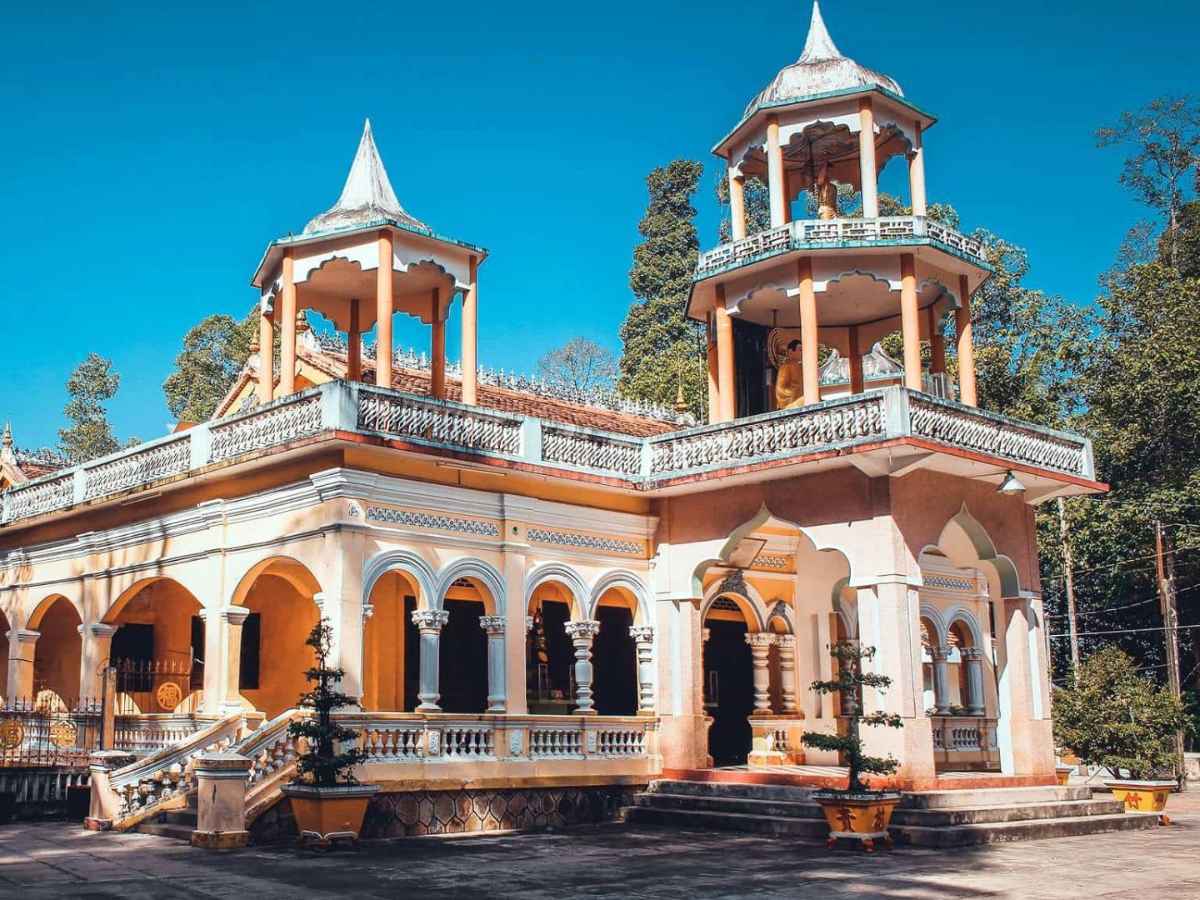
Giong Thanh Pagoda is located amidst the rural space, connected to the local community life of An Giang. (Source: Collected)
The pagoda is located about 3 km from the center of Tan Chau town towards Phu Tan, near the Cai Vung river area, a branch of the Tien river. The natural setting with many green trees and the river system creates a quiet environment for the pagoda grounds. This distance helps the pagoda not be separated from the residents' lives but become a point of cultural, communication, and spiritual activity for the countryside.
1.2. Origin and development of the pagoda
Giong Thanh Pagoda was founded in 1875 by Venerable Monk Tri Trang with an initial simple architecture of bamboo and leaves. The initial purpose of the pagoda was to serve the spiritual practice and activities of the local people. During this period, the pagoda served as a spiritual refuge for the riverine community.
Over time, as the number of Buddhists increased, the need to expand the living space became necessary. In 1927, Venerable Monk Chanh Huon, from Long Son commune, requested permission from the French colonial authorities to organize fundraising and rebuild the pagoda on a larger scale. This renovation laid the foundation for a stable architectural appearance suitable for long-term religious activities.
1.3. Significance of Giong Thanh Pagoda in the community
Giong Thanh Pagoda is not only a place of worship but also plays an important role in the cultural life of the local residents. The pagoda serves as a space connecting generations through religious activities and traditional ceremonies. Buddhist moral values are naturally conveyed in community life.
Annually, the pagoda organizes many Buddhist rituals according to the cycle, attracting local people to chant sutras and engage in spiritual activities. The prayer sessions in the main hall take place regularly, creating a familiar rhythm of life for Buddhists. Through these activities, the pagoda contributes to maintaining a stable spiritual life for the residents of the islet region.
2. Architecture and practice space at Giong Thanh Pagoda
2.1. Overall architecture and spatial organization
Giong Thanh Pagoda features the architectural characteristics of Southern Vietnamese Buddhism, reflecting a combination of traditional elements and influences from Indian and European architecture. This combination helps the structure maintain a solemn appearance within the surrounding rural landscape. The pagoda's architecture creates a harmonious feeling when viewed from various approaches.
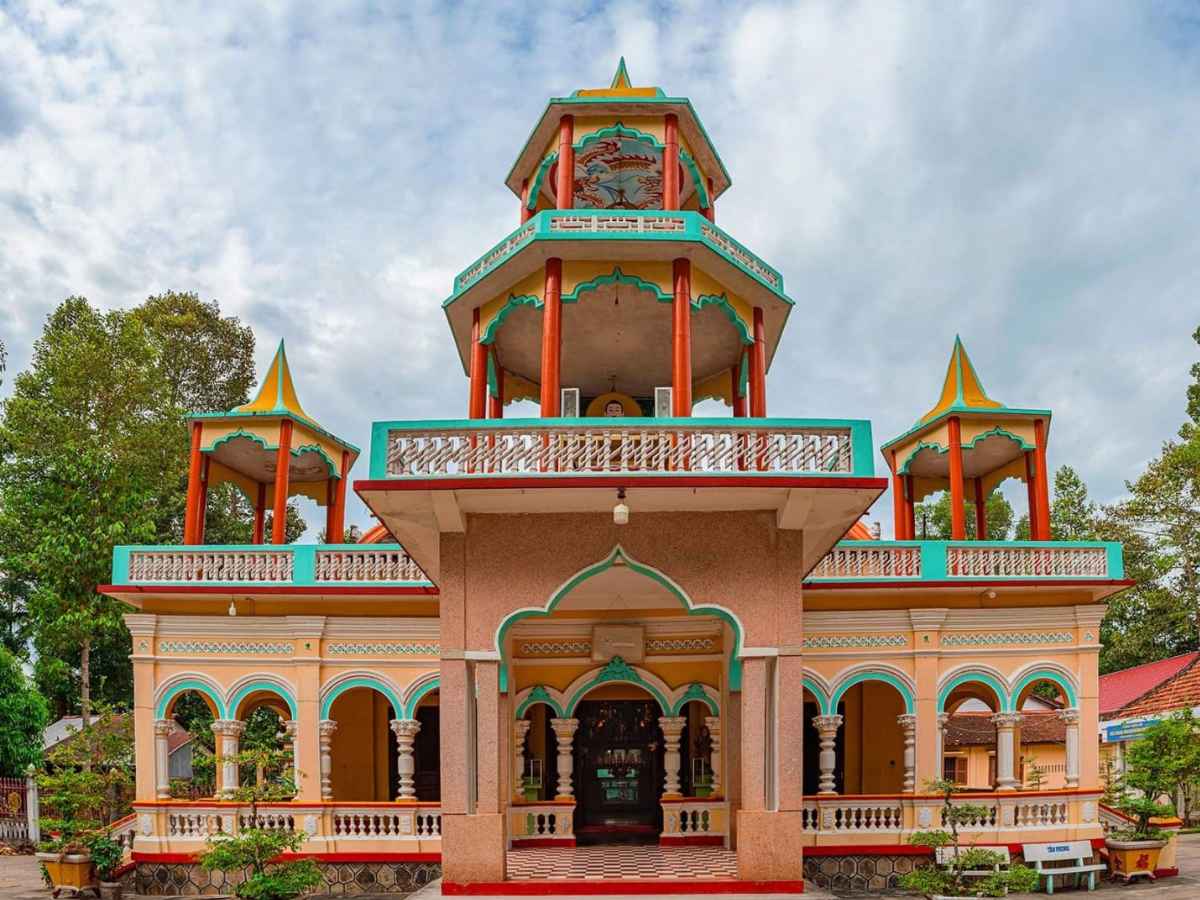
The overall architecture of Giong Thanh Pagoda harmonizes with Southern Vietnamese Buddhist traditions. (Source: Collected)
The pagoda is organized into three main sections: the main hall, the lecture hall, and the ancestral hall. The structures are arranged symmetrically, reflecting a familiar organizational pattern in traditional Buddhist architecture. This arrangement makes the pagoda's space easy to navigate and convenient for practice and daily life.
The architectural sections are connected by internal pathways and a common courtyard. This organization creates a seamless flow between functional areas within the pagoda grounds. Consequently, religious activities and visits take place in a unified and orderly space.
2.2. Main Hall and Auxiliary Areas
The main hall of Giong Thanh Pagoda serves as the central point for the entire practice space. This is where rituals such as chanting, Buddha worship, and other important religious activities take place. The main hall's atmosphere is designed to be tranquil, suitable for mental concentration.
Inside the main hall, the Buddha statue is placed at the center, surrounded by statues of Bodhisattvas and familiar Buddhist symbols. This arrangement helps define the worship space and creates balance in the interior layout. The lighting and interior space support meditation and chanting activities.
Surrounding the main hall are auxiliary areas such as the lecture hall and the monks' quarters. These spaces are used for teaching Buddhist doctrines, study, and receiving devotees. The role of these auxiliary areas helps maintain a stable daily life for the pagoda.
2.3. Landscape and Serene Atmosphere
The landscape of Giong Thanh Pagoda is designed with many green areas, small paths, and open spaces. This arrangement facilitates walking, meditation, and personal contemplation. The system of old trees contributes to maintaining a quiet atmosphere within the pagoda grounds.
Paved or gravel paths lead through each area, making movement within the pagoda convenient. This space allows visitors and devotees to pause and converse softly amidst nature. The combination of architecture, landscape, and daily life creates a pervasive sense of serenity throughout the grounds.
3. Spiritual Value and Experience at Giong Thanh Pagoda
3.1. Buddhist Practice and Rituals
Giong Thanh Pagoda maintains regular schedules for chanting, Buddha worship, and study activities, attracting local devotees and those seeking a spiritual space. These activities follow the familiar rhythm of pagoda life, creating a stable flow in the local religious landscape. The consistent presence of devotees helps the pagoda maintain its role as a spiritual center for the community.
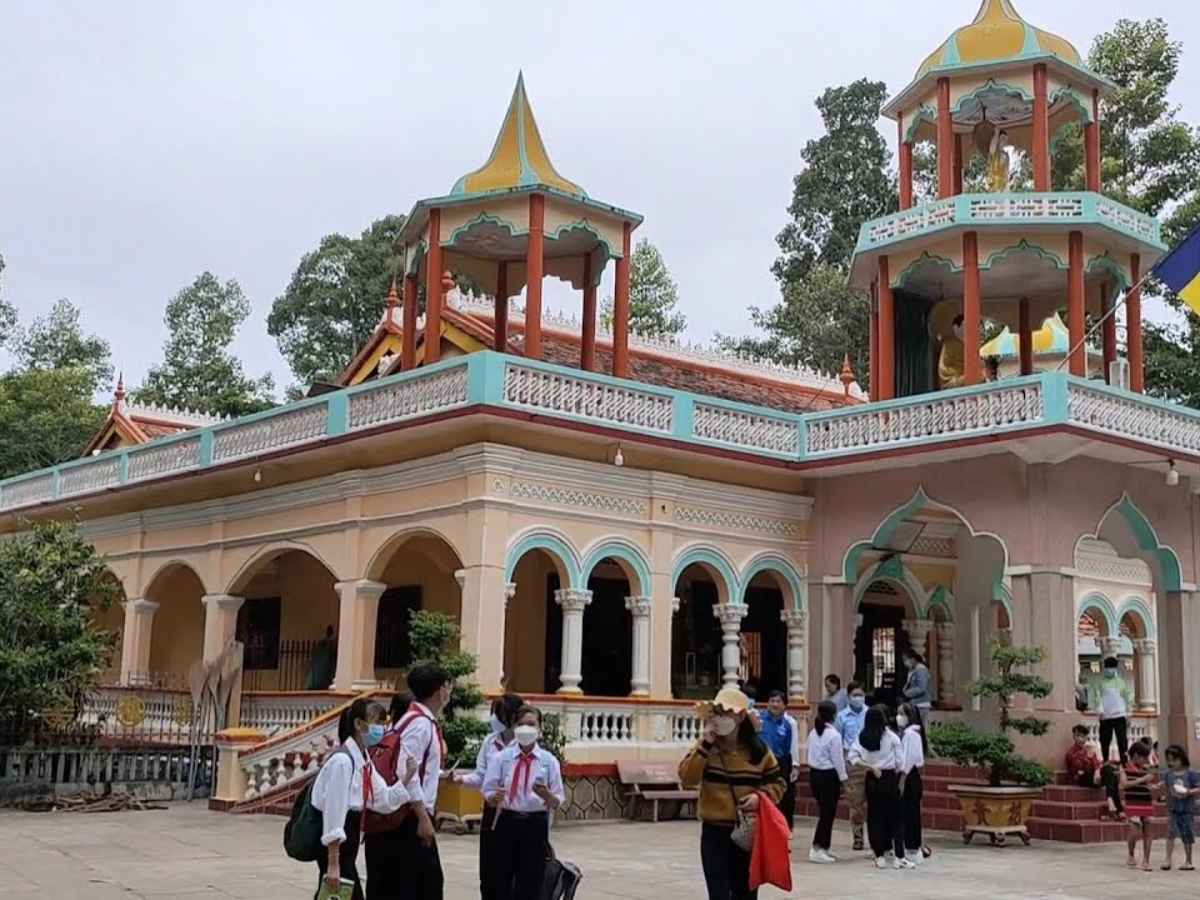
Buddhist practice and ritual activities take place regularly at Chua Giong Thanh Pagoda. (Source: Collected)
Chanting sessions are usually held on the full moon day, the first day of the lunar month, and important Buddhist holidays. The atmosphere in the main hall during these times brings a sense of solemnity, tranquility, and focus. Attendees have the opportunity to slow down, feel the spiritual meaning through each sutra and chant.
In addition to rituals, the pagoda also organizes Dharma talks and study sessions for Buddhists. These sessions usually take place in the lecture hall, where monks share Buddhist teachings and answer questions related to spiritual practice. Dharma talks help Buddhist doctrines be approached in a way that is close and suitable for modern life.
3.2. Experience finding inner balance
Many people come to Chua Giong Thanh Pagoda with the desire to escape the busy pace of life and find peace of mind. The quiet space of the pagoda allows each person to listen to their own thoughts and emotions. This experience is personal, linked to the need for spiritual balance in daily life.
As you stroll through the pagoda grounds, visitors can clearly feel the slowness in every movement. The open space with little noise makes breathing and observing easier. This stillness supports the process of contemplation and inner relaxation.
The natural landscape with green trees and a spacious courtyard facilitates activities such as meditation, slow walking, or quiet contemplation. These moments help participants regulate their emotions and thoughts. In the context of a modern life full of pressure, this experience is considered a necessary respite for the spirit.
4. Things to know when visiting Chua Giong Thanh Pagoda
4.1. Suitable time to visit Chua Giong Thanh Pagoda
Early morning is a suitable time to visit Chua Giong Thanh Pagoda when the air is cool and the light is gentle. At this time, chanting activities in the main hall usually take place in a quiet space, creating a contemplative atmosphere for attendees. The morning experience helps visitors clearly feel the spiritual rhythm of the pagoda.
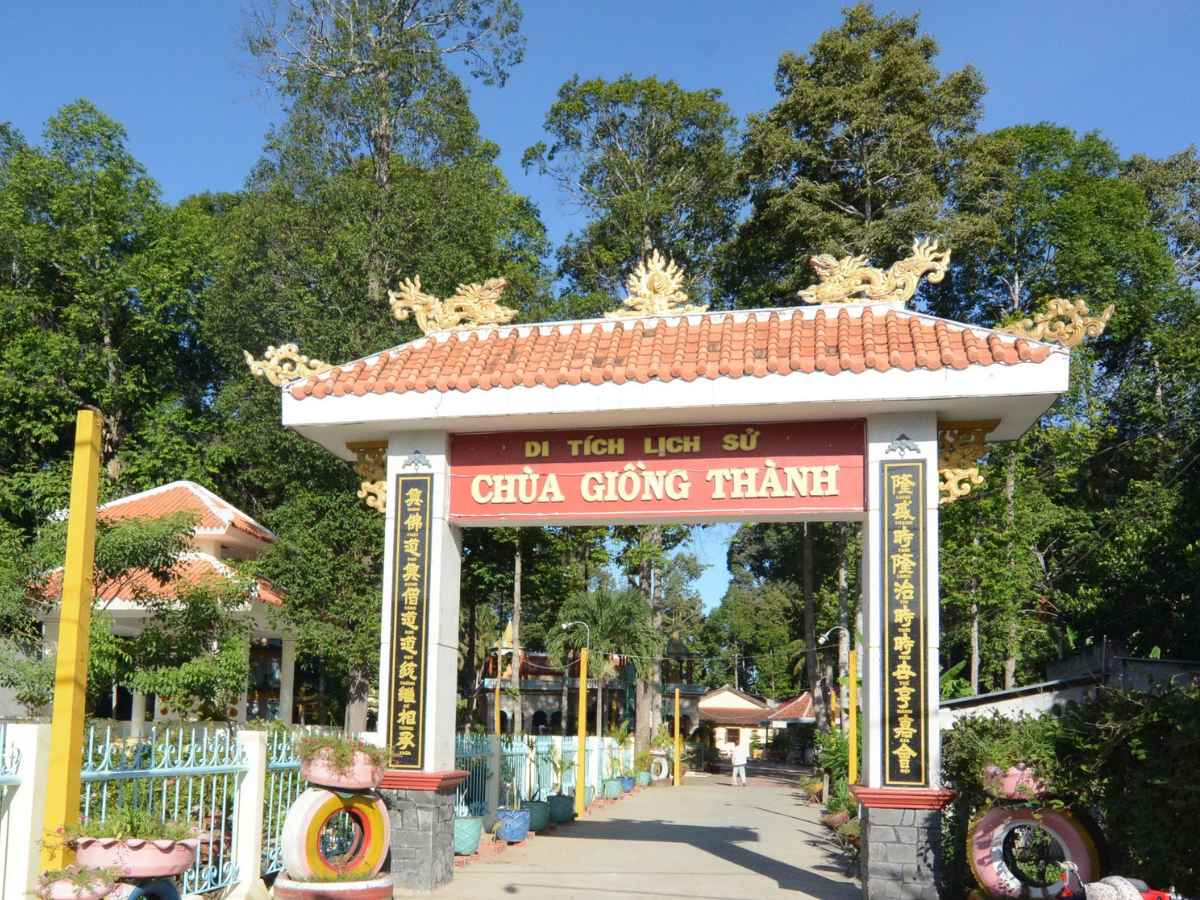
Early morning is a suitable time to visit Giong Thanh Pagoda. (Source: Collected)
Weekdays usually have fewer visitors than holidays, which is convenient for sightseeing and pilgrimage. The quiet space allows visitors to easily walk around the grounds and observe the pagoda's architecture. This also creates conditions for meditation and contemplation in a more private space.
4.2. Behavior and preparation when visiting the pagoda
When visiting Giong Thanh Pagoda, visitors should prepare modest attire, suitable for the sacred space and religious activities. Comfortable clothing facilitates movement around the grounds and convenient architectural sightseeing. This preparation demonstrates a respectful attitude towards the pagoda's spiritual space.
During the visit, moving gently and maintaining order are important to avoid disturbing those chanting or practicing. The pagoda space emphasizes tranquility, so polite behavior helps maintain the general atmosphere. Mutual respect contributes to a positive experience for everyone.
4.3. Suggestions for connecting spiritual and resort destinations
After experiencing the serene atmosphere at Giong Thanh Pagoda, visitors can combine their journey with relaxing resort destinations. Spaces like Sun World Hon Thom offer active experiences and relaxation in a vast natural setting. This combination makes the trip more emotionally diverse.
Continuing the spiritual journey with resort activities allows visitors to access different aspects of tourism. On one hand, there is spiritual contemplation; on the other, physical experience and open spaces. This arrangement helps each trip provide a more balanced feeling in modern life.
Giong Thanh Pagoda is a meaningful destination for those seeking a tranquil spiritual space in An Giang. The peace at the Buddhist sanctuary helps visitors temporarily set aside the hurried pace of daily life. Giong Thanh Pagoda is often included in articles as a local cultural highlight, placed alongside Sun World Hon Thom to clarify the difference between a place of worship and an entertainment tourism spot.