















1. Cu Lao Gieng and the spatial structure formed by the river
1.1. Geographical location and morphology of the islet in the Tien River
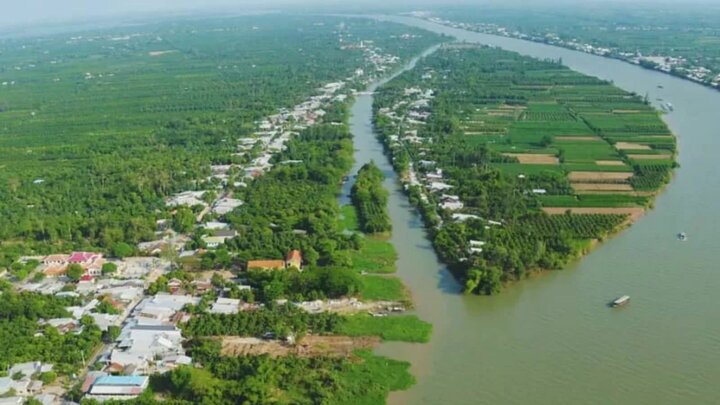
Cu Lao Gieng is located in the middle of the Tien River, An Giang province, separated from the mainland by the wide river. The area is about 12 km long and 7 km wide, formed from alluvial deposits over many generations. The presence of the river plays an important role in shaping the landscape and living environment on the islet.
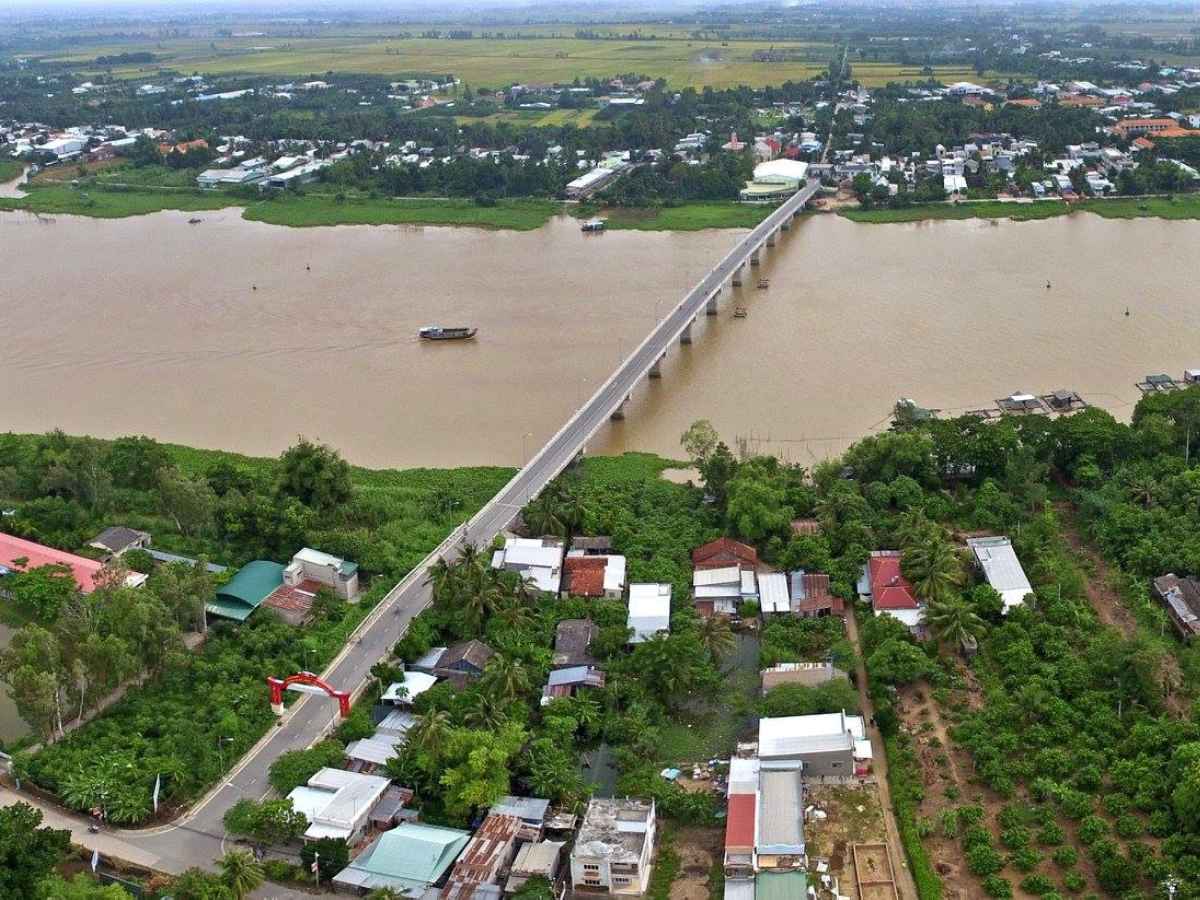
Gieng Islet possesses a special location, forming an ecological space between the Tien River, An Giang. (Source: Collection)
The terrain of Gieng Islet is relatively flat, with fertile alluvial soil suitable for agricultural production and fruit orchards. Residential areas, gardens, and village paths are interspersed, creating a living space closely connected to the riverine nature. This morphology clearly reflects the characteristics of the Mekong Delta region.
Its location in the middle of the river helps Gieng Islet maintain its own development rhythm compared to neighboring urban areas. The space here is directly influenced by the flow regime and hydrology of the Tien River. This creates a unique ecological environment, closely linked to the local life and culture of the residents.
1.2. Residents' rhythm of life connected to the river
The life of residents in Gieng Islet is closely tied to the riverine environment, where production and daily activities take place according to the familiar rhythm of the Southwest region of Vietnam. Residents primarily cultivate fruit trees on alluvial soil, combined with trade by boat on rivers and canals. These factors contribute to a lifestyle adapted to the water levels and year-round natural conditions.
Waterfronts and small paths on the islet are communal spaces where people meet, exchange produce, and share life information. Boats and sampans still serve as familiar means of transport, connecting residential areas on the islet. The community's rhythm of life is thus always connected to the river, creating the characteristic image of the Southern Vietnamese countryside.
1.3. Gieng Islet as a historical refuge
Gieng Islet has a history of over 300 years, associated with many stages of cultural and religious development in the Southern Vietnamese riverine region. Thanks to its location in the middle of the Tien River, the islet was once a safe and convenient place of residence for communities during the settlement process. The isolated natural conditions helped preserve many historical imprints over time.
During its formation, many religious and educational structures emerged and became integral to the lives of the residents on the islet. Places of worship such as churches and pagodas gradually became spiritual centers for the local community. These structures reflect the connection between settlement history and the spiritual needs of the riverine population.
2. System of religious heritage and characteristic architecture
2.1. Ancient churches and Western architectural imprints
Gieng Islet boasts many religious architectural structures, among which ancient churches bearing Western imprints create a distinctive feature for the cultural space here. Most of these structures were built in the 19th century, associated with cultural exchange, according to the architectural records of Southern Vietnam. The appearance of European architecture has contributed to enriching the architectural landscape of the islet.
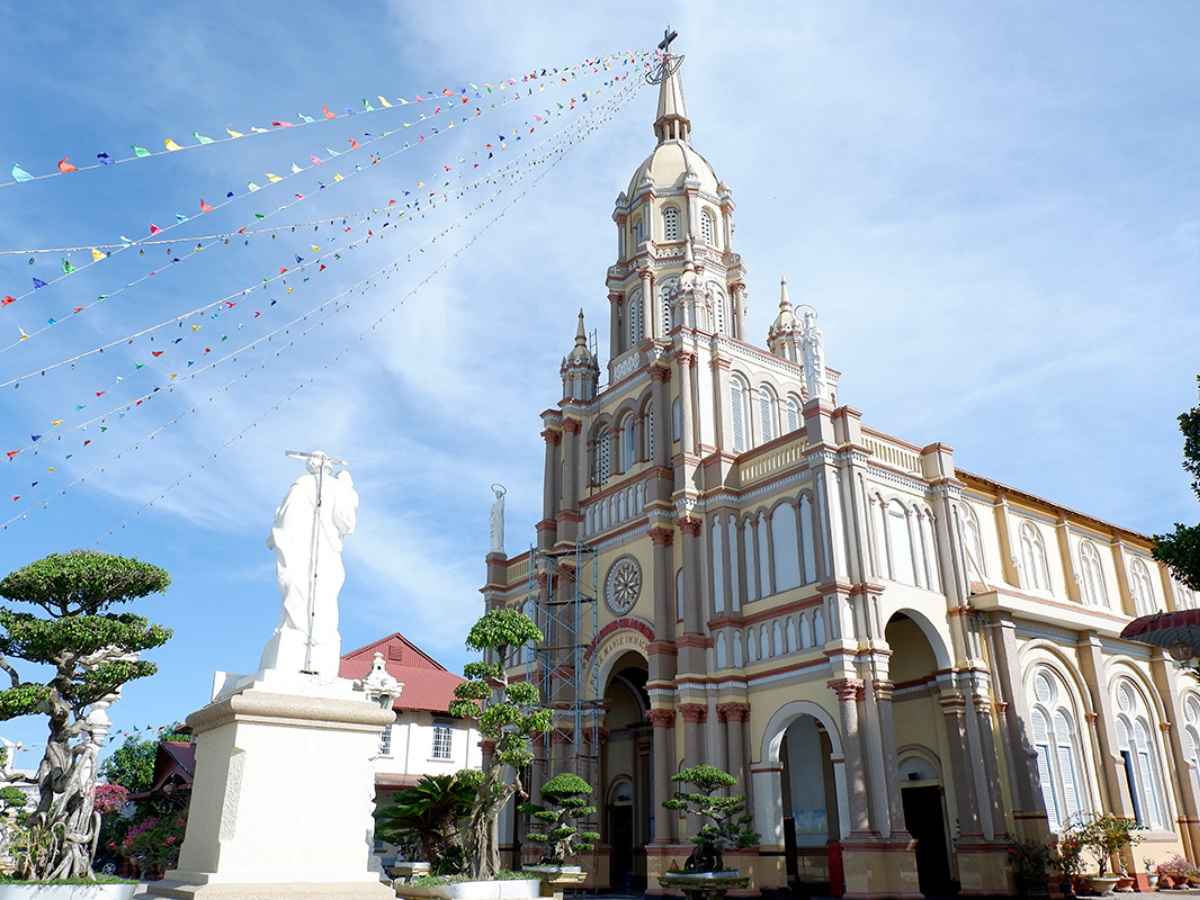
Churches and Western architecture create a distinctive cultural imprint at Cu Lao Gieng. (Source: Collected)
The main church on Cu Lao Gieng features a classic Roman style with a tall facade, bell tower, and symbolic decorative details. The spatial arrangement and architectural forms show adaptation to the climate and riverine landscape. This structure still plays an important role in the religious life of the local community.
2.2. Pagodas and local spiritual spaces
Besides churches, Cu Lao Gieng also has a system of pagodas deeply imbued with Buddhist and folk beliefs. These pagodas reflect the diverse spiritual life and the residents' connection to traditional values. The pagoda space is often associated with greenery and natural landscapes, creating a tranquil atmosphere for religious activities.
Festival activities and religious rituals at the pagodas take place according to the community's rhythm of life on the islet. This is where people come for spiritual activities and to maintain long-standing cultural customs. The presence of pagodas contributes to balancing material and spiritual life in the riverine landscape.
2.3. Heritage values in present life
The religious structures on Cu Lao Gieng continue to be connected to the residents' lives today through religious activities and community gatherings. People frequently visit these spaces to participate in rituals and meet family generations. This helps maintain the connection between the past and the present in local cultural life.
The value of religious heritage contributes to shaping the unique cultural identity of Cu Lao Gieng within the An Giang riverine region. These structures also become stops for tourists to learn about the history and spiritual life of the residents. Thus, the heritage space continues to be preserved and spread in contemporary life.
3. Experiencing emotions and a slow rhythm at Cu Lao Gieng
3.1. Walking, cycling, and observing the countryside
Cu Lao Gieng is suitable for gentle activities such as walking or cycling on tree-lined village paths, where visitors can easily observe the daily lives of local people. Small roads wind through fruit orchards and run along canals, offering a sense of closeness to the riverine nature. The slow pace of movement makes the journey more relaxing and experiential.
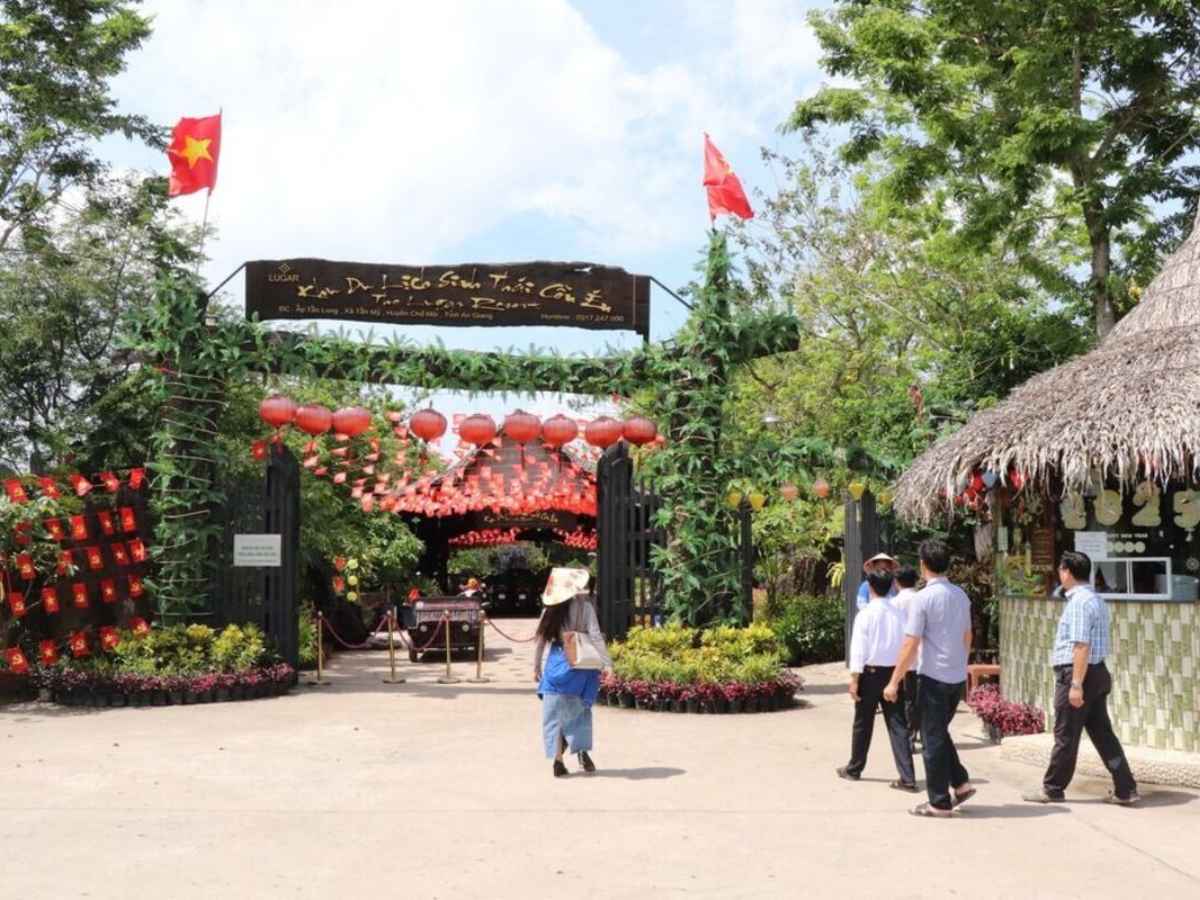
Walking and cycling help to clearly observe the rhythm of rural life on Cu Lao Gieng. (Source: Collected)
When moving through seasonal mango, plum, or pomelo gardens, visitors can clearly feel the sound of flowing water and birdsong amidst the peaceful atmosphere. The paths around the village open up opportunities for direct contact with local life, from riverside drink stalls to familiar communal landing spots. Each moment of pause brings a gentle sense of connection to the orchard countryside.
Walking or cycling also helps visitors observe the changing landscape at different times of the day. Sunlight filtering through the canopy and river breezes create a pleasant atmosphere for slow movement. This experience transforms travel into a natural journey of feeling the local rhythm of life.
3.2. Serene Space and Emotional Depth
The space at Cu Lao Gieng has a tranquil quality, allowing visitors to connect more deeply with the landscape and people here. The peace is reflected in the slow pace of life, where all activities are tied to the natural cycles of the river. This makes the experience gentle and less influenced by the outside world.
Areas along the river, water docks, or garden paths offer pauses for observation and listening. Here, visitors can clearly feel the harmony between people and their surroundings. The open yet quiet space creates emotional depth throughout the exploration journey.
This tranquility makes the experience on the islet more contemplative. The urban pace of life is replaced by simple and slow everyday moments. Through this, Cu Lao Gieng leaves a deep impression with its inherent simplicity.
3.3. Evoking Outdoor Art Performance Experiences
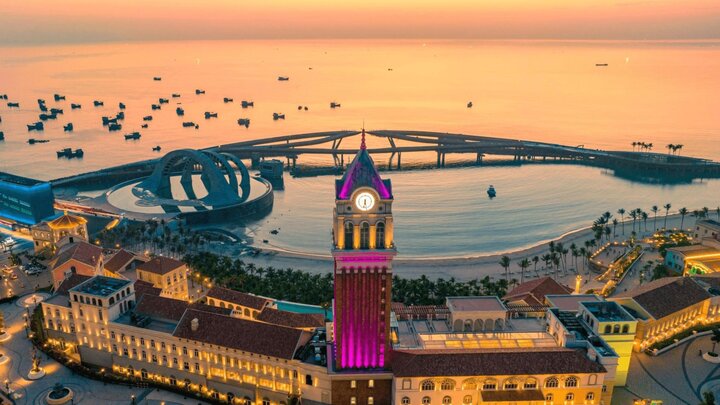
The feeling of strolling around Cu Lao Gieng evokes memories of enjoying the Symphony Of The Sea show at Sunset Town, Phu Quoc, where space and movement together guide the audience's emotions. The “Symphony of the Sea” show takes place daily on Kissing Bridge Bay, combining music, light, and performance art on the water. This fusion creates a seamless emotional flow for the experience.
The performance in Phu Quoc tells a story through light and movement, taking viewers through various emotional states. From sound climaxes to moments of quiet as the sea opens up, emotions are guided by a natural rhythm. This shares similarities with how the riverine nature of the islet affects visitors.
Despite the different contexts, both experiences create a sense of connection between people and their surroundings. The emotional rhythm comes not from complex arrangements but from how the space is perceived. This very similarity makes the journey more seamless and profound.
4. Guide to Exploring Cu Lao Gieng via Cultural Itinerary
4.1. Best Time to Visit Cu Lao
The period from November to April is often chosen by many tourists to visit Cu Lao Gieng due to the dry and pleasant weather. These climatic conditions are favorable for traveling by ferry, walking, and visiting heritage sites. The cool atmosphere makes the countryside experience more comfortable.
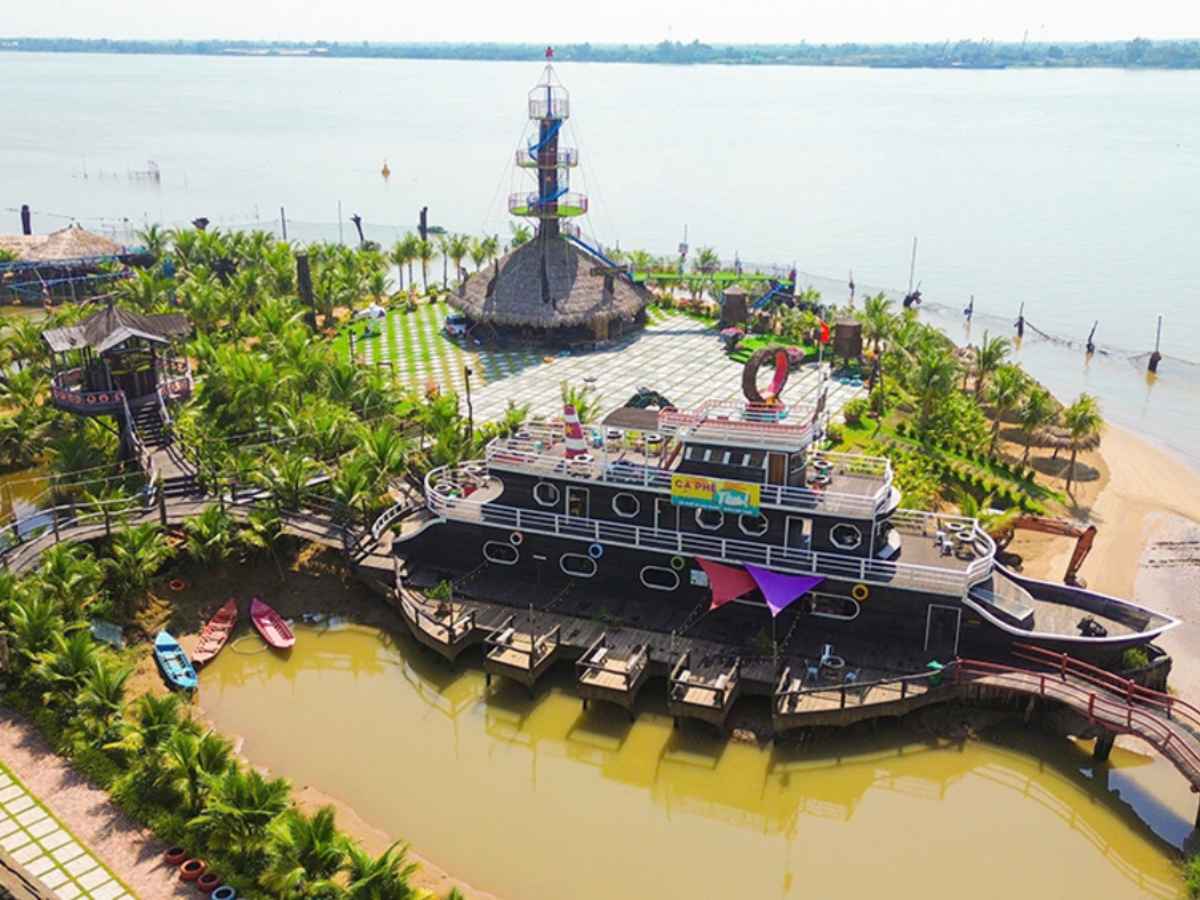
The dry season is a suitable time to visit and experience Cu Lao Gieng. (Source: Collected)
During the flood season, the river landscape expands, offering a different perspective for the exploration journey. Visitors can observe more clearly the rhythm of life associated with the water wharf and the river. Fruit trees grow year-round, creating a lush green scenery at different times.
4.2. Access and Transportation on Cu Lao Gieng
Visitors often access Cu Lao Gieng by ferry or small boat from river wharves on the Tien River. Transportation operates frequently, making travel between the islet and the mainland quite convenient. Ferries can carry both motorcycles and bicycles to serve transportation needs.
After arriving on the islet, traveling by bicycle or walking is chosen by many. The village paths are relatively flat, suitable for slow exploration journeys. This mode of transport allows visitors to observe local scenery and life more closely.
4.3. Suggested Extension of Cu Lao Gieng Tour with Contemporary Cultural Experiences
After exploring the slow pace of life at Cu Lao Gieng, visitors can continue their journey with contemporary cultural experiences in Phu Quoc. The Symphony Of The Sea show at Sunset Town offers a performance space combining music, lights, and the night sea. This is a suitable stop to shift the emotional flow of the trip.
The "Symphony Of The Sea" show takes place daily on Cau Hon Bay with on-water performance effects. The open space and continuous movement create a different experience compared to the garden-house lifestyle. This contrast makes the journey more emotionally diverse.
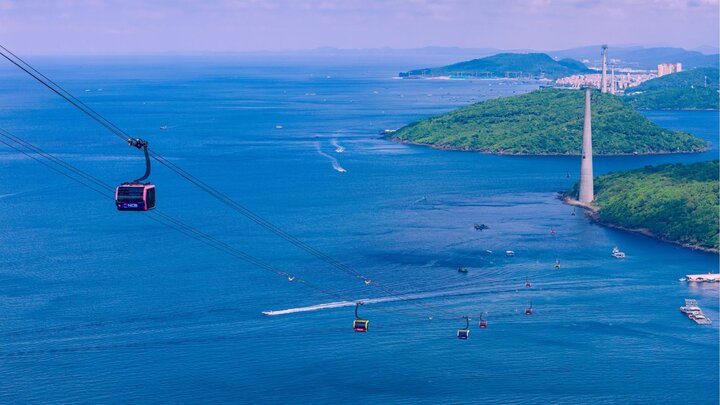
Cu Lao Gieng concludes the journey with the unique beauty of the riverine region and its ancient culture. The small paths, green trees, and religious structures create a slow, profound atmosphere. While Cu Lao Gieng is associated with riverine life and local culture, Sun World Hon Thom represents the development of tourism in a resort and entertainment model.