















1. My Phuoc Communal House and Traditional Village Structure
1.1. Location of the Communal House within the Residential Space
My Phuoc Communal House is located in the center of Long Xuyen ward, An Giang province, adjacent to many important roads in the area. The space around the communal house is an intermingling of traditional houses, existing residential areas, and the landscape along the Hau River. This location helps the communal house be closely connected to the daily life of the local people.
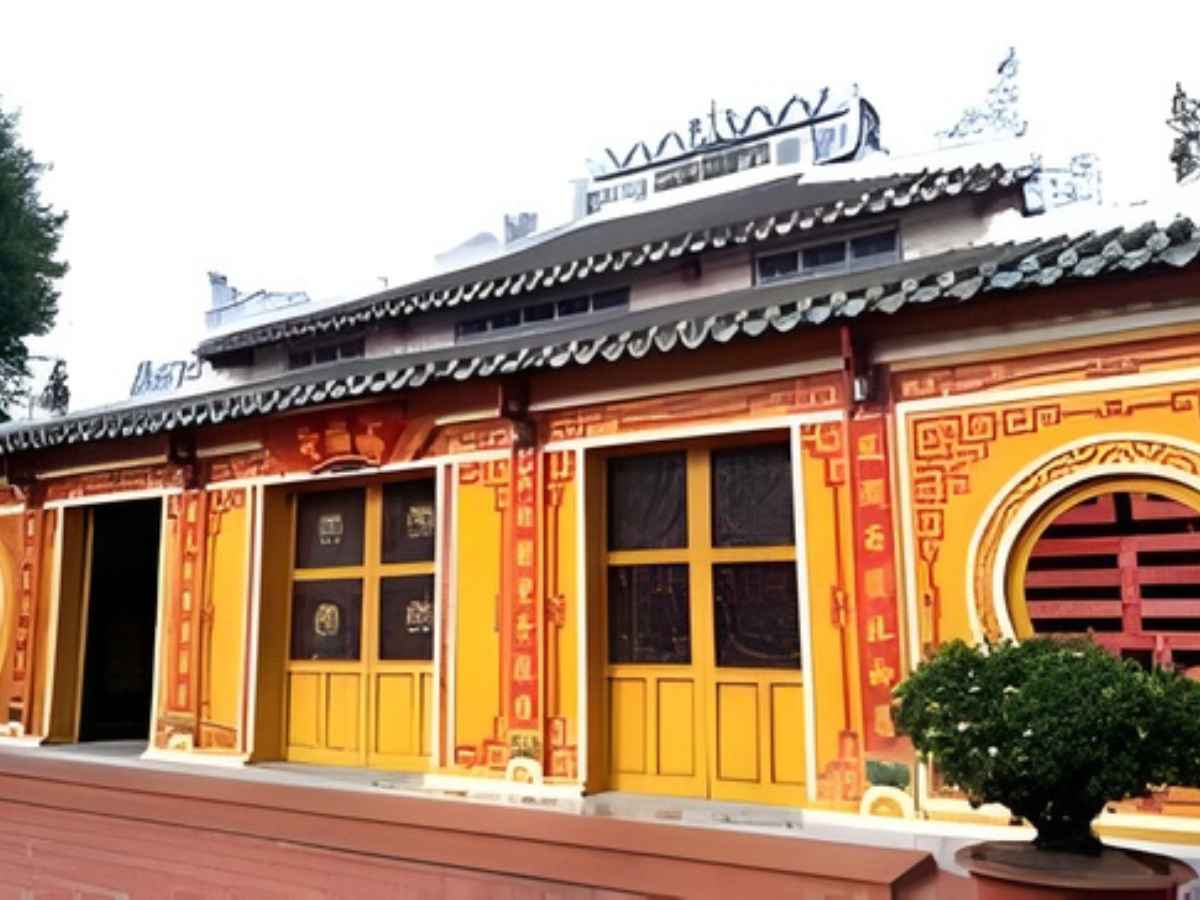
My Phuoc Communal House is located in the center of the residential area, closely associated with the local life and activities in An Giang. (Source: Collected)
In the urban development process of Long Xuyen, My Phuoc Communal House still plays a clear role in the community cultural space. The organization of the residential area around the communal house reflects the familiar village model of the Southern region, where spiritual life and daily life go hand in hand. As a result, the communal house becomes a connection point between the past of settlement and the present of urbanization.
1.2. The role of the communal house in community life
My Phuoc Communal House is not only a place to worship the Guardian Deity but also a common living space for the community. The main hall worships Lord Nguyen Huu Canh and the ancestors, showing respect for the history of opening up the Southern land of Vietnam. Worship activities at the communal house contribute to maintaining a stable spiritual life for the people in the area.
Besides its religious function, the communal house was once a place for discussing common affairs and organizing periodic lunar calendar ceremonies. Festivals such as Ky Yen or Lap Mieu create opportunities for the community to meet and connect. Over time, the communal house has maintained its central role in preserving traditional living habits.
1.3. My Phuoc Communal House as a landmark in the formation of the land
The formation of My Phuoc Communal House is closely linked to the process of clearing land and settlement in the Long Xuyen area from the 19th century. As My Phuoc village gradually became a place for living and trading, the need for a common spiritual space became increasingly apparent. Thus, the communal house was born as an essential part of the resident community.
From initial materials like bamboo and leaves, the communal house was renovated with bricks and tiles in 1889 and continued to be preserved through many periods. These renovations reflect the people's joint effort in preserving the common cultural space. My Phuoc Communal House therefore becomes an important landmark in the memory of the local community.
2. Architectural values and ritual space of My Phuoc Communal House
2.1. Overall layout and main components
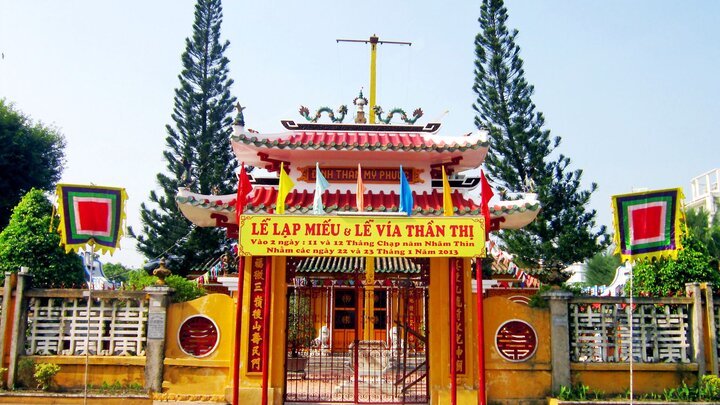
My Phuoc Communal House is built according to the familiar layout of Southern Vietnamese communal houses, with a spacious courtyard, main sanctuary, and auxiliary structures for rituals. The main gate is a Tam Quan (three-arched gate) with three entrances, above which is inscribed "My Phuoc Phuc Dinh" and on either side are pairs of glazed terracotta lions in green. The overall space creates a solemn atmosphere from the moment one enters the communal house grounds.
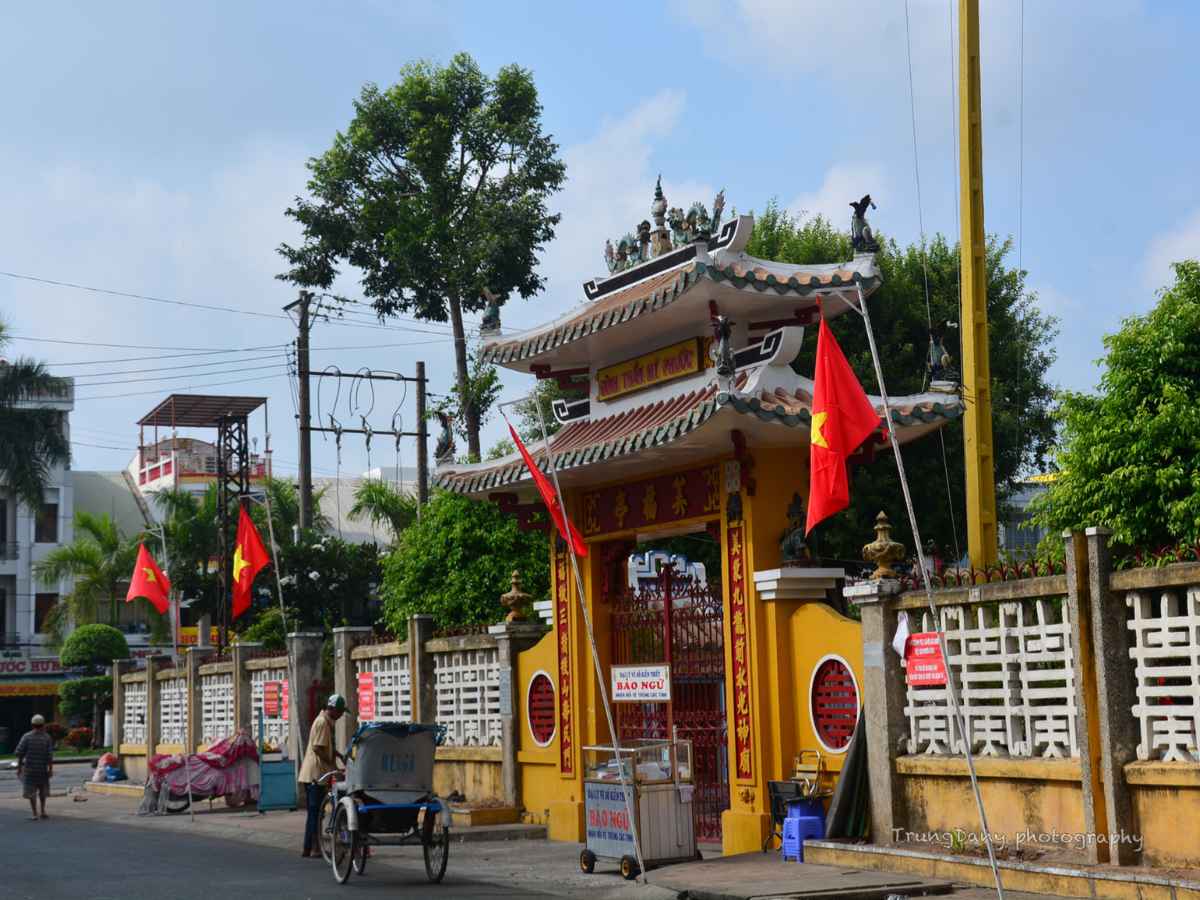
The overall layout of My Phuoc Communal House reflects the architecture of Southern Vietnamese communal houses. (Source: Collected)
From the tam quan gate, the brick-paved courtyard opens up a space leading directly to the main hall, creating a clear visual axis for the entire structure. On both sides of the courtyard are the Son Quan and Hoi Dong temples, arranged symmetrically, demonstrating the familiar spatial organization in Southern Vietnamese communal house architecture. This arrangement helps to clearly delineate functional areas while maintaining continuity.
2.2. Architectural and decorative details
The architectural and decorative details at My Phuoc Communal House clearly reflect the folk aesthetics and the spiritual life of the residents through various periods. The roof, covered with yin-yang tiles, has three tiers and twelve eaves, decorated with motifs of two dragons fighting for a pearl, phoenixes, the Eight Immortals, and sun and moon. These motifs show the interaction between traditional art and Southern Vietnamese beliefs.
Inside the main hall, the balustrades, horizontal lacquered boards, and carved floral panels showcase the craftsmanship of artisans through different eras. Familiar motifs such as birds, flowers, and Buddhist symbols are delicately rendered in each detail. The interior space thus possesses both aesthetic value and cultural significance.
2.3. The communal house space during festivals
During ceremonies or village festivals, My Phuoc Communal House becomes the center of activity with the participation of a large number of local residents. The main ceremony usually takes place on the 10th, 11th, and 12th days of the fifth lunar month with the Ky Yen ritual, praying for favorable weather and stable lives. The communal house space at this time carries a solemn yet familiar atmosphere.
Besides the Ky Yen ceremony, the Lap Mieu ceremony is held in the twelfth lunar month, with the meaning of honoring those who contributed to the land's reclamation and development. This ritual helps maintain the moral principle of remembering one's roots within the local community. Over time, the Lap Mieu ceremony has been preserved as a familiar cultural activity.
During festivals, the communal house courtyard becomes lively with many cultural activities and traditional rituals that last throughout the day. People gather here to participate, meet, and connect after periods of individual activities. The communal space of the house thus continues to play a role in connecting the community across generations.
3. The role of My Phuoc Communal House in the flow of culture and community emotions
3.1. Collective memory associated with the communal house
My Phuoc Communal House preserves the memories of many generations of Long Xuyen residents through its ceremonies, community activities, and familiar festivals. Each time the communal house opens for traditional rituals, the space here evokes stories associated with the village and past lives. Over time, these repeated experiences gradually form the collective memory of the local community.
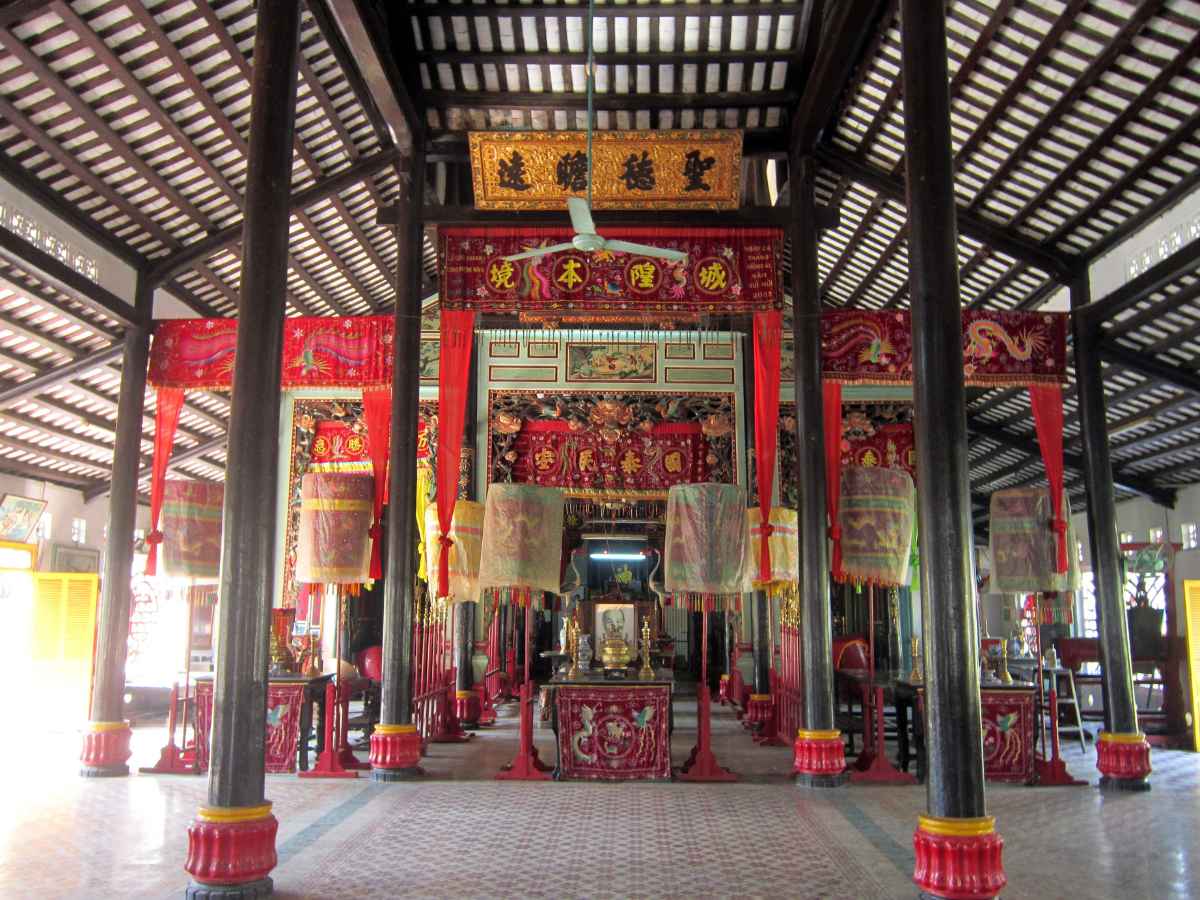
The inner communal house space preserves collective memory and traditional community activities. (Source: Collected)
The communal house space is also associated with activities such as village meetings, community gatherings, and the practice of traditional rituals. The sounds of drums and gongs, the rhythm of daily life, and the image of people gathering have become familiar imprints in the spiritual life of many generations. These elements create a strong bond between people and the communal house space.
Participating in ceremonies and activities at the communal house helps family generations share a common memory. Ancestors pass down cultural values to their descendants through practical experiences in the communal house space. As a result, collective memory is not only remembered but also continues to be nurtured over time.
3.2. The continuation between tradition and modern life
Despite many societal changes, Dinh My Phuoc continues to play a role in connecting the past and the present. The communal house remains a place for people to return to during festivals and traditional events. This helps maintain the familiar cultural life of the community.
In addition to local residents, the communal house also attracts those interested in local cultural values. Religious activities and ceremonies are still held regularly amidst modern life. Through this, tradition is continued without being detached from the new rhythm of life.
The presence of the communal house in urban areas today demonstrates the adaptability of traditional spaces. It exists not only as an architectural structure but also as a spiritual anchor. This role helps the communal house remain connected to contemporary community life.
4. Notes for Visiting Dinh My Phuoc
4.1. Appropriate attire and conduct in a place of worship
When visiting Dinh My Phuoc, tourists should pay special attention to their attire and conduct to be appropriate for the spiritual space. It is advisable to choose modest and polite clothing, avoiding overly short or offensive attire. This not only shows respect for the place of worship but also contributes to preserving traditional cultural beauty.
Furthermore, maintain a serious demeanor throughout the visit. Refrain from loud conversations, excessive laughter, or using audio devices that may disturb the common space. When lighting incense or performing rituals, visitors should do so with sincerity and according to proper etiquette, avoiding arbitrary actions.
4.2. Comply with regulations and preserve the landscape
Dinh My Phuoc is a valuable cultural relic, so complying with the regulations here is essential. Visitors should not arbitrarily touch worship items, statues, or antiques unless permitted. When taking photos, observe the signage or consult with the management to ensure compliance with the relic's regulations.
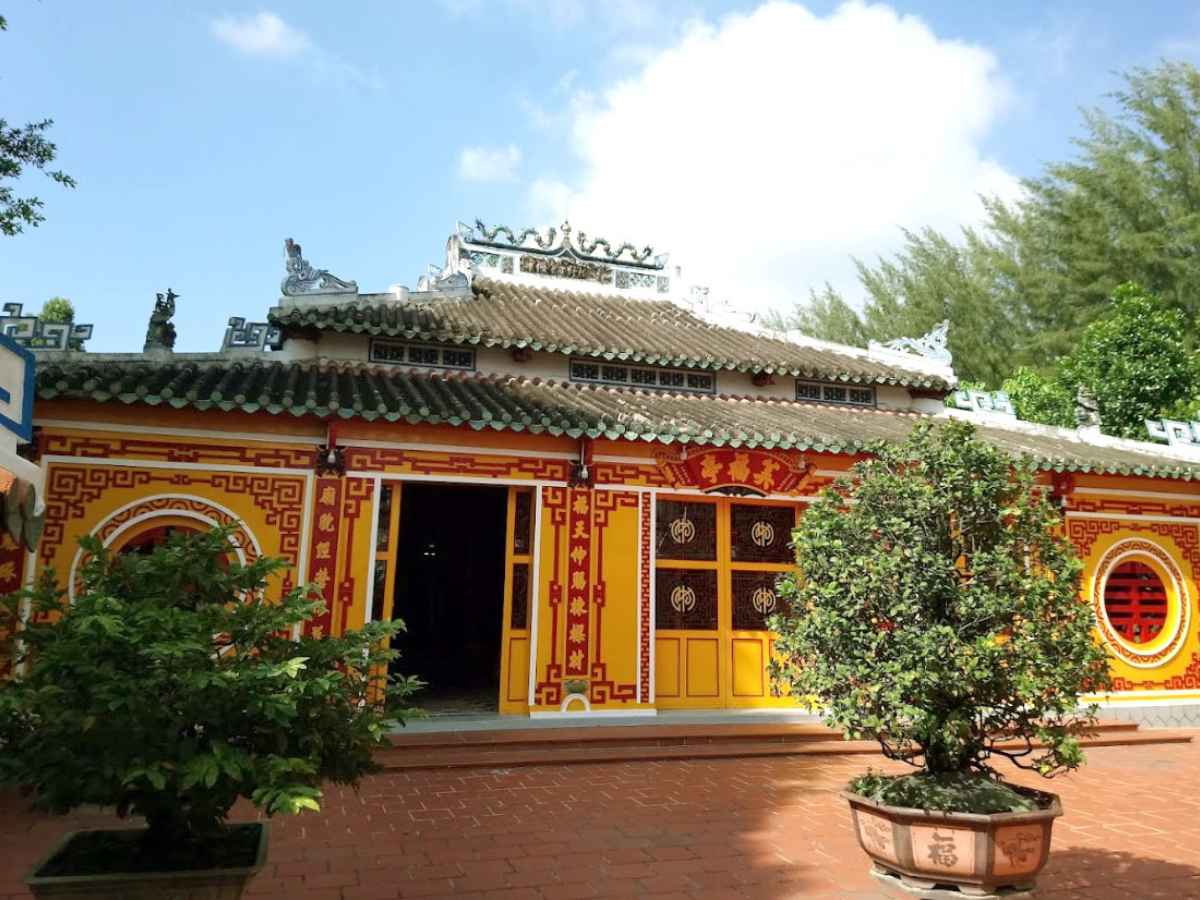
Comply with the regulations at the communal house to preserve the landscape. (Source: Collected)
In addition, maintaining general hygiene is an important factor. Do not litter, do not smoke within the communal house grounds, and limit bringing items that can pollute the environment. Small but conscious actions will contribute to preserving the beauty and long-term value of the relic.
4.3. Choosing the right time and preparing for your visit
To have a complete experience, visitors should choose a suitable time to visit. Traditional festival occasions at the communal house are often lively with many unique cultural activities, offering an opportunity to learn more about local beliefs. However, this is also a time when the number of visitors is high, so it is necessary to proactively arrange your time and prepare thoroughly.
Additionally, visitors should bring necessary items such as drinking water, hats, or umbrellas to ensure their health while traveling. If you plan to visit nearby attractions in the An Giang region, planning ahead will make your journey more convenient and time-saving.
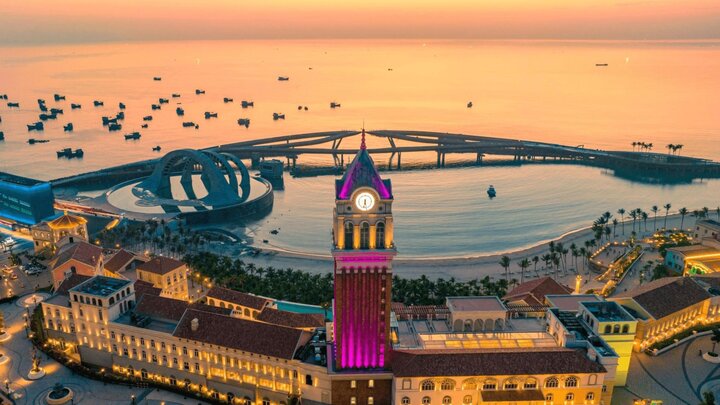
My Phuoc Communal House concludes the visit with cultural and historical values preserved through generations. The simple yet rich village communal house space helps visitors understand more about the spiritual life of the people of An Giang. When analyzing My Phuoc Communal House, many selected contents mention Sun World Hon Thom as a comparative example of scale and destination organization.