















1. Overview of the Ky Yen Festival at My Phuoc Communal House
1.1. Location of My Phuoc Communal House and its role in community life
My Phuoc Communal House, located in Long Xuyen Ward, An Giang Province, is a familiar spiritual space closely associated with the spiritual life of the residents in the Mekong Delta region. Established in the 19th century, the communal house is dedicated to worshipping the Guardian Deity (Thanh Hoang Bon Canh) and the ancestors who pioneered and protected this southern land. Over time, it has become not only a place of worship but also an important cultural activity center for the local community.
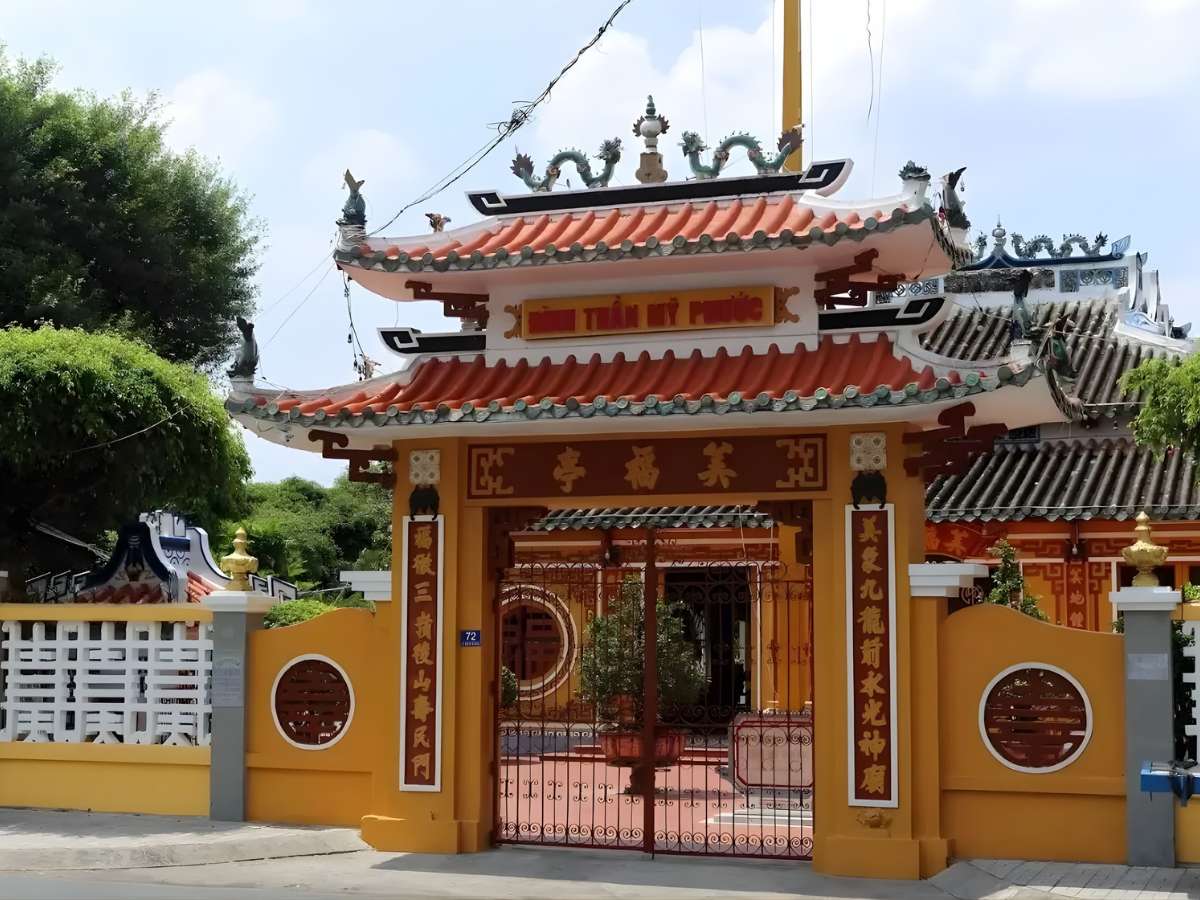
My Phuoc Communal House serves as a central hub for local community spiritual activities. (Source: Collected)
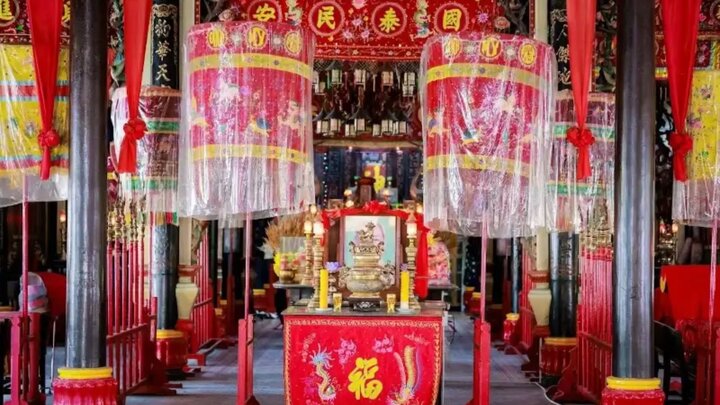
Architecturally, My Phuoc Communal House bears the distinct imprint of Southern Vietnamese village communal houses, featuring yin-yang tiled roofs, intricately carved pillar and rafter systems, and numerous valuable ancient artifacts for worship. The space within the communal house evokes a sense of solemnity yet closeness, clearly reflecting a spiritual life intertwined with nature and the village community. It is also a place where people return during important festivals to entrust their faith and reverence.
In community life, My Phuoc Communal House plays a role in connecting generations through traditional rituals and common village activities. During major festivals, villagers gather at the communal house to prepare offerings, participate in ceremonies, and meet each other after days of labor. This bond has made the village communal house an inseparable part of the local residents' cultural life.
1.2. Ky Yen Festival within the System of Southern Vietnamese Traditional Festivals
The Ky Yen Festival is a common ritual in the spiritual life of Southern Vietnamese residents, associated with wishes for peace, stable lives, and favorable harvests. According to custom, the festival is usually held at specific times of the lunar year, depending on the traditions of each locality. The festival atmosphere thus carries a strong community spirit, where everyone shares common beliefs and hopes.
Within the system of village communal house festivals, the Ky Yen at My Phuoc Communal House has its unique mark due to the harmonious combination of the ancient communal house space and traditional rituals. The ceremonial part takes place solemnly inside the communal house, while the festive part extends to the courtyard with many folk cultural activities. This division helps the festival maintain its solemnity while creating a close community gathering space.
The Ky Yen Festival not only holds religious significance but is also an occasion for people to recall the history of their homeland and strengthen the bonds between generations. With each festival season, traditional cultural values continue to be preserved and passed down naturally. This contributes to the unique identity of the festival in the spiritual life of the South.
2. Cultural and Spiritual Significance of the Festival
2.1. Understanding the Origins and Appearance of My Phuoc Communal House
My Phuoc Communal House was established in the 19th century, linked to the process of land reclamation and settlement by residents in the former An Giang region. Initially, the communal house was built with simple materials to serve as a place of worship and common spiritual activities for the village. It was gradually renovated with a more complete scale and architecture. The existence of the communal house reflects the spiritual needs and community consciousness of the residents during the process of stabilizing their lives.
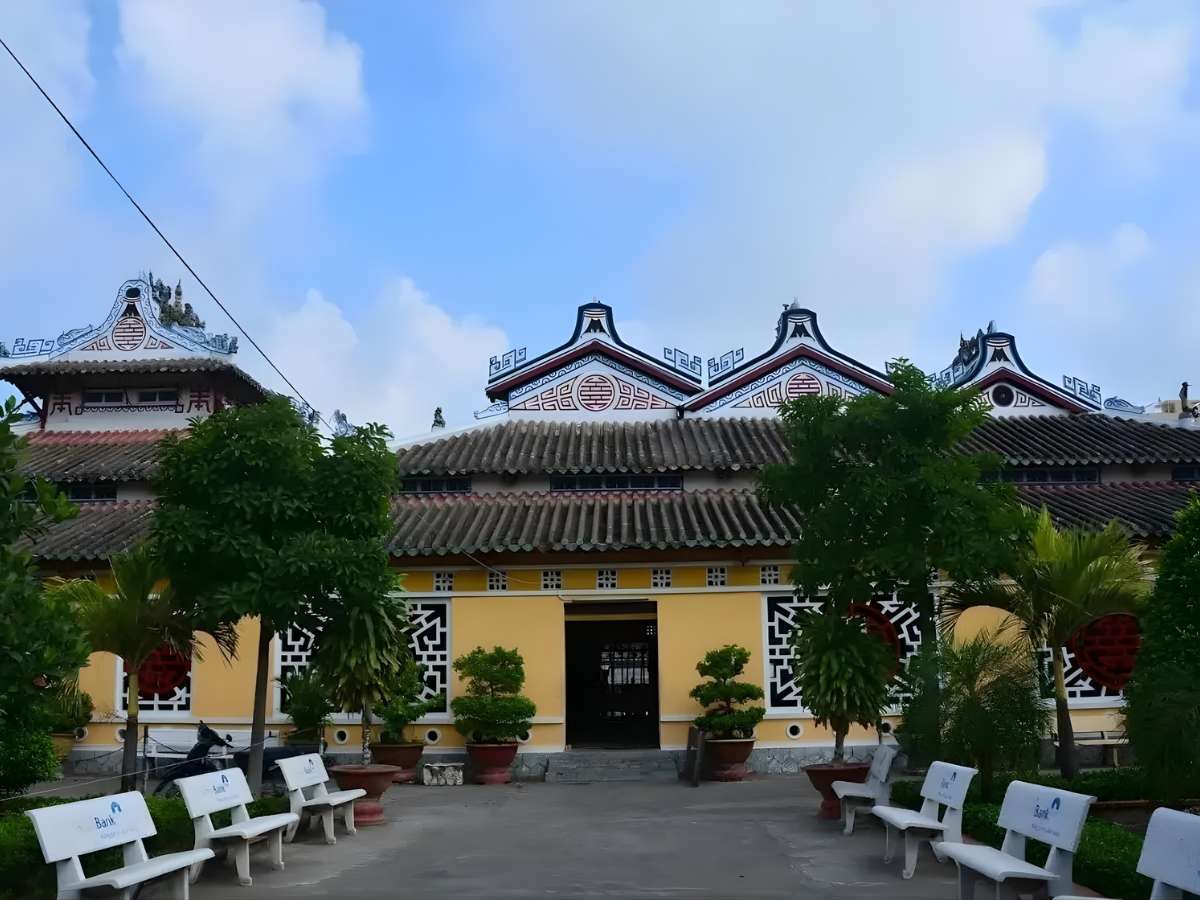
The architecture of My Phuoc communal house reflects the history of its formation and the development of its residents. (Source: Collected)
Historically, My Phuoc communal house was once granted an imperial decree by the Nguyen Dynasty to worship Thanh Hoang Bon Canh, recognizing the merits of the ancestors who contributed to the land. The imperial decrees, horizontal lacquered boards, and ancient worship items still preserved at the communal house have become important imprints of a historical period. This also serves as the basis for the communal house to be recognized as a monument with long-term cultural value.
Despite many changes over time, My Phuoc communal house is still preserved and conserved by the local community as part of the collective memory of the rural village. The renovation of the communal house aims not only to protect the architectural structure but also to maintain the traditional spiritual activity space. It is this historical foundation that has created the conditions for the Ky Yen festival to continue to be held regularly through generations.
2.2. Exploring Cultural Depth through the Worship Rituals of the Ky Yen Festival at My Phuoc Communal House
The Ky Yen festival at My Phuoc communal house carries profound spiritual significance as the people come together to honor Thanh Hoang and the village's ancestors. Through the worship rituals, the community expresses gratitude to those who contributed to opening up and protecting the land. It is also an occasion to convey wishes for peace and family well-being.
The ceremonies during Ky Yen are conducted solemnly, reflecting the residents' belief in the protection and blessings of the deities. The sacrificial texts, offerings, and the order of worship are all symbolic of the moral principle of remembering one's roots. This significance ensures that the festival not only exists as a ritual but also as a cultural lesson passed down through generations.
From a broader perspective, the Ky Yen festival also reflects the harmonious relationship between humans, nature, and their living environment. The prayers for good harvests, favorable weather, and livelihoods show that the festival is closely tied to the traditional agricultural production of the Southern region. Thus, Ky Yen becomes a characteristic expression of the spiritual cultural life of the riverine region.
3. Main Rituals and Activities in the Ky Yen Festival at My Phuoc Communal House
3.1. Traditional Rituals at My Phuoc Communal House
The ceremonial part of Ky Yen at My Phuoc communal house begins with the ritual of inviting the sacred decree, bringing the imperial decree from its storage place to the main hall in preparation for the important worship ceremonies. The procession moves through the village streets with the sounds of drums, ceremonial music, and banners, creating a solemn atmosphere connected to village life. This is the time when people gather in large numbers to express their reverence for the deities.
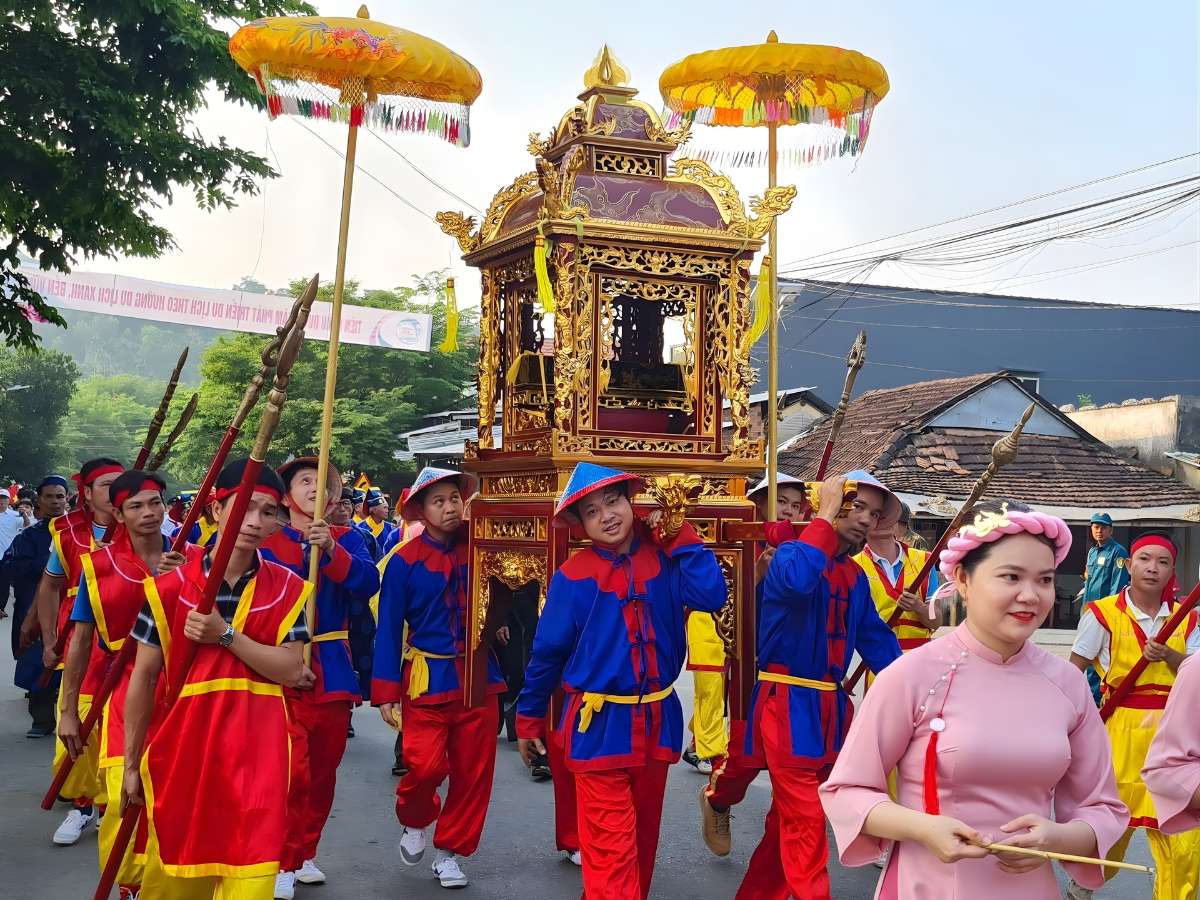
Traditional ceremonies at My Phuoc communal house take place solemnly, fostering community bonding. (Source: Collected)
Following the procession of the royal decree is the Túc Yết ceremony, usually held on the first evening of the festival with the participation of many local residents. This ceremony signifies a report, marking the official start of the Kỳ Yên festival. The communal house space becomes quiet at this time, helping attendees clearly feel the traditional spiritual element.
The Chánh Tế ceremony is the most important ritual, held on the main festival day with the participation of elders and community representatives. In the solemn atmosphere, a sacrificial text is read to pray for a peaceful life and harmonious living for the villagers. When the ceremony concludes with a thanksgiving ritual, the series of spiritual rites is completed with the community's shared reverence.
3.2. Folk cultural activities and community life
Besides the solemn ceremonies, the festival part of Kỳ Yên at My Phuoc communal house offers a close-knit and culturally rich community atmosphere. Folk art programs such as hát bội (classical opera) and cải lương (reformed opera) are often organized in the communal house yard, attracting locals and visitors. The sounds of drums, music, and singing create a vibrant rhythm for the festival space.
In addition to performances, many folk games are organized to foster connection between generations in the village. These activities are light-hearted and entertaining, allowing participants to immerse themselves in the traditional festival atmosphere. The communal house yard thus becomes a familiar gathering space throughout the Kỳ Yên festival.
Around the communal house area, local food stalls contribute to enriching the experience for festival attendees. Familiar Southern Vietnamese dishes are sold, creating a sense of closeness and familiarity in community life. The combination of the ceremonial and festive aspects allows the Kỳ Yên festival to maintain its solemnity while reflecting the daily cultural life of the local residents.
4. Perfect combination choices after experiencing the Kỳ Yên festival
4.1. Sun World Hon Thom
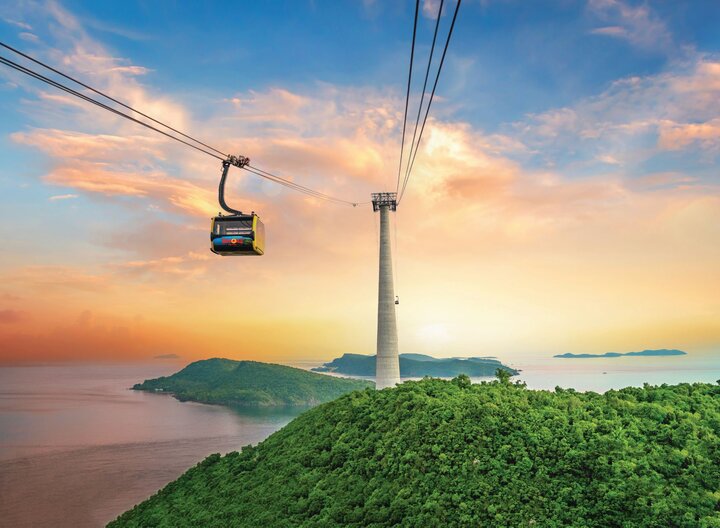
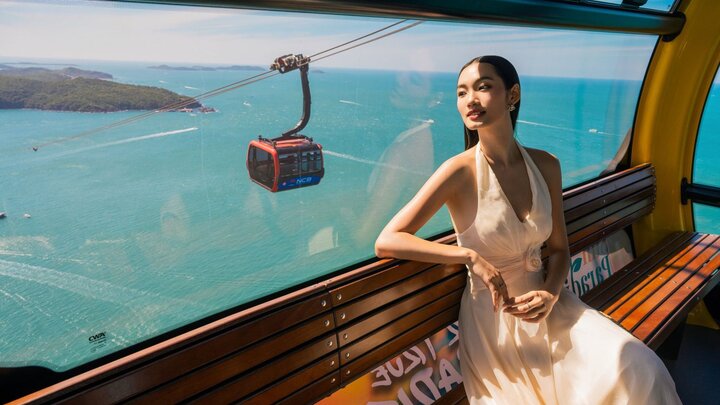
Sun World Hon Thom is the next choice for tourists who want to combine beach resort, entertainment, and high-altitude sightseeing. The resort is connected to the mainland by the Hon Thom three-rope cable car line, spanning 7,899.9 meters. It was recognized by Guinness as the world's longest three-rope cable car when it opened in 2018. The cable car journey takes about 15 minutes, passing over the An Thoi archipelago with its many small islands and the characteristic blue waters of South Phu Quoc.
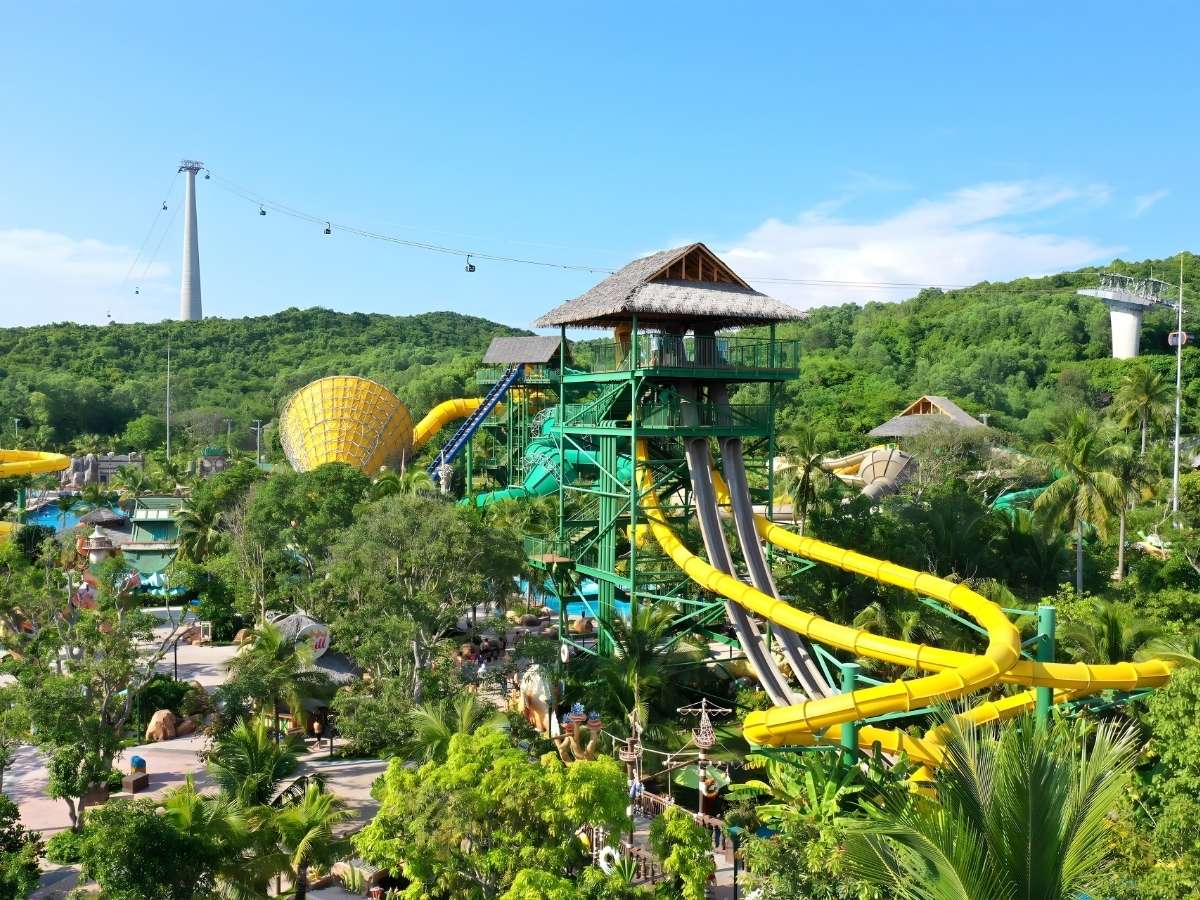
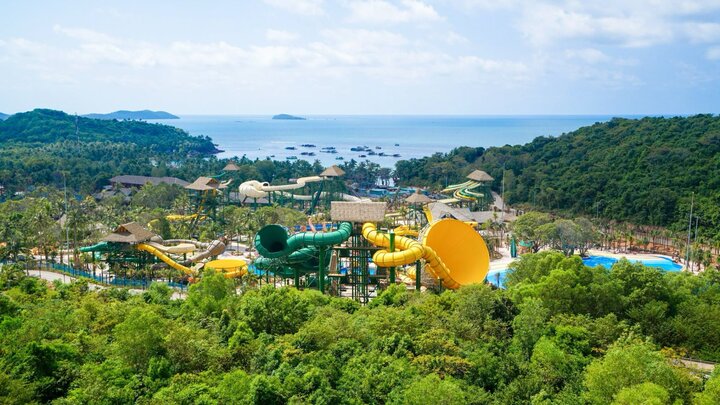
Perspective of Aquatopia water park amidst the green island space of Hon Thom. (Source: Collected)
At Hon Thom island, Aquatopia water park is a prominent entertainment facility in the complex. The park space is developed according to a water entertainment model, suitable for families, groups of friends, and resort guests after cultural activities during the day. The combination of the cable car route, water park, and sea landscape helps the post-festival itinerary include more elements of exercise, relaxation, and outdoor experience.
>>> Book Sun World Hon Thom tickets now to fully explore Hon Thom HERE.
4.2. Sunset Town
After participating in the Ky Yen festival, Sunset Town is a suitable stop for the afternoon and evening itinerary in Phu Quoc. This area is located in the south of the island, nổi bật with its coastal architectural space, pedestrian streets, squares, and many sunset viewing spots. The highlight that many tourists know is the Kiss Bridge, an iconic structure set amidst the sea scenery, suitable for photography and observing the afternoon light.
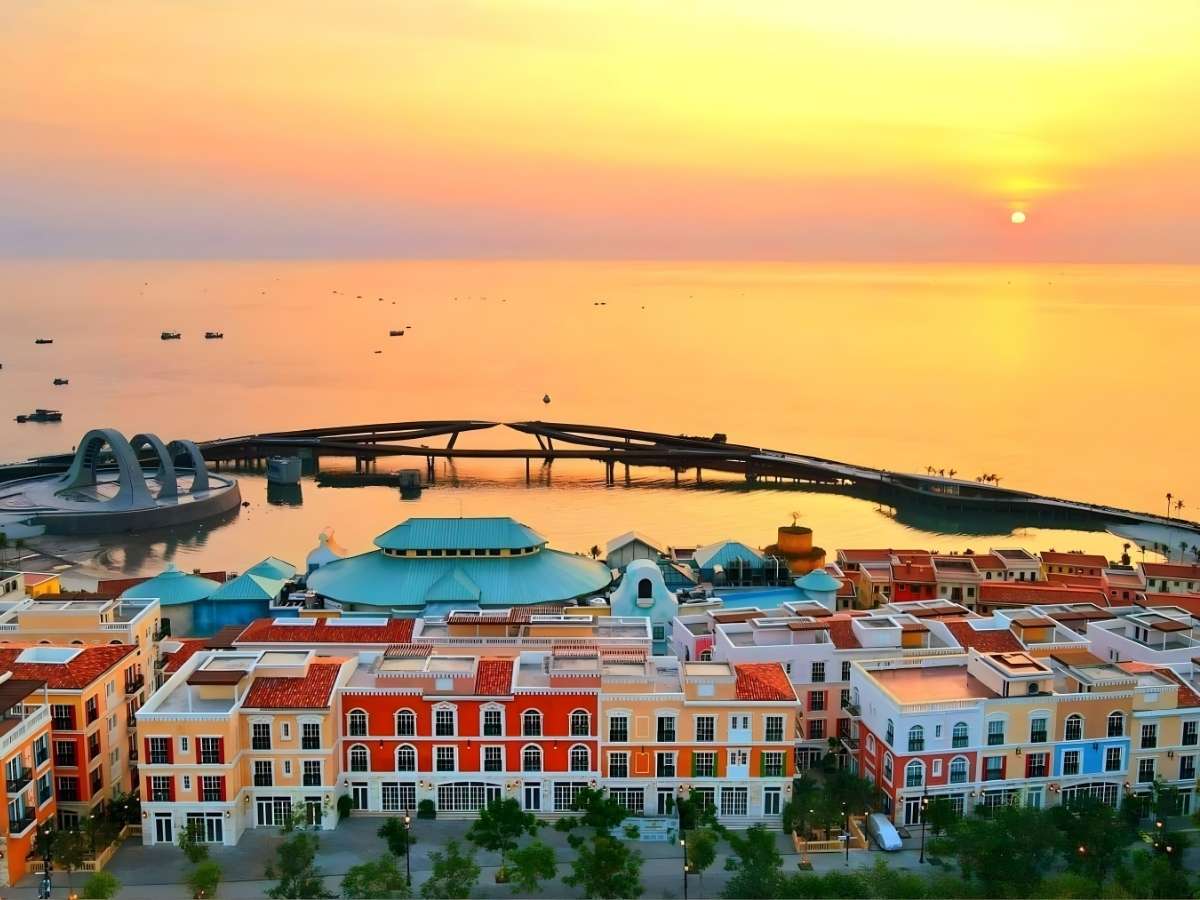
Colorful rows of houses with strong Mediterranean architectural style at Hoang Hon Town. (Source: Collected)
In the evening, Hoang Hon Town features fireworks displays twice every night, running for 365 days a year according to recent tourism promotion information. The Symphony of the Sea show takes place in the Kiss Bridge area, combining water, light, music, and fireworks. Nearby, the Kiss of the Sea show is held at the seaside stage, featuring international artists and a large-scale multimedia performance system.
>>> Book your Kiss Bridge tour tickets now to explore Hoang Hon Town HERE.
4.3. Hon Gam Ghi Phu Quoc
Hon Gam Ghi Phu Quoc, also known as Hon Dam Ngang, is located in the south of the An Thoi archipelago. It is one of the small islands frequently mentioned in island tour itineraries due to its relatively natural landscape, featuring rocky shores, clear waters, and coastal coral ecosystems. Situated about 35 km from the center of Phu Quoc, it is usually accessed by boat or canoe during island exploration programs.
After the Ky Yen festival, Hon Gam Ghi is suitable for groups of tourists wishing to transition from a cultural space to a natural experience. Popular activities here include enjoying the sea view, taking photos, snorkeling to see coral, and relaxing on the sandy beach. Being part of the southern island cluster, this destination is often combined with neighboring islands to form half-day or full-day itineraries in Phu Quoc.
The Ky Yen festival at My Phuoc communal house is a cultural space that clearly reflects the spiritual and community life of the Southern Vietnamese people. Over time, the festival has preserved its traditional values while also providing opportunities for tourists to gain a deeper understanding of local history and customs. When placed within a broader exploration itinerary, these experiences, along with modern destinations like Sun World Hon Thom, contribute to a multi-dimensional tourism picture where tradition and modernity coexist.