















1. Overview of the Sen Dolta Festival
1.1. Time and Space of the Sen Dolta Festival
The Sen Dolta Festival is held annually in late August or early September of the lunar calendar, usually lasting for three main days. This period coincides with the time when people have completed their harvest work, making it convenient to focus on spiritual and family activities. The choice of the festival's timing reflects the close connection between agricultural production and the spiritual life of the Khmer people.
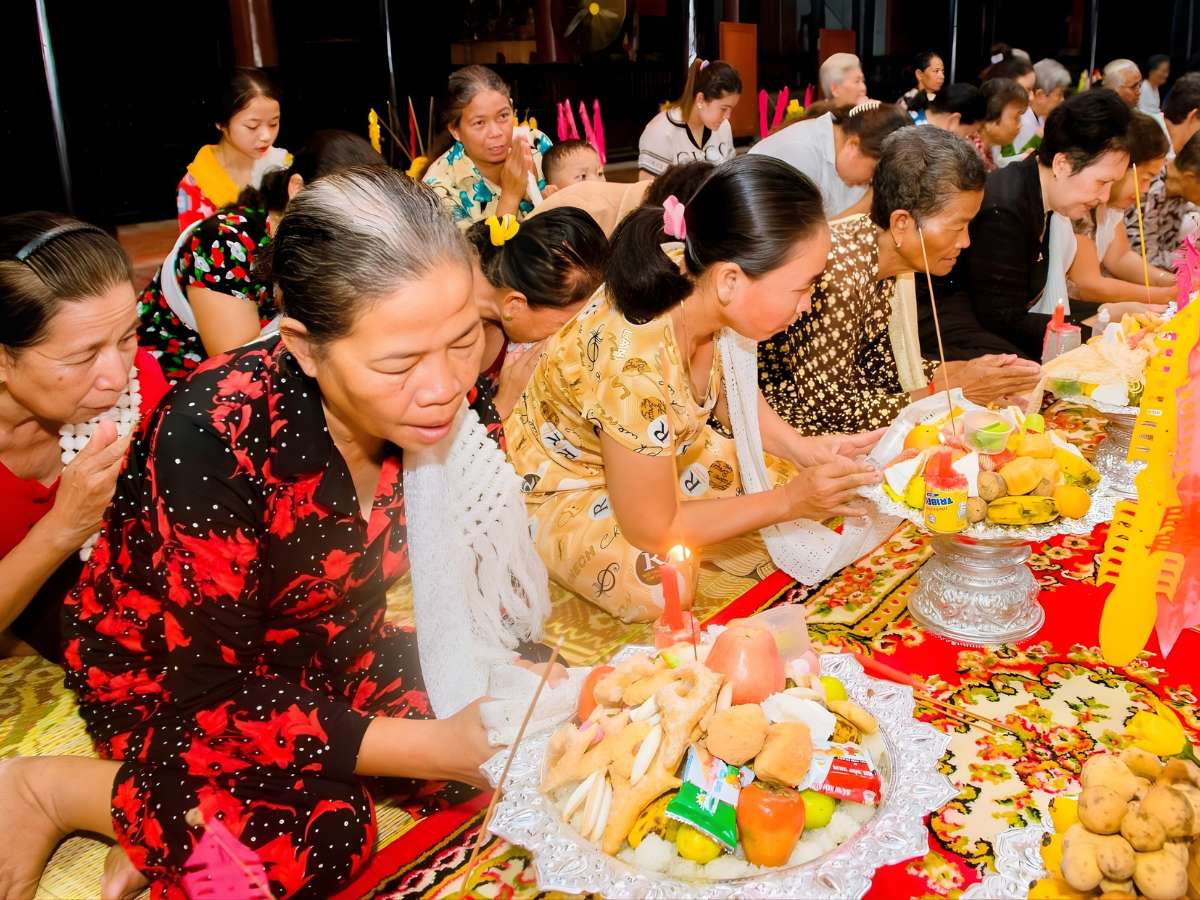
The Sen Dolta festival space takes place solemnly within the Khmer community living space. (Source: Collected)
The space of the Sen Dolta festival mainly takes place at Southern Khmer temples and within each family in the phum sóc. The temples are carefully decorated, becoming a place for the community to gather to perform offering and prayer rituals. Meanwhile, family spaces are also meticulously prepared, creating a festival atmosphere that is both solemn and warm.
1.2. The position of the Sen Dolta festival in Khmer life
In the traditional festival system of the Southern Khmer people, Sen Dolta holds an important role alongside Chol Chnam Thmay and Ok Om Bok. This festival deeply reflects the concept of filial piety, as all rituals are aimed at remembering and honoring ancestors. Through this, family values and traditions are naturally continued in community life.
Sen Dolta is not only a religious activity but also closely linked to the social life of the Khmer people. The festival provides an opportunity to strengthen family and community relationships, as many people return to their phum sóc to participate in the festivities. The regular presence of Sen Dolta in annual life has contributed to maintaining the unique cultural identity of the Southern Khmer people.
2. Origin and spiritual cultural significance of the Sen Dolta festival
2.1. Origin of the Sen Dolta festival
The Sen Dolta festival originates from Theravada Buddhist beliefs of the Khmer people, linked to the concept of spiritual life and the connection between generations within a family. The name Sen Dolta in Khmer means offering to grandparents, reflecting the tradition of remembering and honoring deceased ancestors. Over time, this ritual has become an important part of the spiritual life of the Southern Khmer community.
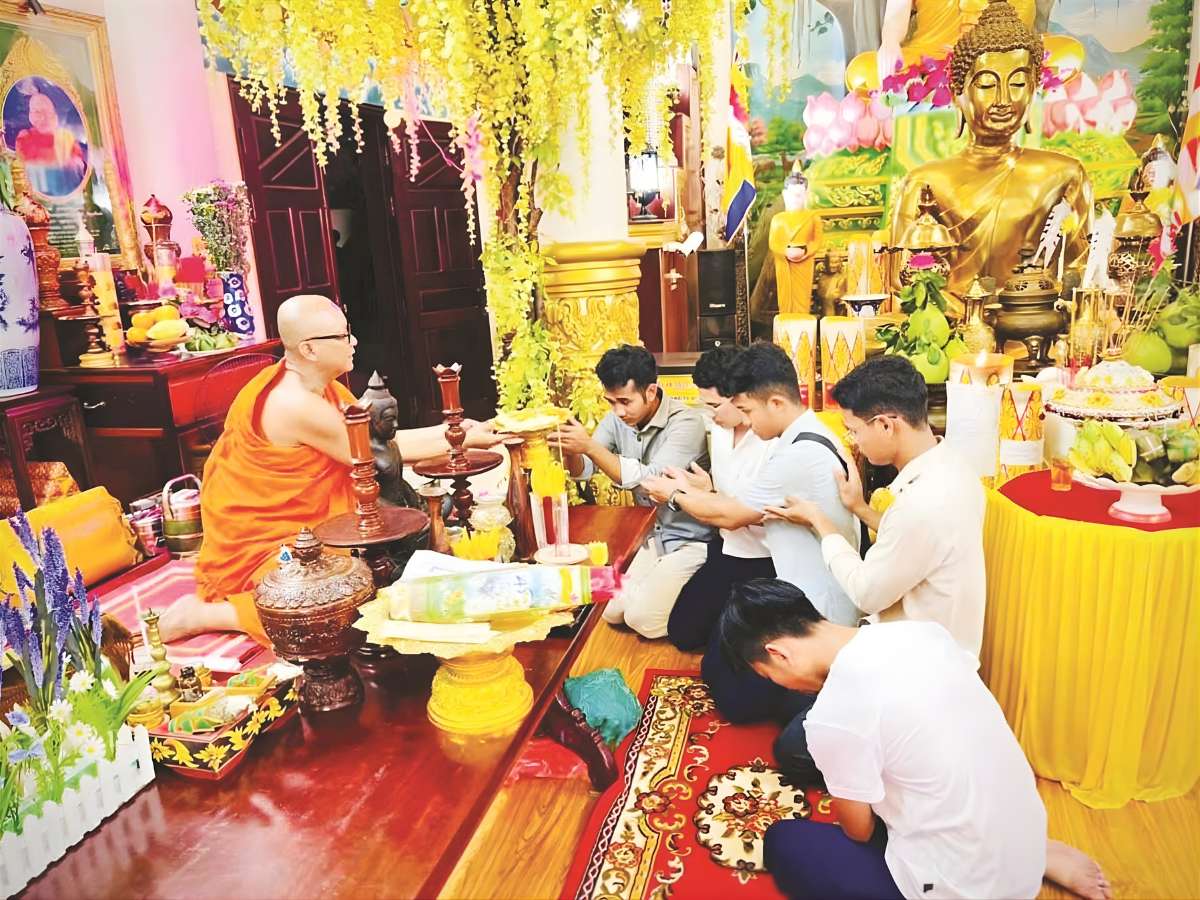
The Sen Dolta ritual connects generations through traditional spiritual worship activities. (Source: Collected)
According to ancient tradition, the Sen Dolta festival was once held for a long time with many symbolic rituals representing the connection between the living and the deceased. Through the process of adapting to modern life, the festival has been shortened to about three days but still retains its core rituals. This adjustment demonstrates the ability of the Khmer community to preserve traditional values while adapting.
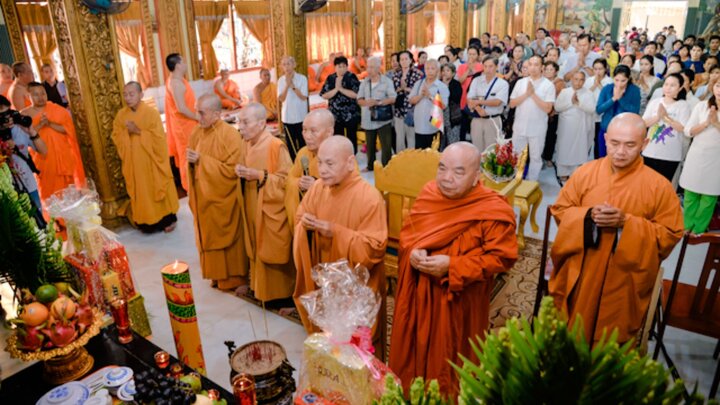
The rituals in Sen Dolta are formed from the concept of inviting ancestral spirits to return and reunite with their descendants during the festival days. After the ceremonies at home, the community gathers at the pagoda to participate in chanting and praying for the deceased. This reflects the connection between personal spiritual life and the community's living space.
2.2. The meaning of remembering ancestors and educating filial piety
The most prominent meaning of the Sen Dolta festival lies in remembering the merits of grandparents, parents, and previous generations in each Khmer family. Through worship and prayer rituals, descendants express gratitude and respect for the deceased. This value contributes to maintaining the tradition of filial piety in the community's cultural life.
Throughout the festival days, rituals are performed from the family space to the pagodas, creating a natural educational experience. Younger generations participate in preparing offerings, listening to family stories, and observing traditional rituals. Through this, values of responsibility, attachment, and gratitude are gently passed down.
Besides the family meaning, Sen Dolta also contributes to strengthening the connection among members of the Khmer community. People participate in rituals together, share food, and talk about life, thereby creating a distinct community living space. This connection helps maintain sustainable social relationships in the villages.
2.3. Value of preserving the cultural identity of Southern Khmer people
The Sen Dolta festival is an occasion for many traditional cultural elements of the Southern Khmer people to be maintained and practiced in daily life. From ancestor worship rituals, traditional costumes to cuisine and ritual language, all reflect the community's unique cultural identity. These elements are preserved through the direct participation of families and villages.
The festival space is also a place where folk cultural activities are preserved, such as the way offerings are arranged and traditional community activities. These practices contribute to enriching the local cultural life and creating a unique mark for Khmer culture in the diverse landscape of the Southern region. Thus, the festival becomes a bridge between the past and the present.
In the current context of cultural exchange, Sen Dolta plays an important role in encouraging younger generations to learn about and continue traditional values. Direct participation in rituals helps young people better understand their roots and the cultural significance of their community. This contributes to naturally maintaining Khmer identity in modern life.
3. Unique aspects of the Sen Dolta festival
3.1. Family ancestor worship ritual
The family ancestor worship ritual is usually performed in the early days of the Sen Dolta festival, marking the beginning of the spiritual activities. Each family prepares a worship tray with traditional dishes, fruits, and tea to offer to the ancestral altar. The home environment becomes solemn, showing the respect and gratitude of the descendants towards the deceased.
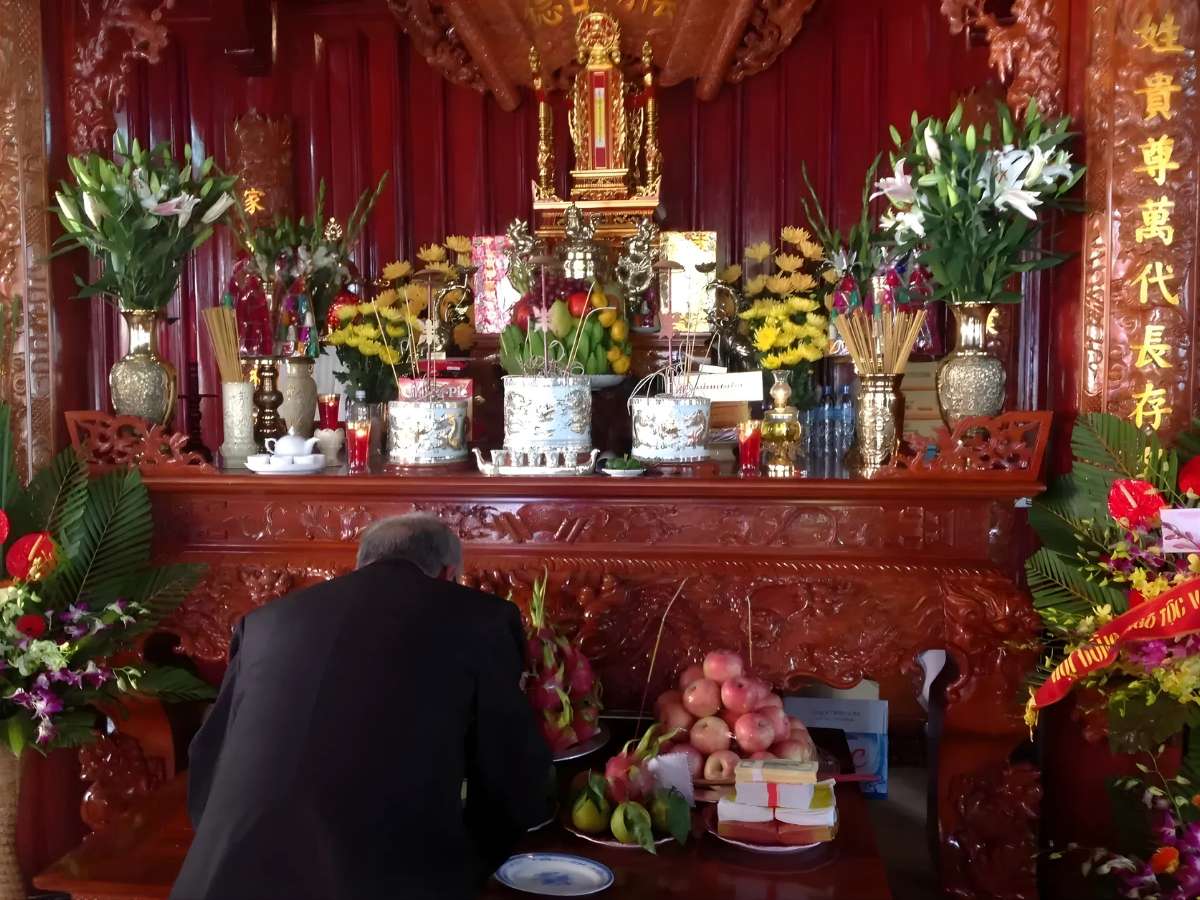
Ancestral worship rituals at home express the filial piety of descendants. (Source: Collected)
The preparation of offering trays is carried out by family members together, from selecting ingredients to arranging the offerings. Each dish is associated with family memories and traditional customs passed down through generations. Participating in the ritual together helps family members bond and better understand their family's cultural values.
After the incense lighting and prayer rituals, the family atmosphere becomes warm as everyone gathers to chat. Stories about ancestors, past memories, and current life are shared in a solemn atmosphere. This is a time for spiritual values to be naturally recalled.
3.2. Exploring the unique features of the Khmer rice offering ceremony
Besides rituals at home, activities at Southern Khmer pagodas play an important role in the Sen Dolta festival. People bring offerings to the pagoda to offer rice to the monks, participate in chanting scriptures, and pray. This ritual expresses respect for Buddhism and wishes for peace for families and the community.
The pagoda space during the festival days becomes a gathering place for many Buddhists and people in the villages. Families participate in prayer ceremonies in a solemn atmosphere, creating a connection between personal spiritual life and the community. The chanting of scriptures contributes to a solemn and sacred atmosphere.
After the main rituals, everyone shares offerings and chats within the pagoda grounds. This activity helps strengthen bonds between families and maintain community relationships. The pagoda space, therefore, is not only a place of worship but also a familiar meeting point in Khmer cultural life.
3.3. Community life atmosphere during Sen Dolta days
During the Sen Dolta festival, community activities in the villages take place in a friendly and close atmosphere. People frequently visit each other, share the joy of the festival, and participate in common activities. The presence of the festival makes the daily rhythm of life slower and warmer.
Besides rituals, many traditional activities are maintained, such as group conversations, family gatherings, and meetings at the pagoda. These activities provide opportunities for people to interact and connect after periods of daily work. The festival atmosphere, therefore, is rich in community spirit.
The atmosphere of life during Sen Dolta days also attracts the attention of local visitors and tourists. Observing and participating in community activities helps tourists better understand the cultural life of the Southern Khmer people. This is a gentle and close cultural exploration experience.
4. Sen Dolta Festival and Tourism Exploration Experience
4.1. Sunset Town
Sunset Town is a coastal destination in Phu Quoc, suitable for connecting with a trip to attend the Sen Dolta Festival. This area records fireworks displays twice every night, running for 365 days, adding an evening experience for visitors. The space is planned in a resort urban style, with a square, pedestrian street, food court, and sunset viewing spots.
At Sunset Town, the Symphony of the Sea show takes place in the Kiss Bridge area, combining water performances, music, lights, and fireworks. Nearby, the Kiss of the Sea show is held at an outdoor stage, utilizing water, fire, laser effects, and multimedia performances. These two programs provide the South Island area with additional evening entertainment products, suitable for guests staying for 2-3 days.
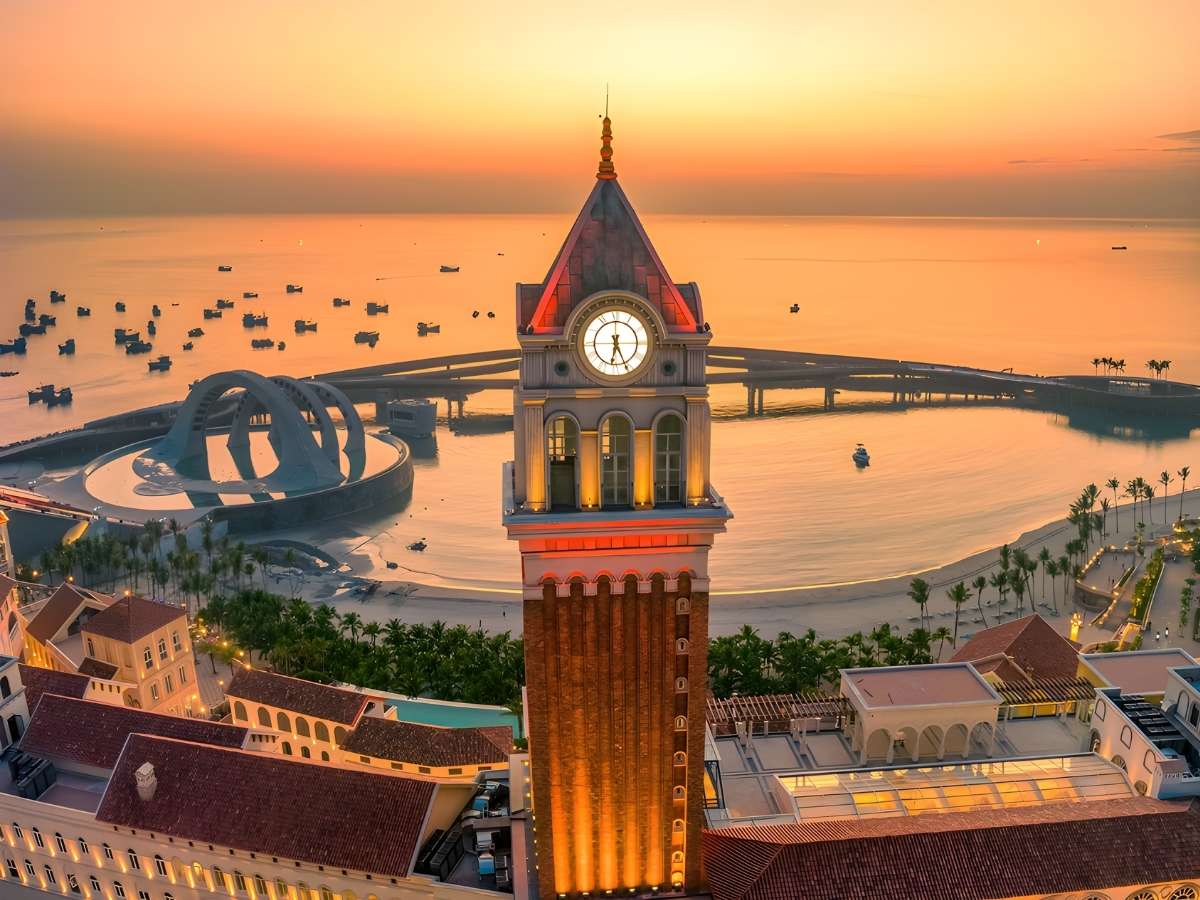
The square space and performance venues at Hoang Hon Town. (Source: Collected)
The highlight of the area is Cau Hon Bridge, an architectural work facing the sea and often chosen as a photo spot when the sun sets. The bridge is designed with two branches that do not touch each other, creating a small gap in the middle as a distinctive feature. For guests following the festival itinerary, Hoang Hon Town can be arranged in the afternoon and evening to balance sightseeing, dining, and watching performances.
>>> Book tickets to visit Cau Hon Bridge now to explore Hoang Hon Town HERE.
4.2. Sun World Hon Thom
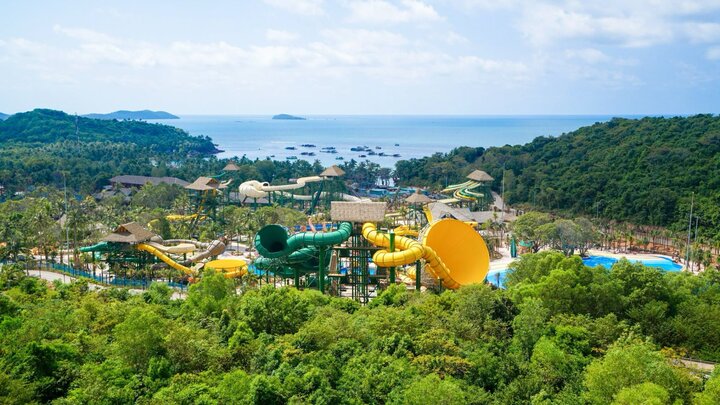
Sun World Hon Thom is a recreational area that can be combined after the Dolta Sen Festival itinerary, especially for families and young guests. This area features Aquatopia water park, consisting of many water game clusters arranged by zone. The park's space is suitable for half-day or full-day itineraries, depending on travel time and relaxation needs.
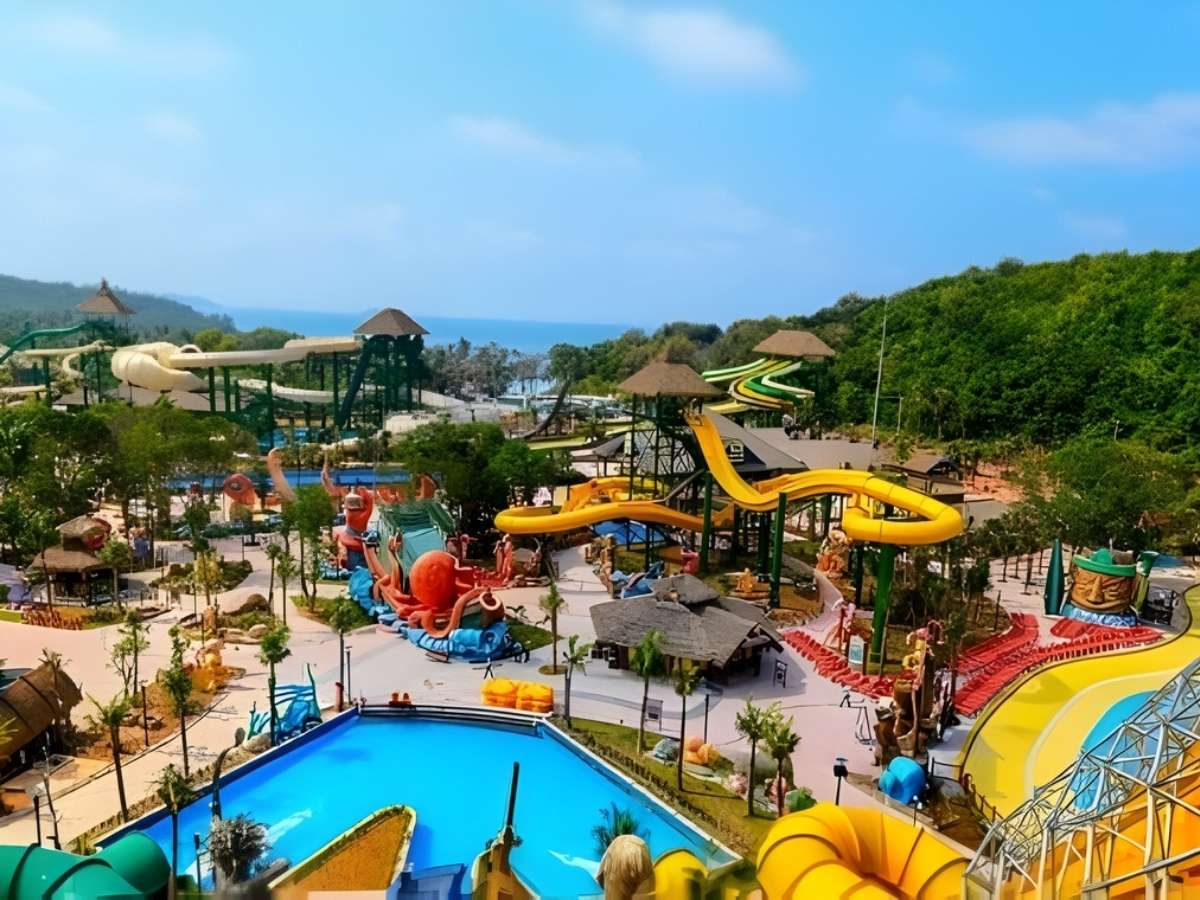
Modern sea entertainment complex and water park at Sun World Hon Thom. (Source: Collected)
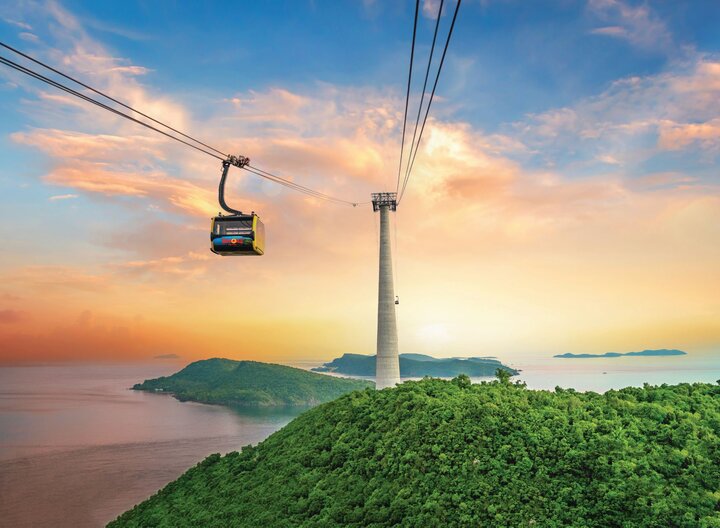
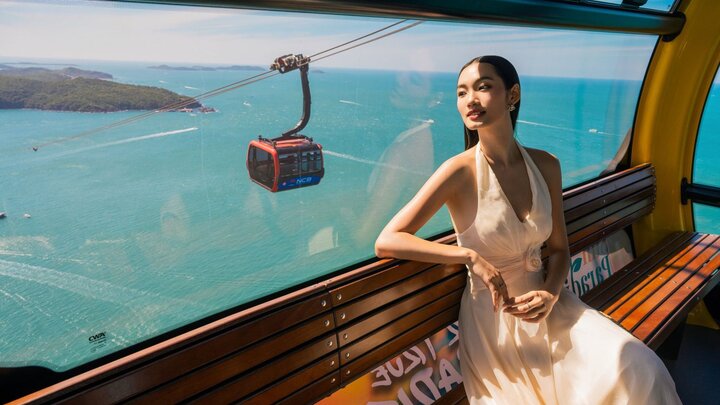
One of the most mentioned attractions here is the Hon Thom 3-wire cable car, 7,899.9 m long and recognized by Guinness World Records for its length. The cable car connects An Thoi with Hon Thom island, with a travel time of about 15 minutes. From the cabin, visitors can observe the southern islands of Phu Quoc, the sea surface, and the boats moving below.
>>> Book Sun World Hon Thom tickets now for a complete experience at Hon Thom HERE.
4.3. Ho Quoc Pagoda
Ho Quoc Pagoda is a cultural and spiritual attraction suitable to add to the Sen Dolta Festival itinerary. The structure is also known as Truc Lam Ho Quoc Zen Monastery, located in Phu Quoc Special Administrative Region, An Giang. The pagoda was inaugurated in 2012, situated with a mountain backdrop and facing the sea, creating a tranquil space for visits.
The pagoda's architecture uses many materials like wood, stone, and tiled roofs in traditional Vietnamese style. The campus features a spacious courtyard, staircases, Buddha statues, and facilities for religious activities. When connecting with the festival, Ho Quoc Pagoda is usually suitable for morning visits before moving to the attractions in the South of the island.
The Sen Dolta Festival clearly reflects the spiritual life and cultural values of the Southern Khmer community through generations. Attending the festival is an opportunity for visitors to understand more about filial piety, community activities, and local cultural identity. When combining Sen Dolta with a travel itinerary, each trip becomes an experience with depth and lasting value for generations.