















1. Overview of Southern Island and Sea Tourism
1.1. Natural Characteristics and Ecosystems of Southern Islands
Southern island and sea tourism in Viet Nam is mainly distributed in the Southwest and Southeast regions, with large islands like Phu Quoc in An Giang province, Con Dao in Ba Ria Vung Tau, and small archipelagos like Nam Du off the coast of An Giang. This region is characterized by a tropical monsoon climate, with average temperatures remaining high year-round. These natural conditions create a favorable foundation for island and sea tourism activities to take place at various times.
The ecosystem on the southern islands is quite diverse, combining primeval forests with marine environments. Many marine protected areas host coral reefs, marine life, and indigenous flora and fauna. These elements contribute to the unique landscape and natural resources of the southern island and sea region.
1.2. The Appeal of Southern Island and Sea Tourism to Tourists
The southern islands and seas attract tourists due to their relatively stable weather conditions during the dry season, suitable for activities such as swimming, snorkeling, and exploring coastal life. The tourism products here are quite diverse, ranging from coastal resorts to ecotourism and experiences of fishermen's culture. Each form offers different perspectives on island and sea life and nature.
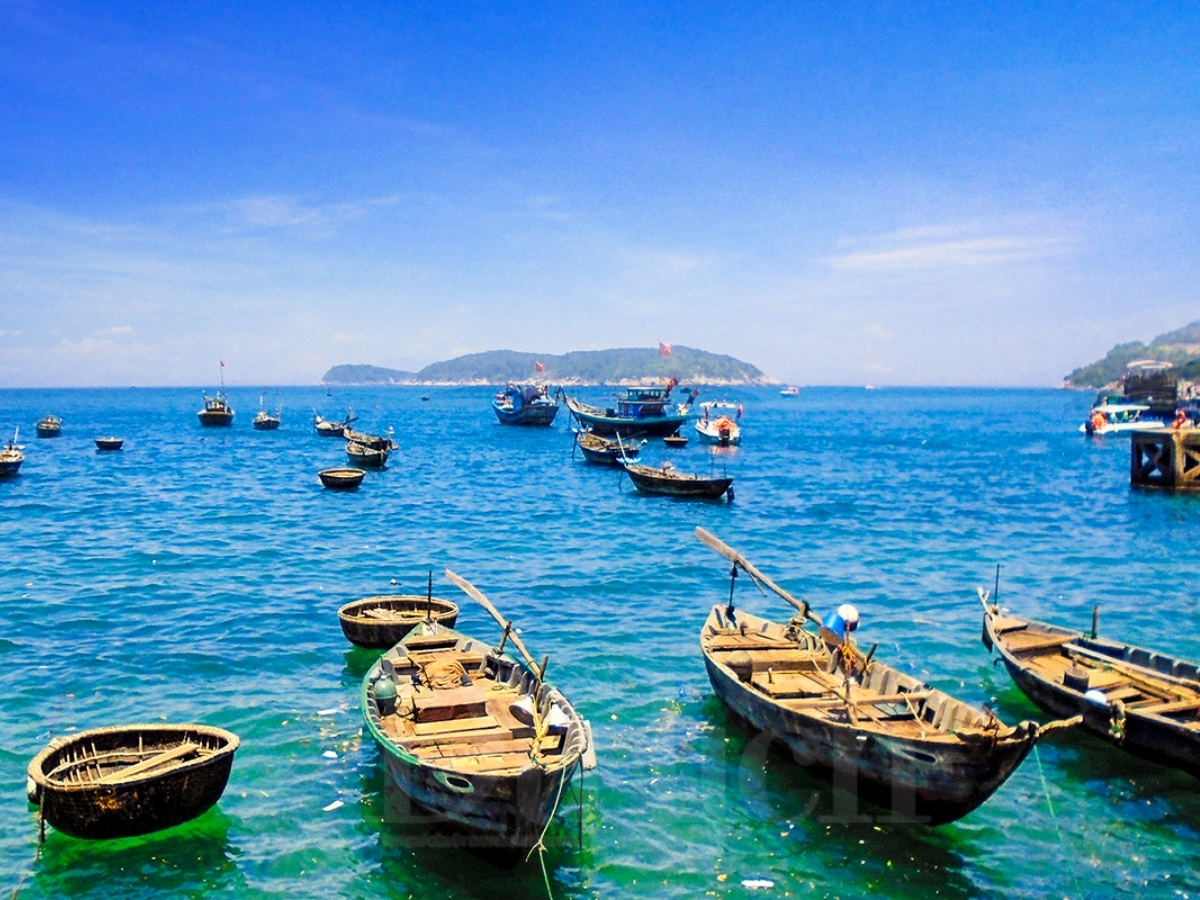
Southern island tourism attracts tourists thanks to its beautiful scenery and experiences. (Source: Collected)
The combination of relaxation and exploration makes southern island destinations suitable for many types of tourists. Families, young groups, or nature lovers can all choose suitable itineraries. This contributes to maintaining the region's stable attractiveness across many tourist seasons.
1.3. Trends in Southern Island Tourism in Recent Years
In recent years, southern island tourism has seen a trend towards resort-style travel combined with experiences. Tourists increasingly prioritize personalized journeys, choosing less crowded and nature-friendly destinations. Furthermore, the development of infrastructure and services has enhanced the experience at major islands like Phu Quoc and Con Dao.
2. Typical Island Destinations in the South
2.1. Phu Quoc - The Most Prominent Island Destination in the South
Phu Quoc is the largest island in Vietnam, located in An Giang province, with a vast natural area and a system of beaches such as Sao Beach, Dai Beach, and Truong Beach. These beaches create a characteristic coastal landscape, suitable for many relaxation and sightseeing activities. The island environment in Phu Quoc is open and easily accessible to tourists.
Phu Quoc National Park covers an area of over 314 km², encompassing most of the forest and surrounding waters of the island. This area preserves native flora and fauna and contributes to maintaining natural ecological balance. It also serves as a foundation for eco-tourism activities linked to environmental protection.
Thanks to its location in southwestern Vietnam and being surrounded by many small islands, Phu Quoc forms diverse island tour routes. The southern part of the island with the An Thoi archipelago is where sea-based experience products are developed. Among these, Sun World Hon Thom plays a role in connecting the islands via a sea-crossing cable car system.
2.2. Con Dao - An Island Region with Natural and Historical Value
Con Dao is an archipelago belonging to Ba Ria Vung Tau province, consisting of about 16 large and small islands with Con Son being the central island. This area possesses island landscapes combining beaches, primeval forests, and a vast sea area. The natural environment in Con Dao is suitable for quiet sightseeing and relaxation activities.
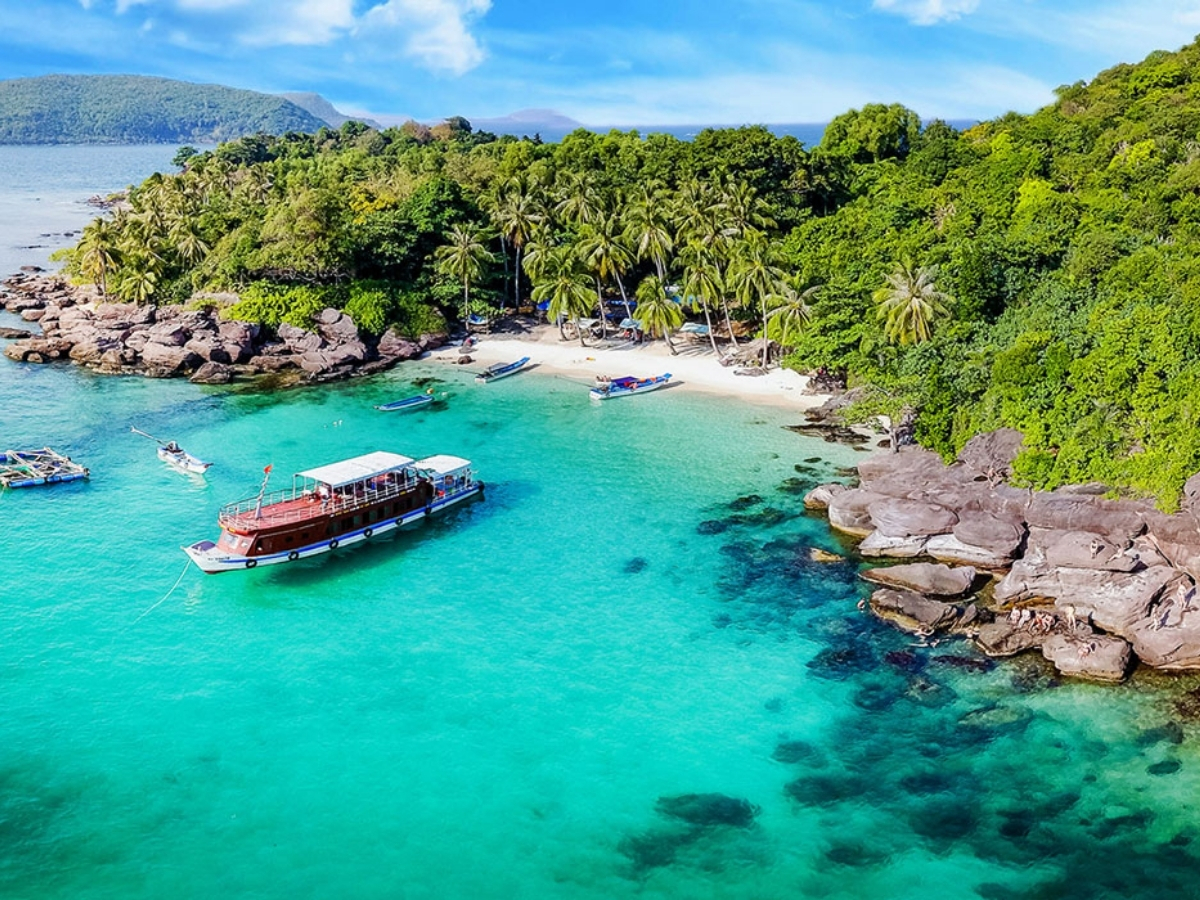
Con Dao possesses clear blue waters associated with historical value. (Source: Collection)
The marine ecosystem in Con Dao includes many coral reefs, sea turtles, and other marine life. The nature reserves here contribute to preserving the biodiversity of the southern waters. The natural spaces facilitate eco-tourism and exploration activities.
Besides natural elements, Con Dao is also associated with a system of historical relics and the Hang Duong Cemetery. These sites reflect an important historical period of Vietnam. Combining nature sightseeing and historical exploration adds depth to the travel itinerary in Con Dao.
2.3. Nam Du and neighboring archipelagos retain their pristine charm
The Nam Du archipelago is located southeast of Phu Quoc in An Giang province and is about 65 nautical miles from Rach Gia city. This area consists of many large and small islands with clear water beaches and bright sandy shores. The natural environment in Nam Du still retains its inherent simplicity.
Nam Du is suitable for exploration tourism and experiencing the local fishing life. The archipelago has about 21 islands, many of which have beaches and coral reefs for snorkeling. Activities here are often linked to the slow pace of island life.
2.4. Ha Tien and the Southwestern Mekong Delta coastal region
Ha Tien is a coastal city in An Giang province, located in the Southwestern Mekong Delta region with diverse island and sea landscapes. This area boasts beaches and small islands, suitable for combined sightseeing and relaxation trips. The coastal atmosphere in Ha Tien is peaceful.
Mui Nai beach is one of the familiar destinations with its sandy shore and clear waters. Additionally, the Pirate Islands (Hai Tac Islands) consist of many large and small islands with long sandy beaches and snorkeling opportunities. These destinations create a seamless island exploration journey.
Besides the sea and islands, Ha Tien also features limestone mountains and caves associated with local cultural legends. These elements enrich the travel experience. Visitors can combine exploring the island nature with learning about the culture of the Southwestern Mekong Delta region.
3. Notable Attractions in Phu Quoc
3.1. Sun World Hon Thom
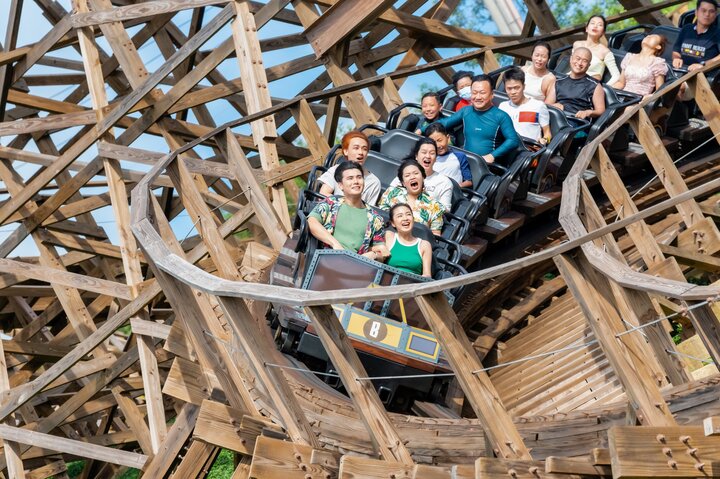
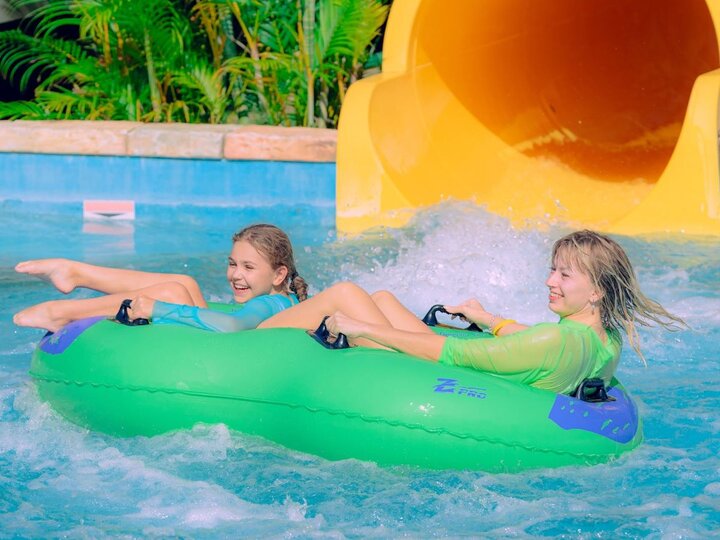
Sun World Hon Thom is a large-scale entertainment complex located in the southern part of Phu Quoc, chosen by many tourists for their island exploration trips. The sea-crossing cable car connecting the mainland to Hon Thom island offers a panoramic view of the islands from above and creates a highlight right from the start of the journey. Upon arriving at Hon Thom, visitors can combine playing at the water park, relaxing on the beach, and participating in underwater entertainment activities, suitable for various groups of visitors.
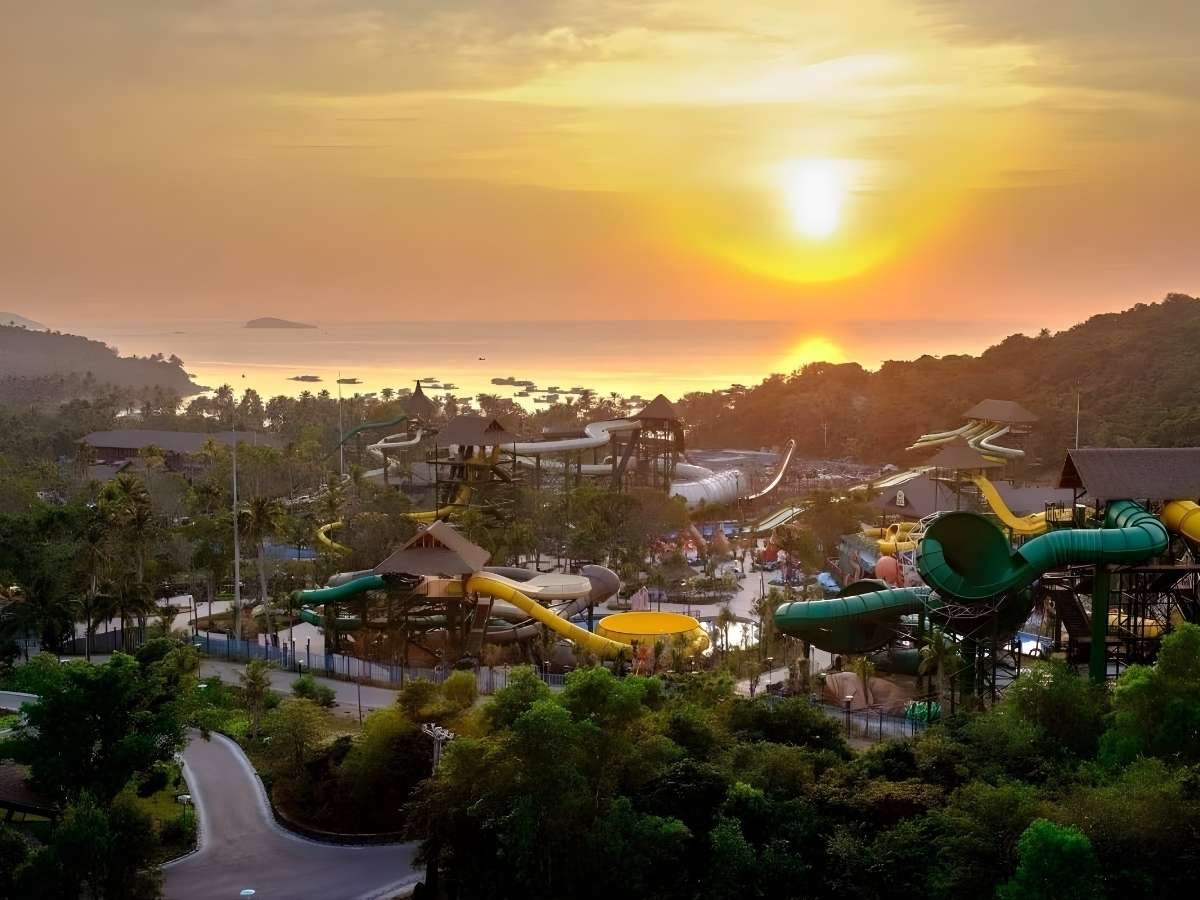
Sun World Hon Thom stands out with diverse entertainment spaces. (Source: Collection)
>>> Book Sun World Hon Thom tickets now to fully enjoy the sea-crossing cable car journey and play at Hon Thom HERE
3.2. Sunset Town
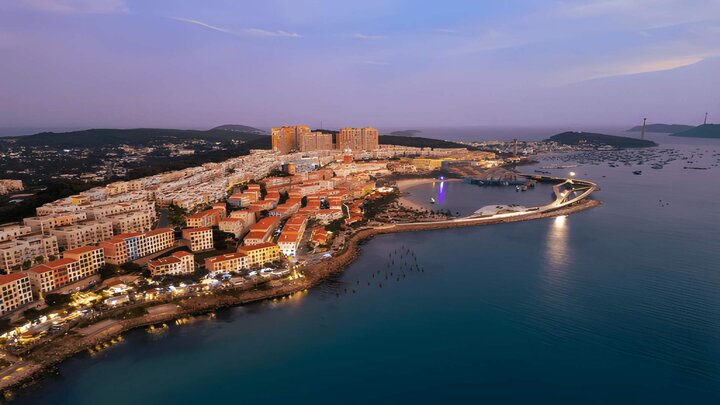
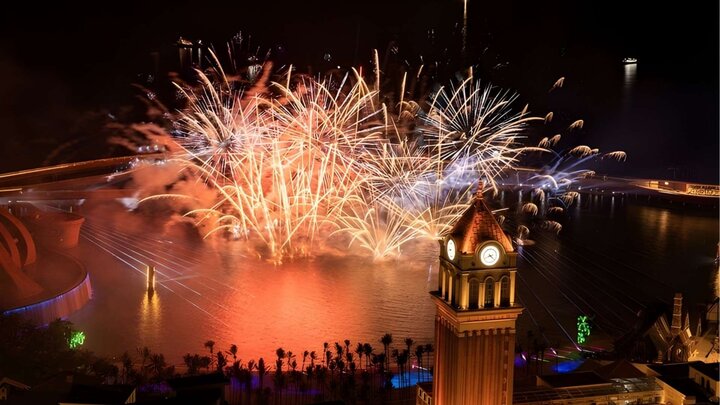
Sunset Town is a prominent attraction and entertainment spot in Phu Quoc for evenings, featuring a seaside ambiance and distinctive architecture. It hosts fireworks twice every night, throughout the year, creating a vibrant atmosphere for night-time sightseeing activities. Additionally, visitors can watch the Kiss of The Sea Show and the Symphony of the Sea Show, offering an experience that combines music, lights, and water performances.
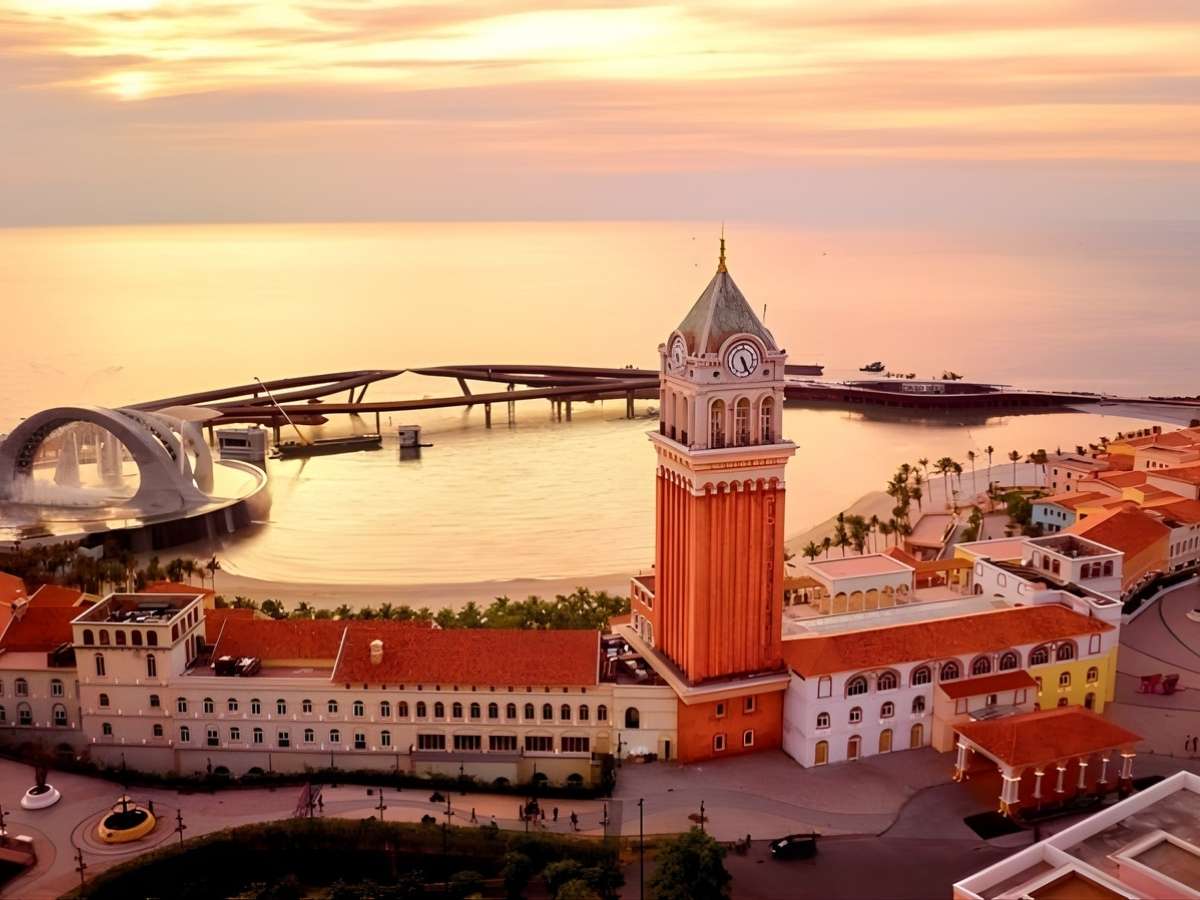
Sunset Town is a familiar sunset viewing spot in Phu Quoc. (Source: Collected)
3.3. Coi Nguon Museum
Coi Nguon Museum is a tourist attraction that helps visitors learn about the history, culture, and formation of Phu Quoc. The exhibition space includes many artifacts and documents reflecting the island's life, beliefs, and nature through different periods. Visiting the museum provides an overall perspective and adds depth to the Phu Quoc travel itinerary.
3.4. Hon Mot
Hon Mot is a tourist spot located in the Northeast of Phu Quoc, suitable for visitors who want to explore the natural beauty that still retains its wildness. This area has a small fishing village, quiet beaches, and coastal scenery close to local life. Experiencing Hon Mot makes the Phu Quoc exploration journey more diverse beyond the bustling entertainment spots.
3.5. Phu Quoc National Park
Phu Quoc National Park is a large nature reserve, suitable for tourists who love exploring forest ecosystems and outdoor activities. The rich flora, hiking trails, and primeval forest landscapes offer a different experience compared to beach tourism. Including Phu Quoc National Park in the itinerary helps balance entertainment and nature experiences during the trip.
4. Sharing experiences and things to know when traveling to the Southern islands
4.1. When is the best time to travel to the Southern islands?
The dry season from November to April annually is often chosen by many tourists for their Southern island trips. The weather during this period is relatively dry, the sea is calm, and it is convenient for outdoor activities. The clear seawater and gentle breezes are conducive to snorkeling, diving, and coastal sightseeing.
4.2. Preparing luggage for island travel
Clothing suitable for the tropical coastal climate is an important factor to consider when packing. Tourists should bring sun protection clothing, a wide-brimmed hat, and protective eyewear when participating in outdoor activities. These items help protect the body from the intense sun during the day.
In addition, sunscreen with an appropriate SPF, swimwear, and beach towels are essential items. For underwater activities, life jackets and protective gear should be prepared in advance. A basic personal first-aid kit can also help manage any issues that arise during the trip.
4.3. Safety and environmental protection notes for islands
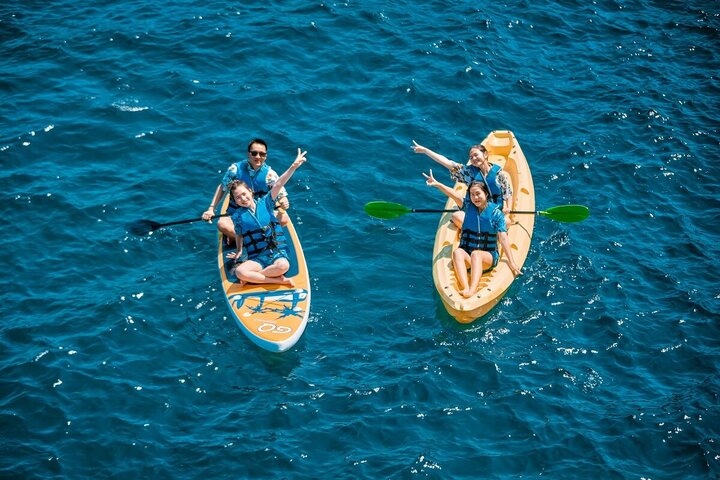
Safety when traveling on the sea must be prioritized, especially on boat or canoe trips to the islands. Tourists should follow the instructions from the organizing unit and use all safety equipment. This helps minimize risks during sightseeing.
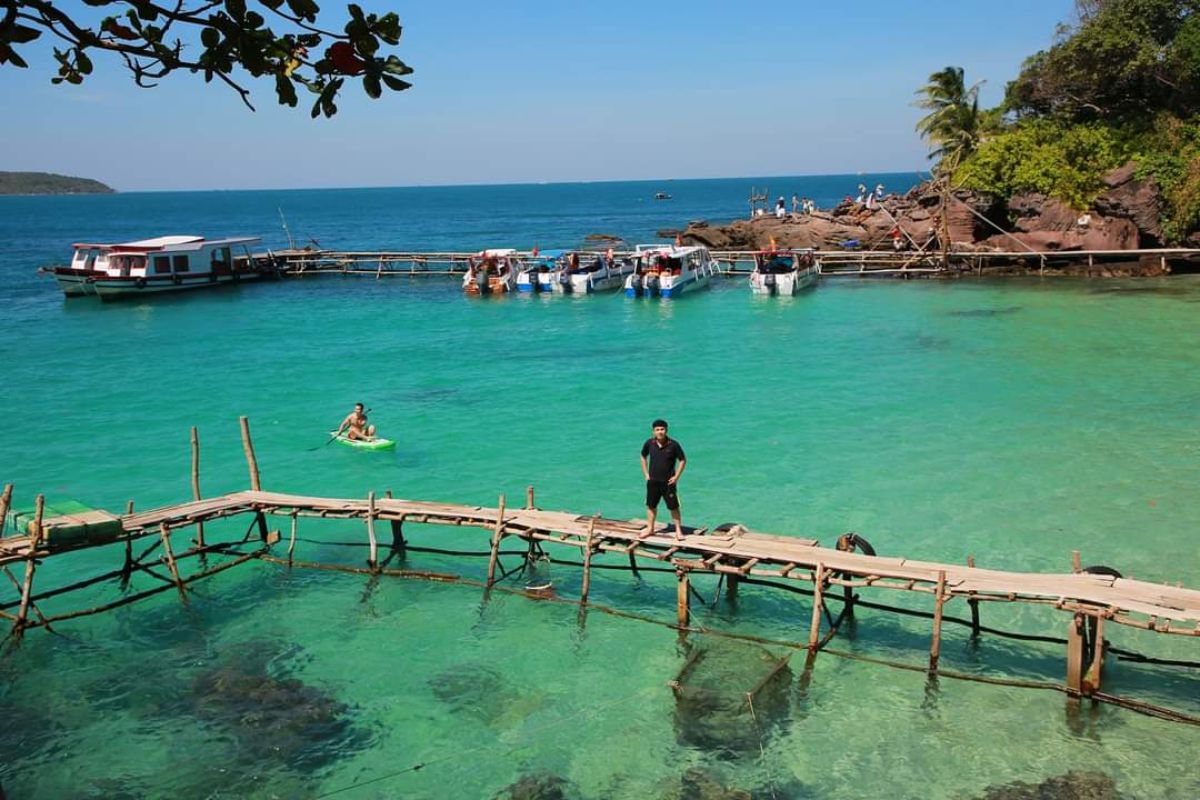
Comply with safety guidelines for island and beach tourism. (Source: Collected)
Southern island and beach tourism is not just a vacation by the blue sea, but also an opportunity to touch the simple rhythm of life, pristine nature, and unique experiences of the Southern land. Each trip is a chance to recharge, broaden perspectives, and preserve unforgettable memories amidst the sunny and windy island space.