















The new “growth engines” of Vietnam’s tourism
For many years, Thailand was almost the default choice for international travelers visiting Southeast Asia. According to Fortune, however, that landscape is changing rapidly. In 2025, Vietnam welcomed more than 21 million international visitors for the first time, up 20% from the previous year and setting a new record for the country’s tourism industry. Notably, in the same year, Vietnam also surpassed Thailand to become the most popular destination for Chinese travelers, with around 5.3 million arrivals.
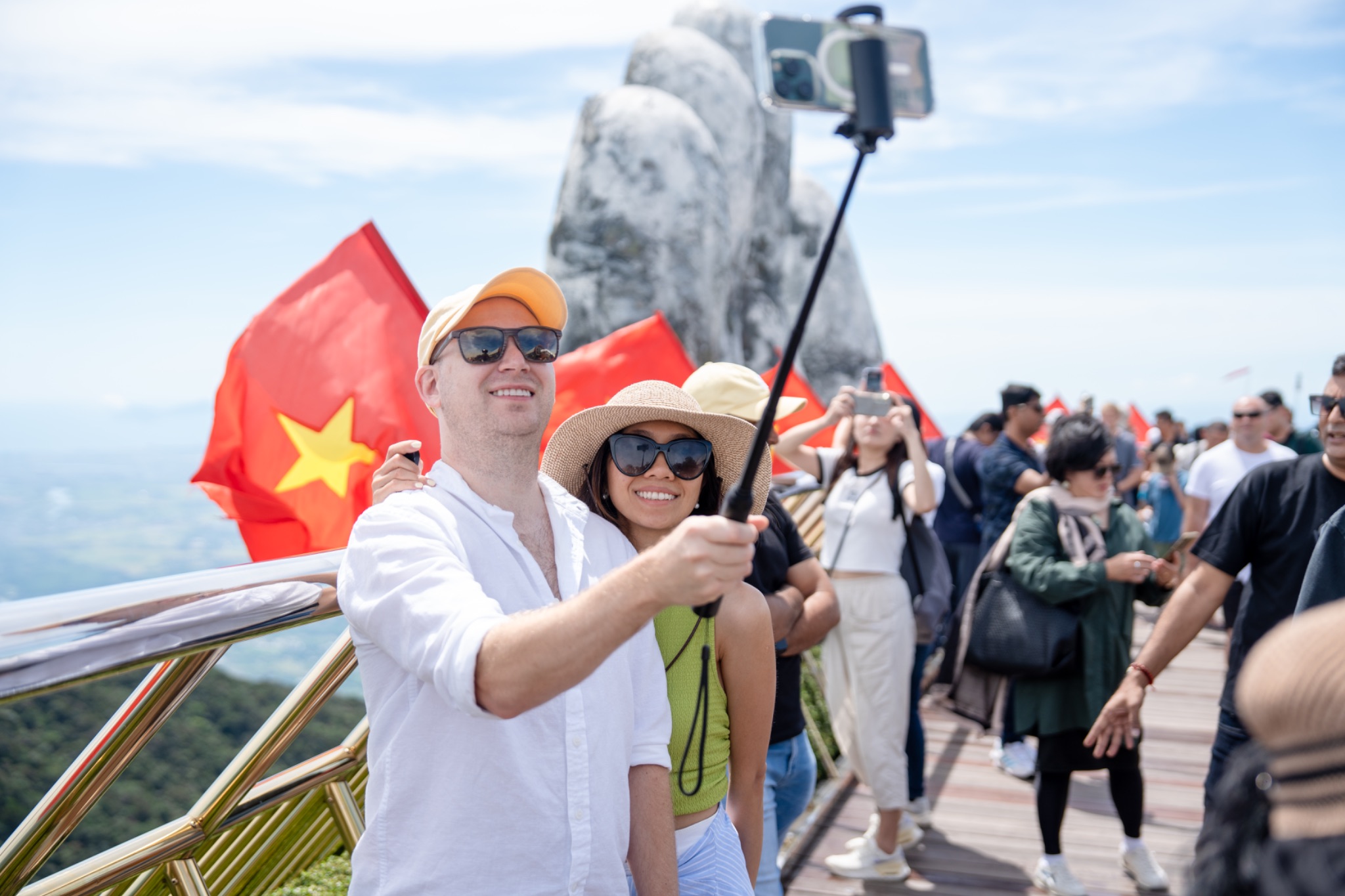
Vietnam is emerging as one of Southeast Asia’s most attractive tourism “hot spots”, increasingly sought after and loved by international visitors.
Beyond growth in visitor numbers, tourism now contributes nearly 10% of Vietnam’s GDP and is expected to generate around USD 41 billion in revenue in 2026. Speaking to Fortune, Dr. Le Hong Hiep, Senior Fellow and Coordinator of the Vietnam Studies Programme at the ISEAS – Yusof Ishak Institute in Singapore, said Vietnam is now competing directly with Thailand and Malaysia to become a leading destination in the region.
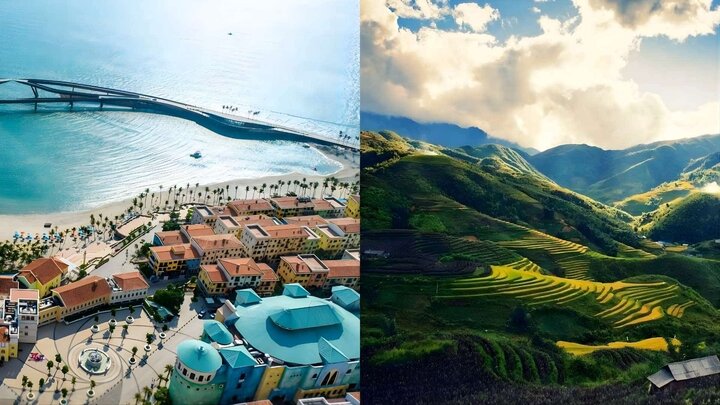
What stands out is that this growth momentum is no longer concentrated only in major cities, but is spreading to destinations rich in local identity. Data from Klook cited by Fortune shows that visitor numbers to both Phu Quoc and Sa Pa more than doubled in 2025. According to CS Soong, Vice President of Corporate Development at Klook, travelers are increasingly prioritizing destinations closely connected with nature and local culture.
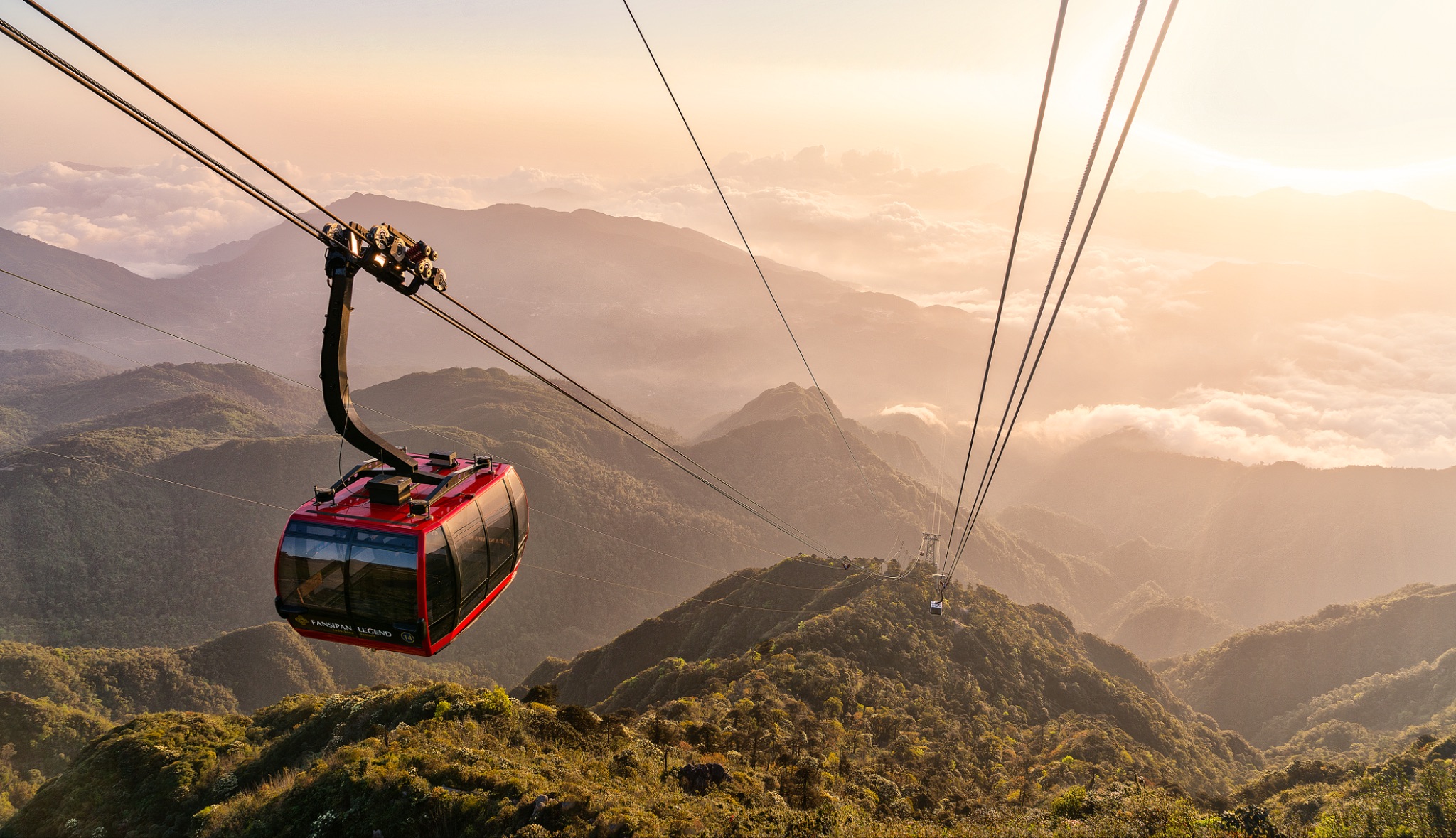
The Fansipan cable car is regarded as a turning point in repositioning Sa Pa’s tourism, helping drive strong growth in visitor arrivals to the mountain town.
In less than a decade, Phu Quoc has grown from around 1.45 million visitors in 2016 to more than 8.1 million in 2025. In the same year, Sa Pa welcomed around 4.3 million visitors, while tourism revenue increased more than 11 times compared with the period before synchronized investment was introduced. Meanwhile, Da Nang continues to affirm its position as a dynamic tourism hub, with an increasingly rich system of resorts, entertainment offerings and international events.
Two driving forces behind Vietnam’s tourism breakthrough
According to Fortune, behind these growth figures are two important drivers: increasingly open policies and the strong participation of the private sector in destination development.
The first is visa policy. Vietnam has expanded visa exemptions to 39 countries and territories, while extending the length of stay for several key markets, making it easier for international travelers to choose Vietnam. Alexandra Murray, Vice President and Regional Head of Southeast Asia at Hilton, told Fortune that relaxed visa policies help travelers make faster decisions, especially for longer leisure trips.

Relaxed visa policies, particularly Phu Quoc’s visa-free entry and stay of up to 30 days for international visitors, have opened a “gateway” for more foreign tourists to come to Vietnam.
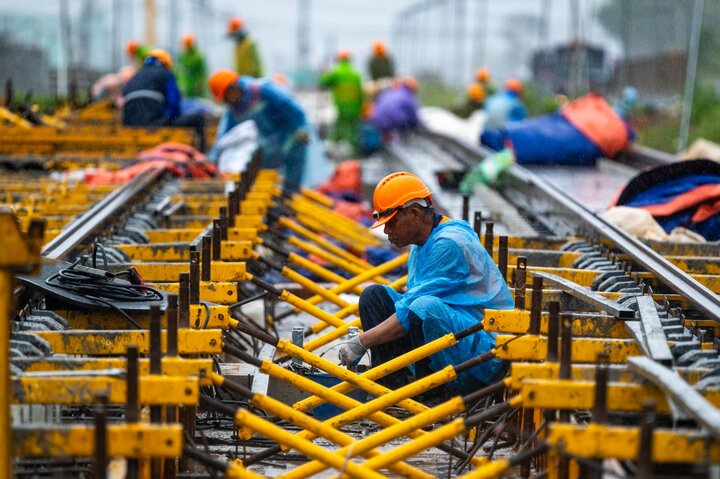
At the same time, Vietnam has made strong investments in transport infrastructure and international connectivity. New flight routes continue to be launched, while major infrastructure projects are being implemented, including facilities serving APEC 2027 in Phu Quoc. These developments are laying the groundwork for Vietnam to attract higher-value visitor segments such as leisure, MICE and wellness tourism.
However, Fortune noted that infrastructure and policy are only necessary conditions. The success of a destination does not lie only in bringing tourists there, but also in creating experiences that make them want to stay longer, spend more and return.
This is also where the private sector is making a clear imprint, shifting from the exploitation of natural resources to the creation of complete tourism ecosystems.
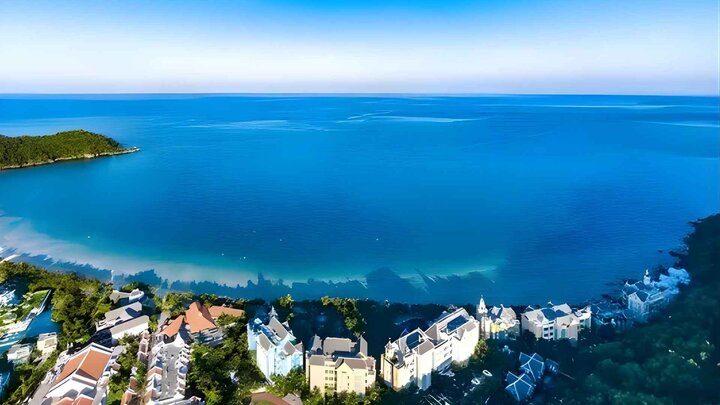
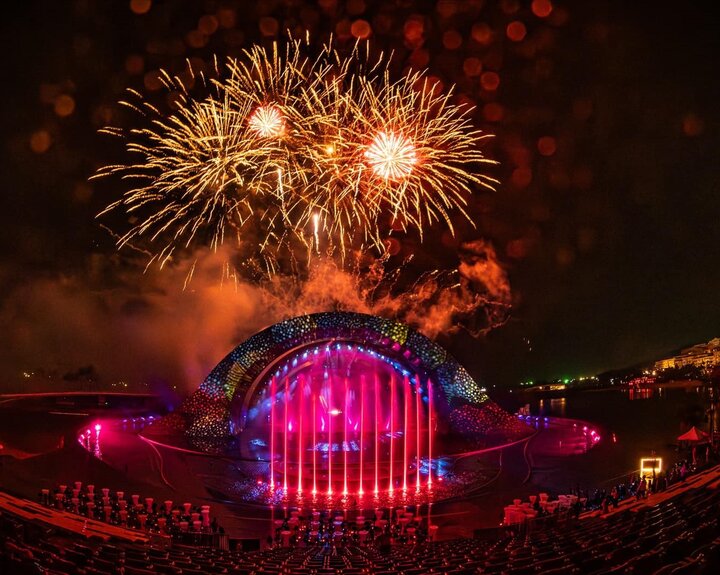
Phu Quoc is a prime example. From an island once known mainly for its natural scenery, the southern part of Phu Quoc has been developed into a large-scale tourism, resort and entertainment ecosystem. Over nearly a decade, Sun Group has gradually shaped a new look for the area with Sun World Hon Thom, the world’s longest three-rope cable car system, Sunset Town, Kiss Bridge, multimedia shows and nightly fireworks displays. Together, these offerings create experiences that extend from daytime into the night, encouraging visitors to stay longer and spend more.

The synchronized resort and entertainment ecosystem in Phu Quoc has created more distinctive experiences, allowing visitors to enjoy a full day of activities and extend their stays.
The presence of international hotel brands such as JW Marriott Phu Quoc, New World Phu Quoc and La Festa Phu Quoc – Curio Collection by Hilton has further elevated service quality. The combination of domestic developers and leading global hotel management brands is expected to strengthen the destination’s appeal to international travelers.
In Sa Pa, the turning point has not come only from the Fansipan cable car, but also from the repositioning of the destination itself. The Sun World Fansipan Legend complex, together with Hotel de la Coupole – MGallery Sa Pa, has transformed Sa Pa from a trekking destination into a four-season hub for resort stays, culture and experiential travel, allowing the town to make better use of its natural values and the distinctive identity of Vietnam’s northwest region.
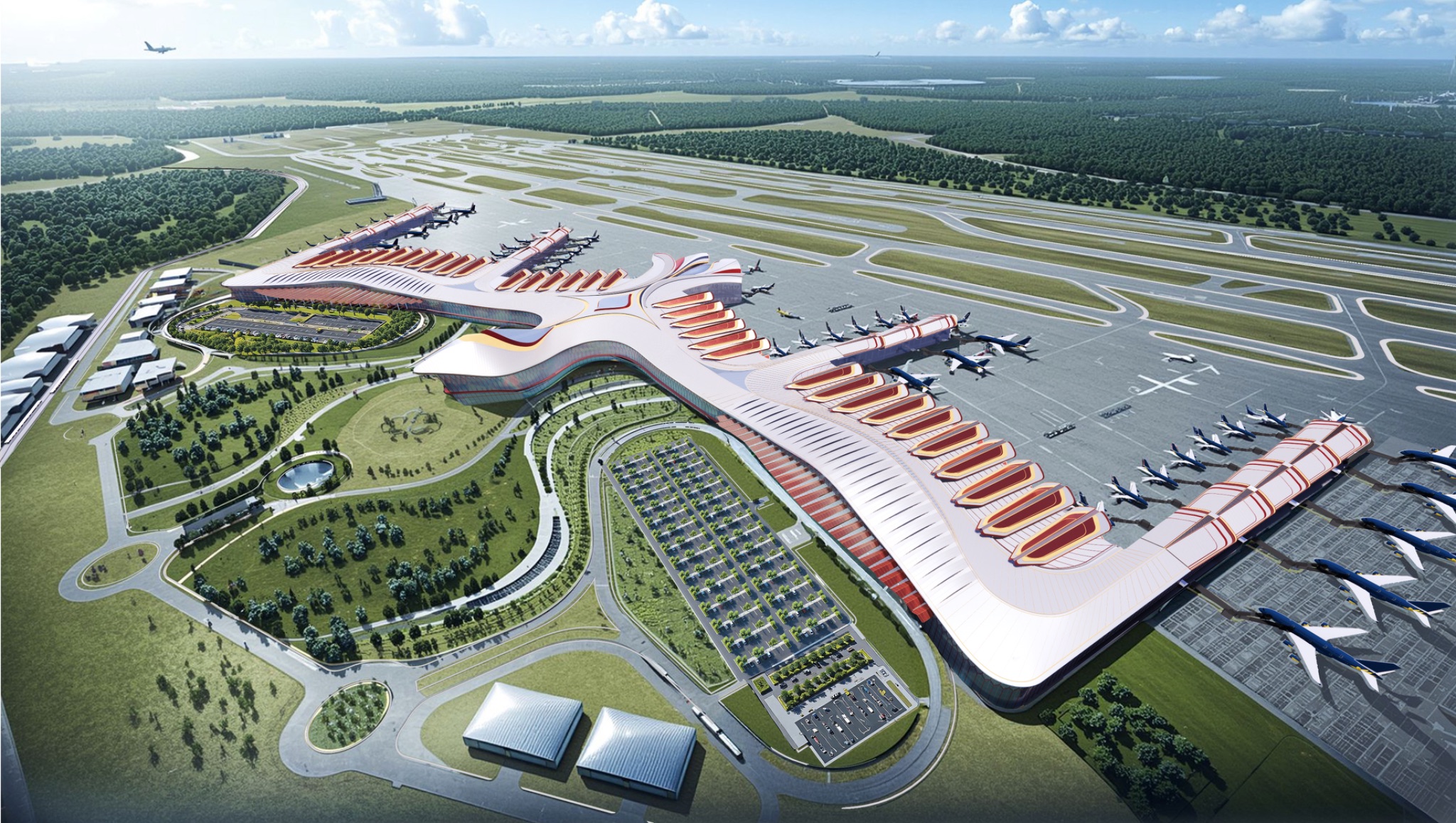
Rendering of the future Phu Quoc International Airport.
Beyond destination development, Vietnamese businesses are also expanding partnerships with international corporations. Fortune cited the expansion project of Phu Quoc International Airport, developed by Sun Group in cooperation with Changi Airport Group. This investment, along with many others, is being accelerated ahead of APEC 2027 in Phu Quoc. According to Alexandra Murray, the pace at which large-scale tourism projects are being implemented in Vietnam is something she has “never seen in any other country, even in the Middle East.”
At the same time, Fortune emphasized that growth can only be truly sustainable when it goes hand in hand with quality. According to experts interviewed by the magazine, Vietnam is making efforts to learn while developing, drawing lessons from other countries and paying close attention to international best practices in pursuit of sustainable and long-term results.