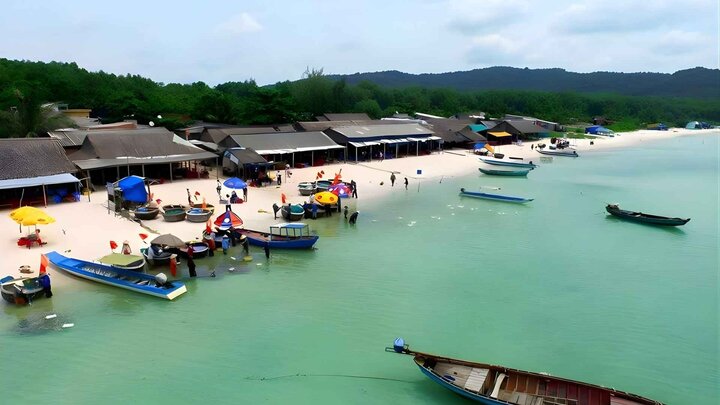
















Phu Quoc has long emerged as a "hot" destination for Vietnam's tourism, continuously appearing on the list of top attractive islands in the region with its natural advantages, high-class resort ecosystem, and strong year-on-year customer growth. Within this development picture, the Phu Quoc International Airport expansion project is considered a key infrastructure, playing a role in widening the gateway connecting the Pearl Island with domestic and international economic and tourist centers, while also creating an important leverage for tourism, trade, and investment growth.
Phu Quoc has long risen to become a "hot" destination for Vietnam tourism
1. Overview of the new Phu Quoc Airport
1.1 Location and official name
Phu Quoc Airport (official name: Phu Quoc International Airport), located in Duong To commune, Phu Quoc special administrative region, An Giang province. Phu Quoc International Airport is located in the center of the island, about 10 km from Duong Dong, holding a strategic position in the island's transportation network and serving as an important air gateway connecting Phu Quoc with domestic and international economic - tourism centers.
Thanks to its convenient location, the airport area is easily connected with main roads, resorts, entertainment complexes, and rapidly developing tourist cities, especially in the South of the island.
1.2 History of formation and development of Phu Quoc Airport
Few people know that Phu Quoc's aviation history began very early. From the 1930s, when Vietnam was still under French colonial rule, Phu Quoc was chosen to build a small airstrip right in the center of Duong Dong town. The appearance of that airstrip laid the first stone for Phu Quoc's aviation history, gradually connecting the island, which was previously associated with fishing, to the mainland by air.
Through many decades of war and the period of national peace and integration, the airport in Duong Dong was continuously renovated and expanded. However, its limited area and location right in the town center made it unable to meet the increasing demands of air transport. Entering the 21st century, as Phu Quoc tourism began to take off strongly, the issue of a new, modern, and larger airport became clearer than ever.
In 2008, the Government decided to commence the construction of the new Phu Quoc International Airport in Duong To, about 10 km from the center of Duong Dong. With a total investment of over 16,000 billion VND, the project was expected to create a breakthrough for the island's transportation infrastructure and long-term development. After 4 years of construction, on December 2, 2012, the airport was officially inaugurated and put into operation, bearing the identifier PQC.
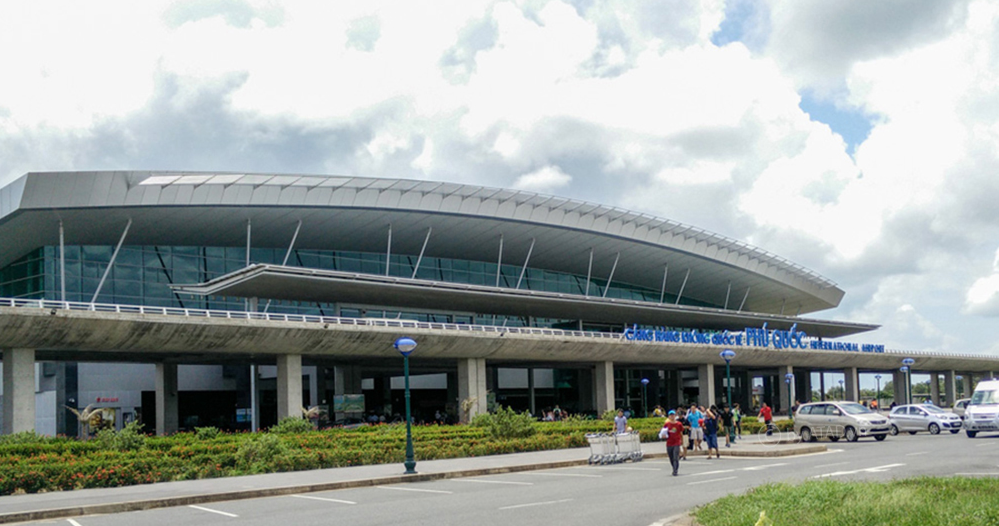
Phu Quoc International Airport officially operated on December 2, 2012.
The advent of the new airport quickly changed the face of transportation and tourism in Phu Quoc. Flight volume increased sharply, international routes were successively opened, making Phu Quoc a leading resort destination. By 2018, under growth pressure, the airport was further renovated and expanded, increasing its service capacity to 4 million passengers per year, including 3 million domestic passengers and 1 million international passengers. At that time, many assessments suggested that this capacity could meet demand for 15–20 years.
However, the actual development of Phu Quoc far exceeded forecasts. Only about 7 years after the 2018 upgrade, Phu Quoc International Airport continued to fall into a state of overload. In 2024, PQC recorded over 4.1 million passengers, of which nearly 2 million were international, meaning the designed capacity has been exceeded. The overload situation during peak season not only affects passenger experience but also becomes a major bottleneck for the development ambitions of the "Pearl Island" for tourism and economy.
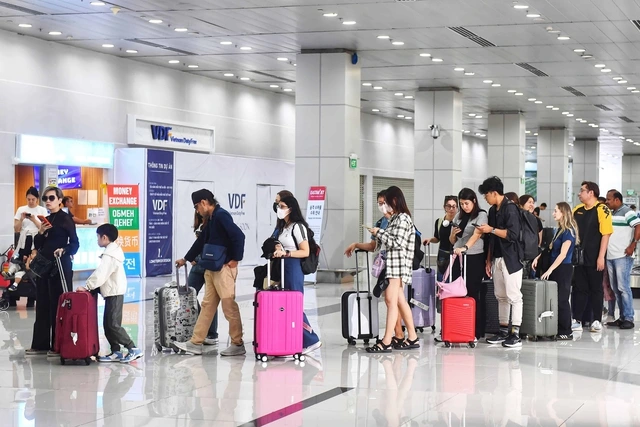
Phu Quoc Airport continuously sets records for welcoming international visitors
On June 19, 2025, Sun Group Corporation was approved to invest in the expansion project of Phu Quoc International Airport. The project has a total capital of nearly 22,000 billion VND, implemented in two phases from 2025 to 2030, aiming to upgrade the airport to ICAO 4E standard, expand runways, taxiways, and build more modern terminals. Upon completion, the new Phu Quoc Airport is expected to increase its operational capacity to about 20 million passengers per year, creating a strategic infrastructure foundation for Phu Quoc to break through strongly on the international tourism-aviation map, especially in the context of Pearl Island being positioned as a destination for major events such as APEC 2027.
2. New Phu Quoc Airport: Expectation to make Pearl Island a regional tourism - aviation hub
2.1 Total area over 1000 ha, phase 1 capacity serving 20 million passengers/year
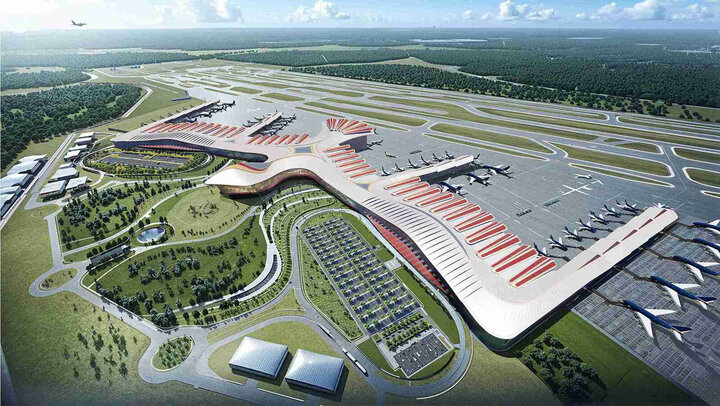
The Phu Quoc International Airport expansion investment project is planned with a total area of up to 1,050 ha, becoming one of the largest aviation infrastructure projects in the Southern region. On this vast land, the airport is organized with synchronized functional zones including runways, taxiways, passenger terminals, VIP terminals, and auxiliary technical infrastructure systems, ensuring long-term development potential for Pearl Island.
According to the approved plan, the airport's operational capacity will be significantly increased after 2027, meeting the flow of tens of thousands of passengers per hour during peak times, with modern, highly automated operational processes and minimized check-in times.
In terms of annual service scale, phase 1 of the project aims to reach 20 million passengers/year, creating a major boost for Phu Quoc's tourism, commerce, and international trade. In the next phase, the airport's capacity will continue to expand, aiming for 50 million passengers per year, gradually making Phu Quoc a regional aviation-tourism hub.
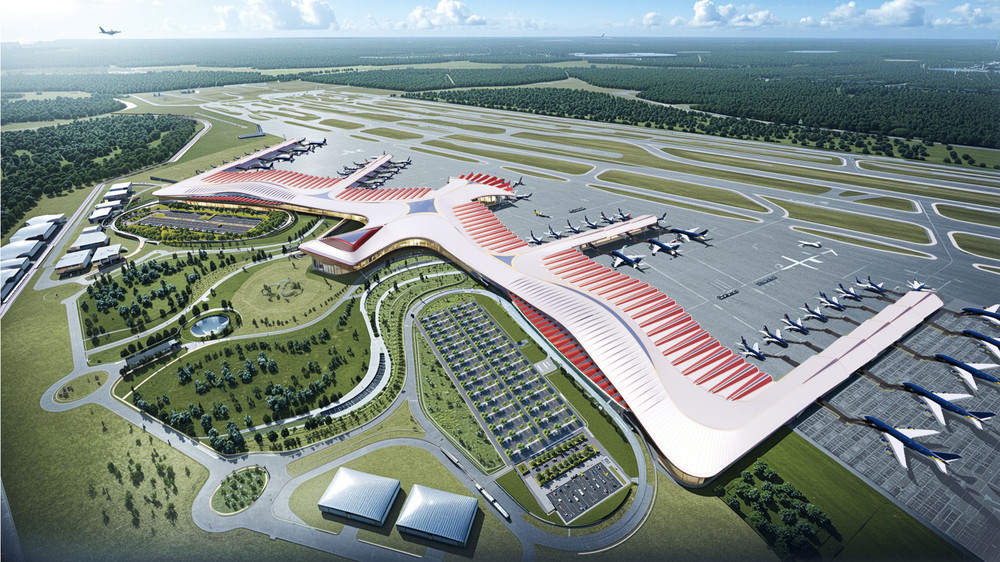
Perspective of the expansion investment project for Phu Quoc International Airport, planned with a total area of up to 1,050 hectares
2.2 Terminals and Main Facilities
The terminal system and main facilities of Phu Quoc International Airport after expansion are planned towards modernity, synchronization, and international standards. The project includes passenger terminal T2 and VIP terminal, where terminal T2 plays the central role in serving commercial passengers with a large scale, designed with multiple functional levels, optimizing passenger flow for arrivals and departures, and directly connecting to aircraft stands via modern jet bridges. The project was designed by CPG Consultants (Singapore) and Artelia Airport (France).
In addition, the VIP terminal has a construction area of about 6,000 m², designed by Italian architect Marco Casamonti. This terminal is equipped with modern facilities, capable of handling special flights for up to 300 people, playing an important role in welcoming heads of state, especially serving APEC 2027 and other major international events in Phu Quoc in the future.
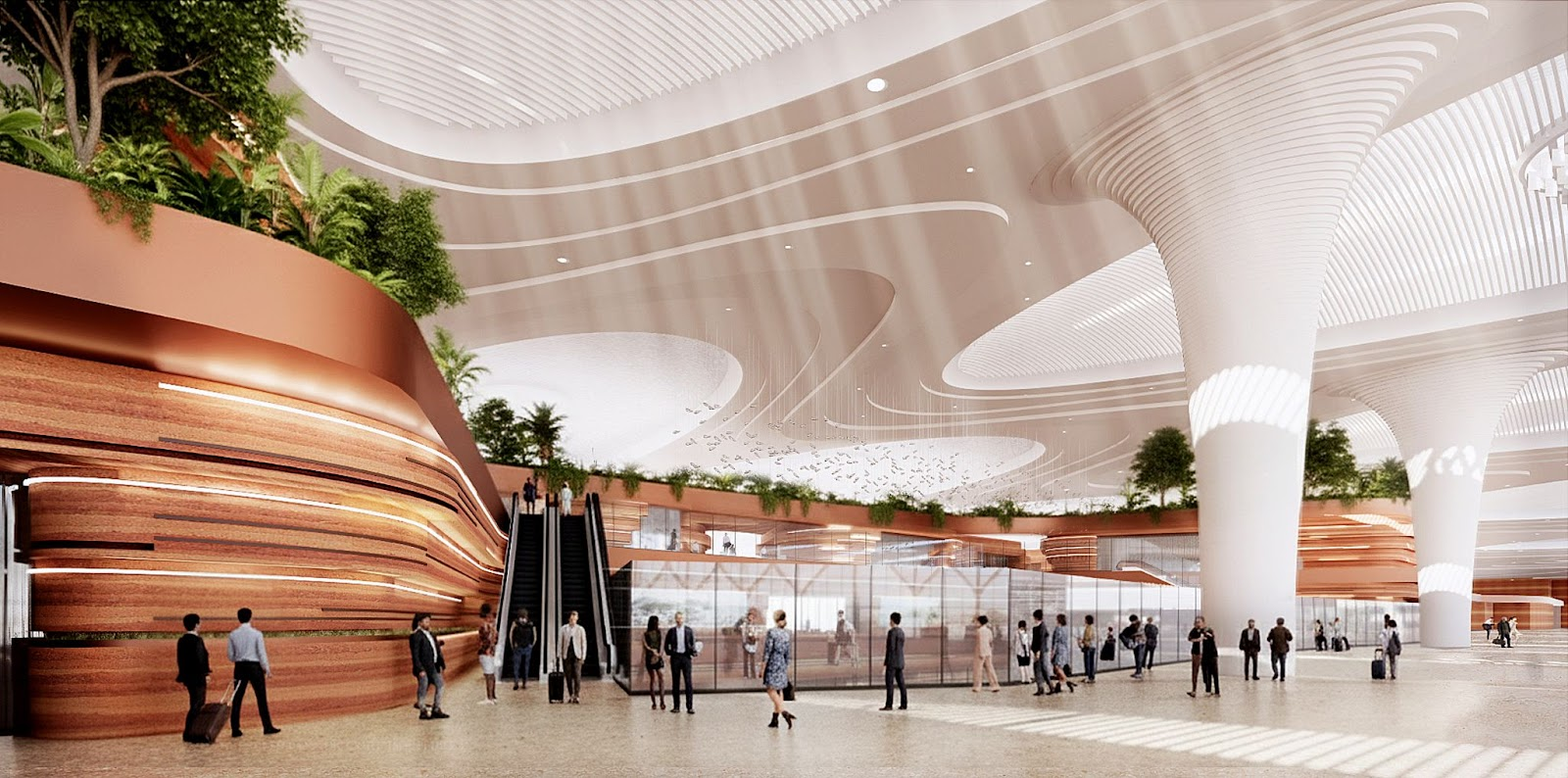
A model of a world-leading modern passenger terminal
2.3 World-class architectural and interior design
The architectural and interior design of Phu Quoc International Airport after expansion is shaped in a modern, iconic, and rich-in-identity style, closely linked to nature and the island spirit.
Passenger terminal T2 is inspired by the image of the Fire Phoenix bird, symbolizing strength, rebirth, and Phu Quoc's aspiration to reach international standards. The architectural language uses flowing lines, open spaces, combining natural light and modern materials, creating a sense of spaciousness, luxury, yet still close to the tropical landscape.
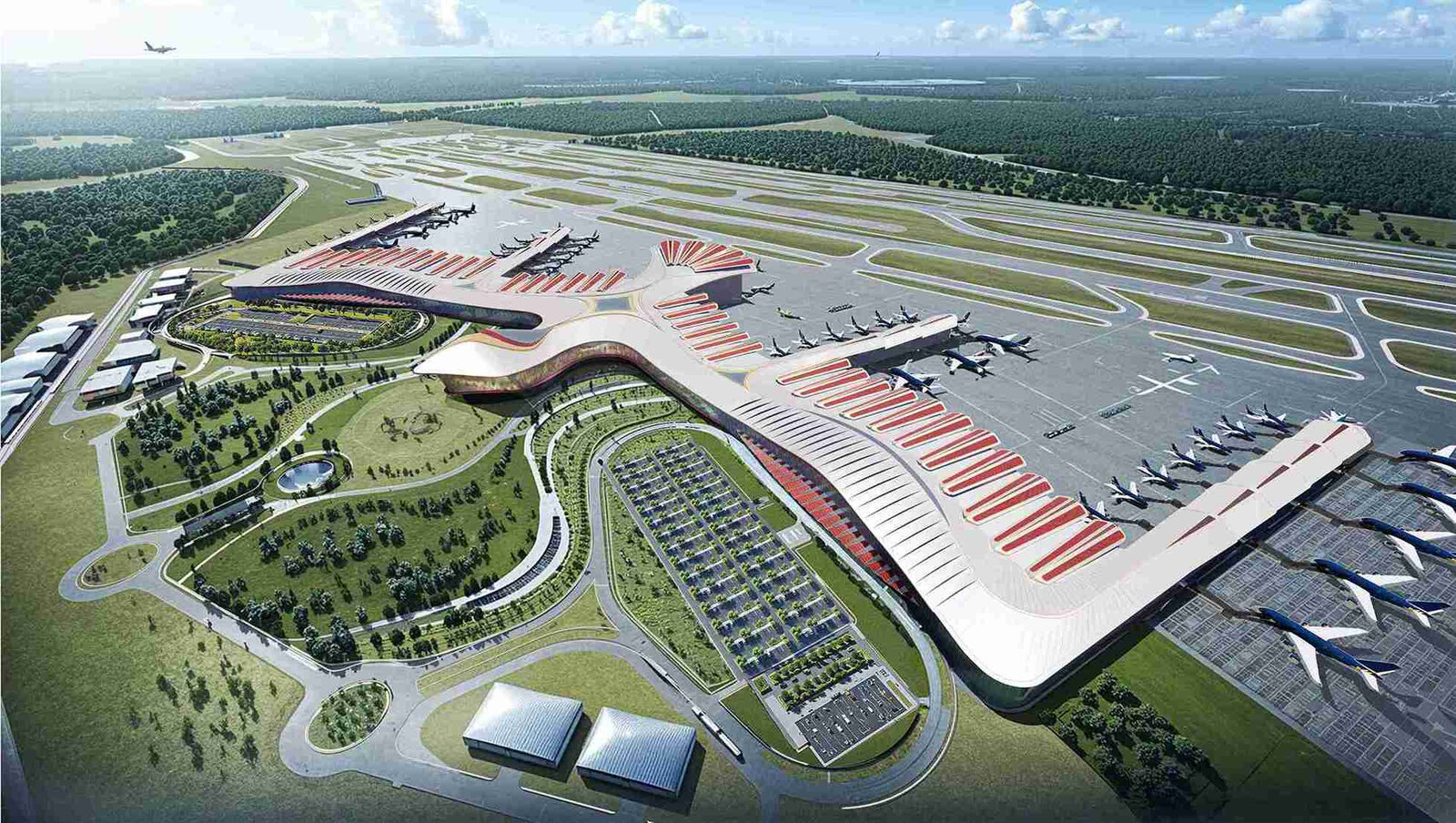
Passenger Terminal T2 is inspired by the image of the Phoenix bird.
The VIP Terminal embodies the image of the sea eagle, representing freedom, agility, and harmony with the surrounding environment, while affirming the prestige of a high-level reception facility.
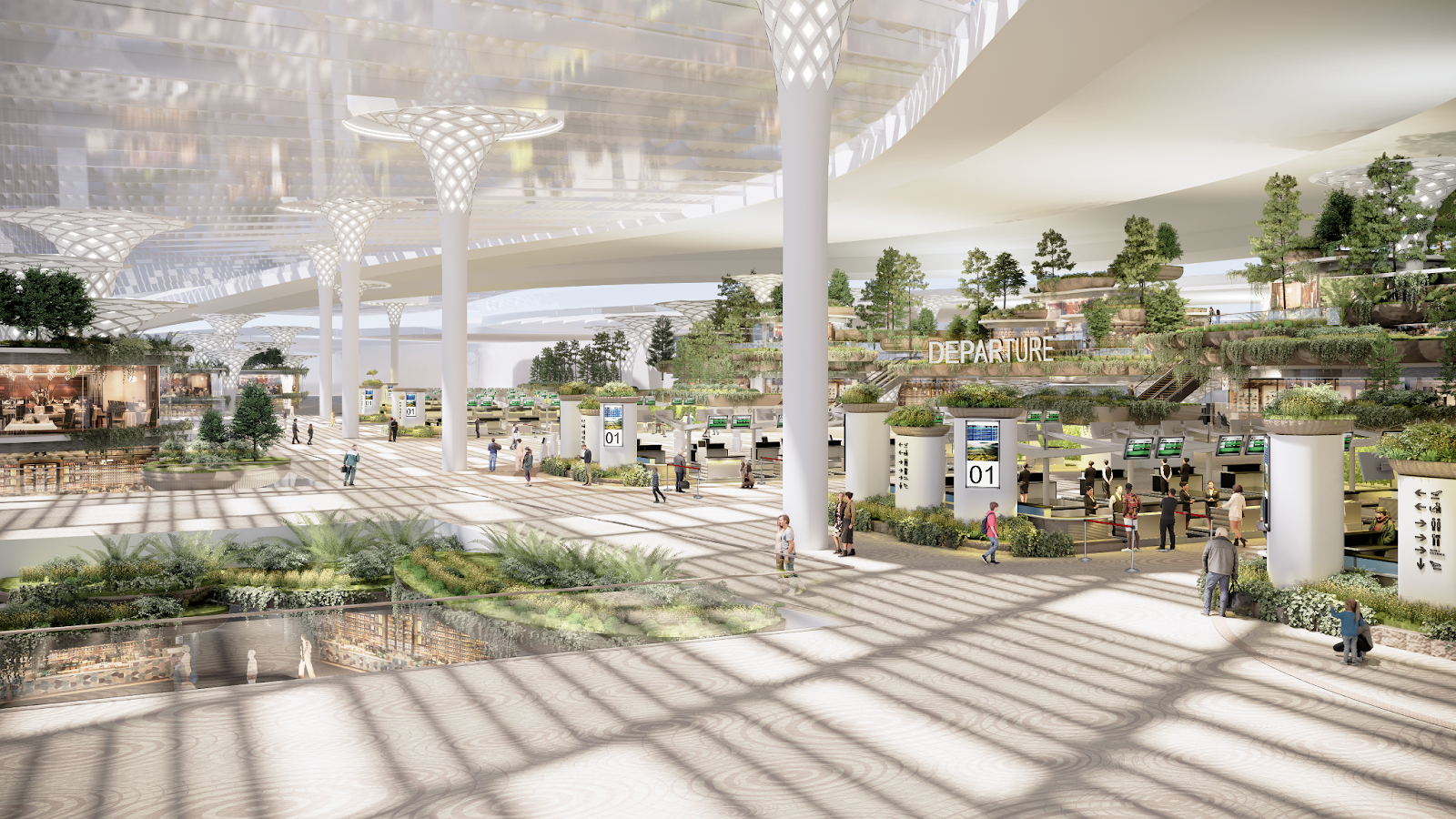
Modern technology helps passengers minimize wasted waiting time and conveniently complete check-in procedures
3. Changi Airport Group participates in operating the new Phu Quoc airport
Phu Quoc International Airport after expansion will be operated by Changi Airport Group – the unit managing and operating Changi Airport (Singapore). With experience in operating one of the world's best airports, Changi Airport Group will bring to Phu Quoc a leading advanced aviation technology ecosystem, implemented synchronously and methodically. Outstandingly, the TAM – Total Airport Management model helps control and coordinate all airport operations in real-time; a biometric system for a seamless, contactless journey; an intelligent baggage handling system ICS; along with advanced security screening technology from Smiths Detection (Germany).
In addition, there are automated apron solutions, underground refueling, and a modern jet bridge system, contributing to optimizing operational efficiency and enhancing operational safety. Thanks to comprehensive technology application, the check-in time for each passenger is shortened to only 15-20 seconds per person, gradually bringing Phu Quoc closer to the standard of a leading smart airport in the region.
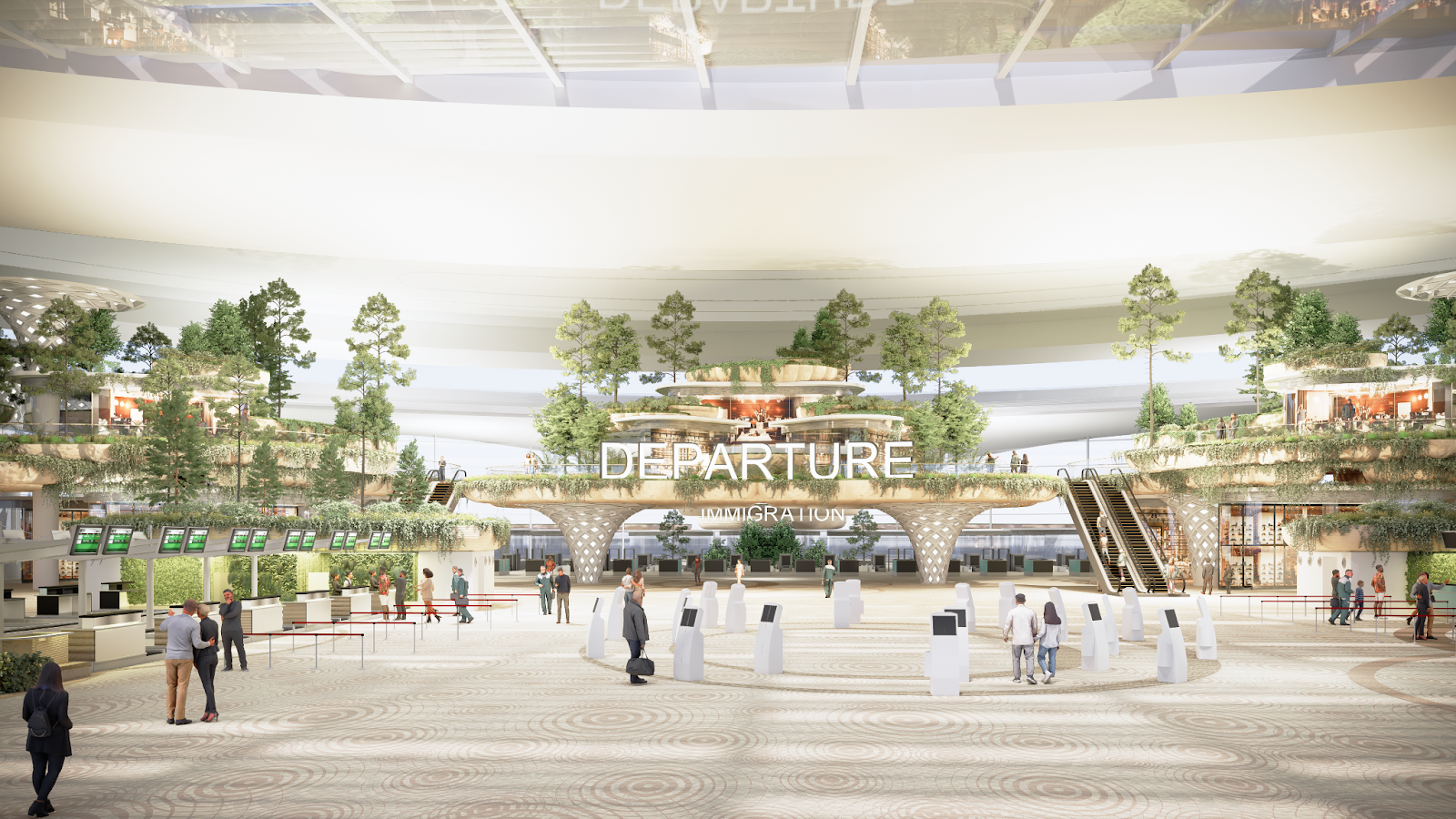
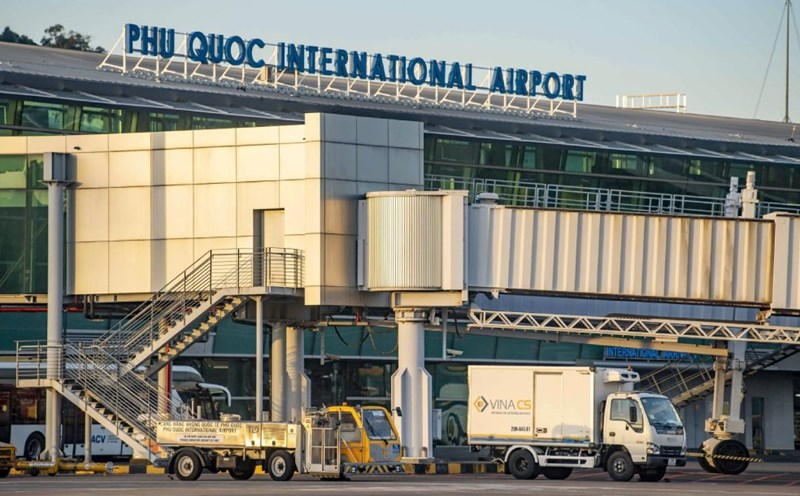
Phu Quoc International Airport (Cang Hang Khong Quoc Te Phu Quoc) is equipped with a remote-controlled jet bridge system and an automatic navigation lighting system.
4. Construction progress of the Phu Quoc International Airport expansion project
With only 9 months of rapid construction, the Phu Quoc International Airport expansion investment project with a total investment of 22,000 billion VND is gradually completing its infrastructure, preparing for the international standard operation phase to serve the APEC 2027 event.
Constructed under difficult conditions of weak soil and alongside runway 1 which is still operational, runway number 2 has achieved about 58% cement concrete progress for the base layer, while the high-quality concrete layer has begun construction just 4 months after embankment. It is expected that by June 30, 2026, the 3,300m long runway will be completed.
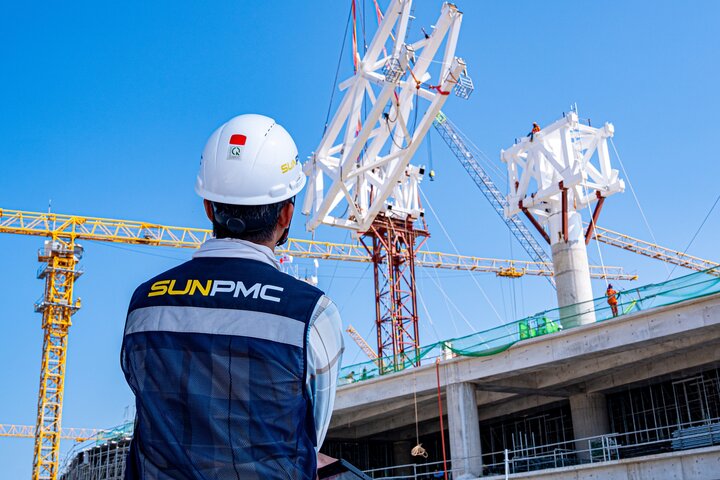
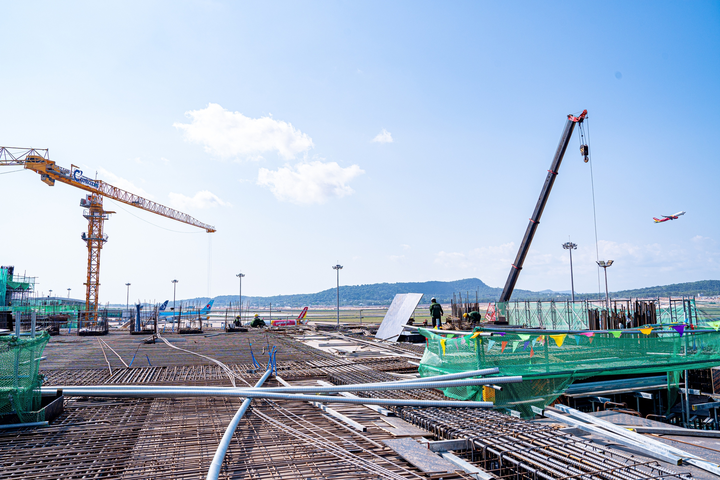
The expansion project of Phu Quoc International Airport is being constructed at breakneck speed
To meet ICAO 4E standards, every detail on the runway must be calculated for wide-body aircraft like Boeing 787, Airbus A350-900,...: from the 78cm thick cement concrete layer capable of withstanding a tire pressure of up to 1.71 MPa, to aircraft loads of up to 400 tons.
At passenger terminal T2, the structural work has reached about 85% and officially entered the phase of installing the roof steel structure from early March 2026, a significant milestone to shape the future architectural space of the terminal. Passenger terminal T2 of the airport was designed by CPG Consultants (Singapore) and Artelia Airport (France), inspired by the image of the Fire Phoenix, symbolizing strength and rebirth, expressing Vietnam's aspirations in the new era.
Notably, the VIP terminal, a facility serving heads of state and high-level guests, has completed 100% of its structural work, with the roof structure reaching about 60%, indicating construction progress exceeding expectations and rapidly moving towards the finishing stage.
Aircraft parking apron areas are also being implemented at high speed, with some areas fully completed, laying the foundation for enhanced operational capacity in the future.
Phu Quoc International Airport will synchronously apply a series of world-leading aviation technologies, including the Total Airport Management (TAM) model, biometric systems for a seamless, touchless journey, an advanced ICS baggage handling system, along with automated apron technologies, underground refueling, and remote-controlled jet bridges, aiming to become a leading smart airport in the region, while reducing check-in time to just 15-20 seconds per person.
The superior progress of the Phu Quoc International Airport expansion project not only demonstrates the efforts of Sun Group but also reflects the local authorities' determination to make Phu Quoc a regional destination. As key components are successively completed, the new look of a world-leading modern airport is gradually taking shape, creating a crucial foundation for the "Pearl Island" to be ready for APEC 2027.
5. Comparison of Phu Quoc Airport: Current vs. Expanded
Compared to the past, the new and old Phu Quoc airports show clear differences in scale, services, operational capacity, and passenger experience.
In terms of scale, the old airport primarily operated on existing infrastructure with one runway and a limited-area terminal. In contrast, the expanded Phu Quoc airport will be situated on 1,050 hectares, adding a second runway, an apron system with over 120 parking bays, and international-standard passenger terminal T2 and VIP terminal.
Regarding services, the old airport focused on basic amenities with no clear differentiation among passenger groups. Conversely, the new airport is equipped with a comprehensive system of business class and VIP services, modern food and shopping areas, comfortable waiting lounges, and standardized service processes managed by Changi Airport Group.
In terms of capacity and passenger experience, the old airport began to show limitations as passenger numbers rapidly increased, leading to congestion during peak seasons. Meanwhile, the new Phu Quoc airport aims to handle 20 million passengers per year after 2027, and eventually 50 million passengers per year, utilizing biometric technology, automation, and a check-in time of only 15-20 seconds per person, offering a superiorly fast, smart, and comfortable experience.
The new Phu Quoc airport is not just about numbers regarding capacity, runways, or terminals; it is a symbol of a new development phase for the "Pearl Island." With synchronized aviation infrastructure upgrades and international-standard operations, Phu Quoc will no longer be limited by geographical distance but will truly open its doors to connect with the world. From the increasing flow of international tourists, global events like APEC 2027, to a wave of high-quality investment, all require a gateway of sufficient caliber to welcome them.
In this picture, the expanded Phu Quoc International Airport serves as the strategic foundation, the starting point for new journeys, new opportunities, and the ambition to elevate the "Pearl Island" to the position of a world-class resort tourism hub. Upon completion, every flight landing in Phu Quoc will not only bring visitors to its blue seas and white sands but also "touch" an island undergoing a powerful transformation, modern and full of aspiration to reach further.