















From Villa Otium to Art inspired Hotels
Villa, literally ‘a house set within gardens’, would evolve into a familiar model of domestic luxury. Otium, by contrast, has faded from modern vocabulary. For the Romans and Greeks, it described leisure, not as idleness, but as a deliberate space for thought, self-discovery, and contemplation.
Life within these villas certainly included hunting, bathing, dining, and relaxation. Yet they were never places of idleness. Their owners left behind the ledgers, politics, and bustle of Rome to immerse themselves in philosophy and the arts. They read and wrote, delivered speeches, and debated ideas among fountains, marble statues, and climbing vines. Many great works were born in such settings. The villa otium became a place where people could shape their worldview and cultivate intellectual life in their own way.
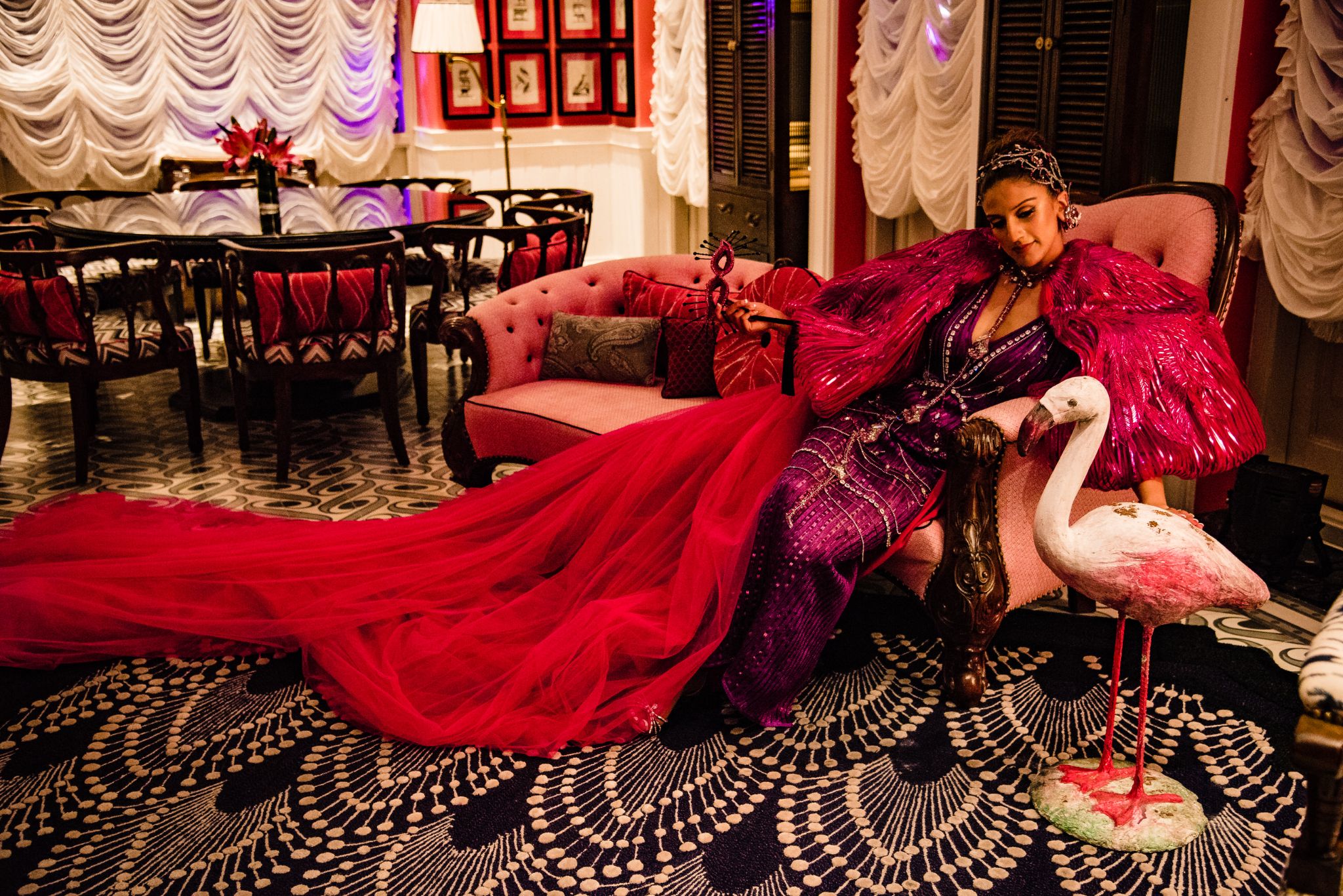
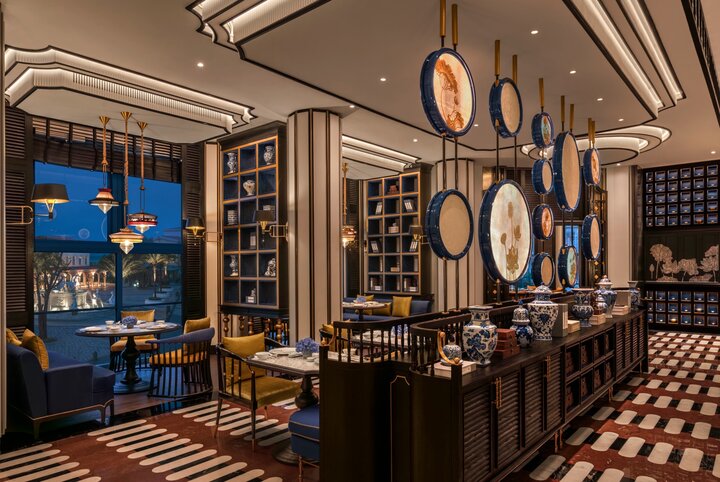
A stay is not just for rest, but also for nurturing the soul. (JW Marriott Phu Quoc Emerald Bay Resort)
When East Asian scholars and aristocrats built mountain retreats and garden estates, their purpose was not simply to withdraw from society. Such places became spaces for study, artistic creation, and contemplation. There, one could hear a plum blossom fall in the front courtyard or watch cherry blossoms drift across the garden behind. An ink wash painting hung inside, a carefully carved stone guardian stood by the veranda, and a sculpted pine tree graced the garden. Somewhere in the distance, the sound of a guzheng or koto drifted through the air.
By the seventeenth through nineteenth centuries, art centered journeys had become an essential part of the education of Europe's upper classes. Young aristocrats from Britain and Northern Europe embarking on adulthood would undertake months, sometimes years, of travel through France, Italy, and Greece. They visited the cultural capitals of Europe to study art, history, and civilization firsthand.
It was this movement of cultural travel that helped fuel the rise of grand hotels across Europe and later Asia. Rather than serving merely as places to stay, hotels in Venice, Florence, Paris, Hong Kong, and Singapore began incorporating galleries, sculptures, Renaissance frescoes, and Baroque artworks. They became gateways to culture, allowing guests to immerse themselves in artistic experiences while traveling.
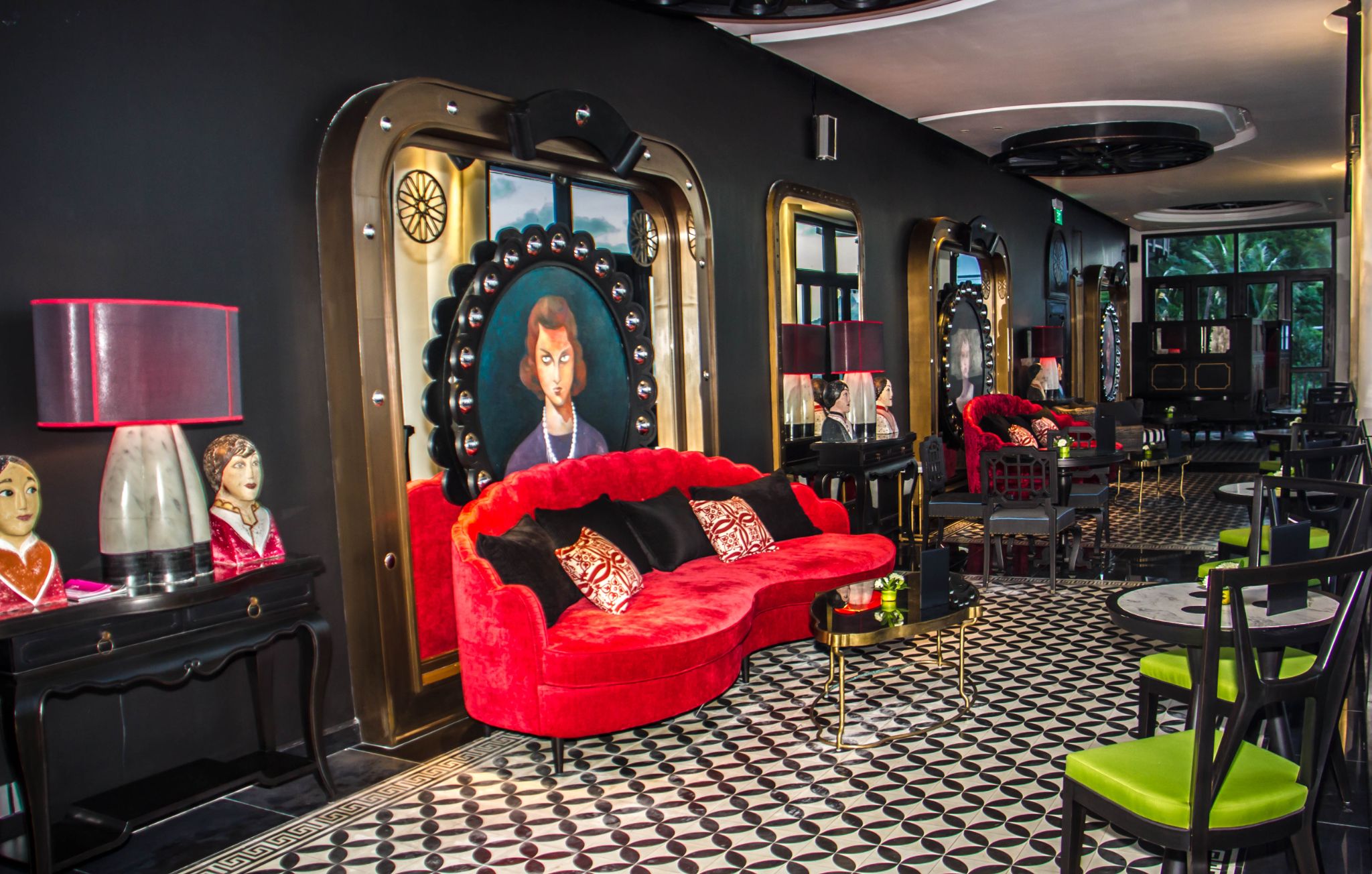
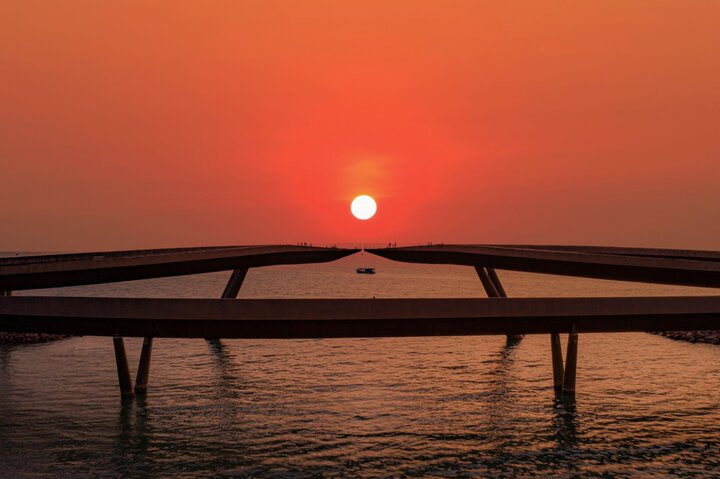
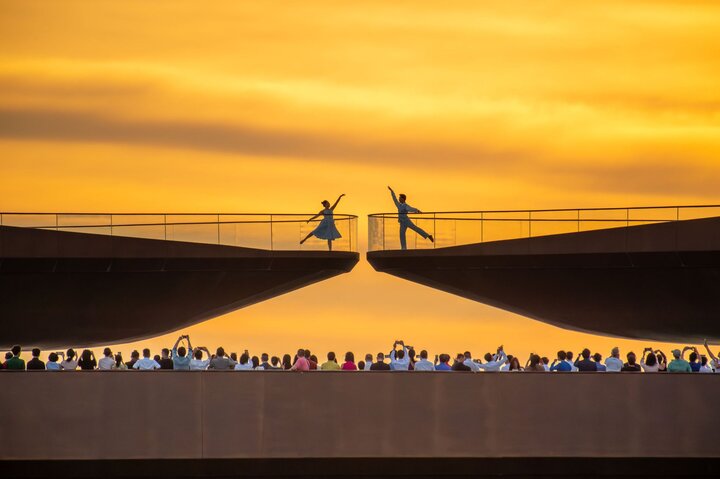
There are journeys that begin with beauty and end with healing. (InterContinental Danang Sun Peninsula Resort)
The Peninsula, among the world's oldest luxury hotel brands, offers one of the best known examples. The iconic Peninsula Hong Kong, opened in 1928 and often called the Grande Dame of the Far East, houses an impressive collection of historical artifacts and artworks. Despite room rates that can reach thousands of dollars per night, it remains one of Hong Kong's most sought after destinations.
In France, Hôtel des Académies et des Arts once welcomed celebrated artists including Amedeo Modigliani and Tsuguharu Foujita. With just 20 guestrooms, the hotel evokes the atmosphere of a classic artist's studio and regularly hosts contemporary art exhibitions.
Healing through art
Art-inspired hospitality is not a modern invention. On the contrary, it represents the very essence of what a retreat was originally meant to be. The Romans believed this. Ancient Vietnamese, Chinese, and Japanese cultures believed it as well. When people immerse themselves in beauty, stories, and emotional experiences, both the spirit and the body do more than heal. They grow.
We travel to rediscover our individuality and reconnect with authentic emotions rather than those imposed upon us by trends and advertising. The beauty of art is that it helps us do exactly that.
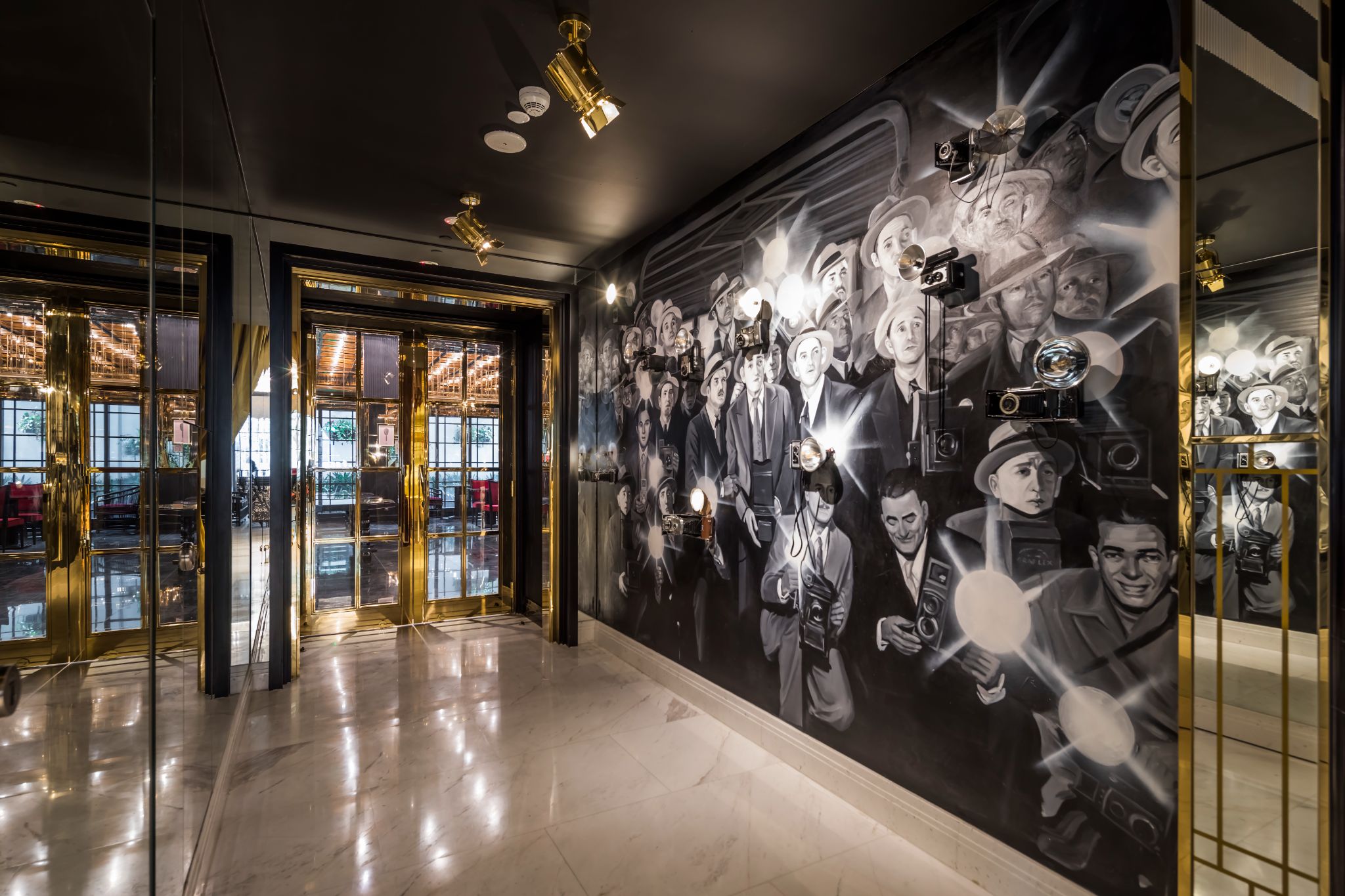
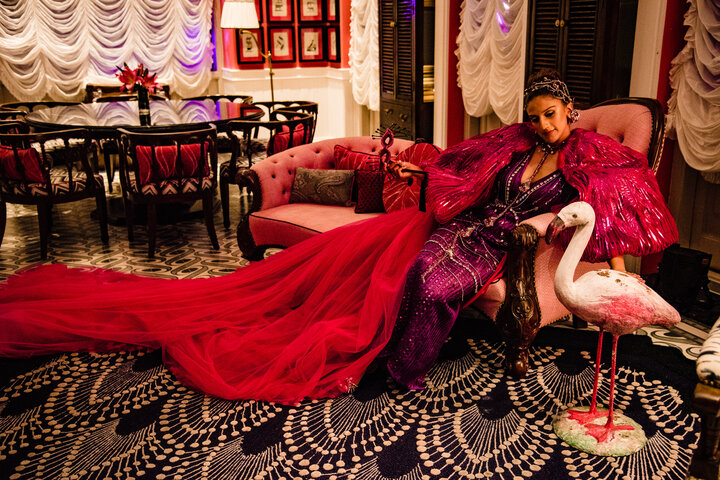
When art becomes a part of the resort experience. (Photo: Capella Hanoi Hotel)
Today, art-inspired resorts have become living museums of visual art and architecture. Sometimes they are modest, perhaps a small homestay thoughtfully designed around the principles of wabi sabi. Sometimes they are grand destinations created by architects devoted to beauty and storytelling.
Few embody this spirit more fully than architect Bill Bensley. At Capella Hanoi, he recreates the golden age of opera in a theatrical setting in Vietnam’s capital. At JW Marriott Phu Quoc Emerald Bay, guests enter a fictional nineteenth-century university filled with thousands of curated artifacts. Across Vietnam, his work spans multiple immersive resort narratives.
Unlike centuries ago, entering this world no longer requires aristocratic privilege. It requires only travel. And perhaps a simpler question: not whether we can afford beauty, but whether we still notice when it is offered.