















1. The Tung Lo Mo Culinary Experience of the Cham People in An Giang
1.1. Originating from Community Life
Tung Lo Mo of An Giang is the traditional beef sausage of the Cham ethnic group living mainly in An Giang, concentrated in areas such as Chau Phong, Chau Doc, and Da Phuoc. This dish is closely associated with the daily life of the community, reflecting how the Cham people utilize local ingredients and maintain their culinary habits through generations. In the Cham language, "tung" is understood as intestine, while "lo mo" refers to beef, clearly indicating the characteristic preparation method of the dish.
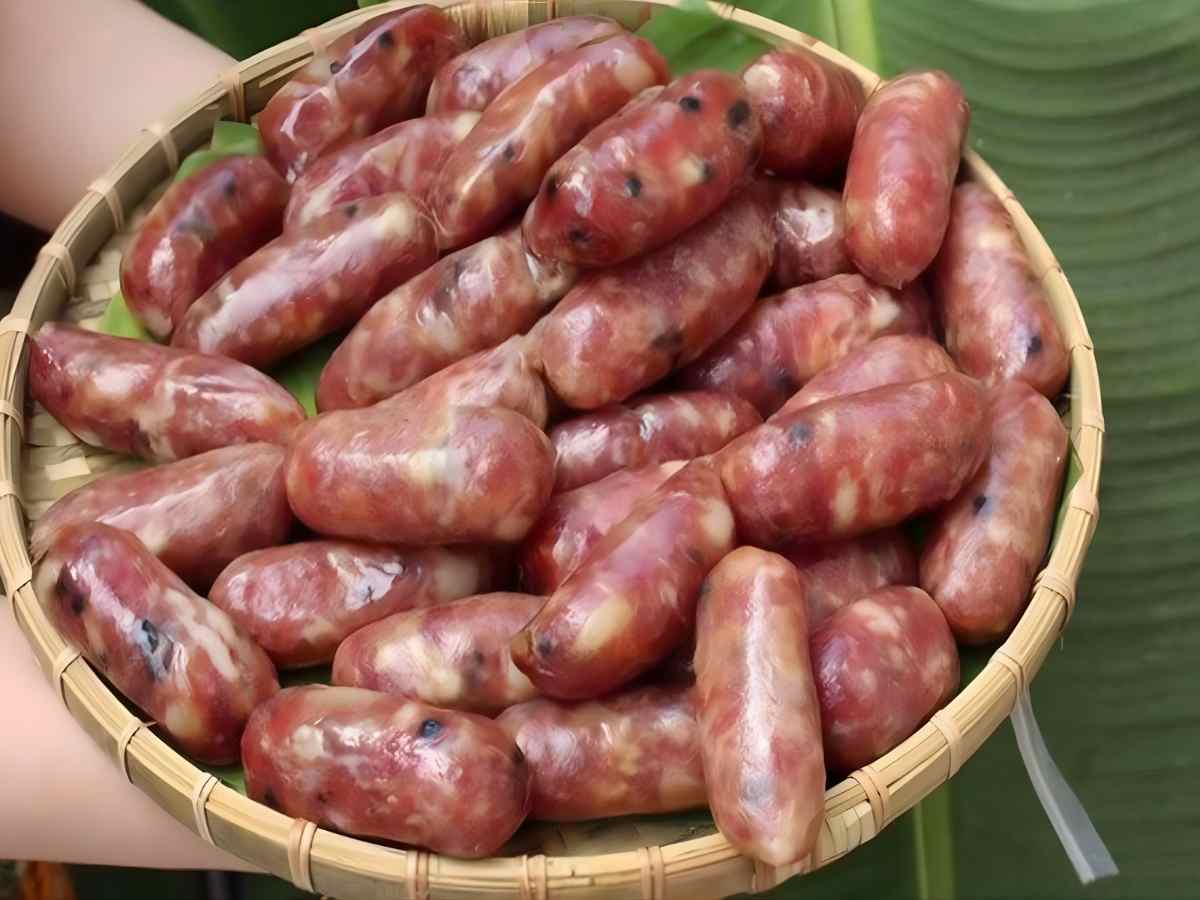
Tung lo mo reflects the community life and culinary traditions of the Cham people of An Giang. (Source: Collected).
The main ingredients of tung lo mo are usually thigh meat or lean meat deboned, carefully selected to ensure its chewy texture and natural sweetness. After preparation, the meat is mixed with pepper, garlic, and some traditional Cham spices before being stuffed into beef casings. The sun-drying process helps the meat ferment naturally, creating the familiar slightly sour taste of this dish.
In community life, tung lo mo not only appears in daily meals but is also associated with family gatherings and traditional activities. Making and sharing tung lo mo together helps strengthen the bonds between community members. Over time, the dish has become a part of cultural memory, present in festivals and community gatherings of the Cham people of An Giang.
1.2. Cultural Significance Beyond Culinary Value
For the Cham people in An Giang, tung lo mo is considered a cultural symbol passed down through generations. The dish clearly reflects a lifestyle and culinary customs influenced by Islam, evident in the use of beef and the avoidance of pork in preparation. This religious element gives tung lo mo a unique identity compared to many other types of sausages.
Tung lo mo An Giang often appears during family celebrations and community events, contributing to the festive atmosphere. The presence of the dish in rituals and communal meals elevates tung lo mo beyond its role as a mere food item. It becomes a spiritual bridge, connecting generations within the Cham community.
Today, tung lo mo also serves to introduce the region's identity to tourists visiting An Giang. Visitors can easily find this dish in traditional markets or Cham handicraft production facilities. The value of tung lo mo lies not only in its flavor but also in the cultural stories and community memories preserved in every batch made.
2. Characteristics of Tung Lo Mo's Flavor and Preparation Method
2.1. Ingredients and How to Create Natural Sourness
The main ingredients of tung lo mo include fresh beef and beef fat, usually chosen from the thigh, shank, or deboned lean meat to ensure chewiness and natural sweetness. Cham people pay attention to balancing the ratio of lean meat to fat, which helps the dish remain tender without becoming dry during preparation. Tendons are carefully removed to make it easier to eat.
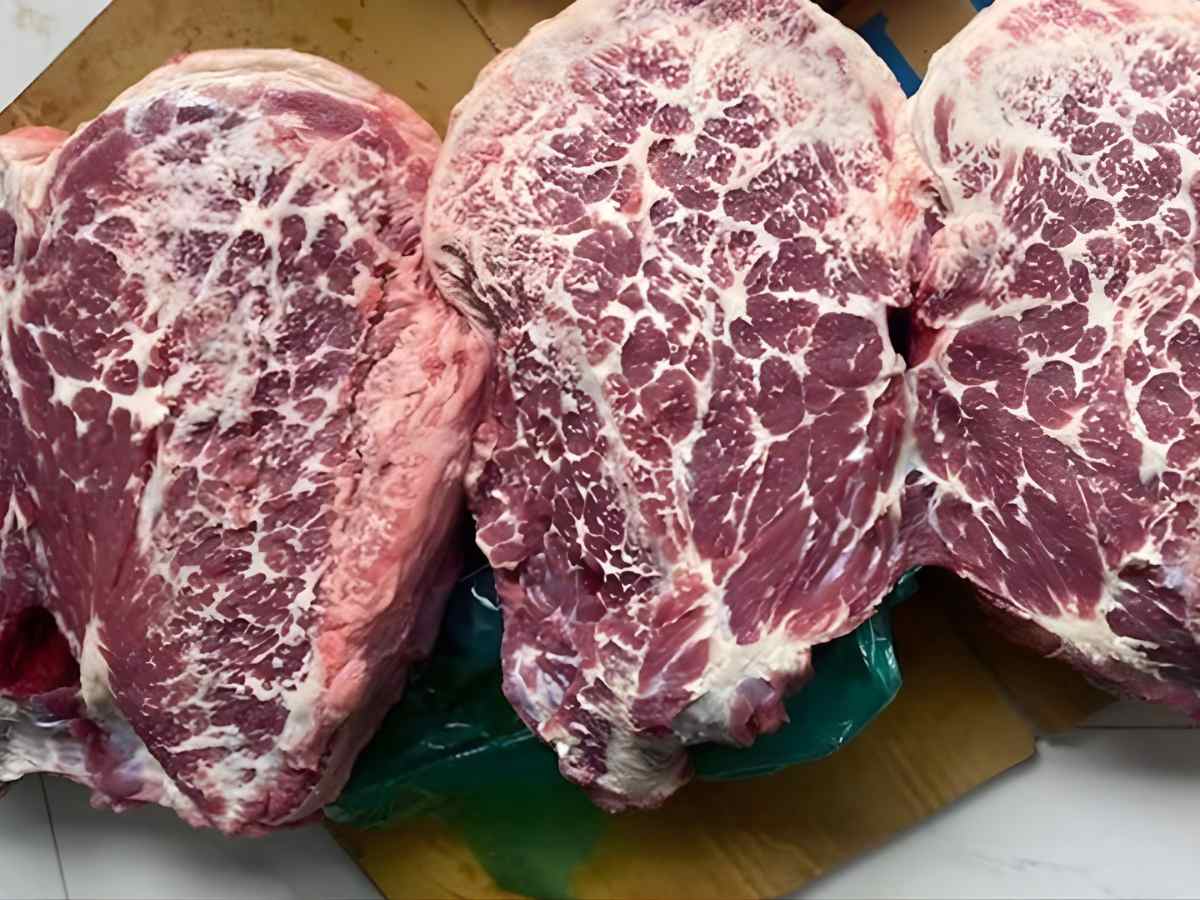
Beef and fat ingredients create the characteristic natural sourness of tung lo mo. (Source: Collected)
Beef intestines are used as the outer casing, creating a natural texture for tung lo mo and limiting the use of additives. After stuffing with meat, the product is sun-dried to allow the meat to ferment slowly, forming its characteristic mild sourness. Spices such as pepper, garlic, and a small amount of cooked rice are used to aid the natural fermentation process.
A notable characteristic of tung lo mo is that it does not use pork, making it suitable for the culinary customs of the Cham Muslim community. The selection of ingredients and processing methods help the dish retain its unique flavor, differentiating it from many familiar types of sausages. This factor creates a distinctly local culinary imprint for An Giang.
2.2. Experience-Based Manual Production Process
The production process of An Giang tung lo mo is primarily based on experience passed down within Cham families. Beef, after preliminary processing, is minced and mixed with spices according to personal taste before being stuffed into beef intestines or tofu skin. Each step is performed manually, requiring skill and care from the maker.
The sun-drying phase plays a crucial role in developing the flavor of tung lo mo. The meat is dried multiple times to firm up, reduce moisture, and develop a mild sourness over time. The drying duration is adjusted flexibly depending on the weather and the processor's experience.
The differences between batches of tung lo mo lie in the adjustment of spices, the level of sourness, and the fermentation time. Each family often has its own secret recipe, creating unique flavor characteristics. It is this manual element and personal experience that help tung lo mo maintain its identity within the local culinary landscape.
3. Tung Lo Mo in the Modern An Giang Culinary Scene
3.1. The Presence of Tung Lo Mo in Today's Life
In modern life in An Giang, tung lo mo still appears regularly in traditional markets and the home kitchens of the Cham people. In Cham villages like Chau Phong or Da Phuoc, the craft of making tung lo mo is maintained as a familiar part of daily life. Tourists can easily see people drying beef sausage in front of their houses or preparing it using traditional methods.
The popular way to enjoy tung lo mo today is to cut it into small slices and grill them over charcoal. When cooked, the dish emits a light aroma, has a pleasant chewiness, and a characteristic sour taste. Tung lo mo is often served with fresh herbs or pickled vegetables, creating a balanced flavor experience.
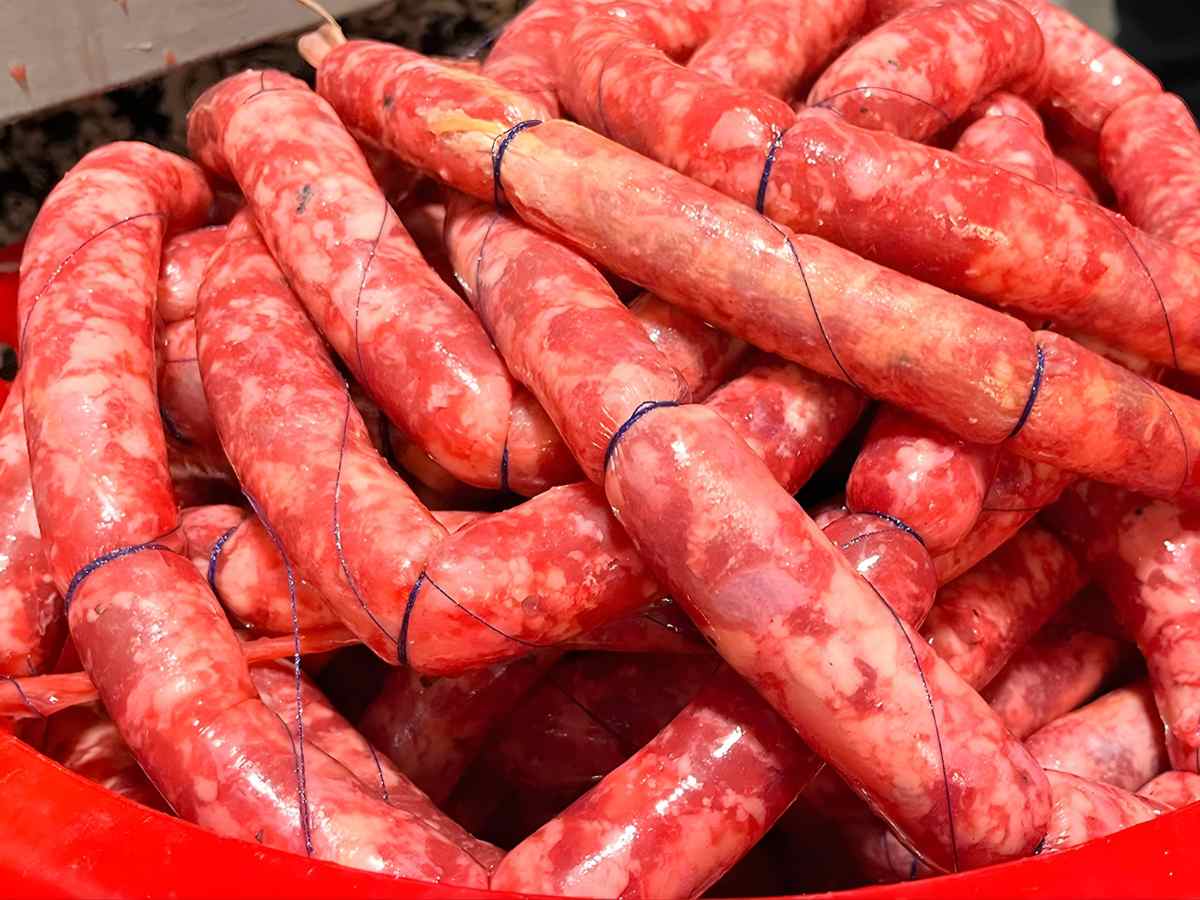
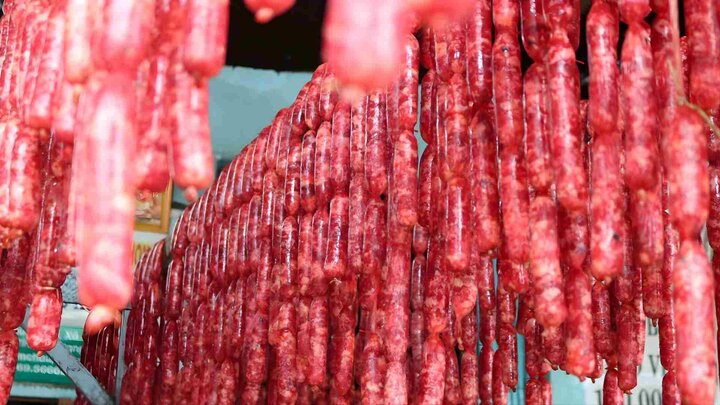
Tung lo mo appears commonly in modern life and local traditional markets. (Source: Collected)
Over time, this dish has been gradually adjusted to better suit the diverse tastes of tourists. Besides the traditional sour taste, some places make tung lo mo with a milder sourness. This adaptation helps the dish reach a wider range of diners when they visit An Giang.
Besides appearing in daily meals, tung lo mo is also considered a familiar gift when Cham people give it to relatives or friends. This dish is often prepared in advance for occasions when guests visit, demonstrating hospitality and community bonding. Thus, tung lo mo continues to play a connecting role in the modern social life of the local people.
3.2. Connecting Culinary Journeys with Modern Tourist Spaces
For many tourists, tung lo mo is not just a dish but also a part of the cultural experience when exploring An Giang. Enjoying this dish is often associated with visiting Cham villages, local markets, or community gathering spots. Through this, cuisine becomes a bridge helping tourists understand more about local life.
The experience of tung lo mo in An Giang is often placed within the context of the riverine landscape, craft villages, and the daily life of the people. The combination of scenery, local rhythm, and traditional dishes creates a more complete impression for the trip. This helps the exploration journey of An Giang not just stop at sightseeing but also extend to cultural depth.
In the modern tourism landscape, local culinary experiences like tung lo mo contribute to diversifying tourists' itineraries. The dish becomes a cultural touchpoint, accompanying sightseeing activities and learning about the region. Thus, cuisine and tourism mutually support each other, creating a unique impression for An Giang in the minds of visitors.
In today's travel journeys, stopping to enjoy a local dish like tung lo mo offers a slower and more intimate connection with the land. This experience allows tourists to temporarily step away from the continuous sightseeing pace to observe local life through food. It is these simple moments that contribute to making the trip more profound and memorable.
4. Evoking Cultural Experiences Through Cuisine and Public Spaces
4.1. Tung Lo Mo as a Storytelling Medium for the Land
Tung lo mo is not just a dish but also a medium for telling the story of the Cham community in An Giang, where cuisine is intertwined with beliefs and daily life. Through each slice of beef sausage, diners can feel the layers of cultural values passed down through generations. The dish becomes a starting point for delving deeper into the history and living customs of the local community.
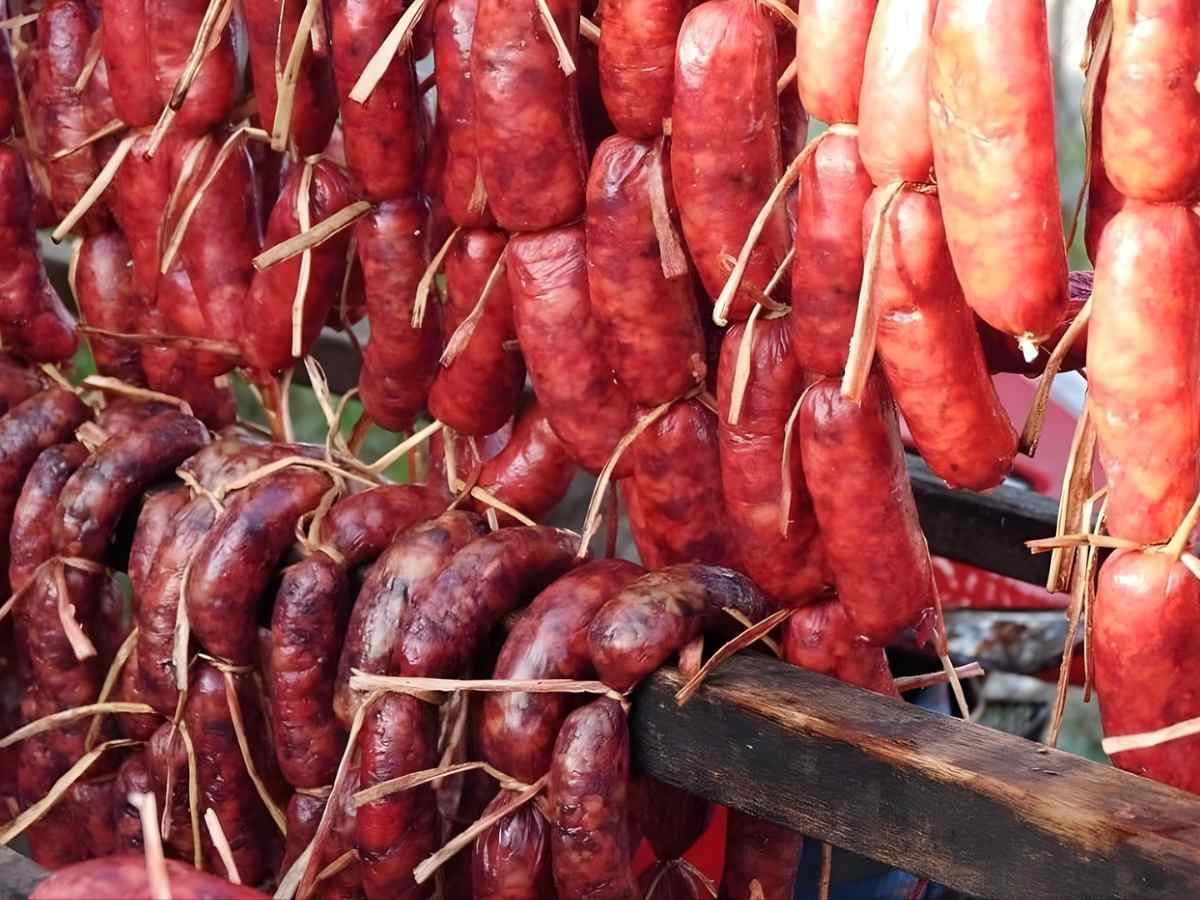
Tung lo mo becomes a cultural storytelling material associated with the Cham community. (Source: Collected)
Experiencing tung lo mo in a traditional living space helps visitors get closer to the life of the Cham people. Observing the preparation, enjoying the dish, and listening to the surrounding stories create a natural connection with the land. Each meal, therefore, not only holds culinary value but also opens up a deeply cultural perspective.
Through tung lo mo, the culinary tourism journey expands to include regional storytelling experiences. The dish acts as a thread connecting the past and the present, the locals and the tourists. This element contributes to making the exploration of An Giang more complete.
4.2. Festival Spirit and Contemporary Symbols
The spirit of traditional community activities can be associated with modern public spaces in tourist destinations today. In the South of Phu Quoc Island, the King of The Sun Fountain is an example of the intersection between contemporary art and shared living spaces. This work is located in Sunset Town, with architecture inspired by the Sun God Helios and made of Carrara marble.
The area around the fountain provides opportunities for tourists to gather, stroll, and capture memorable moments by the sea. The surrounding squares, clock towers, and outdoor performance areas contribute to a vibrant living rhythm. These activities create an open festival atmosphere where people meet and share experiences.
Despite their modern appearance, these public spaces still reflect the community spirit inherent in the local culture. The way people gather, interact, and enjoy the shared space evokes traditional festival activities. This similarity helps connect contemporary tourism experiences with long-standing cultural values.
Unpretentious in form but rich in cultural depth, tung lo mo An Giang represents how cuisine becomes a shared memory of a community. When placing this dish within the flow of modern tourism and experiences, the value of tung lo mo lies not only in its flavor but also in the story of the land and people it carries.