















1. Journey to enjoy smashed papaya salad in Tri Ton within the context of Khmer culinary culture
1.1. Living space and eating habits in Tri Ton
The former Tri Ton district, An Giang province, is located in the Bay Nui region with terrain alternating between hills and plains. It is also the long-standing residence of many ethnic communities, among which the Southern Khmer community leaves a distinct mark on local cultural and culinary life. The living space, connected to hills, fields, and gardens, has fostered a habit of using fresh ingredients, reflected in mixed dishes, salads, and dishes prepared from local agricultural products.
The living space of Tri Ton fosters culinary habits associated with natural ingredients. (Source: Collected)
In daily life, the people of Tri Ton are accustomed to selecting ingredients by season, prioritizing freshness and flavor harmony over elaborate preparation methods. Mixed dishes and raw foods are common in meals, reflecting a culinary style close to nature and the rhythm of agricultural life. This forms the foundation for dishes like "du du dam" (pounded papaya salad) to become a familiar part of local life.
The Khmer people in Tri Ton often prepare mixed dishes like "du du dam" in the afternoon, when the air is cooler and family members have time to gather after a day of labor. This time is not only for eating but also for conversation, sharing, and bonding. Thus, the dish becomes more than just food; it is an integral part of community life.
1.2. Du Du Dam as a Mark of Local Identity
The "du du dam" in Tri Ton transcends its role as a common dish to become a mark of identity in the family life of the Southern Khmer community. Each family often has its own way of seasoning and unique experiences, creating small but recognizable differences when tasted. The process of preparing and eating this dish together contributes to preserving culinary memories across generations.
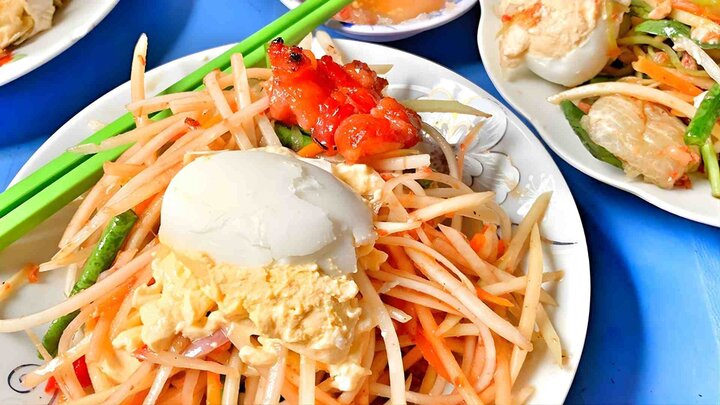
In daily life, "du du dam" appears as a mixed dish with its own character, distinct from papaya salads in many other regions. Shredded papaya combined with shrimp paste, lime, chili, and local herbs creates a balance of flavors. This taste evokes the natural conditions and characteristic eating habits of Tri Ton.
When mentioning the cuisine of Tri Ton, many people associate "du du dam" with memories tied to the Bay Nui region. The dish reflects the intersection of local ingredients and the traditional preparation methods of the Khmer community. This is what makes "du du dam" remembered as a cultural expression rather than just a standalone dish.
2. How to Create the Characteristic Flavor of Du Du Dam
2.1. Selection of Main Ingredients
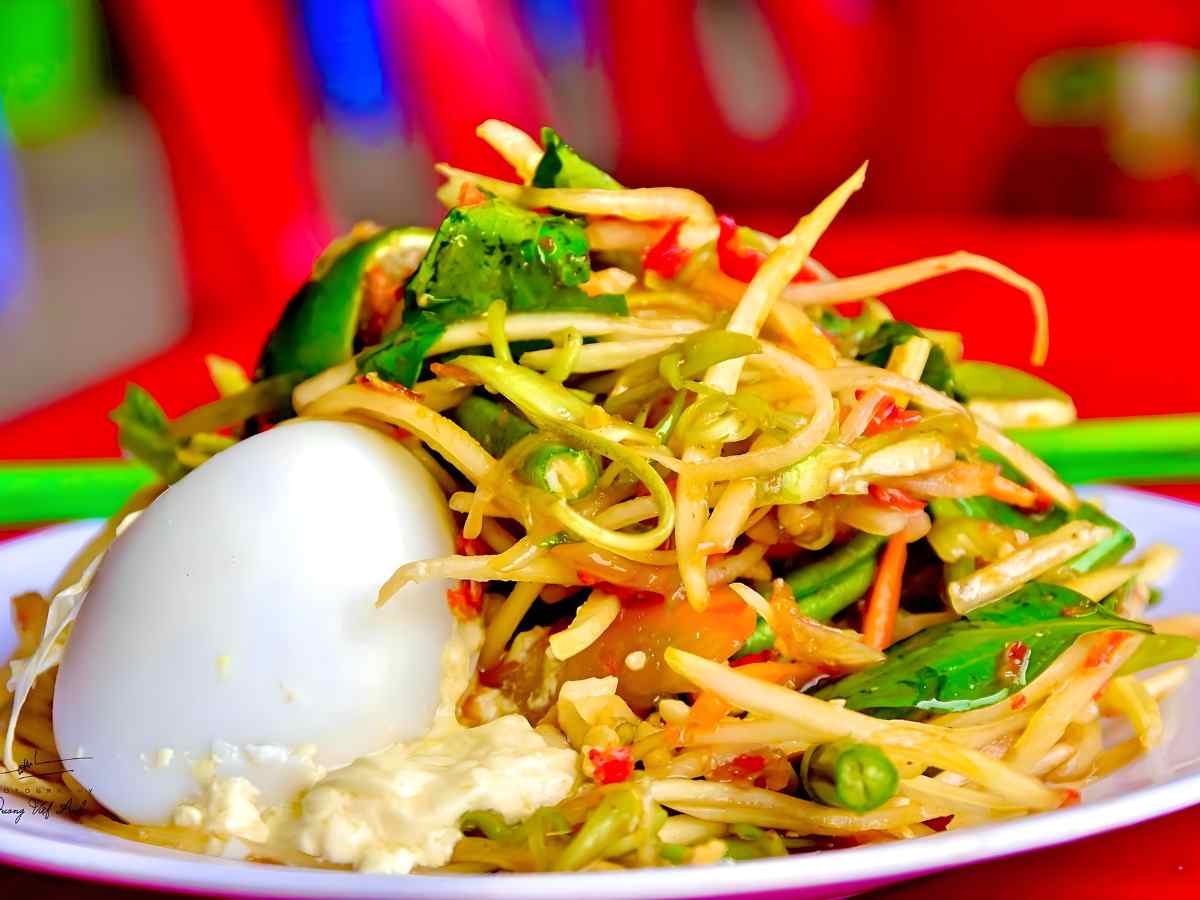
The main ingredient of "du du dam" is shredded papaya, usually chosen from the "du đủ mỏ vịt" variety, which is not fully ripe but has a crisp texture and a slight sweetness. Selecting the right ripeness of the papaya ensures the shredded strands maintain a chewy texture, forming the base for the dish's structure. This is a crucial factor determining the experience of enjoying "du du dam" in Tri Ton.
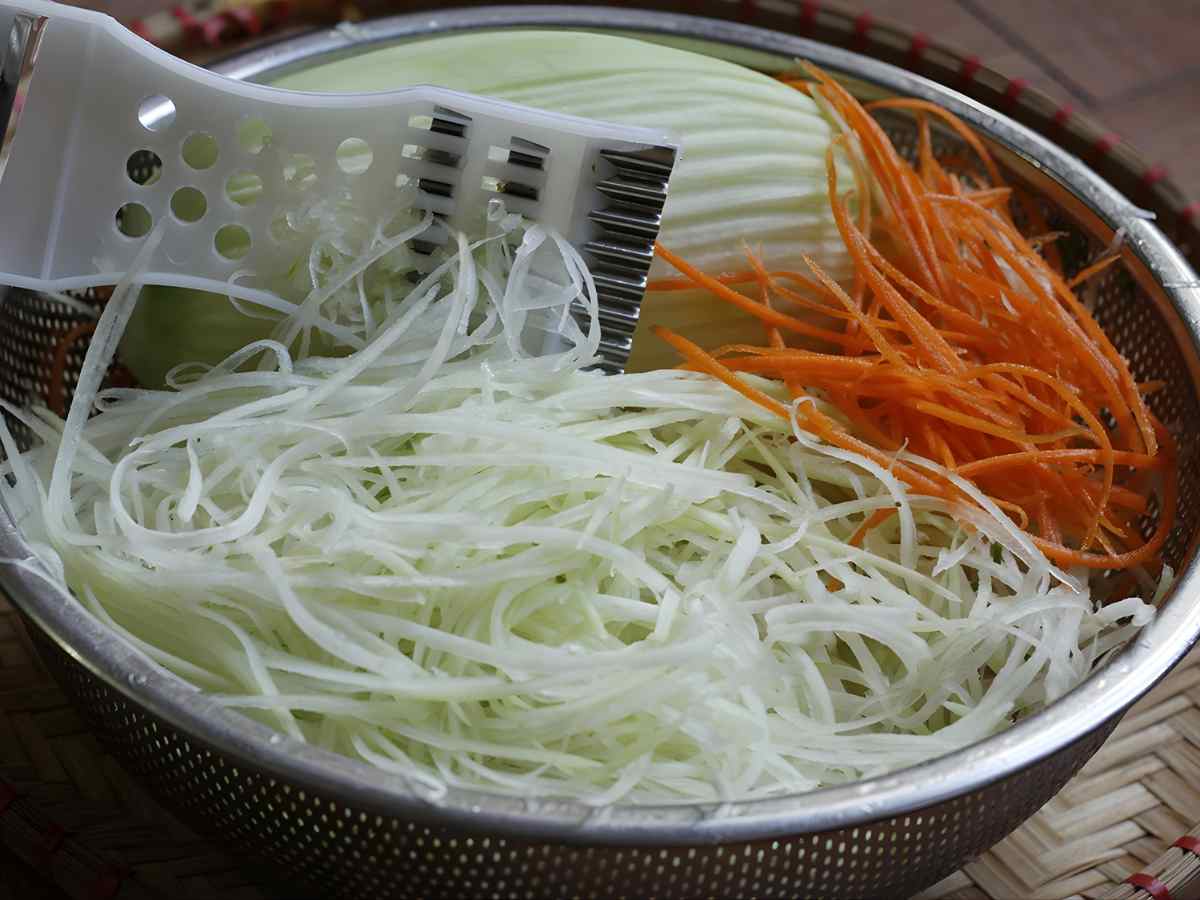
Shredded papaya is selected at the right maturity to create crispness and a refreshing taste. (Source: Collected)
After shredding, the papaya is soaked in diluted saltwater and then chilled with ice to maintain its crispness before mixing with spices. Local seasonings like shrimp paste (mam ruoc) or mud crab paste (mam ba khia) are used according to the unique experience of each Khmer family, bringing a salty taste and a characteristic mild aroma. This combination creates a familiar flavor deeply associated with local cuisine.
2.2. Manual Pounding and Mixing Technique
The manual pounding and mixing technique plays a crucial role in the preparation of pounded papaya salad. Ingredients are placed in a mortar, with sugar, salt, lime, garlic, and chili added, then pounded evenly with a pestle until the papaya shreds absorb the seasoning. This method allows the ingredients to blend naturally while preserving the texture of the shreds.
Traditional tools such as wooden mortars and pestles are still used by many Khmer families in their daily lives. The pounding and mixing process requires a feel for the force applied to ensure the seasoning adheres evenly without crushing the ingredients. This technique reflects the experience and culinary habits maintained over generations in Tri Ton.
3. Intersection of Folk Cuisine and Modern Tourism Experience
3.1. From a Local Dish to Culinary Tourism Inspiration
From a familiar dish in daily life, Tri Ton pounded papaya salad has gradually become an attractive culinary experience for tourists visiting the Tri Ton area. Besides exploring the landscapes of the Seven Mountains region, many tourists also seek out simple dishes like pounded papaya salad to better understand the life and culture of the Khmer community in the South. The simplicity in preparation and the distinct flavors of the dish have created its unique appeal, making the culinary experience an important part of the local exploration journey.
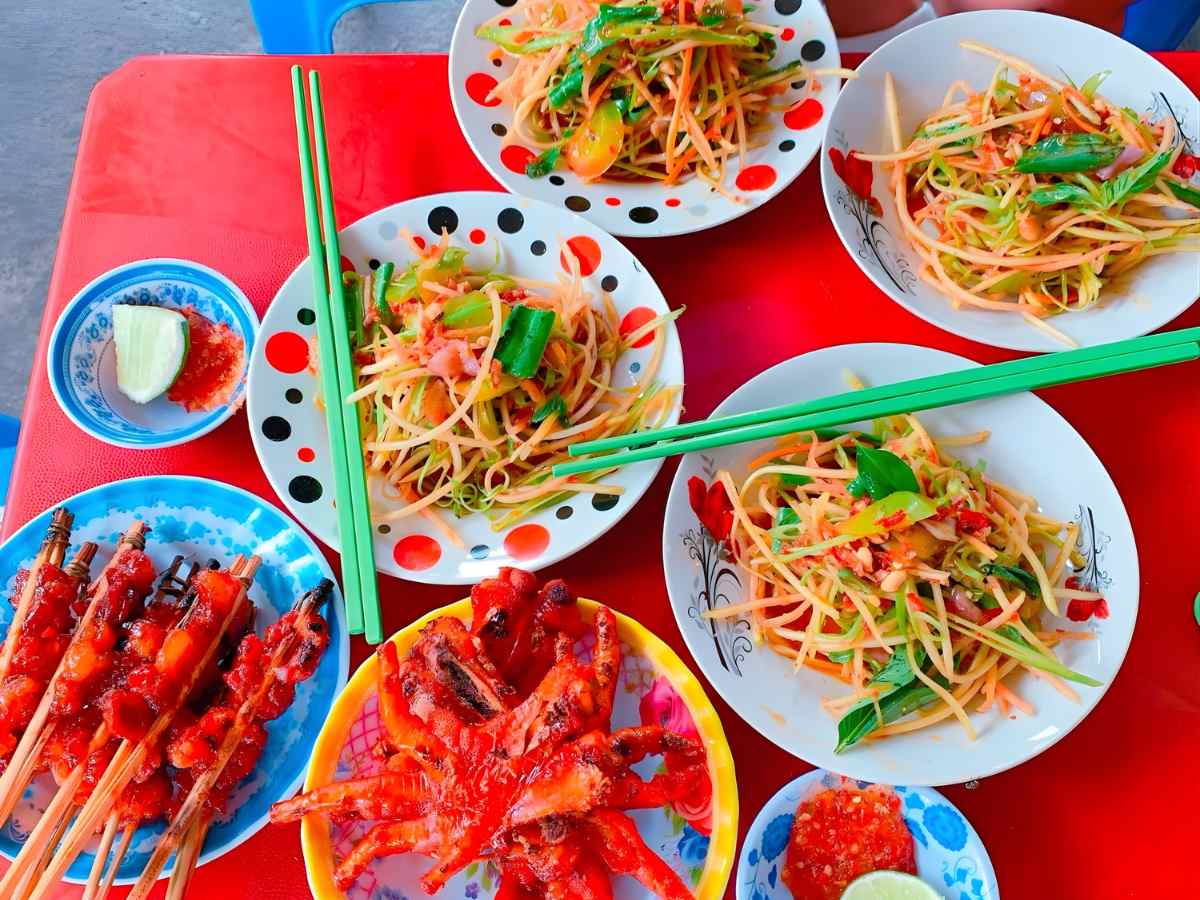
Papaya salad has evolved from a humble local dish into a modern culinary tourism experience. (Source: Collected)
As experiential travel becomes increasingly important, traditional dishes such as Tri Ton papaya salad offer more than just culinary value—they also tell the story of the local land and its people. By enjoying this dish, visitors can gain a deeper appreciation of the connection between fresh local ingredients, traditional preparation methods, and the agricultural lifestyle that defines the Bay Nui region. In this way, cuisine becomes a bridge that allows travelers to experience local culture in an authentic and engaging manner.
3.2. Expanding the Journey in Phu Quoc
After discovering the rustic culinary traditions of Tri Ton, many travelers continue their journey to other prominent destinations in southern Vietnam, including Phu Quoc. While the culinary experience in Tri Ton is closely connected to local daily life and simple dishes such as papaya salad, Phu Quoc offers a more vibrant travel atmosphere with a wide range of entertainment and resort experiences.
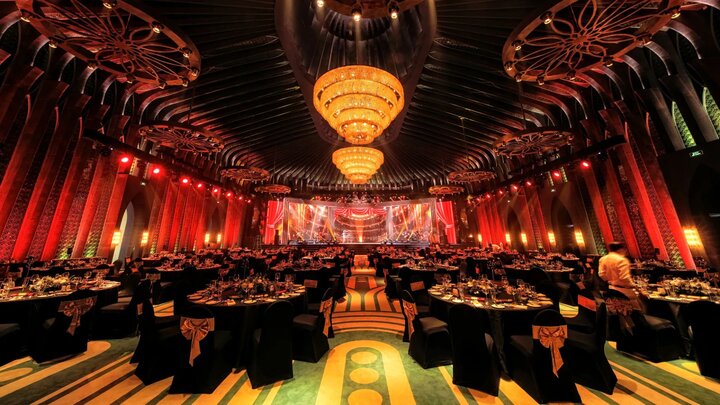
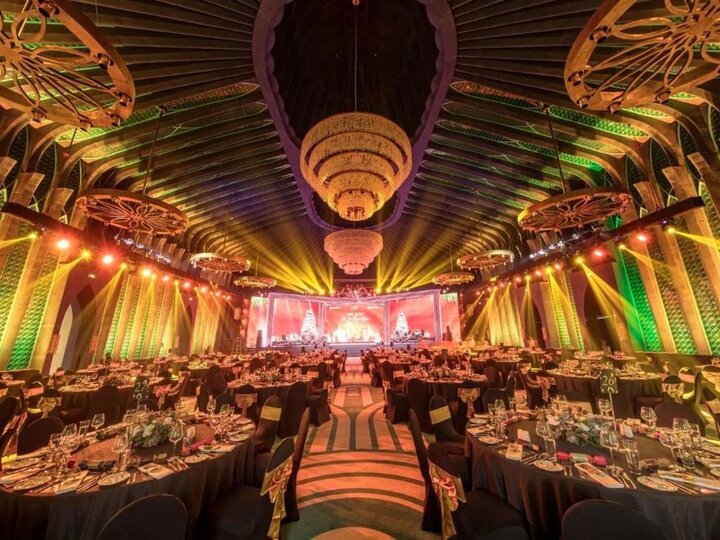
On the Pearl Island, destinations such as Sun World Hon Thom provide modern attractions that combine stunning natural scenery with large-scale recreational activities. In addition, contemporary dining venues such as Phu Quoc Brew House contribute to the island's diverse tourism landscape, allowing visitors to enjoy delicious cuisine while experiencing the lively atmosphere of one of Vietnam's most popular island destinations.
This transition - from the simple culinary experiences of Tri Ton to the modern tourism activities of Phu Quoc—creates a journey rich in diversity. Each destination offers its own unique atmosphere while contributing to a more complete and memorable travel experience.
3.3. Contrast Highlights the Value of Traditional Cuisine
The contrast between slowly savoring Tri Ton papaya salad and enjoying the modern entertainment experiences found in destinations such as Phu Quoc helps emphasize the cultural significance of traditional cuisine within today's tourism landscape. Sitting down to a plate of papaya salad allows visitors to appreciate its crisp texture, savory flavor, and distinctive local spices, providing a direct connection to the culinary heritage of the Khmer community in Southern Vietnam. This experience is deeply personal and closely tied to the rhythms of local life.
In contrast, modern entertainment activities create an energetic atmosphere and visually impressive experiences that add another dimension to the travel journey. The coexistence of these two different types of experiences enables visitors to better appreciate the cultural depth and unique identity of each destination. It is this contrast that makes the memory of traditional cuisine even more meaningful within the broader travel experience.
Without the need for elaborate variations, Tri Ton papaya salad has maintained its distinctive identity through its bold flavors and strong cultural roots in local life. When viewed within the context of contemporary travel experiences, its value extends far beyond taste, serving as a meaningful reflection of the people, the land, and the cultural identity of An Giang Province.