















1. General Introduction to Phu Dung Pagoda
1.1. Address, Location, and Unique Value of Phu Dung Pagoda
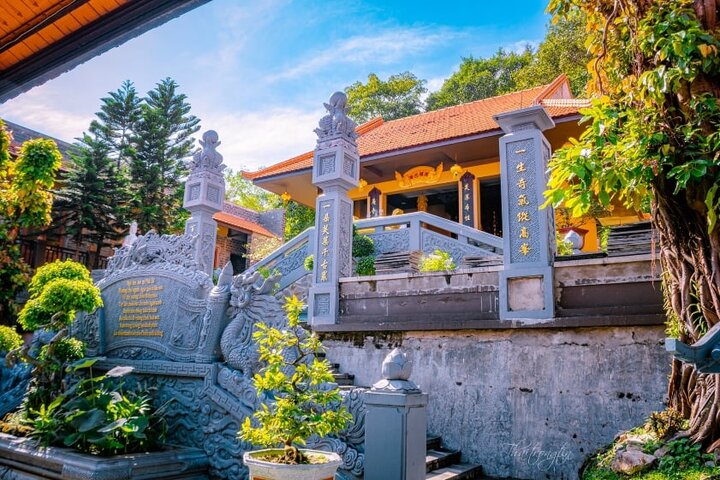
Phu Dung Pagoda (also known as Phu Cu Pagoda) is located at the foot of Binh San Mountain, Binh San Ward, Ha Tien City, An Giang Province – a place where the sea and mountains meet, near many famous historical sites of the ancient land of Ha Tien. It is not only an important pilgrimage site for Buddhist followers but also an attractive destination for tourists who love exploring spiritual culture and ancient architecture.
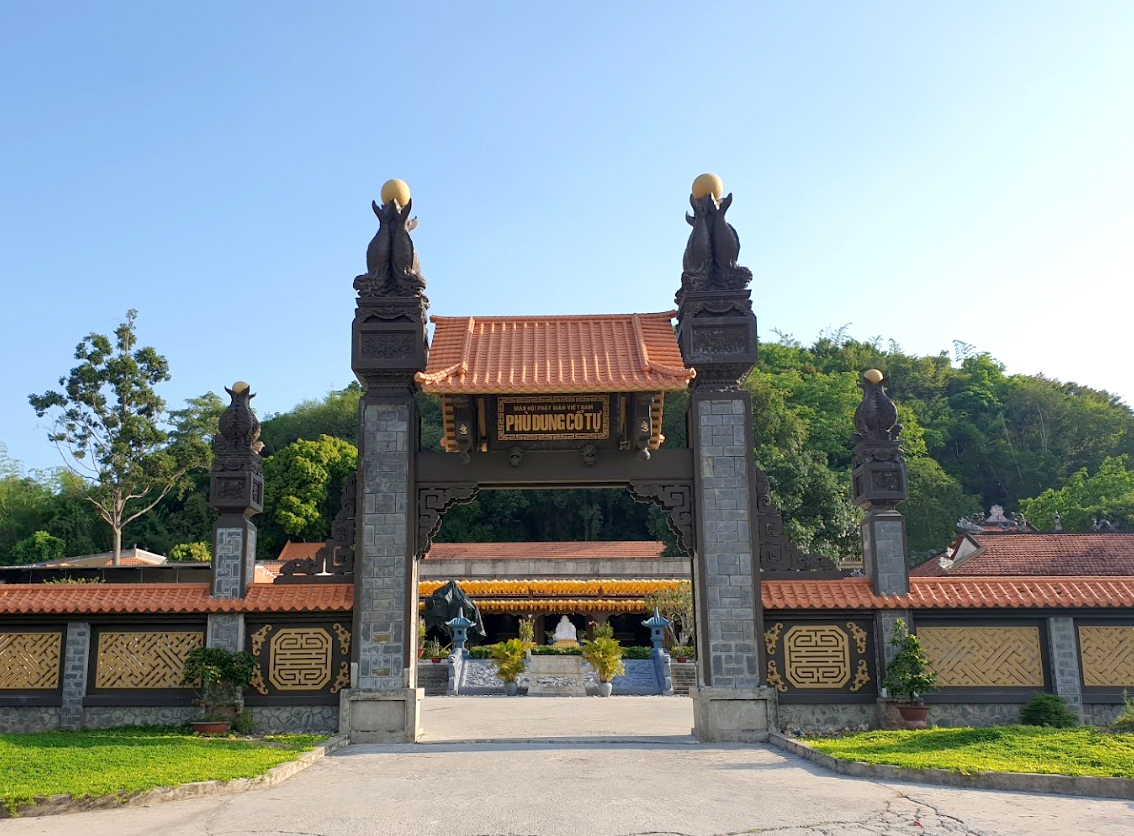
Phu Dung Temple is a famous historical relic in Ha Tien city (Source: Collected)
The unique point of Phu Dung Temple lies in the blend of traditional architecture and charming natural space. The ancient beauty of the pagoda is enhanced by the peaceful scenery, tranquil atmosphere, and lush green landscape on the mountainside. Visitors come here not only to offer incense for peace but also to admire the beauty of sculptural art, majestic Buddha statues, and the serene meditation space.
1.2. Historical information and naming
The history of Phu Dung Temple dates back to the mid-18th century, when the ancient pagoda was built by the Governor of Ha Tien – Mac Thien Tich, to serve the spiritual life and practice of his second wife, Mrs. Nguyen Thi Xuan, whose alias was Phu Dung (Phu Cu). This is the origin of the temple's name today.
Through many historical events, the pagoda was destroyed by war in 1771, leaving a small relic. Later, in the mid-19th and early 20th centuries, monks from China and local Buddhists restored and renovated it many times, reviving the sacred space of the ancient pagoda. Since then, Phu Dung Temple has continued to be preserved, becoming one of the most famous ancient pagodas in Ha Tien, possessing both profound historical value and being a place that preserves many legendary tales associated with this land.
2. Architecture and spiritual space of Phu Dung Temple
2.1. Overall architecture harmonizing with Binh San Mountain
The architecture of Phu Dung Temple bears the strong imprint of Southern Vietnamese ancient pagoda style, harmoniously combined with the natural terrain at the foot of Binh San Mountain. Instead of a massive scale, the temple impresses with its neat, balanced layout, with sections arranged along a vertical axis, facing an open space, creating a sense of tranquility right from the entrance.
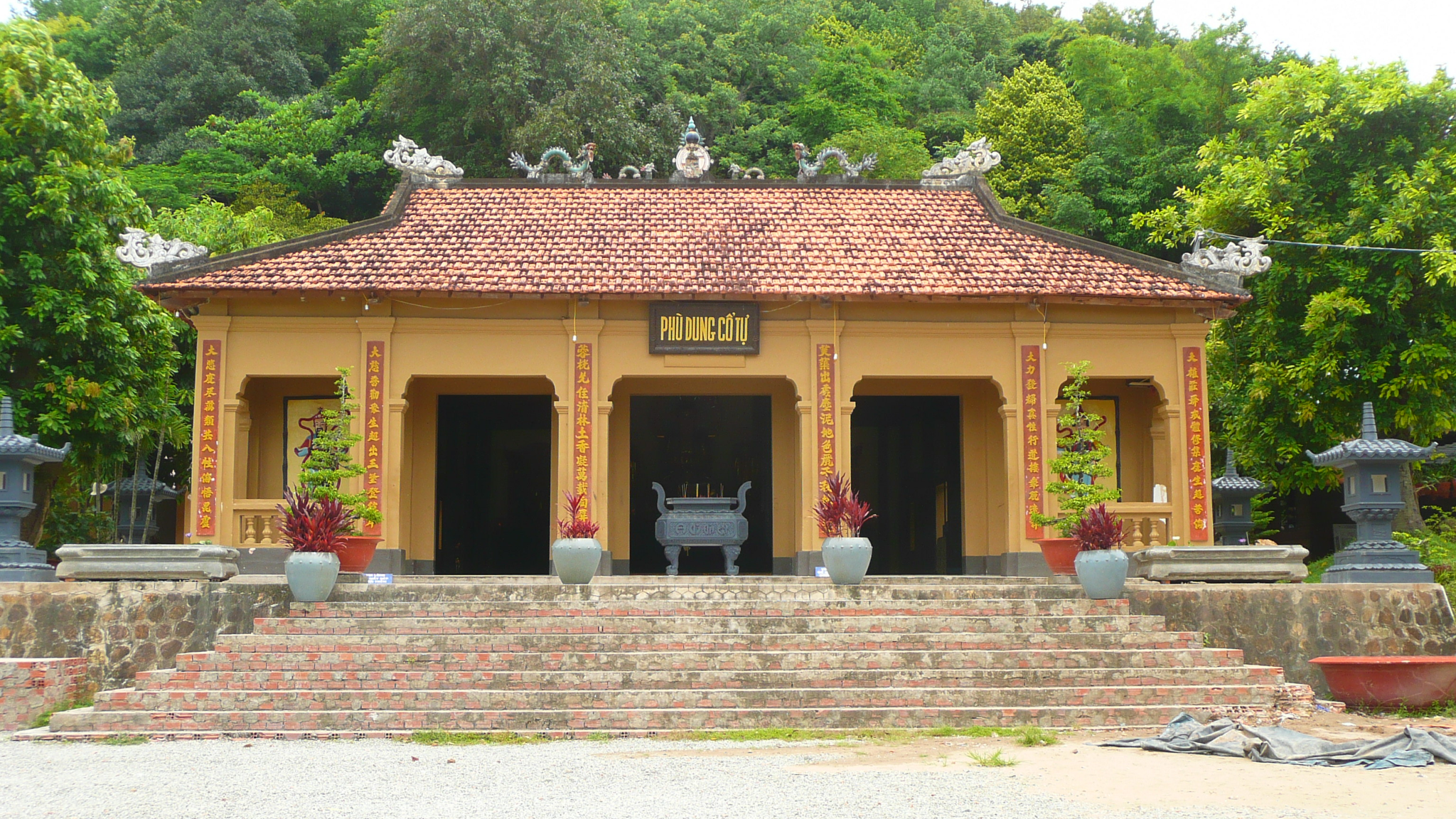
Overall architecture in the Southern ancient pagoda style at Phu Dung Ancient Pagoda (Source: Collected)
The pagoda roof is covered with traditional yin-yang tiles, slightly curved at the corners, both aesthetic and reflecting the philosophy of balance in Buddhism. The pagoda walls are covered in a deep yellow hue, combined with the red brick base and surrounding greenery, creating an ancient, simple yet very solemn overall appearance – true to the spirit of an ancient pagoda associated with the history of Ha Tien.
2.2. Main Hall, Buddha Statues, and Typical Structures
The space of the Main Hall of Phu Dung Pagoda is not too large but is arranged solemnly and peacefully. In the center is a Buddha statue seated on a high pedestal, surrounded by statues, horizontal lacquered boards, and couplets of artistic and spiritual value. Natural light is skillfully brought in, combined with soft yellow lamplight, creating a meditative atmosphere, helping visitors to the pagoda easily find peace.
Besides the Main Hall, the pagoda grounds also have auxiliary structures such as the ancestral house, the worship area for past benefactors, and living spaces for monks and nuns. Despite undergoing several renovations, the structures have retained their traditional architectural style, without modern interference, contributing to the preservation of the original values of the ancient pagoda.
2.3. Tranquil Space and Surrounding Scenery
One of the special aspects that makes Phu Dung Pagoda loved by many tourists is its quiet space, separate from the hustle and bustle of the city. The pagoda is nestled on the mountainside, surrounded by greenery, mountain winds, and the sound of forest birds, creating a sense of peace and lightness for anyone who visits.
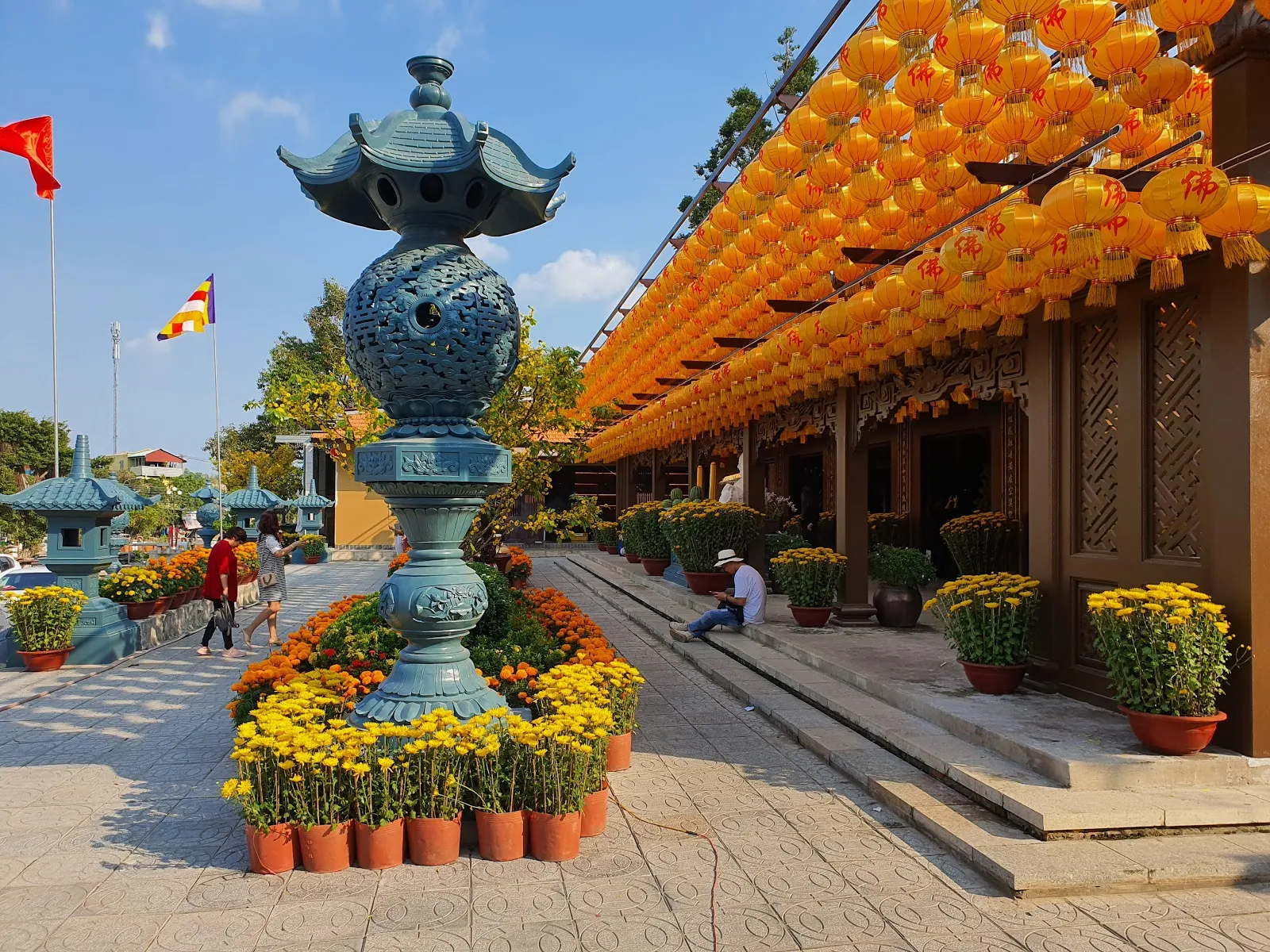
The serene space at Phu Dung Pagoda attracts many tourists and locals to visit (Source: Collected)
From the pagoda grounds, visitors can gaze out at the spacious landscape of the Ha Tien region, clearly feeling the harmony between spiritual architecture and nature. This element has made Phu Dung Pagoda not only a place for pilgrimage and worship but also an ideal stop for those seeking peace of mind.
3. Experiences when visiting and making pilgrimage at Phu Dung Pagoda
3.1. Visiting the pagoda, worshipping Buddha, and finding a tranquil space
For many tourists and Buddhists, the journey to Phu Dung Pagoda is primarily to visit the pagoda, offer incense, and pray for peace. The serene, quiet atmosphere helps visitors easily calm their minds, focusing on moments of meditation and reflection. Upon entering the main hall, a sense of lightness and peace often comes naturally, especially for those seeking balance in life.
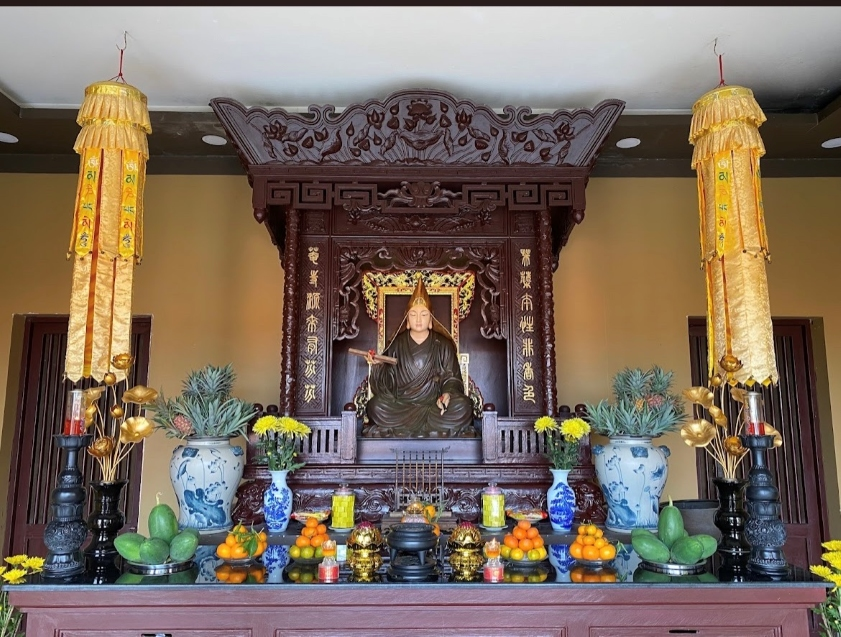
The sacred space inside Phu Dung Pagoda (Source: Collection)
The ritual of worshipping Buddha at the pagoda is simple and unpretentious, in line with the spirit of an ancient temple. Visitors often choose to light incense, clasp their hands in prayer, and spend a few quiet moments in the main hall to feel the rare tranquility amidst the mountainous landscape of Ha Tien.
3.2. Visiting and learning about the history and stories associated with Phu Dung Pagoda
Besides its spiritual significance, Phu Dung Pagoda is also a special destination for those who love to explore the history and cultural depth of the Ha Tien region. Strolling through the pagoda grounds, visitors will hear about its formation story, closely linked to the Mac family – who played a significant role in reclaiming, building, and defending the southwestern border of the country from the 18th century. This historical context has given the pagoda a special position in the spiritual life of the local people.
According to preserved documents and legends, Phu Dung Pagoda is not only a place of religious practice but also associated with stories about the fate, destiny, and inner lives of people throughout Ha Tien's history. The pagoda's name evokes an image of nobility and purity, reflecting the philosophy of living virtuously and the spirit of detachment in Buddhism amidst the turbulent social context of the time.
Each section of the pagoda, from the main hall, the ancestral house, to the subsidiary worship areas, bears the mark of time and renovations spanning many centuries. Although it has been restored to suit modern life, the architectural details, spatial layout, and arrangement still retain their ancient and solemn characteristics. Slowly walking, observing each motif, statue, and worship space will help visitors better feel the historical and cultural depth that Phu Dung Pagoda preserves, not just as an ancient pagoda, but also as a silent witness to the land of Ha Tien, past and present.
3.3. Combine with visits to nearby tourist attractions
A great advantage of visiting Phu Dung Pagoda is its proximity to many famous scenic spots in Ha Tien. After visiting the pagoda, tourists can continue their journey to explore the Mac family's tomb, Binh San Mountain, or other spiritual and scenic sites in the area.
Combining visits makes the trip more complete, offering both cultural and historical depth, as well as scenic experiences. The natural connection between Phu Dung Pagoda and its surrounding relics makes it an indispensable stop on any Ha Tien exploration itinerary.
4. Tips and notes for visiting Phu Dung Pagoda
4.1. Ideal time to visit
The most suitable times to visit Phu Dung Pagoda are early morning or late afternoon. During these times, the air is cool and quiet, perfect for visiting the pagoda, offering incense, and fully experiencing the spiritual atmosphere at the foot of Binh San Mountain.
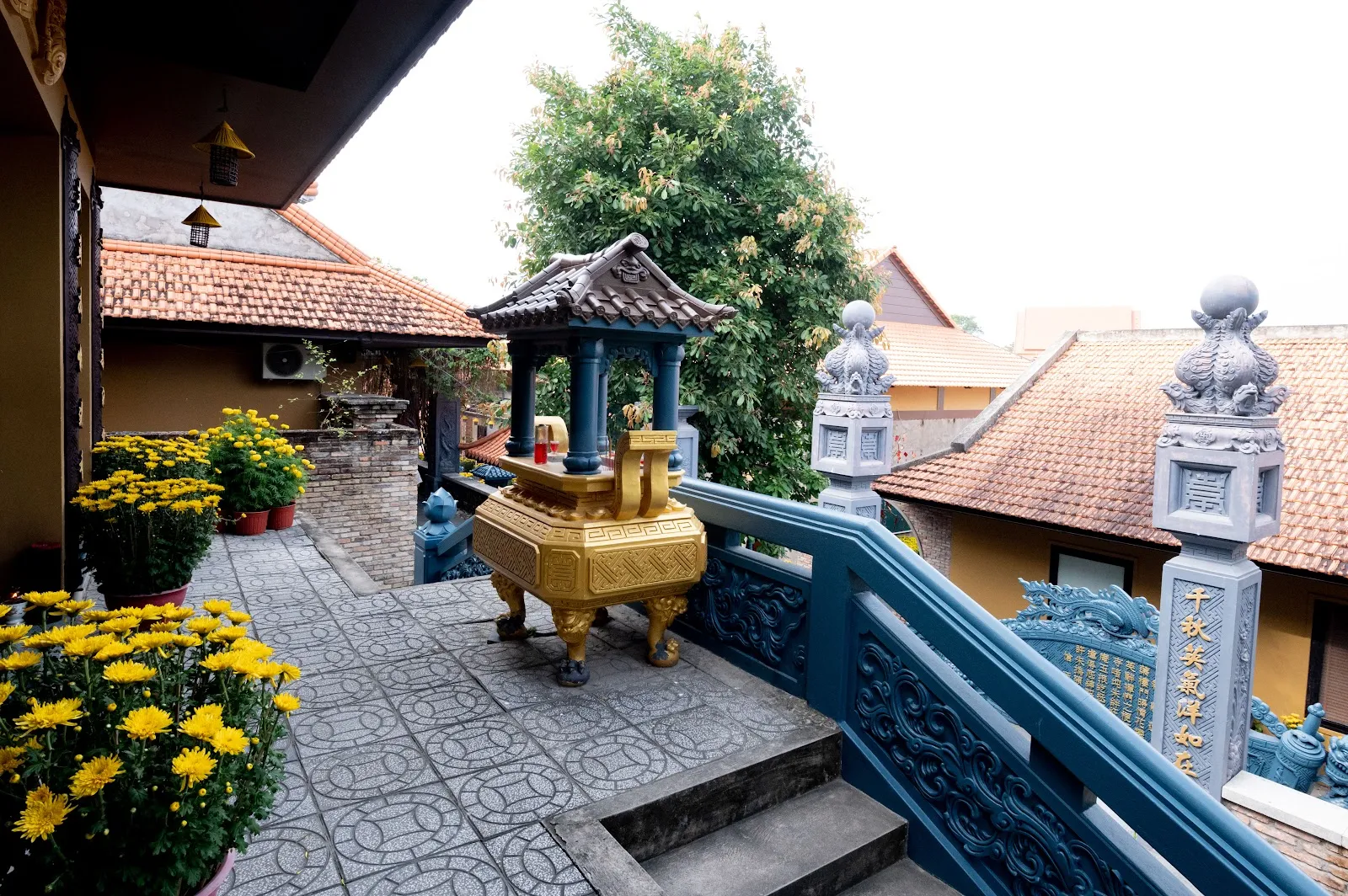
Early morning or late afternoon is a suitable time to visit Phu Dung Pagoda (Source: Collected)
If visiting during the dry season (approximately November to April), travel and visiting nearby attractions are also more convenient. During major holidays or on the full moon and first day of the lunar month, the pagoda can be crowded, so you should consider your timing if you wish to experience true tranquility.
4.2. Attire and behavior when visiting pagodas
As an ancient pagoda with spiritual and historical value, Phu Dung Pagoda requests visitors to pay attention to their attire and behavior. You should wear polite, modest clothing, avoiding overly short or shoulder-baring attire when entering the main hall.
When visiting, please maintain order, speak softly, and refrain from running or playing within the pagoda grounds. Photography should be done moderately, avoiding disturbance to the spiritual space and those praying.
4.3. Combine a reasonable sightseeing itinerary
As Phu Dung Pagoda is located near many famous historical sites and scenic spots in Ha Tien, you should arrange a reasonable itinerary to save time and effort. After visiting the pagoda, visitors can continue to visit Mac Cuu Mausoleum, Binh San Mountain, or other spiritual-historical tourist attractions in the area.
Additionally, bring drinking water, hats, and comfortable shoes as you may have to walk quite a bit if combining visits in one session. Thorough preparation will make your trip to Phu Dung Pagoda easier, more complete, and more experiential.
Having gone through many historical events, Phu Dung Pagoda still retains its ancient charm and deep spiritual value, becoming an inseparable part of Ha Tien's cultural landscape. From its architecture harmonizing with nature, the stories associated with the Mac family, to the peaceful feeling when visiting the pagoda, all create a destination that is both rich in historical depth and brings tranquility to the soul. If you have the chance to visit Ha Tien, taking time to visit Phu Dung Pagoda will surely bring you a profound and memorable experience.