















1. Introduction to Hon Phu Tu (Father and Son Islets)
1.1. Location and Overview of the Scenic Spot
Hon Phu Tu (Father and Son Islets) is a famous scenic spot located in Ba Trai Hamlet, Binh An Commune, An Giang Province. This destination is situated on the coastal sea area, about 38 km from the center of Ha Tien City and about 70 km from Rach Gia City, making it very convenient to combine into an An Giang exploration itinerary.
This scenic spot was once likened to the "Mekong Delta's Ha Long Bay" due to its picturesque natural scenery and the system of limestone rocks standing alone amidst the blue sea. In 1989, Hon Phu Tu (Father and Son Islets), along with the Hon Chong relic site, was recognized by the Ministry of Culture as a National Scenic Spot, attracting a large number of domestic and international tourists.
1.2. Special Shape and Symbolic Meaning
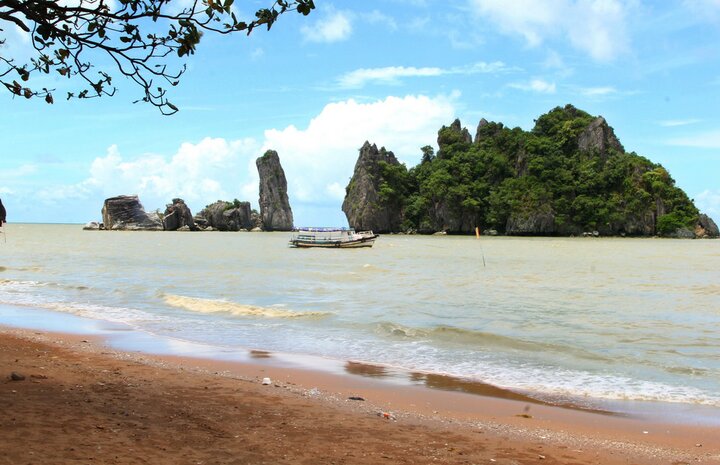
The most unique feature of Hon Phu Tu (Father and Son Islets) is its structure consisting of two large and small limestone blocks connected on a rock base about 5 meters above sea level, with the larger block named Hon Phu (Father Islet) and the smaller one named Hon Tu (Son Islet). This formation leads many people to associate it with the image of a father and son standing close together, facing the vast sea – a symbol of sacred family affection.

Hon Phu Tu symbolizes the sacred bond of family (Source: Collected)
Local legends tell that the islet carries a profound humanistic story about father-son love and courage in the face of nature, further enhancing the charm and spiritual significance of the destination. Despite undergoing changes over time and having suffered partial erosion, Hon Phu Tu still retains its symbolic value and captivating beauty with the vast sea and sky.
1.3. Natural landscape and surrounding environment
Adjacent to Hon Phu Tu is the scenery of blue sea, cool breeze, and sandy stretches at Bai Duong area – where tourists often stop to relax and take photos. The surrounding space is filled with wildness, sometimes interspersed with rustling green casuarina rows, creating a landscape that is both peaceful and majestic.
From the coast, you can admire the panoramic view of Hon Phu Tu under the brilliant rays of sunrise or sunset. The salty air, the murmuring waves, and the strange rock formations make Hon Phu Tu an ideal check-in point and an unmissable nature experience when traveling to An Giang.
2. Detailed guide to traveling to Hon Phu Tu
2.1. Traveling from Ha Tien City
From the center of Ha Tien City, tourists can travel to Hon Phu Tu with a distance of about 35–40 km, taking 45–60 minutes by car. The most popular route is to follow National Highway 80 towards Ha Tien – Rach Gia, then turn onto the provincial road leading to Hon Chong – Binh An tourist area.
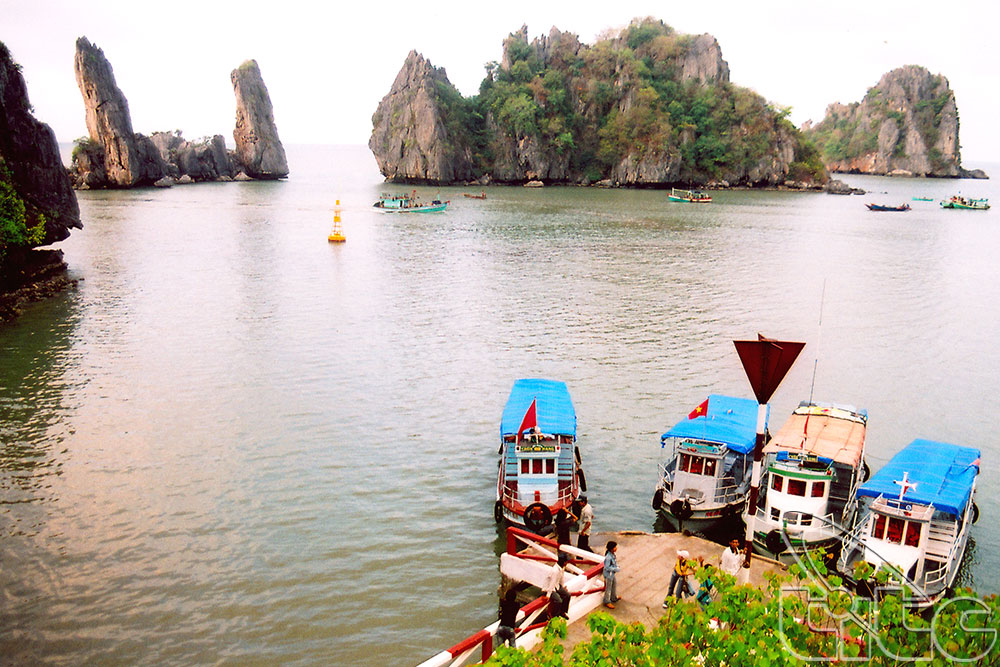
It only takes about 60 minutes for visitors to travel from the center of Ha Tien to Hon Phu Tu (Source: Collected)
This route is relatively easy to travel, with a wide road and clear signs, making it suitable for both motorbikes and personal cars. Along the way, you can also combine sightseeing of the coastal scenery and the characteristic fishing villages of the Kien Luong region.
2.2. Traveling from Rach Gia City and surrounding provinces
If departing from Rach Gia City, the distance to Hon Phu Tu is about 70 km, with a travel time of 1.5–2 hours depending on the vehicle. You should follow National Highway 80 towards Ha Tien, and upon reaching Kien Luong district, turn onto the road leading to Hon Chong tourist area.
For visitors from Ho Chi Minh City or the Mekong Delta provinces, you can take a bus to Rach Gia or Ha Tien, and then rent a motorbike, taxi, or service car to continue your journey. Bus routes to An Giang operate frequently, making it convenient to arrange for day trips or overnight stays.
2.3. Suitable transportation for visiting the Hon Phu Tu area
Motorbikes are a popular choice for many visitors to Hon Phu Tu due to their flexibility, ease of stopping, and convenience for exploring nearby attractions such as Hon Chong, Bai Duong, or Hang Pagoda. The visitor area has a parking lot near the entrance, which is quite convenient and safe.
If traveling with family or a large group, a personal car or taxi will make the trip more comfortable, especially on hot sunny days. Choosing the right mode of transportation will help you save time and have a more complete experience when visiting this scenic spot.
3. Unmissable experiences when visiting Hon Phu Tu
3.1. Admire the complete picturesque landscape
The first and most impressive experience when coming to Hon Phu Tu is to witness firsthand the rare harmonious natural landscape. Two towering limestone pillars rise majestically amidst the blue sea, with the Hon Chong mountain range behind and the vast open sea in front, creating a landscape that is both majestic and poetic.
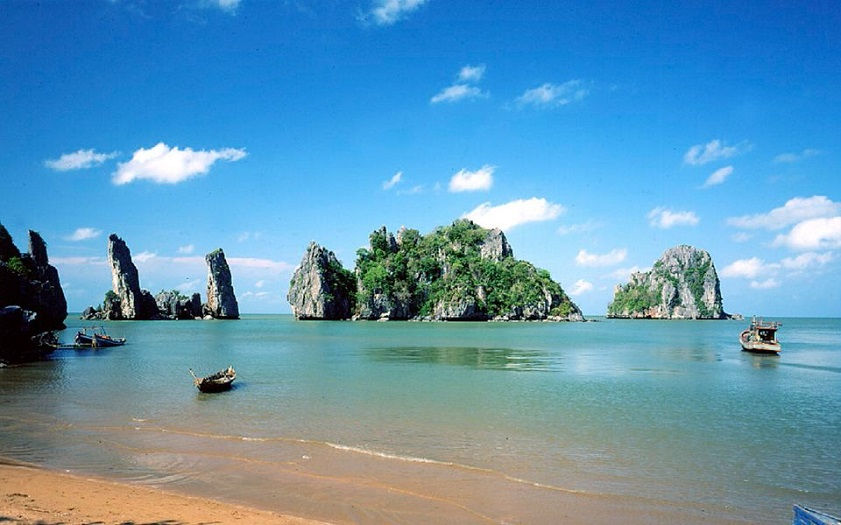
Beautiful natural scenery at Hon Phu Tu (Source: Collected)
Visitors can spend time strolling along Bai Duong beach, choosing different perspectives to appreciate the beauty of Hon Phu Tu in each moment. At each time of day, this scenic spot takes on a unique character – peaceful and gentle in the morning, and contemplative and profound as the afternoon wanes.
3.2. Learn about the legend and spiritual value of the scenic spot
One of the factors contributing to the enduring charm of Hon Phu Tu is the touching legend of father-son affection associated with the shape of the two rock formations. According to folk tales, this place symbolizes the protection, bond, and sacrifice of a father for his child against the storms of the sea, giving the scenic spot a deeper spiritual meaning than just a regular tourist attraction.
When visiting, many tourists choose to stop and listen to locals recount the legend, combined with learning about the role of Hon Phu Tu in the cultural life of the Kien Luong region. It is this cultural depth and humanistic value that makes the trip meaningful, leaving a lasting impression on visitors.
3.3. Check-in, take photos, and capture sunset moments
For photography enthusiasts, Hon Phu Tu is one of An Giang's prominent check-in spots. The unique shape of the two rock formations, combined with the blue sea, vast sky, and natural light, creates an ideal backdrop for photos with a distinct coastal feel.
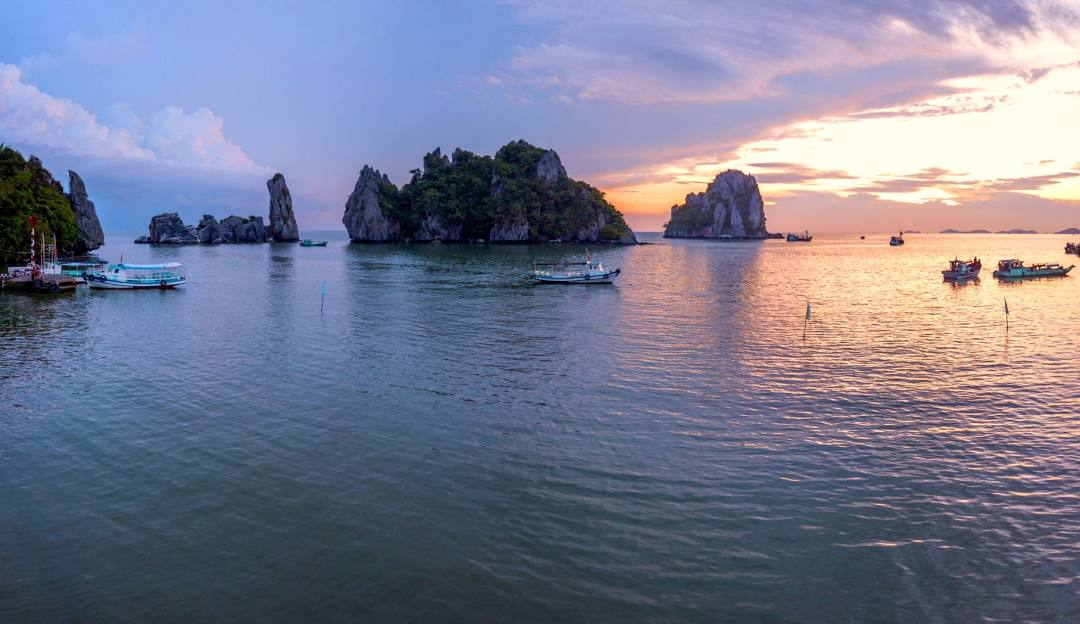
Beautiful sunset scenery at Hon Phu Tu (Source: Collected)
The most favored time by many tourists is when sunset descends. As the sun gradually sets beyond the horizon, the sunlight dyes the sea surface golden and casts the silhouette of Hon Phu Tu against the sky, creating a scene that is both romantic and peaceful. This is also the moment that makes many people choose to stay longer, enjoying the rare tranquility by the sea.
3.4. Combine visiting nearby attractions around Hon Phu Tu
After visiting Hon Phu Tu, tourists can combine exploring more famous nearby tourist spots such as Hang Pagoda (Hai Son Tu), Hon Chong area, or the surrounding pristine beaches. Combining multiple destinations in the same area makes the journey richer without taking too much travel time.
These sequential experiences not only help you better understand the local landscape and daily life but also provide a comprehensive view of An Giang's natural beauty. Thus, the trip to Hon Phu Tu becomes a complete journey exploring both the scenery and the cultural depth of the Southwestern coastal region.
4. Detailed and Useful Tips for Visiting Hon Phu Tu
4.1. Ideal time to visit
The most suitable time to explore Hon Phu Tu is during the dry season, from around November to April of the following year. During this period, the weather has less rain, mild sunshine, and calm seas, which are very convenient for travel, sightseeing, and enjoying the coastal scenery.
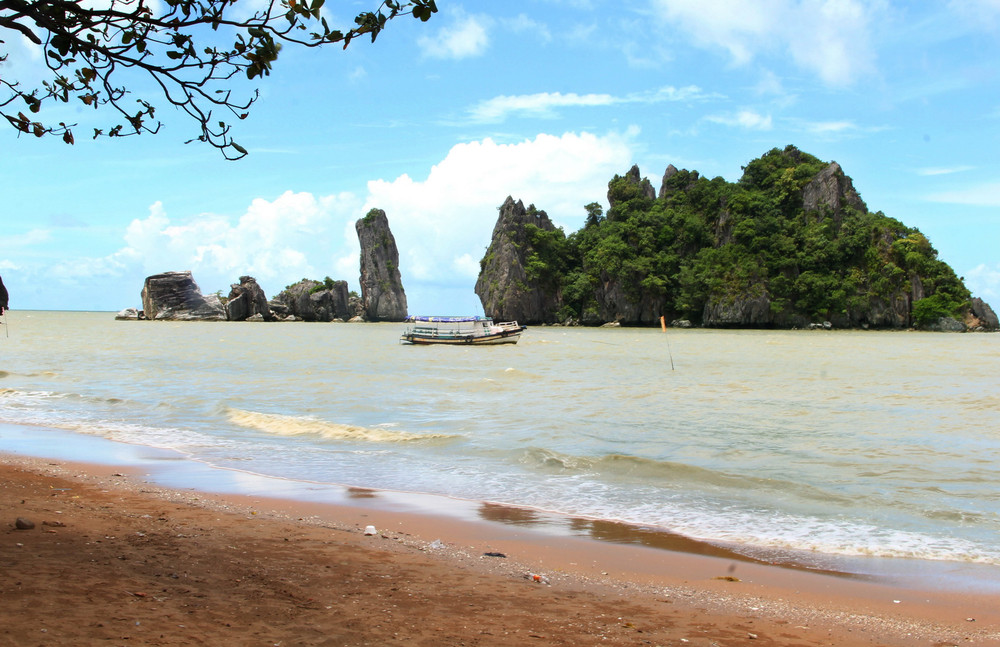
The dry season is a beautiful time of year to explore Hon Phu Tu (Source: Collected)
You should prioritize visiting in the early morning or late afternoon to avoid the harsh sun and enjoy the cool, pleasant atmosphere. Especially, the afternoon is the ideal time to combine with watching the sunset – one of the experiences many tourists love when visiting Hon Phu Tu.
4.2. Prepare necessary clothing and items
When visiting Hon Phu Tu, you should choose light, airy clothing suitable for the sea weather. Sneakers or sandals with good grip are suitable choices, helping you move safely on the rocky shore and coastal paths.
Additionally, don't forget to prepare hats, sunscreen, drinking water, and some light snacks, especially when visiting during the sunny season. If you plan to take many photos, you should also bring a camera or a phone with a full battery to capture all the beautiful moments at this scenic spot.
4.3. Safety precautions when visiting the coast
During your visit to Hon Phu Tu, tourists should not climb on the rocks by the sea or get too close to areas with strong waves, especially on windy days. The rock surfaces can be slippery due to algae and seawater, posing a safety risk.
If traveling with young children or the elderly, you should observe carefully and stay together throughout the journey. Adhering to the signs and instructions at the tourist area will help ensure a safe and enjoyable visit.
4.4. Preserve the landscape and cultural values
As a scenic spot with symbolic meaning, Hon Phu Tu needs to be preserved to maintain its natural beauty and long-term cultural value. Tourists should not litter, carve on rocks, or disturb the surrounding landscape.
Besides, maintain a respectful attitude when visiting areas with spiritual significance and listen to the guidance of the local management. The awareness of each tourist will contribute to making Hon Phu Tu always an attractive and sustainable destination for future generations.
Not only famous for its rare natural beauty, Hon Phu Tu also leaves a mark on tourists' hearts thanks to its cultural, historical values, and profound symbolic meaning. A visit to Hon Phu Tu is not just about sightseeing and taking photos, but also an opportunity to feel the connection between humans and nature, between legend and reality. If you have the chance to visit An Giang, this is definitely a must-visit destination in your journey to explore the Southwest sea region.