















1. Culinary value of dried puffed catfish in the life of the Hau River region
1.1. Role of Pangasius fish in local livelihood
Pangasius fish, scientifically known as Pangasianodon hypophthalmus, is an aquatic species that has long been associated with the Hau River region. This fish is commonly found in the aquaculture and fishing activities of the people in the Mekong Delta. Over time, Pangasius fish has become a familiar part of the livelihood for many riverside households. In local life, Pangasius fish is not only used as daily food. It is also a raw material for many processed products serving the domestic market. As a result, the economic value of Pangasius fish has expanded in various directions.
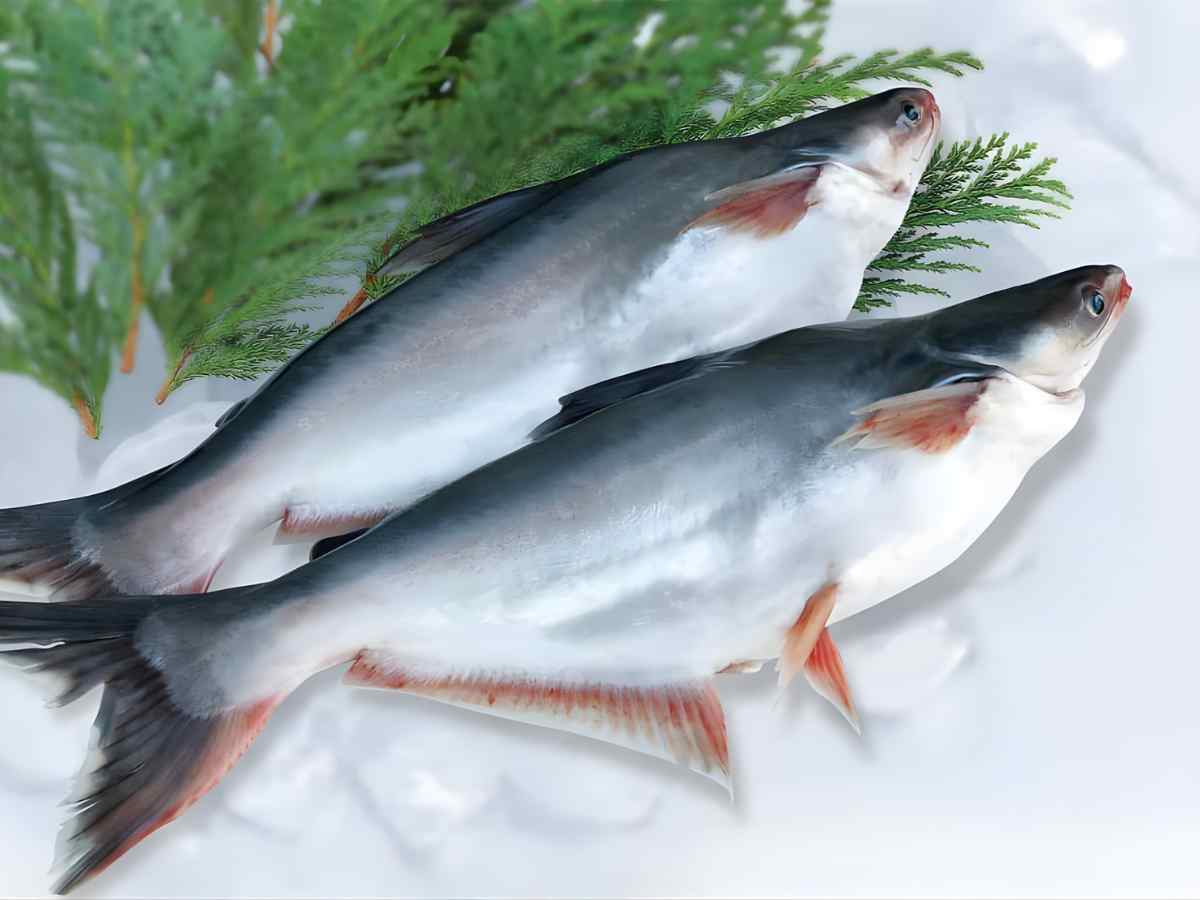
Pangasius fish has long been associated with the livelihood and life of the people in the Hau River region. (Source: Compiled).
The abundance of fish has spurred the formation of traditional processing crafts. Among them, making dried puffed pangasius is a popular choice for many riverside families. This method helps preserve the fish longer after the harvest season. Many households in the Hau River region maintain a stable income by raising and processing pangasius. This activity creates a link between aquaculture production and local culinary life. Through this, pangasius continues to play an important role in the economy of riverside communities.
1.2. Dried puffed pangasius in the culinary culture of the Mekong Delta
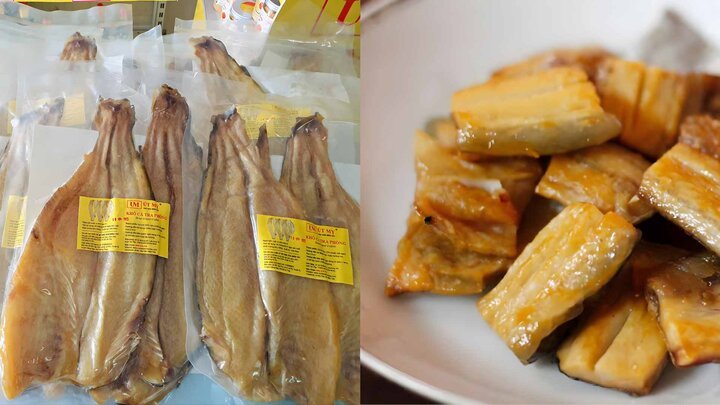
Dried puffed pangasius is a familiar dish in the meals of the people in the Hau River region. This dried dish often appears in provinces such as An Giang, Dong Thap, and Vinh Long. The flavor of the dried fish clearly reflects the cuisine associated with riverine conditions. During family gatherings, dried puffed pangasius is usually prepared in a simple way. When fried, the dried piece has a moderate chewiness and crispness, making it easy to eat. This way of enjoying it has been associated with many generations of people in the Mekong Delta.
Not only does it hold culinary value, but dried puffed pangasius also evokes a sense of connection in family life. The dish often appears in intimate, cozy meals. Thus, dried fish has become a part of the culinary memory of the riverine region. Today, many tourists seek to buy dried puffed pangasius as gifts when visiting the Mekong Delta. This dried dish contributes to introducing the local culinary culture to outsiders. This shows the interaction between traditional cuisine and tourism experiences.
2. The process of creating dried puffed pangasius
2.1. Ingredient selection and preparation
The process of creating dried puffed pangasius begins with ingredient selection, which is the foundational step for the quality of the finished product. The pangasius chosen is usually fresh, with relatively uniform weight and size to facilitate subsequent steps. Selecting the right ingredients helps the fish meat maintain good structure and the skin meet requirements when entering the drying phase.
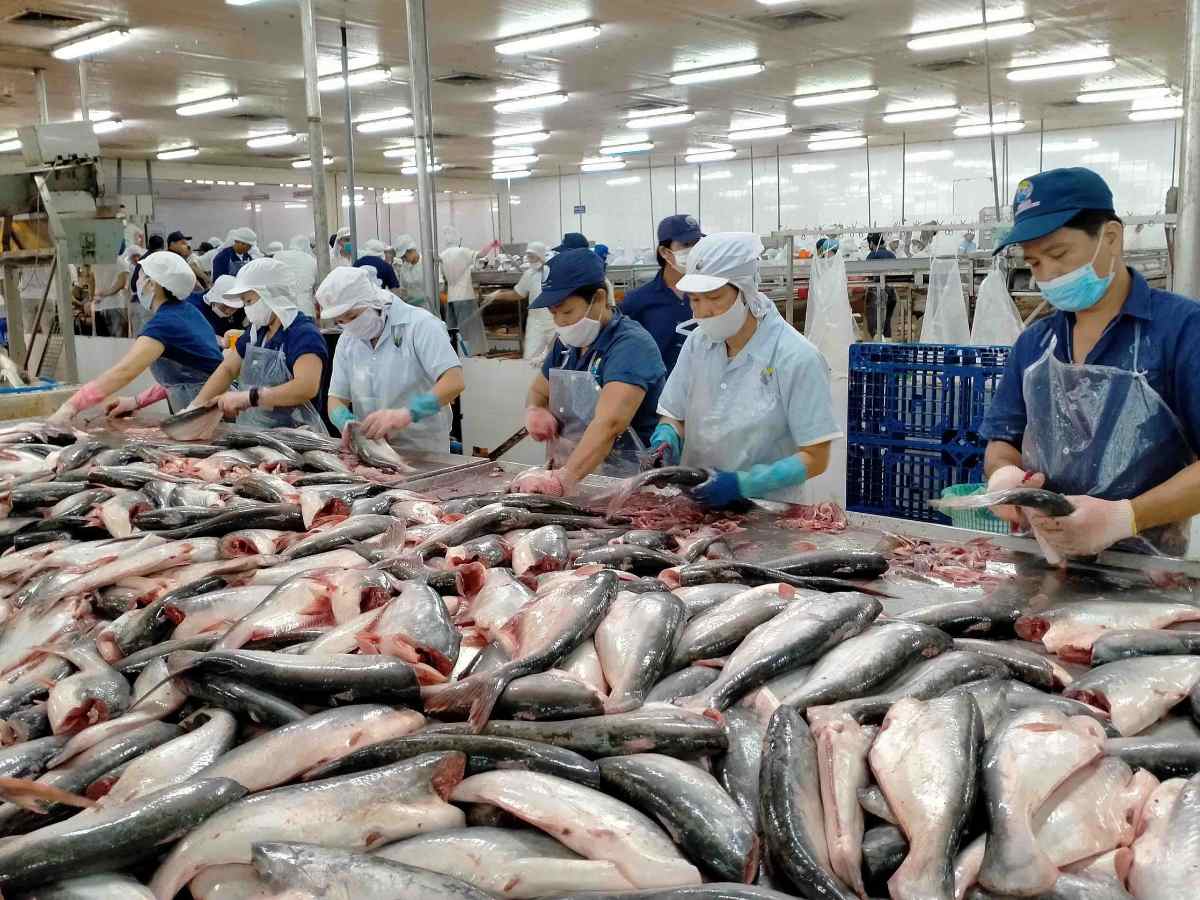
The selection and preliminary processing of pangasius determine the quality of the dried product. (Source: Collected).
After harvesting, pangasius is washed many times to remove mud and impurities attached to the outside. The workers remove the internal organs and clean off the slime to limit the fishy smell during processing. This step helps retain the natural flavor of the fish and creates a pleasant sensation when consuming the finished product.
After preliminary processing, the fish is cut into pieces of appropriate size for the traditional drying method. Evenly cut fish pieces allow for more uniform salting. Thus, the seasoning can penetrate deep into each muscle fiber and create the characteristic flavor for dried puffed pangasius.
2.2. Sun-drying and puffing technique
After preliminary processing and salting are completed, the fish is arranged on drying racks under natural sunlight. The drying period usually lasts for three to four sunny days, depending on the weather conditions each day. Throughout this process, the workers regularly flip the fish to ensure all sides are dried evenly. Sun-drying is a crucial step that significantly affects the quality of dried puffed pangasius. The duration and intensity of the sun determine the remaining moisture content in each piece of fish. This moisture directly impacts the puffing ability and crispiness when the dried fish is fried.
The difference of dried puffed pangasius compared to many other dried products lies in the fish skin after drying. The fish skin is not completely dried but retains a certain amount of moisture. When exposed to heat, this skin will puff up and create the characteristic crispy texture.
The experience of the workers is evident in their monitoring of the weather and adjustment of the drying time accordingly. Over-drying or insufficient sun-drying both affect the balance between the fish meat and skin. If not controlled properly, the dried piece will not achieve the desired crispiness and rich flavor.
3. Traditional specialties inspiring contemporary tourism
3.1. Local cuisine in the flow of modern experiences
Local cuisine, such as dried puffed pangasius, is increasingly present in experiential tourism journeys in the Mekong Delta. Tourists are not only interested in natural landscapes but also spend time learning about dishes associated with local life. Through cuisine, trips are enriched with a cultural layer of experience.
Traditional processed seafood products help tourists gain a closer insight into the lives of riverside people. Each dish reflects habits, natural conditions, and how locals adapt to their living environment. As a result, the culinary experience becomes more closely tied to each specific destination.
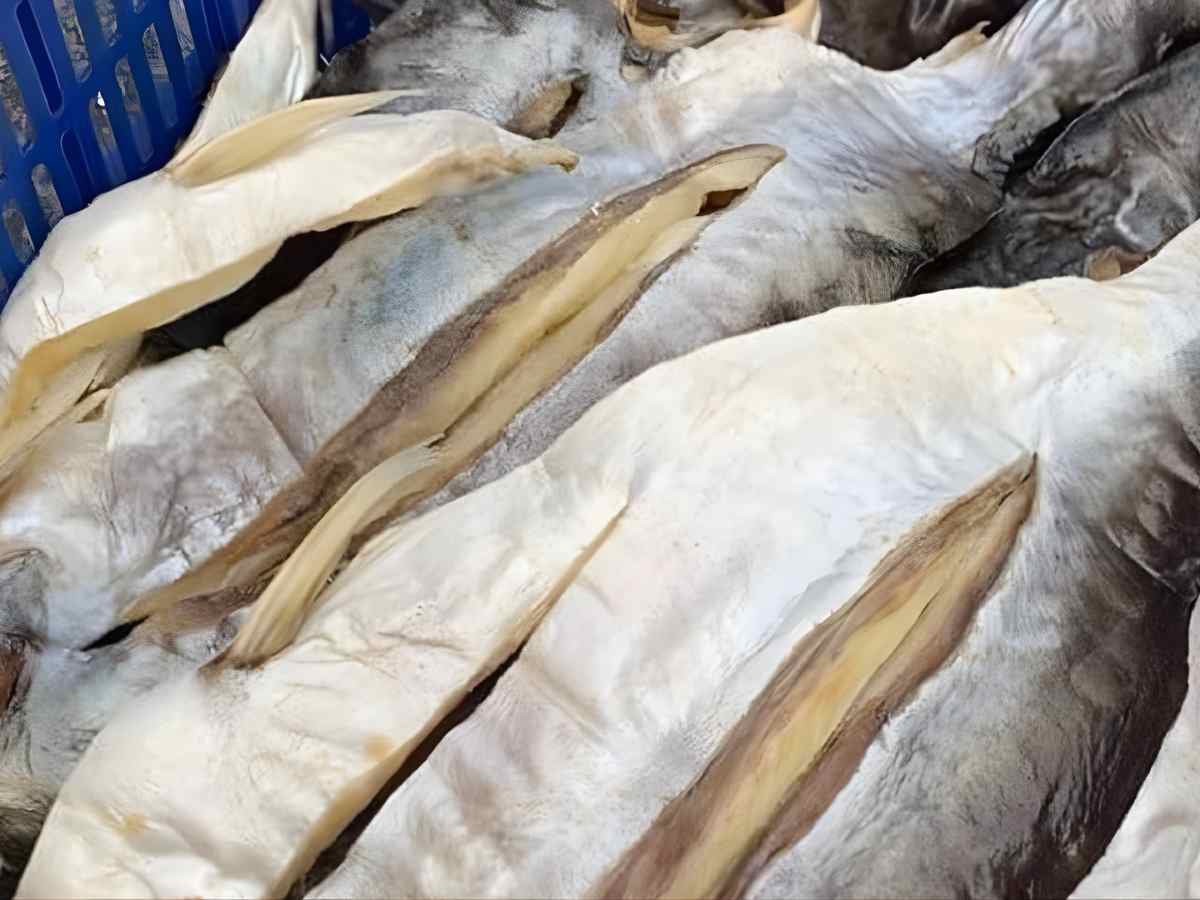
Dried pangasius fish contributes to shaping the local culinary experience in modern tourism. (Source: Collected).
Combining enjoying local dishes and visiting ancient processing craft villages creates new exploration journeys. Tourists have the opportunity to observe the fish drying process and chat with local people. These experiences contribute to enriching the Mekong Delta travel itinerary.
Compared to modern dishes, puffed dried pangasius fish offers a different sensation thanks to its familiar taste and traditional preparation method. The dish is not elaborate but leaves an impression due to its connection with river life. Thus, local cuisine becomes an important factor in the tourism experience.
3.2. Associating the value of art and entertainment spaces in the South of the Island
In the current landscape of Vietnamese tourism, many destinations harmoniously combine scenery with experiential activities. Areas like the South of Phu Quoc Island offer diverse spaces for tourists to explore. Here, traditional culinary elements are placed within a broader experiential context.
Sun World Hon Thom is one of the destinations that creates a combination of entertainment and cultural exploration. Tourists can experience island scenery alongside learning about local life. This combination helps make the travel itinerary more balanced.
Spaces like Sun Signature Gallery in the South of Phu Quoc Island open up different approaches to experience. From dishes bearing local imprints, tourists proceed into modern art exhibition spaces. This transition creates a seamless feeling in the exploration journey.
When traditional cuisine is placed alongside art and entertainment activities, the tourism experience is broadened in depth. Tourists have more opportunities to associate familiar dishes with modern contexts. Thus, local culture is perceived from various perspectives.
Carrying the imprint of the Hau River region, puffed dried pangasius fish is not merely a familiar dish in daily life. This specialty is also the crystallization of the river environment, persistent labor, and community memories preserved through generations. When placed in the context of modern tourism and experiences, puffed dried pangasius fish is more clearly recognized as an integral part of the Mekong Delta's cultural identity.