















1. Details about the Memorial Site of President Ton Duc Thang
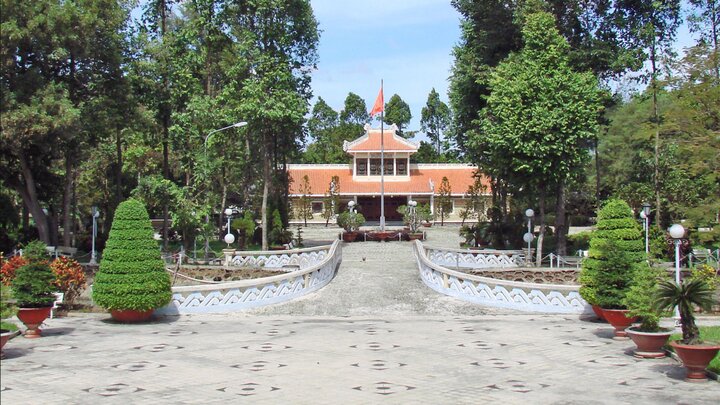
The Memorial Site of President Ton Duc Thang is located at Ong Ho Islet, My Hoa Hung Commune, An Giang Province, associated with the early living space of President Ton Duc Thang. This site not only holds historical value but also reflects the connection between people and the Southern Vietnamese riverine region where he grew up. Through its spatial organization, the memorial site helps visitors better visualize the context of his ideological and personality development.
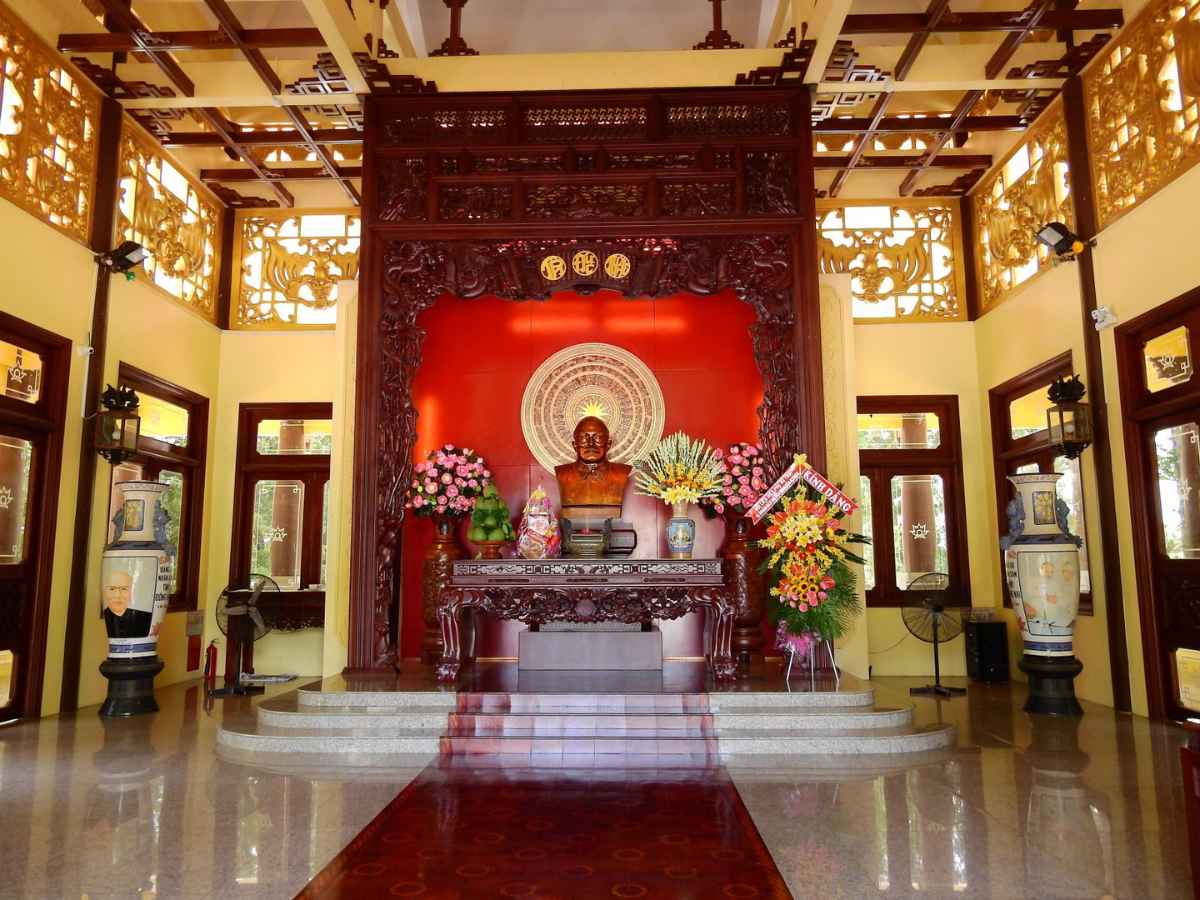
The memorial site of President Ton Duc Thang recreates a solemn historical memory space. (Source: Collected)
The space of the memorial site is considered a preserved part of memory, where the story of President Ton Duc Thang's life is present through the landscape, architecture, and surrounding environment. Each area within the premises is associated with a specific period, creating a seamless connection between the past and the present. This helps visitors approach history in a more visual and intimate way.
Within the overall memorial site, the childhood home plays a central role by reflecting the family life and activities of President Ton Duc Thang in his early years. The stilt house, built in the late 19th century, still retains many familiar details, helping to recreate the living space of an old Southern Vietnamese family. Preserving it in its original state allows viewers to better feel the connection between people and the riverine environment.
Besides its historical value, the memorial site is also an experiential destination, where visitors can slow down to observe and reflect. The open space, combining architecture and natural landscape, creates a gentle and tranquil feeling. This harmony allows historical memories to be conveyed naturally, without being heavy on presentation or interpretation.
2. Spatial Structure and Exhibition System at the Memorial Site
2.1. Overall Layout and Approach
The overall layout of the memorial site of President Ton Duc Thang is organized into several functional areas such as the childhood home, the memorial area, the document exhibition house, and interspersed green spaces. The components are arranged along a clear visiting axis, allowing visitors to easily visualize the overall structure from the moment they enter. This arrangement creates a coherent and convenient feeling throughout the movement process.
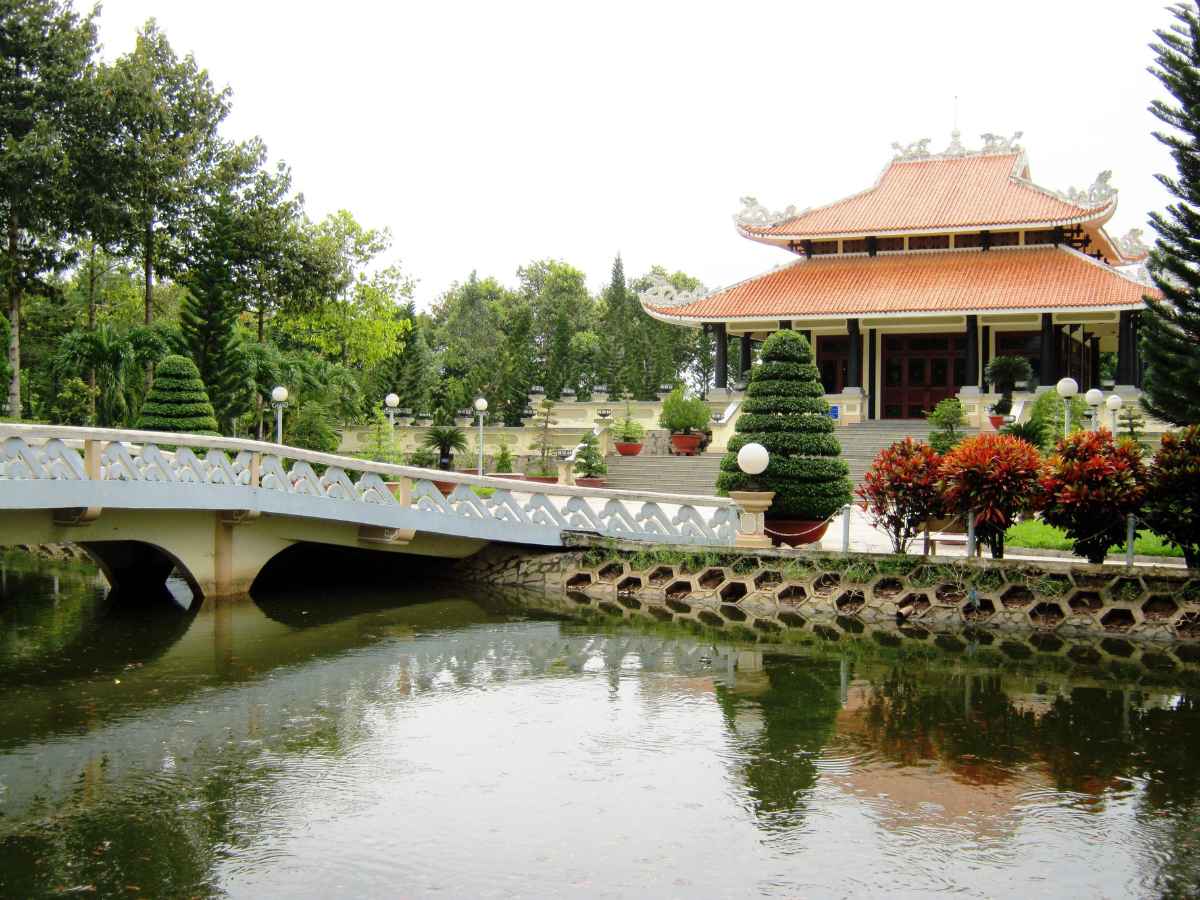
The overall layout of the memorial site creates coherence in the visiting journey. (Source: Collected)
The approach to the areas is designed sequentially from outside to inside, from open spaces to more enclosed exhibition areas. Visitors can access each content sequentially without interruption to their experience. The pace of movement therefore occurs naturally and does not cause a feeling of haste.
The arrangement of memorial areas and exhibition areas close to each other helps historical content to be received continuously. Visitors can easily connect information between spaces without having to go back or change their route. This contributes to maintaining a stable emotional flow throughout the visiting journey.
2.2. Exhibition Content by Timeline
The exhibition hall at the memorial site introduces the stages in the life and career of President Ton Duc Thang through images, documents, and artifacts. The exhibition content covers from his youth, his study process, participation in revolutionary activities, to later periods. The materials are arranged chronologically, allowing viewers to follow the story clearly.
The chronological presentation helps each period become coherent and closely linked. Visitors not only observe artifacts but also understand the historical context associated with each milestone. This helps to highlight President Ton Duc Thang's journey of activity throughout his life.
2.3. Landscape Space
The landscape space of the memorial site is imbued with the Southern Vietnamese riverine character, with abundant greenery, open pathways, and areas overlooking the Hau River. The landscape is kept in a harmonious state, creating a relaxed feeling for visitors as they move between areas. This element helps the visiting experience not to be too information-heavy.
Rest stops are arranged interspersed within the grounds, allowing visitors time to rest and observe the surrounding space. The combination of natural landscape and exhibition content creates a slow visiting pace. This makes the memorial site not only a place to learn about history but also a space for feeling and contemplation.
3. Life and Career of Ton Duc Thang
3.1. Family Background and Childhood
Ton Duc Thang was born on August 20, 1888, in My Hoa Hung commune, An Giang province. He came from a patriotic peasant family, living mainly by farming and handicrafts. From a young age, he witnessed the hardships of the people under the colonial regime, which fostered his patriotism and fighting spirit.
The living environment in the Southern Vietnamese countryside, rich in traditions of solidarity and affection, profoundly influenced his character. His childhood experiences not only helped him understand the suffering of the working people but also nurtured his will to rise up and his aspiration to contribute to the nation.
3.2. Revolutionary Activities
During his growth, Ton Duc Thang early participated in the workers' movement and activities against oppression. He worked at the Ba Son shipyard in Saigon, where the workers' movement was developing strongly. Here, he participated in organizing and leading strikes, contributing to raising the fighting consciousness of the Vietnamese working class.
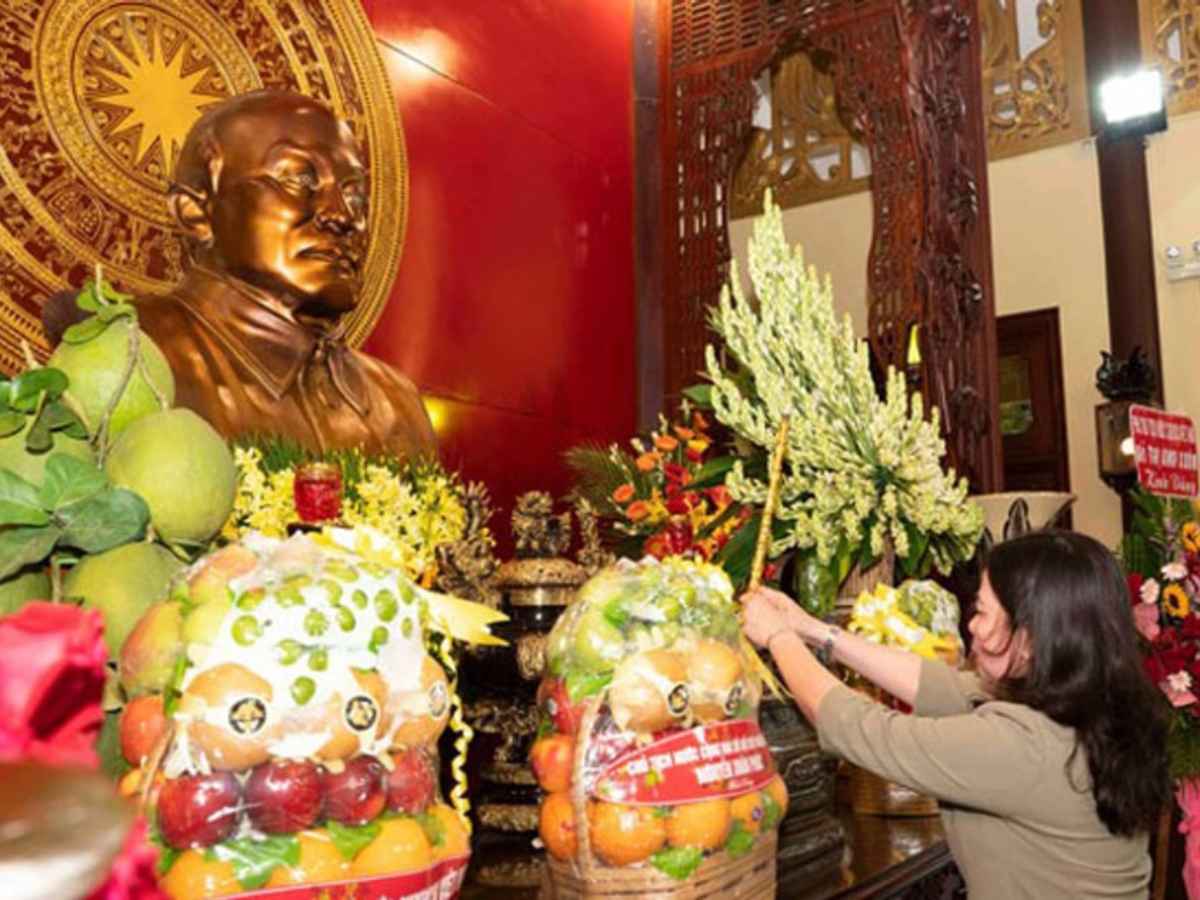
Ton Duc Thang participated in organizing and leading the strike. (Source: Compilation)
One of the important milestones in his revolutionary life was the event of participating in the mutiny on the warship France in 1919 to support the October Revolution in Russia. Afterwards, he continued his revolutionary activities and was arrested by the French colonialists and imprisoned at Con Dao for many years. Despite the harsh conditions of imprisonment, he maintained his revolutionary spirit, becoming a symbol of strong will and loyalty to the ideal of national liberation.
3.3. Role in leading the country
After the country gained independence, Ton Duc Thang continued to hold many important responsibilities. He served as President of Vietnam from 1969 to 1980, succeeding Ho Chi Minh. During this period, he, along with the collective leadership, guided the country through many difficulties, especially the period of resistance against the US and the early years after national reunification.
With a simple, approachable, and dedicated leadership style, he always put the interests of the people and the nation first. His contributions were not only reflected in his political role but also in consolidating national unity and building the foundation for the country's development. The life and career of Ton Duc Thang are a typical example of patriotism, steadfastness, and tireless dedication to the Vietnamese revolution.
4. Suggested experiences for visiting the memorial site
4.1. Half-day visit to the memorial site
To fully absorb the content and atmosphere, visitors can spend half a day visiting the memorial site. This amount of time is suitable for moving slowly and observing each area in sequence. Not rushing makes the experience more cohesive.
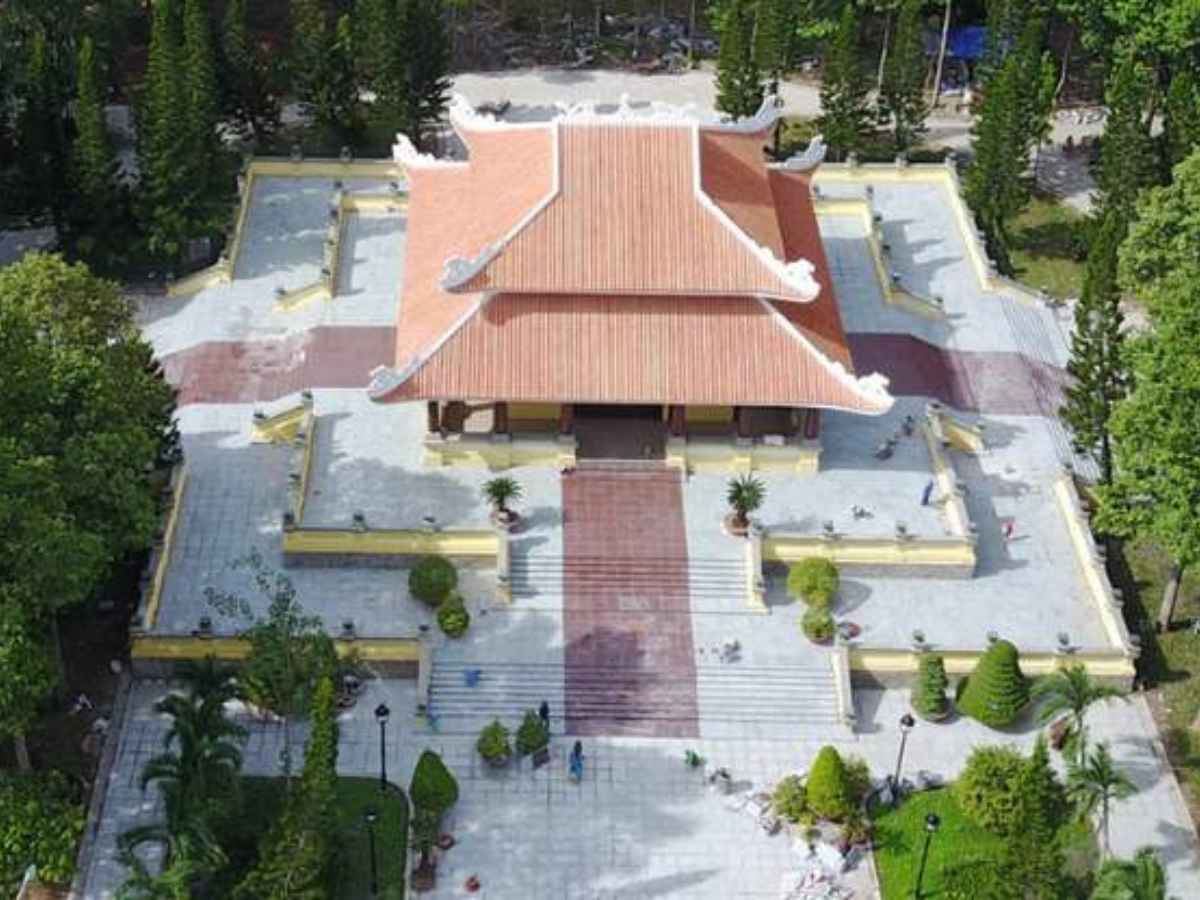
Spending half a day visiting the memorial site offers a profound and complete experience. (Source: Collected)
The tour can begin from the entrance, followed by the childhood home and exhibition areas. Each stop carries its own layer of information, requiring time for observation and reflection. This arrangement helps historical content to be absorbed in a natural flow.
Throughout the half-day visit, visitors can intersperse breaks in the garden or along tree-lined paths. These pauses help reduce fatigue and maintain a steady pace of the visit. As a result, the historical experience becomes more pleasant and profound.
4.2. Combining Cultural Experience and Open Space
After leaving the memorial site, visitors can continue their journey by exploring life along the Hau River. Community living spaces and residential areas offer an intimate perspective on the local lifestyle. This is a way to connect history with present-day life.
Strolling, sitting to observe, or chatting with locals helps maintain emotional continuity after the visit. These gentle activities keep the experience flowing at a slow pace. Thus, history and culture are felt within the same emotional flow.
The open spaces by the river also provide opportunities for visitors to reflect on the connection between people and the land. What was learned at the memorial site is placed in the context of contemporary life. This makes the experience more seamless and profound.
4.3. Expanding the Journey from Historical Memory to Phu Quoc Tourism
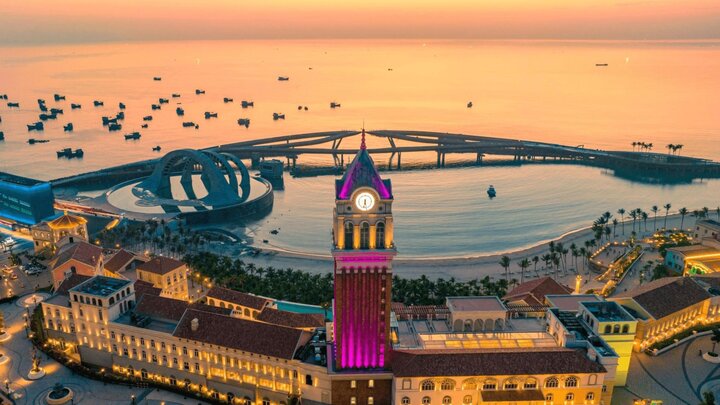
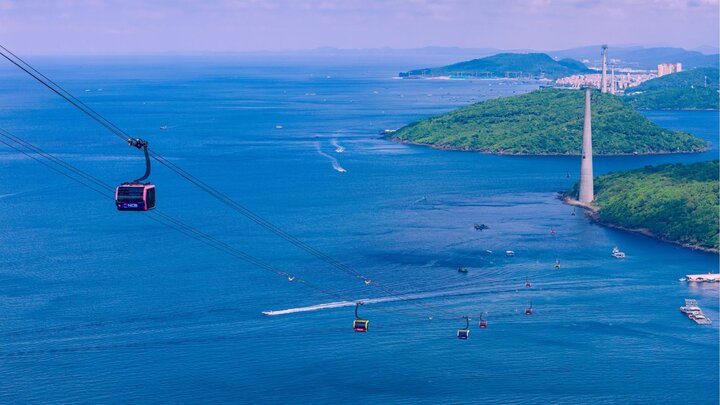
From the tranquil experience at the memorial site, visitors can expand their journey to more exploratory tourist destinations. The Hon Thom Cable Car in Phu Quoc offers a different perspective on nature through an aerial journey. This experience emphasizes the change in space and the sensation of movement.
The fast pace of travel and the wide-open view create a contrast with the slow walking pace within the memorial site. This difference helps balance emotions throughout the trip. Visitors can clearly feel the diversity in approaching spaces and stories.
Combining historical memory with contemporary tourism experiences makes the journey richer. Each destination offers a unique layer of perception, from historical depth to scenic breadth. Thus, the trip is not just about sightseeing but also a process of experiencing different rhythms.
Concluding the journey at the Ton Duc Thang President Memorial Site, visitors not only tour but also clearly feel the spirit and great character of a leader. The exhibition space at the Ton Duc Thang President Memorial Site is educational and historical, contrasting with the entertainment experience of Sun World Hon Thom.