
















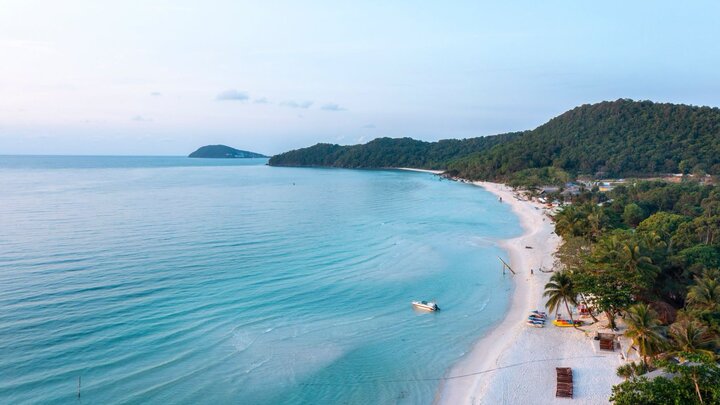
1. Where does the history of Phu Quoc begin?
1.1. Phu Quoc before it was explored
To fully understand the history of Phu Quoc, one must first look back at the period when this island was still a wild land in the Gulf of Thailand. With the largest area among Vietnam's island systems, Phu Quoc possesses a special location as it lies on an important maritime trade route connecting many areas in Southeast Asia. The favorable natural conditions and strategic location have made this place quickly become a land of interest to many communities and merchants.
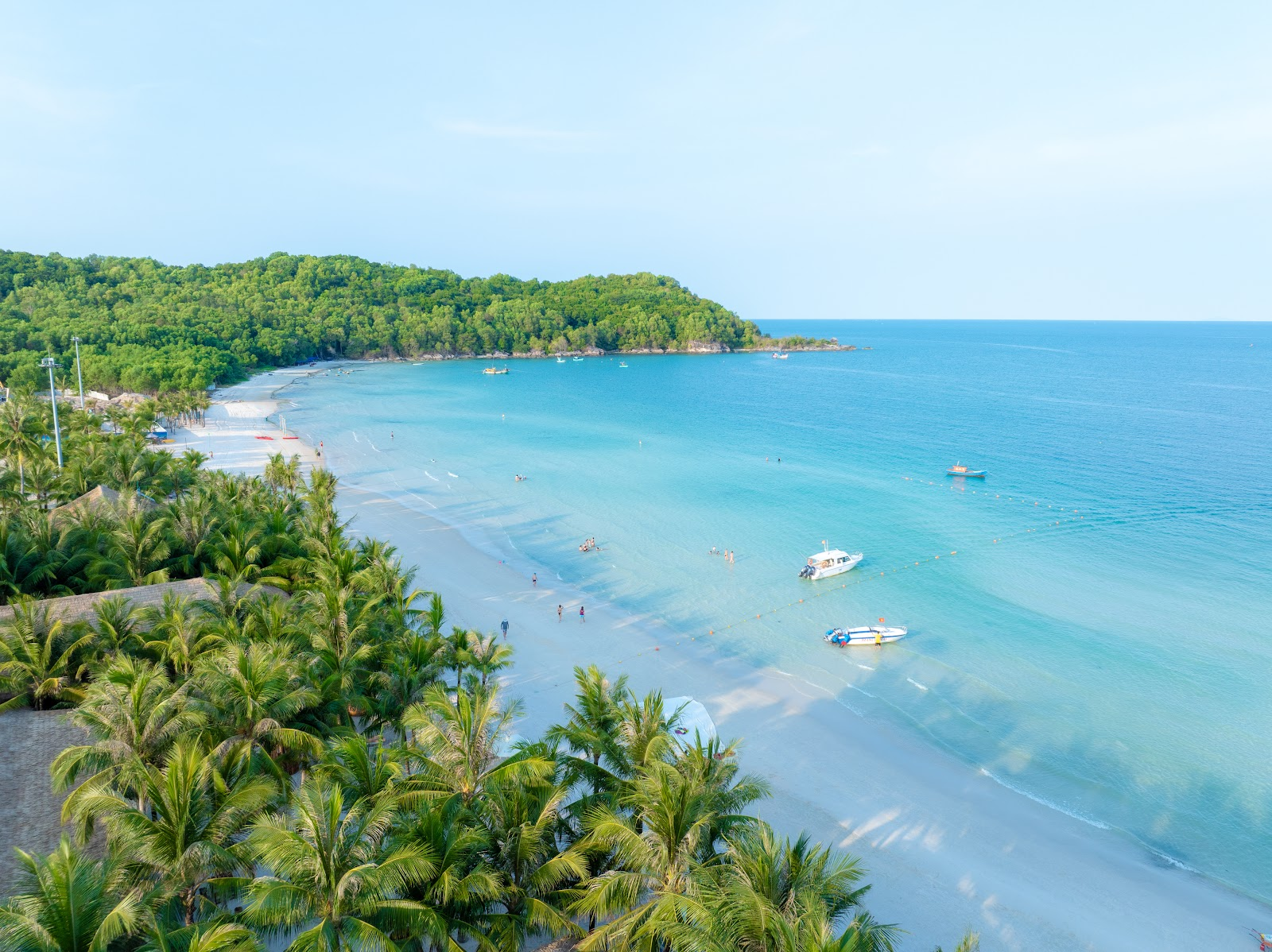
Phu Quoc is located in the Gulf of Thailand with a strategic position on regional maritime routes. (Source: Collected)
In historical records, Phu Quoc was once known by the name Koh Tral. At that time, the island retained its pristine beauty with dense forests, a rich ecosystem, and a long coastline surrounded by white sandy beaches. Although large-scale residential areas had not yet formed, this land still played an important role due to its proximity to the maritime routes in the Gulf of Thailand, facilitating the passage of ships.
Not only did it have geographical advantages, but Phu Quoc also possessed abundant natural resources with primeval forests, rich seafood, and many sheltered beaches. These conditions created a favorable foundation for the island to gradually develop into a place for living, trading, and pioneering in the following centuries.
1.2. Mac Cuu's Pioneering Journey
One of the most significant milestones in the history of Phu Quoc began in 1671 when Mac Cuu, whose real name was Mac Kinh Cuu, originally from Leizhou, Guangdong province, led his family along with about 400 soldiers and scholars to leave Fujian for the southern seas to find a place to settle.
After many days at sea, the group landed in the area belonging to the Gulf of Thailand. Upon learning about the region's situation, Mac Cuu knew that this land was within the sphere of influence of Cambodia, so he went to Oudong to seek refuge. Amidst the internal turmoil in Cambodia, he collaborated with King Nak Ong Thu and began the process of reclaiming new land.
From 1680, Mac Cuu successively established many villages stretching from Vung Thom, Trung Ke, Can Vot, Rach Gia, Ha Tien to Ca Mau. These new residential areas quickly developed thanks to their favorable locations for maritime trade and agricultural production. Many Chinese merchants and migrants from across the Gulf of Thailand continued to come and settle, contributing to the formation of densely populated communities.
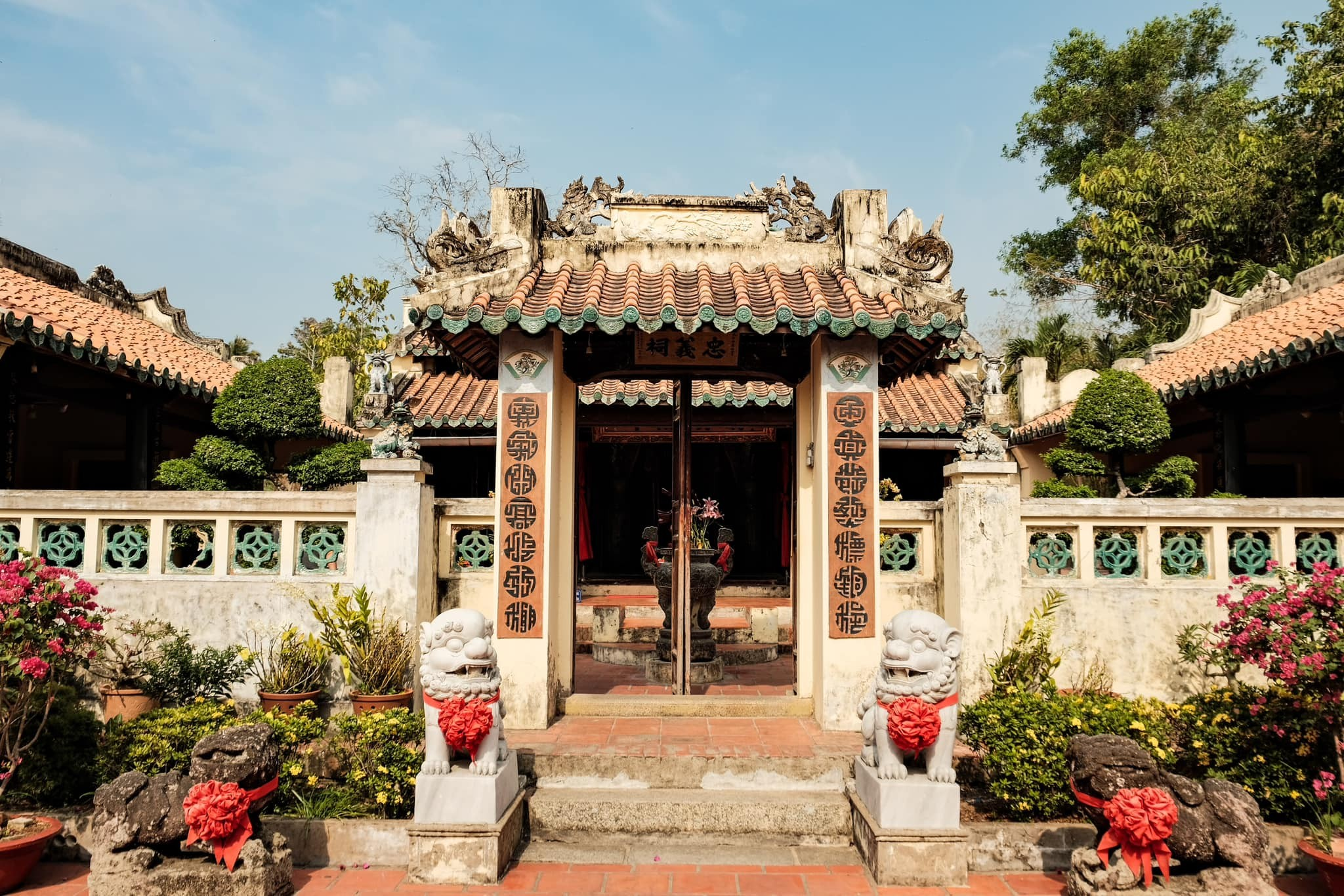
Mac Cuu's pioneering journey initiated the formation and development of Phu Quoc. (Source: Collection)
Not only did he build settlements, Mac Cuu also developed a coastal trading port system, turning this area into a bustling trading center. According to historical records, he established 7 trading ports at Man Kham, Long Ky, Can Bot, Huong Uc, Sai Mat, Linh Quynh, and Phu Quoc. This is considered a significant turning point, laying the foundation for the economic development of the entire region for many decades to come.
When mentioning the history of Phu Quoc, Mac Cuu is always considered a figure with a special role. His contributions were not only limited to pioneering new lands but also laid the foundation for the formation of an important trading center in the Southwest sea region.
2. Formation of the Phu Quoc Land
2.1. The Origin of the Name Phu Quoc
After the first trading ports and residential areas were established, this land developed strongly in economy and trade. This was also the period that marked the appearance of the name Phu Quoc in the history of Phu Quoc.
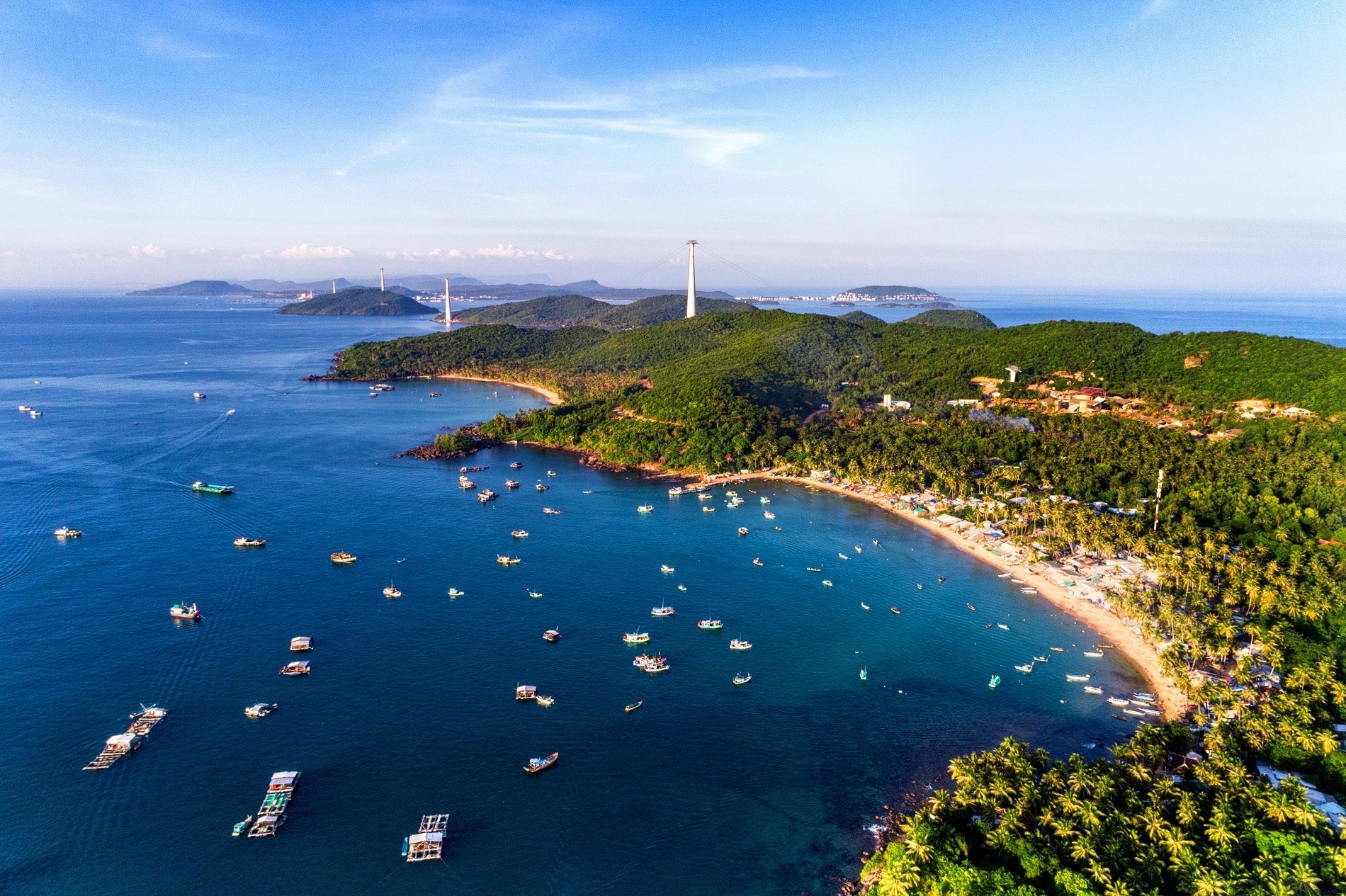
Phu Quoc Island has long been an important trading and maritime hub for the Southwest Sea region. (Source: Collected)
Initially, the island was named Koh Tral. As the area became increasingly prosperous, Can Khau Quoc was known as a wealthy land, attracting more and more settlers and merchants to live there. From then on, Koh Tral Island was renamed Phu Quoc, meaning a rich and prosperous land.
This name not only reflects its potential in natural resources but also demonstrates the island's important role in the Gulf of Thailand's trade system at that time. Thanks to its favorable location and the development of trading ports, Phu Quoc gradually became a connection point between many maritime trade routes. To this day, the name Phu Quoc still retains its historical value and has become a symbol of a land that converges natural beauty with cultural and historical depth.
2.2. Important Historical Milestones
Looking back at the history of Phu Quoc , we can see many important milestones that have contributed to shaping this land. The year 1671 marks the journey of Mac Cuu with about 400 people to the southern sea to reclaim land. In 1708, he submitted to Lord Nguyen and officially became the manager of the new territory.
By 1724, Long Ho dinh was formed, opening a period of strong economic and administrative development. In 1735, Mac Cuu passed away, and Mac Thien Tu continued his legacy and expanded the territory. In 1739, many new administrative units were established, contributing to the completion of the management system in the region. By 1758, the coastal territory continued to be expanded and merged into Ha Tien province, laying an important foundation for the stable development of Phu Quoc in subsequent periods.
Over more than 300 years, the history of Phu Quoc is not only a story about the process of reclaiming a new land but also reflects the spirit of territorial expansion, community building, and economic development of many generations of residents on Vietnam's largest island.
3. Famous Tourist Attractions for Visitors to Explore Phu Quoc's History
3.1. Coi Nguon Museum
If you want to get an overview of the history of Phu Quoc , Coi Nguon Museum is one of the suitable stops. This is where many documents, artifacts, and images reflecting the formation and development of the Pearl Island through historical periods are preserved.
The exhibition space introduces many different themes, from natural conditions, the lives of indigenous residents to famous traditional crafts of Phu Quoc such as seafood fishing, fish sauce making, or pearl farming. In addition, visitors also have the opportunity to learn more about the exploration journey of the Mac family and the important milestones in the history of Phu Quoc .
Through the system of preserved documents and artifacts, Coi Nguon Museum provides a visual perspective, helping visitors better understand the formation of the Pearl Island before exploring other famous destinations on the island.
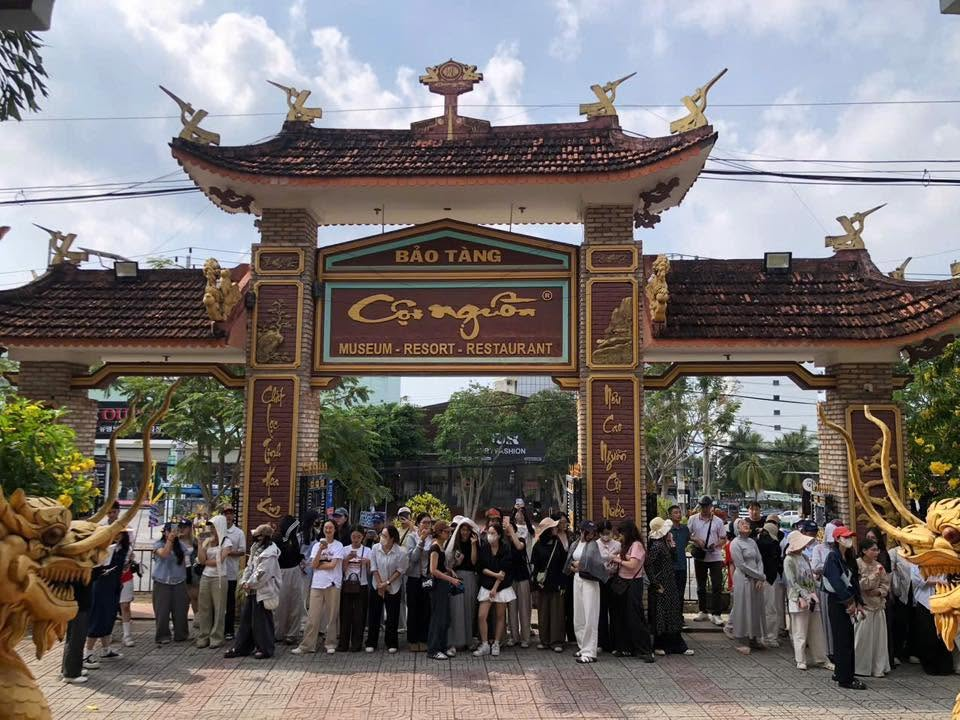
The Coi Nguon Museum preserves many artifacts and documents about the history and culture of Ngoc Dao (Jade Island). (Source: Collection)
3.2. Phu Quoc Prison
When mentioning the history of Phu Quoc, Phu Quoc Prison is a place of special significance, marking a heroic period in the history of fighting for national independence. This structure is also known as Cay Dua Prison, located in the Phu Quoc special zone, An Giang province.
From 1953 to 1973, this was one of the largest detention centers in the South. The entire area consisted of 12 main zones numbered 1 to 12, with zones 13 and 14 added in late 1972. Each zone could hold about 3,000 prisoners, divided into many smaller sub-zones and surrounded by multiple layers of fences and watchtowers.
Today, many sections of Phu Quoc Prison have been restored to recreate a part of the historical context, helping visitors better understand the lives, resilient will, and indomitable spirit of revolutionary soldiers during the struggle for independence.
Not only a national historical relic, Phu Quoc Prison is also a place for traditional education, helping everyone to cherish the value of peace more and gain a deeper understanding of the history of Phu Quoc and the nation's history.
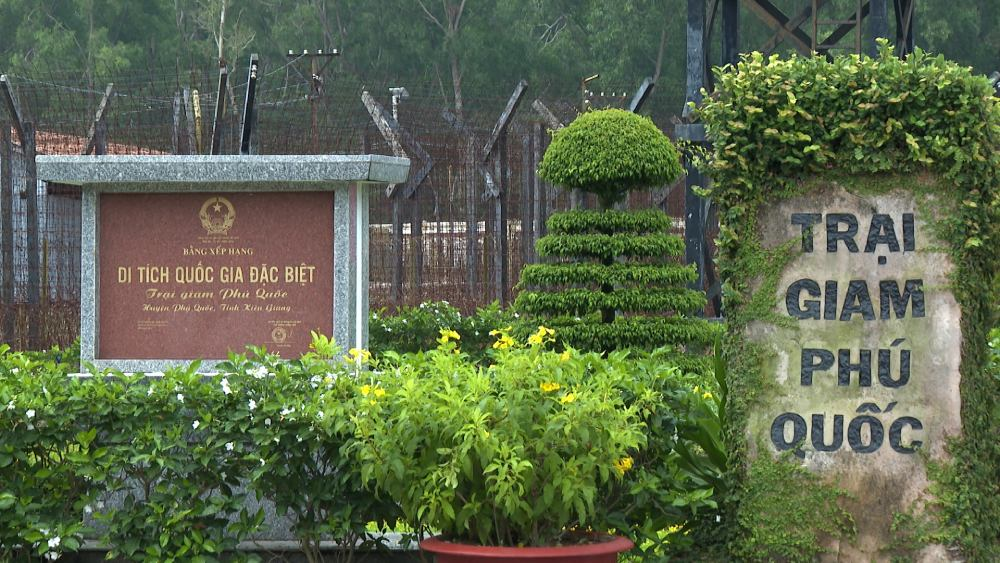
Phu Quoc Prison is an important historical site marking the resilient spirit of revolutionary soldiers. (Source: Collected)
3.3. Temple of Nguyen Trung Truc
Another historically significant site that visitors should not miss is the Temple of Nguyen Trung Truc in Cua Can commune. The structure was built on the site of the national hero's last anti-French base during his activities in Phu Quoc.
According to historical records, after the feat of burning the L'Espérance ship in 1861 and establishing a base in Kien Giang, Nguyen Trung Truc continued his activities in Phu Quoc before being captured in 1868. He was then taken to Rach Gia and heroically sacrificed himself, but left behind a famous saying remembered by many generations of Vietnamese people: "Only when the Westerners have pulled out all the grass in Vietnam will the Vietnamese people stop fighting the Westerners."
The temple was built in 1993 to commemorate the merits and patriotic spirit of Nguyen Trung Truc. The temple's atmosphere is solemn, serving as a place where locals and tourists come to offer incense and learn about the life of the national hero as well as the events associated with the history of Phu Quoc.
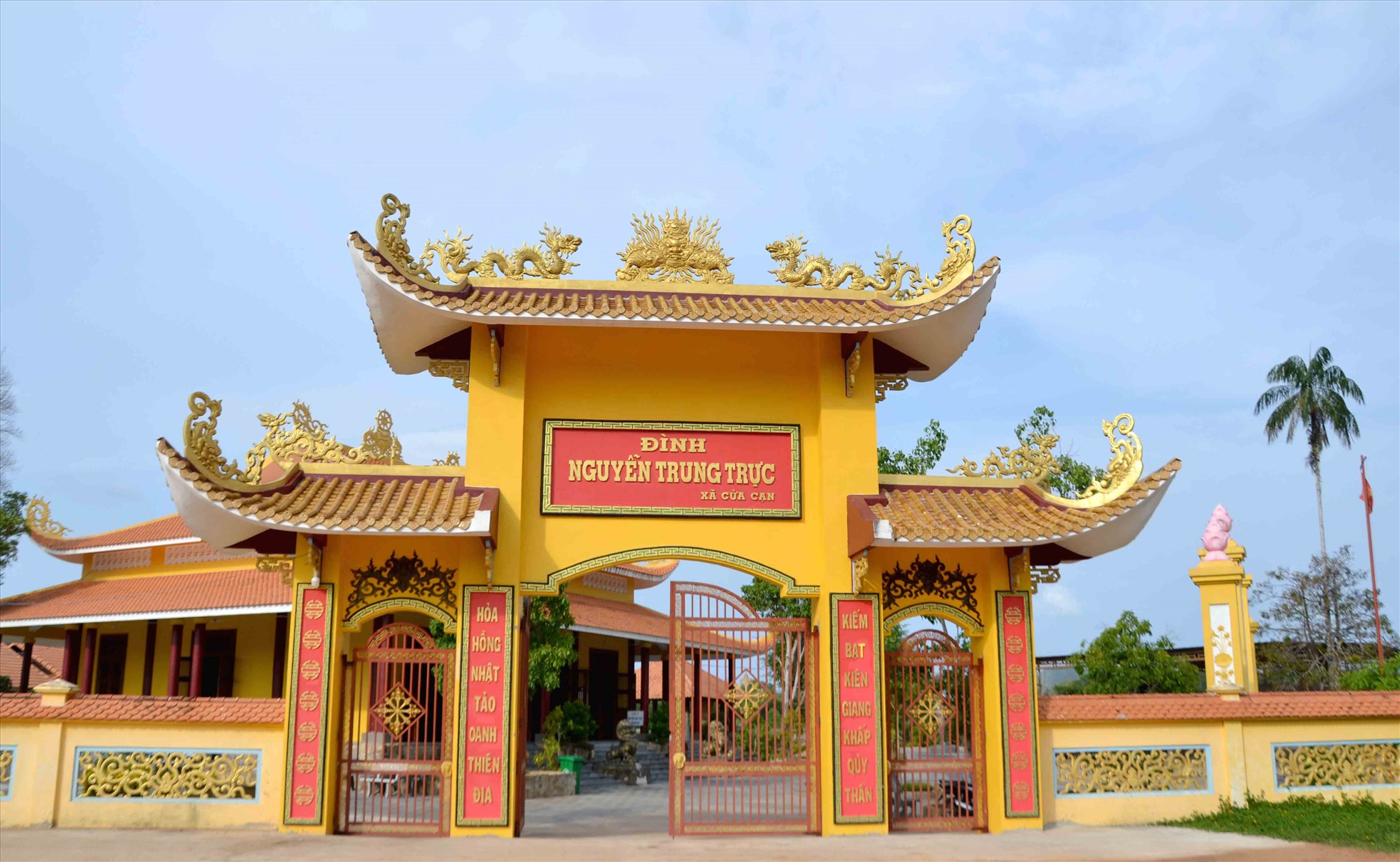
Nguyen Trung Truc Temple is a cultural and historical destination that attracts many tourists when visiting North Phu Quoc Island. (Source: Compilation)
4. Combine visits to Phu Quoc's vibrant tourist attractions today
4.1. Sun World Hon Thom
Sun World Hon Thom is a great stop for those who love a lively atmosphere and adventurous games. To travel to this entertainment complex, visitors can travel by a 3-wire cable car 7,899.9m long from Anh Duong station to Hon Thom station. The cable car has been recognized by the Guinness World Records as the longest 3-wire cable car in the world.

Visitors experience the world's longest 3-wire cable car. (Source: Collected)
When arriving at Hon Thom island, visitors can immerse themselves in the vibrant entertainment space at Aquatopia water park. This is a large-scale entertainment destination, possessing a diverse and modern system of games, attracting a large number of visitors when visiting Phu Quoc.
👉 BOOK HON THOM CABLE CAR TICKETS HERE
The park features over 20 water games with various difficulty levels, from gentle, relaxing experiences to challenging thrilling games. Thanks to its diverse and flexible design, Aquatopia is suitable for families as well as groups of young people who love exploration.
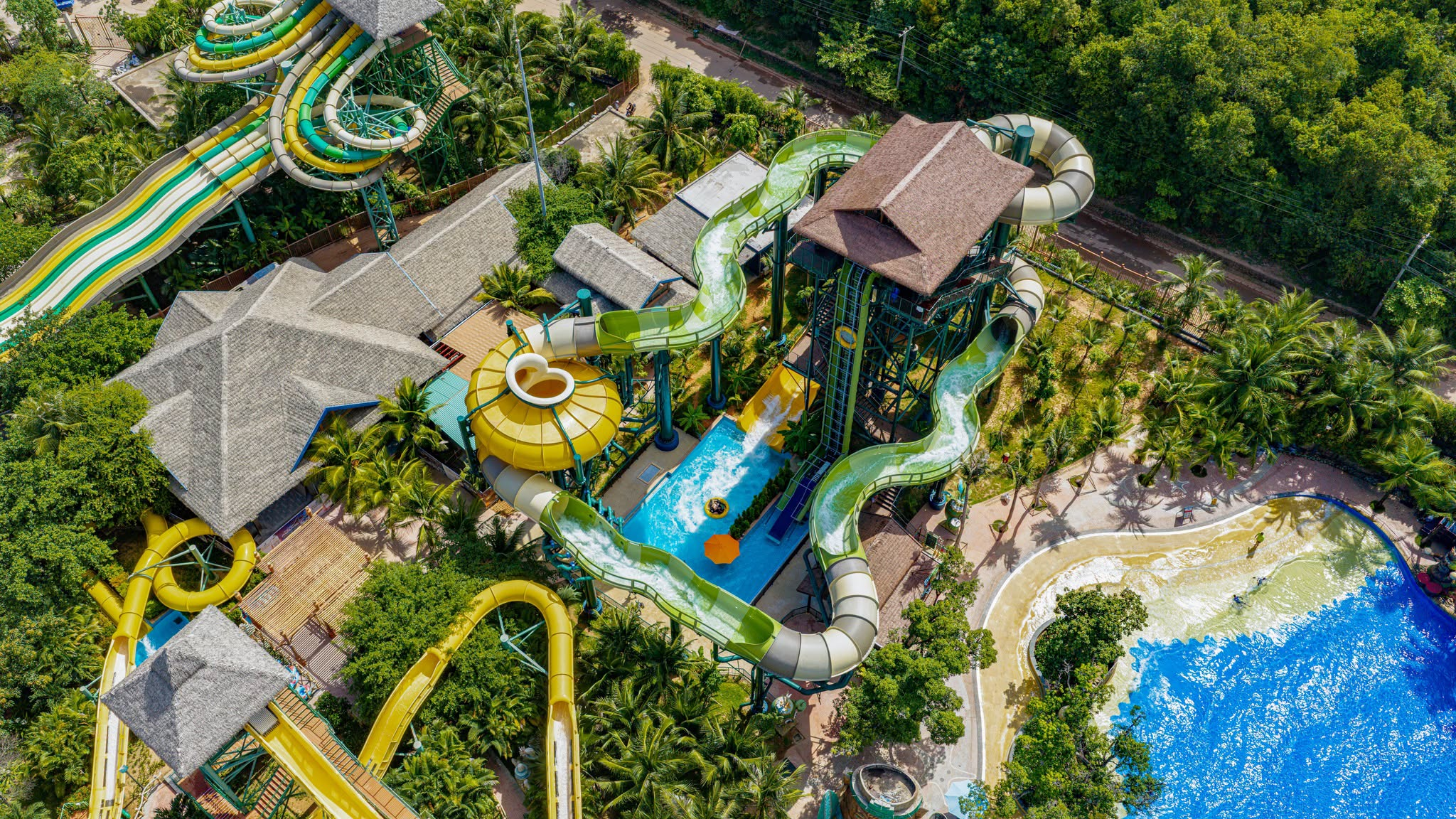
Exciting water slides at Aquatopia Water Park. (Source: Compilation)
Beyond that, Exotica Village theme park is also a special highlight that visitors should not miss. This place boasts the first and only wooden roller coaster in Vietnam, offering an experience that is both thrilling and impressive amidst the vast sea and sky scenery. The whistling wind, spectacular twists and turns, and heart-stopping feeling on every section of the track will make you burst with excitement.
4.2. Sunset Town
Sunset Town is a destination imbued with artistic and architectural flair, home to many iconic structures and a series of large-scale performances, contributing to Phu Quoc's special allure.
As dusk falls, visitors will witness a mesmerizing visual feast with golden sunlight reflecting on the Mediterranean-style streets. Visitors should not miss the moment of admiring the brilliant sunset over the sea from the Kiss Bridge - the iconic bridge of Phu Quoc island.
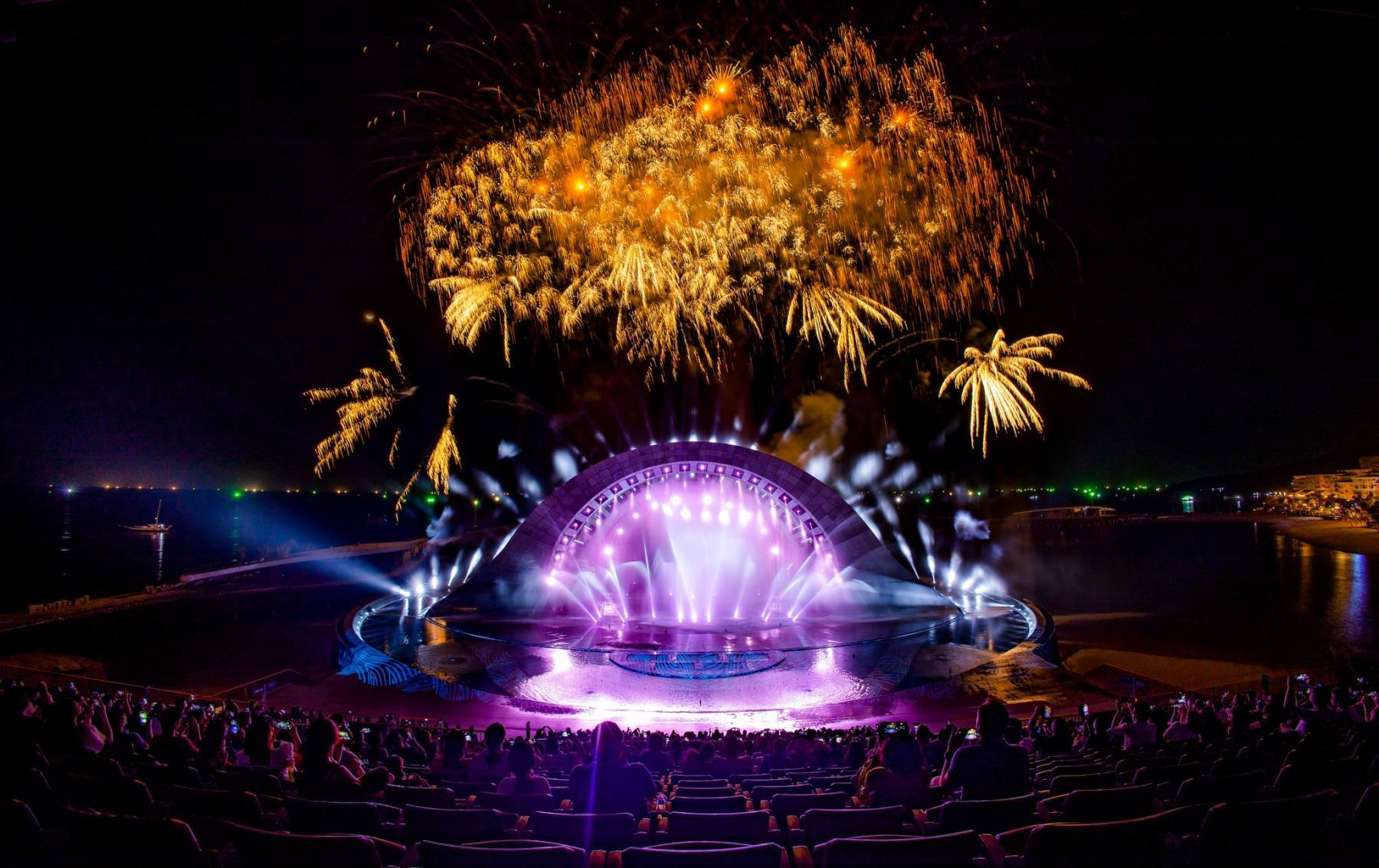
Spectacular fireworks from the Kiss of the Sea show. (Source: Collected)
In the evening, Hoang Hon Town comes alive with the multimedia art show “Kiss of the Sea”. The program is staged on an international scale, combining many modern stage technologies such as laser effects, water projection, lighting, music, fireworks, along with live performances by over 60 international artists. The highlight of the show is the large-scale water screen system on the sea surface, bringing a vivid and emotional experience to the audience.
Besides, visitors can also enjoy the show “Symphony of the Sea”, contributing to a complete night art exploration journey in Hoang Hon Town.
4.3. Bai Kem
Bai Kem has long been known as one of the most beautiful beaches in Phu Quoc with its smooth, creamy white sand, crystal clear turquoise sea water, and peaceful natural scenery. It is an ideal destination for relaxation, swimming, or strolling under the lush green coconut trees. After a journey to learn about the history of Phu Quoc, Bai Kem offers a relaxing space for visitors to enjoy the unique beauty of the Pearl Island and capture memorable moments by the sea.
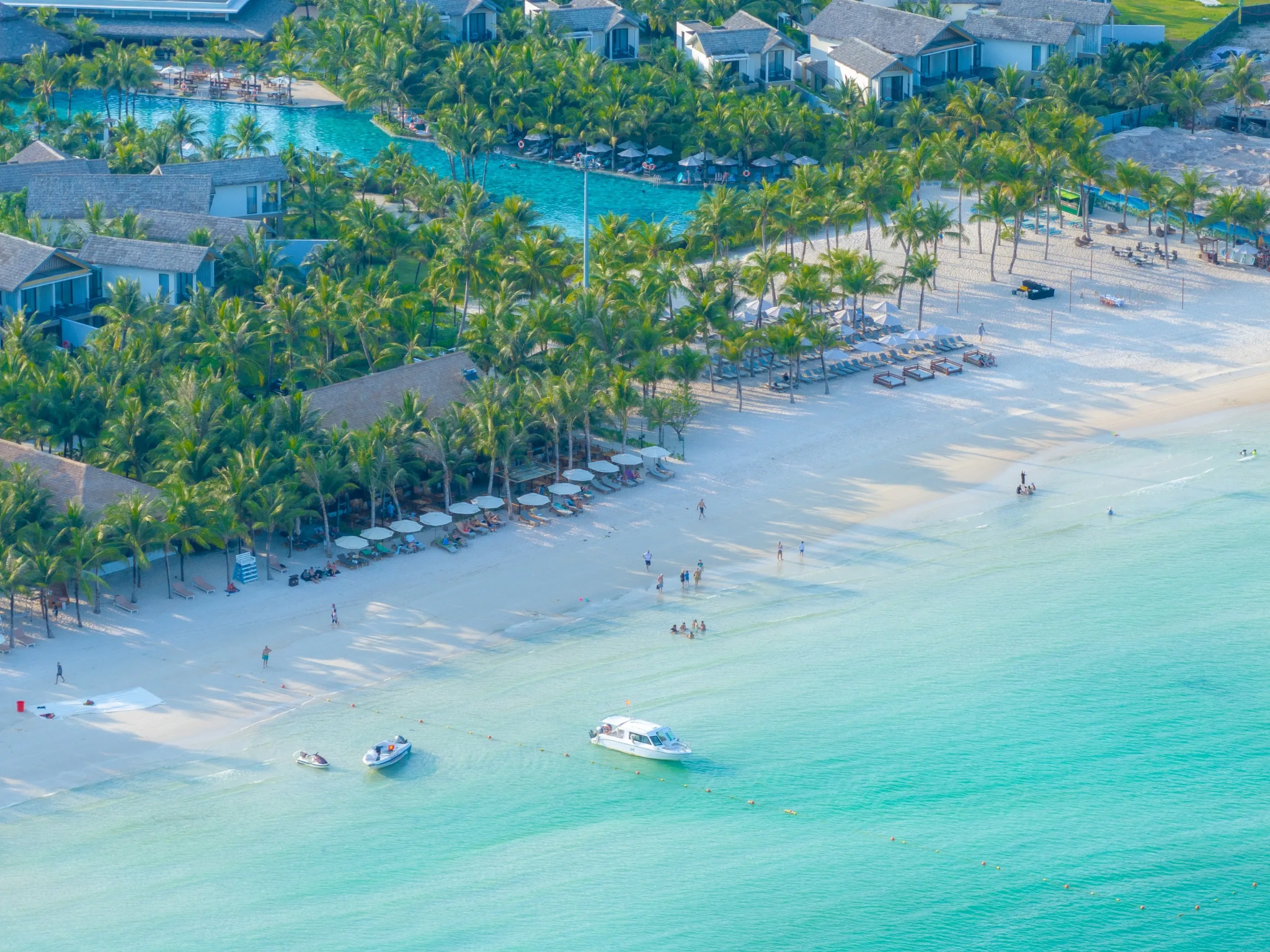
Kem Beach impresses with its fine white sand and clear turquoise sea water. (Source: Collected)
4.4. Bai Dai
Located in the north of the island, Bai Dai stands out with its long coastline, clear blue sea, and a natural ecosystem that is still quite intact. The peaceful scenery along with the long stretch of golden sand creates an ideal space for relaxation, sightseeing, or enjoying moments of immersion in nature. This is also one of the favorite destinations for many tourists who want to explore the pristine beauty of Phu Quoc after learning about the history of Phu Quoc .
4.5. Safari Phu Quoc
Safari Phu Quoc is an attractive destination for nature and wildlife lovers. The conservation area gathers thousands of individuals from many animal species from various countries, offering opportunities to observe and learn about the natural world in an environment close to its actual habitat. This is a suitable choice for families with young children as well as tourists who want to combine nature exploration in their experience of the Pearl Island.
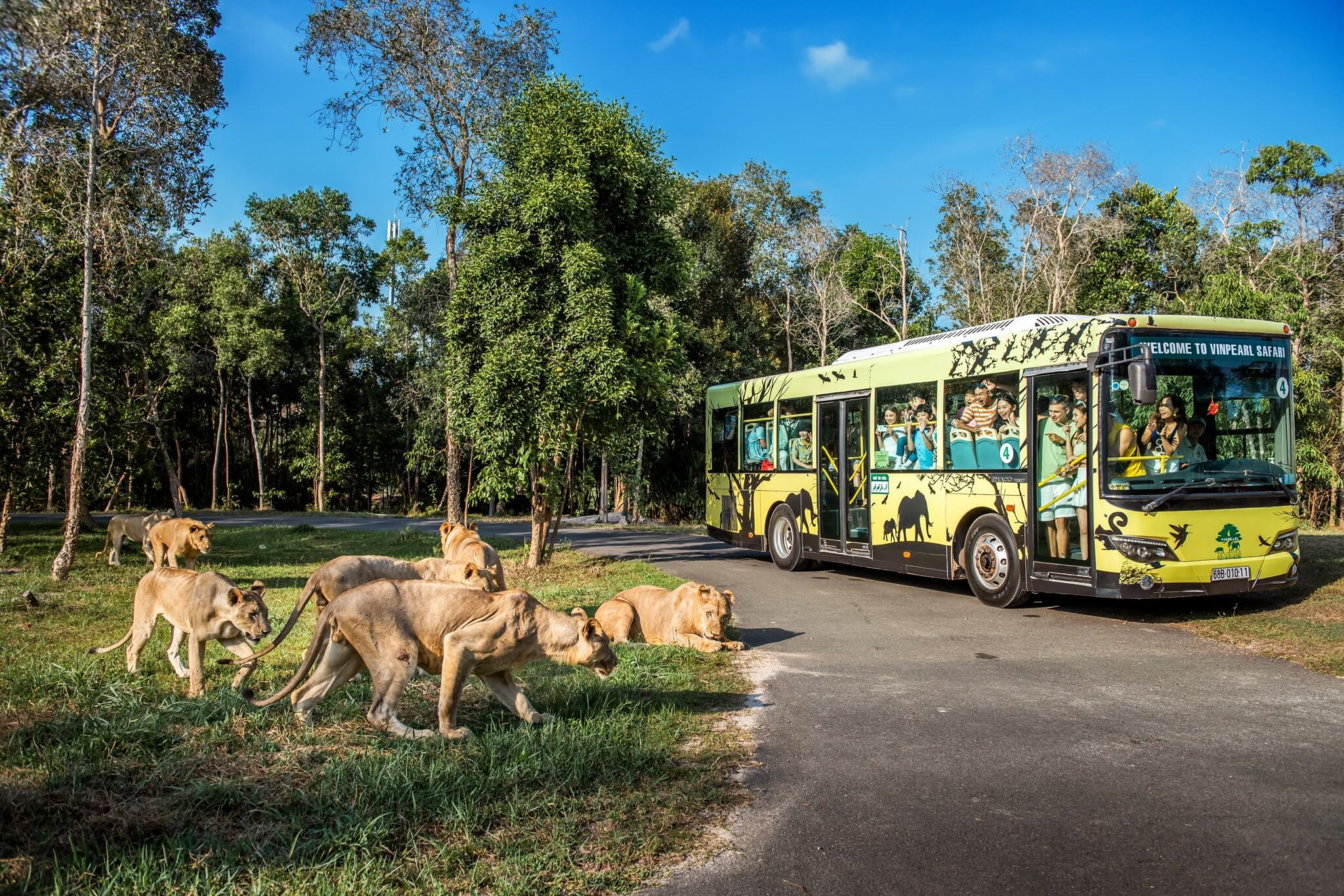
Phu Quoc Safari offers the opportunity to explore the animal world in a vast natural space. (Source: Collected)
4.6. May Rut Island
May Rut Island captivates visitors with its peaceful island scenery, crystal-clear waters, fine white sand, and colorful coral reefs. This is an ideal destination to experience swimming, kayaking, snorkeling, or simply relaxing amidst fresh nature. The pristine beauty of May Rut Island creates a perfect highlight, making the journey to explore Phu Quoc history combined with nature experiences more complete and memorable.
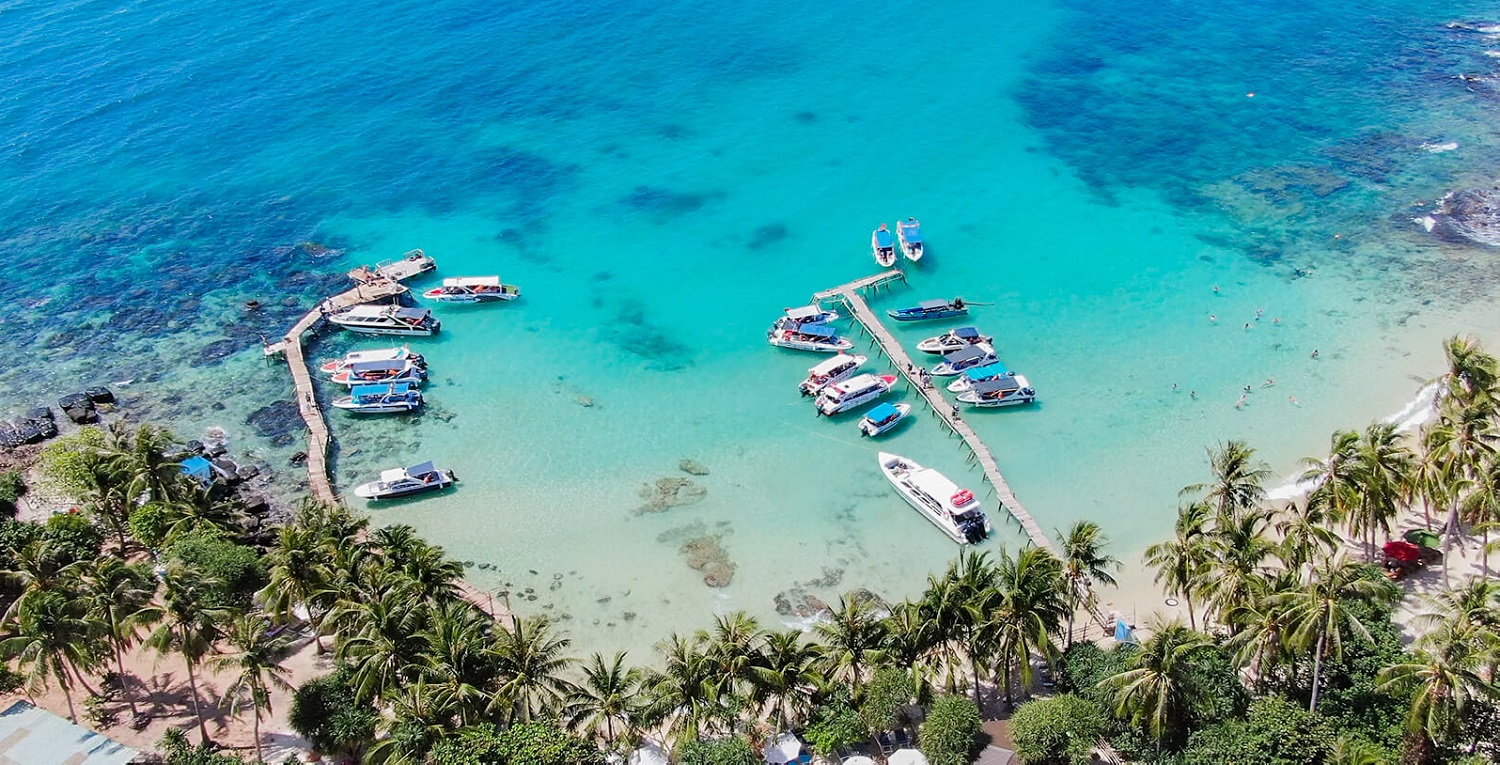
Hon May Rut is attractive with its clear blue water and pristine island scenery. (Source: Collection)
Over more than 300 years of formation and development, Phu Quoc history is a story about the journey of exploration, territorial expansion, and the construction of a prosperous land in the Gulf of Thailand. From the first steps of Mac Cuu in the 17th century, the process of submitting to Lord Nguyen, expanding territory, to the historical imprints still preserved in relics today, all have contributed to creating the unique identity of the "Pearl Island". Understanding Phu Quoc history not only helps tourists appreciate the cultural and historical values of this land but also provides a deeper perspective in the journey to discover the nature, people, and famous destinations on Vietnam's largest island.