















1. Overview of the Oc Eo - Ba The Cultural Site
1.1. Coordinates and Development Context
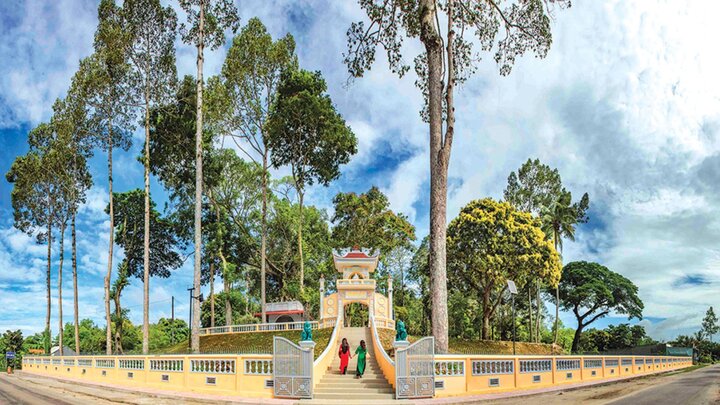
The Oc Eo - Ba The Cultural Site is located in Oc Eo town, An Giang province, in the Mekong Delta region. The relic is associated with Ba The mountain, an archaeological site playing a crucial role in identifying the ancient residential space of the Oc Eo civilization. The entire area is planned for preservation over approximately 433.1 hectares, including the mountainside and foothills along with the vast Oc Eo plain, reflecting the remarkable development scale of an ancient city.
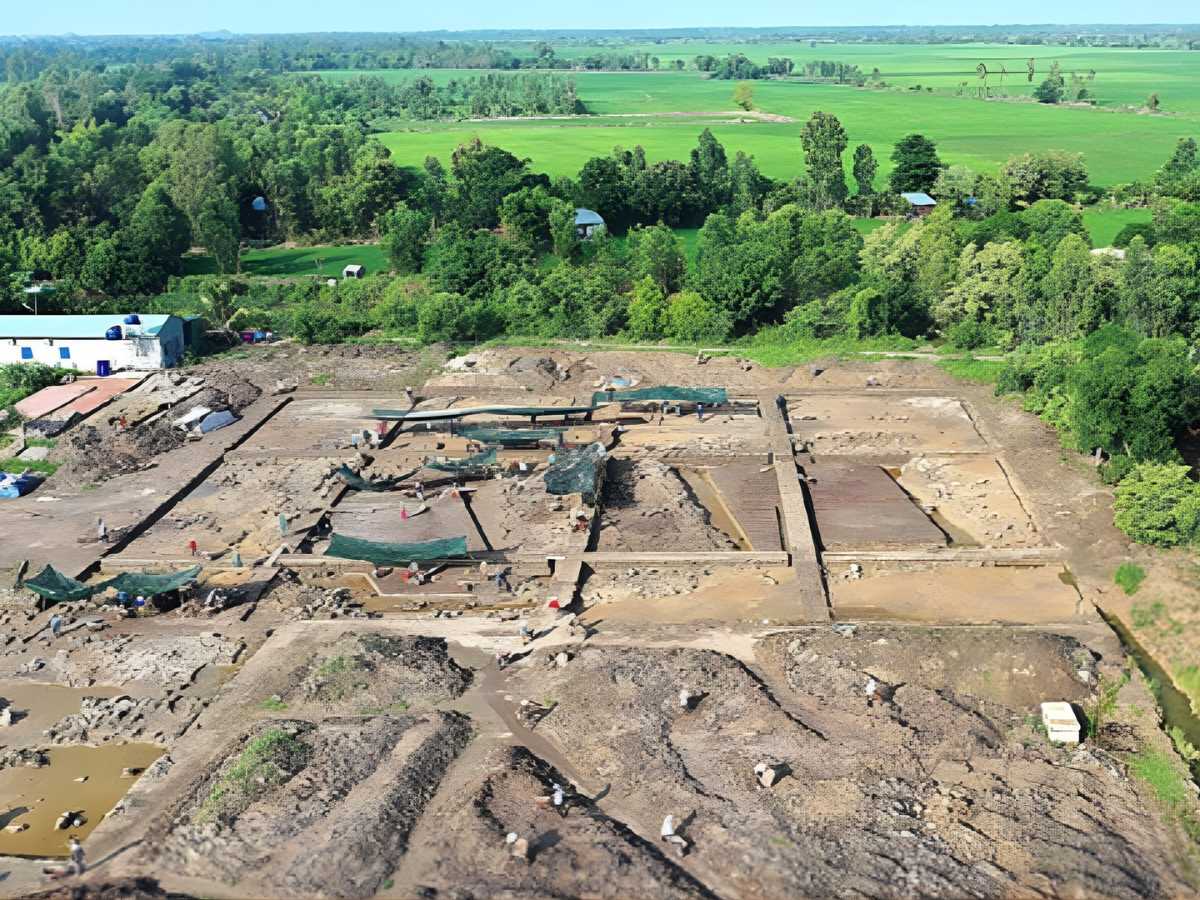
The Oc Eo - Ba The archaeological site reflects the formation context and ancient settlement traces in Southern Vietnam of the Thoai Son residents. (Source: Collection)
From this location, Oc Eo - Ba The connects with many other residential areas within the ancient trade network of Southern Vietnam. The relatively favorable geographical distance helps this place become an intersection point between inland waterways and regional goods exchange routes. The formation context of the site shows a combination of the indigenous resident foundation and influences from external cultural flows during the early historical period.
1.2. Origin of the name Oc Eo - Ba The
The name Oc Eo originates from the local place name, where important archaeological sites were discovered and studied early on. The term Oc Eo culture was later used to refer to the system of sites and artifacts reflecting a developed material culture in the Mekong Delta. Ba The played a central role in this naming process due to the dense and diverse density of archaeological discoveries.
The Oc Eo mound area and the foot of Ba The mountain have provided significant data on the architecture, burials, and daily life of ancient residents. These discoveries have helped researchers gradually sketch the appearance of an ancient city that existed for centuries. Thus, the name Oc Eo - Ba The has become a familiar way to refer to the typical archaeological space of the region.
1.3. Outstanding Historical and Archaeological Value
The Oc Eo - Ba The site dates from approximately the 1st to the 7th century, associated with the development process of the Oc Eo culture in the Southern Vietnam region. During this period, ancient residents formed residential areas and trade centers, reflecting active participation in regional trade networks. The remaining traces show a close connection between Oc Eo - Ba The and the broader historical context of ancient Southeast Asia.
The archaeological value of the site is demonstrated through the system of architectural foundations, canals, and traces of daily life preserved underground. These discoveries help clarify the planning level, construction techniques, and environmental adaptability of ancient residents. At the same time, Oc Eo - Ba The also contributes significantly to researching the role of Southern Vietnam in the flow of ancient cultural exchange.
2. Imprints of the Oc Eo Civilization Through Archaeological Discoveries
2.1. System of Typical Sites and Artifacts
The Oc Eo - Ba The archaeological area records many types of sites such as ancient house foundations, religious structures, and canal systems, reflecting the structure of an early city. The architectural foundations show that ancient residents had a relatively clear concept of organizing living space, linked to the natural conditions of the delta region. The distribution of sites over a wide area helps researchers better visualize the scale and operation of the ancient settlement.
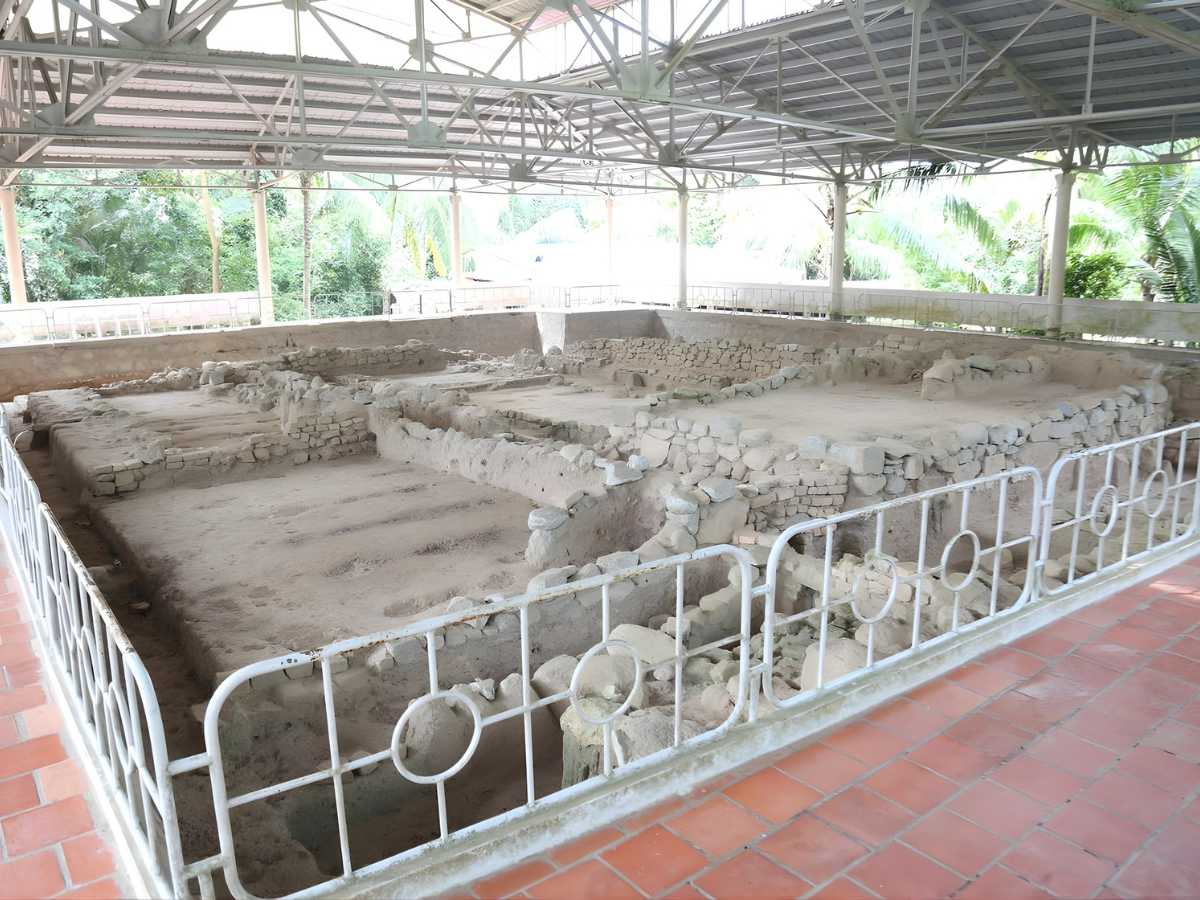
The Oc Eo - Ba The relic system demonstrates ancient construction techniques. (Source: Collected)
2.2. Life of the ancient Oc Eo residents
Oc Eo residents lived in a diverse economic environment, where agriculture played a foundational role and was closely combined with handicrafts. Evidence of cultivation and craftsmanship shows that they knew how to utilize natural conditions to maintain a stable life. Besides, trade activities also contributed to expanding the living space of the ancient resident community.
2.3. The role of Oc Eo - Ba The in the ancient trade network
Oc Eo - Ba The served as an important connection point in the ancient trade network, linked to inland waterways and maritime trade routes. Its favorable geographical location made the area a transit point for goods between many different regions. Through this, the Oc Eo residents gradually participated in the vast economic exchange flow of the ancient period.
3. Journey to the Oc Eo - Ba The cultural site
3.1. Main attractions in the area
When visiting the Oc Eo - Ba The cultural site, tourists can start at the archaeological exhibition area, which displays many artifacts collected from excavations. The exhibition space allows viewers to visually access the material and spiritual life of the ancient residents through specific artifacts. The thematic arrangement makes it easy for visitors to follow the historical progression of the relic site.
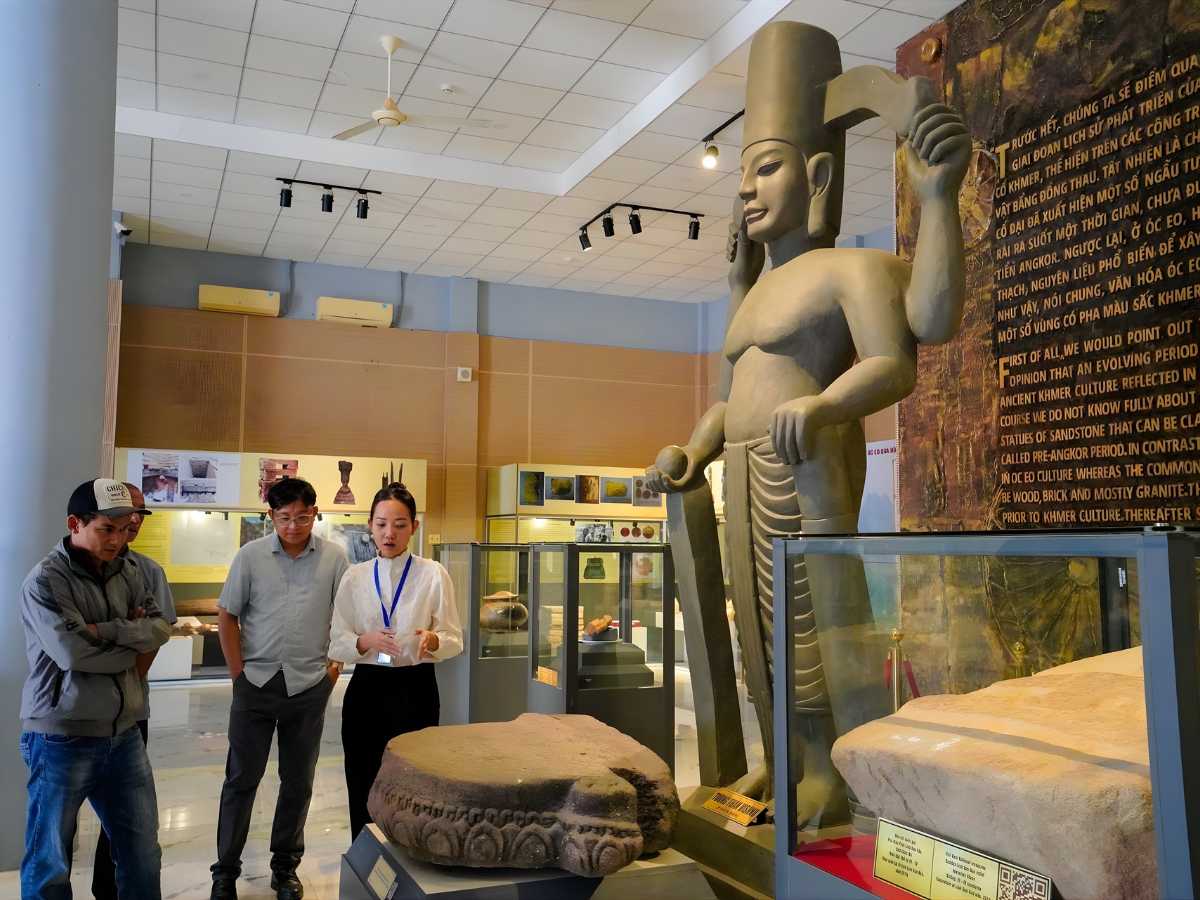
The exhibition space helps visitors understand the historical value of Oc Eo. (Source: Collected)
Outside the exhibition area, the open-air archaeological sites at the foot of Ba The mountain offer a clearer perspective on the scale of ancient settlements. The remaining architectural traces allow visitors to visualize the living space organization of ancient residents. The combination of indoor and outdoor visits makes the exploration journey seamless and more accessible.
3.2. Experience Activities for Visitors
Visitors to Oc Eo - Ba The can participate in historical learning activities through explanations from professional guides. Stories about the formation of the sites and the significance of each area make the tour more vivid. This approach is suitable for visitors who enjoy in-depth cultural exploration.
In addition to sightseeing, some cultural tourism programs combined with ecology are organized to introduce the Mekong Delta landscape. Visitors have the opportunity to travel along ancient canals, observe the terrain, and the local life around the relic site. The combination of nature and history creates a balanced and accessible experience.
3.3. Convenient Tourist Itinerary Combined with Modern Attractions
While exploring heritage sites like Oc Eo - Ba The, visitors can combine historical experiences with modern tourist destinations. The contrast between archaeological sites and new tourist facilities makes the journey multi-dimensional. This approach reflects the trend of tourism combining various types of experiences.
Some modern destinations in island and coastal tourist areas, including Sun World Hon Thom, demonstrate the development of tourism infrastructure linked with natural landscapes. Placing these experiences within the same itinerary allows visitors to see the transformation of Vietnamese tourism across different periods. Thus, the trip is not just for sightseeing but also broadens the perspective on tourism space development.
The combination of ancient heritage and modern destinations encourages visitors to explore different facets of a region. The journey, therefore, is not limited to a single experience but becomes richer. This is also a way for cultural tourism to better meet the needs of contemporary travelers.
4. Significance of Preserving and Developing Oc Eo - Ba The Cultural Tourism
4.1. The Value of the Oc Eo - Ba The Cultural Site Today
The Oc Eo - Ba The Cultural Site currently serves as an important space for research and introduction of Southern Vietnam's history. The preserved relics and artifacts here contribute to reconstructing the formation and development process of an ancient community associated with the Mekong Delta. Through research and exhibition activities, the relic site becomes a bridge connecting the public to its long-standing historical values.
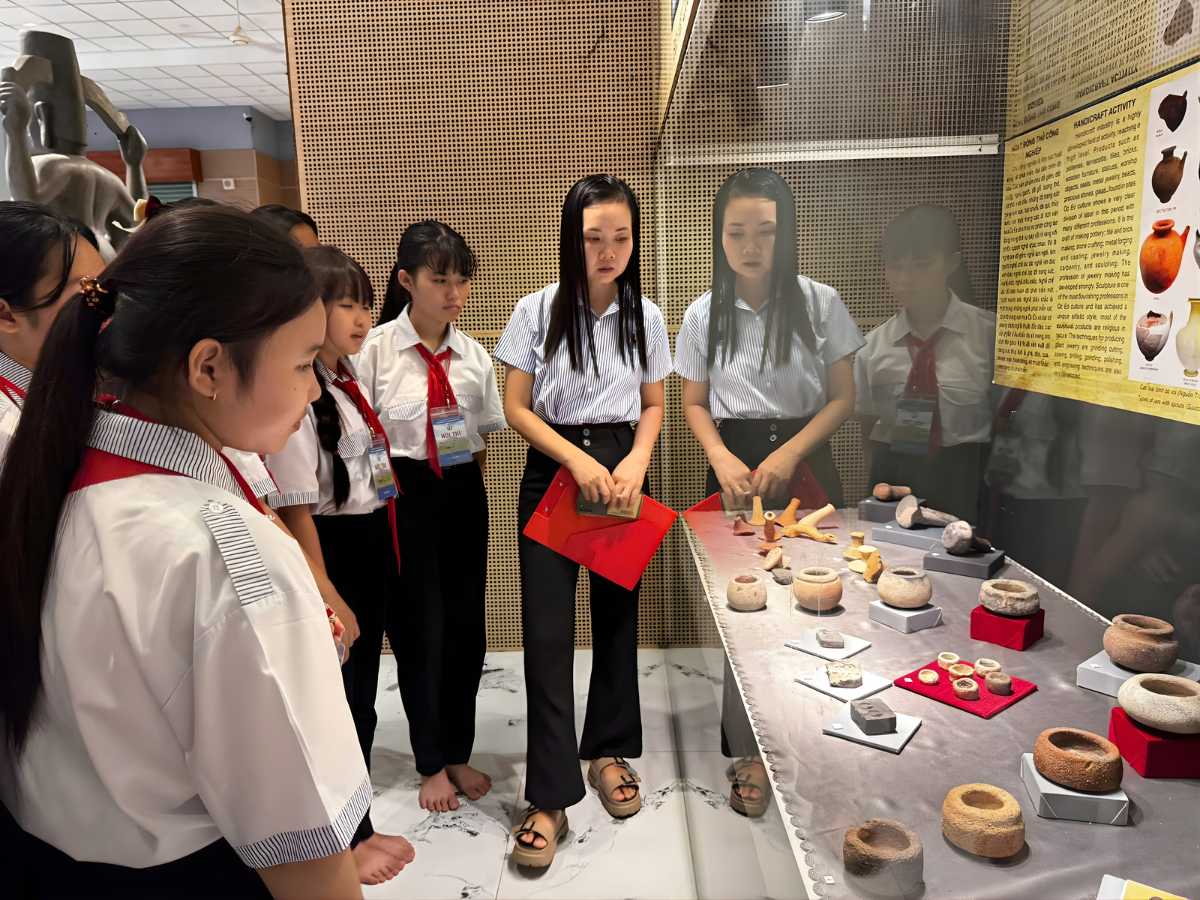
Activities to preserve and spread the cultural values of Oc Eo. (Source: Collected)
Besides its archaeological value, Oc Eo - Ba The also carries cultural educational significance for the local community and visitors. Learning about the relic site helps raise awareness of the importance of heritage in shaping regional identity. The relic space, therefore, not only serves for sightseeing but also contributes to spreading cultural values across generations.
4.2. Directions for sustainable tourism development
Tourism development at the Oc Eo - Ba The cultural area needs to be linked with the preservation of historical values and natural landscapes. Applying scientific preservation methods and reasonable management of the sightseeing space helps minimize impact on the relic site. This approach creates a foundation for stable tourism development over time.
Furthermore, learning from tourism models that combine preservation with modern experience exploitation offers many insights. Some destinations within the tourism ecosystem in Phu Quoc demonstrate how to connect cultural values with visitor service infrastructure. These directions can serve as a reference basis for the tourism development process at Oc Eo - Ba The.
4.3. Oc Eo - Ba The Cultural Area in the Journey to Discover the Mekong Delta
In the journey to discover the Southwestern Mekong Delta, the Oc Eo - Ba The cultural area is a suitable stop for visitors who love history and archaeology. Combining sightseeing of the relic site with nearby destinations such as Chau Doc or Rach Gia enriches the journey. This arrangement creates a comprehensive picture of the culture and life of the river region.
Visitors to the relic site have the opportunity to immerse themselves in the characteristic natural environment of the Mekong Delta. These experiences ensure the trip is not just about sightseeing but also broadens understanding of the people and the land. Oc Eo - Ba The, therefore, holds a notable position on the cultural tourism map of the Mekong Delta.
The Oc Eo - Ba The cultural area is a space that preserves many historical and archaeological values associated with the formation process of ancient Southern Vietnamese civilization. Through sightseeing and research activities, visitors can gain deeper access to the life, beliefs, and trade of ancient residents. The preservation and promotion of the relic's values contribute to enriching the cultural tourism experience in the journey to discover Vietnam.