
















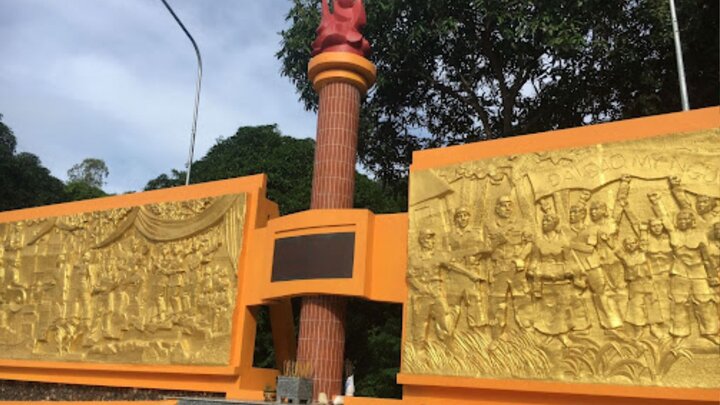
1. O Ta Soc - Resistance Base Space in the Mountains
O Ta Soc is the name of a historical relic site located within the Dai mountain range system, in O Lam commune, An Giang province. According to the Khmer people's naming, O Ta Soc means Mr. Soc's stream, reflecting the close connection between the natural terrain, water streams, and the surrounding forest. From its name, this place shows the role of nature in forming the space for long-term survival and activities.
The O Ta Soc revolutionary historical relic site covers an area of about 1,000 hectares, covered by dense forest hills, small streams flowing year-round, and many large caves formed by piled rocks. This complex terrain structure makes access difficult, while also providing favorable conditions for hiding and organizing activities during the resistance periods against the French and the Americans. Natural factors have contributed to shaping the strategic role of O Ta Soc in history.
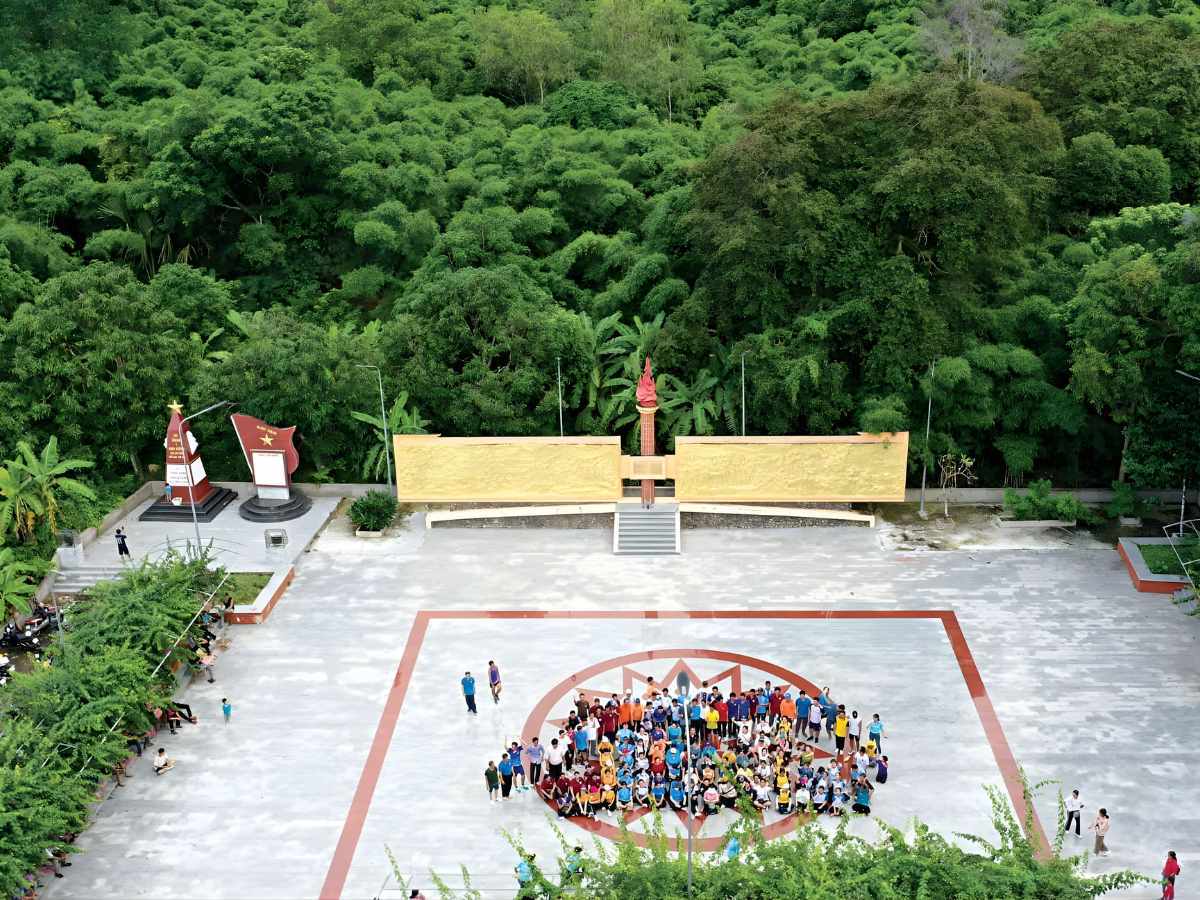
Visiting activities at O Ta Soc are suitable for tourist groups who love ecological experiences. (Source: Collected)
Unlike relics organized with fixed exhibition spaces, O Ta Soc uses the mountains, trails, and caves themselves as the storytelling center. The experience here is linked to walking on natural terrain, observing the remaining traces, and imagining how the revolutionary forces lived in harsh conditions. Every movement brings a clear sense of the relationship between humans and the terrain.
Since 1945, the O Ta Soc area has been chosen by revolutionary organizations as a long-term operational base. From late 1962 to 1967, this place was the location of the leadership of the An Giang Provincial Party Committee, playing a role in directing the revolutionary struggle movement throughout the province. The rugged terrain helped the base maintain operations amidst prolonged and volatile warfare.
In the subsequent years of the resistance war against the US, from approximately 1968 to 1971, O Ta Soc continued to be a base for the An Giang Provincial Party Committee's branch and many armed units. Defensive structures such as fences, spike pits, minefields, and a network of trails connecting caves reflect the utilization of terrain for combat organization and force preservation. These traces help visitors better visualize the revolutionary forces' strategy of relying on nature.
With its historical and cultural values linked to the local struggle, the O Ta Soc Revolutionary Historical Site was recognized as a national revolutionary historical relic in 2001. The preservation of the mountainous forest space and natural terrain contributes to retaining the original context of the resistance base. This also serves as a basis for future generations to access history through practical experience rather than just documentation.
2. How does the field trip route at O Ta Soc unfold?
2.1. The forest entrance initiates the sense of exploration
The tour route at O Ta Soc typically begins from the foothills, where a trail leads into the forest. This path is not too wide, primarily a natural track lightly reinforced to accommodate visitors. As they move along, visitors can notice a distinct change in the environment from residential areas to the forest, with higher humidity and dense vegetation. This creates a clear transition, helping visitors easily imagine the natural setting during wartime.
The forest entrance is not just experiential but also reflects how the base was accessed in the past. During wartime, such routes were often kept secret and known only to locals or revolutionary forces. Preserving the trail structure to some extent helps recreate the movement methods of that time. This is also an important starting point in the exploration journey of the O Ta Soc revolutionary historical site , where visitors begin to access the historical space through the actual terrain.
2.2. Stops help visualize the resistance base
Along the tour route, several stops are arranged to introduce the structure of the resistance base. These locations were often where makeshift shelters, bunkers, or living areas for the revolutionary forces were situated. Although many structures are no longer intact, the remaining traces are sufficient to visualize how the space was organized under wartime conditions. Information boards on-site provide data on the time, function, and role of each area.
Stopping at these points helps visitors understand better how the base operated in the mountains. The space was logically divided to ensure daily life while maintaining secrecy. This information helps clarify the historical context of O Ta Soc, especially during the peak of the war. This is a crucial factor in enhancing the area's tourism and research value.
2.3. The dirt and rock path offers a light trekking experience
A section of the tour route at O Ta Soc features a dirt and rock terrain, creating a light trekking experience. The slopes are not too steep but are enough for visitors to feel the continuous change in terrain. The path surface can be slippery when wet, especially during the rainy season, so caution is advised. However, this very element enhances the journey's realism, reflecting the travel conditions of the past.
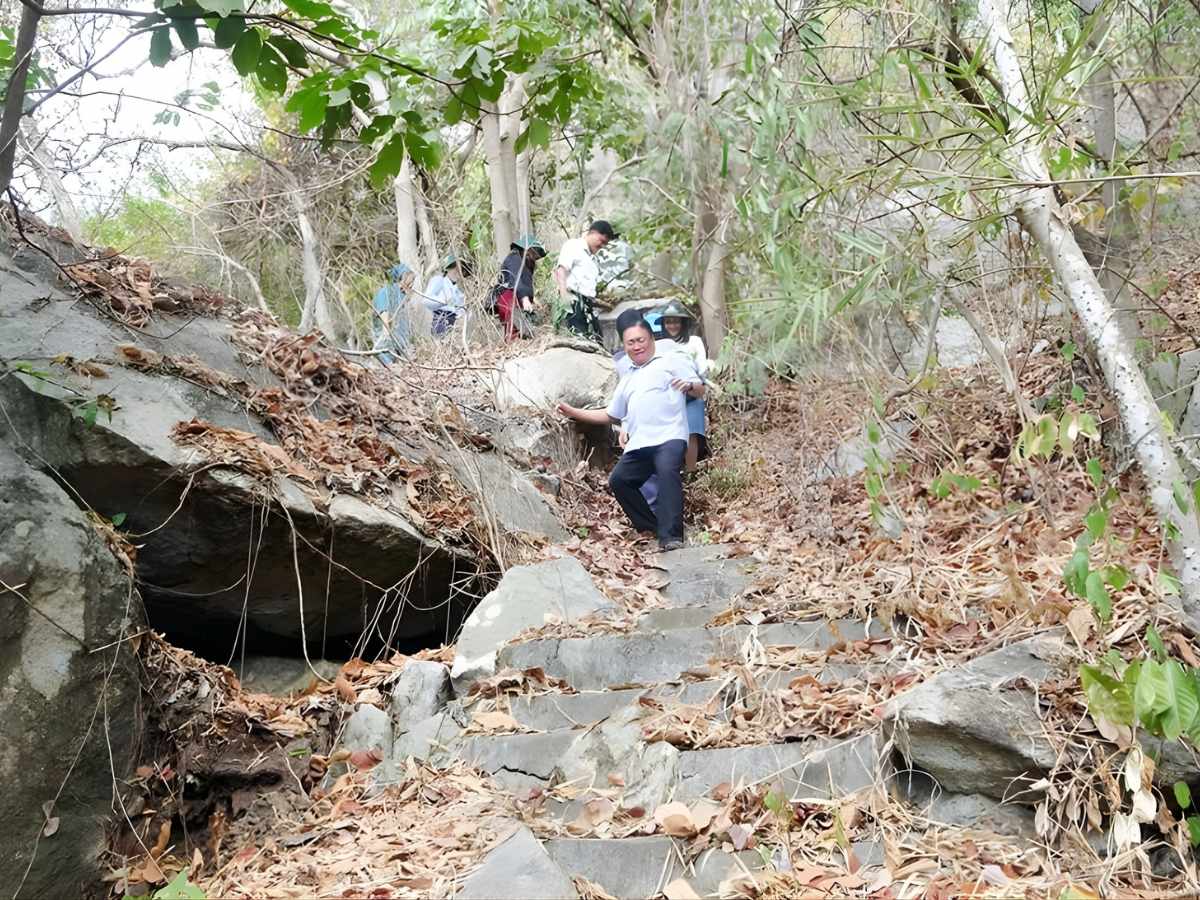
The mountain forest space of O Ta Soc creates a feeling of exploring pristine and tranquil nature. (Source: Collected)
The rocky dirt path also contributes to the diversity of the tour route, not just about observation but also physical activity. Visitors can better feel the difficulty of accessing and maintaining a base in the mountains. This is an important part of recreating the historical context through field experience.
3. What relics are worth exploring at O Ta Soc?
3.1. Remnants of the base associated with sheltered terrain
The relics at O Ta Soc are often associated with natural terrain such as mountain slopes, rock crevices, or dense forest areas. These locations were chosen to take advantage of their shielding capabilities, helping to reduce the risk of detection from afar. Some areas still have foundations or traces of shelters, showing how the terrain was utilized to build the base. This reflects the strategy of using terrain in guerrilla warfare.
Studying these relics helps to better understand how defensive and living spaces were organized under limited conditions. The natural environment was not just a hiding place but also served as part of the defense system. This is a prominent feature of the O Ta Soc revolutionary historical site, where terrain and people combined to create an effective operational system during wartime.
3.2. Forest space reflecting wartime living conditions
The forest space at O Ta Soc clearly reflects the living conditions of the revolutionary forces during the war. With dense vegetation and natural water sources, the area provided basic elements for sustaining life. However, the hot and humid climate and complex terrain also created many difficulties in daily life. Adapting to the environment was a crucial factor in maintaining long-term operations.
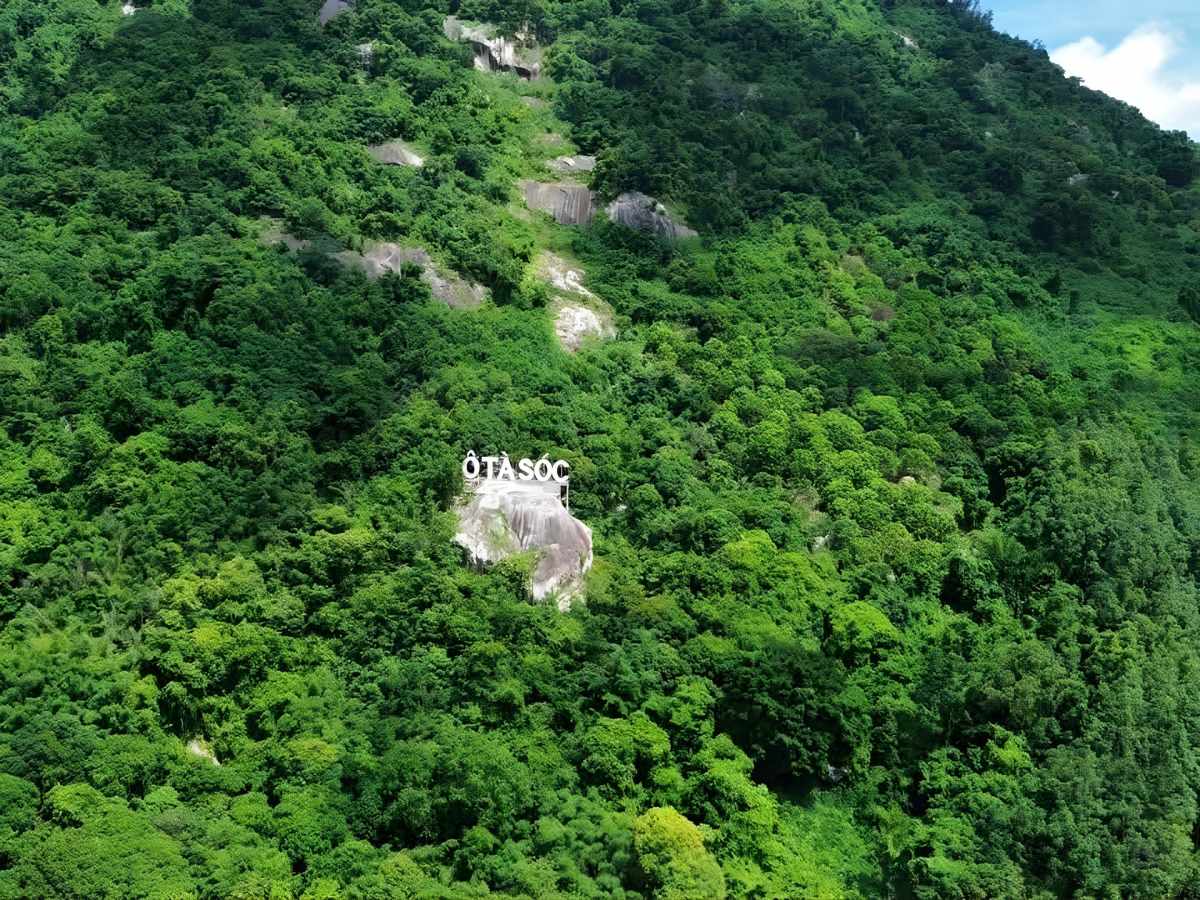
The approach to the O Ta Soc historical site offers a slow travel experience amidst green landscapes. (Source: Collected)
By observing the current forest space, visitors can somewhat imagine life in the past. Factors such as limited light, high humidity, and the presence of flora and fauna all affected daily life. This helps to clarify the historical context and the challenges faced by the revolutionary forces at O Ta Soc.
3.3. Elevation differences aid in understanding defense strategies
The varied terrain at O Ta Soc played a crucial role in organizing defense. Higher points were typically used for observation and controlling the surrounding area, while lower positions were suitable for concealment and daily activities. This distribution created a natural defense system, reducing reliance on man-made structures. This was one of the factors that allowed the base to remain operational for an extended period.
Moving through areas of different elevations helps visitors better understand how terrain was utilized in warfare. These experiences are not only for sightseeing but also hold historical educational value. Through them, the role of terrain in military strategy is clearly demonstrated.
4. Preparing for a trip to the O Ta Soc revolutionary historical site based on forest terrain
4.1. Choose shoes with good grip for rocky and dirt paths
Selecting appropriate footwear is crucial when visiting O Ta Soc, especially for the rocky and dirt paths. Shoes with good grip help reduce the risk of slipping when moving on uneven surfaces. Additionally, a snug fit and good cushioning support continuous movement over long periods. This is particularly necessary when the tour route is extensive and includes many gentle slopes.
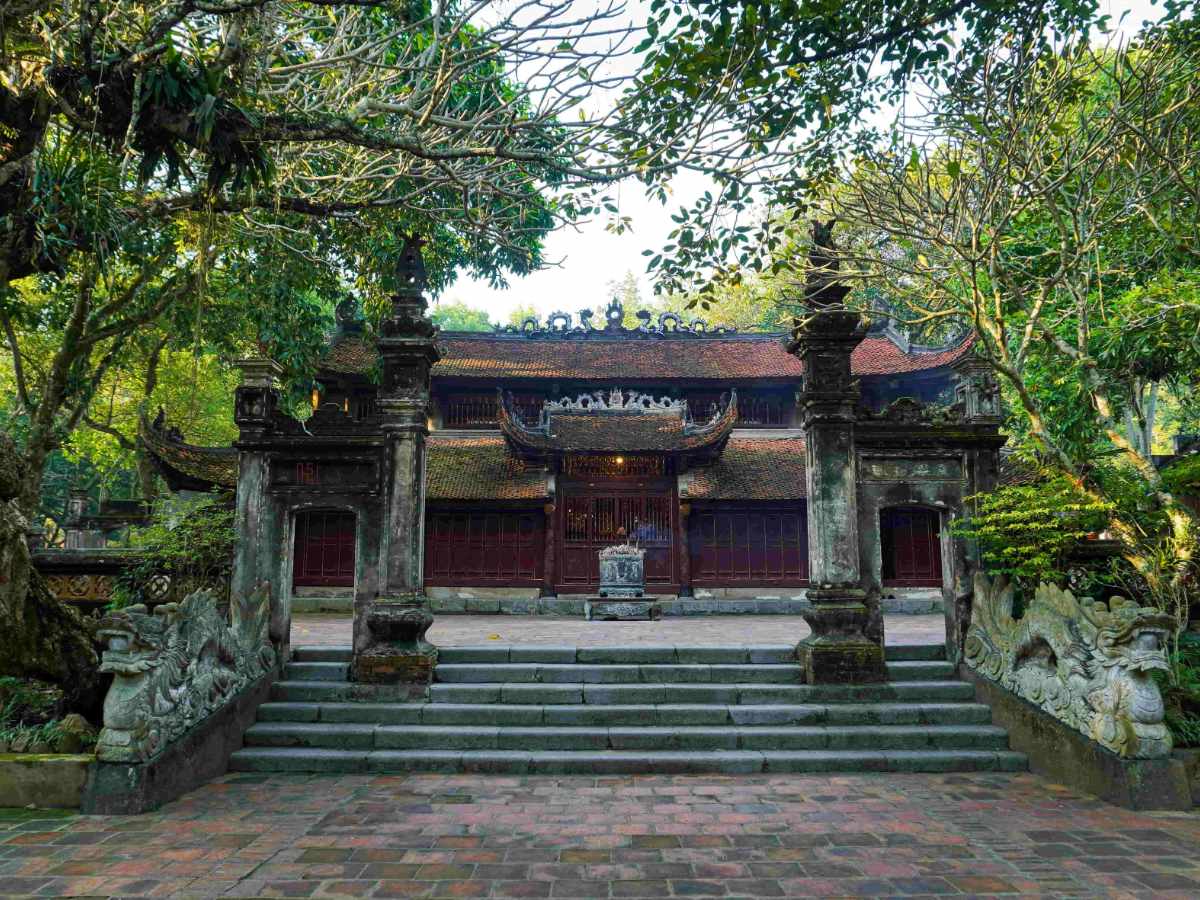
Morning is the golden time to start the tour of O Ta Soc. (Source: Collected)
In reality, many areas at O Ta Soc can become slippery during the rainy season, therefore, preparing suitable shoes helps increase safety. This is a factor to consider before starting the journey, to ensure a smooth experience.
4.2. Bring enough drinking water for the long walking trail
The tour route at O Ta Soc can last for many hours, therefore, bringing drinking water is necessary. The forest and mountain conditions with high humidity and fluctuating temperatures can cause the body to lose water faster. Preparing enough water helps maintain physical strength and avoid fatigue during movement. This is a basic factor but directly affects the sightseeing experience.
Additionally, as there are not many water supply points in the forest area, visitors need to proactively prepare in advance. This not only serves personal needs but also ensures safety throughout the journey.
4.3. Assess your strength before completing the main trail
The main trail at O Ta Soc can be long and include many different terrain sections, so assessing your physical strength before participating is necessary. Visitors should consider their ability to move continuously and their personal health condition. This helps avoid overexertion when moving through steep or rocky sections. Reasonable time allocation also contributes to ensuring a smooth journey.
Furthermore, assessing your strength helps visitors proactively choose suitable routes. Some routes can be shortened or divided into smaller segments, suitable for different groups of people. This increases flexibility and ensures a safe sightseeing experience at the O Ta Soc revolutionary historical site.
The O Ta Soc revolutionary historical site concludes the journey with stories associated with the resistance period amidst the An Giang mountains. The combination of natural space and historical elements creates a thought-provoking experience, suitable for trips seeking cultural depth. When mentioning tourist routes stretching from islands to mountains, O Ta Soc is often placed in the same exploration circuit as Sun World Hon Thom to reflect the diversity of spaces.