















1. Lia Tan Chau and the mark of the An Giang region
1.1. Origin and the name Lia Tan Chau
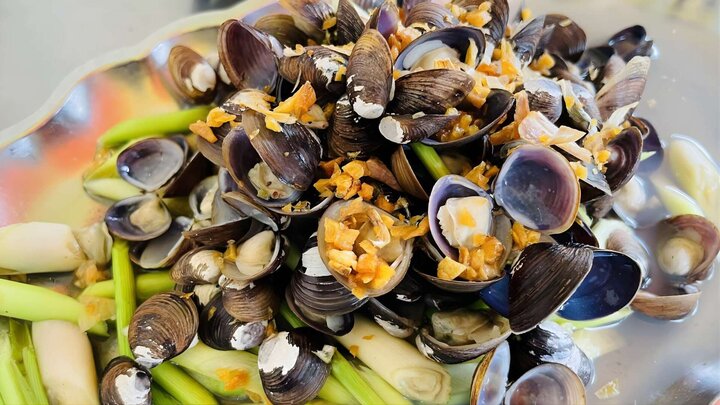
Lia Tan Chau is the familiar name for a small aquatic species living in the brackish water and river mouths of Tan Chau, An Giang province in the Mekong Delta region. This aquatic species is closely associated with the local river and canal system, where people have long relied on the water source for their livelihood. The name Lia Tan Chau therefore not only serves as an identifier but also reflects the ecological characteristics of this land.
Lia Tan Chau is closely associated with river life, reflecting the ecological characteristics of An Giang. (Source: Collected)
In daily life, local people catch lia around small canals and then process it for family meals or sell it at the rural market. The exploitation and use of lia occur naturally, closely linked to the living rhythm of riverine residents. Over time, lia has gradually become a familiar part of the culinary memory for many generations of Tan Chau people.
1.2. Natural conditions creating a unique flavor
Tan Chau town is located in the lower Mekong River, where annual alluvial deposits have formed a dense network of rivers and canals. The brackish water environment combined with a stable amount of alluvium creates favorable conditions for small aquatic species to grow. Among them, lia thrives with tender flesh and a harmonious sweet taste, easily recognizable when prepared.
Furthermore, the tropical monsoon climate causes water levels to change at different times of the year, especially noticeable during the flood season. The alternation between saltwater and freshwater helps lia accumulate its unique flavor characteristic of the lower delta region. These natural factors contribute to the distinctiveness of lia Tan Chau compared to other areas.
1.3. Cultural value in the lives of the people
Lia appears in many aspects of the lives of Tan Chau people, from daily meals to gatherings with friends or market days along the river. Catching, processing, and trading lia have become familiar scenes in the An Giang river region. These activities reflect the close relationship between humans and the natural environment.
In many localities within the province, lia is also considered a dish enjoyed during intimate conversations among local residents. This dish often accompanies light drinks, creating a friendly and open atmosphere. Thus, lia not only holds culinary value but also contributes to maintaining local community life.
2. Traditional process of making Tan Chau lia
2.1. Main ingredients and selection method
The main ingredients for processing lia Tan Chau are primarily caught directly from the rivers and canals around the town and its neighboring areas. People often gather lia during the receding tide season or the flood season, when these aquatic creatures appear abundantly along the banks. Selecting fresh lia helps ensure the quality of the ingredients from the start.
Fresh Lía is pre-processed with lemongrass and chili, demonstrating the process of selecting local ingredients. (Source: Collected)
After being caught, lía is brought back and soaked in clean water for 10 to 12 hours to remove mud and dirt stuck in the shell, according to the processing experience of local people. This step helps the ingredient be cleaner and easier to process in the next steps. This is also an experience that local people have maintained for many years.
2.2. Manual Lía Cooking Steps
Once soaked and washed multiple times, lía can be processed in various ways depending on each family's habits. A common method is stir-frying with garlic, where lía is quickly tossed in a hot pan with fried garlic and just enough seasoning. This processing method helps preserve the natural flavor of the ingredient.
2.3. Differences Between Manual and Modern Lía Production
Manual lía is usually processed from fresh ingredients in small batches and does not use preservatives. The processing depends heavily on the maker's experience in timing and adjusting seasoning. Thanks to this, the flavor of lía retains its closeness to traditional eating methods.
3. How to Enjoy and Buy Tan Chau Lía
3.1. Lía in Western Vietnam Cuisine
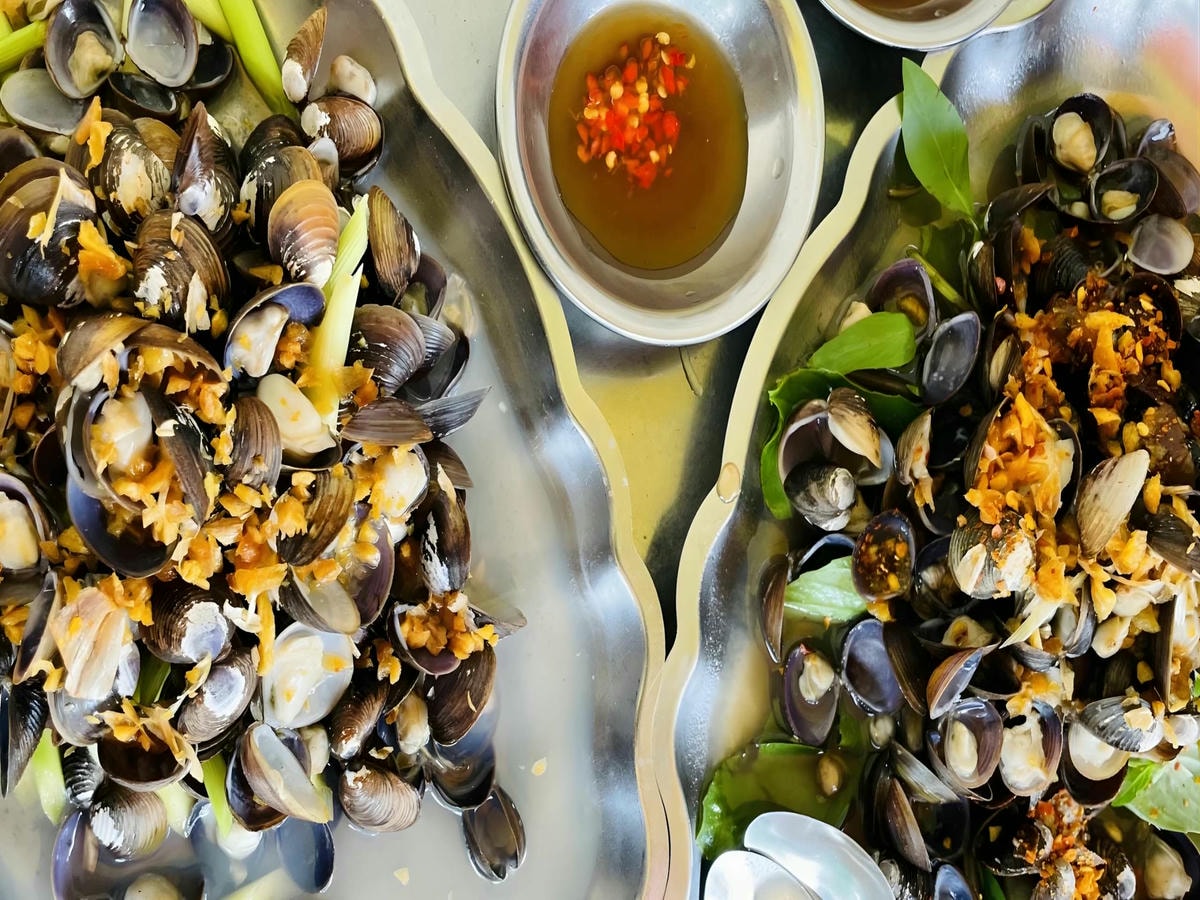
Tan Chau Lía appears in many familiar dishes of Western Vietnam cuisine, reflecting the simple processing methods of the riverine people. Besides stir-frying with garlic and boiling with lemongrass, lía is also served with a sweet and sour fish sauce mixed with a mild spiciness from chili to create harmony when enjoying. These processing methods help highlight the natural flavor of the ingredient.
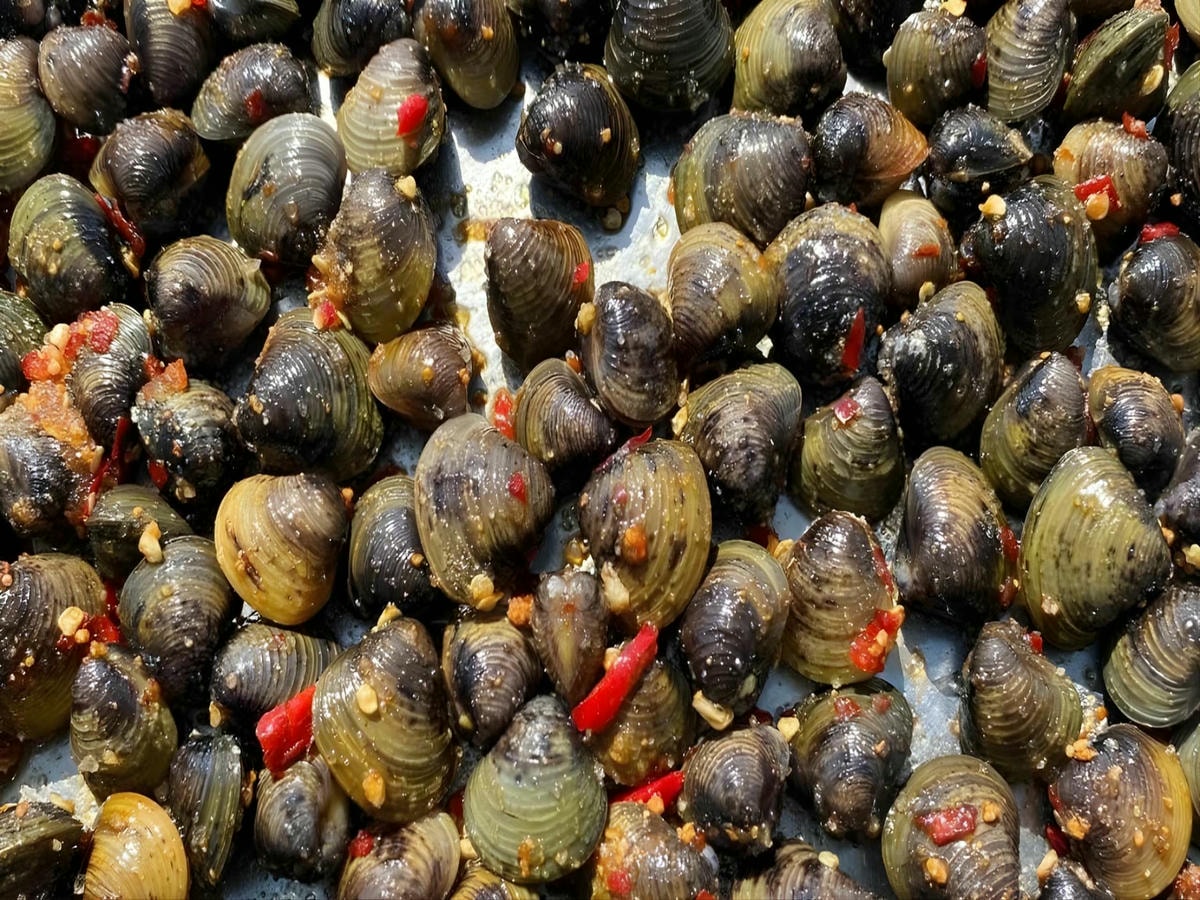
Lia Tan Chau rustic preparation, contributing to enriching Mekong Delta cuisine. (Source: Collected)
When consumed, the lia meat is tender, emitting a light aroma of lemongrass or garlic, blending with a characteristic mild sweetness. This culinary experience brings a sense of familiarity to distant diners when exploring local food culture. Lia is often enjoyed in family meals or gatherings with friends in the Mekong Delta.
3.2. Buying Lia Tan Chau as a gift
Tourists can find and buy lia at traditional markets such as Tan Chau market, Long Xuyen market, or Chau Doc market. Lia is usually sold right after being caught, making it easy for buyers to choose according to their needs. The rural market atmosphere also provides a shopping experience rich in local color.
3.3. Lia in the experiential tourism journey
In the trend of experiential tourism, many tourists visiting An Giang not only enjoy Lia Tan Chau but also learn about the lives of riverside residents. Activities such as watching the catching, processing, and selling of lia at rural markets provide an authentic perspective on local life. These experiences make the trip more profound.
After exploring the Mekong Delta, some tourists choose to continue their journey towards the islands for a change of scenery. Phu Quoc is often mentioned for its balance between relaxation and modern entertainment activities. Destinations like Sun World Hon Thom or the Hon Thom cable car experience create an interesting contrast with the rural atmosphere of An Giang.
4. Lia Tan Chau in the picture of Vietnamese tourism and specialties
4.1. Role in An Giang tourism development
Lia Tan Chau is one of the specialties that contributes to enriching the culinary map of An Giang province. Introducing lia in river tours combined with visits to rural markets can create additional stops for tourists. This helps local products become more closely linked with tourism activities.
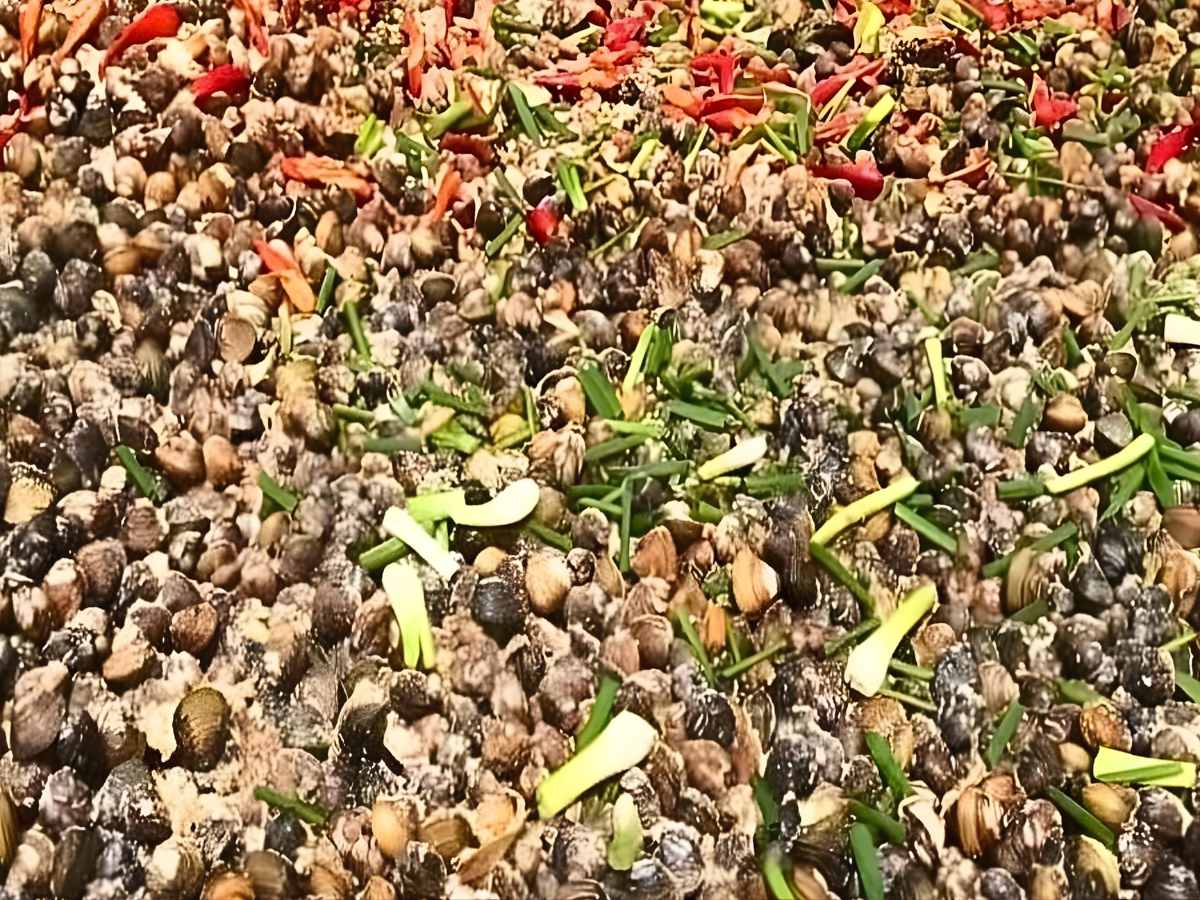
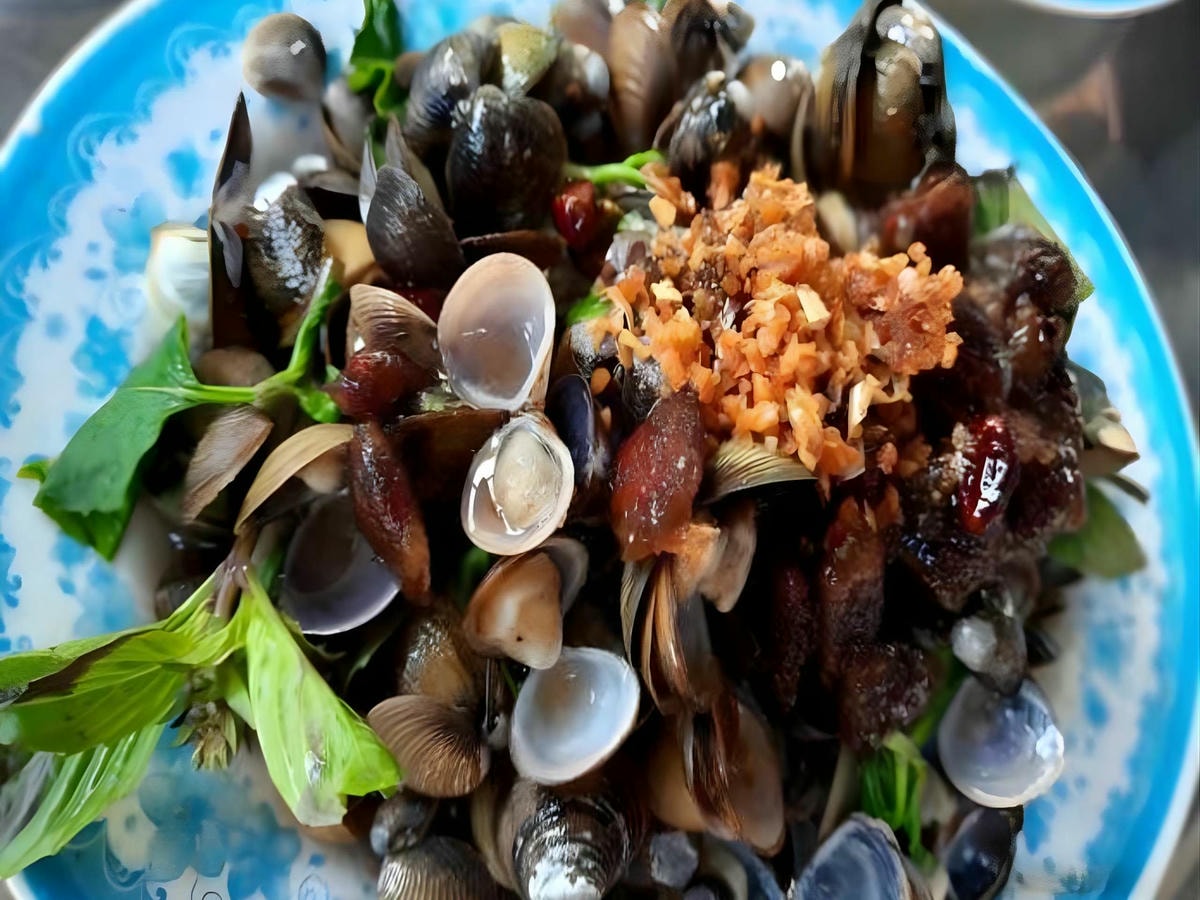
Ly of Tan Chau becomes a characteristic product, supporting the development of An Giang's culinary tourism. (Source: Collected)
In addition, integrating ly into culinary cultural events also contributes to introducing the local traditional values. These activities help tourists better understand local life. Thereby, the image of An Giang tourism is presented in a more multi-dimensional way.
4.2. Connecting the An Giang and Phu Quoc Journey
After experiencing the Mekong Delta, tourists can continue their journey to the southern coastal provinces such as An Giang. From here, travel by ferry or air facilitates convenient connections to Phu Quoc. This journey creates a distinct shift in landscape and pace of life.
4.3. Sustainable Value of Traditional Specialties
Maintaining the profession of catching ly and processing it using traditional methods contributes to preserving the culinary identity of the Tan Chau people. This activity simultaneously creates a stable livelihood for the local riverside community. This is an important factor in long-term development orientation.
Ly of Tan Chau is not just a rustic sweet treat but also a memory, a flavor representing the gentle land of An Giang. Within each piece of ly is a story about the people, nature, and inherited craftsmanship, contributing to enriching the map of Vietnamese specialties and tourism experiences.