















1. Overview of Resort Tourism in Vietnam
1.1. The Difference Between Resort Tourism and Exploration Tourism
Resort tourism is a form of tourism aimed at relaxation, enjoying the accommodation space and accompanying services throughout the trip. Travelers choosing this type of tourism often desire a slow-paced experience, prioritizing rest, health care, and the use of amenities such as spas or swimming pools. The itinerary is therefore more flexible, with less emphasis on continuous travel between multiple destinations.
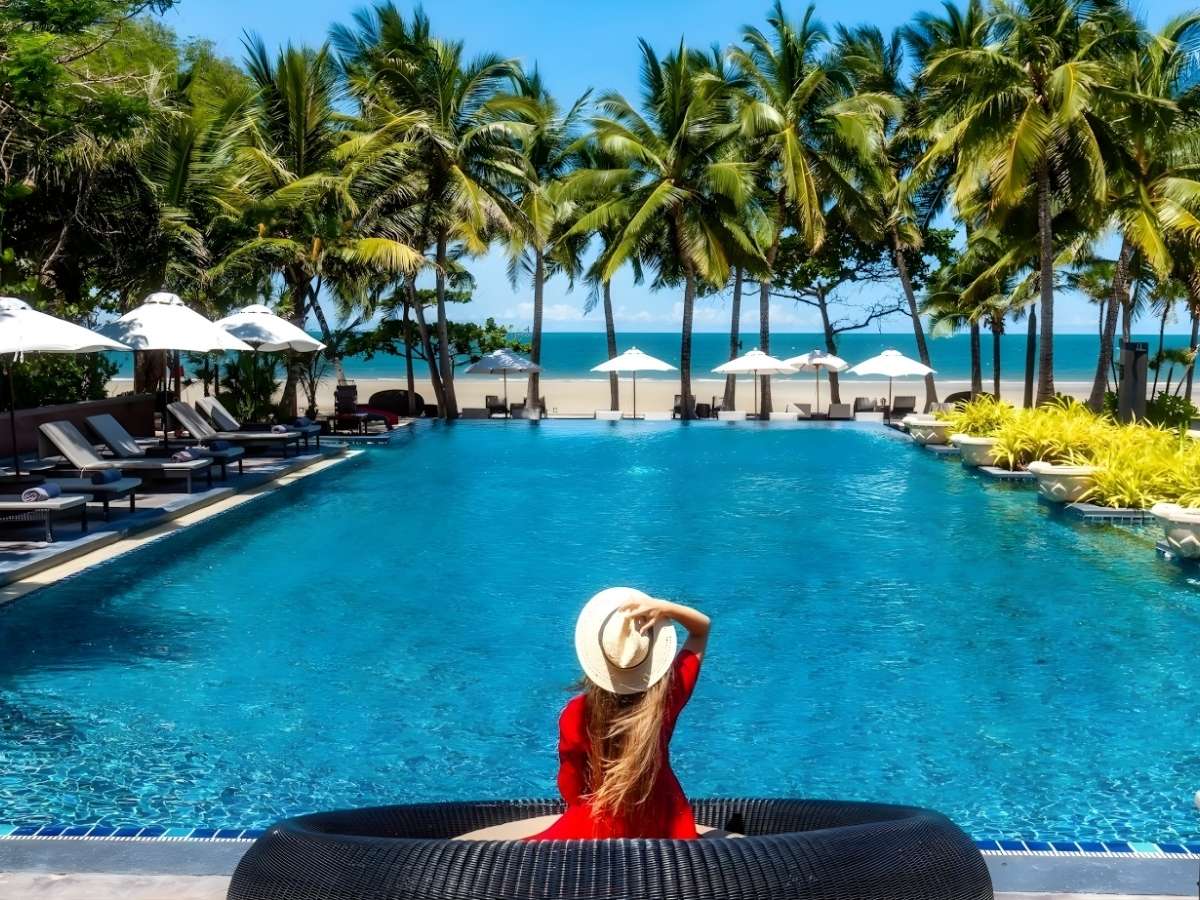
Resort tourism combined with nature exploration brings a balanced and relaxing experience. (Source: Collected)
Unlike resort tourism, exploration tourism focuses more on sightseeing, learning about local landscapes and culture. Tourists often travel frequently, experience for short periods, and spend less time on long rests. This difference helps each type suit different needs and travel stages.
1.2. Reasons why Vietnam becomes an attractive resort destination in Asia
Vietnam possesses a long coastline, many sprawling beaches, and a diverse natural ecosystem from mountains to islands. The tropical climate distributed by region allows resort activities to take place at many times of the year. This is an important foundation for developing resort tourism products in many areas.
Besides natural factors, many resorts have been invested in destinations like Phu Quoc, Nha Trang, or Da Nang, meeting tourists' accommodation and relaxation needs. The recovery of the tourism industry and increasingly clear resort demands have promoted diversity in service types. Thanks to that, Vietnam appears more frequently in the resort choices of domestic and international tourists.
1.3. Resort tourism trends of Vietnamese and international tourists
Vietnamese tourists tend to prioritize resort trips combined with health care to balance modern life. Short weekend trips or longer holidays are chosen to regenerate energy. This type is suitable for families, couples, and groups of friends seeking relaxation.
For international tourists, Vietnam is not only a sightseeing destination but also a place to enjoy nature and quality resort services. The resort trend is expanding to multi-generational family tourism models and combining local cultural and culinary experiences. This makes the trip more complete while maintaining a gentle pace of experience.
2. Popular resort tourism types in Vietnam
2.1. Island and beach resort tourism
Island and beach resort tourism is a popular choice in Vietnam thanks to its long coastline and rich island system. Coastal resorts are often planned in areas with gentle sandy beaches, natural landscapes, and relatively secluded environments. The sea-facing accommodation space helps tourists maintain a slow pace of life, prioritizing rest and enjoying the surrounding scenery.
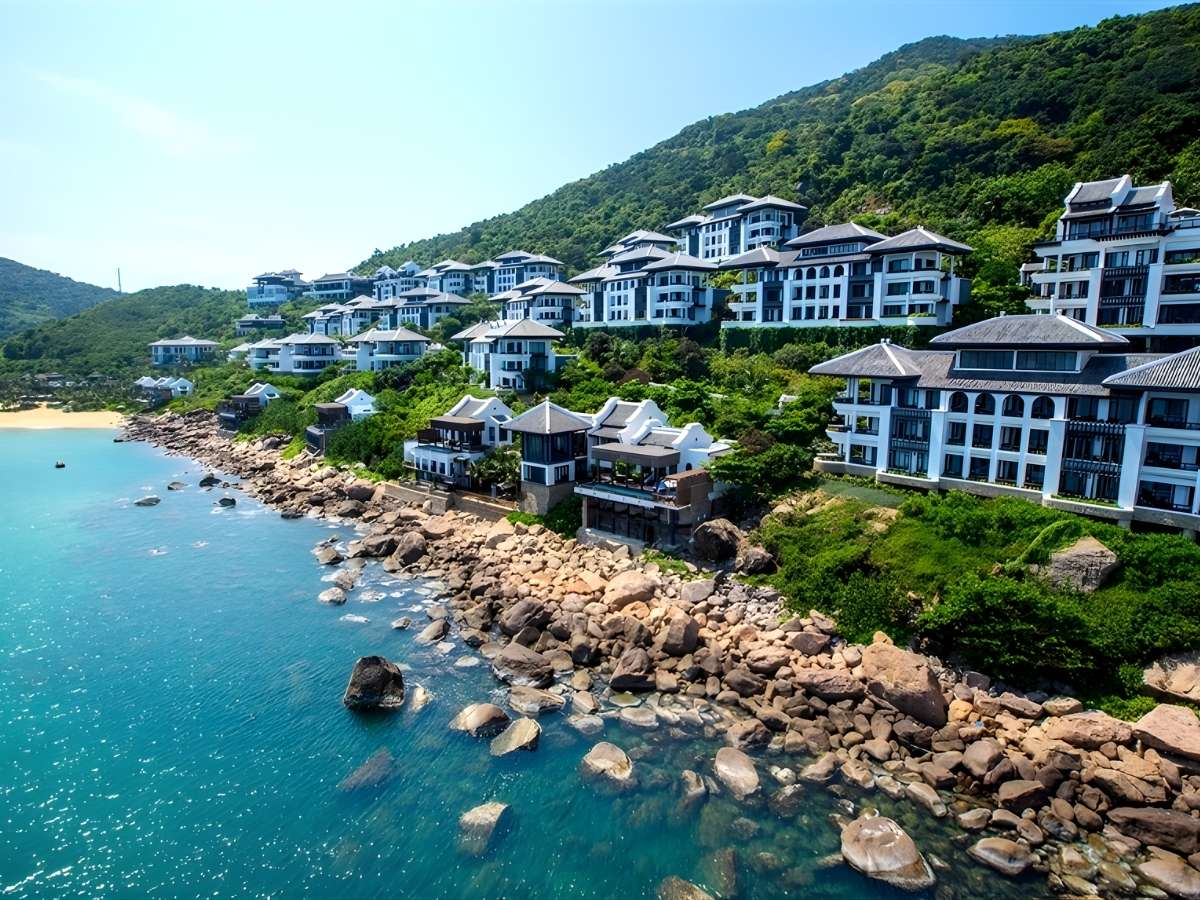
Island and beach resort tourism in Vietnam develops diverse coastal spaces. (Source: Collected)
This form of island and beach resort is associated with coastal resorts and villas or located separately in sheltered bays. These accommodations focus on lodging services, outdoor swimming pools, seaside spas, and private relaxation areas. Entertainment activities are usually designed to be gentle, without creating time pressure for tourists.
Besides resting, tourists can participate in experiences suitable for the marine environment such as morning yoga, walking along the shore, or watching the sunset. Some destinations also organize moderate water sports activities, suitable for families or middle-aged tourists. This model meets the needs for long-term stays as well as short weekend getaways.
2.2. Mountain and forest resort tourism
Mountain and forest resort tourism develops in areas with high terrain, cool climate, and low population density. The accommodation space amidst forests or on mountainsides provides a sense of separation from the urban pace of life. Natural landscapes and stable temperatures are the main factors attracting tourists to choose this type of tourism.
Mountain and forest resorts are often built with low density, prioritizing natural materials and architecture harmonizing with the landscape. Lodging services focus on private spaces, minimizing noise and crowded activities. Resort experiences aim at mental relaxation and physical recovery after extended periods of work.
Besides resting, tourists can participate in light activities such as forest walks, meditation, yoga, or valley sightseeing. Some resorts combine natural hot spring baths or herbal spas using local ingredients. This type of tourism is suitable for individuals, couples, and small families.
2.3. Resort tourism combined with entertainment
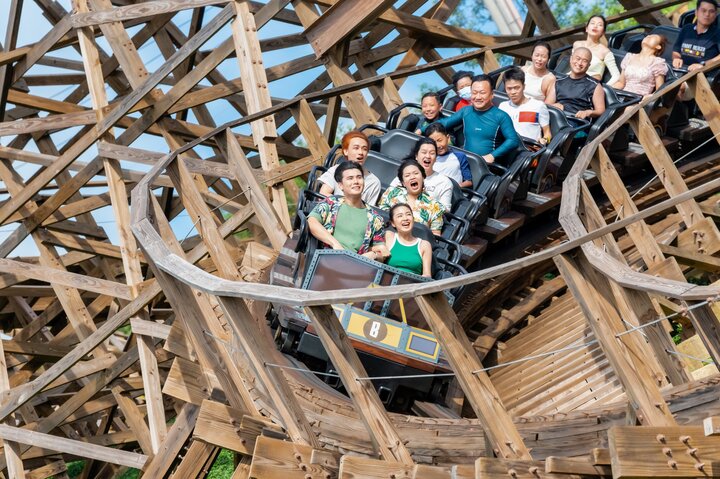
Resort tourism combined with entertainment develops in parallel with large-scale tourism complexes in Vietnam. This model integrates accommodation, entertainment, dining, and services within a single enclosed space. Tourists can rest and participate in entertainment activities without much travel.
Resorts following this model often feature amusement parks along with indoor and outdoor play areas, catering to the needs of various age groups. The service system is clearly divided to balance rest and experience. Multi-generational families can flexibly choose activities suitable for each member.
This combined resort and entertainment model helps extend the length of stay and enhance the overall experience for tourists. Children, adults, and the elderly all have their own living spaces within the same resort area. This model is often found in destinations with synchronized tourism infrastructure and a stable flow of visitors.
3. Suggested outstanding resort destinations in Vietnam
3.1. Northern Vietnam with strengths in mountain and heritage resorts
Northern Vietnam boasts high mountainous terrain, natural forests, and diverse lake systems, creating conditions for developing resort types associated with green spaces and cool climates. Many areas such as Sa Pa in Lao Cai province and Ba Vi in Hanoi have developed resorts nestled on mountainsides, in valleys, and among forests, harmoniously blending with the landscape and local cultural elements. Quiet spaces, low construction density, and expansive views are common features of resorts in the northern mountainous regions.
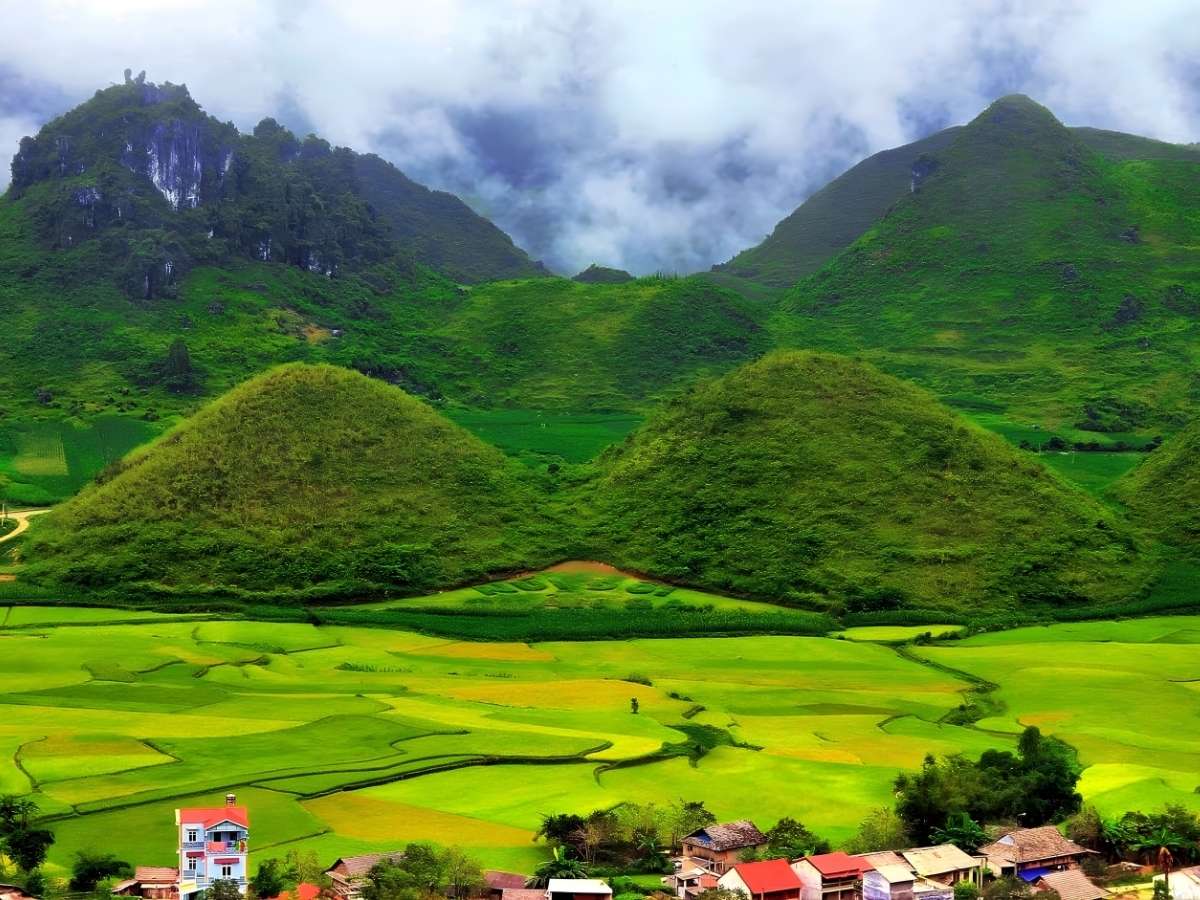
Northern Vietnam stands out for resort tourism with mountains and green spaces. (Source: Collected)
Besides accommodation services, many Northern Vietnam resorts focus on exploiting mineral springs, fresh air, and health care activities. Some resorts develop models of mineral bathing, natural spas, and forest walking paths, suitable for relaxation and physical recovery needs. The combination of resort stays with local heritage and cultural experiences helps Northern Vietnam form its own mark in the mountain and ecological resort tourism segment.
3.2. Central Vietnam with a high-class coastal resort axis
Central Vietnam is considered the area concentrating many coastal resorts in Vietnam thanks to its long coastline, beautiful bays, and convenient airport systems for travel. Localities such as Da Nang, Hoi An, and Nha Trang attract tourists with a network of beachfront resorts, spa services, and culinary spaces associated with the coastal landscape. This creates a foundation for developing resort products suitable for many customer groups.
Coastal resorts in Central Vietnam not only provide quality accommodation but also serve as transit points for visiting nearby cultural heritage and natural landscapes. Tourists can combine relaxation with exploration activities within a short travel distance. The balance between resort stays and experiences helps this region maintain stable seasonal appeal.
3.3. Southern Vietnam and tropical island resort destinations
Southern Vietnam is located in a tropical monsoon climate zone, maintaining stable temperatures year-round and being less affected by cold winters. This region concentrates many long, sunny beaches, calm seas, and diverse coastal ecosystems, favorable for long holidays. The relatively stable weather conditions make Southern Vietnam a familiar choice for many types of tourists.
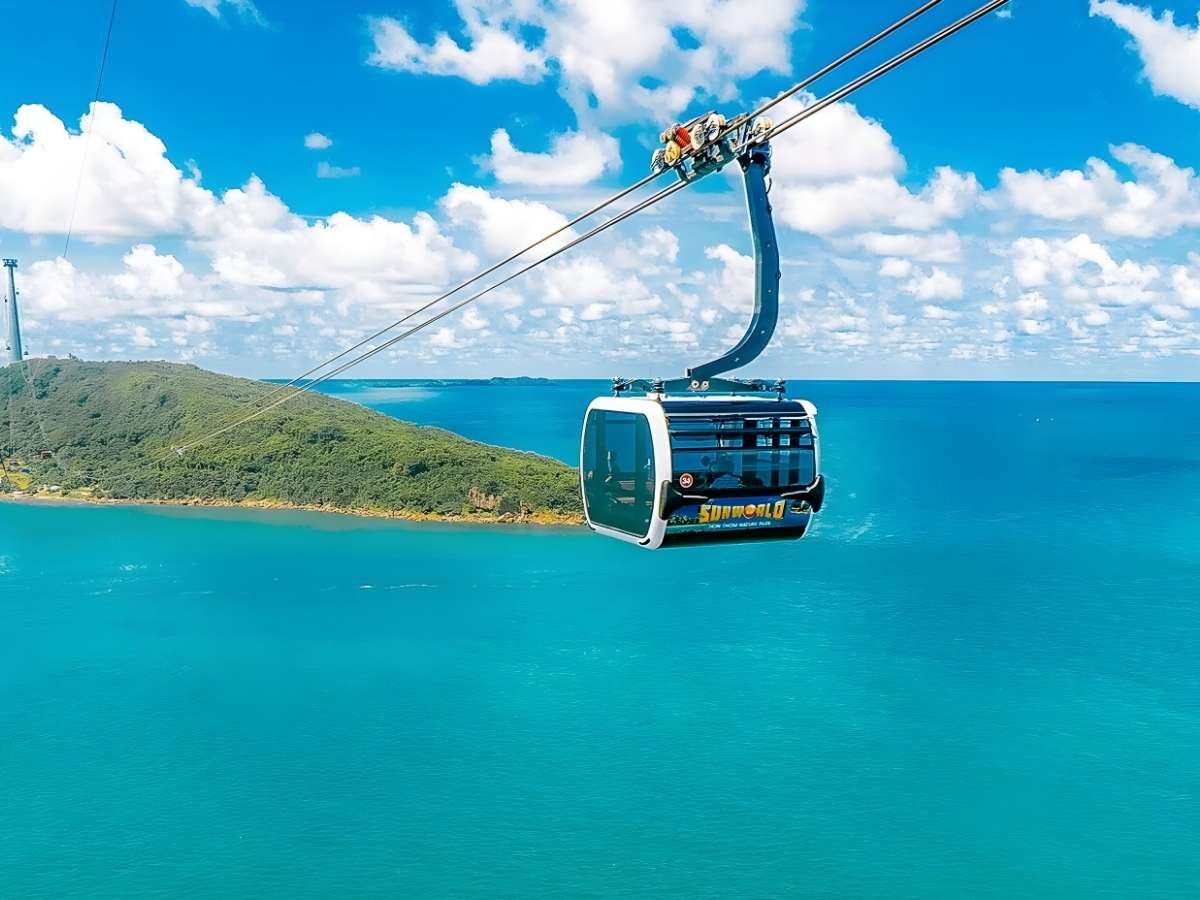
The Hon Thom cable car connects Hon Thom island to An Thoi. (Source: Collected)
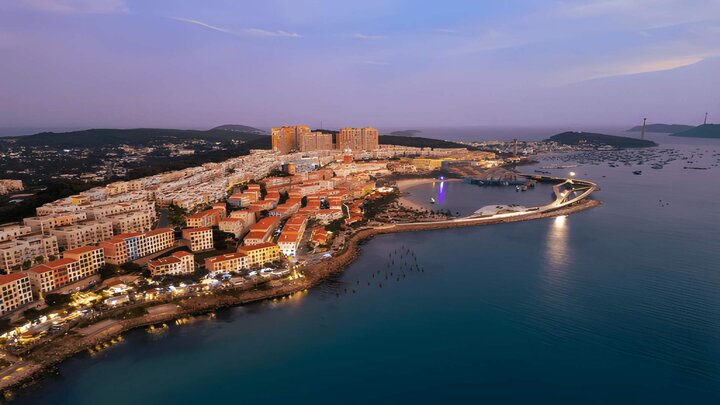
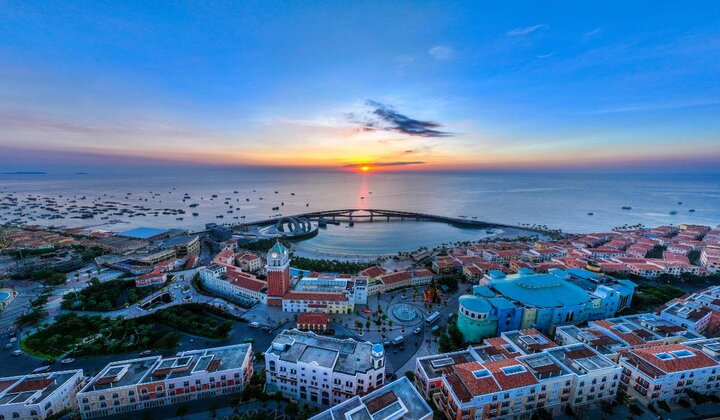
The southern area of Phu Quoc, especially the An Thoi archipelago, is known for its tourism products combining resort stays and sea entertainment. Sun World Hon Thom is a highlight in this area, connecting Hon Thom island to An Thoi via a nearly 8km-long sea-crossing cable car, passing over the sea and small islands. The integration of natural landscapes with island sea entertainment spaces contributes to shaping the characteristic resort experience for the southern part of Phu Quoc island.
Resort tourism in Vietnam is gradually forming as a balanced choice between rest and enjoying life. The diversity of destinations, types, and services caters to various tourist needs. As a result, each resort trip can be personalized according to one's own pace of experience.
>>> Book Sun World Hon Thom tickets here to explore Hon Thom and experience the world's leading sea-crossing cable car.