















1. Overview of Rach Vem Phu Quoc
1.1. Where is Rach Vem Phu Quoc located
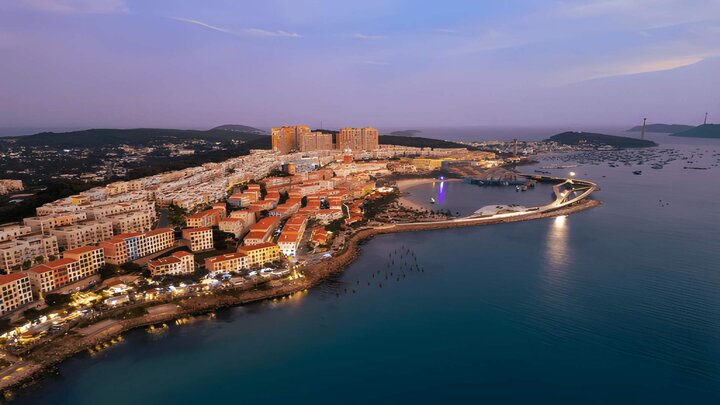
Rach Vem Phu Quoc is located in the northern part of Phu Quoc island, An Giang province, about 20 to 25 km from the center of Duong Dong via DT.973 road. This area is formed as a coastal fishing village, where people mainly live by nearshore fishing and household-scale aquaculture. The space here still retains the characteristics of an island region with sandy beaches, coastal forests, and shallow waters, relatively separate from the central area of the island.
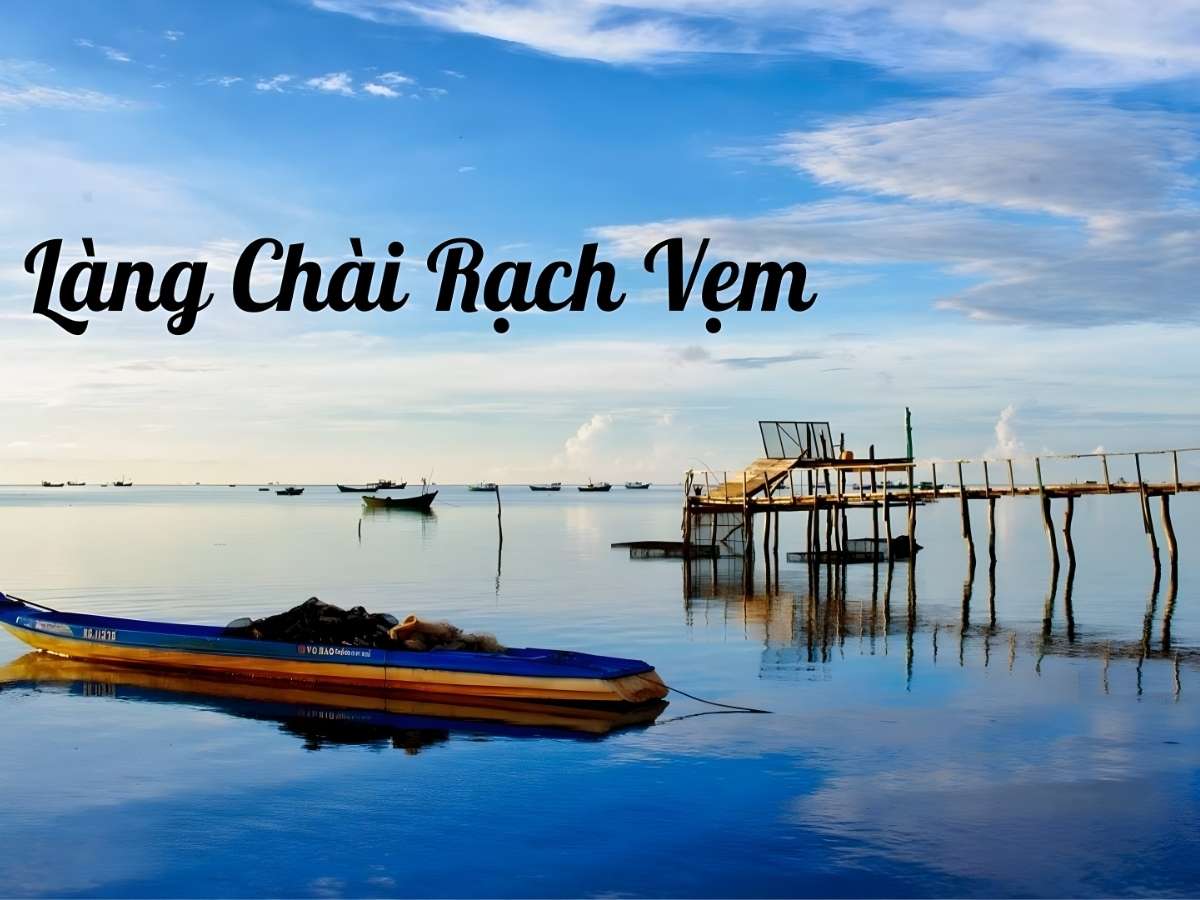
Rach Vem Phu Quoc is located in the north of the island, nổi bật with its coastal fishing village. (Source: Collected)
Rach Vem developed from the long-standing living needs of the local community, with spaces primarily consisting of houses, raft houses, wooden bridges, and structures serving the fishing village life. Ecologically, this area is in the transition zone between the coastal residential area and the mangrove ecosystem in the north of the island. This intermingling creates a diverse living environment for marine life, including starfish, a natural element often mentioned when talking about Rach Vem in Phu Quoc tourism.
1.2. Outstanding Characteristics of Rach Vem
Rach Vem is recognized as a coastal fishing village with nearshore fishing activities and small-scale aquaculture. The imagery of raft houses, wooden bridges, coracles, and fishing boats creates a familiar picture of island life. This space reflects the lifestyle of the local community, which is closely tied to the sea.
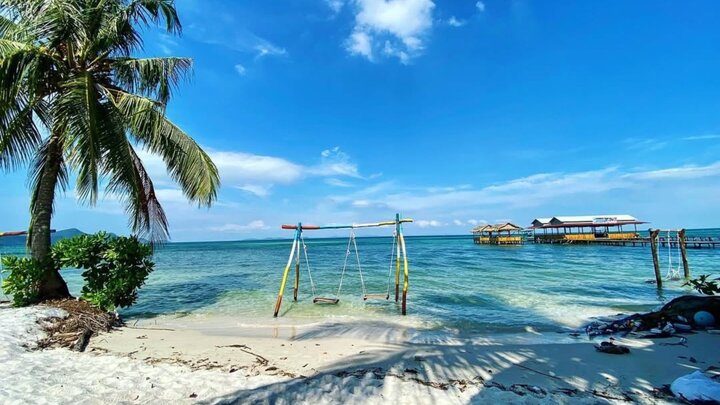
A readily recognizable natural characteristic of Rach Vem is the shallow coastal waters with high clarity during the dry season. From November to April, starfish are found living naturally on the seabed in many areas. This phenomenon is formed by stable environmental conditions, sandy bottoms, and suitable ecosystems.
The Rach Vem area has low construction density, few permanent structures, and no large-scale services. This creates a quiet environment, limiting infrastructure pressure and noise. It is this simplicity in landscape and daily life that has contributed to the unique identity of this area.
2. How to Get to Rach Vem Phu Quoc from the Island Center
2.1. How to Travel to Rach Vem Phu Quoc by Motorbike
From the center of Duong Dong, visitors can travel by motorbike along the DT973 route towards the north of the island. On this route, easily recognizable landmarks include the Cua Can area, Suoi Cai, and the turnoffs leading to Ganh Dau commune before entering the branch road to Rach Vem. The total travel distance is about 20 to 25 km, depending on the starting point within the central area.
Most of the main road has been paved, making it convenient for motorbike travel. However, the final section leading to the fishing village still has some dirt and gravel sections, which are more apparent during the rainy season. Traveling by motorbike offers independence, allowing for stops to observe the scenery and flexible adjustments to the itinerary.
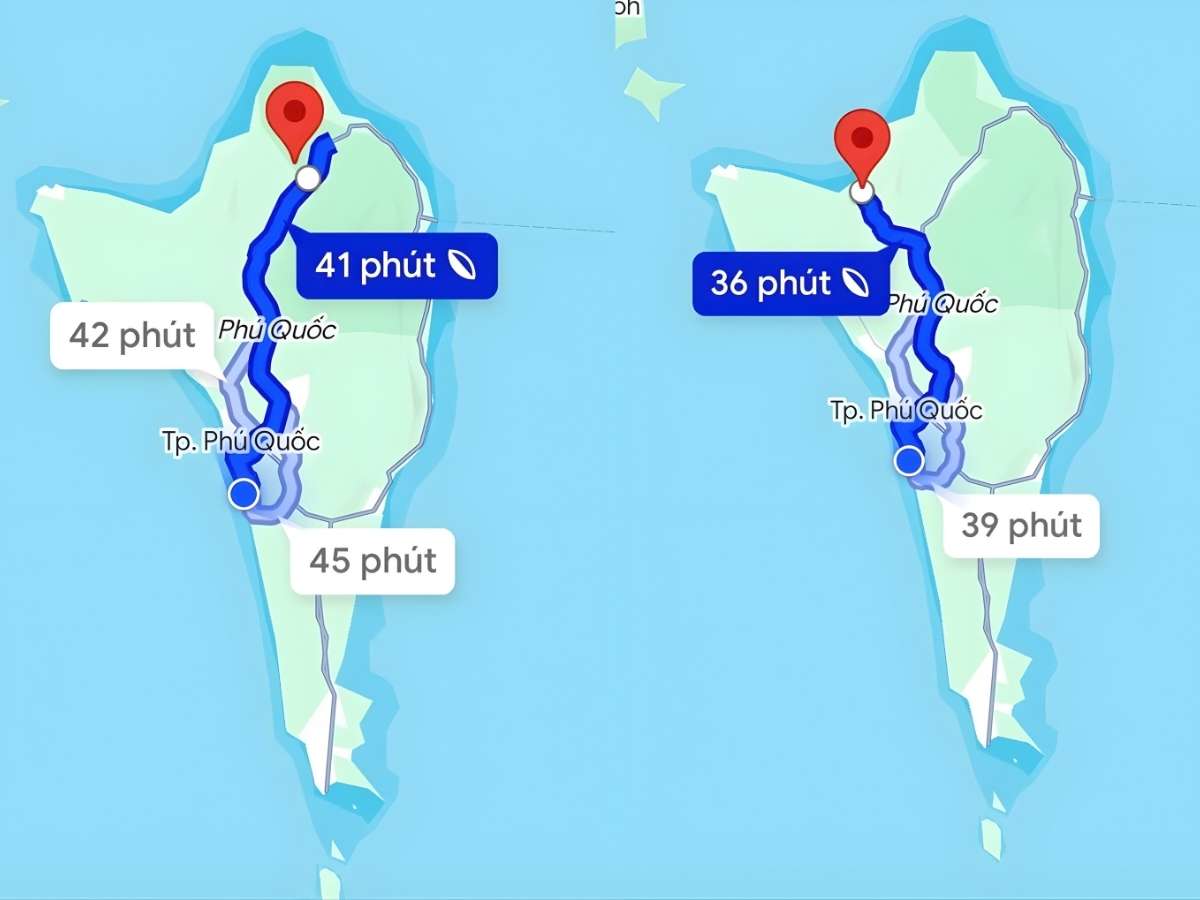
Rach Vem (Starfish Beach) is about 20-25km from Phu Quoc center, convenient to travel to. (Source: Collected)
Regarding the actual experience, motorbikes are suitable for tourists accustomed to long-distance travel and capable of handling uneven terrain. The average travel time from Duong Dong center to Rach Vem is about 45 to 60 minutes, depending on road conditions and speed. This method is often chosen by those who want to fully experience the natural scenery along the northern island route.
2.2. How to get to Rach Vem Phu Quoc by car
Traveling by car from Duong Dong center along DT973 is a suitable option for large groups or families. The travel distance is similar to motorbikes, but it requires drivers to be familiar with handling narrow sections and uneven road surfaces at the end of the route. Some dirt road sections leading to the fishing village may cause inconvenience for low-clearance vehicles.
The advantage of cars lies in their stability for long-distance travel and their capacity to carry many people and luggage. However, the limitation is the difficulty in accessing deep into the fishing village due to narrow roads and limited turning space. In many cases, cars need to stop in the outer area and proceed on foot.
Traveling by car is more suitable when the weather is dry and the road surface is stable. During the rainy season, slippery roads can affect safety when using a four-wheel vehicle. Therefore, weather conditions and vehicle suitability need to be considered concurrently before making a choice.
2.3. Going to Rach Vem Phu Quoc by tour or shuttle bus
Some day tours in Phu Quoc include the Rach Vem route combined with northern island destinations. This option typically includes transportation, a fixed itinerary, and a tour guide. This is a suitable choice for tourists unfamiliar with the roads or who do not want to arrange their own itinerary.
In addition to package tours, renting a private car or a shuttle bus upon request is also chosen by many family groups. This option allows for flexibility in time, pick-up and drop-off points, and independence from a shared itinerary. Having a local driver assist also reduces the pressure of navigating difficult road sections.
Traveling by tour or shuttle bus is suitable for large groups, the elderly, or families with young children. Limiting self-driving allows the trip to focus more on the sightseeing experience. This mode of transport provides stability during the trip organization.
3. Practical Guide for Visiting Rach Vem Phu Quoc
3.1. Best time to visit Rach Vem Phu Quoc
The dry season in Phu Quoc lasts from approximately November to April and is considered the favorable period for visiting Rach Vem. During this time, the weather is more stable, the sea is calm, and the water clarity is high, which is convenient for observing marine life. Starfish are usually more abundant in shallow water areas during this period.
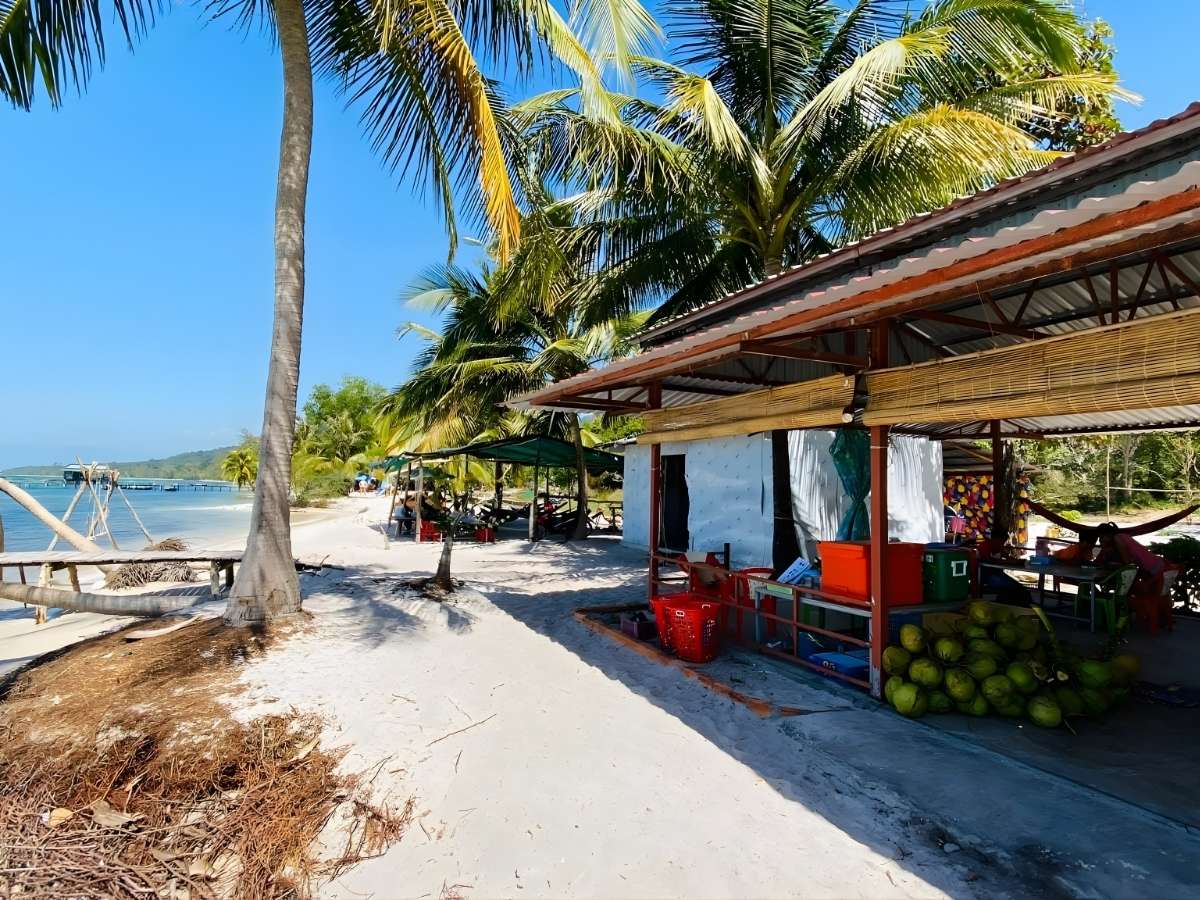
Rach Vem Creek is most beautiful in the dry season, the sea is calm and the water is clear. (Source: Collected)
The rainy season in Phu Quoc usually lasts from around May to October with increased rainfall and stronger sea waves. These conditions affect water clarity as well as movement on dirt roads leading to the fishing village. Therefore, the experience of visiting during this time is somewhat more limited. Besides the weather, tides also affect the ability to observe starfish. When the tide recedes, shallow water areas expand and marine life becomes more visible. Many tourists often choose early morning or noon hours for their visits.
3.2. Points to note when visiting Rach Vem
When visiting Rach Vem, protecting the marine ecosystem is a priority. Tourists should avoid touching, catching, or moving starfish from their natural environment to minimize biological impact. This contributes to maintaining the ecological balance of the area. Regarding movement and daily life, visitors should prepare suitable footwear for wet and slippery terrain. Basic items such as drinking water, hats, and sunscreen are also necessary as services in the area are limited. Proactive preparation helps the visiting experience go more smoothly.
Additionally, monitoring the weather forecast before the trip is important for safety. Bad weather can affect both travel routes and coastal activities. Choosing the right time ensures a stable journey and minimizes potential risks.
4. Suggested combination points for visiting Rach Vem Phu Quoc
4.1. Combining Rach Vem with tourist spots in the North of the island
After visiting Rach Vem, tourists can continue to the Ganh Dau Cape area in the north of Phu Quoc island to enjoy the sea view and coastal scenery. Additionally, the beaches that retain their natural charm along with the coastal forest system in the north of the island create a seamless chain of experiences between the sea, forest, and fishing village. Combining attractions in the same area helps optimize travel distance within a day and diversify the experience space.
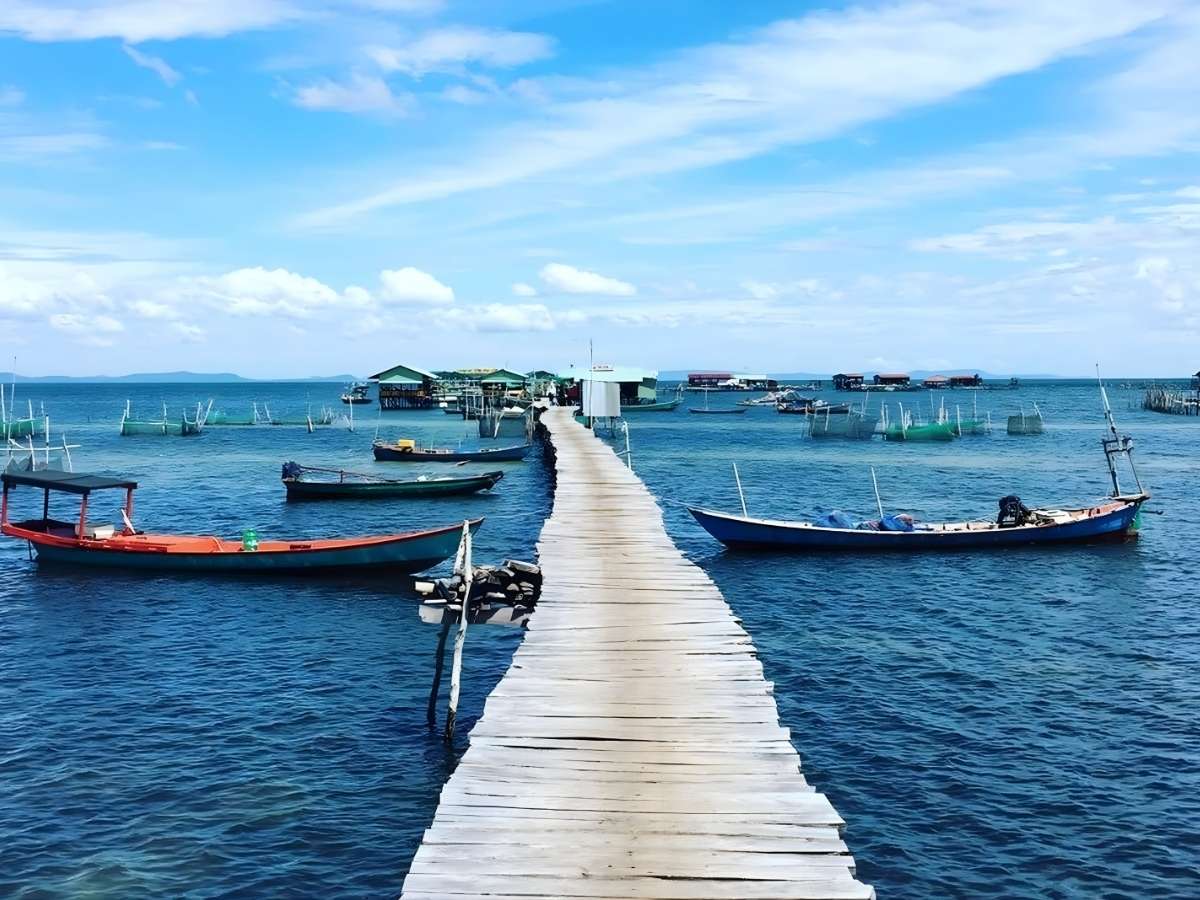
Combining a visit to Rach Vem with convenient northern Phu Quoc tourist destinations. (Source: Collected)
The northern part of Phu Quoc island has a lower density of tourism development compared to the island's center, so nature experiences are less affected by urban factors. Visiting nearby attractions creates an ecological journey, connecting landscapes and clear spaces. This arrangement is suitable for tourists who prioritize nature experiences and a slow-paced tour.
4.2. Suggested One-Day Itinerary
A one-day itinerary can start in the morning from the center of Duong Dong, then move to Rach Vem to visit the fishing village and the coastal area. At noon, tourists can have lunch at raft houses or small seaside eateries, combined with a short rest before continuing the journey. Reasonable time allocation helps maintain a stable pace and avoids rushed travel.
In the afternoon, the itinerary can be extended towards visiting attractions in the north of the island such as Ganh Dau or nearby beaches. The distance between attractions is not too far, allowing the journey to proceed continuously without causing fatigue. This organization is suitable for day-trip groups who do not stay overnight in the North of the island.
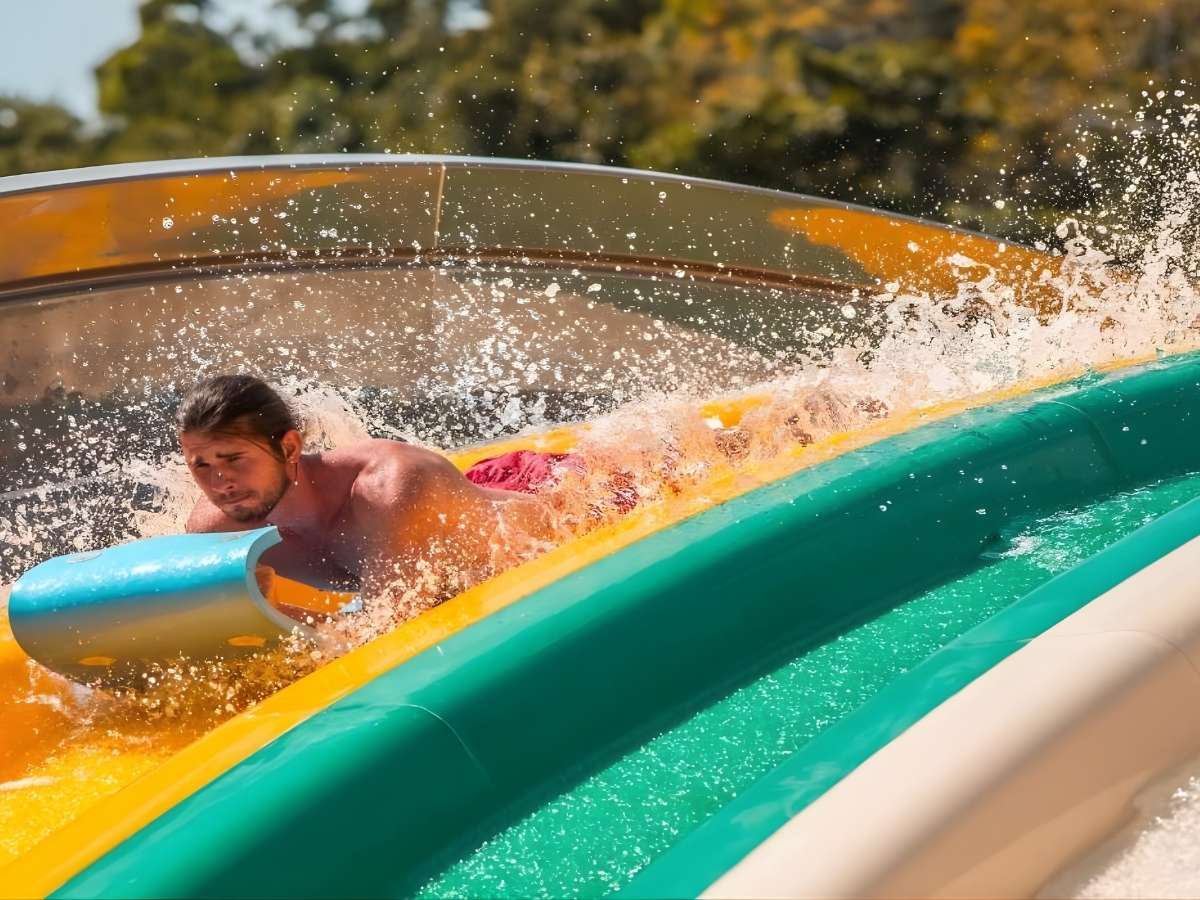
Sun World Hon Thom is a prominent entertainment spot in the Phu Quoc travel itinerary. (Source: Collected)
In the late afternoon, the itinerary can extend to the south of the island to experience more entertainment and recreational activities at Sun World Hon Thom. Combining the natural spaces in the north with island entertainment complexes creates a balance in the types of experiences. Arranging destinations along the North-South axis helps optimize travel distance within the day.
Although the road still has some natural sections, Rach Vem Phu Quoc remains a worthwhile destination in the island exploration journey. By preparing the route in advance and choosing suitable transportation, understanding how to get to Rach Vem Phu Quoc will make the starfish village visit smoother, bringing many memorable experiences and easily applicable to the actual itinerary.