















1. General Introduction to Hon Queo Pagoda Kien Giang
1.1. Geographical Location and Prominent Features
Hon Queo Pagoda is located on the slope of Hon Queo mountain, in Hon Dat commune, An Giang province, within the famous Ba Hon scenic complex. Although it is the smallest mountain, Hon Queo boasts a spacious sea-facing position, opening up a panoramic view of the mountainous and marine landscape characteristic of the Southwest region. The area around the pagoda is peaceful with rocks, sea, sky, and coastal fishing villages, creating a sense of detachment from daily life. The combination of natural scenery and sacred space makes it a suitable stop for pilgrimage and sightseeing.
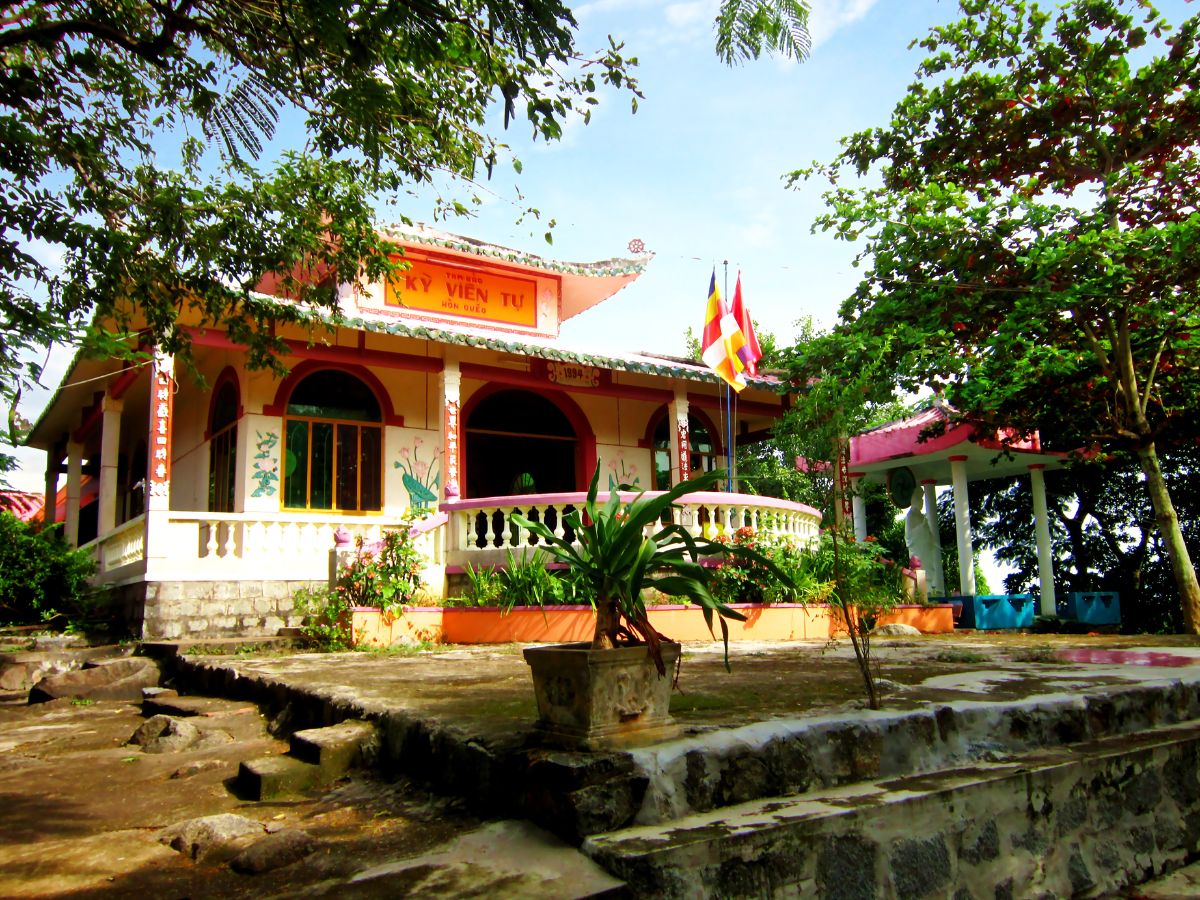
Hon Queo Pagoda belongs to Hon Dat commune, An Giang, with one side facing the sea. (Source: Collected)
1.2. Historical and cultural values of Hon Queo Pagoda
Hon Queo Pagoda was established in 1938, associated with the Buddhist practice and activities of the local community. Through many periods, this place has not only served as a spiritual anchor but also preserved historical imprints of the Ba Hon region. This area was once involved in revolutionary activities in the past, contributing to the cultural depth of the relic. The pagoda's presence in people's lives reflects the connection between faith and the coastal community. This is also a factor that helps Hon Queo Pagoda become a destination with combined values of spirituality, history, and landscape.
2. How to travel to Hon Queo Pagoda, Kien Giang
2.1. Traveling from Ho Chi Minh City, Hanoi to Hon Dat
From Ho Chi Minh City, tourists can take a bus along the Mekong Delta route directly to Hon Dat or choose the more popular option of going to Rach Gia and then transferring. The travel time by road is usually about 7–8 hours, suitable for overnight trips or early morning departures.
For tourists from Hanoi, it is advisable to fly to Rach Gia or Can Tho, and then continue by car to Hon Dat to shorten the travel time. When planning, tourists should clearly identify the destination as Hon Dat commune rather than just Kien Giang, to ensure accurate booking and travel, avoiding unnecessary transfers.
2.2. Route from Rach Gia or Kien Giang center to Hon Queo Pagoda
From Rach Gia, tourists travel along the road towards Hon Dat, the distance is not too far and the travel time is about 1–1.5 hours depending on the vehicle. Upon reaching the district center, continue following the signs to Tho Son to reach the Hon Queo mountain area, where the pagoda is located. The road to the pagoda is relatively easy to travel, suitable for both cars and motorbikes, however, it is advisable to travel during the day to easily observe the mountain terrain. When searching on maps, you should accurately enter "chua Hon Queo" or "Hon Queo mountain, Tho Son" to avoid confusion with other points in the Ba Hon cluster.
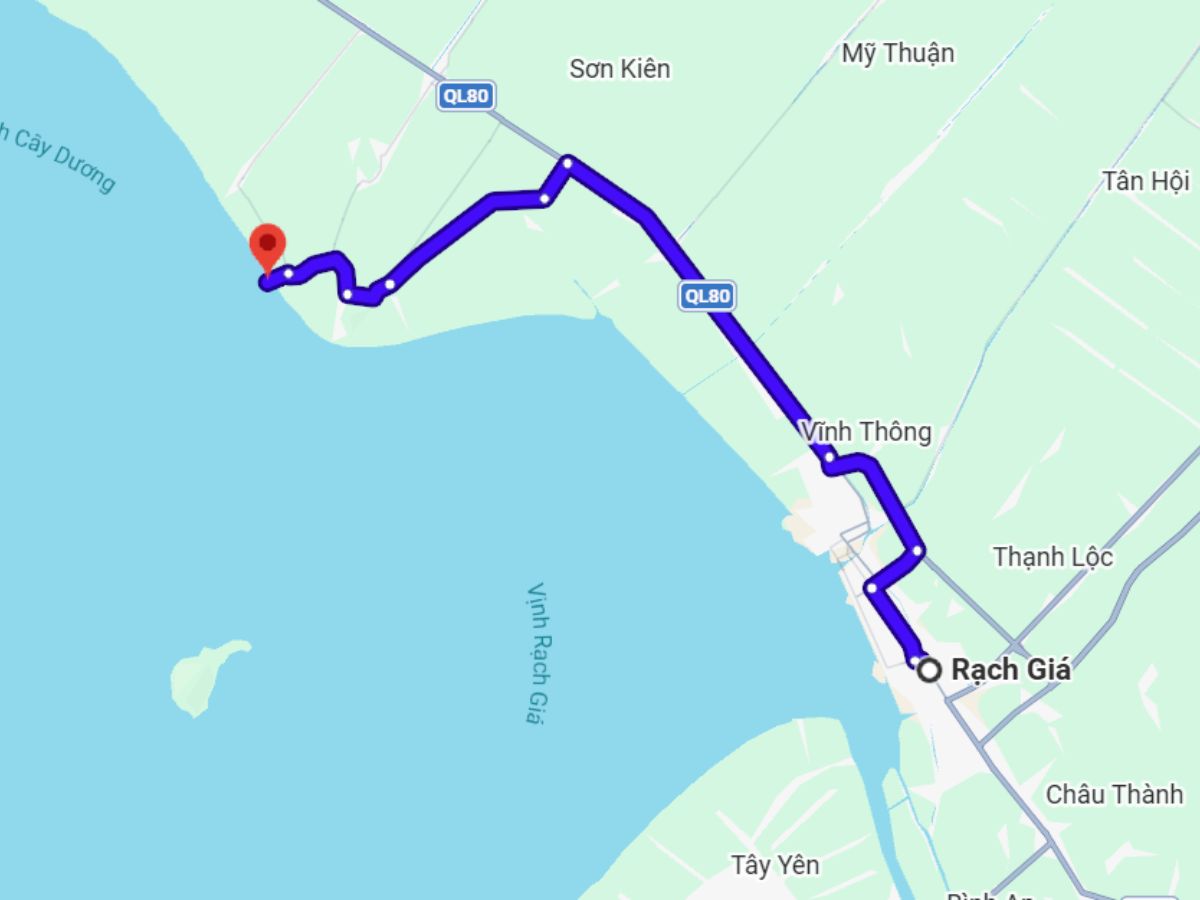
From Rach Gia to Hon Queo Pagoda is about 40 km. (Source: Collected)
2.3. Notes on transportation and timing throughout the year
The choice of transportation to Hon Queo Pagoda depends on your itinerary and the number of people. Cars are suitable for families or small groups, while motorbikes offer flexibility if you want to combine visits to multiple spots in the Ba Hon area. The most favorable time is the dry season, from around November to April, when the weather is stable, mountain roads are dry, and visibility is clear. If traveling during the rainy season, tourists should check the weather beforehand, choose shoes with good grip, and avoid traveling in the late afternoon. Starting early in the day will help you manage your sightseeing time and travel more safely.
3. Architecture and landscape of Hon Queo Pagoda
3.1. Architecture of Hon Queo Pagoda on the mountain and Buddhist imprints
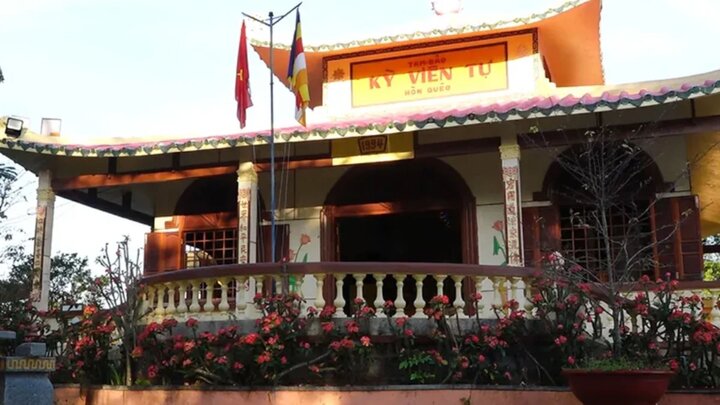
Hon Queo Pagoda is built on a low mountainside, maintaining a traditional Buddhist architectural layout with an entrance gate, main hall, ancestral house, and auxiliary structures arranged neatly within the natural space. The overall structure is not overly grand but creates a harmonious feel through the combination of architecture and rocky terrain. The pagoda's roof, colors, and interior decoration clearly reflect Buddhist characteristics, creating a solemn and tranquil atmosphere. Placing the pagoda at a height helps separate it from the life below, while also opening up a clear view, creating an experience that is both spiritual and close to nature.
3.2. Landscape of mountains, gardens, and sea views
The landscape at Hon Queo Pagoda features the characteristic charm of the Ba Hon region, combining low mountains, green trees, and sea views. The pagoda grounds are not very large but are covered by natural vegetation, creating a cool and peaceful atmosphere. From higher vantage points, visitors can observe the clear sea and sky, long stretches of blue water, and the distant fishing villages. The harmony between mountains, trees, and the sea provides a sense of relaxation, suitable for short breaks to rest or admire the scenery.
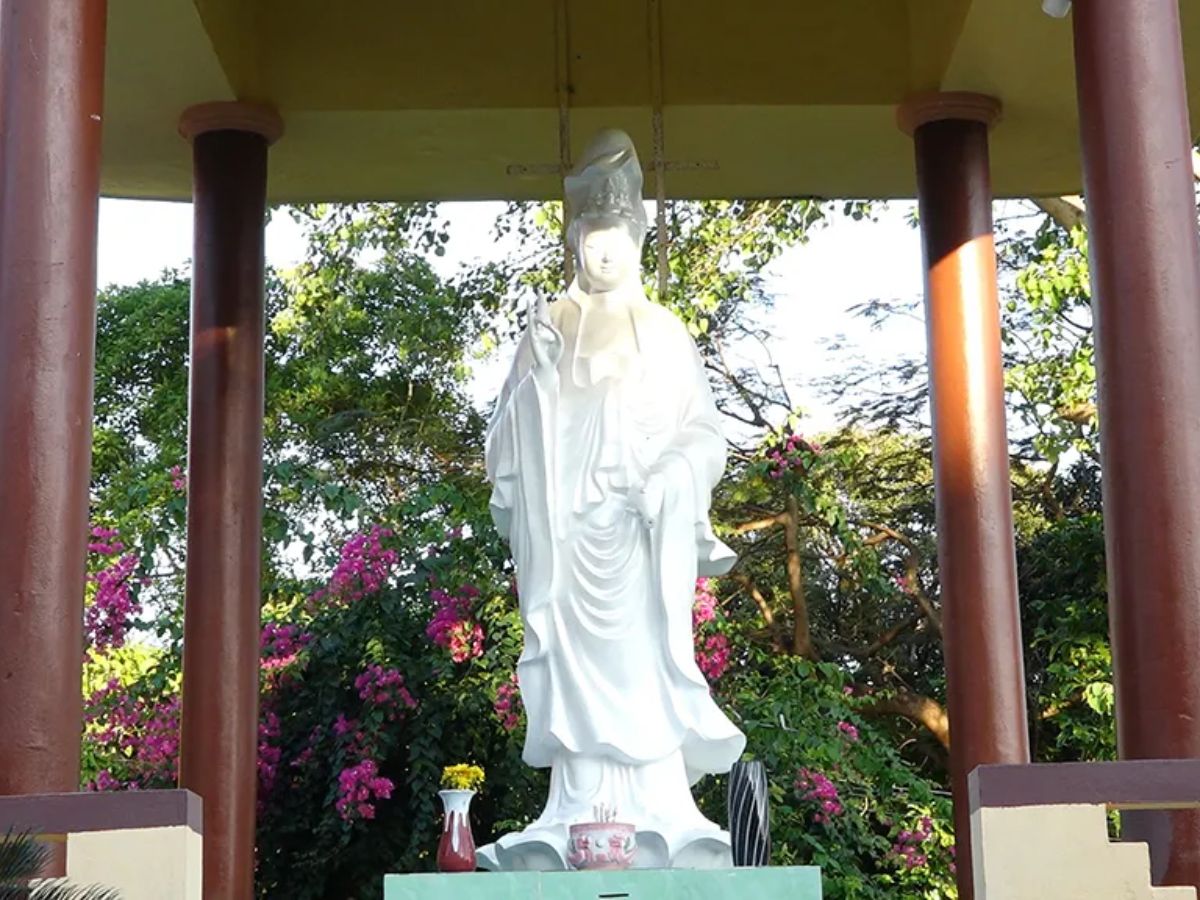
Buddha statue within the premises of Hon Queo Pagoda, An Giang. (Source: Collected)
3.3. Typical historical relics in the Ba Hon area
Hon Queo Pagoda is located within the Ba Hon relic complex, comprising Hon Dat, Hon Me, and Hon Queo, recognized as a national-level historical relic. This area is associated with many imprints from the two resistance wars, especially the story of the revolutionary movement in Hon Dat. When visiting the pagoda, tourists can combine it with exploring nearby sites such as memorial areas, caves, and local historical spots. The presence of these relics helps the journey not only focus on spirituality but also expand to historical values, contributing to the depth of the experience in the Ba Hon area.
4. Spiritual activities and festivals at Hon Queo Pagoda
Hon Queo Pagoda is a familiar spiritual space for Buddhists and local people, with activities taking place regularly throughout the year. Here, visitors can encounter chanting sessions, prayers for peace, and requiem ceremonies in a solemn atmosphere, creating a sense of tranquility amidst the Ba Hon mountains.
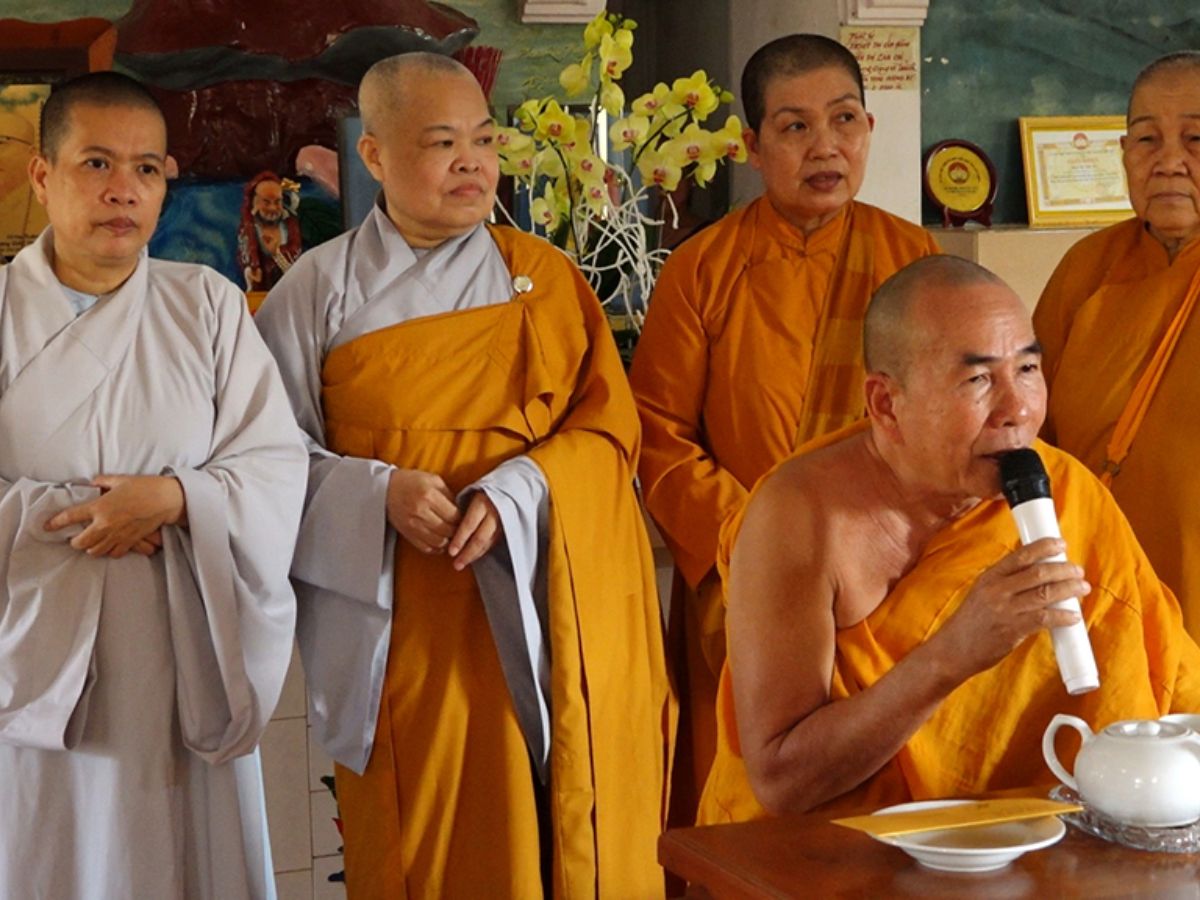
Hon Queo Pagoda is a familiar spiritual gathering space for local people. (Source: Collected)
On major holidays such as the 15th day of the first lunar month, Buddha's Birthday, or Vu Lan, the pagoda welcomes a large number of people to offer incense, participate in rituals, and community activities. Especially, the anniversary of Sister Su's death on the 9th day of the first lunar month attracts a large number of pilgrims, combining many cultural activities at the Hon Dat relic site. Besides, charitable programs and support for the people also contribute to clarifying the connecting role between religious life and the local community.
5. Experiences and suggestions for exploring Hon Queo Pagoda
5.1. Attractions near Hon Queo Pagoda
From Hon Queo Pagoda, visitors can easily combine a visit to the Ba Hon relic cluster including Hon Dat, Hon Me, and Hon Queo, all located in Hon Dat commune. This is the most reasonable sightseeing route as the sites are close to each other, convenient for travel, and can be explored within the same morning or day.
During the journey, visitors can visit the Hon Dat relic site, pay respects at Sister Su's tomb, and learn about the historical imprints associated with this land. Besides historical value, the Ba Hon area also features characteristic coastal rocky landscapes, suitable for stopping to admire the scenery and take photos. If you want to expand, you can explore more historical sites in Hon Dat commune, but it is advisable to prioritize the Ba Hon route to ensure a seamless and time-saving trip.
5.2. Suggested 1-day itinerary for exploring Hon Queo Pagoda – Ba Hon
With a 1-day itinerary, visitors should start in the morning at Hon Queo Pagoda to offer incense, visit the grounds, and enjoy the quiet atmosphere on the mountain. Afterwards, move to the sites in the Ba Hon cluster to learn about history, especially the Hon Dat relic site and landmarks associated with Sister Su's story. For lunch, you can rest and have a meal in the center of Hon Dat or bring light snacks for flexibility. The afternoon is suitable for returning to the Hon Queo area or higher points to admire the sea view and take photos when the light is softer. This itinerary is suitable for tourists who want to combine pilgrimage, sightseeing, and landscape experience in a day with light travel.
6. Practical experience and things to know when visiting Hon Queo Pagoda
When visiting Hon Queo Pagoda, visitors should prioritize going in the morning or early afternoon to avoid strong sun and have enough time to travel on mountainous terrain. The path to the pagoda is not too difficult but has steep sections and stone steps, so it is advisable to wear sports shoes or shoes with good grip for safety.
It is recommended to prepare drinking water and light belongings as there are not many services on the mountain. When entering the pagoda, wear modest clothing, limit loud talking, and maintain a quiet atmosphere. If taking photos, good spots are usually the gate area, the pagoda courtyard, and viewpoints overlooking the sea; it is best to shoot in the early morning or late afternoon for softer light and better photos.
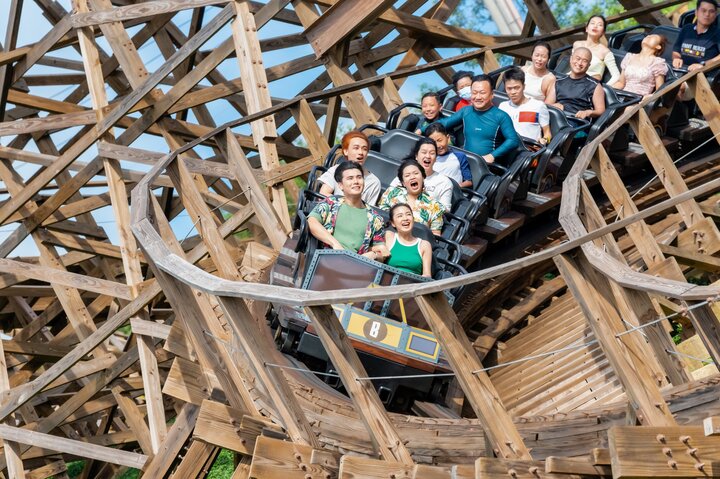
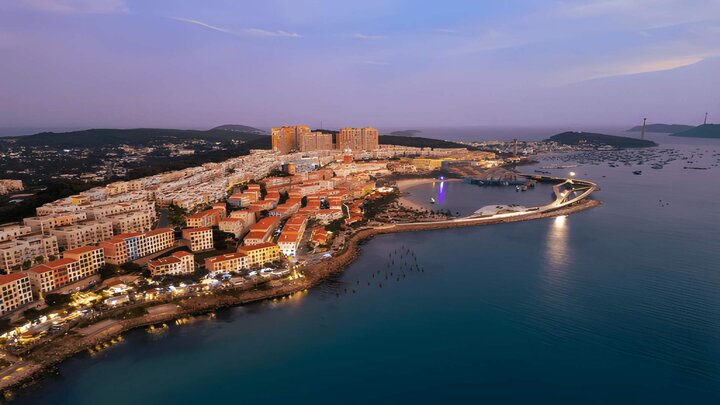
If you have the chance to visit An Giang, you can spend more time exploring Phu Quoc – a prominent destination in the South with a diverse marine and island ecosystem. In particular, the South of the island offers a different experience with the Sun World Hon Thom complex, which combines entertainment, resort, and coastal scenery. The Hon Thom cable car journey, nearly 8 km long over the sea, opens up panoramic views of the archipelago from above, while Sunset Town leaves an impression with its coastal architectural space and stunning sunset views. This is a suitable stopover to extend your trip and fully appreciate the beauty of the southern sea region.
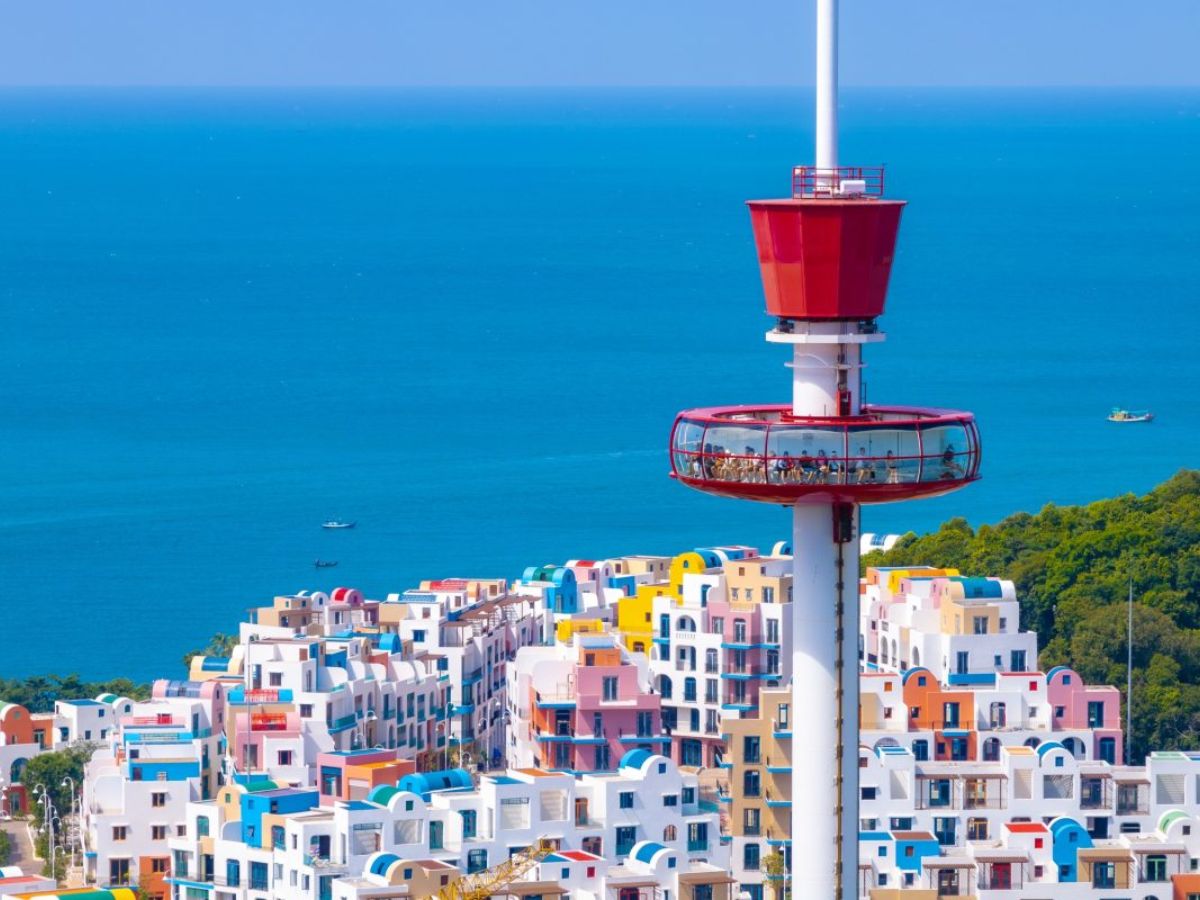
Entertainment experiences at Sun World Hon Thom attract tourists. (Source: Collected)
Hon Queo Pagoda is not only a spiritual stop but also opens a journey of valuable discovery in the land of Hon Dat. From the pagoda space on the mountain, the sea and mountain scenery to the historical imprints in the Ba Hon cluster, each experience brings its own feeling. With a slow pace, this place is suitable for those who want to find tranquility and connect with the local culture. Therefore, the trip is not just about sightseeing but also a journey to feel more deeply about the southern land of the country.