















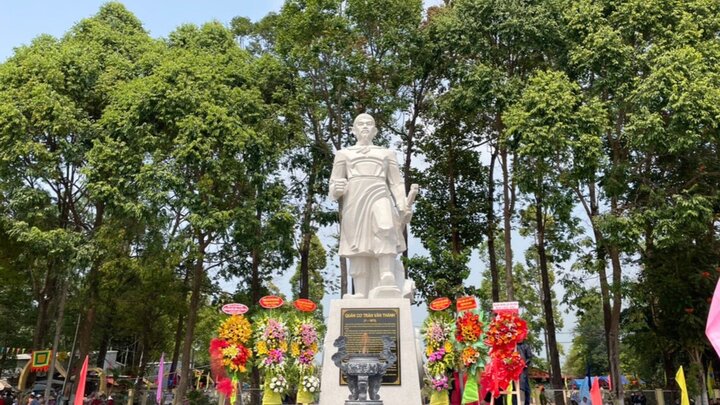
1. Overview of the Vía Festival of Quan Co Tran Van Thanh
1.1. Venue and Festival Timing
The Vía Festival of Quan Co Tran Van Thanh is a traditional cultural and spiritual event held annually at the relic site of the Temple of Quan Co Tran Van Thanh, Thanh My Tay commune, An Giang province. This is where the national historical and cultural relic, recognized in 1986, is worshipped, associated with the formation and development of the land. The festival takes place on the 20th, 21st, and 22nd days of the second lunar month, attracting people and tourists to participate in the rituals within the temple grounds.
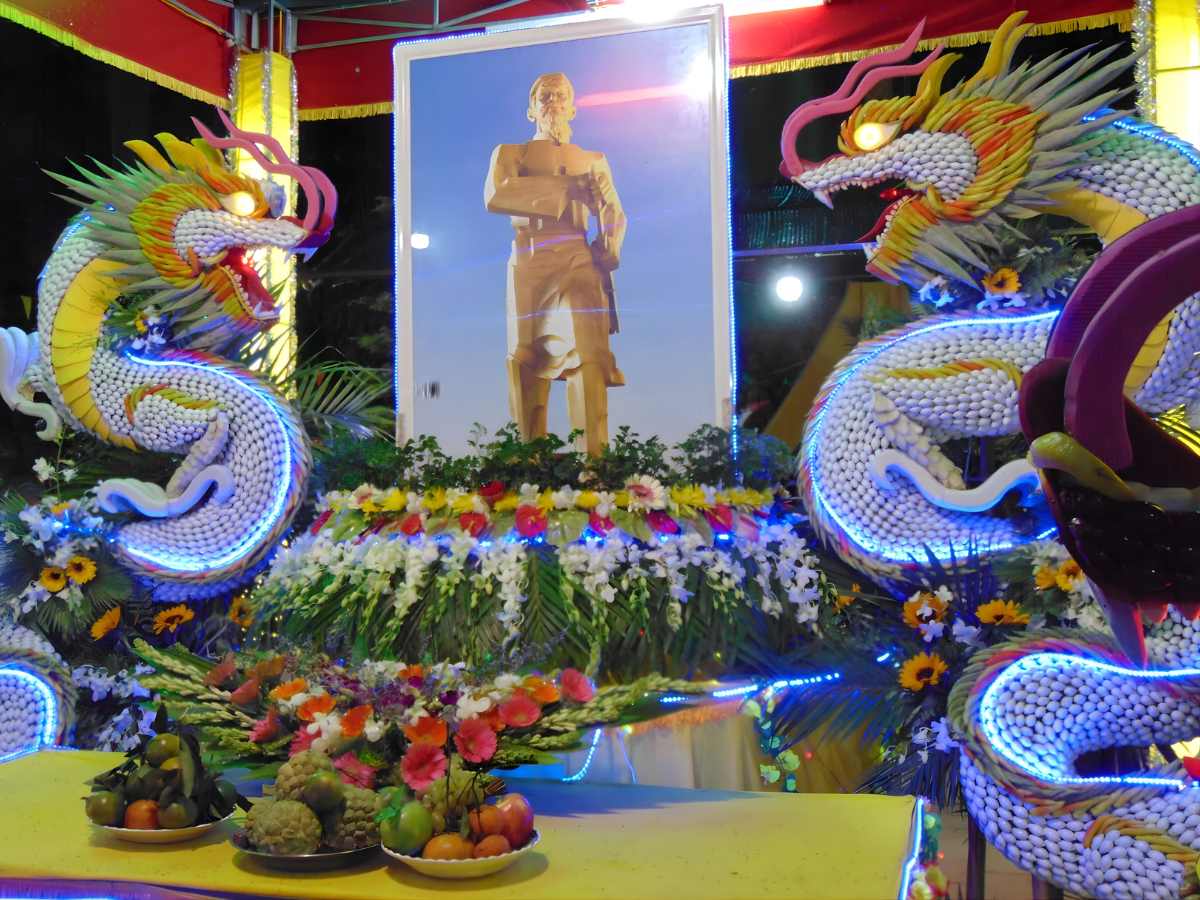
The festival space of Commander Tran Van Thanh is solemn at the Chau Phu historical site, An Giang. (Source: Collected)
The festival space is not only limited to the main historical site but also extends to surrounding areas such as communal houses, temples, and sites marking the activities of Commander Tran Van Thanh and the Gia Nghi militia. Alongside the festival in Thạnh Mỹ Tây commune, commemorative activities are also organized at Son Trung Palace, Vinh An commune. This spatial expansion demonstrates the role of the festival in the spiritual life and collective memory of the local community.
The scale of the festival tends to expand each year with the participation of local residents, pilgrims, and visitors from many southern provinces. In addition to traditional rituals, the festival also features artistic performances and community activities, creating a cohesive atmosphere. These elements contribute to forming a diverse cultural space, reflecting the spiritual life of the people of An Giang.
1.2. The Role of the Festival in An Giang's Cultural Life
The festival honoring Commander Tran Van Thanh plays an important role in An Giang's cultural life by embodying the tradition of gratitude towards those who contributed to the region's history. Through the annual maintenance of the festival, the local community has the opportunity to remember the anti-French movement and the fighting spirit of the Gia Nghi militia. This is also a way for historical values to be naturally transmitted to future generations.
In spiritual life, the festival is an occasion for people to express their reverence and connection to the community's shared memory. Rituals of incense offering, sacrifices, and collective activities reflect the link between folk beliefs and social life. The presence of the festival in the annual rhythm of life helps to strengthen the cultural identity of the Mekong Delta region.
2. Understanding the Historical Figure Commander Tran Van Thanh
2.1. Background and Career of Commander Tran Van Thanh
Commander Tran Van Thanh, also known by the people as Duc Co Quan, was born around 1818 in Binh Phu hamlet, Binh Thanh Dong commune, now Phu Binh commune, An Giang province. He came from a farming family, joined the Nguyen dynasty army early, and was appointed to the rank of Suat Doi in 1840. By 1845, he was promoted to Commander, taking on the responsibility of maintaining security in the Chau Doc and An Giang regions.
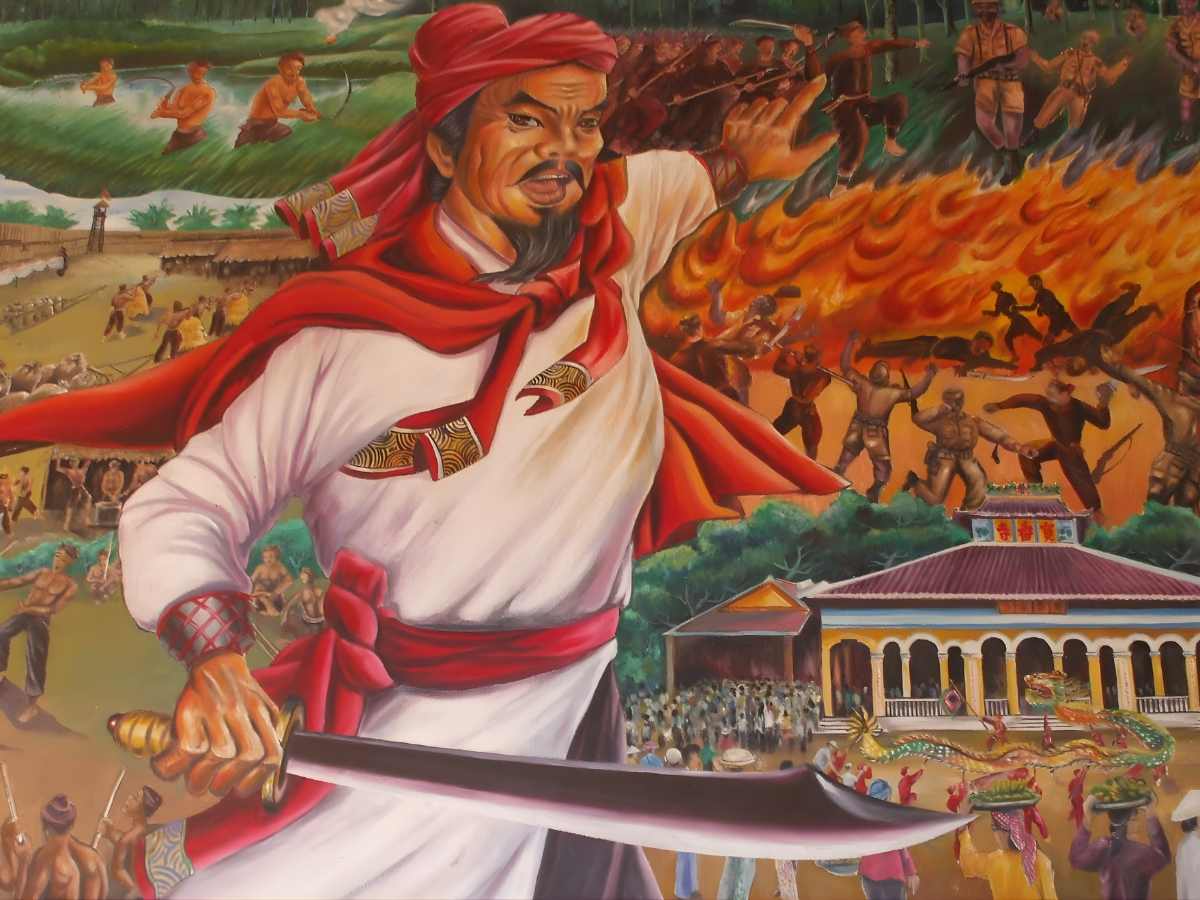
Learn about the image of Commander Tran Van Thanh reflecting historical career and spirit. (Source: Collected)
When the French colonialists expanded their invasion of Southern Vietnam in the late 19th century, Commander Tran Van Thanh gathered militia forces in the Bay Thua and Lang Linh areas. The uprising he led took place from 1867 to 1873 and is historically recorded as the Bay Thua Uprising. The Gia Nghi militia under his command created an influential anti-French center in the Southern Region.
Throughout the uprising, Commander Tran Van Thanh was not only the organizer of the forces but also played a role in uniting resistance movements in the region. His fighting spirit and organizational methods left a clear mark on the history of An Giang. These contributions became the foundation for commemorative values maintained through festivals today.
2.2. Commander Tran Van Thanh in folk memory
In the folk memory of An Giang and surrounding areas, Commander Tran Van Thanh is viewed not only as a historical figure but also as a spiritual symbol of the community. Local people often refer to him by the title Duc Co Quan (Venerable Former Commander), expressing respect and faith in his contributions to the land. This image is preserved through rituals, oral stories, and places of worship.
Many folk stories recount Commander Tran Van Thanh's battles, his resilience, and his close bond with the Gia Nghi militia. These stories do not aim to recreate history in detail but reflect how the community remembers and passes down collective memory. Over time, these stories have become part of the local cultural life.
Commander Tran Van Thanh's presence in spiritual life is evident through the people's maintenance of festivals, care for temples, and organization of annual commemorative rituals. This demonstrates the strong connection between history and folk beliefs. This very connection has contributed to the cultural depth of the Festival of the Veneration of Commander Tran Van Thanh .
3. Traditional Rituals and Special Activities during the Festival
3.1. Incense Offering and Sacrifice Rituals
The incense offering and sacrifice rituals are the central part of the Festival of the Veneration of Commander Tran Van Thanh , held in the temple grounds on the main lunar date. Local people and tourists gather in the ceremony area to perform traditional rituals, showing their sincerity and gratitude to the national hero. The ceremony space is solemn, clearly reflecting the spiritual life of the An Giang community.
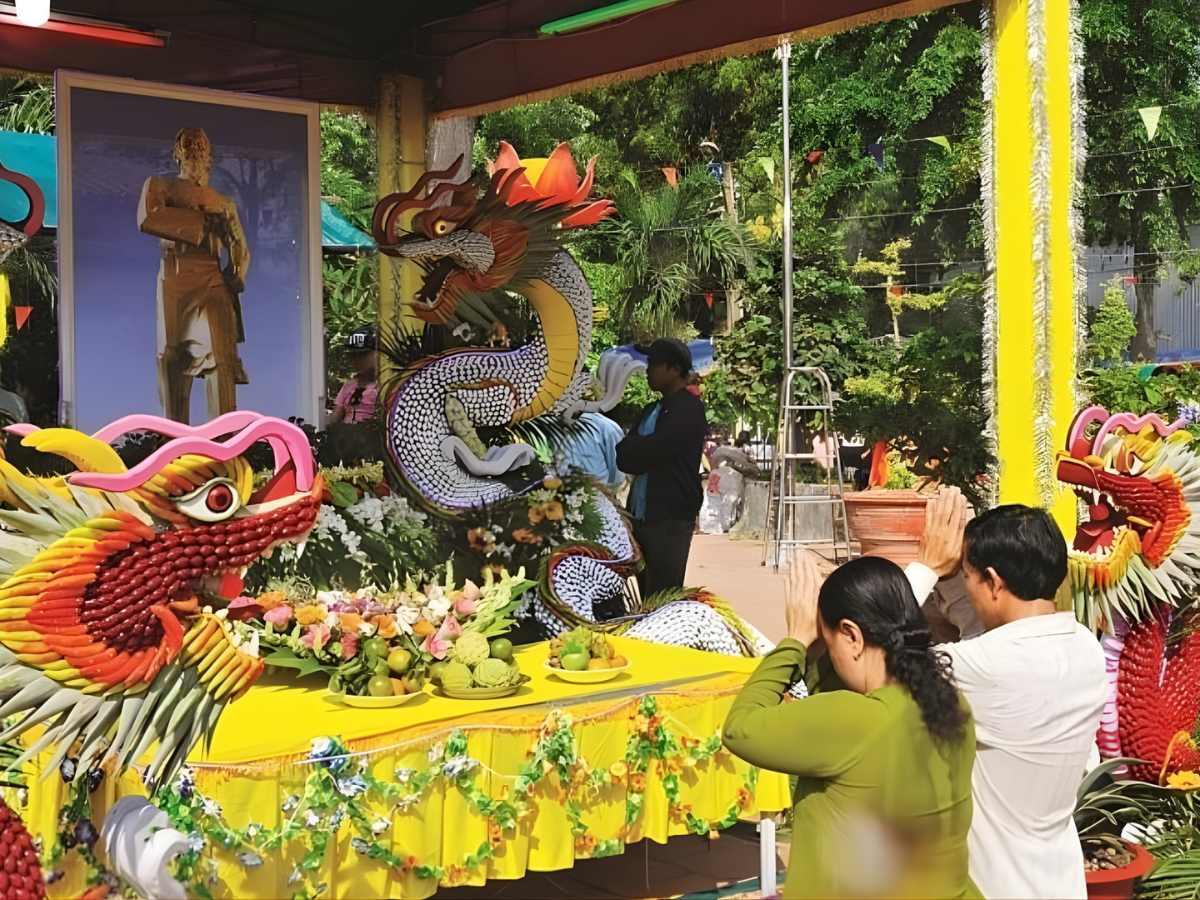
The incense offering ritual expresses gratitude and community belief. (Source: Collected)
Participants in the ritual include local tế committees, local residents, and pilgrims from various places. All follow the ritual sequence, starting with the proclamation ceremony, offering incense before the altar of Quản cơ, and concluding with prayers for peace. The meticulousness in each ritual contributes to preserving traditional values across generations.
3.2. Festivities and Community Cultural Activities
Besides the ceremonial part, the festivities of the Quản cơ Trần Văn Thành Commemoration Festival feature many community-oriented cultural activities. Folk art performances, lion dances, and traditional games create a friendly atmosphere, attracting participants of all ages. The festival space balances solemnity with everyday life.
Within the festival framework, stalls introducing local cuisine and regional specialties are set up around the event area. Exhibitions of images and historical documents related to Quản cơ Trần Văn Thành are also integrated, helping attendees understand the historical context better. These elements enrich the visitor experience.
3.3. Visitor Experience at the Festival
Visitors participating in the festival have the opportunity to pay homage at the main temple and visit sites associated with Quản cơ Trần Văn Thành around the Chau Phu and Chau Thanh areas. Combining sightseeing with historical learning makes the journey more profound. Each destination contributes to telling the story of the anti-French movement in the locality.
In addition to the rituals, visitors can immerse themselves in community life by enjoying local cuisine and participating in cultural activities. Interaction with local people provides a sense of closeness and authenticity. This experience helps visitors better understand the life in the Mekong Delta region.
4. A Journey Connecting Heritage Fragments and Modern Experiences
4.1. Sun World Hon Thom
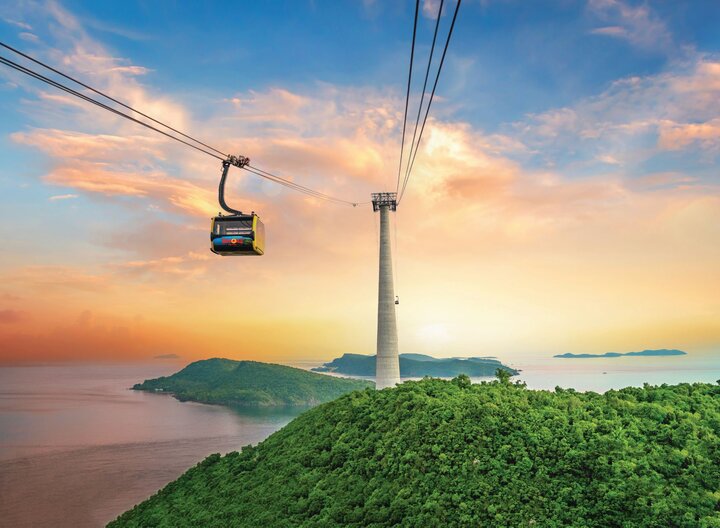
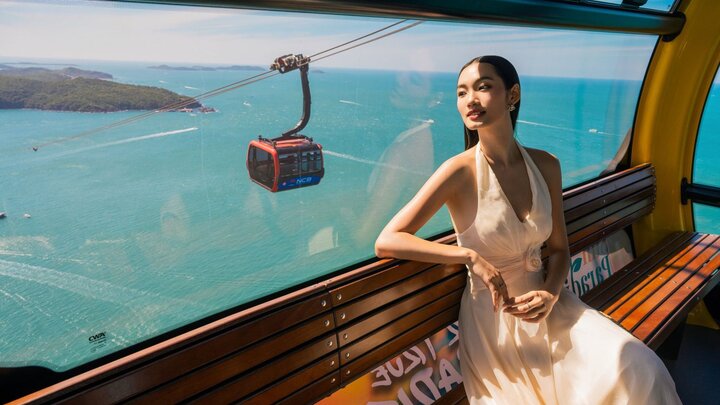
Sun World Hon Thom is located in Hon Thom area, Phu Quoc Special Administrative Region, An Giang, a destination combining island scenery with modern entertainment models. This area is connected to the 3-wire Hon Thom cable car line, 7,899.9 m long, recognized by Guinness World Records upon its opening in 2018. The cable car creates a journey to observe the An Thoi archipelago from above, with layers of sea, islands, and coastal residential areas.
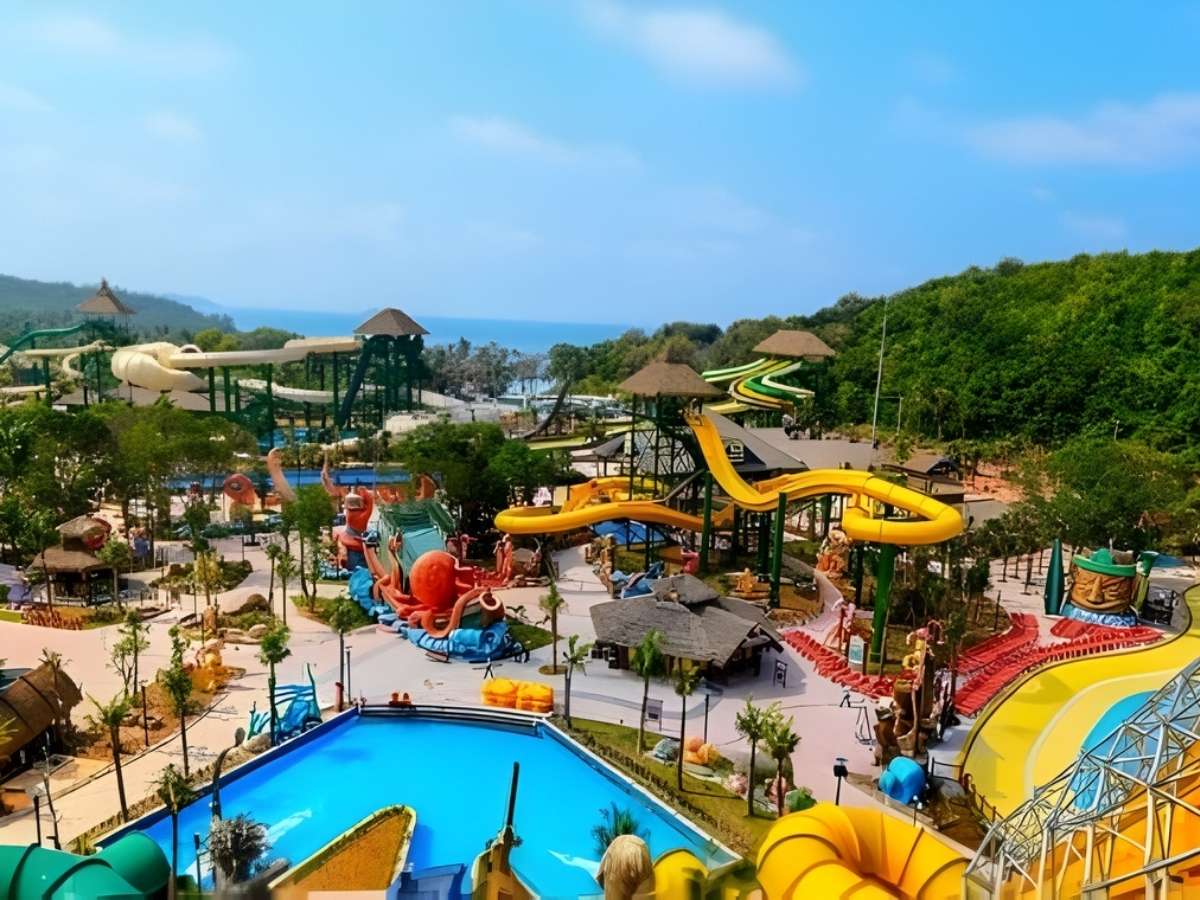
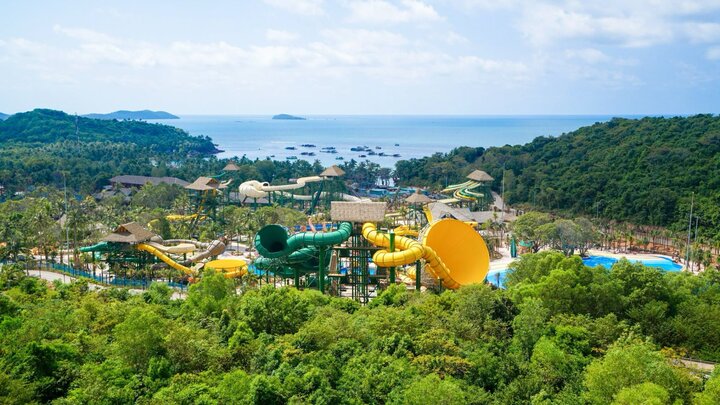
Tourists experience adventure games at Sun World Hon Thom. (Source: Collected)
Aquatopia Water Park is part of the experience complex at Hon Thom, developed into groups of water games, resort areas, and tropical landscapes. This space suits the family tourism trend, as tourists often look for destinations with many activities within a single day. The combination of cable car, water park, and beach helps Hon Thom become a prominent entertainment piece in the South Island journey.
>>> Book Sun World Hon Thom tickets now to enjoy a full day of fun HERE.
4.2. Sunset Town
Sunset Town in Phu Quoc Special Administrative Region, An Giang, is built as a coastal tourist space, combining architecture, performances, and night activities. The highlight here is the Kiss Bridge, a structure facing the sea, often mentioned as a spot for watching sunsets and taking photos. This area adds a layer of resort-city experience, alongside familiar island and sea activities.
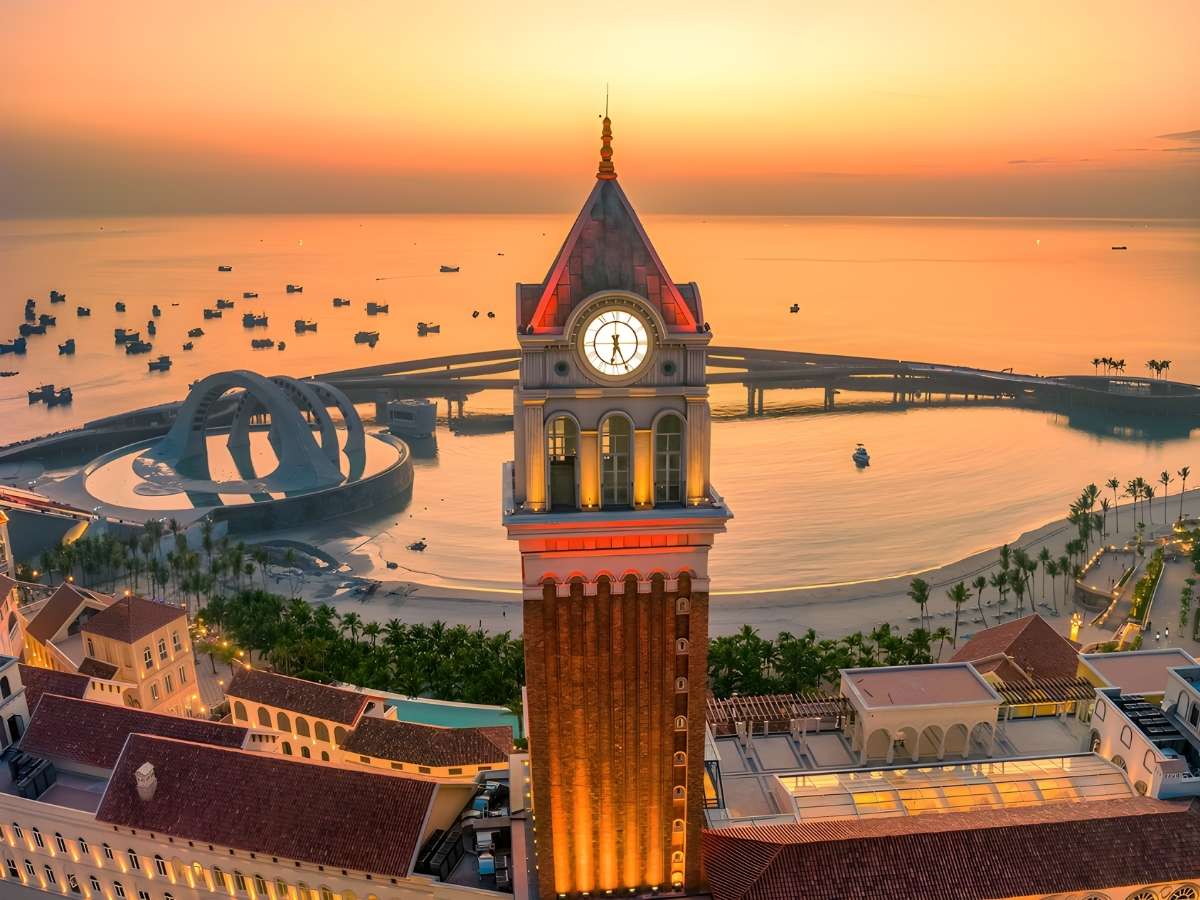
The Kiss Bridge icon shines under the sunset in South Phu Quoc Island. (Source: Collected)
A notable feature in Sunset Town is the fireworks display twice every night, part of a night show series operated 365 days a year. The Symphony of the Sea show takes place right at the Kiss Bridge area, while Kiss of the Sea is held on a nearby stage. These two programs offer elements of light, water, music, and fireworks performances for Phu Quoc's night-time tourism economy.
The appearance of the Kiss Bridge, Symphony of the Sea, and Kiss of the Sea helps Sunset Town expand experiences from day to night. Tourists can combine the Hon Thom cable car itinerary, island tours, and watching shows within the same day. This organization reflects the trend of developing cluster destinations, increasing length of stay and local spending.
4.3. Mong Tay Island
Mong Tay Island is an island destination in the Phu Quoc Special Administrative Region, An Giang, often mentioned for its white sandy beaches, clear sea water, and natural landscape. The space here is suitable for activities like boat tours, photography, swimming, and exploring small coves around the island. Compared to large-scale amusement parks, Mong Tay Island plays a balancing role with its natural elements in the tourist journey.
In a South Island itinerary, Mong Tay Island can be considered a gentle addition after high-intensity activities at Hon Thom and Sunset Town. This destination offers a close-to-the-sea feeling, suitable for groups of guests who want more outdoor experiences. When placed alongside the cable car, water park, night shows, and Kiss Bridge, Mong Tay Island contributes to completing the Phu Quoc tourism picture towards multi-experience.
The Festival of General Tran Van Thanh's Vow reflects the intersection of history, beliefs, and community life of the people of An Giang. Through rituals and cultural activities, the festival offers tourists an opportunity to learn more deeply about the Southern region. When combined with modern tourism experiences, the journey to attend the festival becomes diverse and emotionally rich.