















1. Introduction to An Giang Museum
1.1. Overview of An Giang Museum
An Giang Museum is one of the typical cultural – historical works of An Giang province, a place that systematically preserves and introduces the formation and development of the Southwest coastal region. It is not only a familiar destination for tourists but also a "red address" in traditional education for the local young generation.
With the role of a center for preserving and exhibiting historical – cultural values, An Giang Museum helps viewers better understand the land of An Giang through many periods, from the period of pioneering, defending the homeland to the process of modern construction and development.
1.2. Location and historical significance
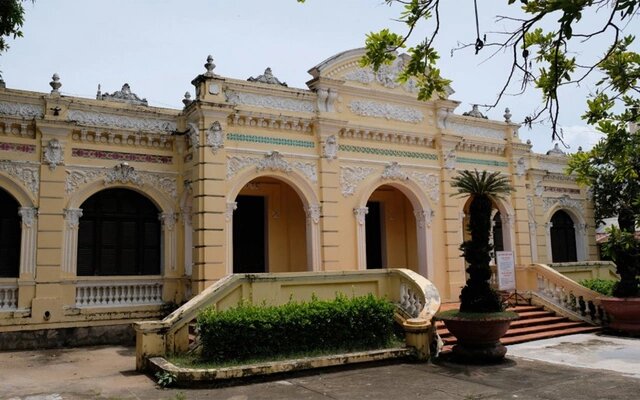
An Giang Museum is located in the central area of Rach Gia City, convenient for visiting, learning, and connecting with other historical sites in the city. This location not only has traffic significance but also reflects the museum's role as a cultural center for the spiritual life of the local people.
An Giang Museum is one of the famous attractions in Rach Gia city (Source: Collected)
Throughout many historical ups and downs, the museum building is associated with the process of preserving the memory of the An Giang land – a convergence of many different cultural streams such as Kinh, Khmer, and Hoa. This has created historical depth and special value for the An Giang museum, making it an unmissable destination for those who love history and local culture.
1.3. Exhibition Space and Conservation Orientation
Inside the An Giang museum is a system of exhibition spaces scientifically arranged, vividly recreating the important historical periods of the province. The artifacts, images, and documents are meticulously collected and preserved, reflecting the daily life, labor, and resilient fighting spirit of the An Giang people through each period.
Not stopping at mere exhibition, the An Giang museum also aims for long-term conservation and dissemination of heritage values. Through visiting, learning, and research activities, the museum contributes to helping tourists and younger generations understand local history more deeply, thereby appreciating the cultural values that have been preserved for hundreds of years.
2. Architecture and Cultural Value of An Giang Museum
2.1. Century-Old Architectural Heritage
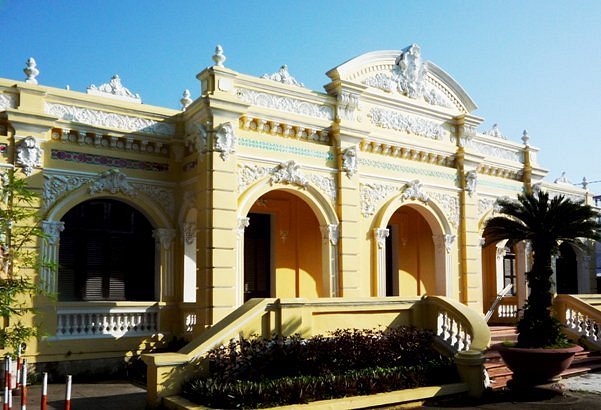
The An Giang museum was originally an ancient mansion built from 1911–1920 by a wealthy landowner family during the French colonial period, often called “Cai Nha Lon” by locals. The building covers an area of about 2,000 m², featuring an architectural style with strong Asian-European influences, with the exterior having a box-like structure and classic French decorative motifs, while the interior space contains very delicate traditional Eastern carvings.
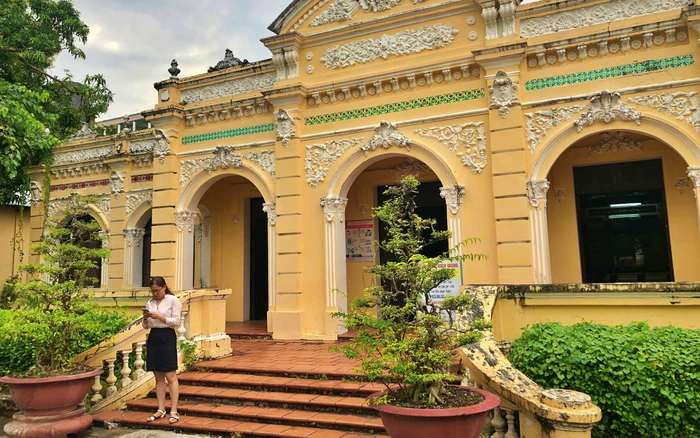
The exterior architecture of the An Giang Museum features an intermingling of Asian - European culture (Source: Collected)
The building was constructed by skilled artisans from various regions: masons and carpenters from Saigon – Gia Dinh, sculptors from the Northern region, and high-quality materials sourced from many places. From the load-bearing wooden pillar structure to the yin-yang tiled roof and classic encaustic tile flooring, the overall architecture is not only durable for over a hundred years but also reflects the proud aesthetic taste of the original owners.
2.2. Unique Interior and Decorative Art
Upon entering the An Giang Museum , visitors will notice a sophisticated blend of Western architectural style with Eastern decorative art. The interior is elaborately carved with motifs inspired by nature such as flowers, birds, and traditional fruits, symbolizing wishes for harmony, luck, and prosperity .
The ceiling frames, wooden beams, and supporting columns in the main hall are preserved almost as they were originally, showcasing the exquisite craftsmanship of the past artisans. These details not only possess aesthetic value but also serve as living proof of traditional construction techniques combined with ancient decorative art, making the museum not just a place to display artifacts but also an architectural masterpiece worth admiring .
2.3. Unique Artifact Display System
Currently, the An Giang Museum displays thousands of valuable artifacts, images, and documents arranged according to six main themes, reflecting the diverse local cultural and historical life. These include collections on Oc Eo culture, the life and labor of the people of An Giang, the exploration and development of the Ha Tien region, as well as artifacts related to the famous national hero Nguyen Trung Truc.
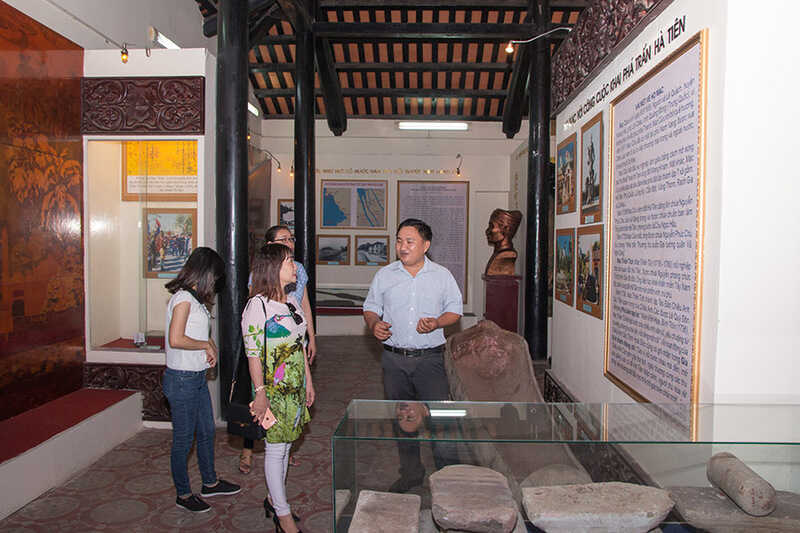
Exhibition space inside the An Giang Museum (Source: Collected)
One of the highlights attracting tourists is rare archaeological artifacts and Oc Eo pottery along with ancient objects salvaged from shipwrecks off the coast of An Giang province. Thanks to intelligent display methods, combining real objects with illustrative materials, the museum helps visitors easily visualize the formation and development process of this land over many centuries.
3. Typical Exhibition Themes at An Giang Museum
3.1. Space of Historical Formation and Development of An Giang Land
One of the important themes at the An Giang Museum is the space recreating the formation and development process of An Giang province through many historical periods. From the pre-historic and proto-historic periods, the period of pioneering the southern land, to the process of forming coastal population centers, all are presented through maps, documentary images, and original artifacts.
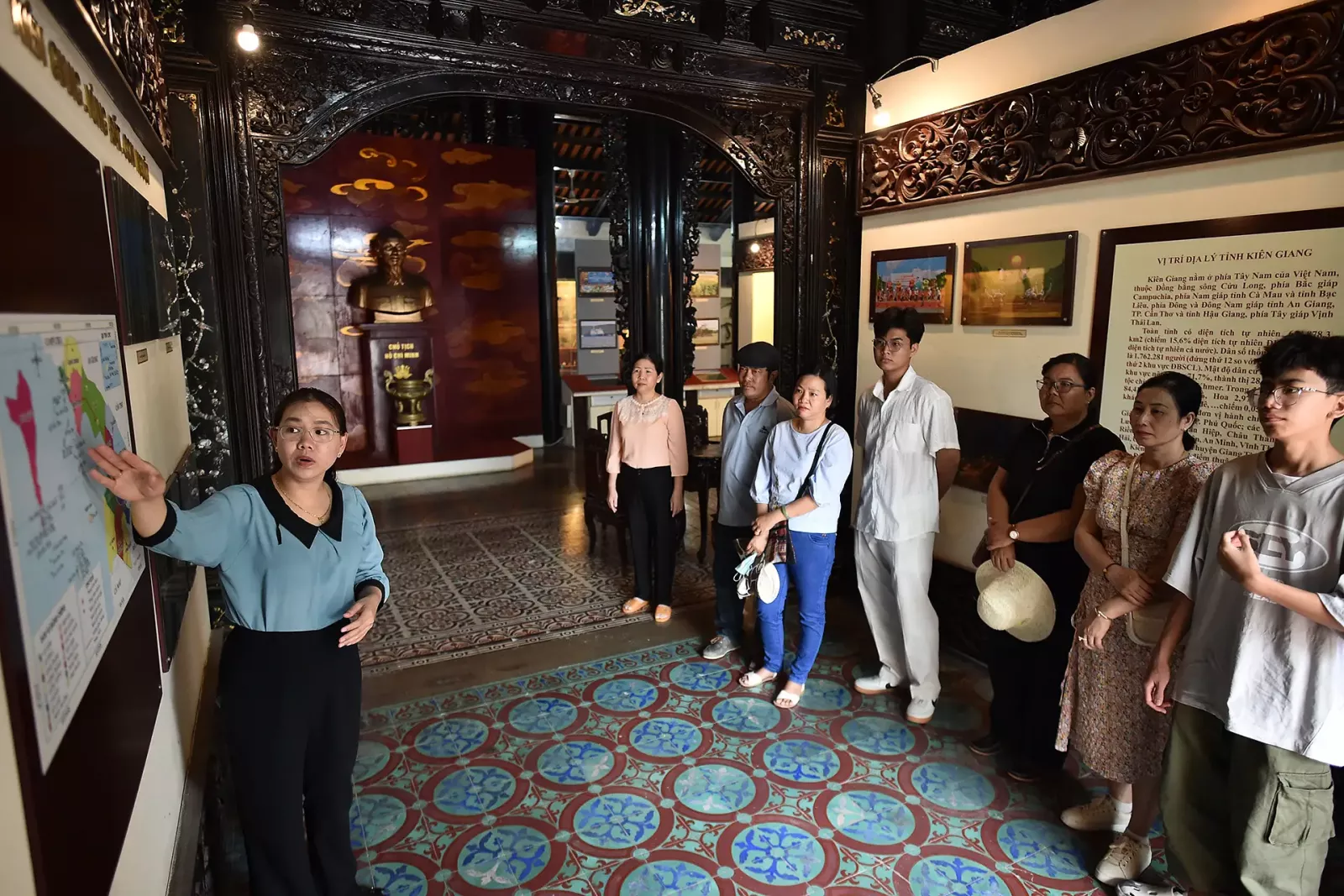
Visitors learn about the old An Giang land at the An Giang museum (Source: Collected)
Through this exhibition, visitors can better visualize the journey of our ancestors expanding southward, as well as An Giang's strategic role in the trade and defense history of the Southwest sea region. The chronological display makes it easy for viewers to access, especially suitable for those who want to get an overview of local history.
3.2. Cultural life of An Giang's resident communities
Besides history and archaeology, the An Giang museum also dedicates space to introducing the cultural life of long-standing resident communities in the area, such as the Kinh, Khmer, and Hoa people. Artifacts of daily life, traditional costumes, labor tools, and festival images clearly reflect the cultural diversity of this coastal region.
Through this exhibition, visitors can learn more about the cultural exchange, customs, and how communities have coexisted and bonded over generations. This is precisely what creates An Giang's unique identity and is also the core cultural value that the An Giang museum is preserving and promoting.
3.3. Oc Eo culture and the traces of ancient residents
The Oc Eo culture exhibition area is a prominent highlight, showcasing the deep historical depth of An Giang. At the An Giang museum, many precious archaeological artifacts such as pottery, jewelry, religious statues, and daily life tools of ancient residents are presented visually, helping to recreate the cultural and religious life from thousands of years ago.
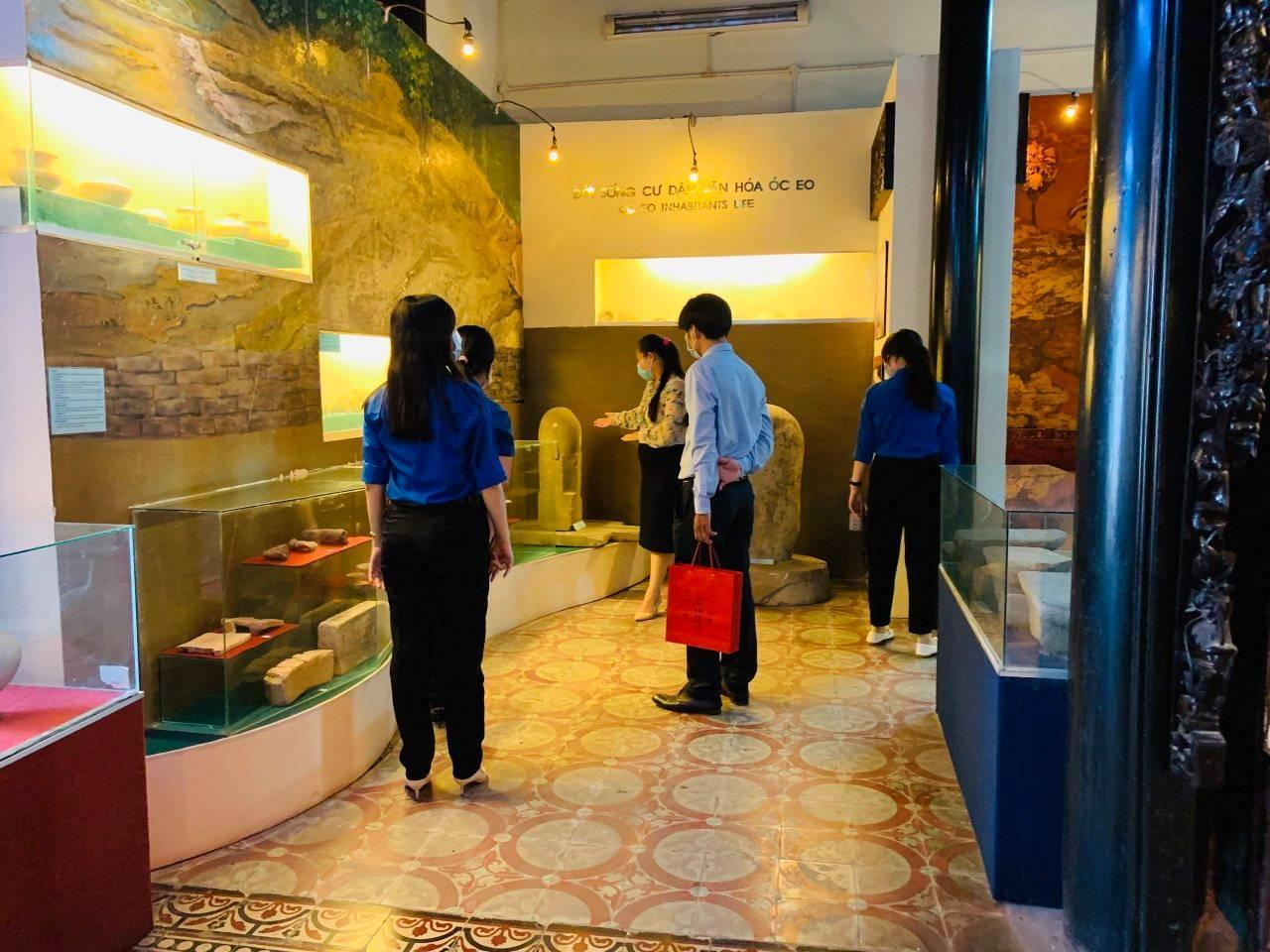
Oc Eo culture is displayed inside the An Giang museum (Source: Collected)
Through Oc Eo artifacts, visitors can see that An Giang was once an important part of the ancient trade network in Southeast Asia. This special exhibition not only holds research value but also helps viewers better understand the indigenous cultural foundation that has contributed to shaping An Giang's identity today.
3.4. Tradition of Revolutionary Struggle and National Hero Nguyen Trung Truc
Another solemn exhibition space at the An Giang museum is dedicated to introducing the revolutionary struggle tradition of the local people, notably the life and career of national hero Nguyen Trung Truc. Images, documents, and artifacts related to the anti-French movement vividly recreate the patriotic spirit and resilient will of the people of An Giang.
This special exhibition not only carries profound historical educational value but also awakens national pride for today's generations. Through each story, each artifact, the An Giang museum becomes a place connecting the past with the present, helping viewers clearly feel the value of peace and independence.
4. Notes When Visiting the An Giang Museum
4.1. Comply with Monument Preservation Regulations
When visiting the An Giang museum, visitors must comply with general regulations such as maintaining order, not running, and not touching artifacts or ancient architectural details. Most artifacts and structures in the museum are very old and easily affected by physical impact.
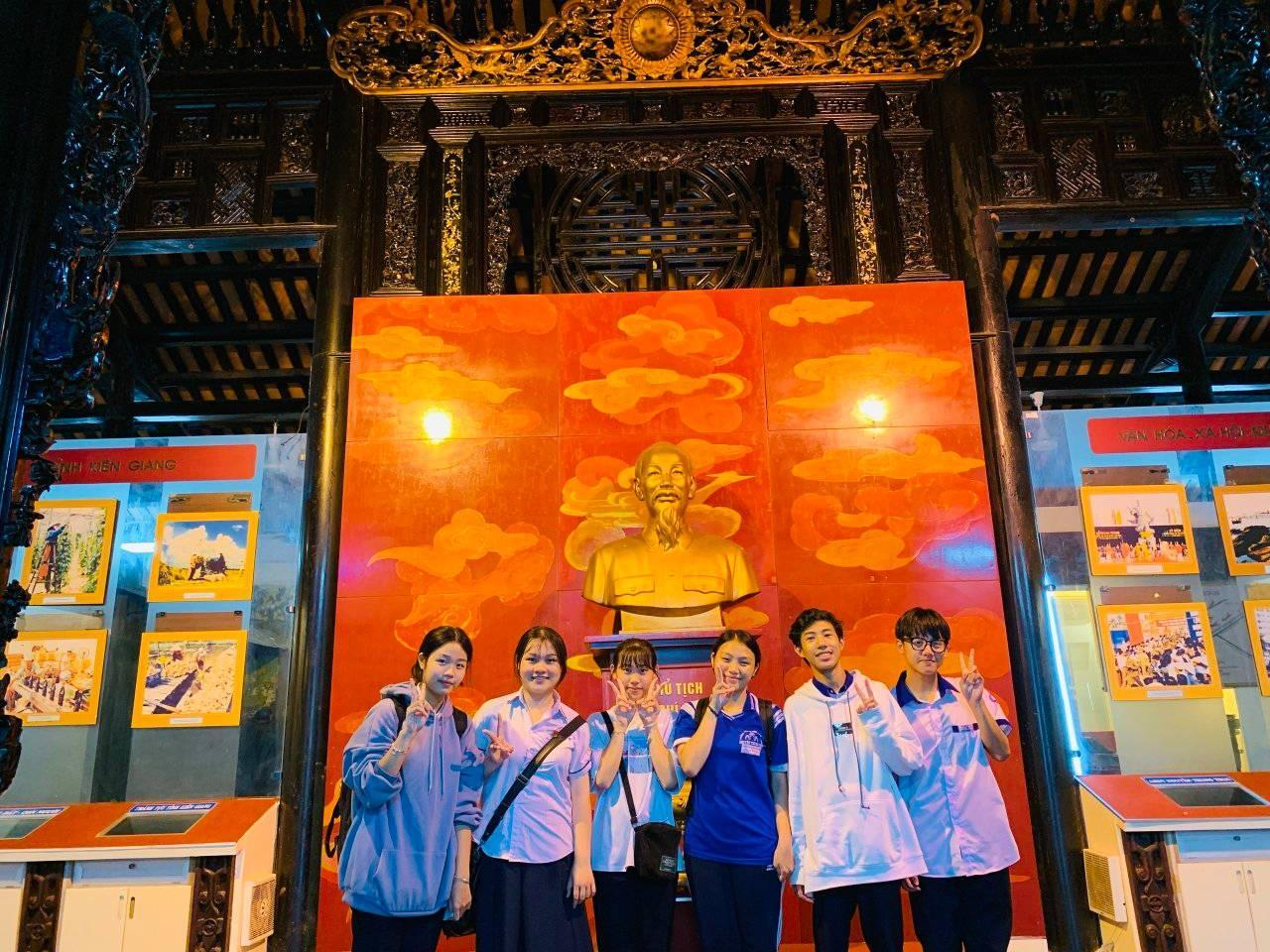
Visitors should comply with the museum's regulations when visiting exhibition areas (Source: Collected)
Respecting the exhibition space not only helps protect heritage values but also brings a more complete visiting experience. This is also a way to show civilized awareness when visiting a culturally and historically significant site like the An Giang Museum.
4.2. Notes on photography and group visits
Visitors are usually allowed to take photos at the An Giang Museum, but should limit the use of flash, especially in areas displaying paper, wood, and ancient textile artifacts. Strong light can affect the quality of artifacts over time, so you should prioritize utilizing the natural light available in the museum space.
If you are in a large group or with young children, you should move gently and avoid gathering for too long in a narrow area. Visiting in an orderly manner will help keep the space quiet and allow everyone to fully appreciate the architectural and historical values of the An Giang Museum.
4.3. Appropriate attire and visiting time
When visiting the An Giang Museum, visitors should choose polite and neat attire suitable for a cultural and historical space. Soft-soled shoes will make moving around wooden floors and ancient corridors safer and more comfortable, especially for the elderly.
Regarding time, you should spend at least 1-2 hours to visit, read exhibition information, and carefully observe architectural details. Visiting early in the morning or early in the afternoon will not only help you avoid crowds but also allow you to better feel the quiet, ancient atmosphere characteristic of the An Giang Museum.
Beyond its role as a regular tourist attraction, the An Giang Museum is a place that connects the past with the present through its ancient architecture, precious artifacts, and carefully preserved historical stories. Each exhibition space contributes to vividly recreating the cultural identity, fighting spirit, and life of the generations of An Giang residents.
Spending time visiting the An Giang Museum is not just a journey to explore a century-old architectural work, but also an opportunity to pause, feel the depth of history, and further appreciate the heritage values being preserved amidst today's modern life.