
















1. Overview of Mo So Mountain Kien Giang
1.1. Where is Mo So Mountain? Location and How to Get There
Located in Ba Nui Hamlet, Kien Luong Commune, An Giang Province, Mo So Mountain boasts a rather convenient location for day exploration trips in the Southwest region. From the center of Kien Luong, it only takes about 3 km for tourists to reach this area, while the distance from Ha Tien is about 30 km. The popular route is to travel along the Kien Luong – Ha Tien axis, reach Ba Hon intersection, then turn towards Hon Chong – Binh An – Hon Phu Tu. The transportation infrastructure is relatively easy to navigate, suitable for both motorbikes and personal cars.
1.2. Geological Features and Structure
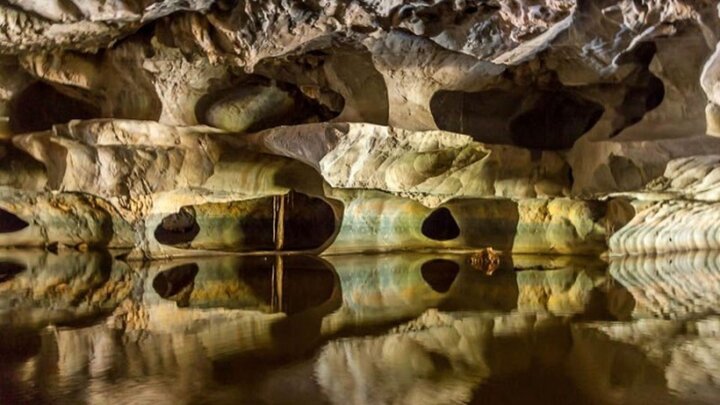
Belonging to the Kien Luong – Ha Tien limestone mountain complex, Mo So Mountain features karst geology formed over millions of years of erosion. The entire mountain mass is shaped like a crescent, surrounding a central valley of over 1,000 m² with lush vegetation. The light-colored limestone structure and rich cave system create a unique appearance for this area. According to some documents, the name “Mo So” in Khmer means “white stone,” clearly reflecting the geological characteristics of the mountain.
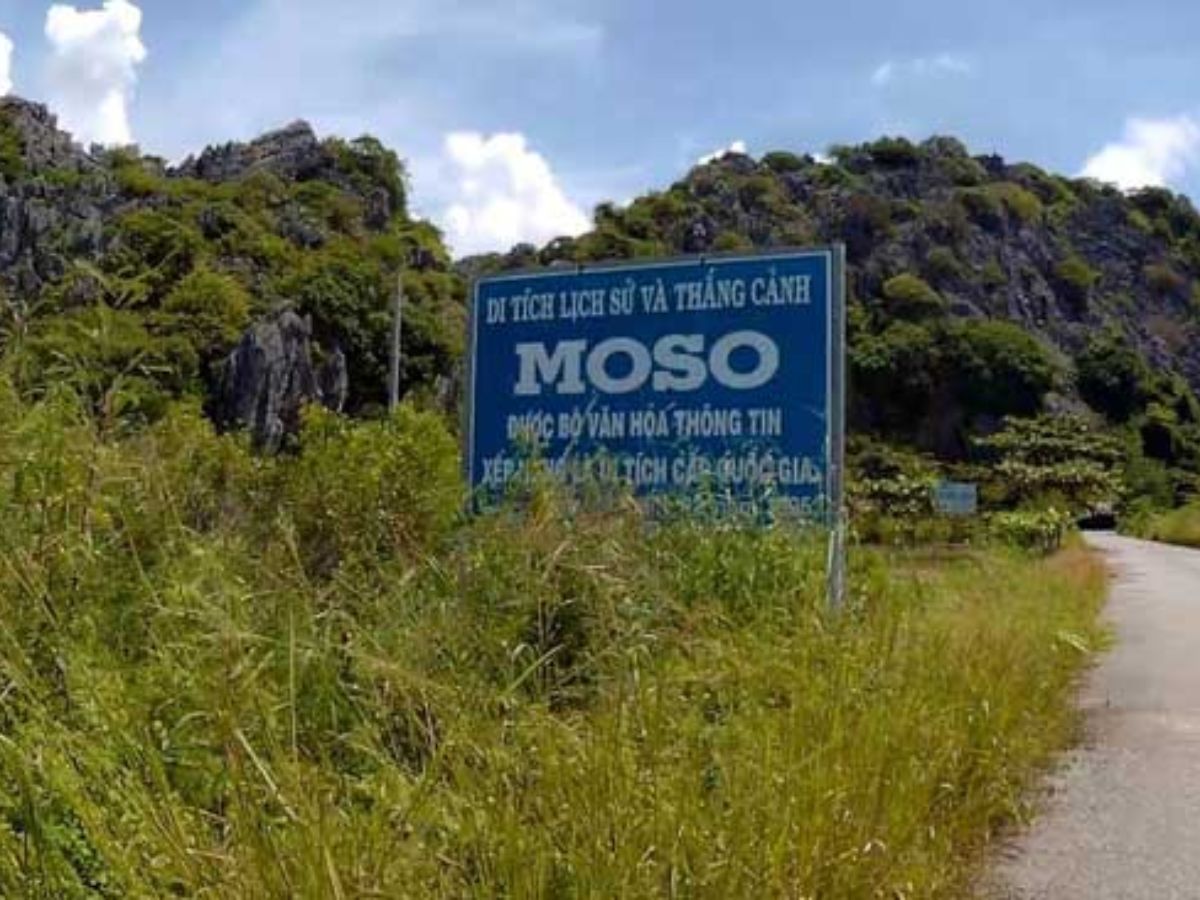
Mo So Mountain is a characteristic limestone mountain and cave complex. (Source: Compilation)
1.3. Historical value of the Mo So Mountain relic
Not only significant for its landscape, Mo So Mountain is also an important historical relic associated with the nation's two resistance wars. During the anti-American period, this place was used as a strategic base on the transportation route, as well as a shelter and a place to organize forces. Many battles took place in this area, especially in 1969–1970. In 1995, the relic was recognized as a national monument, becoming a destination combining historical value and tourism.
2. Exploring the system of over 20 caves at Mo So Mountain
The cave system at Mo So Mountain consists of over 20 large and small caves, distributed continuously within the limestone massif, creating the characteristic geological structure of the Kien Luong – Ha Tien region. The caves were formed through a karst process lasting millions of years, with diverse passages, from narrow crevices just wide enough for one person to large open chambers resembling natural living spaces.
Some notable caves such as Huyen Uy Cave, Quan Y Cave, or Hai Voi Rong Cave not only bear historical imprints but also impress with their unique formations. In particular, many caves connect to form an underground network, creating a seamless exploration experience while clearly reflecting the terrain's role during wartime.
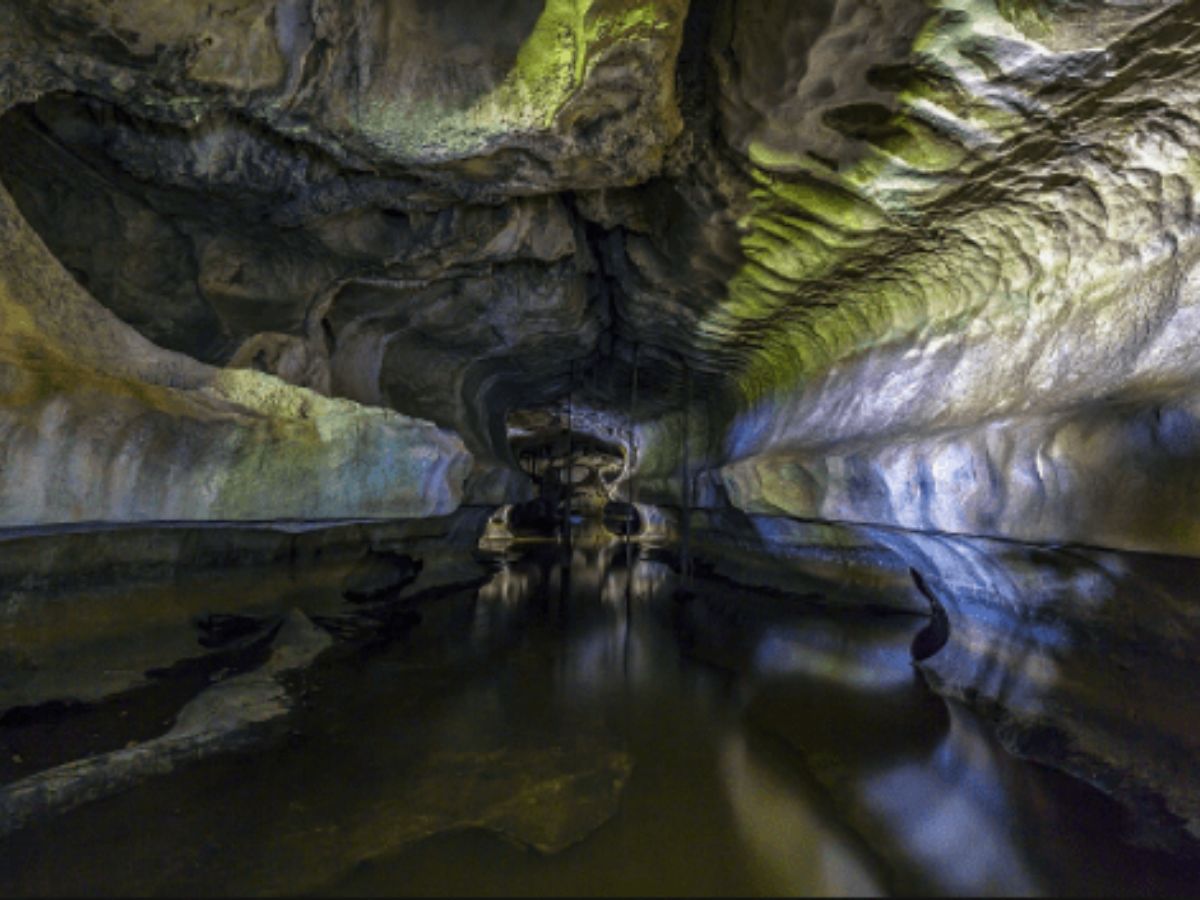
The cave system at Mo So Mountain was once a resistance base. (Source: Collected)
3. Travel Experience at Mo So Mountain
3.1. Natural Landscape and Ecosystem around Mo So Mountain
Surrounding Mo So Mountain is a typical coastal limestone karst landscape, with low cliffs forming a relatively enclosed space. In the center is a valley about 1,200 m² to nearly 2,300 m², where dense vegetation grows, creating a distinct sense of separation from the outside. Moving down into this area, the air becomes milder, the light diminishes, and sounds also quiet down. Rock crevices, trails, and cave entrances appear scattered, opening up various paths. Inside the caves, it is usually cool with gentle airflow, while outside is a carpet of shrubs and exposed rocks.
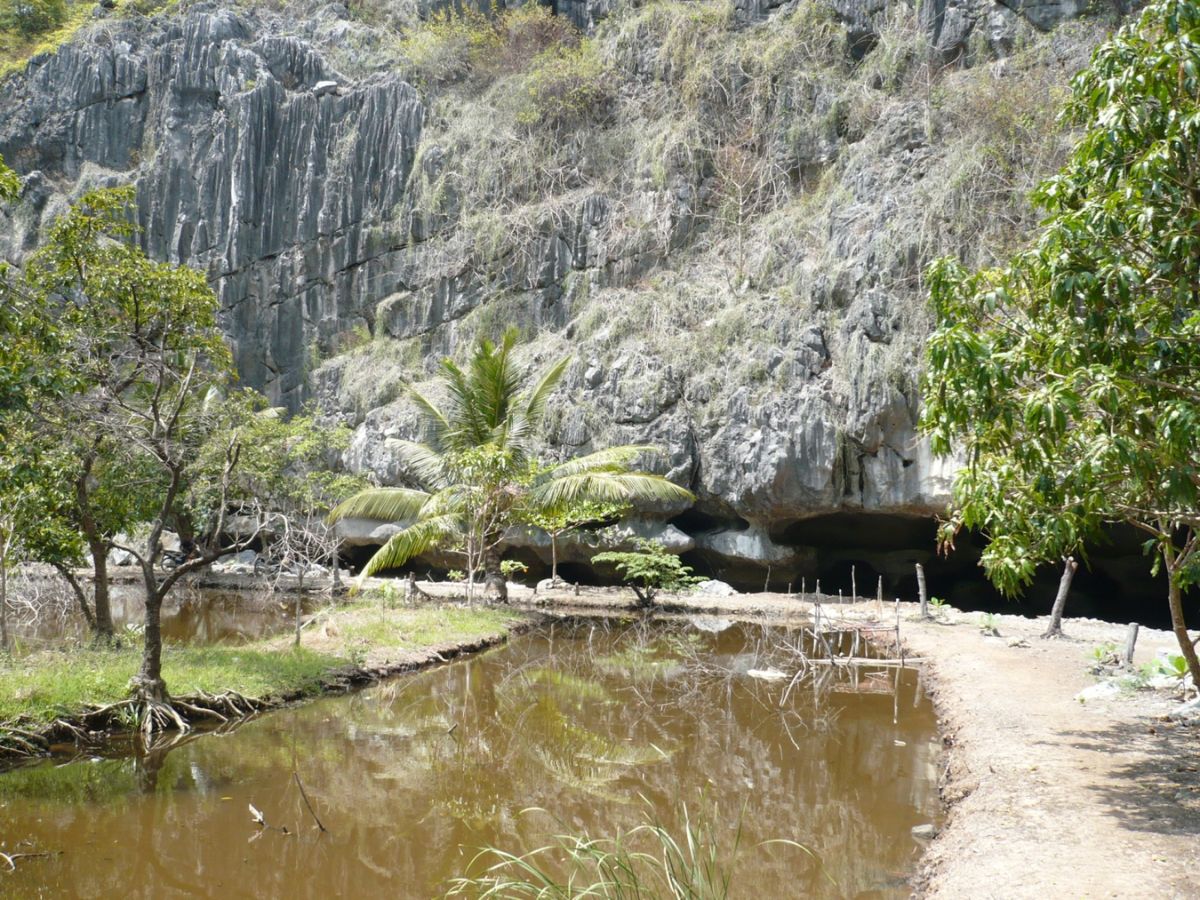
The landscape around the caves and Mo So Mountain is still almost intact. (Source: Collection)
3.2. Experiences to try at Mo So Mountain
The journey to explore Mo So Mountain usually begins with stone paths leading into the cave area, where the light gradually changes with each step. Some sections of the path narrow to fit only one person, while others open up into wide, high, and airy spaces like enclosed natural environments. Moving through interconnected caves creates a sense of continuous exploration, with each turn revealing a different perspective. Stopping at historically significant caves like Huyen Uy Cave or Quan Y Cave adds depth to the journey. Traveling with a local guide also facilitates movement and a better understanding of the area.
4. Directions to Mo So Mountain
4.1. Travel routes from Ha Tien, Rach Gia, and Ho Chi Minh City
From Ha Tien, the journey to Mo So Mountain is quite convenient by traveling along National Highway 80 towards Kien Luong, reaching Hon Ba intersection, then turning onto the Hon Chong – Binh An – Hon Phu Tu route before entering a small asphalt road leading to the foot of the mountain. The distance is about 27–30 km, and travel time usually ranges from 30–40 minutes. If starting from Rach Gia, you travel along National Highway 80 towards Ha Tien for a distance of about 58–62 km, taking about 1–1.5 hours. From Ho Chi Minh City, the common option is to take a bus to Ha Tien or Rach Gia, then rent a motorbike or taxi. Motorbike rental prices in this area are usually around 150,000–180,000 VND/day, suitable for flexible travel.
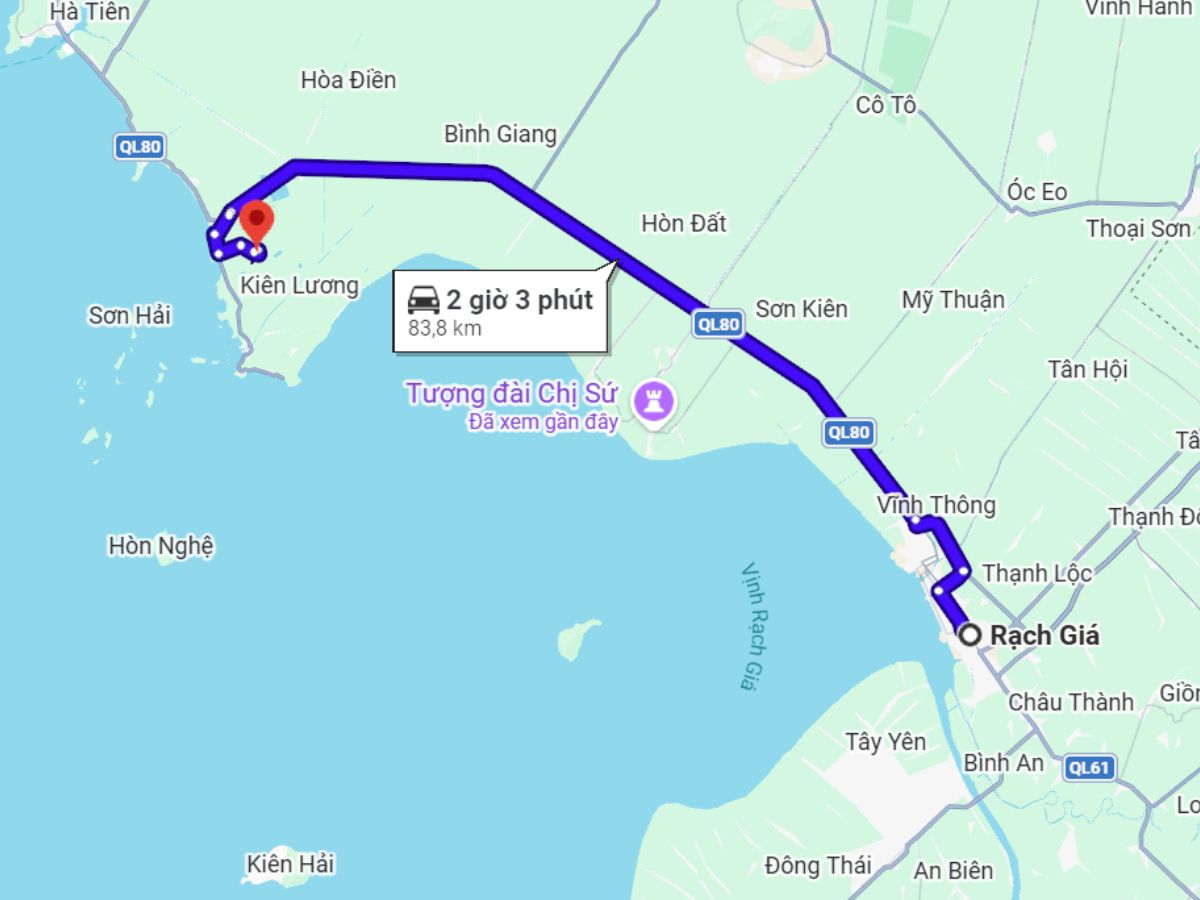
Tourists travel from Rach Gia to Mo So Mountain by private car or bus. (Source: Collected)
4.2. Transportation and support services in the Mo So Mountain area
The final stretch leading to Mo So Mountain is relatively narrow but has clear signage, best suited for motorbikes or small personal cars. Tourists usually park their vehicles near the foot of the mountain before walking to visit. If not driving yourself, you can use local motorbike taxis or taxis from Kien Luong to reach the entrance of the relic site directly.
When exploring the cave system, going with a local guide helps with navigation, especially in interconnected caves and narrow passages. Additionally, it is advisable to prepare a flashlight, drinking water, and shoes with good grip. Throughout the journey, maintain an awareness of preserving the site, do not disturb the natural structure, and do not litter in the area.
5. Notes and tips for visiting Mo So Mountain
When visiting Mo So Mountain, you should prepare sports shoes or hiking boots with good grip as many rocky sections are rough and slippery when going deep into the caves. A flashlight or headlamp is essential as some caves are quite dark and natural light is insufficient. It is recommended to bring personal drinking water as there are not many places to buy supplies inside. When moving around, avoid going alone into deep caves or narrow passages, especially if you are unfamiliar with the terrain; traveling in groups or with a guide is safer. Furthermore, as this is a historical relic site, maintain a respectful attitude, do not touch stalactites, do not draw on the cave walls, and do not litter. Preserving the landscape helps protect the natural and historical values of the area.
6. Suggested itinerary for visiting Mo So Mountain and surrounding areas
A day exploring Mo So Mountain can start early in the morning, when the weather is mild and the light is favorable for moving inside the caves. From the foot of the mountain, follow the trails to access the cave system, visiting sites associated with history such as Huyen Uy Cave, Quan Y Cave, or Huyen Doi Cave. The space inside the caves is cool, and the light changes with each crevice, creating a distinct sense of exploration. By noon, you can head back to Kien Luong or Ha Tien to rest and eat. In the afternoon, the journey continues with Chua Hang (Hang Pagoda) or Hon Phu Tu, where the landscape opens up with the sea and rocky mountains, offering a gentle change after a morning of exploring cave terrain.
If you have more time, from the Mo So Mountain area, tourists can extend their trip to Phu Quoc Island by high-speed ferry departing from Ha Tien. This pearl island impresses with its long stretches of beaches like Bai Truong, Bai Khem, along with clear waters and open spaces. The Hon Thom cable car experience, spanning nearly 8 km over the sea, offers panoramic views of the southern sea area, while amusement parks and water parks provide additional entertainment options. At the end of the day, Sunset Town is a suitable stop to enjoy the sea view as the light changes, before savoring fresh seafood in the coastal areas.
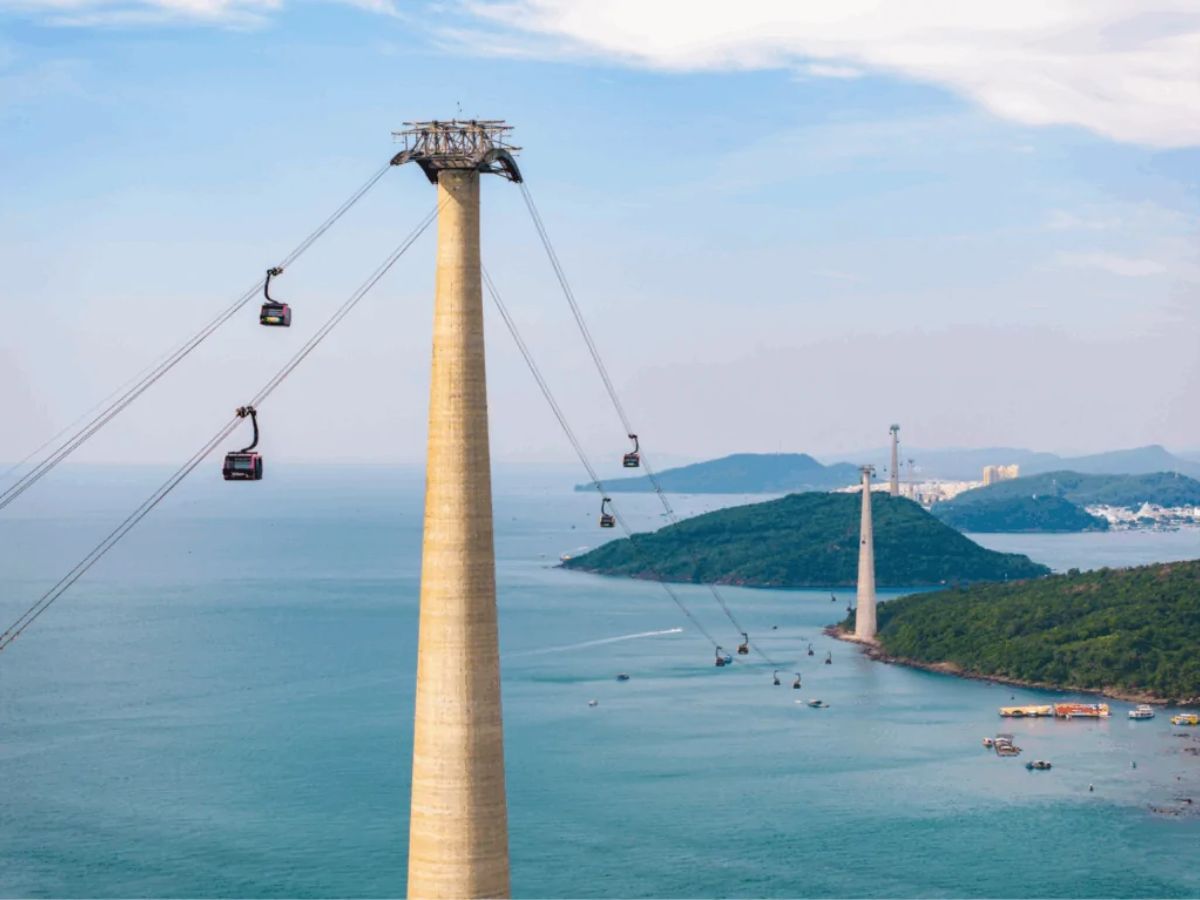
The Hon Thom cable car is the world's longest 3-wire cable car reaching out to sea to take tourists from An Thoi to Hon Thom. (Source: Collected)
Concluding the journey, Mo So Mountain not only offers a cave exploration experience but also opens a clear perspective on the combination of nature and history in Kien Giang. From the paths within the mountain to the secluded valley space, every movement creates a fresh feeling. If you have the chance to visit the Mekong Delta, this is a suitable stop for a short trip, enough to explore and enough to feel.