















1. Introduction to the Trai Dan Sung Hung Ancient Pagoda Festival
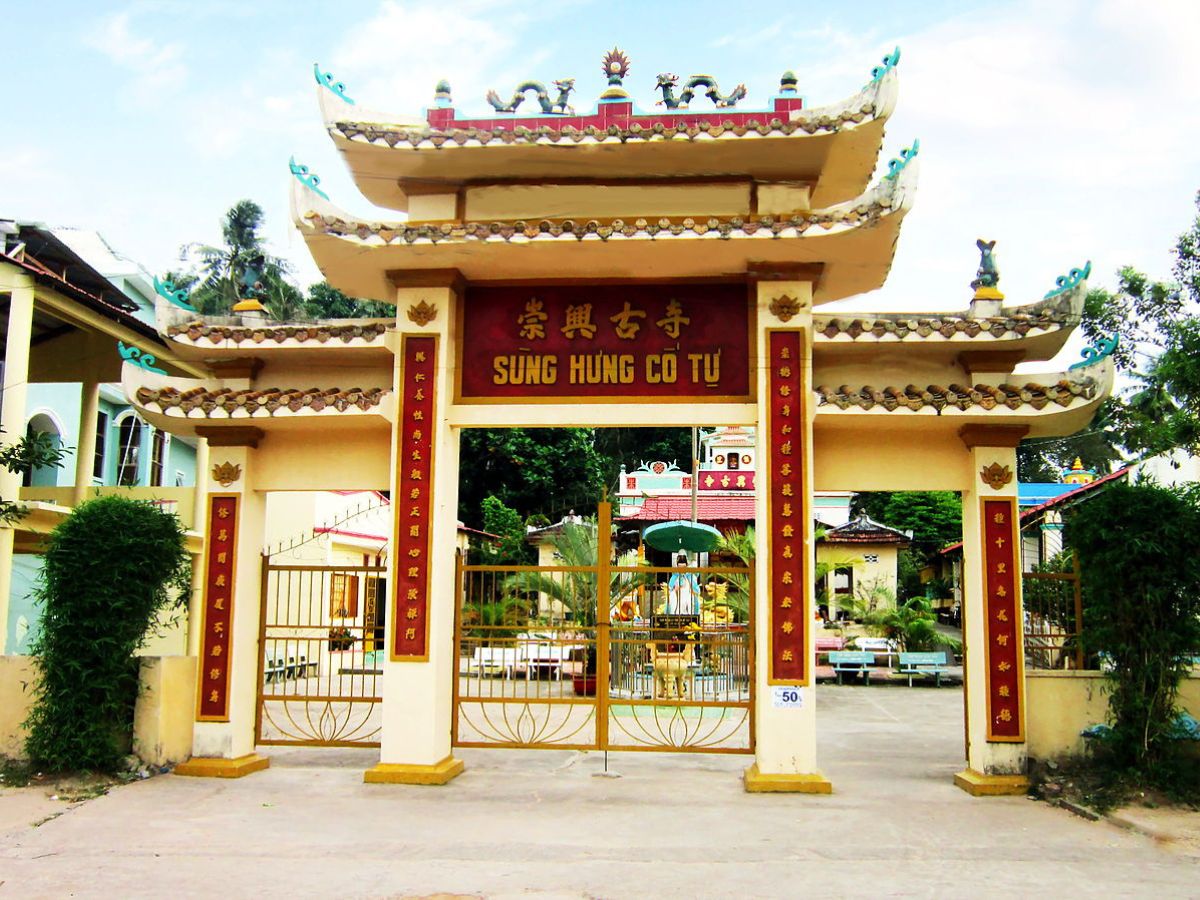
Sung Hung Ancient Temple marks the formation of Buddhism in Duong Dong. (Source: Collection)
Sung Hung Ancient Temple is one of the important landmarks of Buddhism on Phu Quoc island, associated with the early development of Buddhism in Duong Dong. The pagoda is located on Tran Hung Dao street and was formed in the late 19th century from the merger of two smaller pagodas – Sung Nghia Tu and Hung Nhan Tu. Previously, this area was a cemetery, where people established pagodas for worship and prayers for the deceased.
According to French records from 1906, Sung Hung Pagoda was once the only pagoda in the Duong Dong area, becoming a common spiritual center for the Vietnamese, Hoa, and Minh Huong communities. Having undergone several renovations – most notably in 1924 under Venerable Tinh Nghia and in 1960 led by Venerable Thich Hue Chanh – the pagoda still retains its characteristic Southern Vietnamese architectural layout with the style of 'temple in front, pagoda behind'.
From that long-standing historical foundation, the Trai Dan Sung Hung Ancient Temple festival was born to meet the growing spiritual needs of the community. Not aimed at entertainment, the festival focuses on rituals of prayer for the deceased, peace, and remembrance of the ancestors who contributed to building the land of Phu Quoc. The harmony between religious activities and patriotism makes the festival a unique cultural feature of the Pearl Island. Notably, Sung Hung Pagoda is famous for maintaining the ritual of offering prayers to President Ho Chi Minh for over 40 years – a rare tradition that deeply reflects the spirit of gratitude and patriotism of the local people.
2. Location and time of the Trai Dan Sung Hung Ancient Temple festival
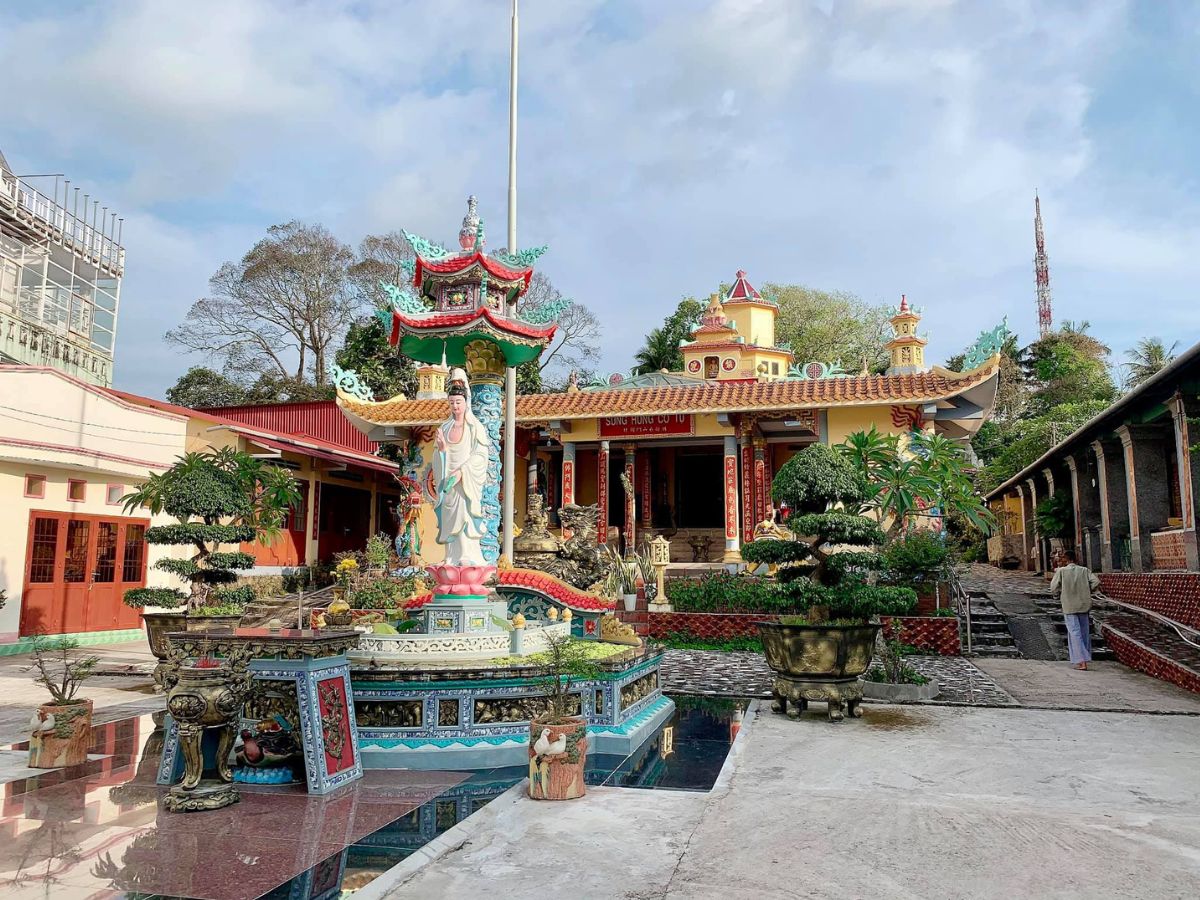
The pagoda is an ancient Buddhist symbol on Phu Quoc island. (Source: Collected)
The Trai Dan Sung Hung Co Tu Festival is an important spiritual event, closely associated with the belief life of the people of Phu Quoc. Understanding the location and time of the event will help visitors proactively arrange their schedules, while fully experiencing the solemn atmosphere of one of the typical Buddhist festivals on Ngoc island.
2.1. Sung Hung Co Tu Pagoda – Spiritual convergence point of the pearl island
Sung Hung Co Tu Pagoda is located at number 7 Tran Hung Dao street, Quarter 1, Duong Dong ward – a prime location right in the center of Phu Quoc city. From Dinh Cau night market, visitors only need to walk a few minutes to reach the century-old pagoda, peacefully situated on a small hill opposite the Telecommunications Center.
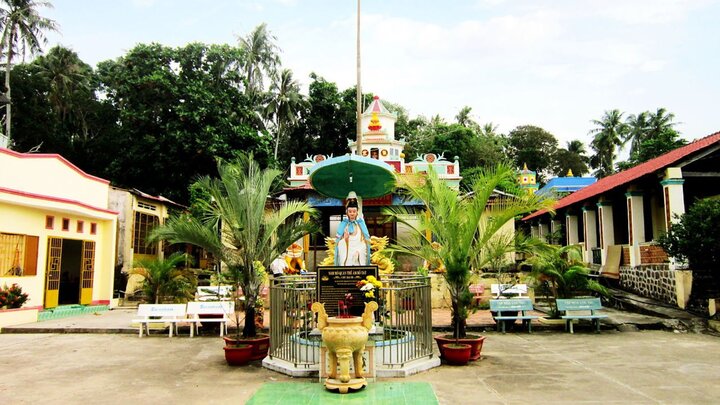
The path leading to the pagoda faces North and opens up to a spacious area with a clean brick courtyard and lush gardens. The first highlight that impresses visitors is the statue of Quan Am Nam Hai placed in the middle of a clear lake, creating a serene and solemn scene. In front of the pagoda is a shrine complex worshipping Ba Chua Xu Nuong Nuong and national hero Nguyen Trung Truc, clearly showing the characteristic architectural layout of "shrine in front, pagoda behind" of the ancient Southern Vietnamese people.
The main hall is built with solid brick, with an ancient yin-yang tiled roof. Inside is a system of gilded lacquered horizontal boards and couplets. The wooden, plaster, and bronze statues are exquisitely crafted, featuring the Three-time Buddha statue in the center, flanked by the Ten Palaces and the Five Palaces of King Yama. The space behind is the Sakyamuni Nirvana platform, built in 1960, located under ancient trees, creating a special tranquility.
Today, Sung Hung Co Tu Pagoda is a familiar destination for the people of Duong Dong and visitors from all directions. Not only a sacred place for worship, the pagoda is also an important spiritual and cultural activity center of Ngoc island.
2.2. Festival organization time
The Trai Dan Sung Hung Co Tu Festival is held on the 30th day of the 7th lunar month annually, usually falling around August - September of the Gregorian calendar. This is when the pagoda hosts many important religious rituals, attracting a large number of Buddhists and visitors for pilgrimage.
Activities on the festival day begin early in the morning with the opening ceremony, followed by prayers for the deceased and peace, and chanting that lasts all day. The evening often includes community activities, creating a solemn yet warm and friendly atmosphere.
To fully experience the spiritual beauty of the event, visitors should arrive at the pagoda early to admire the architecture, learn about its history, and prepare their minds before entering the main rituals. You can also combine a visit to the nearby Dinh Cau night market for a complete Phu Quoc cultural exploration in one day.
3. Origin and meaning of the Trai Dan Sung Hung Co Tu Festival
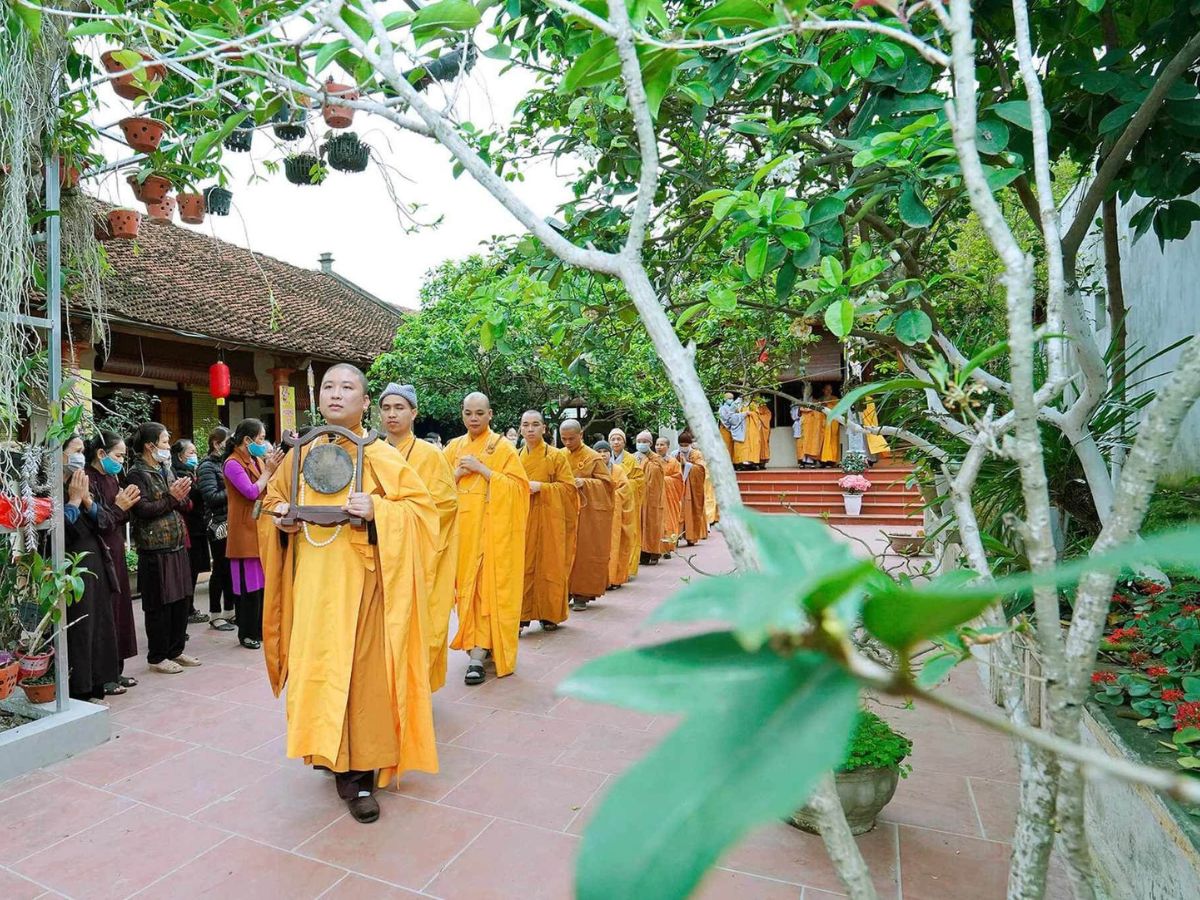
Spiritual activities contribute to preserving Buddhist cultural values. (Source: Collected)
The Trai Dan Sung Hung Co Tu Festival is not only a Buddhist ritual for praying for the souls of the departed and for peace but is also closely linked to the historical depth and spiritual life of the people of Phu Quoc. Understanding the origin and humanistic significance of the festival helps visitors better feel the spiritual values, the tradition of gratitude, and the spirit of pursuing good preserved for many generations on the Jade Island.
3.1. Historical Formation – Linked to Phu Quoc's Buddhist Traditions
The Trai Dan Sung Hung Co Tu Festival was formed from the initial role of the pagoda – a place built on an old cemetery, with the purpose of worshipping and praying for the souls of those who rested in the land of Duong Dong. After two pagodas, Sung Nghia and Hung Nhan, merged in the late 19th century and became Sung Hung Tu, this place became an important Buddhist center, attracting Vietnamese, Chinese, and Minh Huong communities to worship.
Throughout its development, the pagoda was deeply influenced by the abbots of the Lam Te Zen sect. In 1924, Venerable Monk Tinh Nghia carried out a major renovation, building the pagoda with bricks and durable yin-yang roof tiles. In 1960, Venerable Monk Thich Hue Chanh continued to upgrade the pagoda and build the Thich Ca Nirvana platform, creating a majestic appearance that is still preserved today. The abbots such as Thich Dat Vinh, Thich Minh Khiem, Tinh Nghia, Hue Chanh, and Hue Thong all made significant contributions to the development of orthodox Buddhism on the Jade Island.
During the resistance period, the pagoda was used as a secret contact point for the revolutionary forces. After the passing of President Ho Chi Minh, the pagoda maintained the ritual of offering noon prayers for him every noon – a special tradition combining patriotism with religion. It is these historical and cultural values that became an important foundation for the formation of the Trai Dan ritual for praying for souls and peace, carrying a sacred meaning beyond religious boundaries, aiming at honoring ancestors and wishing peace for the community.
3.2. Significance of Praying for Souls and Peace: Blessings and Human Connection
The Trai Dan Sung Hung Co Tu Festival carries many profound meanings, originating from the traditional function of the pagoda for praying for souls. In Vietnamese Buddhist culture, the Trai Dan ritual is a large ceremony used to pray for the souls of departed spirits, heroes, martyrs, and the deceased, helping them attain liberation and rest in a peaceful realm. At the same time, it is also an occasion for people to offer incense and pray for peace, entrusting wishes for health, peace, and a stable life for their families.
For the people of Phu Quoc, participating in the festival is not just an act of practicing faith but also a way to find inner peace, turn towards goodness, and honor those who came before. The significance of the festival is even more special as the pagoda has maintained the ritual of offering noon prayers for President Ho Chi Minh for many decades, demonstrating the blend of the moral principle "when drinking water, remember its source" (gratitude) and long-standing spiritual values.
The festival atmosphere is always full of community spirit, as people chant scriptures together, participate in rituals, and share their reverence. The connection between local people and visitors from all directions creates a warm, sacred, and humane space. Therefore, the Trai Dan Sung Hung Co Tu Festival is not only an important religious event for Phu Quoc but also an occasion for the community to turn towards good, nurture the spirit of solidarity, and preserve the traditional cultural values of the Jade Island.
4. Notable Rituals and Activities at the Trai Dan Sung Hung Co Tu Festival
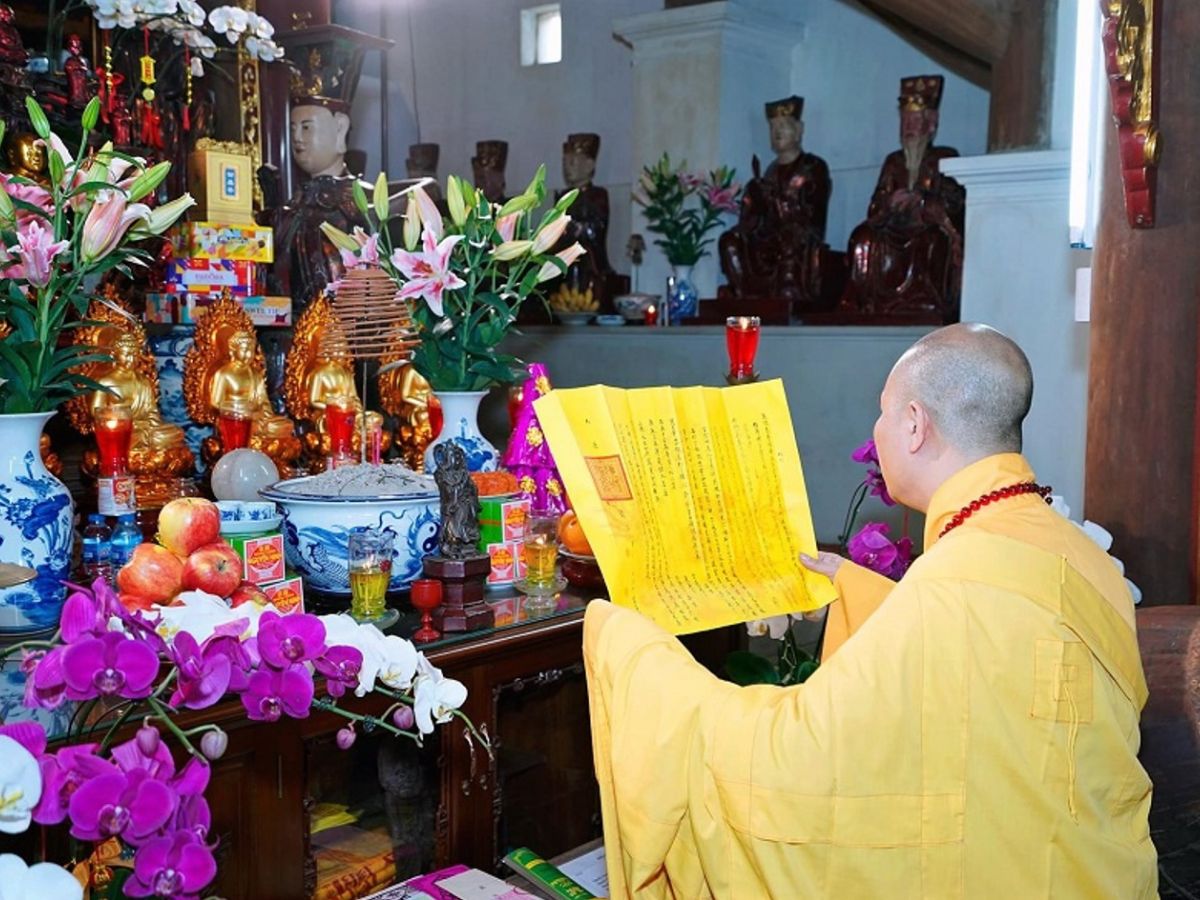
The Trai Dan Festival demonstrates the solemnity of Buddhist rituals.
(Source: Collected)
The Trai Dan Festival of Sung Hung Co Tu leaves a deep impression with its harmonious combination of solemn Buddhist rituals and a series of humane community activities. Each part of the ceremony – the festival part – carries its own meaning, contributing to creating a pure spiritual space, while spreading the spirit of compassion and community cohesion on Ngoc Island, Phu Quoc.
4.1. The Ceremony Part: Sacred Buddhist Rituals and Prayers for Peace – Prayers for the Departed
The ceremony part of the Trai Dan Festival of Sung Hung Co Tu begins with the ritual of opening the altar, inviting the Buddha and the guardian deities. In the ancient main hall, monks and Buddhists respectfully offer incense, pay homage to the Buddha, and invite Bodhisattvas to witness the ceremony. This solemn atmosphere helps visitors clearly feel the spiritual depth of the festival.
Throughout the day of the event, chanting and reciting the Buddha's name activities are continuously performed according to Mahayana rituals. The echoing sound of sutras blends with the tranquil space of the main hall, creating a sense of peace, helping everyone to calm down, and turn their minds towards good deeds. This is also a moment for Buddhists and visitors to feel purity and relieve worries.
Besides chanting, incense offering and vegetarian offerings rituals are meticulously organized at the altars such as the Three Buddhas, Quan Am, the shrine of Ba Chua Xu, and Nguyen Trung Truc. Vegetarian offerings are delicately prepared to offer to the Buddha, to the Ten Directions, and to provide food for wandering souls during the prayer for the departed.
The most important highlight of the ceremony part is the altar for prayers for the departed – prayers for peace. Monks perform the ritual of chanting sutras and reading prayers for the departed for the souls of the deceased, soldiers, compatriots who died, and relatives of Buddhists. Simultaneously, the prayer for peace ritual is also organized to wish peace for families, businesses, and the entire community. Everyone collectively prays for a year of favorable weather, smooth lives, and peace.
4.2. The Festival Part: Community Activities, Arts, and Charity
After completing the spiritual rituals, the festival atmosphere becomes lively with a colorful festival part. Traditional art performances, Buddhist cultural programs, and singing and dancing performances imbued with moral spirit create a special attraction for both locals and tourists.
Lion dances and festival drums – familiar elements of Vietnamese festivals – are often highlights that liven up the atmosphere. The lively sounds combined with energetic rhythms help balance the solemnity of the ceremony part with the joyous atmosphere of the festival part.
A humane activity of the festival is the annual charity program. Sung Hung Pagoda, in coordination with Buddhist establishments on the island, organizes gift-giving for the poor, the elderly, and children with special circumstances. This is how the community spreads the compassionate spirit of Buddhism and builds sustainable cohesion in social life.
The space for interaction between locals, Buddhists, and tourists is also a special attraction. People chat, learn about the pagoda's history, participate in chanting, offer incense, and enjoy traditional arts. Thanks to its central location, after the festival ends, visitors can easily continue their journey to explore Dinh Cau night market or stroll along Duong Dong beach to further experience the cultural beauty and cuisine of Ngoc Island.
5. Cultural Value of the Trai Dan Festival of Sung Hung Co Tu
The Trai Dan Festival of Sung Hung Co Tu not only carries profound religious significance but is also a typical cultural – spiritual symbol of Phu Quoc. Through traditional rituals and community activities, the festival contributes to preserving local identity, nurturing spiritual life, and creating a special cultural attraction for Ngoc Island.
5.1. Spiritual Imprint and Phu Quoc's Local Identity
Sung Hung Co Tu Pagoda, along with Duong Dong communal house, Dinh Cau, and Dinh Ba Thuy Long Thanh Mau, creates a unique cultural – spiritual complex of Ngoc Island. The Trai Dan Festival of Sung Hung Co Tu plays an important role in preserving the Mahayana Buddhist tradition, associated with the Lam Te Zen sect since the late 19th century, contributing to depicting the unique spiritual identity of the locality.
Not only is it an occasion to perform rituals for the departed, prayers for peace, or commemorate ancestors and national heroes, the festival also reminds the community to turn towards their roots, and maintain a virtuous way of life. Notably, the ritual of offering midday meals to President Ho Chi Minh has been maintained by the pagoda for decades, demonstrating a rare blend between patriotism and religious life, creating Phu Quoc's distinct spiritual imprint.
With its ancient space, traditional architecture, and solemn festival atmosphere, this place helps people and visitors find peace amidst the vibrant tourist life. The Trai Dan Festival of Sung Hung Co Tu therefore becomes a bridge nurturing spiritual life, while contributing to preserving and spreading the characteristic cultural values of Ngoc Island.
5.2. Attracting Tourists – A Unique Cultural Experience of the Year
Sung Hung Pagoda is one of the most prominent spiritual sites in central Phu Quoc, boasting a convenient location near the night market and Dinh Cau. Its ancient architecture, cool green space, along with the majestic Quan Am Nam Hai statue make it a favorite check-in and sightseeing spot for tourists. However, during the Trai Dan Festival of Sung Hung Co Tu, the pagoda seems to put on a completely different appearance.
The festival scene, combining incense smoke, the sound of bells and gongs, and echoing sutras, creates a sacred atmosphere, difficult to find in other spiritual sites. Community activities, Buddhist arts, and charity programs also offer tourists the opportunity to immerse themselves in Phu Quoc's characteristic cultural life.
Many reputable travel sites rate the Trai Dan Festival of Sung Hung Co Tu as one of the most outstanding cultural and spiritual events of the year. This is also a "perfect piece" when combined with a journey of island exploration, entertainment, and local culinary experiences. Attending the festival not only helps visitors understand more about the spiritual life of the people of Ngoc Island but also creates a complete and memorable trip.
6. Experience Attending the Trai Dan Festival of Sung Hung Co Tu
To fully appreciate the spiritual value and solemn atmosphere of the Trai Dan Festival of Sung Hung Co Tu, visitors need to prepare thoroughly in terms of both attire and attitude. The following experiences will help you properly immerse yourself in the rituals, and have a more meaningful and complete Phu Quoc cultural experience.
When attending the Trai Dan Festival of Sung Hung Co Tu, visitors should choose modest and polite attire such as short-sleeved shirts, long pants, or skirts below the knee. Avoid tight or sheer clothing to be appropriate for the sacred space of the pagoda. Neutral, soft colors also help you blend into the solemnity of the festival. Throughout the participation, you should maintain a calm attitude, speak softly, turn off your phone's sound, and limit photography in the main hall while rituals are in progress.
Arriving at the pagoda early is the best way to leisurely visit, learn about the history of Sung Hung Co Tu, and prepare your mindset before important rituals. Visitors can bring fresh flowers, fruits, or vegetarian offerings to express their reverence. Absolutely do not bring salty food, stimulants, or smoke within the pagoda grounds, and avoid loud laughter.
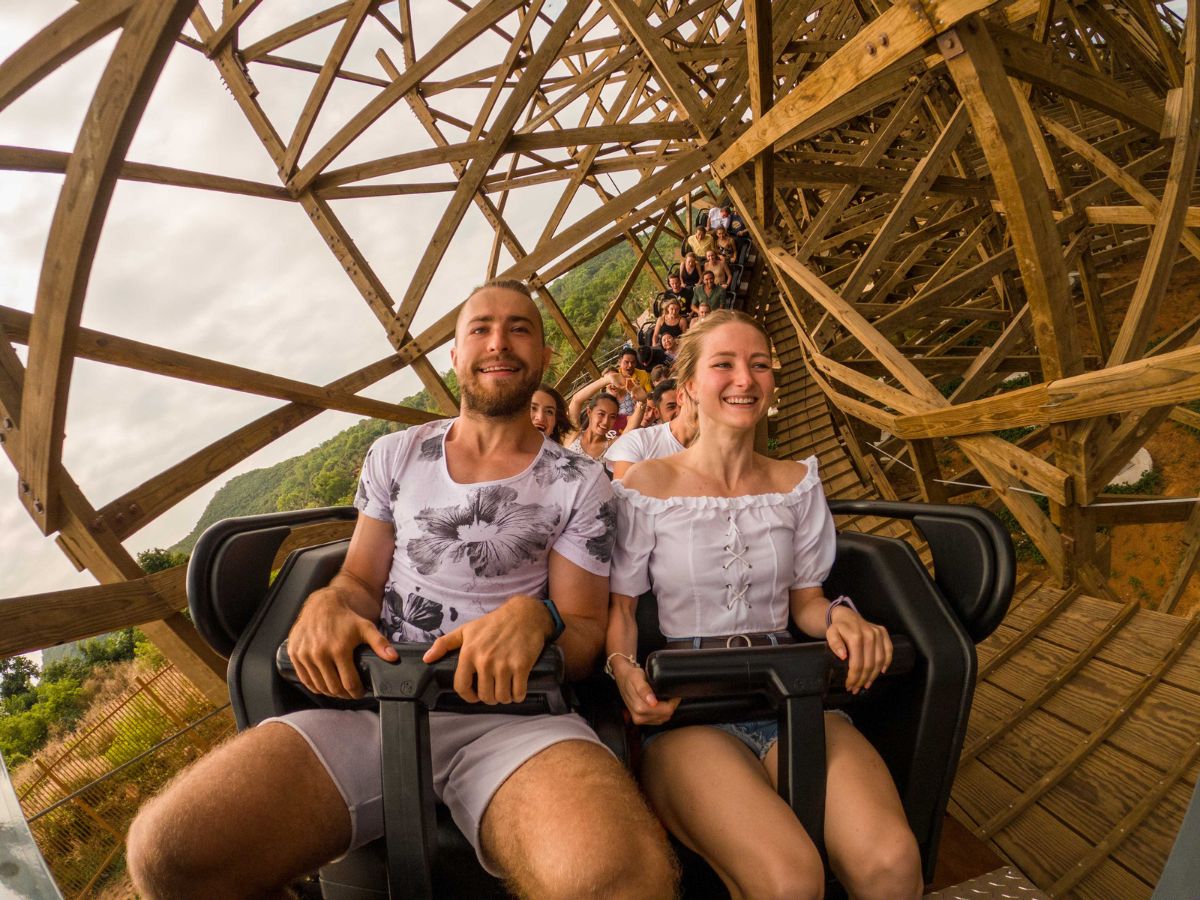
Sun World Hon Thom is an ideal destination to immerse yourself in festivals.
(Source: Collection)
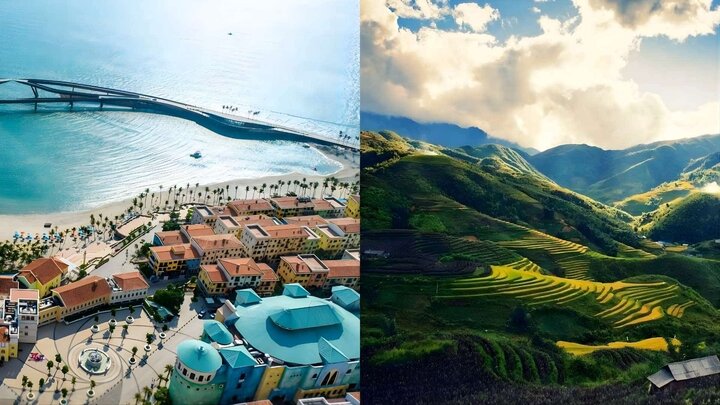
The itinerary can combine attending festivals with a journey to explore famous spiritual sites such as Dinh Cau, Dinh Ba Thuy Long Thanh Mau, or Duong Dong communal house. After the ceremonies, you can also visit Dinh Cau night market to enjoy seafood and experience local cuisine. During the day, visitors can go to Sun World Hon Thom, take the Hon Thom cable car, or visit Sunset Town, then return to Duong Dong in the evening to immerse themselves in the sacred atmosphere of the Trai Dan Sung Hung Co Tu festival.
Immersing yourself in the Trai Dan Sung Hung Co Tu festival helps visitors fully appreciate the spiritual beauty and long-standing traditions of Phu Quoc. With solemn ceremonies and a serene atmosphere, the festival will surely leave a deep impression on your journey to explore the culture of the pearl island.