















1. Overview of Dong Ho Lagoon in Phu Quoc
1.1. Location and distribution range
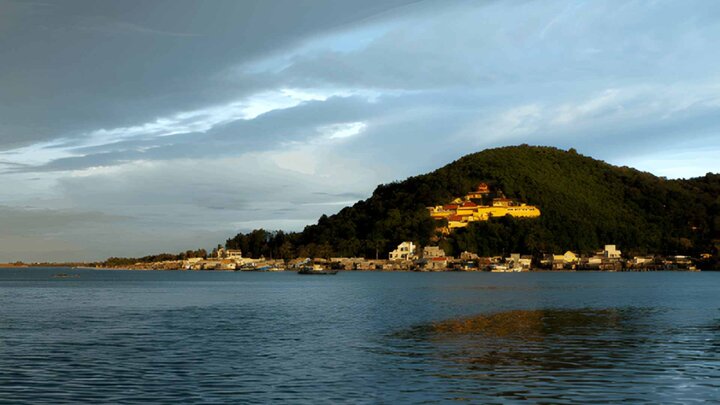
Dong Ho Lagoon is located in Phu Quoc ward, An Giang province, and is one of the typical wetland areas of the Southwest coastal region. With a natural area of over 1,384 hectares, the lagoon stretches from the coast of Phu Quoc to the low-lying inland areas, forming a transitional ecological space between the sea and the mainland. This location allows Dong Ho Lagoon to serve as a natural buffer zone within the overall landscape of the region.
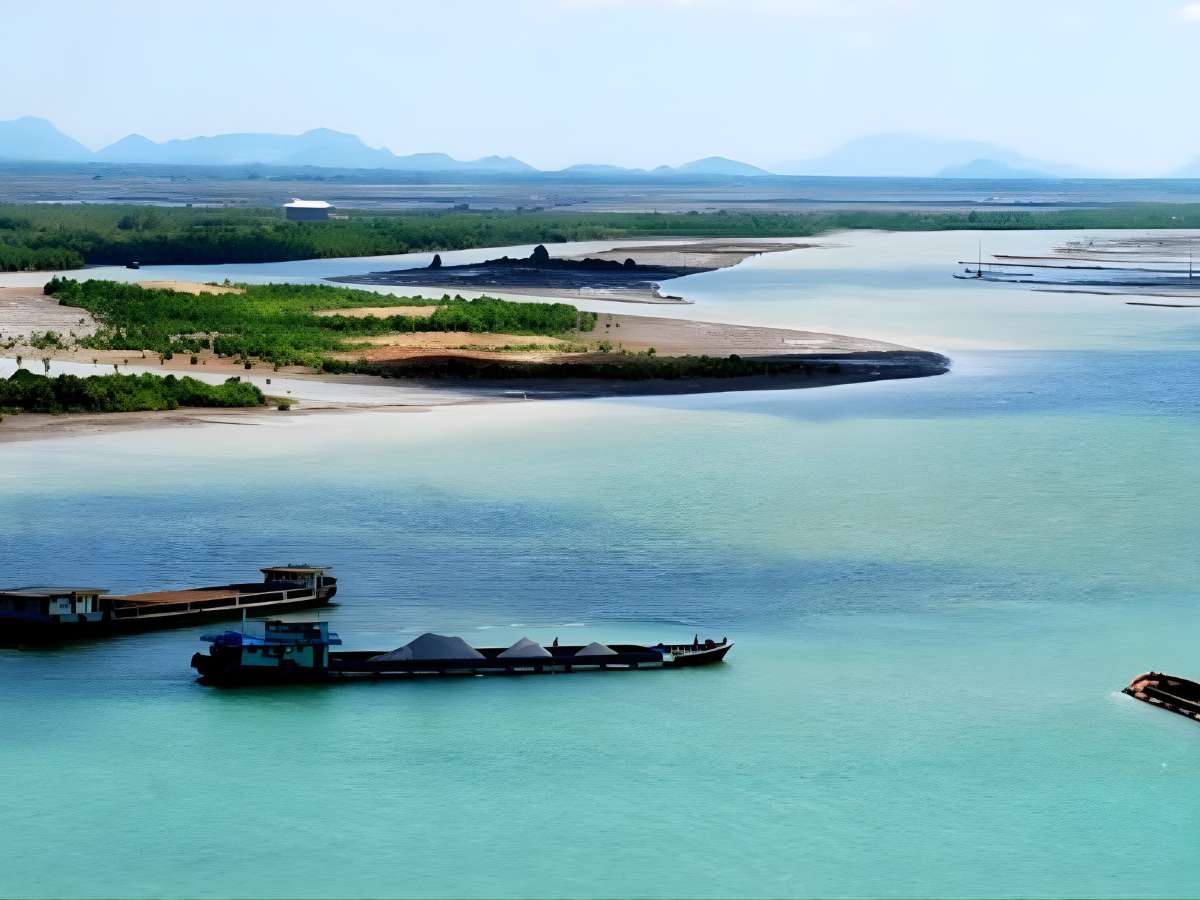
The water surface of Dong Ho Lagoon creates a characteristic ecological highlight for the Phu Quoc region. (Source: Collected)
Within its distribution range, Dong Ho Lagoon is adjacent to many residential areas and traditional local agricultural and fishery production areas. The interweaving of ecological space and human life creates a characteristic landscape structure, reflecting a long-term symbiotic process. Thanks to this, Dong Ho Lagoon not only holds natural value but is also linked to the development history of Phu Quoc.
1.2. Hydrology and terrain characteristics
In terms of terrain, Dong Ho Lagoon is a low-lying, relatively flat area, with water levels that vary with the seasons and are affected by the tides of the West Sea. The system of canals carrying water from the sea and receiving freshwater from inland creates a characteristic brackish water environment. This interaction forms a flexible hydrological regime, changing with the daily and seasonal cycles.
The hydrological structure of the lagoon helps maintain continuous water exchange, limiting stagnation in the area. Sediment carried by inland flows contributes to the accretion of the lagoon bed, forming mudflats and submerged vegetation. This is the foundation for the existence and development of the characteristic ecosystem at Dong Ho Lagoon.
1.3. Ecological importance for the region
Dong Ho Lagoon Nature Reserve plays an important role in regulating the natural environment of the Phu Quoc region. The water surface area and submerged vegetation contribute to regulating the local climate, reducing temperature fluctuations, and maintaining air humidity. At the same time, the ecosystem here helps absorb some pollutants from the water flowing through.
Furthermore, Dong Ho Lagoon also serves as a space for storing and regulating natural water resources for the surrounding areas. This function helps limit flooding during the rainy season and reduce the impact of saltwater intrusion on production areas. In the context of climate change, the ecological role of the lagoon is increasingly evident in the sustainable development structure of Phu Quoc.
2. Biodiversity at Dong Ho Lagoon Nature Reserve
2.1. Submerged vegetation
The vegetation at Dong Ho Lagoon clearly reflects the characteristics of a coastal wetland, with the distribution of many salt-tolerant and water-tolerant plant species. These plant groups are concentrated along the lagoon edges and canal systems, contributing to stabilizing mud and reducing erosion. As a result, the lagoon's landscape maintains its natural structure stably over time.
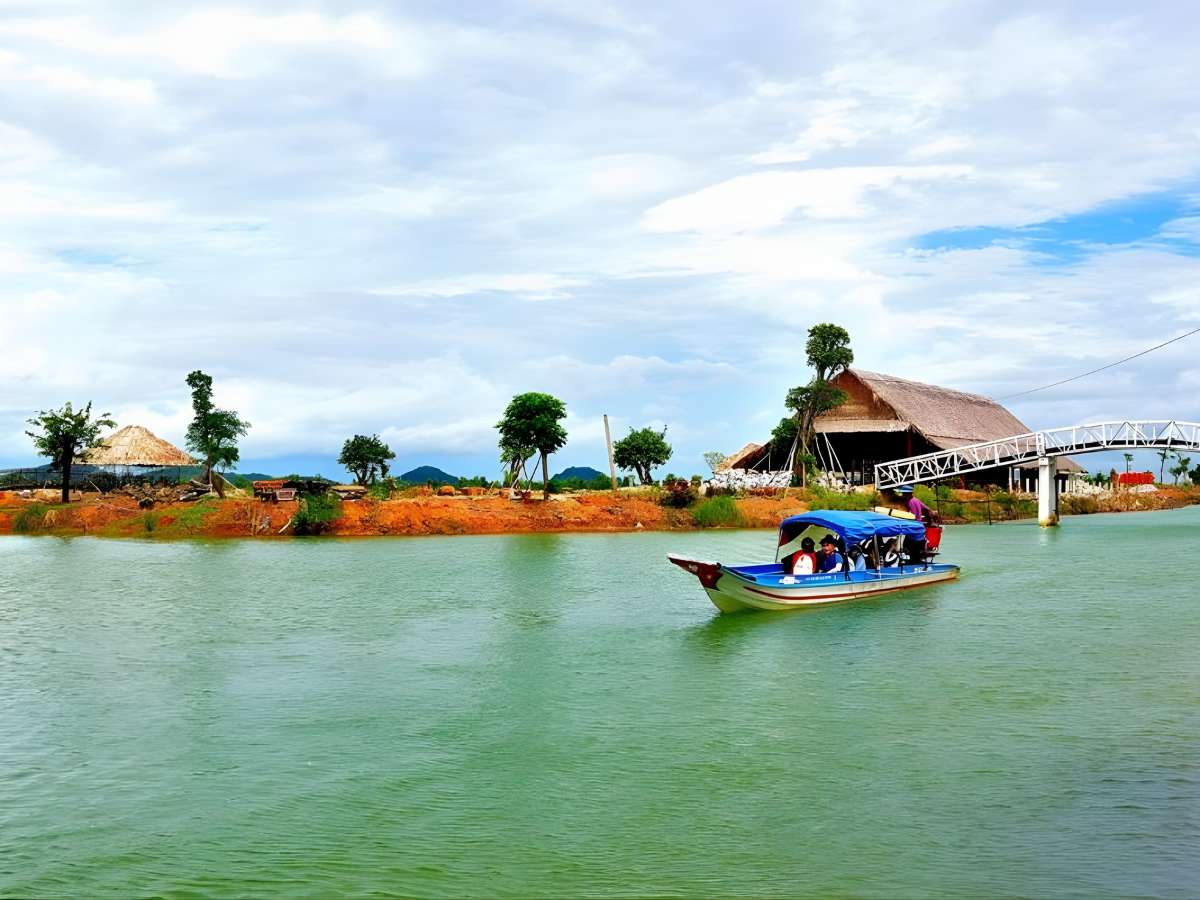
The wetland ecosystem at Dong Ho Lagoon reflects the harmonious relationship with nature. (Source: Collected)
Besides mangrove species, the lagoon area also features beds of aquatic grasses and hydrophytes in shallow waters. These species participate in photosynthesis, providing oxygen to the aquatic environment and forming a basic food source for other organisms. The diverse presence of flora contributes to establishing a sustainable ecological foundation for the entire area.
2.2. Typical Animal Species
Dong Ho Lagoon Nature Reserve is home to many animal species associated with brackish water ecosystems and coastal lagoons. The aquatic life here includes fish, shrimp, crabs, and mollusks, playing a crucial role in the natural food chain. The relatively stable environmental conditions allow many species to choose this area as a place for reproduction and development.
In addition to aquatic species, Dong Ho Lagoon is also a stopover for many water birds and migratory birds. The presence of birds contributes to enriching the landscape and reflects the health of the ecological environment. This is also a factor that creates the natural conservation value of the lagoon area.
3. Exploring Dong Ho Lagoon Nature Reserve
3.1. Enjoying Nature
The main activity for visiting Dong Ho Lagoon is experiencing nature observation and learning about the wetland ecosystem. Access by small boat or walking along the lagoon's edges allows visitors to fully appreciate the scenery while maintaining tranquility. This method is suitable for the terrain and helps minimize direct impact on the natural environment.
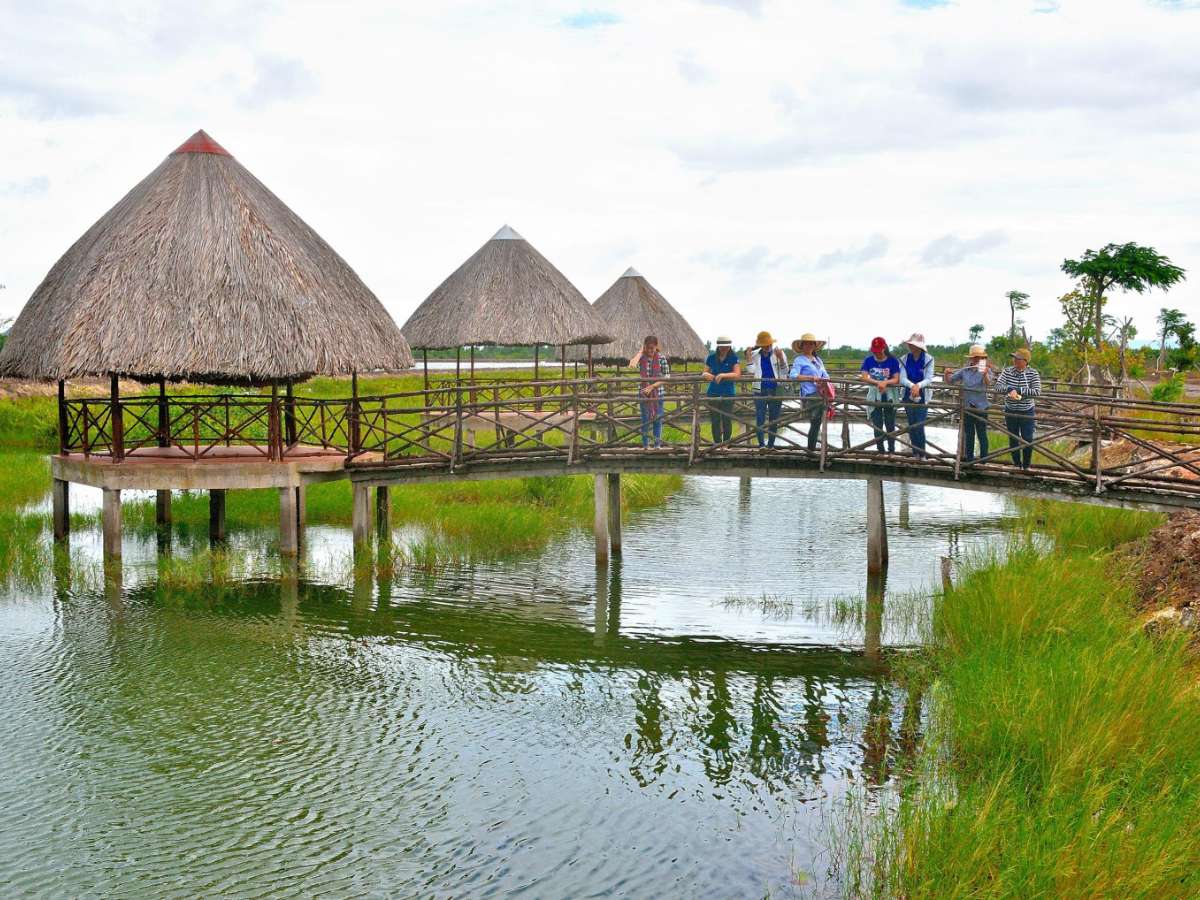
Visiting activities at Dong Ho Lagoon offer an experience close to the riverine landscape. (Source: Collected)
Additionally, small group tours combined with local guides help convey information about the ecological value and formation history of the lagoon. This approach creates a connection between visitors and the surrounding natural space. At the same time, the experience is oriented towards respecting and preserving the ecosystem.
3.2. When is the best time to visit?
Dong Ho Lagoon Nature Reserve changes distinctly with the seasons, reflecting fluctuations in water levels and biodiversity. During the dry season, stable weather and low rainfall create favorable conditions for movement and observation of the surrounding landscape. This is a suitable time to clearly identify vegetation and the activities of water birds.
In the rainy season, rising water levels change the appearance of the lagoon, offering a different perspective on the ecosystem's adaptation. The landscape becomes softer and more vibrant with the natural flow. Choosing the right time to visit helps enhance the experience and minimize environmental impact.
3.3. Notes when visiting
When visiting Dong Ho Lagoon, adhering to environmental protection principles is a priority. Visitors should minimize littering, avoid loud noises, and refrain from directly disturbing animals and plants in the area. These actions contribute to maintaining the stability of the wetland ecosystem.
Furthermore, respecting the living and production spaces of local residents also plays an important role. Harmony between tourism activities and community life helps ensure the sustainability of the area. This is essential for Dong Ho Lagoon to continue to be preserved in the long term.
4. Connecting Dong Ho Lagoon with the Phu Quoc exploration journey
4.1. Combining with large-scale attractions
In the Phu Quoc exploration journey, Dong Ho Lagoon serves as an ecological stop, complementing urban and cultural attractions. Combining visits to the lagoon with coastal and central area tours helps broaden the experience, creating a balance between nature and exploration activities. This organization makes the journey more diverse in pace and emotion.
The connection between Dong Ho Lagoon and other destinations also contributes to a reasonable distribution of tourist flow. Instead of concentrating in one area, visitors have more options to explore different landscape layers. Thus, the ecological value of the lagoon is placed within the overall sustainable tourism development of Phu Quoc.
Including Dong Ho Lagoon in comprehensive tour routes also helps to more clearly define the role of ecological spaces in the Phu Quoc exploration journey. Visitors not only travel between destinations but also feel the natural transition between water, land, and urban landscapes. This organization makes the experience seamless, avoiding a disjointed feeling between stops.
4.2. The King of The Sun Fountain as an urban highlight
Within the urban landscape of Phu Quoc, the King of The Sun Fountain is a landscape highlight that embodies the trend of modern public space development. The presence of this structure creates a clear contrast with the tranquil atmosphere of Dong Ho Lagoon. It is this difference that highlights the diversity of landscapes within the same area.
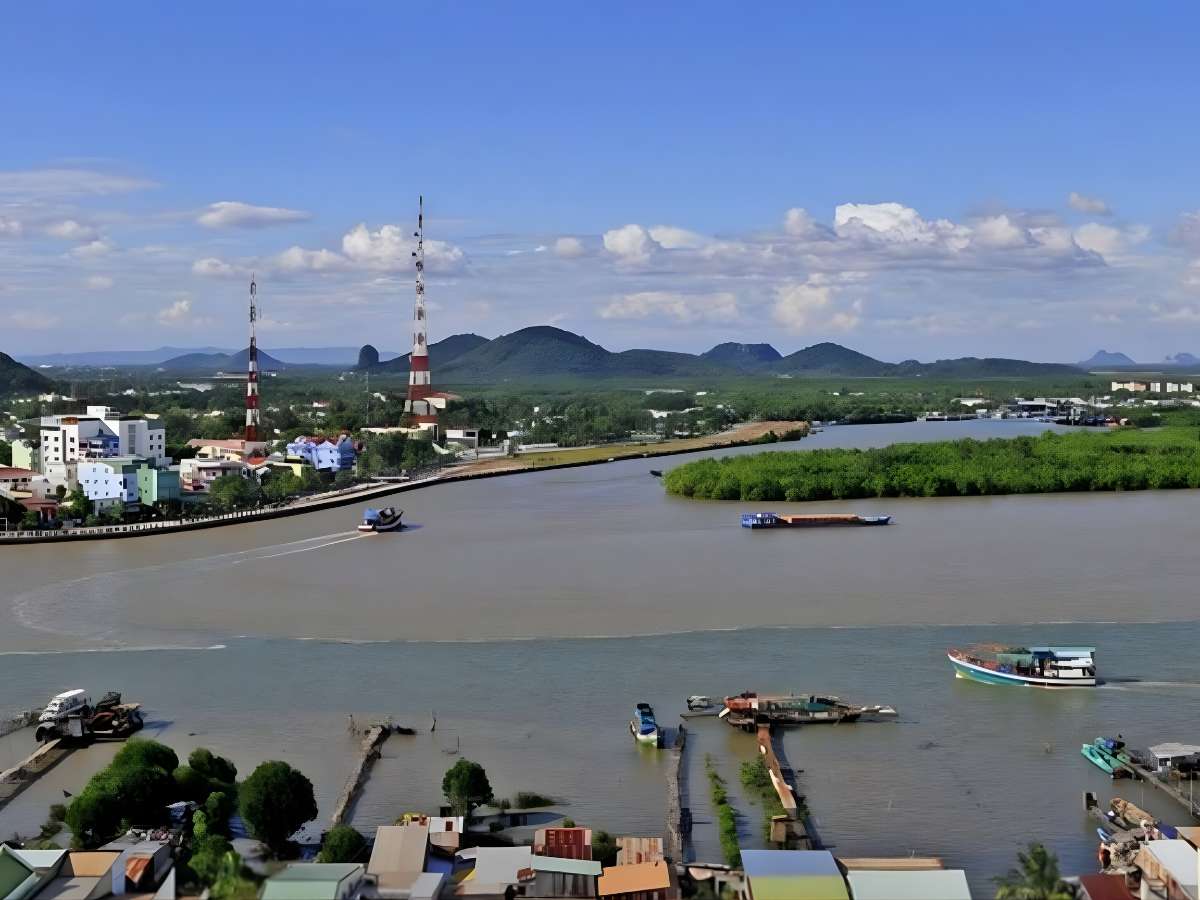
The connection between Dong Ho Lagoon and King Of The Sun enriches the urban space. (Source: Collected)
When placing two spaces on the same tour itinerary, visitors have the opportunity to feel the transition from nature to urban. This experience clearly reflects the development pace of Phu Quoc in the modern context. At the same time, the combination helps the exploration journey become more coherent and in-depth.
The King of The Sun Fountain also serves as an iconic stop in Phu Quoc's urban space. Here, visitors can observe the city's rhythm of life and feel the distinct change in space after leaving the ecological lagoon area. This transition creates an emotional highlight, adding depth to the sightseeing experience.
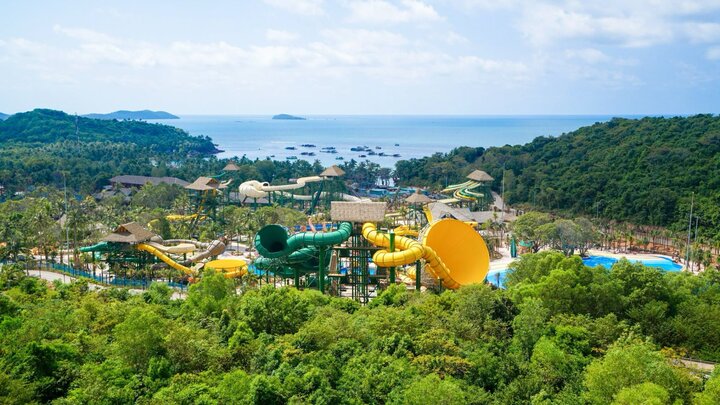
Dong Ho Lagoon Nature Reserve holds significant importance in preserving the wetland ecosystem structure of the Phu Quoc area. When placing this destination on a Southern Island exploration journey and connecting it with highlights like Sun World Hon Thom or the King of The Sun Fountain, visitors gain a comprehensive perspective on the interplay between nature and development. This is also a way to make the travel itinerary more balanced between ecological experiences and urban spaces.