















1. Historical Imprint: Origin Context and Early Milestones of Dì Kê Art
1.1. Southern Vietnamese Cultural Space and Folk Influence
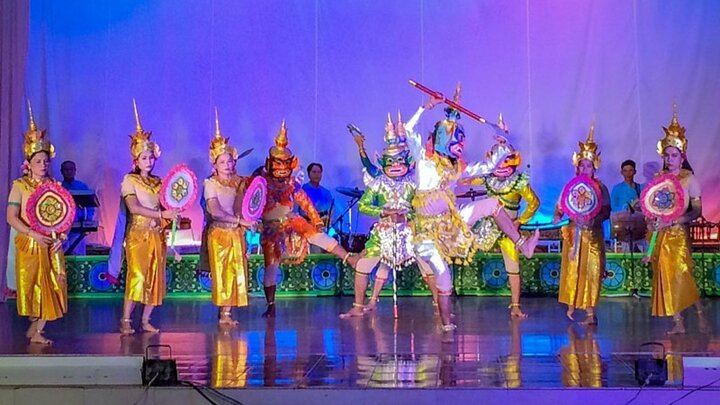
Dì Kê art was formed within the folk cultural space of Southern Vietnam, where community activities are closely tied to rural life. The Khmer community in the Mekong Delta region, especially in Tri Ton district of An Giang province, created this type of stage art to reflect working life, social sentiments, and stories with educational meaning. Through each performance, Dì Kê became a means of conveying the community's voice and cultural values passed down through generations.
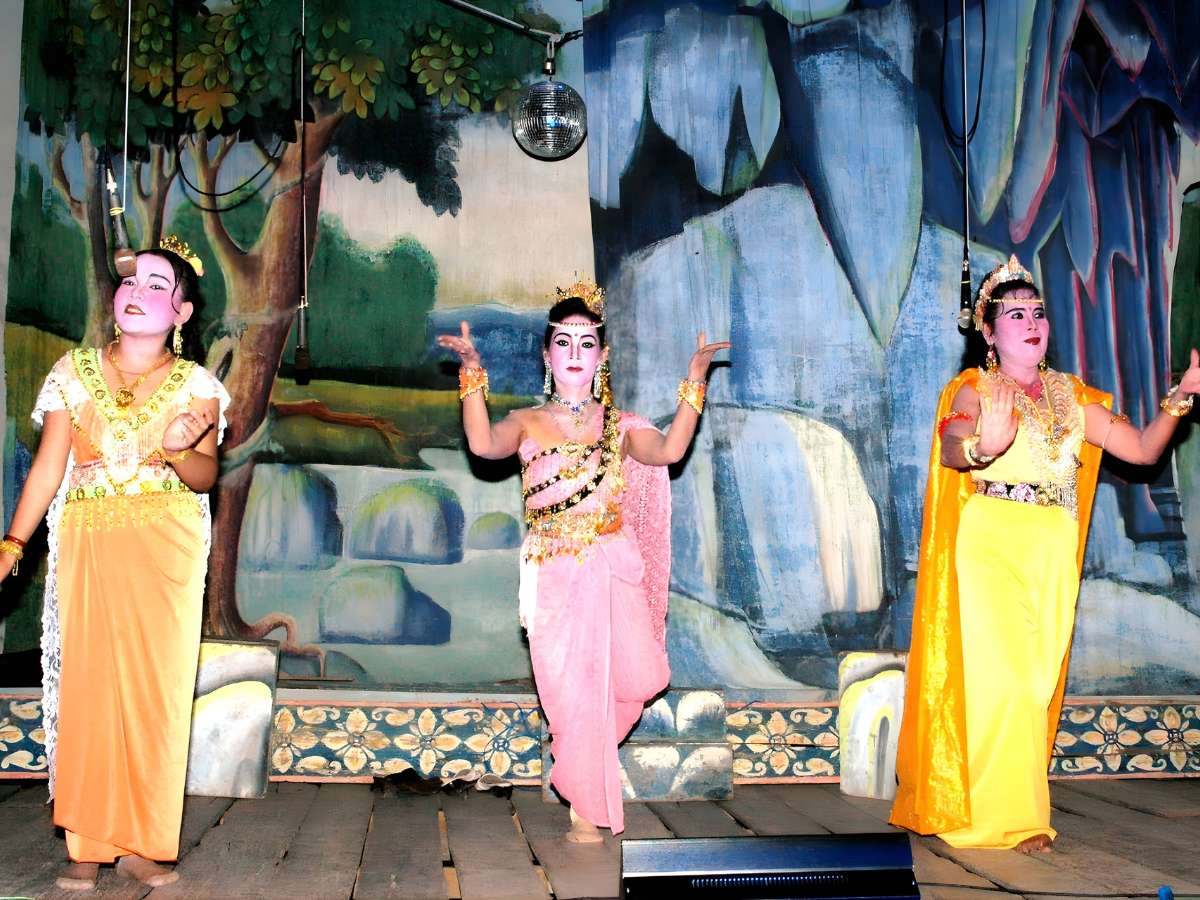
Di Ke art of Nam Bo is performed in a characteristic folk cultural space. (Source: Collected)
The performance space of Di Ke art is often associated with phum sóc yards, village communal houses, or Khmer temple grounds, creating a close connection between art and daily life. Here, stories, rhythms, and images of rural life are recreated intimately through performance and folk music. This community context helps Di Ke maintain its role as a natural part of Southern Vietnamese cultural life.
1.2. Where do the origins begin? The story of its formation
Before being shaped into a form of folk theater, Di Ke art originated from spontaneous performances within the Khmer community. Initially, these activities combined singing, dancing, and storytelling to share lessons about family, morality, and social relationships. The oral tradition through songs and narratives helped Di Ke gradually spread and be widely accepted by the community.
Over time, these simple performances became more structured, forming a characteristic type of folk musical drama. The content of the plays retained its everyday spirit, but the expression of characters, situations, and cultural messages became increasingly distinct. From there, Di Ke art gradually asserted its position in the treasure trove of Southern Vietnamese folk art.
2. Artistic Style and Performance Forms of Di Ke
2.1. Acting Language and Dialogue
The acting language in Di Ke art is everyday, using local Khmer combined with the familiar way of speaking of Southern Vietnamese residents. Dialogue is often structured as conversations, interspersed with lyrics, helping the audience easily follow the content and story flow. This use of language creates a sense of closeness, clearly reflecting the life and psychology of the community in each performance.
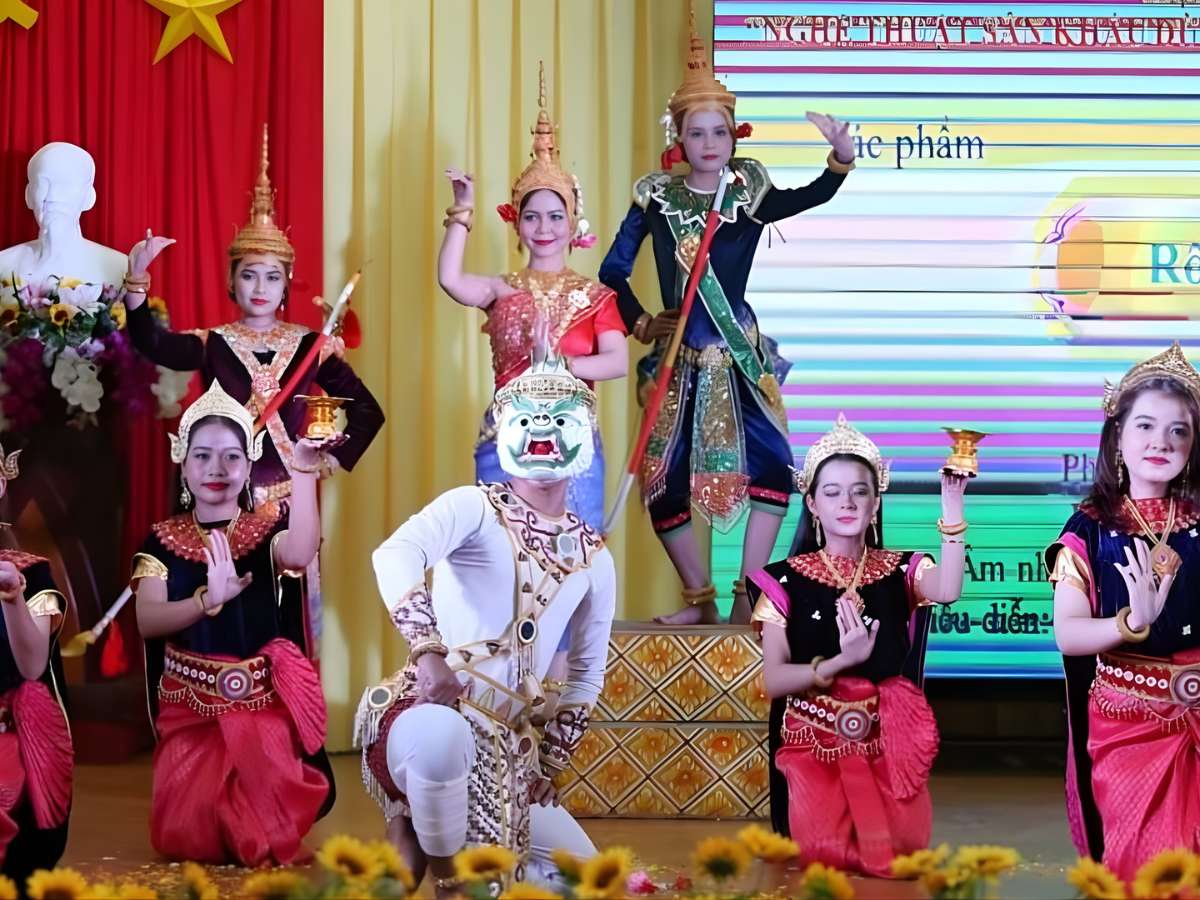
Dialogue and expressive movements create the appeal of the Di Ke stage. (Source: Collected)
2.2. Decoding symbolism through costumes, music, and performance choreography
Music in Di Ke art is rich in folk character, using familiar melodies of the Khmer community in Southern Vietnam. The rhythm is usually slow and easy to feel, playing a role in guiding emotions and supporting performance on stage. The combination of music and lyrics helps the story be conveyed coherently and expressively.
2.3. Stage space and audience interaction
The performance space of Di Ke art is usually flexible, not fixed in theaters but taking place in village yards, communal houses, or temple grounds. This organization helps the art be closely tied to community activities and the daily lives of the people. The open stage allows actors and audiences to connect easily throughout the performance.
3. Cultural values and social significance of Di Ke art
3.1. Reflecting the life and psychology of the Southern Vietnamese people
Di Ke art recreates familiar life stories of the Southern Vietnamese people through situations of daily life, family relationships, and neighborly affection. The content of the plays often revolves around labor, community interactions, and moral lessons related to daily life. Through this, Di Ke reflects the psychology, thoughts, and how people perceive social relationships.
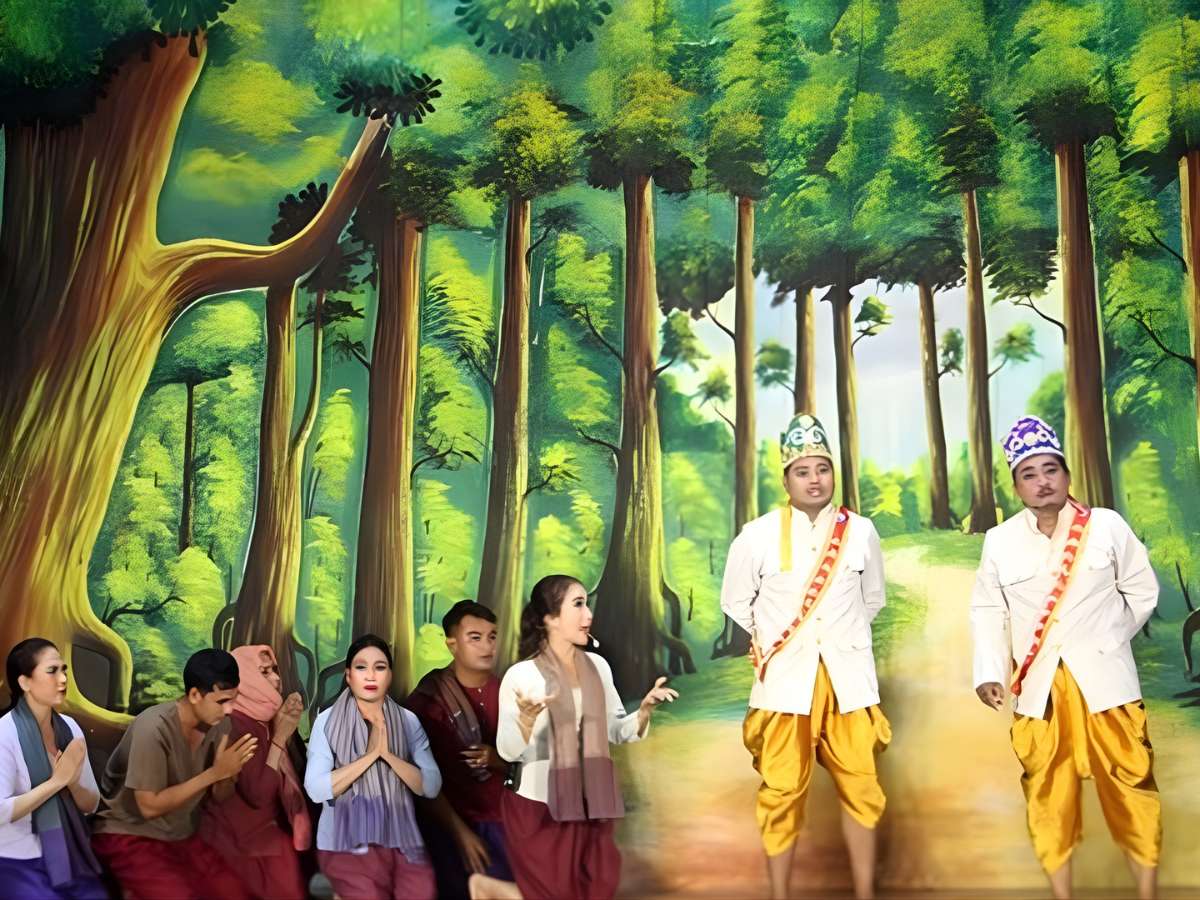
Dì Kê content vividly reflects the life and social relations of Southern Vietnam. (Source: Collected)
The situations in Dì Kê are often set in rural areas, where the slow pace of life and community cohesion are clearly depicted. The characters in the plays are close to real life, helping the audience easily find empathy. This makes Dì Kê art a means of reflecting the life and experiences of the Khmer community in Southern Vietnam.
3.2. Role in preserving traditional cultural identity
Dì Kê art plays an important role in preserving the language, customs, and traditional cultural values of the Khmer community in Southern Vietnam. Through performances during festivals, phum sóc (village) days, or community gatherings, these cultural elements are naturally passed down. Dì Kê thus becomes a bridge between generations in continuing cultural heritage.
Maintaining Dì Kê performances helps the community have a shared cultural space, strengthening social cohesion. The plays are not only entertaining but also contribute to reminding people of their roots and traditional way of life. In the context of many new forms of entertainment emerging, this role of Dì Kê is increasingly significant in local cultural life.
4. Integrating Dì Kê art into An Giang's tourism map
4.1. Sun World Hon Thom
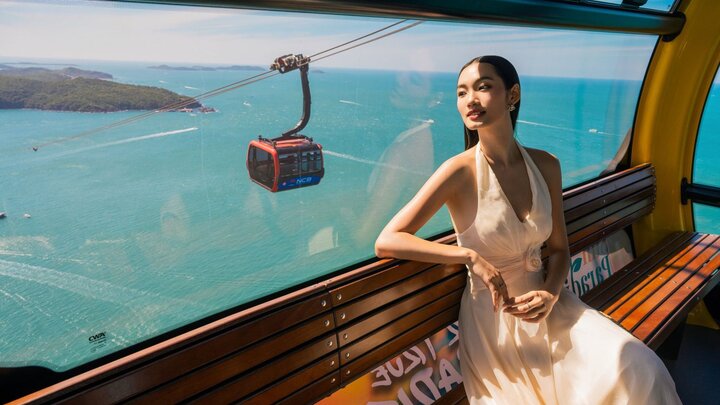
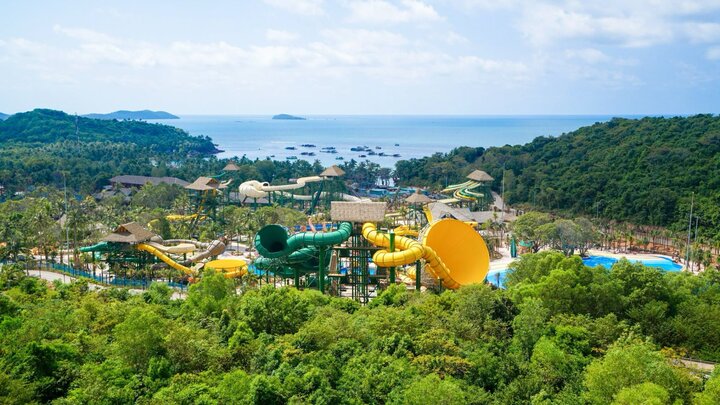
Sun World Hon Thom is an entertainment complex connected by a sea-crossing cable car system linking the An Thoi area with Hon Thom Island. The 3-wire cable car line is recognized by Guinness World Records for its length of approximately 7,899.9 meters, often cited as a large-scale tourism infrastructure in South Phu Quoc. Besides the elevated travel experience, the area also features Aquatopia water park with over 20 attractions, suitable for families and group travelers.
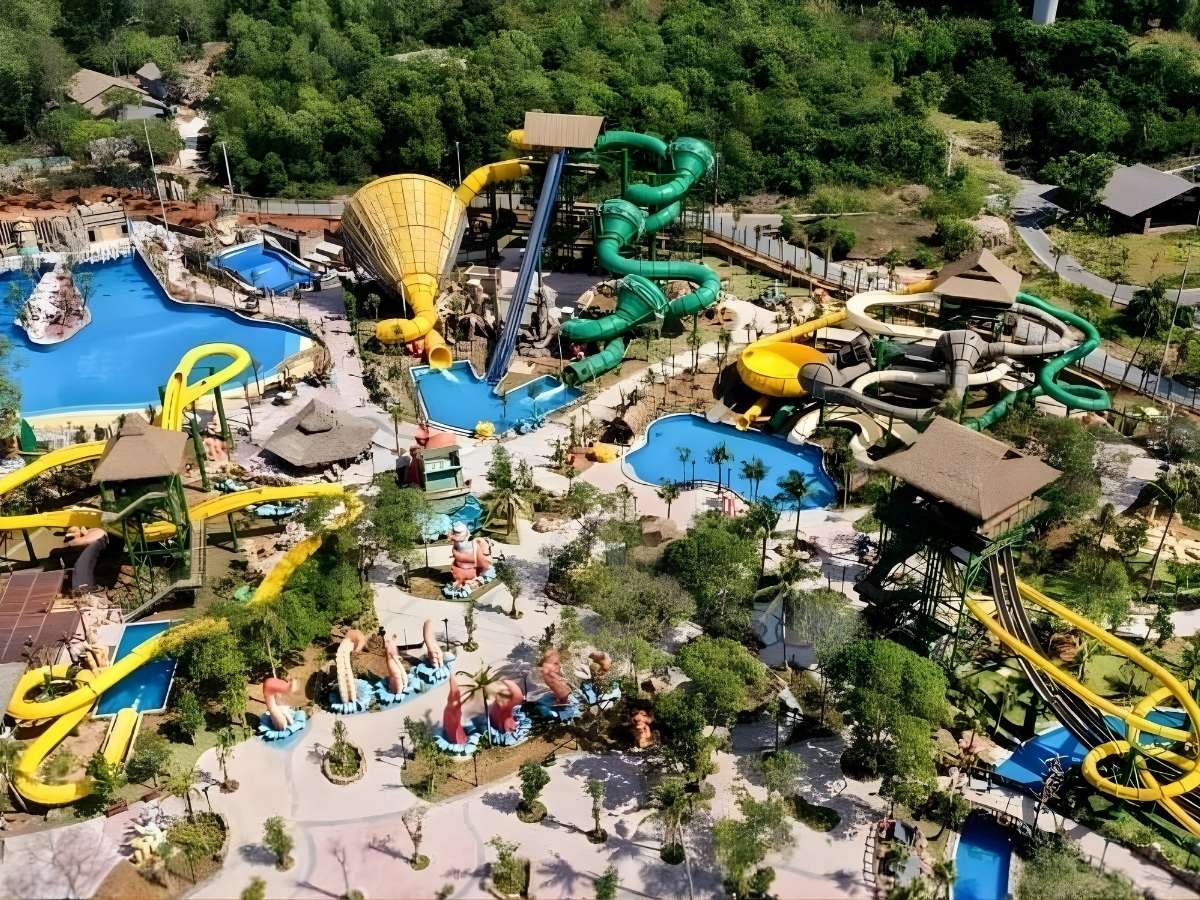
Aquatopia Water Theme Park is located amidst the green space of Hon Thom Island. (Source: Collected)
>>> Book Sun World Hon Thom tickets now to fully explore Hon Thom HERE.
4.2. Hoang Hon Town
Hoang Hon Town is an area that concentrates many nighttime entertainment activities in Phu Quoc, including fireworks displays twice per night and is introduced to take place all 365 days of the year. This space is associated with the Symphony of the Sea Show in the Kiss Bridge area and the Kiss of the Sea Show at the nearby stage, forming a cluster of light, music, and outdoor performance experiences. The landmark of the area is Kiss Bridge, a sea-walking structure officially welcoming guests from December 2023, located in Phu Quoc.
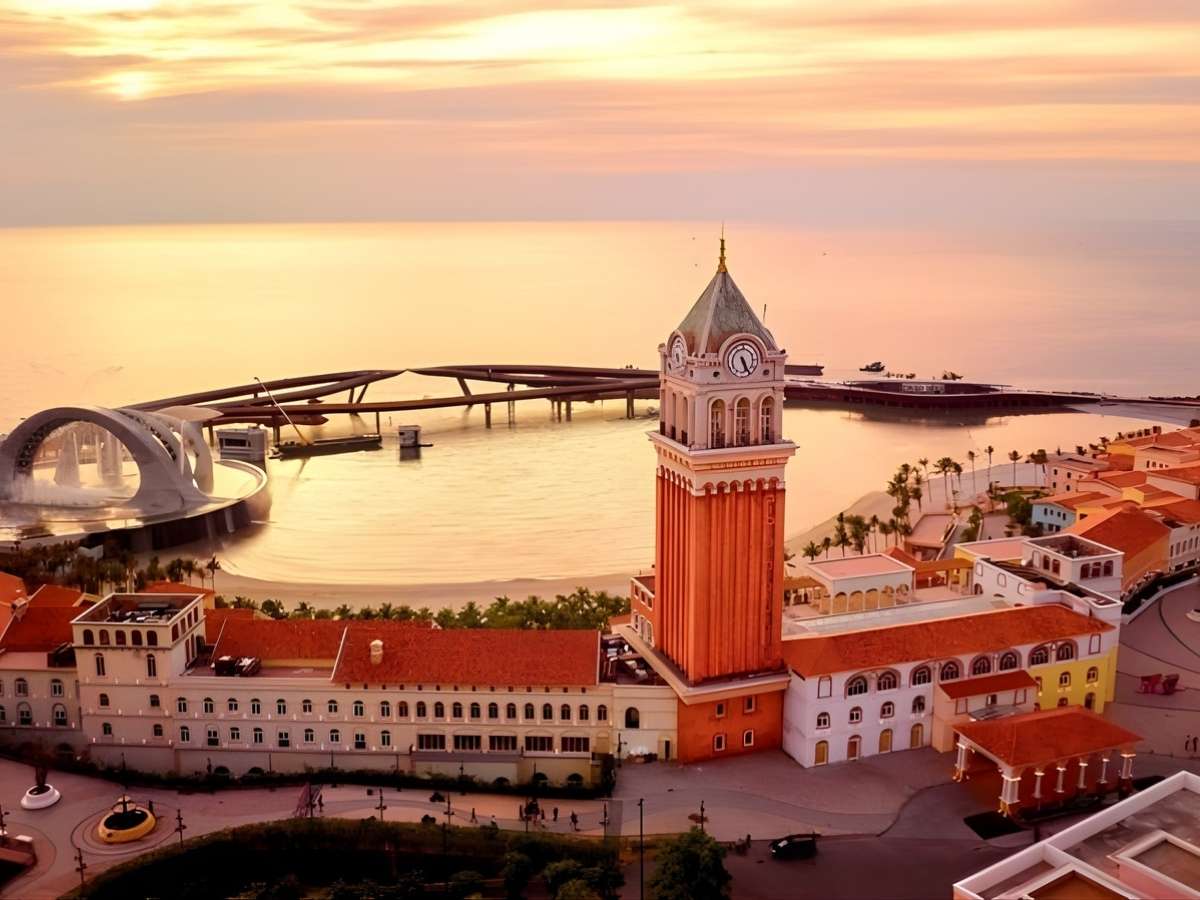
A European-style street corner with flower walls and vibrant red tiled roofs. (Source: Collected)
4.3. Hon Gam Ghi
Hon Gam Ghi, also known as Hon Dam Ngang, belongs to the southern island cluster of Phu Quoc and often appears in island exploration tours. This area is known for its clear seawater, natural rocky beaches, and nearshore coral ecosystems, suitable for sightseeing, photography, and guided snorkeling tours. Transportation usually departs from An Thoi port by boat or canoe, so sightseeing itineraries are often arranged with nearby islands within the same day.
Amidst the flow of modern life, the art of Di Ke still exists as a part of the memory and cultural life of the Southern community. Preserving and introducing this art form through cultural spaces and tourist destinations helps traditional values continue to spread. When associated with tourism experiences, Di Ke is not only preserved but also has the opportunity to reach a wider audience.