















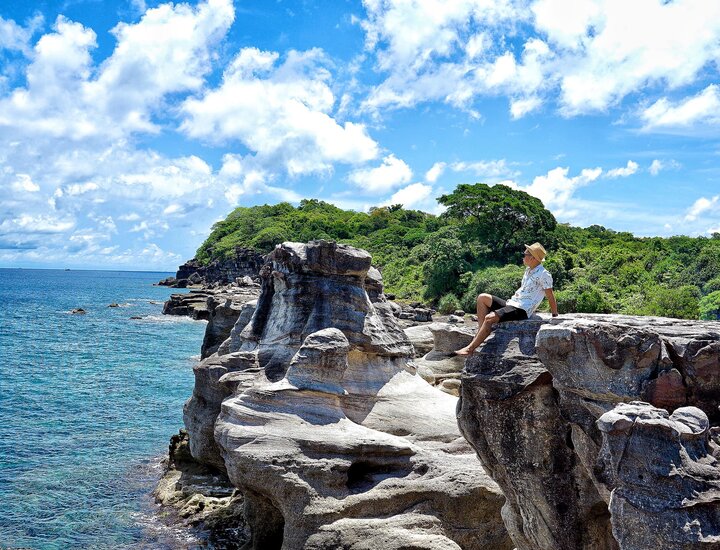
1. Overview of Tho Chu Archipelago
1.1. Geographical location and archipelago structure
Tho Chu Archipelago is an island cluster located in the southwesternmost part of Vietnam, belonging to the Gulf of Thailand, about 100 km from the coast of Phu Quoc and over 200 km southwest of Rach Gia city.
The archipelago consists of about 7–8 large and small islands, of which Tho Chu Island (also simply called Tho Chau) is the main island with the largest area and is also the administrative and living center for the resident community on the island. Other small islands such as Hon Cao Cat, Hon Nhan, Hon Xanh, Hon Da Bac… create a diverse marine ecosystem, and are also ideal destinations for natural exploration activities.
Although the distance from the mainland is quite far and the journey is not simple, Tho Chu Archipelago still attracts tourists who love the experience of "going far" to explore the wild sea areas that have been less affected by mass tourism.
1.2. Wild natural landscape and beautiful island scenery
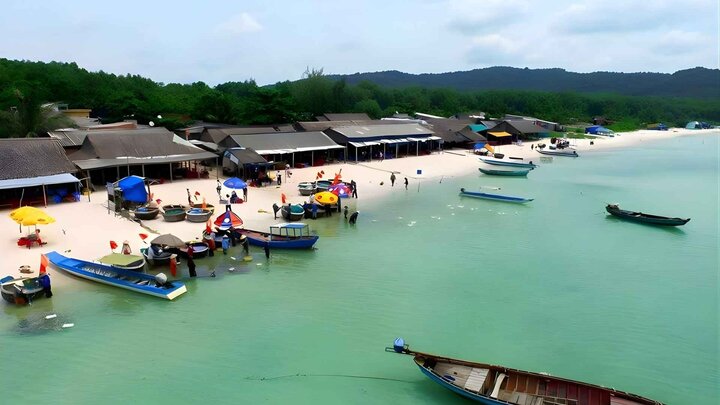
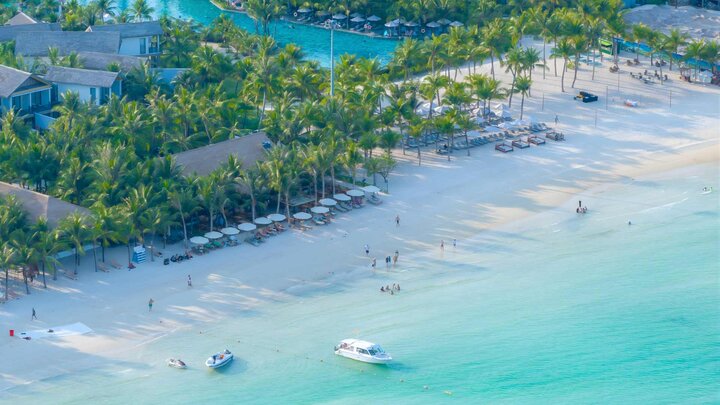
The nature of Tho Chu Archipelago retains its original beauty with white sandy beaches, clear blue sea, coconut groves, mangrove forests, and rich coral ecosystems. Bai Ngu, Bai Dong, Hon Nhan beach, and deserted sandy shores are outstanding scenic spots, offering a sense of relaxation and tranquility when standing between the vast sea and sky.
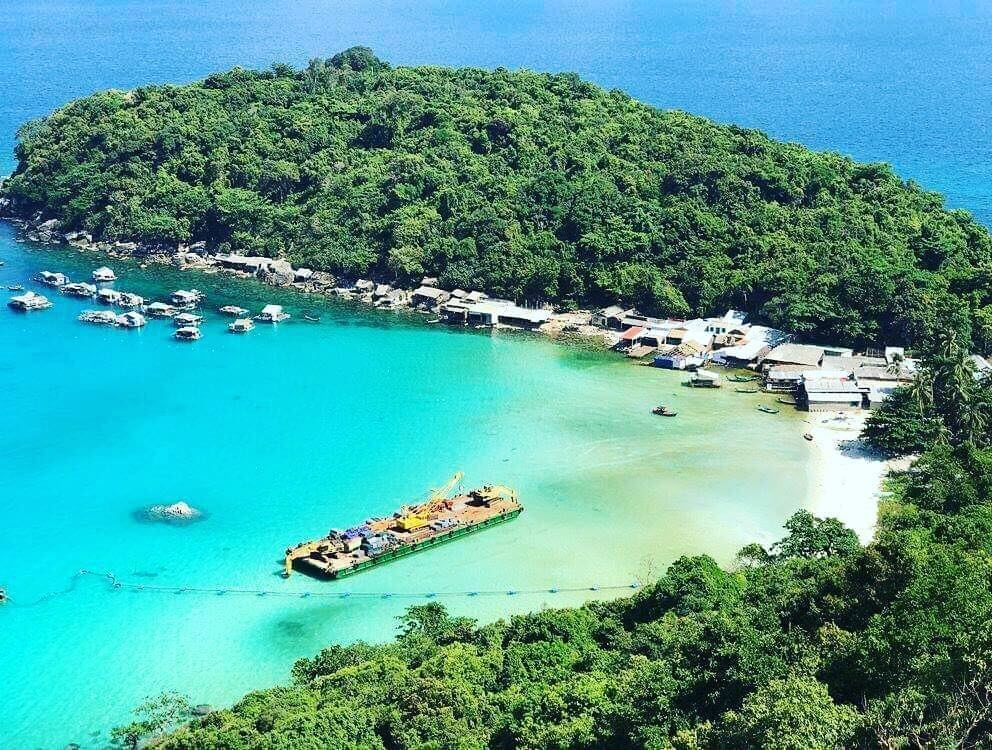
Pristine natural scenery at Tho Chu Archipelago (Source: Collected)
With rich marine flora and fauna and colorful coral reefs, this is an ideal exploration spot for nature lovers, diving, surfing, or simply strolling along the coast to admire the beautiful sunset. The pristine scenery on each island makes photo opportunities impressive, while the small paths around the islands evoke a feeling of “searching for the sea's memory.”
1.3. Population, life, and symbols of island sovereignty
Unlike many other pristine archipelagos, Tho Chu Archipelago has a long-standing resident community, living mainly by fishing and aquaculture, combined with some maritime logistics services. The total population on the islands ranges from about 1,800–2,000 people, concentrated mainly in the Bai Ngu and Bai Dong areas, with Tho Chau town as the administrative center.
Besides its natural landscape, the archipelago is associated with many historical landmarks – especially events protecting maritime sovereignty in the past. Among these, memorial structures, such as the memorial temple and sovereignty markers, have become important symbols, making Tho Chu Archipelago not just a tourist destination but also a “sacred” part in the hearts of many Vietnamese people.
2. Detailed guide to traveling to Tho Chu Archipelago
2.1. Traveling from the mainland to Tho Chu Island
Currently, the most common and almost only way to reach Tho Chu Archipelago is by sea, departing from Rach Gia city. Due to its location far from the mainland and being in a remote sea area, the archipelago does not have an airport or regular high-speed ferry services like Phu Quoc or Nam Du.
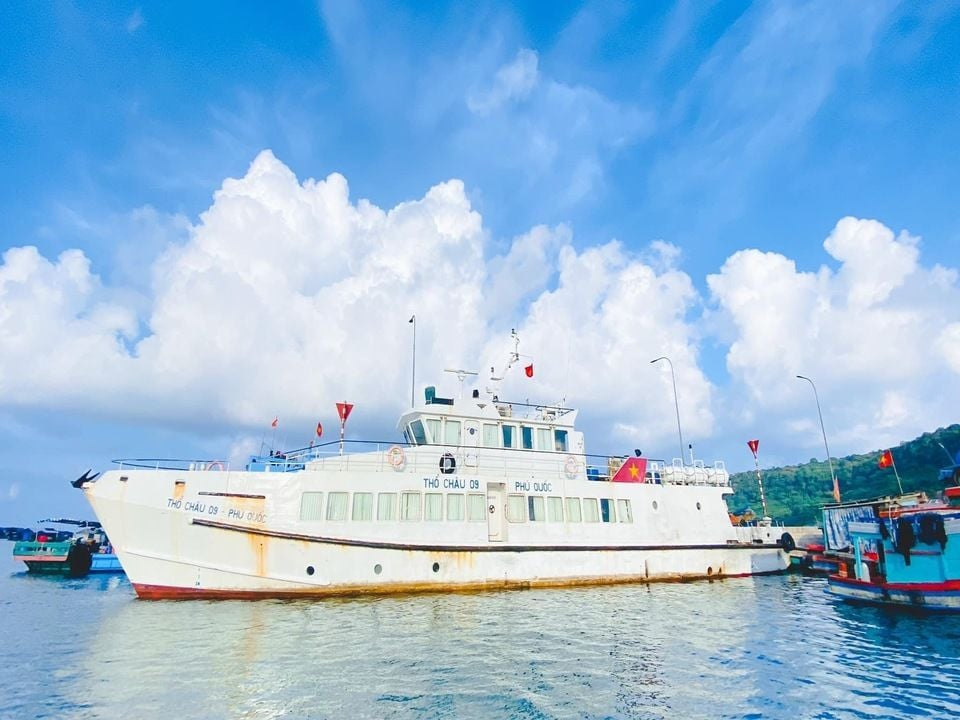
Tourists travel to Tho Chu Archipelago by boat for about 10 to 12 hours (Source: Collected)
From Rach Gia, visitors will take a passenger ferry or a combined military and civilian vessel, with an average travel time of 10–12 hours, depending on weather conditions and the type of boat. The journey usually takes place at night, allowing visitors to rest on the boat and arrive at the island early the next morning. This is also quite a special experience, embodying the true spirit of "going to a remote island" that not all destinations offer.
2.2. Boat schedule and important notes when booking tickets
Boats to Tho Chu Archipelago do not run daily but usually have 1–2 trips per week, changing depending on the time and sea conditions. Therefore, visitors need to follow the boat schedule early and proactively arrange a flexible itinerary, avoiding cases where they arrive in Rach Gia but miss the trip.
In addition, as Tho Chu is a forward island area, you need to bring valid personal identification documents (Citizen ID/ID card) when traveling by boat. At certain peak times or when security checks are required, passenger information declaration will be carried out more thoroughly than on regular tourist island routes.
2.3. Transportation and travel on the island
After arriving on the main island of Tho Chu, moving around Tho Chu Archipelago is quite simple but offers a high level of experience. On the island, there are small concrete roads connecting residential areas, beaches, and main attractions. Visitors can walk, rent motorbikes, or ask local residents for guidance.
If you want to visit surrounding small islands such as Hon Nhan, Hon Xanh, Hon Cao Cat…, you need to rent a boat from local fishermen. These trips often depend on the weather and tides, so it is advisable to discuss the time, itinerary, and stops in advance to ensure safety and a complete experience.
3. Unmissable experiences when exploring Tho Chu Archipelago
3.1. Enjoy the rare pristine beauty in the West Sea
The biggest attraction of Tho Chu Archipelago is the feeling of complete separation from urban life. Not noisy, no adjacent resorts, this place offers a pure island and sea space with natural white sandy beaches, clear blue sea water, and a coastline that has hardly been affected by mass tourism.
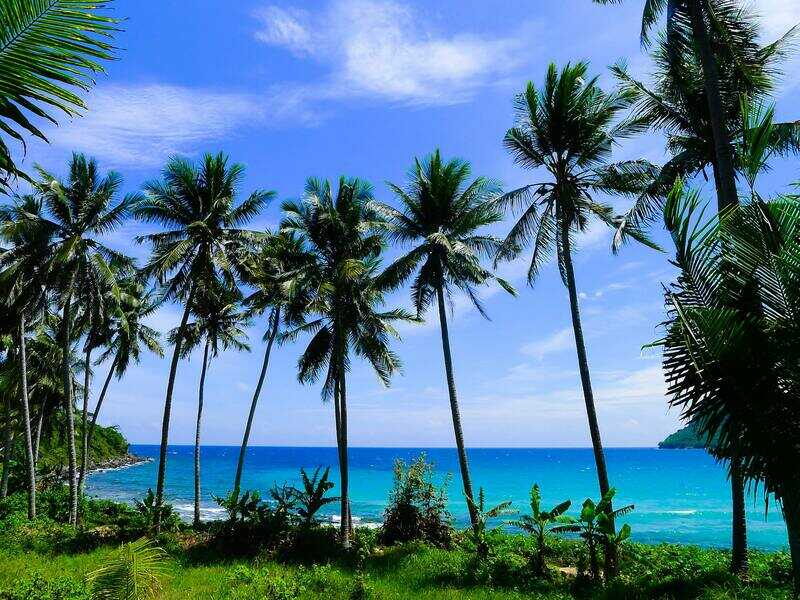
The picturesque natural beauty of Tho Chu Archipelago impresses many tourists (Source: Collected)
Visitors can leisurely stroll along beaches like Bai Ngu, Bai Dong, feel the cool sea breeze, and admire the vast expanse of sea and sky before their eyes. The moments of a slow sunrise or a sunset amidst the quiet space create a very "valuable" experience, especially suitable for those seeking relaxation and spiritual healing.
3.2. Swimming, snorkeling, and exploring the marine ecosystem
The waters around Tho Chu Archipelago are famous for their clear water, moderate depth, and diverse marine ecosystem. In some calm sea areas, visitors can freely swim or snorkel to admire colorful coral reefs and schools of small fish swimming close to the shore.
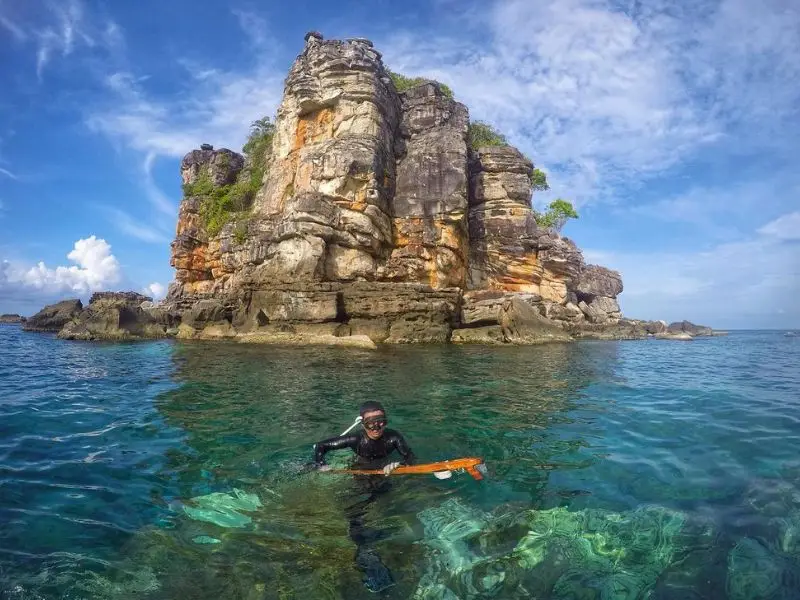
Tourists experience diving to explore the diverse ecosystem at Tho Chu Archipelago (Source: Collected)
If traveling in a group or with the support of locals, you can also rent a small boat to move to clearer water areas, experience the feeling of floating at sea, and explore less-visited corners of the islands. This is a highly favored experience for tourists who love nature and exploring pristine islands.
3.3. Check-in, take photos, and enjoy the slow pace of life
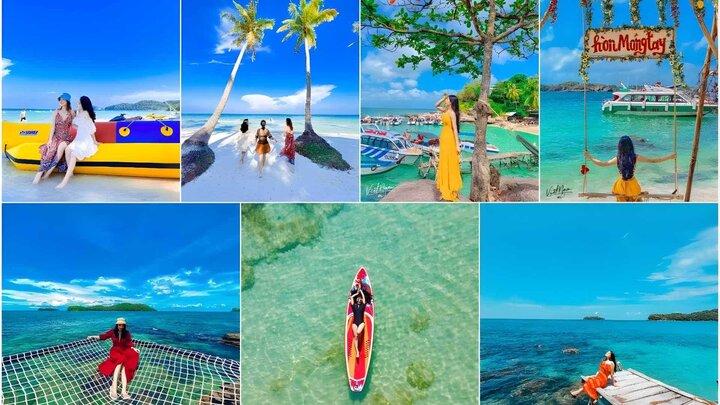
The space at Tho Chu Archipelago is particularly suitable for natural, minimalist, and local life photography styles. Coastal rock formations, small island paths, coconut trees, fishermen's coracles, or simple houses can all become impressive backdrops for photos imbued with the island and sea essence.
Besides taking photos, many tourists choose to spend time quietly watching the sea, listening to the waves, and feeling the rare tranquility. It is this slow pace of life, free from a packed schedule, that makes exploring Tho Chu Archipelago a memorable experience, completely different from crowded tourist destinations.
3.4. Learn about fishermen's lives and cultural – historical values
An experience not to be missed when visiting Tho Chu Archipelago is learning about the daily lives of the local people. Life on the island is tied to the sea, with early morning fishing trips, seafood catching, and the community spirit of the residents of this frontier island.
Furthermore, the archipelago holds special significance for maritime sovereignty, linked to many important historical milestones. Visiting memorial sites and listening to locals recount stories about the island not only adds depth to the trip but also evokes feelings of pride and respect for the nation's sacred sea territory.
4. Tips for fully exploring Tho Chu Archipelago
4.1. Ideal time to visit Tho Chu
The best time to explore Tho Chu Archipelago is from November to around April of the following year, when the weather enters the dry season, with light sunshine, calm seas, and good visibility. This period is favorable for sea travel, swimming, snorkeling, and visiting the surrounding small islands.
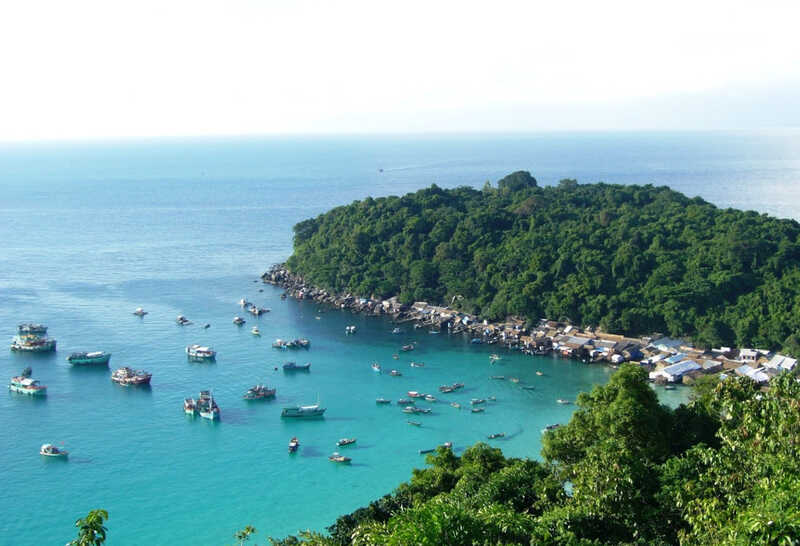
The dry season is the most beautiful time of the year to travel and experience the Tho Chu Archipelago (Source: Collected)
Conversely, from May to October, the Western Sea area often experiences heavy rain, strong winds, and rough seas, causing ferry schedules to be easily canceled or postponed. If you still wish to travel during this period, visitors need to closely monitor weather forecasts and prepare a flexible itinerary to avoid affecting the journey.
4.2. Preparing necessary items when traveling to remote islands
As the Tho Chu Archipelago remains very wild and tourism services are not yet well-developed, thorough preparation is an important factor to ensure a complete trip. Visitors should bring enough drinking water, snacks, personal medication, sunscreen, hats, and skin protection items for prolonged outdoor exposure.
Additionally, you should also prepare a flashlight, power bank, swimwear, and diving mask if you plan to explore the sea. An important note is to bring personal trash bags, collect all waste after your trip to contribute to environmental protection and preserve the pristine beauty of the archipelago.
4.3. Accommodation, dining, and daily life on the island
Currently, accommodation services in the Tho Chu Archipelago mainly consist of small guesthouses or local homestays, offering basic but clean and friendly amenities. The number of rooms is limited, so visitors should contact and book in advance, especially during holidays or the peak sea season.
The island's cuisine is quite simple, mainly fresh seafood caught daily such as fish, squid, shrimp, crab… If staying at a homestay, you can arrange meals with the host family to enjoy dishes with the distinct flavor of the sea and islands, which is both economical and an opportunity to learn about local life.
4.4. Safety precautions and environmental awareness
When visiting and swimming at the Tho Chu Archipelago, visitors should choose calm, shallow sea areas and avoid swimming too far from the shore. If traveling by boat to smaller islands, wear a life jacket and agree on a return time with the boat operator beforehand.
Furthermore, visitors must absolutely not break plants, take rocks, coral, or marine life. The most valuable experience in the Tho Chu Archipelago lies not only in its beautiful scenery but also in the consciousness of respecting nature and the living space of the island community – so that this place always retains its original wildness.
Amidst the vastness of the Western Sea, the Tho Chu Archipelago is not only a destination for nature lovers seeking wild beauty but also a place to clearly feel the value of Vietnam's islands and seas. From the experiential sea journey, the pristine scenery to the simple life of the local people, every moment in Tho Chu brings a different and memorable feeling. Visiting this archipelago is not just a trip, but also a journey to touch peace and to further cherish the lands at the forefront of the nation's coast.