















1. Information about Cham Chau Giang Village
1.1. Where is Cham Chau Giang Village?
Cham Chau Giang Village is located in Chau Phong, An Giang province, on the bank of the Hau River and opposite the central area of Chau Doc city across a wide river branch. This location provides convenient conditions for waterway transportation, while also forming a living space closely associated with the water for local residents. The riverside landscape contributes to shaping the lifestyle and daily activities of the Cham community here.
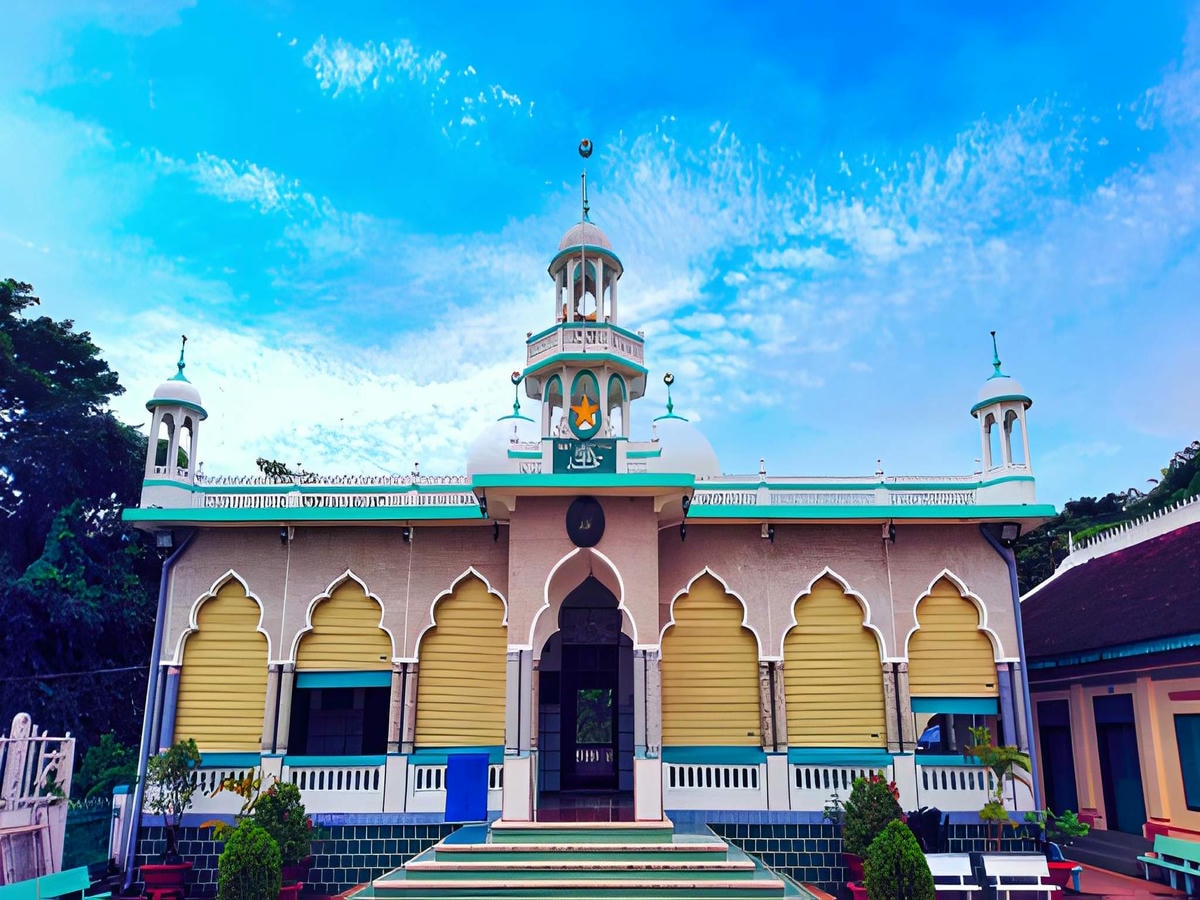
Cham Chau Giang village is located along the Hau River, forming a unique cultural space. (Source: Collected)
The Cham Muslim community has lived in Chau Giang for centuries, formed from groups of residents migrating from Central Vietnam and Cambodia. The migration process was mainly based on the river system, connecting residential areas along the Mekong Delta. Choosing to settle along the river helped the Cham people maintain their livelihoods and adapt to the region's natural conditions.
The Hau River not only served as a living space but also as an important trade route for the Chau Giang residents. Trade and goods exchange activities took place mainly on waterways, closely linked to community life. From there, traditional crafts and economic activities gradually formed and have been maintained to this day.
1.2. The Cham Muslim Community in An Giang
The Cham community in Chau Giang village is part of approximately 2,500 Cham households living scattered in riverside villages in An Giang province. The population is mainly concentrated in Tan Chau town and areas such as An Phu, Chau Phu, and Chau Thanh, forming a closely connected community network along the Hau River. Despite being distributed in many different locations, the cultural life and beliefs of the Cham people remain clearly unified.
Islam plays a central role in the community's spiritual life, influencing daily activities and traditional rituals. The five daily prayers and important festivals such as Ramadan and Roja are performed according to the common religious calendar. These activities primarily take place at mosques, contributing to maintaining community cohesion and forming a distinct collective lifestyle.
1.3. Cultural Values and Tourism Significance
Cham Chau Giang village is one of the cultural destinations in An Giang that still preserves many traditional elements of the Cham community. The living space, architecture, and local customs form the foundation for developing community-based tourism linked to cultural experiences. Visitors here often spend time learning about local life rather than just visiting for a short period.
Popular sightseeing activities include exploring the mosque, observing traditional stilt houses, and learning about the Cham people's brocade weaving. Direct interaction with residents helps visitors better understand local customs and beliefs. This form of tourism is suitable for those interested in cultural values and wishing to experience the local pace of life slowly.
2. Understanding the Characteristic Architectural Space and Daily Life
2.1. Mosque and Symbolic Architecture
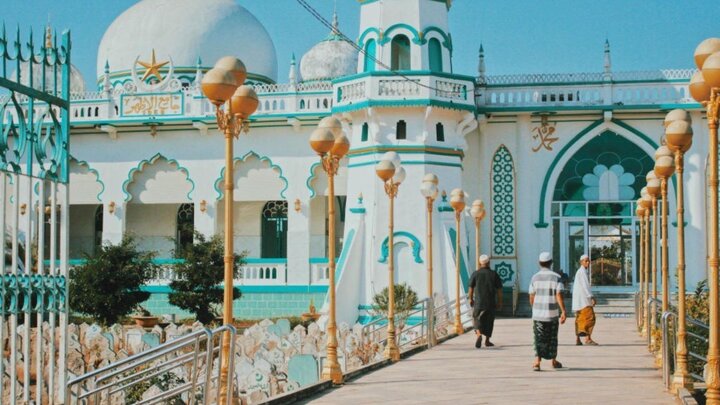
Within the space of Cham Chau Giang village, the mosque serves as the center of religious life for the community. The mosque's architecture is often associated with curved domes and crescent moon motifs, reflecting familiar symbols of Islam. These structures appear as cultural highlights amidst the riverside village landscape.
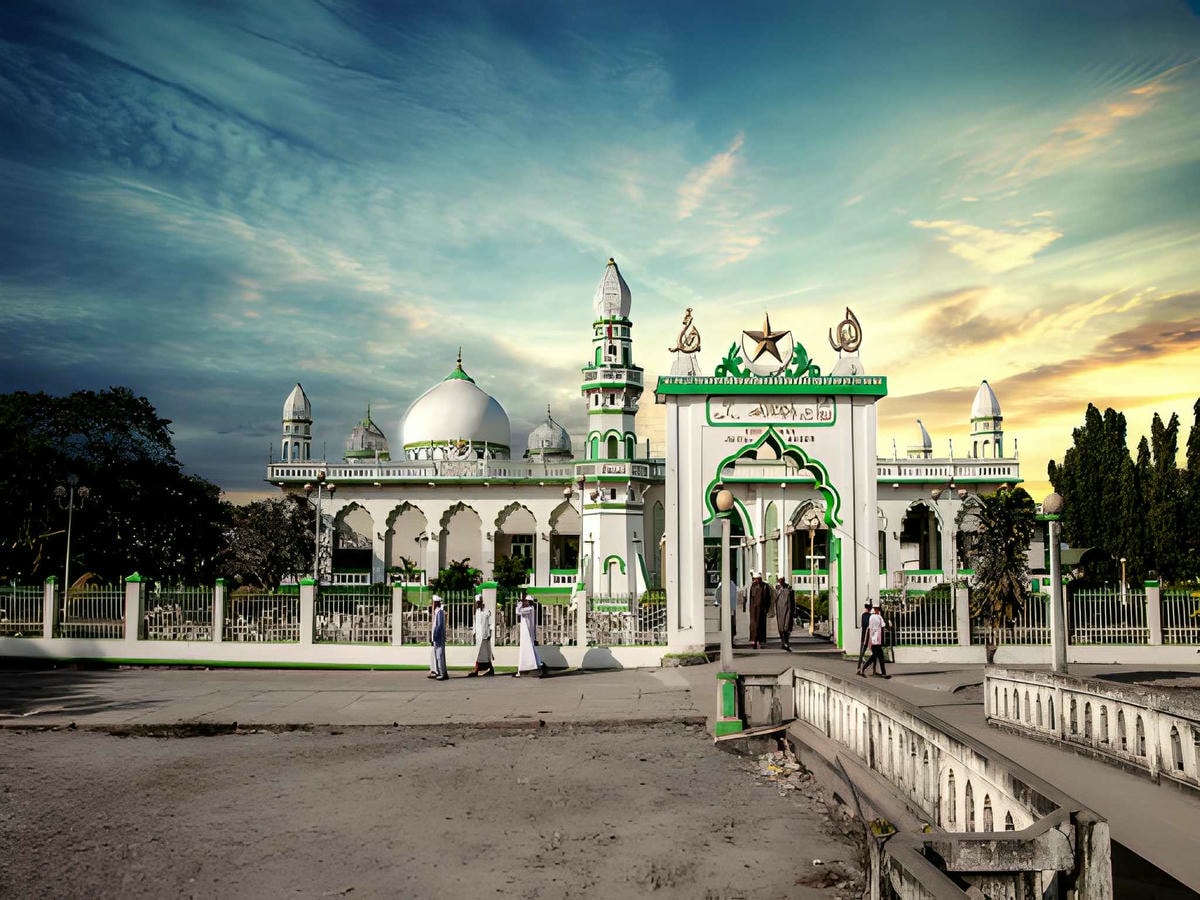
The Islamic mosque in Chau Giang Cham village showcases architecture and religious identity. (Source: Collected)
Mosques like Masjid Jamiul Azhar or Mubarak Mosque are not only places of worship but also gathering and learning spots for local residents. Many community activities, religious classes, and group gatherings are regularly organized here. The dome architecture and minaret towers with Islamic motifs clearly show the long-standing religious influence in the lives of the Cham people.
The interior space of the mosque is designed openly, suitable for daily rituals and community activities. The colors and decorative symbols are used consistently, creating a unique cultural imprint amidst the river delta region. Over time, these mosques continue to play an important role in maintaining the religious identity of the Cham people in Chau Giang.
2.2. Traditional Housing of the Cham People
The traditional houses of the Cham people in Chau Giang are mainly wooden stilt houses, built high above the ground to adapt to the riverine conditions along the Hau River. This type of house helps limit the impact of floods during the high water season and creates a well-ventilated living space. The stilt house form also reflects long-standing adaptive experience with the natural environment.
The spatial layout within the house is clearly divided according to the family's living functions. The front area is usually used for receiving guests and general activities, while the back part is the private space. This arrangement reflects a balance between community life and the individual needs of each family.
2.3. Daily Life along the Hau River
The daily life of the Cham people in Chau Giang is closely tied to the Hau River, where many living and working activities take place. Along the river are small trading areas, family activities, and the maintenance of traditional crafts. These activities create a picture of life that is continuous with the flow of the water.
Boats remain a familiar mode of transportation in the daily lives of local residents. The waterway system helps connect residential areas and facilitates trade. Riverine travel reflects how the Cham people adapt to the specific geographical conditions of the region.
3. Local Tourists Experience Activities Rich in Local Culture
3.1. Learning about Traditional Costumes and Crafts
The traditional brocade weaving craft in Chau Giang village offers tourists the opportunity to observe the process of creating products such as scarves, sarongs, and small items using wooden looms. The patterns and colors on the fabric reflect the community's beliefs and their connection with natural materials. Traditional costumes have been passed down through generations, closely linked to local life and cultural identity.
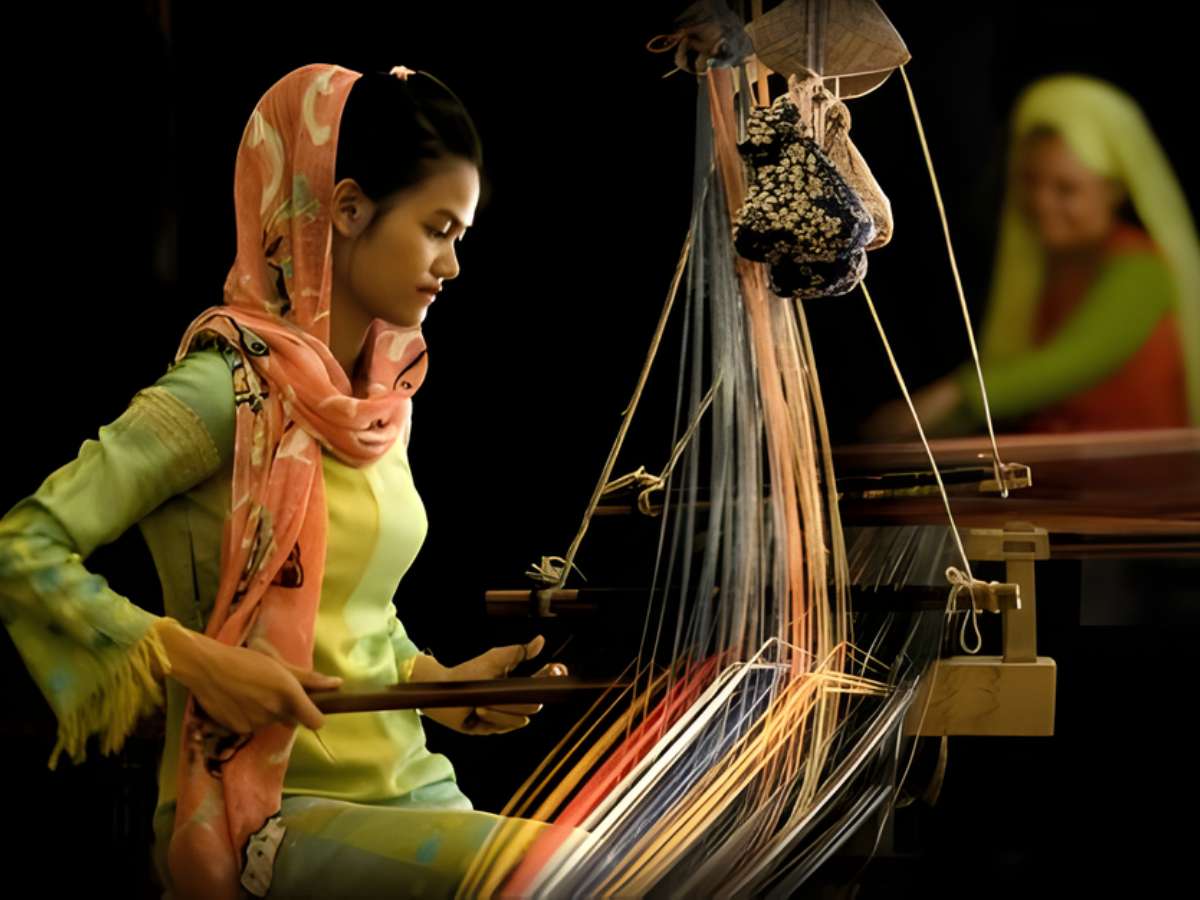
Learn about traditional costumes and crafts, including scarves, wooden looms, and how to weave brocade. (Source: Collected)
When visiting artisan households, tourists can follow each step from preparing yarn to operating the loom. Some families display products at small stalls in the village to introduce different materials and designs. These experiences help form a close connection between tourists and the Cham people's handicrafts.
3.2. Indigenous Islamic Cuisine
The Islamic cuisine of the Cham people in Chau Giang clearly reflects Halal principles in preparation, avoiding pork and adhering to religious regulations. Dishes like com ni or ca pua, featuring beef cooked with curry, coconut milk, and local spices, showcase the combination of familiar ingredients. The flavors and preparation methods create a unique imprint on the community's daily meals.
These dishes are often served at small eateries or within the residents' living spaces in the village. Cooking according to traditional recipes offers a culinary experience closely tied to local life. Through cuisine, tourists can gain a deeper understanding of the relationship between faith and eating habits of the Cham people.
3.3. Cultural Interaction and Etiquette during Visits
When visiting Chau Giang Cham Village, tourists should dress modestly to be appropriate for the religious environment and traditional living spaces. Asking for permission before taking photos in prayer areas or common gathering spots shows respect for the community. This helps maintain a harmonious interaction space between visitors and local residents.
In daily communication, polite greetings and a respectful attitude towards customs will facilitate smoother exchanges. Tourists should avoid approaching private living areas unless permitted. Appropriate behavior contributes to a complete and civilized cultural experience.
4. Integration Plan for Experiential Journeys with Sun World Hon Thom Ecosystem
4.1. Cultural Tourism Combined with Modern Experiences
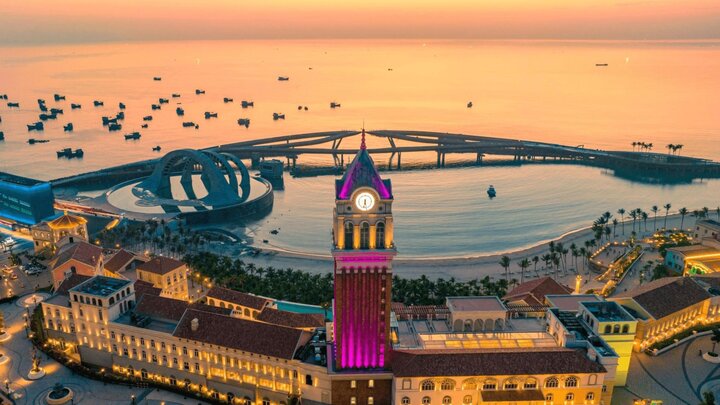
Combining journeys to explore Chau Giang Cham Village with large-scale resort and entertainment destinations reflects the trend of balanced tourism between culture and modern experiences. After spending time learning about life along the Hau River, tourists can extend their trip to island areas to change their experiential environment. This transition offers diverse perceptions of landscapes and lifestyles.
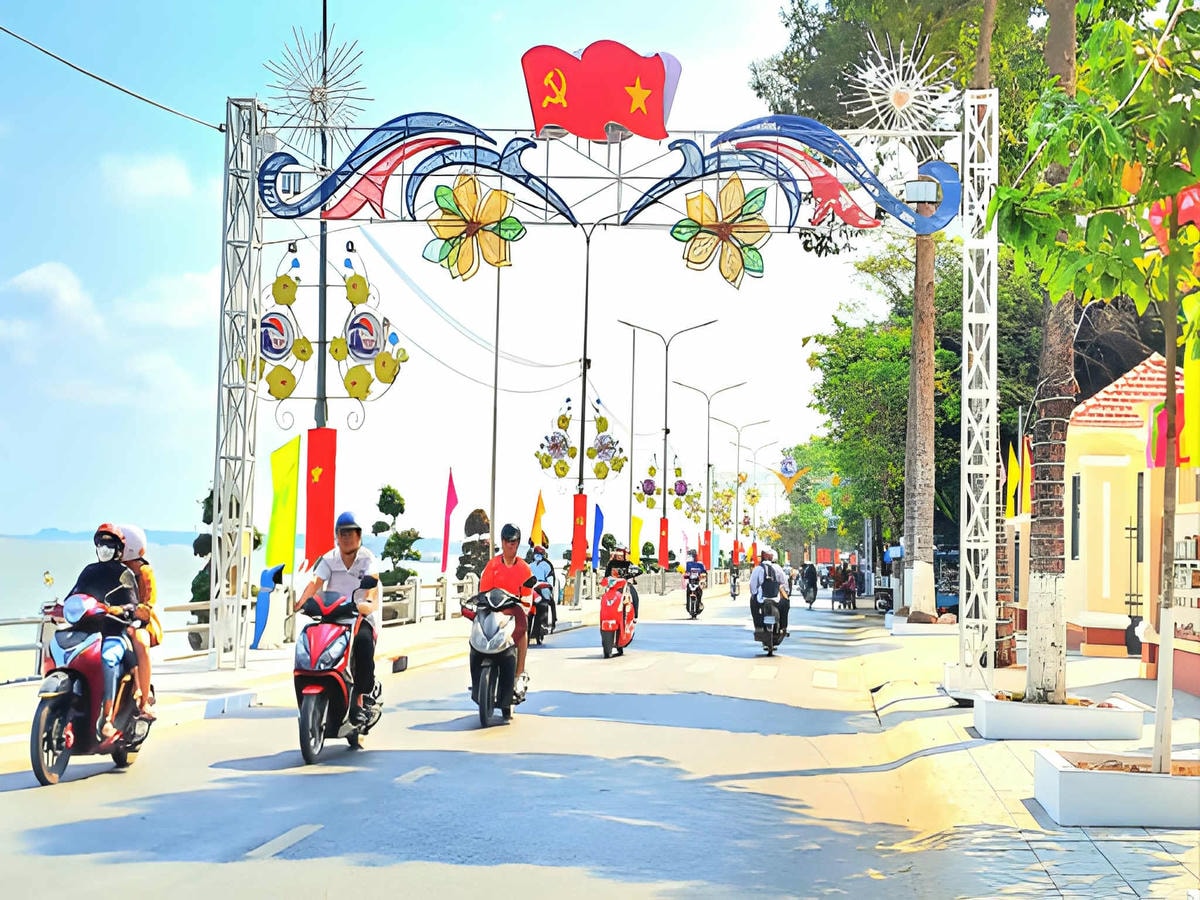
From cultural tourism to modern experiences, expand the journey to explore Chau Giang Cham village. (Source: Collected)
Connecting An Giang's river tourism with southern island destinations is suitable for tourist groups who want to explore many different facets. The expanded itinerary helps increase the length of stay and creates a seamless experience flow. This combination is also in line with the orientation of developing tourism by diversifying products in many localities.
4.2. Entertainment and exploration of Hon Thom cable car in the itinerary
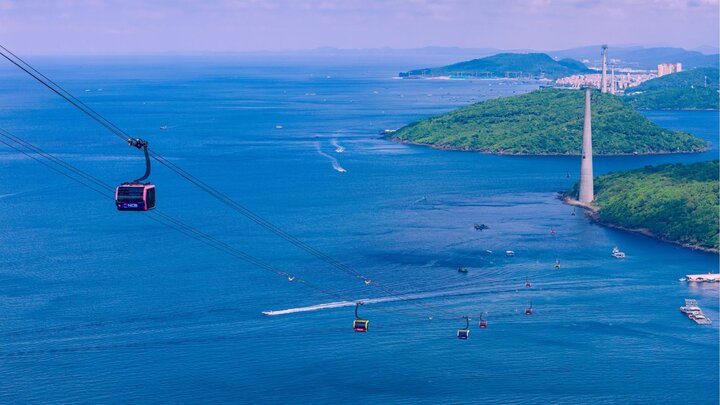
During the journey connecting An Giang with Phu Quoc, the cable car system at Sun World Hon Thom offers a bird's-eye view of the island seascape. The sea-crossing cable car connects the southern Phu Quoc areas, allowing tourists to observe the natural landscape and island structure. This experience is linked with surrounding sightseeing and entertainment activities.
The transition from the Mekong Delta's river landscape to the islands creates a distinct sense of landscape diversity. The cable car becomes a highlight of the itinerary, helping tourists broaden their perspective on Vietnamese tourism. Thus, the trip is supplemented with a technological element alongside culture and nature.
4.3. Multi-region travel plan
A multi-region travel itinerary can begin with a few days of cultural exploration at Chau Giang Cham village. Tourists spend time discovering the mosque, the brocade weaving craft, and life along the Hau River. These experiences help to visualize the life of the Cham community more clearly.
Then, the journey continues south to Phu Quoc to experience the island seascape. Tourist attractions and the sea-crossing cable car are integrated to create a change in the trip's rhythm. This arrangement helps the itinerary harmonize culture, nature, and modern experiences.
Chau Giang Cham village is a vibrant cultural space where the rhythm of life reflects the history and beliefs of the Cham Islam community. When combined with modern experiences like the Hon Thom cable car, the itinerary expands from sightseeing to appreciating the diversity of Vietnamese culture and landscapes.