














1. Sam Mountain Cable Car in the context of Chau Doc's unique pilgrimage
1.1. Sam Mountain and tourism characteristics concentrated by festival season
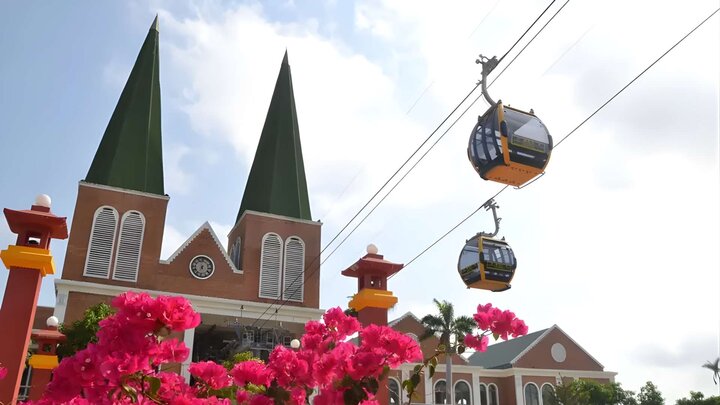
Sam Mountain, located in Vinh Te ward, An Giang province, is a familiar spiritual destination, attracting a large number of pilgrims each year. The number of visitors increases significantly during the Via Ba Chua Xu Festival and the festival seasons at the end of the lunar year, when the demand for worship and travel is concentrated within a short period. Areas such as Ba Chua Xu Temple, Tay An Pagoda, and Thoai Ngoc Hau Mausoleum are often crowded, especially at the foot of the mountain and on the routes leading to the summit.
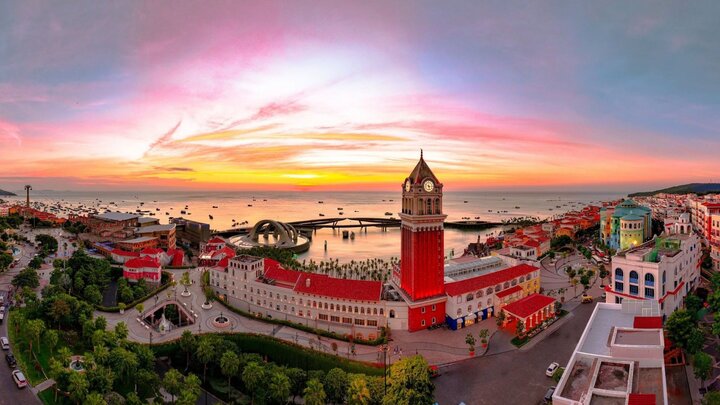
The Sam Mountain area appears as a vibrant spiritual tourist destination during the annual festival season. (Source: Collected)
The characteristic pilgrimage tourism at Sam Mountain (Nui Sam) is clearly demonstrated by the flow of people coming from many provinces in the Mekong Delta and other localities. Tourist numbers often increase from around the 3rd to the 5th lunar months, coinciding with major holidays like the Lunar New Year. This keeps the area around the foot of the mountain and the pilgrimage sites always maintaining a vibrant pace of life.
1.2. Traffic pressure and traditional travel to Sam Mountain (Nui Sam)
During the festival season, the roads leading to the summit of Sam Mountain (Nui Sam), which is 284 m high, often experience great pressure due to the large number of people gathering at the same time. The mountain road consists of many steep sections and curves, making travel time-consuming, especially for the elderly or tourists with limited physical strength. Walking in crowded conditions also affects the comfort of the journey.
The continuous movement of people on stairs and walkways can create a crowded feeling, reducing the contemplative space that many seek when making a pilgrimage. At the curves and areas near spiritual sites, high concentrations of people in a short period cause the pace of movement to slow down. This makes the mountain climbing experience no longer retain its initial tranquility.
In the context of increasing numbers of people and vehicles, ascending the mountain by road requires more time and effort. A portion of tourists begin to see the travel distance as an obstacle in their journey. The need for convenient access methods is therefore increasingly being considered.
1.3. Sam Mountain (Nui Sam) cable car as a suitable solution for the pilgrimage journey
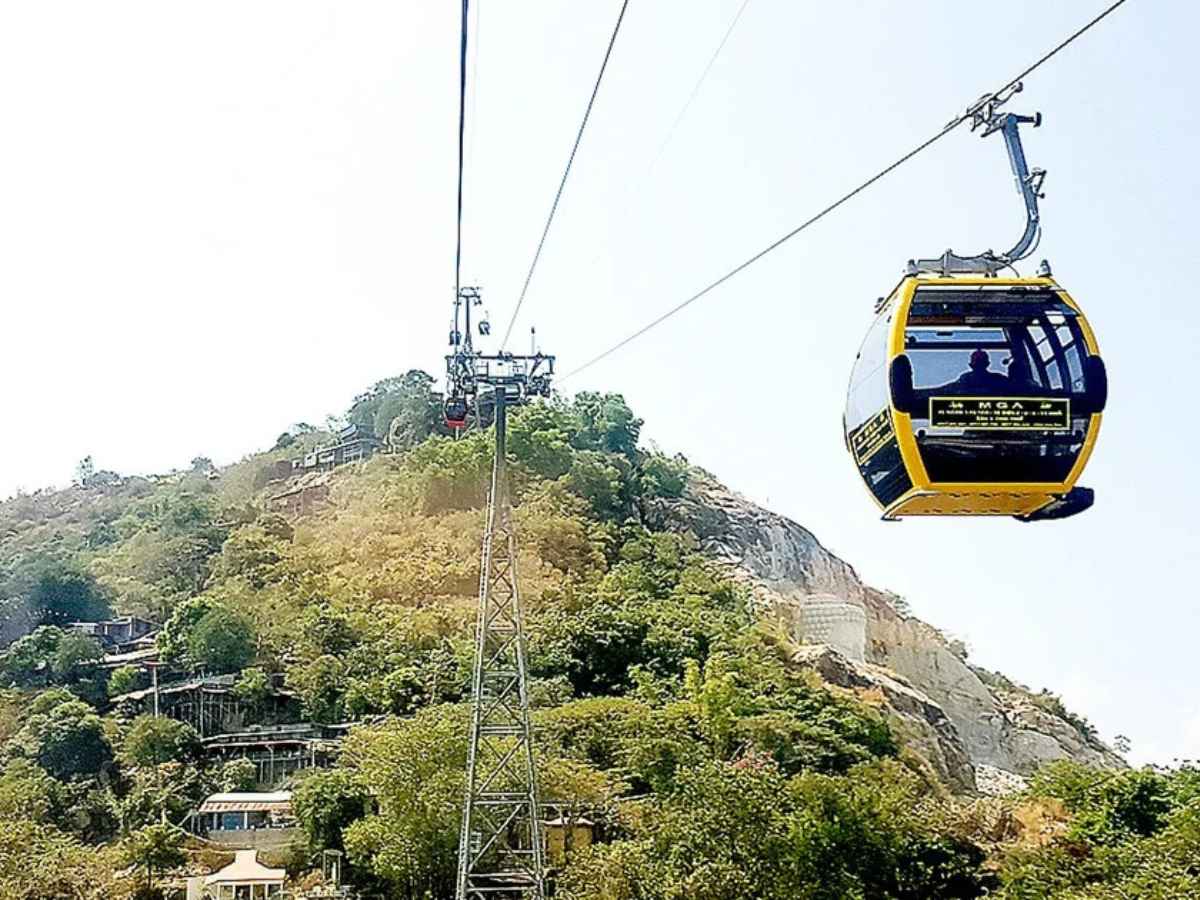
The Sam Mountain (Nui Sam) cable car system has been put into operation in the Sam Mountain (Nui Sam) National Tourist Area to help reduce pressure on the traditional road. The cable line is about 900 m long with 37 cabins operating continuously, each cabin serving about 8 passengers, making access to the summit more flexible. As a result, the flow of pilgrims is distributed evenly over time.
During peak times, the cable car helps regulate passenger flow, limiting excessive crowding on walkways and stairs. Traveling by cabin makes tourists feel more secure and reduces pressure in the worship area. The spiritual space is thus able to maintain the necessary order.
This solution is suitable for many groups of tourists, from the elderly to families traveling in groups. The reduced travel time makes the pilgrimage journey lighter. At the same time, the cable car also helps reduce the load on the transportation infrastructure around Sam Mountain (Nui Sam).
2. Visiting Sam Mountain (Nui Sam) cable car during pilgrimage
2.1. Panoramic view of the pilgrimage area from a moderate height
When traveling by cable car, visitors can observe the entire pilgrimage area from a moderate height, sufficient for an overview while still retaining the detail of the landscape below. Spiritual structures such as temples, pagodas, and squares appear clearly in the overall layout, helping visitors better visualize the entire area. This perspective offers a different experience compared to moving entirely on the ground.
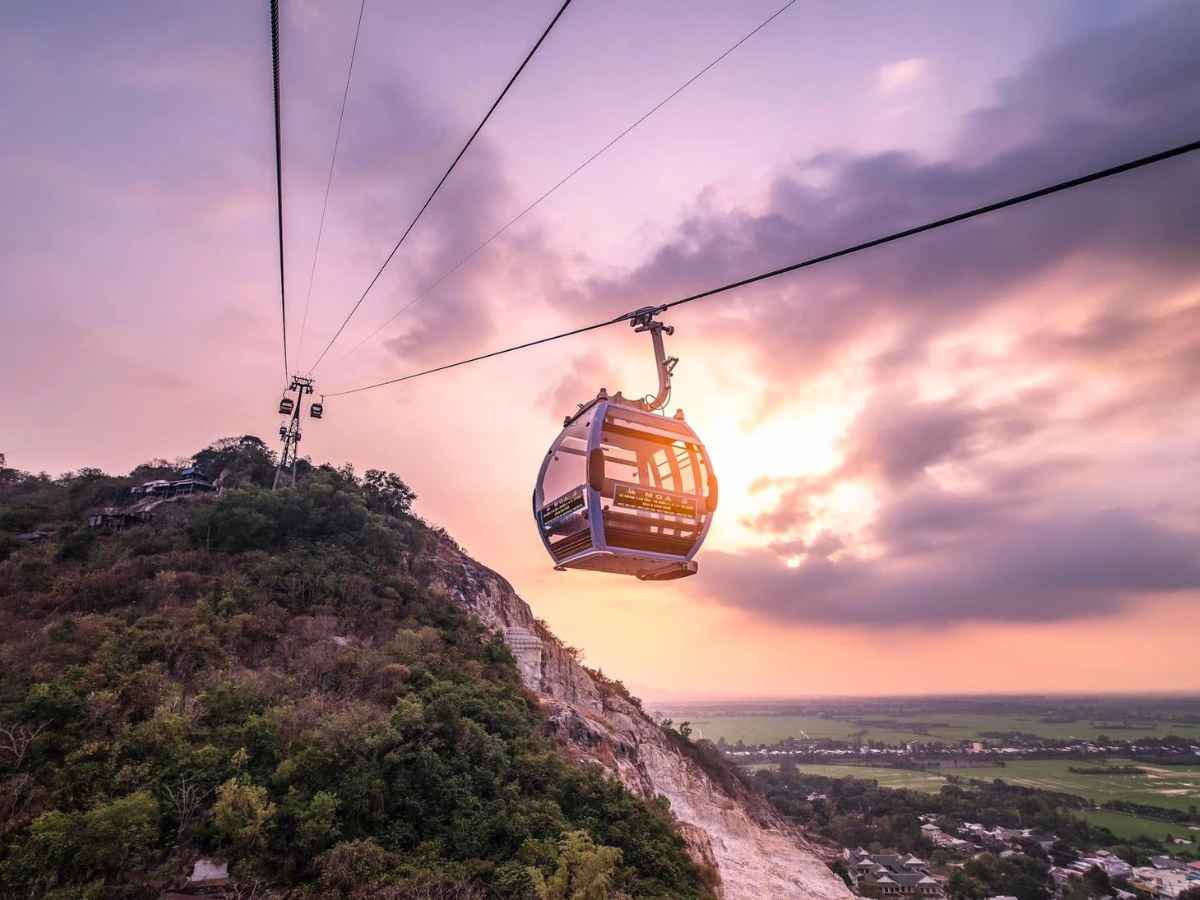
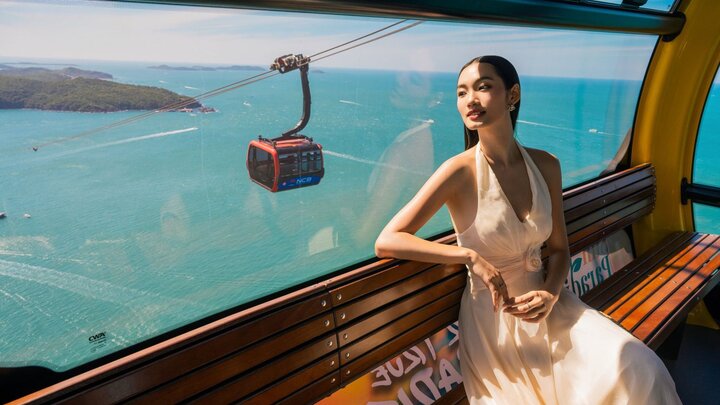
The Sam Mountain cable car supports smooth movement, helping visitors maintain a relaxed pace of sightseeing before the ceremony. (Source: Collected)
From above, the distribution of crowds, routes, and functional areas becomes more easily identifiable, contributing to orientation during the journey. This is also the time when pilgrims can observe upcoming destinations, thereby proactively adjusting their itinerary. Using the Sam Mountain cable car in the early or middle stages of the trip helps create an overall perspective before approaching each specific point.
2.2. Chau Doc's landscape gradually expands along the journey
During the journey, the scenery is not limited to the mountain area but also extends to the entire landscape of Chau Doc. From above, the system of rivers, residential areas, and transportation routes appear horizontally, creating a sense of gradually expanding space along the journey. This helps visitors gain a clearer understanding of Sam Mountain's geographical location within the overall area.
The transition from mountain space to urban and plain space creates a continuous visual experience. This element enriches the journey, extending beyond the spiritual aspect to include landscape considerations. The combination of observation and movement creates a seamless chain of experiences throughout the journey.
2.3. Border scenery adds a unique touch to the trip
One of the prominent features when observing from the cable car is the ability to see the adjacent border area, where geographical and cultural elements intersect. Vast fields, canal systems, and clusters of residences create a diverse panorama of the border region. This offers a distinction compared to many other pilgrimage sites that primarily focus on inner-city areas.
Seeing natural and man-made boundaries from above provides visitors with an additional perspective on Chau Doc's position within the Mekong Delta region. This element is not only for sightseeing but also supplements geographical knowledge for the trip. The combination of natural landscapes and border elements creates a unique highlight in the experience.
3. Role of the Sam Mountain cable car in organizing the sightseeing itinerary
3.1. Shortening the daily ascent to the mountain
Using the cable car significantly reduces travel time from the foot of the mountain to the higher points, especially on days with large visitor traffic. Instead of taking tens of minutes or longer by road, pilgrims can reach the summit area in a shorter time. This facilitates a reasonable allocation of time within the day.
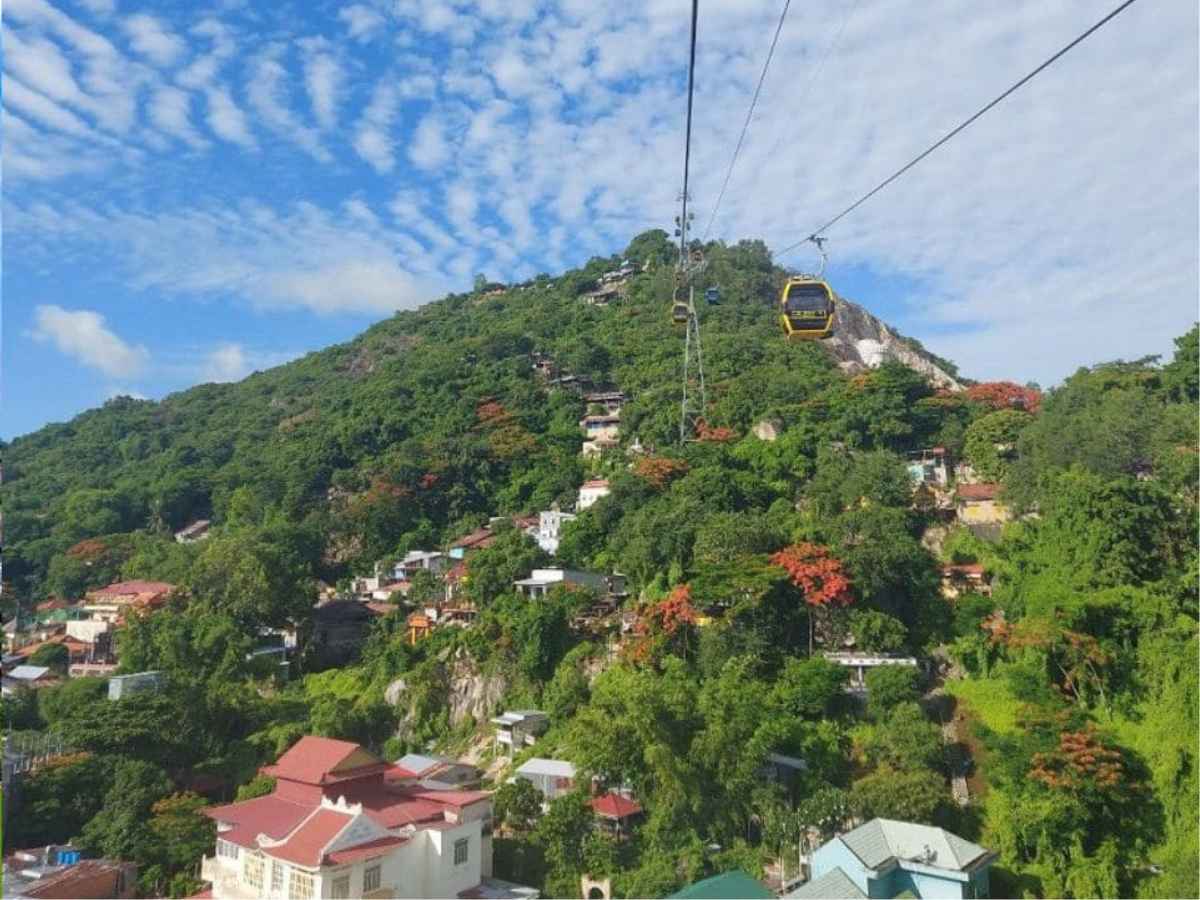
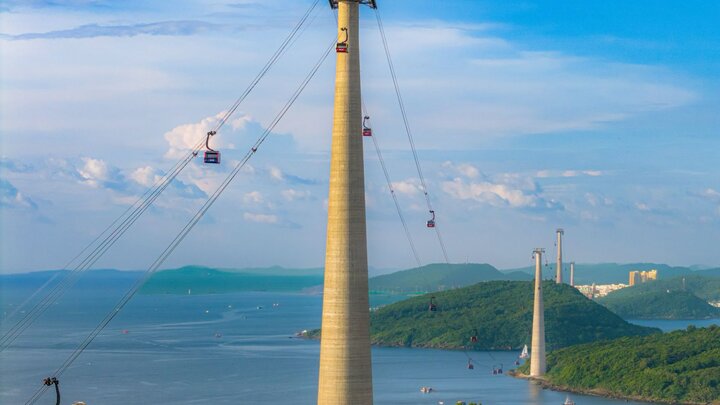
The view from the cable car opens up a panoramic view of Sam Mountain, connecting the mountainous landscape and the residential areas below, allowing for better time management. (Source: Collected)
When travel time is shortened, visitors can spend more time on main activities such as worship or sightseeing. Optimizing time makes the journey more efficient, especially for day trips. The Sam Mountain cable car plays a role as a tool to support schedule management.
3.2. Reduced physical exertion before other spiritual sites
Pilgrimage journeys often include multiple stops, each requiring travel and sightseeing within a specific timeframe. If too much physical exertion is spent on climbing or long-distance travel, visitors may face difficulties continuing subsequent legs. Using the cable car helps reduce this pressure, especially for elderly groups.
Preserving physical strength helps maintain a stable condition throughout the journey, thereby enhancing the quality of experience at subsequent destinations. This is an important factor in organizing a reasonable schedule, avoiding overload or disruption. The modern transportation system plays a supporting role for the traditional pilgrimage structure.
3.3. Creating time for subsequent legs
When a travel leg is shortened, the saved time can be allocated to other activities in the itinerary. This allows visitors to broaden their range of experiences, potentially visiting nearby destinations or allowing for adequate rest. Flexibility in time allocation makes the journey more balanced.
Additionally, having extra buffer time reduces schedule pressure, especially during peak days when external factors can affect plans. This contributes to a stable and easily adjustable trip. The Sam Mountain cable car in this case acts as an element supporting overall organization.
4. The position of the cable car in the Chau Doc pilgrimage route
4.1. If prioritizing the view from above
Arranging the cable car experience at the beginning of the journey allows visitors to get an overall perspective before approaching specific points. From above, the main areas are clearly defined, aiding in planning movement for the rest of the trip. This is particularly useful for first-time visitors to the area.
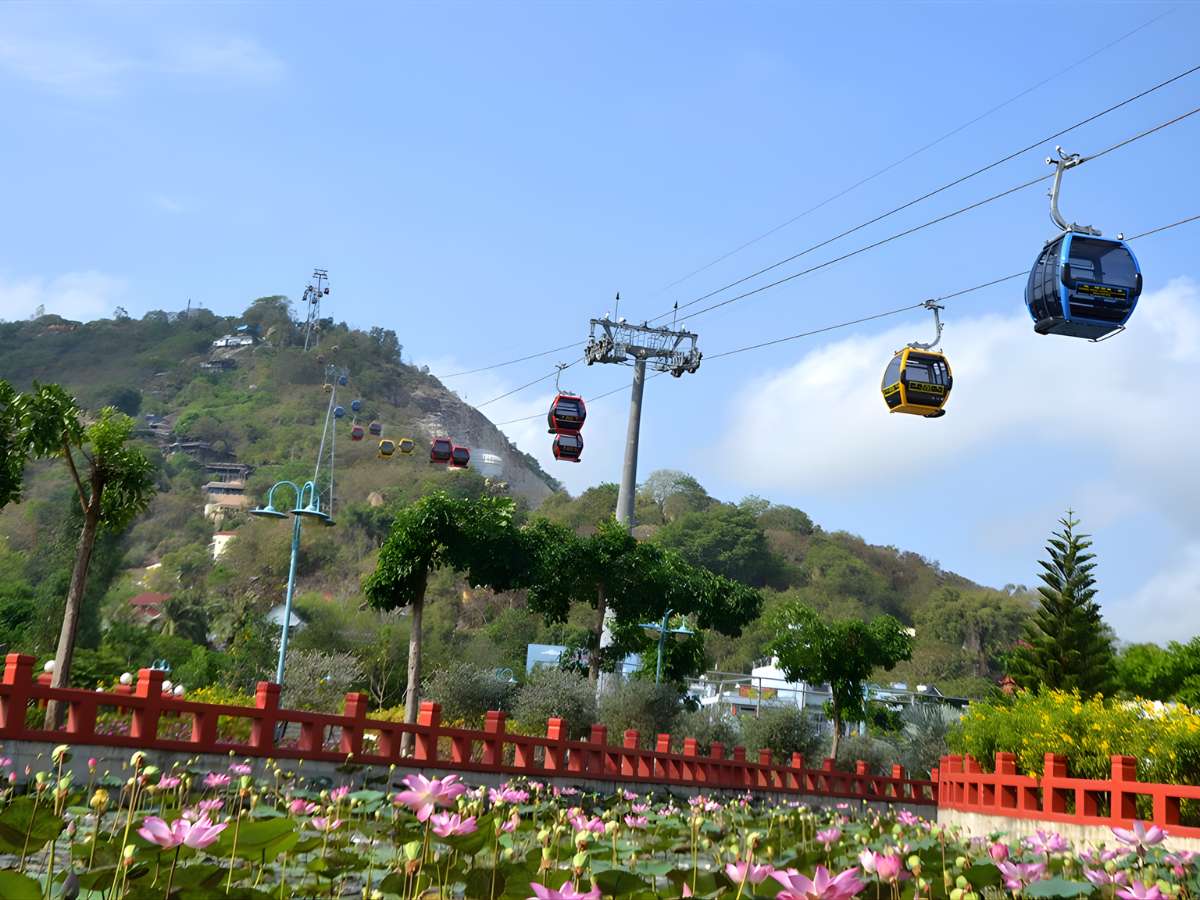
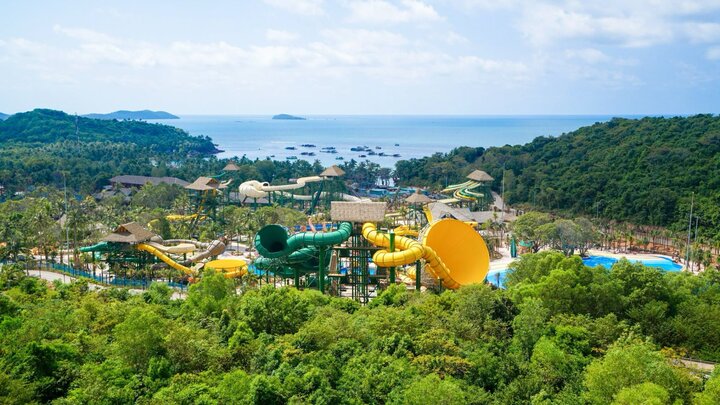
Using the cable car during peak season helps reduce travel pressure and optimize sightseeing time. (Source: Collected)
Additionally, starting with a high-altitude experience creates a transition from a broad perspective to details, making the journey more clearly structured. Visitors can pre-identify priority points and adjust the itinerary according to their time. This arrangement is often applied in itineraries with many stops.
4.2. Need to pace after a crowded segment
If the journey begins with crowded spots such as temples at the foot of the mountain, using the cable car in the middle of the route helps create the necessary pacing. After experiencing a period of high-density travel and sightseeing, transitioning to the high-altitude space brings a more balanced sense of experience.
This change helps reduce fatigue and allows visitors to continue their journey in a stable state. The reasonable arrangement between crowded and light segments contributes to the overall effectiveness of the trip. This is one of the itinerary organization methods applied in many pilgrimage routes.
4.3. Place it at the end if you want to conclude the journey from the mountain
Using the cable car at the end of the journey helps conclude the trip with a high-altitude experience, creating a sensory highlight. After visiting the main attractions, pilgrims can use the cable car to access higher areas and re-examine the entire space from an overall perspective.
This ending approach provides a sense of completeness to the journey, as the experiential elements are connected within a broader landscape. The combination of detailed sightseeing and overall observation creates a logical structure for the trip. Sam Mountain cable car in this case acts as a comprehensive concluding point.
Concluding the trip with the Sam Mountain cable car, visitors have the opportunity to admire Chau Doc from a different perspective. This experience is both convenient and exploratory. Sam Mountain cable car is often mentioned as a domestic example when referring to models similar to Sun World Hon Thom.