















1. General overview of Chau Doc Market and its position in local life
1.1. Position and role of Chau Doc Market in local life
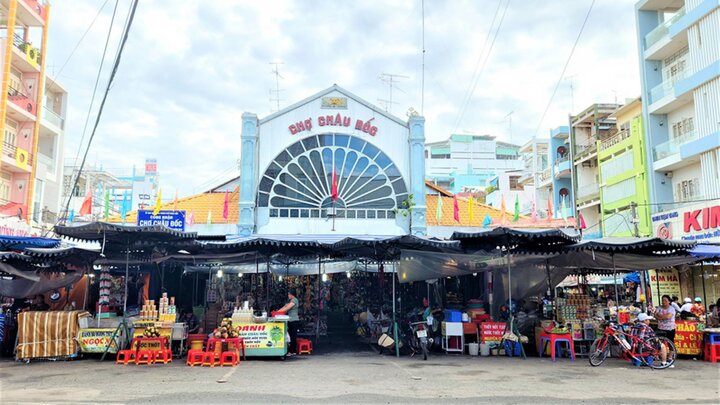
Chau Doc Market is located in Chau Doc, An Giang province, on Bach Dang street near the Hau River, a hub for many important transportation routes. This location makes the market conveniently connected to inner-city residential areas as well as inter-provincial routes. As a result, trading activities at the market are regular and closely linked to the daily lives of the local people.
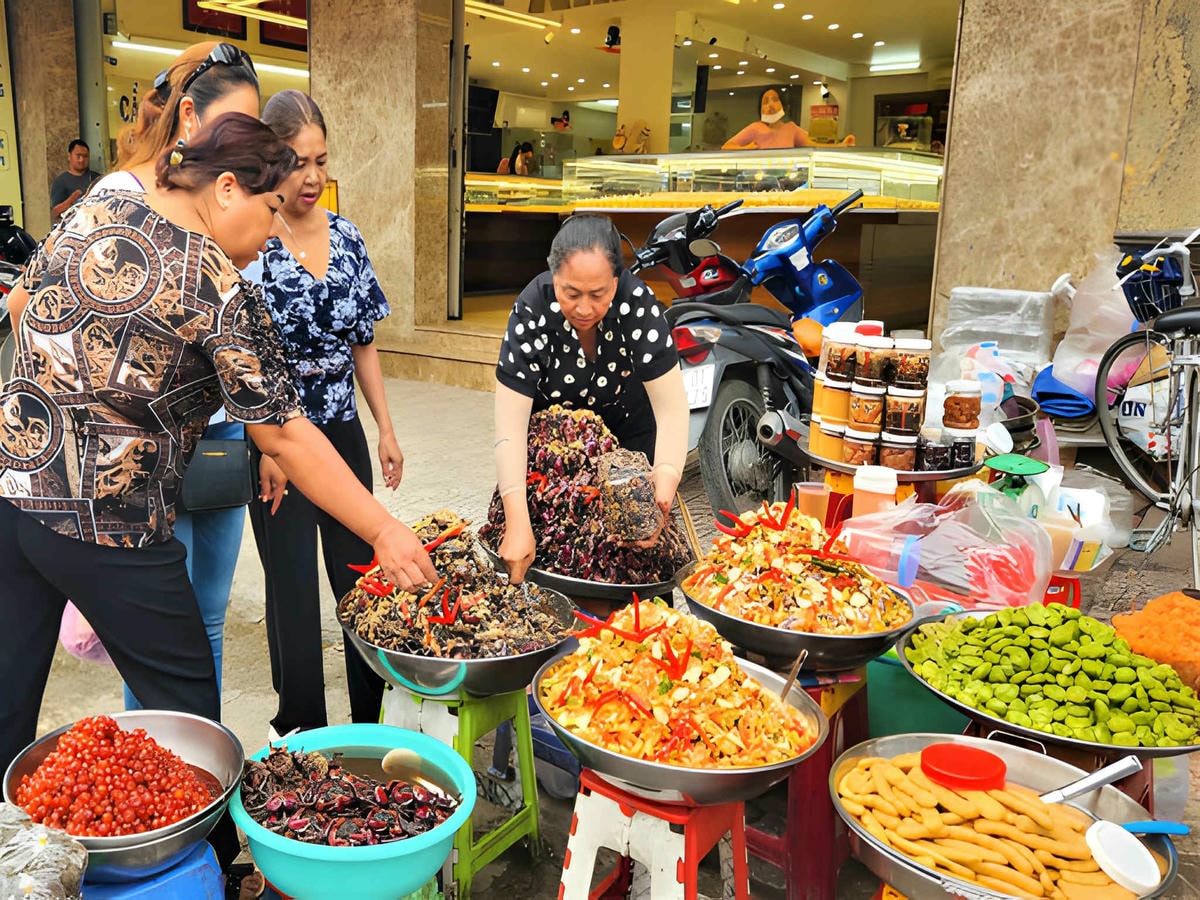
Chau Doc Market plays a central role in trade, closely linked to the lives of local people. (Source: Collected)
The market area borders many densely populated residential areas, making it easy for people to access when they need to shop. Not only serving the city's residents, the market also attracts traders from neighboring regions and communes to exchange goods. The daily flow of people in and out of the market reflects its essential role in the local economy.
Thanks to its location near the Cambodian border and a developed water and road transport network, chau Doc Market plays a role in connecting goods between the domestic market and sources from across the border. Many goods are circulated through the market before being distributed to other localities in the province and surrounding areas. This contributes to maintaining a stable flow of goods for the Southwest region.
As an important trading hub, chau Doc Market not only serves consumption needs but also contributes to creating livelihoods for many businesses. The buying and selling activities here support the sustainable development of the local economy. Over time, the market's position and role have maintained their importance in the urban structure of Chau Doc city.
1.2. History of Formation and Cultural Imprint
chau Doc Market has a long history of formation closely linked to the development of Chau Doc city since the 19th century. In the early days, it was merely a spontaneous point of exchange for residents living along the rivers. Through many expansion phases, this area gradually formed an official market with an increasingly complete scale.
The trading activities on boats and on the shore by the riverine people over time became regular transactions. This rhythm of life clearly reflects the economic life of the communities along the Hau River. The market is not only a place for exchanging goods but is also closely associated with the daily life of the local people.
The formation of chau Doc Market went hand in hand with the development of the An Giang region, a place where Kinh, Khmer, Hoa, and Cham ethnic groups have lived for a long time. This community diversity contributed to creating a rich trading culture, with each ethnic group bringing their own commercial customs, products, and communication styles. These elements blended to create the characteristic cultural identity of the traditional market space.
The cultural value of chau Doc Market is also reflected in the way vendors call out, negotiate prices, and interact with buyers. The market space is both economic and reflects the characteristic community life of the Mekong Delta. Many long-time vendors still maintain their simple communication style, contributing to the unique character of the market.
2. Space of Chau Doc Market and its Characteristic Trading Rhythm
2.1. Layout of Market Sections
The space of chau Doc Market is divided into many functional areas, making it easy for buyers to move around and choose suitable items. The fresh food section occupies a large area with groups of goods such as fish, shrimp, vegetables, and seafood, updated daily from the riverine areas. This is the area where crowds gather from early morning, as vendors begin to receive goods from the Mekong Delta provinces and border areas.
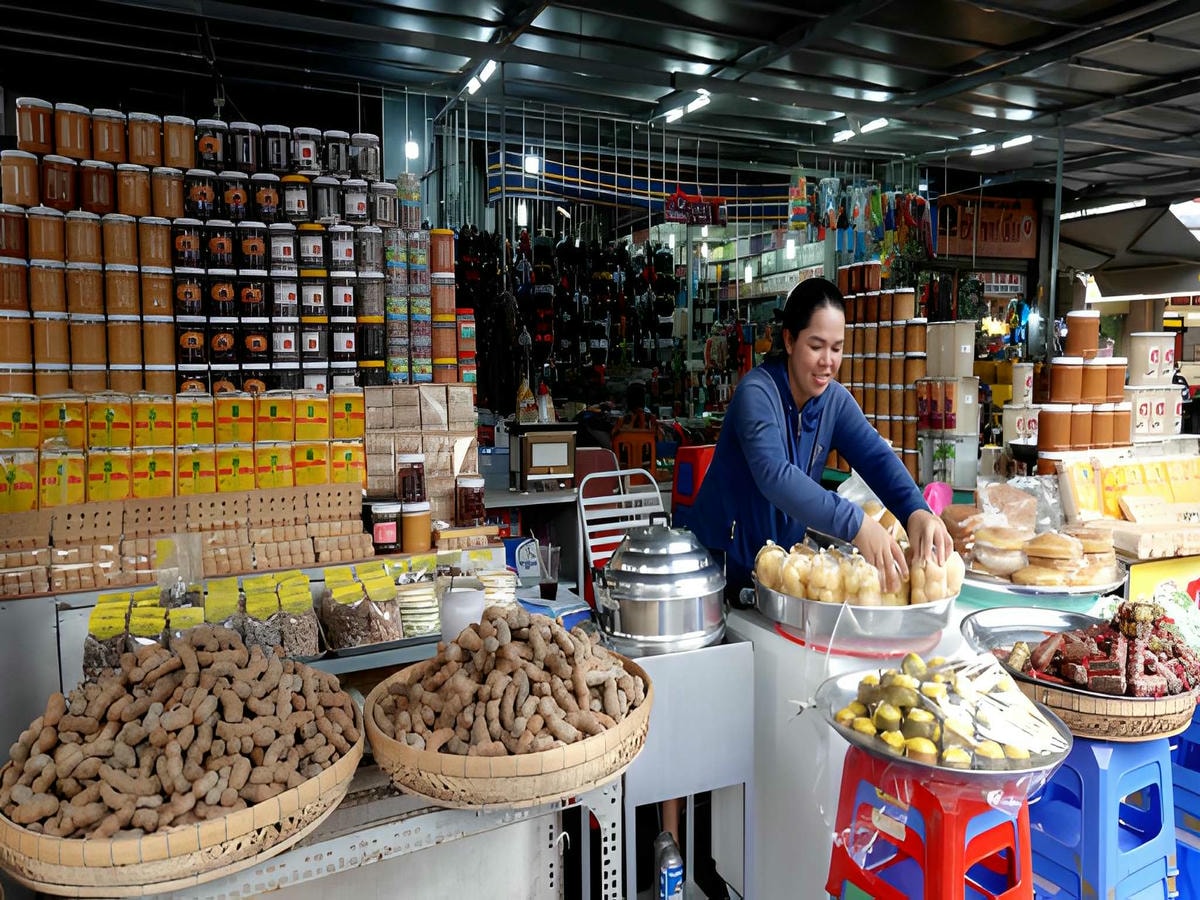
The layout of the market areas in Chau Doc market reflects the typical riverine trading life. (Source: Collected)
Besides the food section, the market also has a fish sauce and dried goods section with many typical products of the Mekong Delta such as linh fish sauce, sac fish sauce, dried fish, and various spices. These items cater to daily consumption needs and are often chosen by tourists to bring home as gifts. The relatively clear arrangement of the stalls makes finding products and visiting the market more convenient.
2.2. Atmosphere of buying and selling from early morning to late evening
Chau Doc market usually starts operating from around 5 AM and maintains its trading rhythm until the evening. The early part of the day is when vendors receive goods, arrange their stalls, and prepare for a new market session. The vegetable, seafood, and fruit sections are often bustling from this hour.
In the morning, the market atmosphere becomes lively with calls, price negotiations, and familiar conversations between buyers and sellers. This is the time that clearly shows the characteristic trading rhythm of a traditional Mekong Delta market. Many people choose to go to the market early to fully experience the local daily life.
2.3. Chau Doc market in the eyes of tourists
In the general perception of many tourists visiting Chau Doc market, the diversity of goods is the first easily noticeable factor. The stalls sell many products characteristic of the region, such as traditional fish sauces, spices, and dried goods. Each area reflects the lifestyle and consumption habits of the local residents.
Besides shopping, tourists also notice the friendliness in the sellers' communication. From inquiries to willingness to share product information, the market atmosphere provides a sense of closeness. For many, the experience at the market is an opportunity to observe local life and understand more about the traditional trading practices that have been maintained over time.
3. Outstanding Cuisine and Specialties at Chau Doc Market
3.1. Chau Doc Fish Sauce and Characteristic Fermented Products
Chau Doc fish sauce is one of the characteristic products widely sold at the market and is closely associated with local cuisine. This product is made from fresh fish caught in the rivers of the region, such as linh fish, sac fish, snakehead fish, and many other types, creating a diversity of flavors and colors. The traditional fermentation process contributes to the rich and distinctive flavor of the long-standing fish sauce making craft in An Giang.
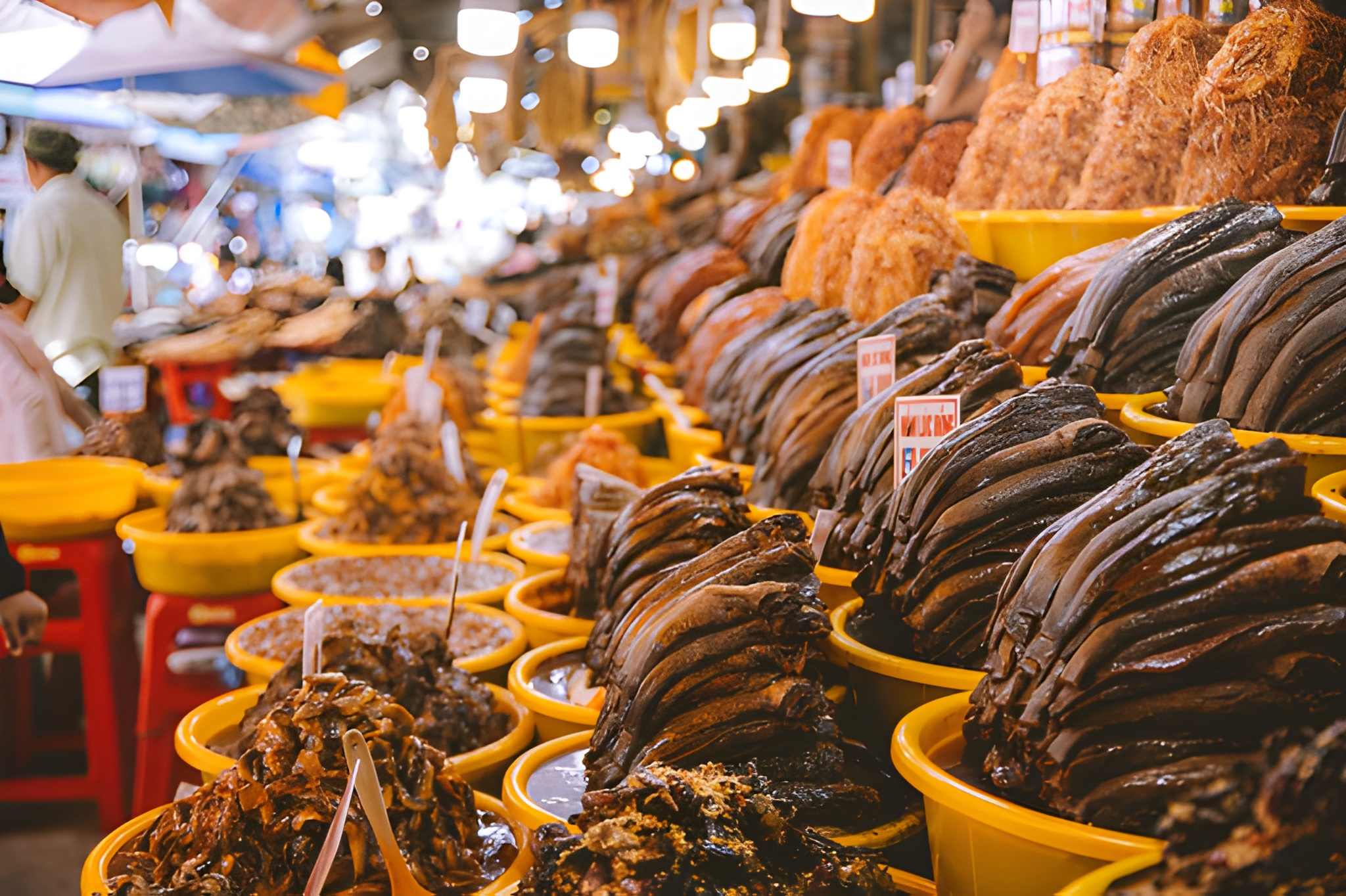
Chau Doc fermented fish paste and fermented products leave a mark on An Giang's traditional cuisine. (Source: Collected)
Types of fermented fish paste are usually distinguished by their main ingredients, such as linh fish paste or sac fish paste, each with its own characteristics regarding saltiness and fermentation time. Visitors to the market can choose paste according to their taste or intended use in familiar Western Vietnamese dishes. Dishes like bun nuoc leo or lau mam are often mentioned when vendors introduce how to use the products.
3.2. Dried Specialties and Spices of the Western Region
Besides fermented fish pastes, the dried goods section at Chau Doc Market displays many products such as dried fish, dried beef, and characteristic spices of the river region. These items are often processed and preserved using traditional methods to retain their natural flavors. The handmade process makes the products suitable for the consumption habits of local people and tourists.
Dried fish is processed from local fish species, undergoing cleaning and natural drying. As a result, the product retains its chewy texture and characteristic aroma when cooked. This is a popular item chosen by many because it is easy to store and convenient to carry.
Spices such as wild pepper, palm sugar, and traditional spice powders also appear at many stalls in the market. These spices are commonly used in the daily meals of Western Vietnamese residents. At the same time, they reflect the unique characteristics of An Giang's riverine culinary culture.
3.3. Souvenirs from Chau Doc Market
Chau Doc Market is a suitable place for tourists to choose products as gifts for family and friends. Items such as specialty fermented fish pastes, dried fish, dried beef, and local spices are often pre-packaged, making them convenient to carry. The shelf life of these products is relatively stable if stored correctly.
When choosing gifts, tourists should carefully check product labels and expiration dates. Direct communication with vendors helps to better understand the origin and storage methods. Many stalls offer flexible pricing depending on the purchase quantity.
4. Experiencing Chau Doc Market on a Southern Exploration Journey
4.1. Combining Visits to Chau Doc and An Giang
During a journey to explore Chau Doc city, tourists can combine a visit to Chau Doc Market with cultural and spiritual destinations in the area. Sam Mountain is a familiar site located near the center, where many pagodas and religious structures are concentrated. Combining these attractions helps to balance the trip between experiencing local life and learning about the local history.
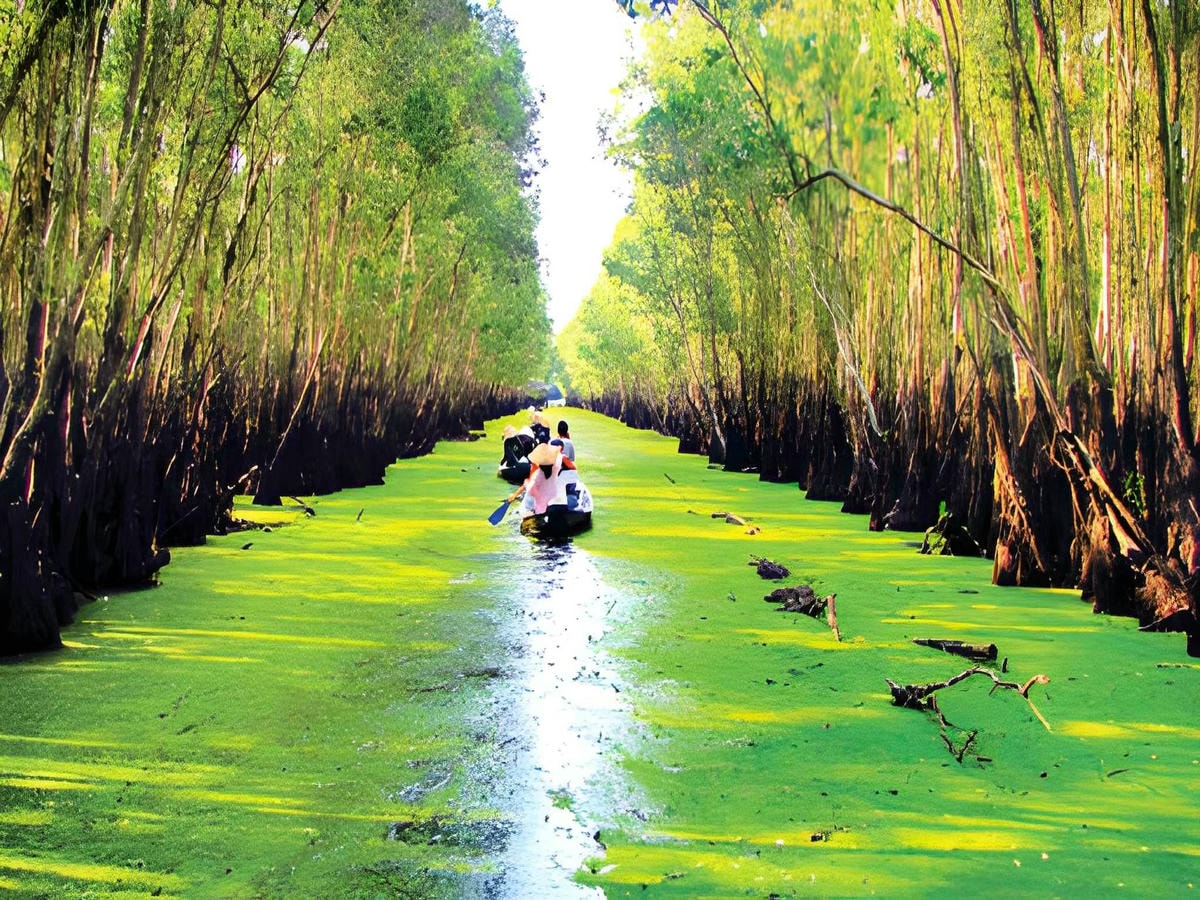
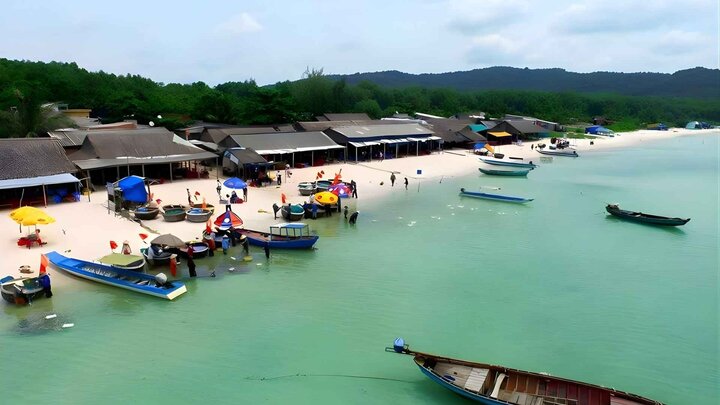
Combining visits to Chau Doc and An Giang offers a diverse cultural experience. (Source: Collected)
Besides the central area, Tra Su Melaleuca Forest is a destination many people include in their An Giang exploration itinerary. This area is about 30 km from the city and is notable for its natural landscape characteristic of flooded melaleuca forests. Early morning or late afternoon are often chosen for visiting and observing the natural space.
The combination of traditional markets and prominent landmarks helps tourists gain a more comprehensive view of the An Giang region. Shopping activities at the market offer an experience close to local life. Meanwhile, other attractions add depth in terms of culture and scenery.
4.2. From Traditional Markets to Modern Destinations
Besides traditional tourist spaces, An Giang has also seen the emergence of modern destinations in recent years. These areas often combine the introduction of local culture with sightseeing and resort services. This development model meets the diverse experiential needs of tourists, such as Sun World Hon Thom.
The coexistence of traditional markets and modern destinations creates a multi-layered tourism picture. Tourists can experience the familiar hustle and bustle of shopping at Chau Doc Market before exploring new service areas. This combination makes the journey more flexible and richer.
4.3. Points to Note When Visiting and Shopping at the Market
When visiting Chau Doc Market, tourists should choose morning or early afternoon to easily observe the buying and selling activities. This is when stalls are fully operational and goods are displayed completely. Visiting the market at an appropriate time ensures a more complete experience.
During shopping, asking for prices beforehand and maintaining polite communication is essential. Some stalls may offer flexible prices for bulk purchases. Tourists should respect local trading customs to create a comfortable exchange atmosphere.
Chau Doc Market is not just a place for buying and selling but also a vivid picture of the life, culture, and cuisine of the border region of An Giang. Strolling through the bustling market, savoring local specialties, and listening to the rhythm of local life, tourists will clearly feel the simple yet vibrant spirit of this land on their journey to explore Southern Vietnam.