
















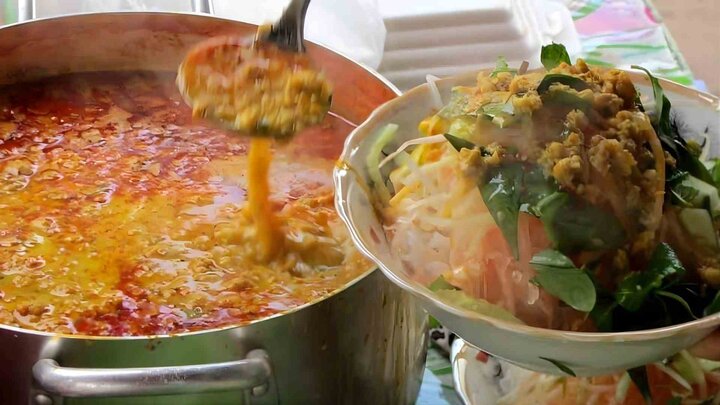
1. Discover Bun Nuoc Ken in the Culinary Cultural Space of An Giang
1.1. Formation Environment of Border Region Dishes
Bun nuoc ken is a traditional noodle soup dish formed and developed in the border area of Chau Doc, An Giang, where the riverine ecosystem provides favorable conditions for local cuisine. The network of rivers and canals brings a rich source of freshwater fish, among which snakehead fish is commonly used to cook this noodle dish. Using readily available ingredients, local people combine snakehead fish with coconut milk, curry powder, and familiar spices to create a broth with a light, creamy, and naturally sweet flavor.
The preparation of Bun Nuoc Ken An Giang reflects the simple eating habits, emphasis on harmonious flavors, and convenience in daily life of border residents. The dish often appears for breakfast or as a snack, helping to replenish energy after periods of labor and trade in local markets. The fact that Bun Nuoc Ken is a staple in daily meals indicates its role in the culinary life of Chau Doc, a cultural crossroads of many communities.
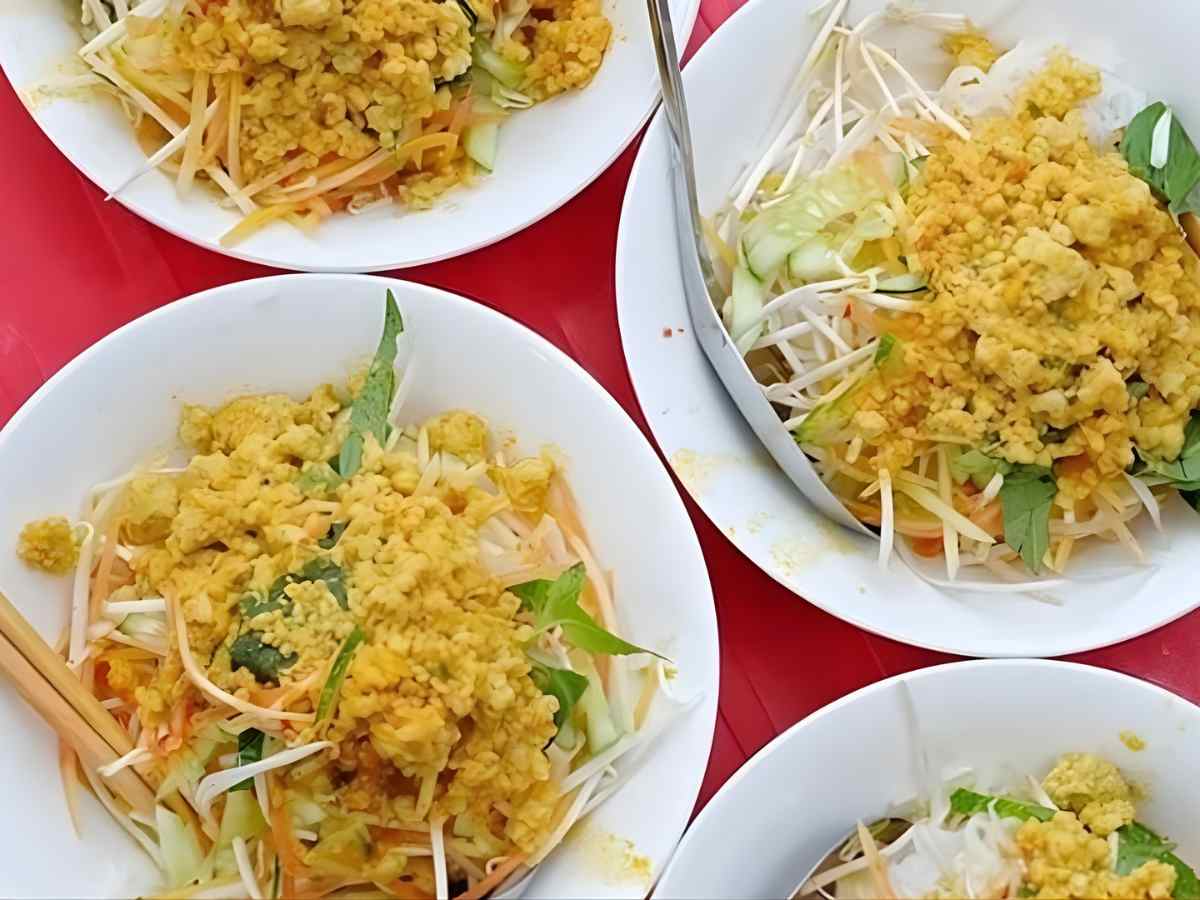
Bun nuoc ken reflects the riverine ecological environment of the border region of Chau Doc. (Source: Collected)
An Giang's Bun nuoc ken bears the mark of Khmer culture, as the name "ken" refers to the dish being cooked with coconut milk, creating a unique characteristic compared to many other bun nuoc dishes in the Mekong Delta. Coconut milk gives the broth a moderate richness, enriching the flavor without feeling heavy. Snakehead fish is boiled until cooked, deboned, and stir-fried with curry, turmeric, and cloves before being added to the broth, giving the dish its distinctive color and aroma.
The noodle dish is typically served with fresh herbs, bean sprouts, shredded banana blossom, and cucumber, balancing the richness and saltiness with a refreshing sensation. This combination makes the bowl of noodles easy to enjoy in the hot and humid weather of the Mekong Delta. Bun nuoc ken eateries are usually open from early morning until early afternoon, catering to the daily dining needs of local residents and visitors.
1.2. The role of Bun nuoc ken in community life
An Giang's Bun nuoc ken is a familiar sight in the culinary landscape of Chau Doc, where eateries are often located along roadsides, near markets, and in densely populated residential areas. Bowls of noodles with their rich, pale yellow broth, snakehead fish, and fresh herbs are a frequent presence in the daily life of border residents. This dish is closely tied to the local rhythm of life, from breakfast to kickstart the day to an afternoon snack after work.
Enjoying bun nuoc ken together at a small roadside eatery creates a familiar space for communication among community members. The value of the dish lies not only in its flavor but also in its social connection, as meals become opportunities for conversation and sharing. These experiences contribute to the formation of a shared culinary memory for the residents of Chau Doc.
For local people, bun nuoc ken is not merely a dish but also carries cultural significance tied to the history of the land. The dish reflects the culinary exchange and living habits of the border communities. Over time, bun nuoc ken has become a part of the spiritual life and collective memory of many generations.
2. Flavor structure that creates the identity of Bun nuoc ken
2.1. Fish ingredients and preparation
Freshwater snakehead fish is the main ingredient that creates the distinctive flavor of bun nuoc ken in Chau Doc, thanks to its firm flesh, natural sweetness, and mild odor when cooked. After cleaning, the fish is usually boiled to retain its sweetness, then carefully deboned before further processing for the broth. This preparation method helps the fish retain a tender texture suitable for the noodle dish.
A portion of the fish is stir-fried with shallots, garlic, curry powder, turmeric powder, and cloves to enhance the aroma before being added to the broth. This light stir-frying allows the fish to absorb the spices and adds depth to the overall flavor of the dish. This combination helps balance the sweetness of the fish with the mild richness of the coconut milk.
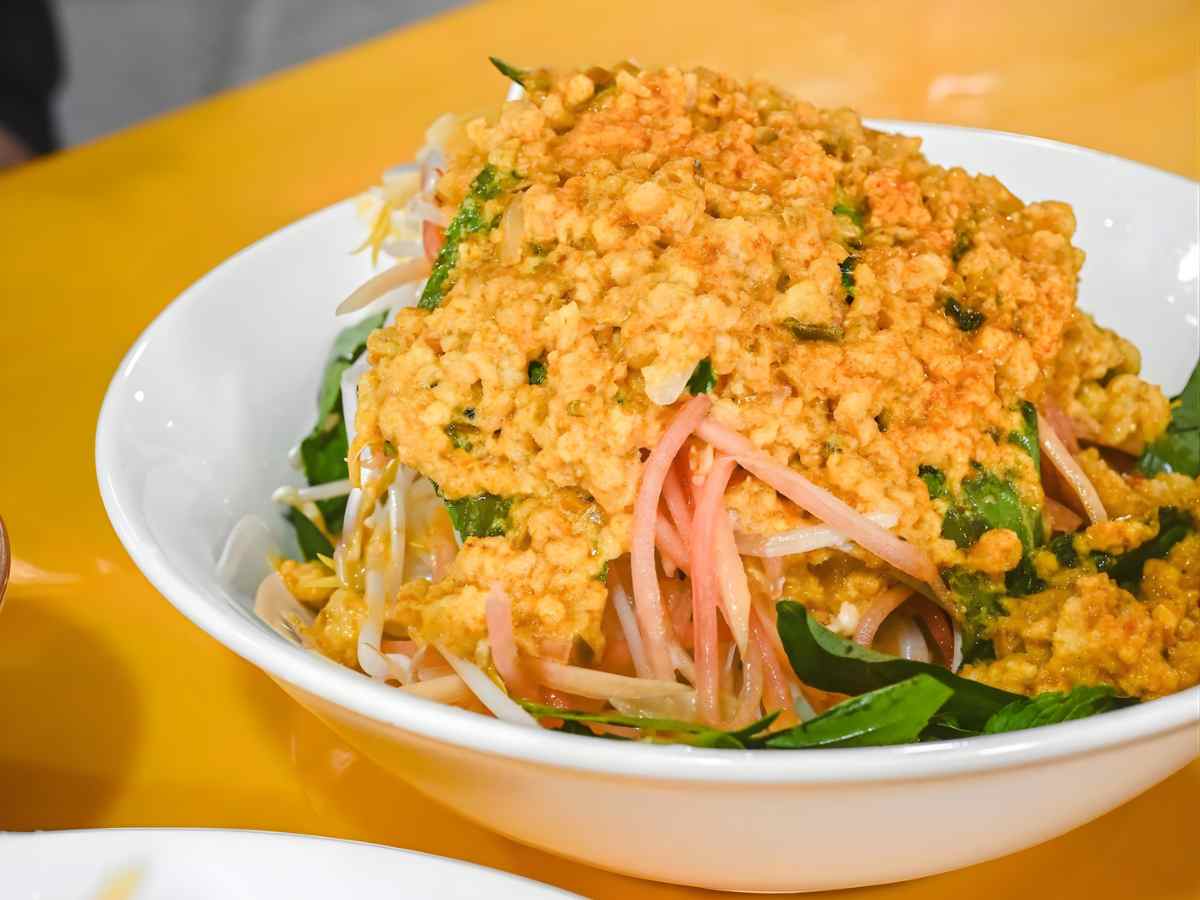
Ingredients like snakehead fish and coconut milk create the dish's characteristic flavor base. (Source: Collected)
The fish broth is also utilized as the base for the soup, helping to retain its natural sweetness without needing many other ingredients. The method of selecting and preparing the fish directly influences the clarity, richness, and aroma of the vermicelli bowl when served. Consequently, Bun nuoc ken offers a distinct flavor that is still easily appreciated when enjoyed.
Besides the technical aspect, the cook's experience in choosing fresh fish also plays a crucial role in the dish's quality. Freshwater snakehead fish are typically chosen when still alive, with firm bodies and little fat, to ensure a subtly sweet taste when cooked. This meticulousness from the ingredient selection stage contributes to maintaining the stable flavor of Bun nuoc ken, suitable for local palates.
2.2. Characteristic Spices and Broth
The broth of Bun nuoc ken is cooked from fish broth mixed with coconut milk, curry powder, turmeric, and some familiar spices in local cuisine. This combination creates a light orange-yellow color and a recognizable aroma when poured over fresh vermicelli. While the ingredients are not overly complex, they require balance to maintain a harmonious flavor.
Coconut milk gives the broth a moderate thickness and a light richness, while the fish broth prevents the overall taste from being too heavy. This blending method creates a difference compared to many other vermicelli dishes that lean towards sweetness from bones or meat. As a result, the bowl of vermicelli feels well-rounded and easy to eat at various times of the day.
When served with fresh herbs, bean sprouts, and shredded banana blossom, the broth becomes more balanced in flavor and texture. The freshness of the herbs helps to mellow the richness, creating a seamless taste experience from start to finish. This element contributes to defining the unique identity of Bun nuoc ken in the cuisine of the Mekong Delta.
In addition to the main spices, the amount of seasoning is adjusted flexibly according to the eating habits of each region. Cooks often focus on keeping the taste moderate so as not to overpower the natural sweetness of the fish and coconut milk. This cooking method helps the broth retain its lightness, suitable for the daily eating rhythm of the local residents.
3. Experiencing Bun Nuoc Ken
3.1. Palate Sensation When Eating
The initial impression when tasting Bun nuoc ken comes from the light yellow color of the broth, created by the blend of coconut milk and spices, combined with soft, fresh vermicelli noodles. The subtle sweetness of the boiled fish, along with the characteristic aroma of curry, creates a pleasant sensation from the very first spoonfuls. The overall flavor is mild, suitable for the morning or afternoon snack meals of the local people.
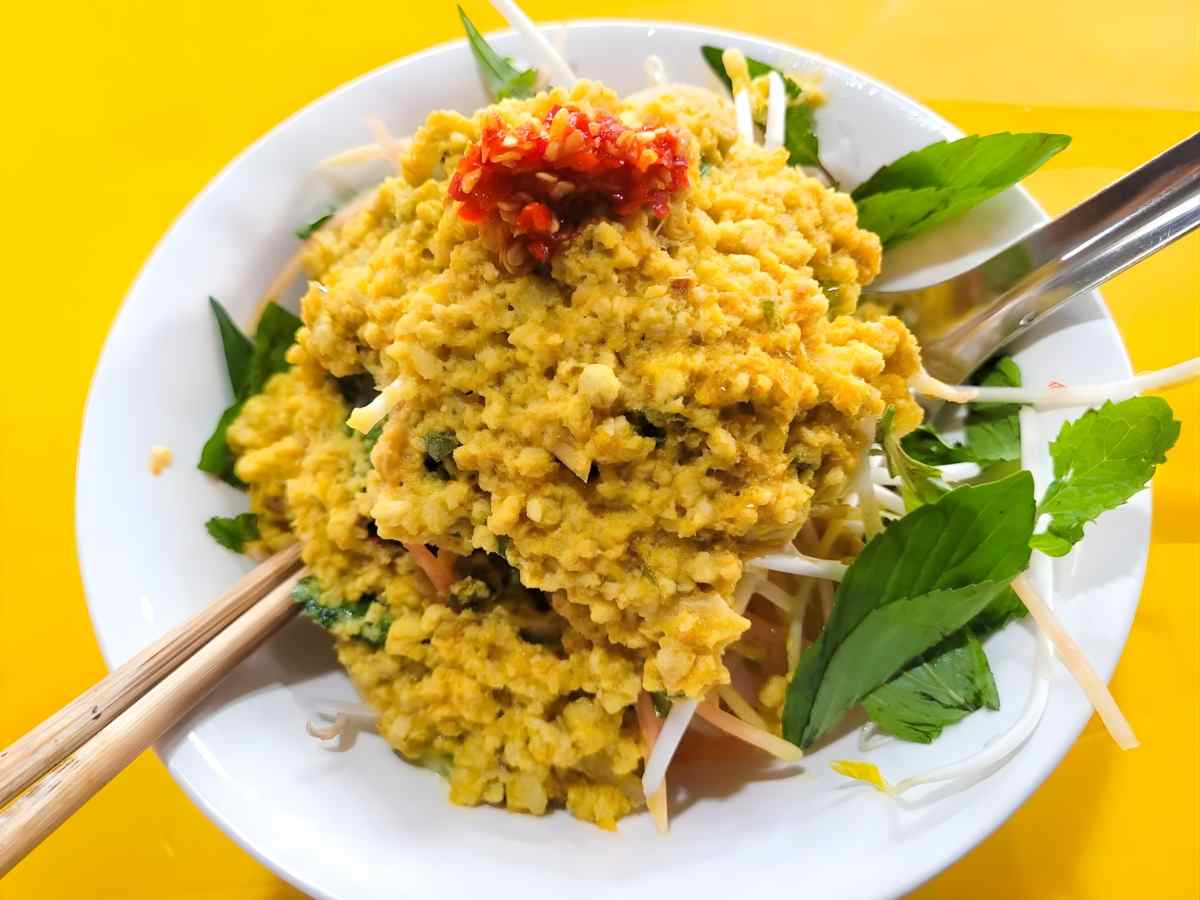
The colors and flavors of Bun Nuoc Ken noodle soup leave a strong impression when enjoyed. (Source: Collected)
As you eat deeper, the light richness of coconut milk gradually spreads, followed by the natural sweetness from the fish and spices. The addition of chili brings a slight spiciness, combined with fresh herbs to balance the sensation when eating. Thanks to this transition, the noodle dish offers a layered taste experience without feeling heavy.
For diners who are not accustomed to it, the combination of coconut milk and curry may feel unfamiliar on the first try. However, this very characteristic makes many people curious and want to continue exploring how to eat it and adjust the accompanying spices. With each spoonful of noodles, the flavor becomes clearer and easier to perceive.
3.2. Bun Nuoc Ken Noodle Soup in the Journey of Local Culinary Discovery
The difference in color and flavor makes Bun Nuoc Ken noodle soup easily attract the attention of tourists exploring the cuisine of the Mekong Delta. Many people choose this dish as a new experience to compare and feel the diversity of noodle soups in An Giang. This unique characteristic motivates tourists to seek out and try the dish during their local exploration.
Enjoying Bun Nuoc Ken An Giang at roadside eateries or in Chau Doc market brings a sense of closeness to local life. The simple dining space allows tourists to easily observe the daily rhythm of the local people. Through this, the culinary experience becomes more vivid and connected to the surrounding cultural context.
The light richness combined with the sweet taste of fish often leaves a distinct aftertaste. For many tourists, this feeling is easily recalled and becomes a highlight in their culinary memories of the trip. Sharing the experience of the dish with family and friends also contributes to spreading the culinary cultural values of this region.
4. From Local Cuisine to Contemporary Tourism Experience
4.1. Traditional Cuisine in the Flow of Tourism
Traditional cuisine like Bun Nuoc Ken noodle soup plays a foundational cultural role in today's tourism landscape, as tourists increasingly seek experiences connected to local life. Folk dishes reflect the living habits and tastes of the local population, making the exploration journey more intimate. Through cuisine, tourists have the opportunity to naturally and easily access regional culture.
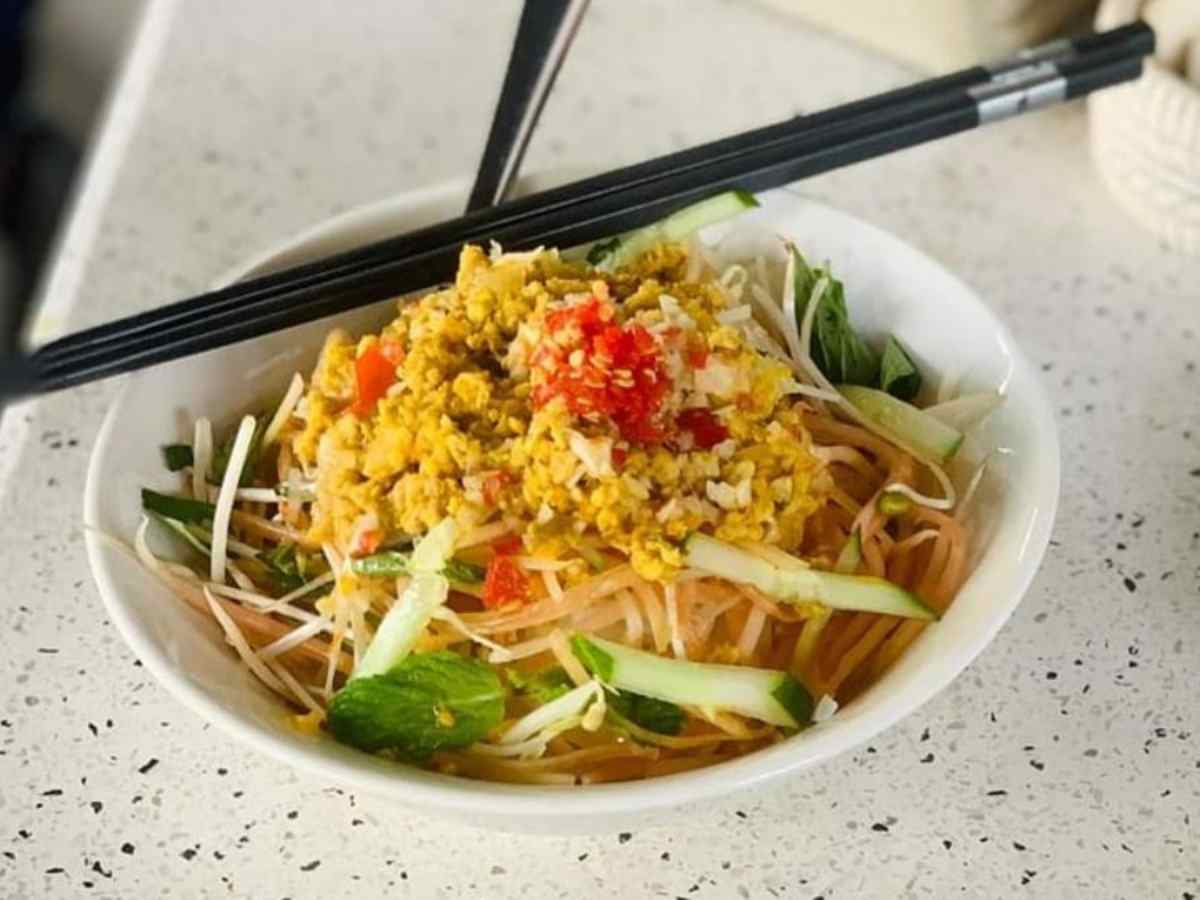
Bun nuoc ken noodle soup contributes to bringing traditional cuisine into the flow of tourism. (Source: Collected)
Bun nuoc ken noodle soup of An Giang often appears in culinary tour programs or cultural introduction activities to enrich the visitor experience (According to An Giang tourism report). The sweet and clear taste of the broth along with its characteristic aroma helps diners visualize the history and formation context of An Giang's cuisine more clearly. The dish thus becomes a cultural touchpoint during a tour of the river region.
Preserving and developing traditional dishes contributes to expanding local tourism experiences alongside modern services. This gives tourists a more multi-dimensional view of the destination, not only through its landscapes but also through its culinary life. As a result, local cultural values are maintained and spread through the flow of tourism.
4.2. Connecting Modern Experiences in Phu Quoc
When placing the spirit of local cuisine alongside resort spaces in Phu Quoc, visitors easily notice the difference between simple traditional dishes and modern sea tourism activities. This contrast creates an interesting experience when traveling through many regions with different cultural nuances. Each destination offers a unique feeling, contributing to enriching the trip.
Enjoying bun nuoc ken noodle soup in Chau Doc and then continuing the beach resort journey allows tourists to clearly feel the transition in space and pace of life. On one side are simple eateries associated with daily life, and on the other are well-invested resort and entertainment areas. This combination creates a seamless yet non-repetitive chain of experiences.
Bearing the cultural imprint of the border region, bun nuoc ken noodle soup of An Giang clearly reflects the local culinary life. In the context of modern tourism, this dish becomes an emotional touchpoint, helping tourists feel more deeply about the land they visit. Through the tasting experience, bun nuoc ken noodle soup contributes to creating a gentle impression on the journey to explore An Giang.