















1. Journey to enjoy Bay Nui scorpions in the culinary life of That Son
1.1. Natural environment giving rise to a rare specialty
Bay Nui is a mountain range located in Tri Ton and Tinh Bien districts, An Giang province, with terrain of hills and mountains interspersed with caves, rubble, and dense vegetation. This environment forms an ecosystem with high natural humidity, plenty of shade, and rock crevices suitable for many species to live. Local people say that scorpions often hide under large rocks and in damp soil crevices.
Scorpions are abundant in areas with rock cover, near damp valleys and natural food sources like small insects. The terrain of rocky mountains mixed with low-lying areas helps them easily find shelter and prey. During the harvesting process, people often find scorpions at the bottom of small caves when turning over rocks.
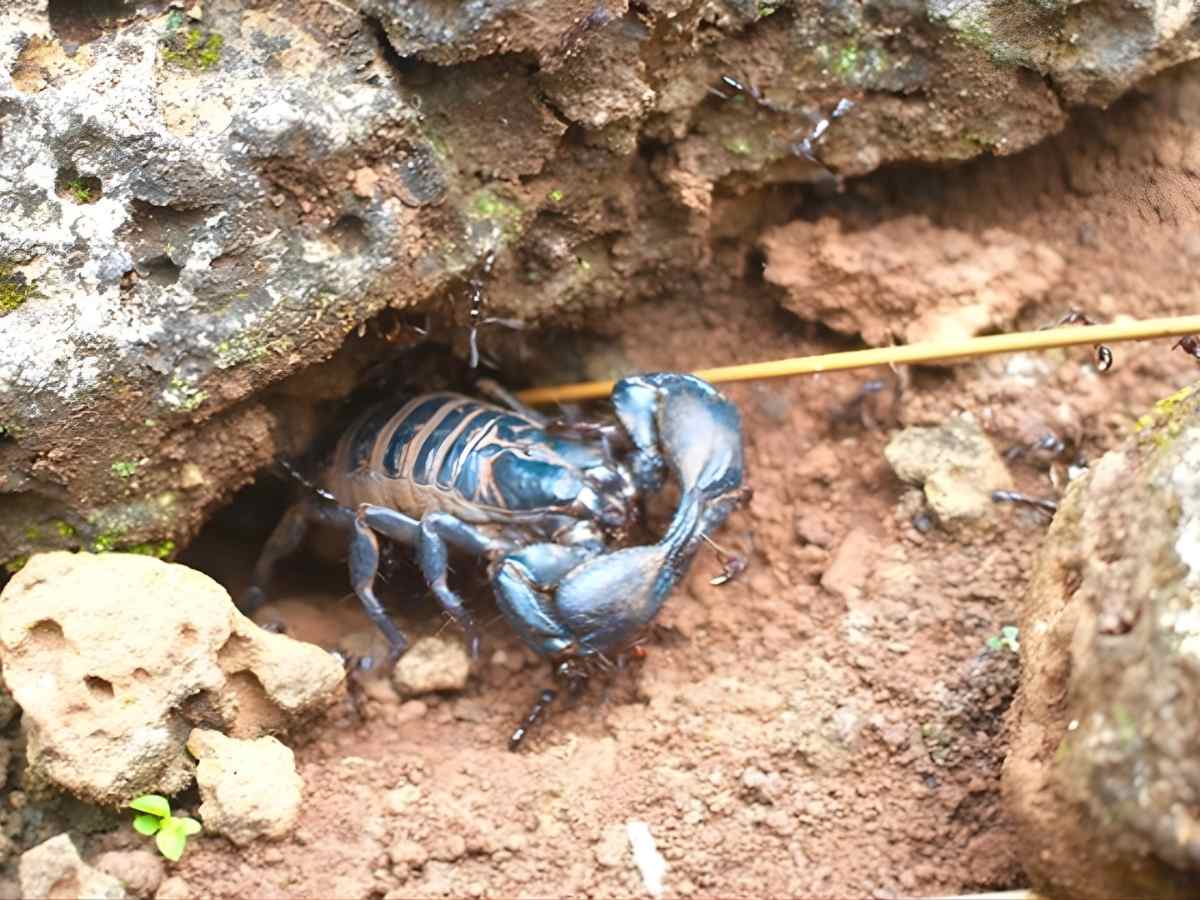
The natural environment has created a very characteristic scorpion specialty. (Source: Collected).
The frequent sight of scorpions along roadsides and mountain slopes indicates that this species has adapted to the That Son environment. Scorpions here are of moderate size and are colloquially known in the Southern dialect as "bu kep". The stable presence of this creature reflects the connection between the rocky terrain and the source of ingredients for local cuisine.
The scattered rocky terrain is not only home to scorpions but also to many other insect species. Locals observe that scorpions often create small burrows at the base of large rocks, where there is plenty of humus, to hunt for prey. These natural conditions contribute to the formation of the Bay Nui scorpion specialty in the culinary life of the That Son region.
1.2. From Wild Product to Local Dish
Scorpions have long been hunted by the people of That Son to serve their daily lives. This activity often takes place while gathering firewood, searching for natural food, or moving around the rocky hillsides. Catching scorpions requires dexterity as they possess venom.
If not handled properly, the catcher can be stung by the venom. Therefore, the experience of harvesting and handling scorpions has been accumulated over many generations of mountain residents. This makes catching scorpions a familiar part of the local people's daily life.
In the rustic meals of Bay Nui, scorpions are considered a natural food source. People often prepare this dish when guests visit or during intimate gatherings. Thus, scorpions are not just a dish but are also associated with the way the community of That Son residents shares their culinary culture.
2. How to Prepare and the Characteristic Flavor of Bay Nui Scorpions
2.1. Traditional Pre-processing Methods
The traditional scorpion preparation process begins with pre-processing to clean the ingredients before cooking. After being caught from nature, scorpions are usually kept in water for a period to clean their internal bodies and minimize remaining impurities. Local people believe this preparation step makes the ingredients more suitable before proceeding to further cooking stages.
This initial cleaning is not only for hygiene but also directly affects the taste experience. According to folk experience, if not pre-processed carefully, the characteristic smell of scorpions will become more unpalatable when cooked. Therefore, cooks often dedicate significant time and care to this stage.
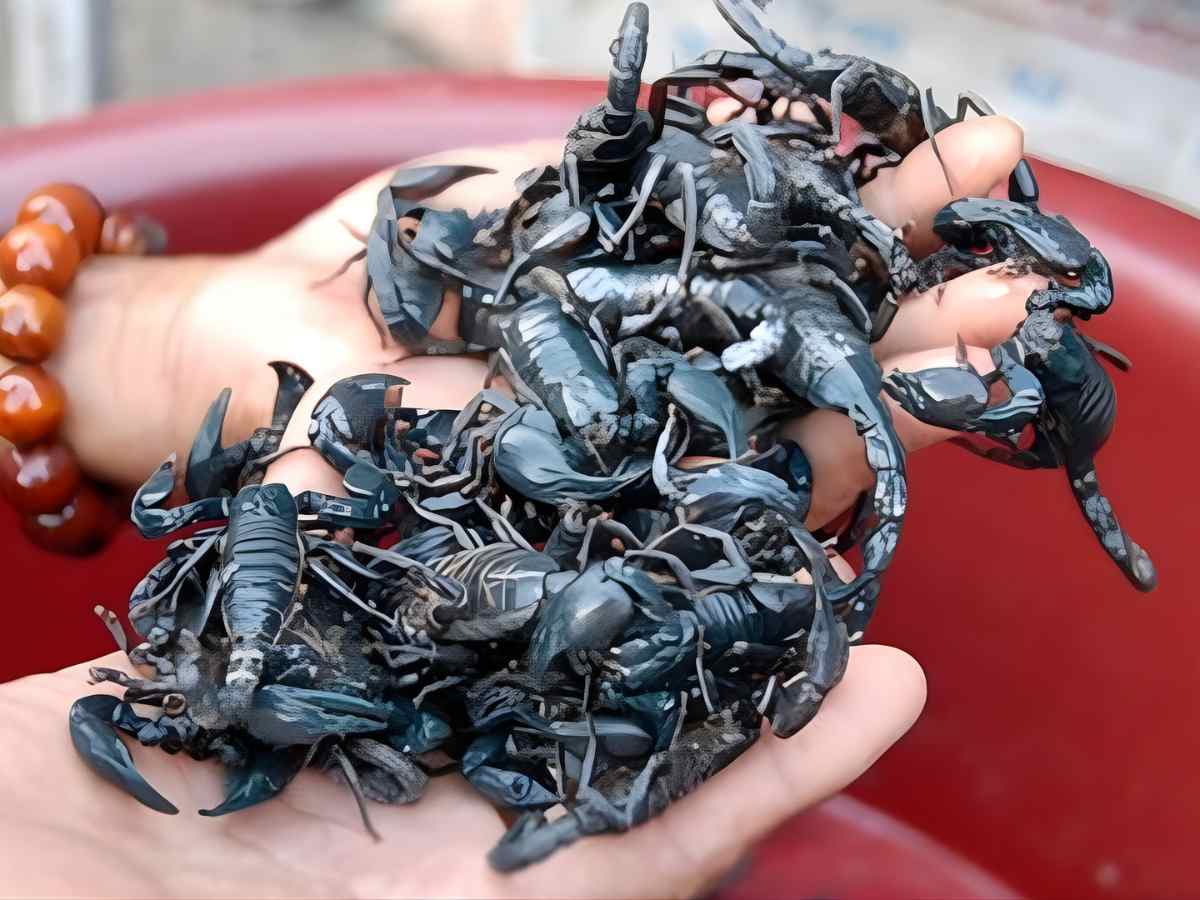
The Bay Nui environment forms rare specialties from a unique ecosystem. (Source: Collected).
Another important step in the processing is handling the tail, which contains the scorpion's venom. Local people with many years of experience often cut off the tail before cooking the ingredients. This method has been passed down through generations and has become a familiar habit in the culinary life of the Bay Nui region.
After completing the processing steps, the scorpions are washed again with clean water and drained completely. Draining helps maintain the texture of the ingredients when frying, grilling, or roasting, avoiding a soft or mushy feel. According to those who frequently prepare them, meticulousness at this stage contributes to a more palatable and harmonious flavor for the dish.
2.2. Popular Preparation Methods
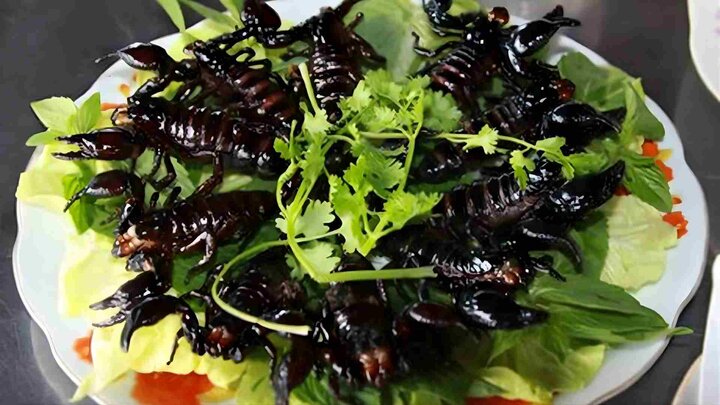
Crispy fried scorpion is a common preparation method in the Bay Nui region and appears in many local meals. After processing, the whole scorpion is placed in hot oil and fried until the outer shell turns color. The aroma that spreads during frying creates an appealing sensation even while the dish is still on the stove.
Frying gives the scorpion a distinct crispiness when eaten. Many people find the eating experience quite novel but easy to get used to when enjoyed with other rustic dishes. This dish often appears at gatherings or when families have guests visiting.
Bay Nui scorpions grilled are also a familiar preparation method for locals. The ingredients are usually skewered and grilled over charcoal until the meat is firm and emits a characteristic aroma. The light smoky scent combined with the natural flavor of the meat creates a sense of closeness to the rocky mountain landscape.
Additionally, scorpions are prepared with salt and pepper, stir-fried with lemongrass and chili, or fried in butter depending on family habits. Each preparation method offers a different flavor profile, from lightly salty to richer when eaten. This diversity contributes to enriching the culinary experience in the Bay Nui region for tourists.
3. In the Journey Combining Tourism with Bay Nui Scorpion Cuisine
3.1. Suitable Enjoyment Context
When visiting the Bay Nui region, tourists can easily find simple roadside eateries serving scorpion dishes. The restaurant spaces are usually simple with tables and chairs placed under trees or near the mountainside, creating an airy feel. This rustic arrangement clearly reflects the slow and close-knit pace of life in the mountainous region.
Enjoying scorpions in an open space allows tourists to better feel the surrounding local context. Chatting while observing the daily life of the local people is a common experience here. This makes the dish not only associated with its flavor but also with a specific space and time.
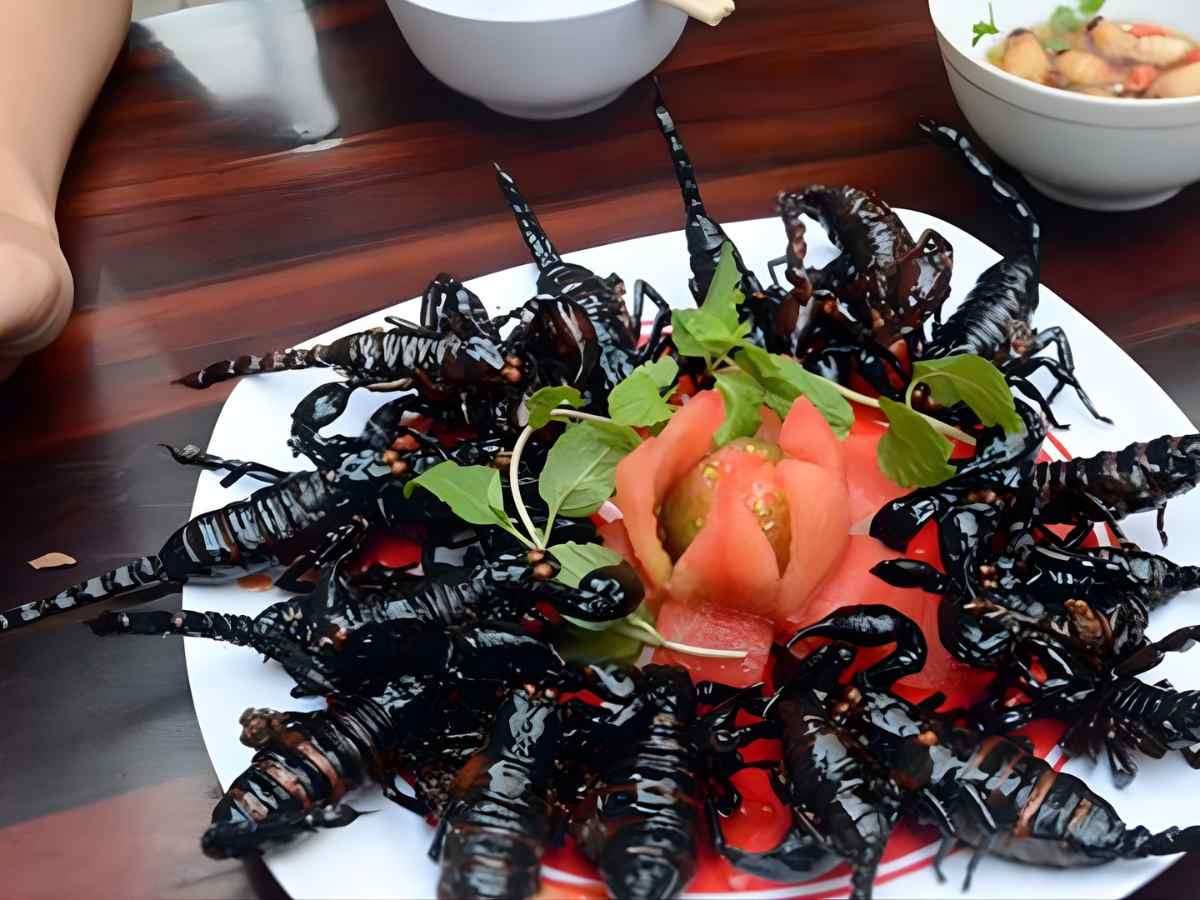
Enjoying scorpion dishes fits well with the mountainous setting. (Source: Collection).
During their culinary journey, many tourists choose to combine scorpion dishes with other An Giang specialties. Dishes like fish noodle soup (bun ca), sticky rice cakes (xoi phong), or palm sugar steamed cakes (banh bo thot not) are often enjoyed interspersed within the same day of exploration. This combination offers a diverse range of flavors and makes the meal more complete.
Local dishes clearly reflect the agricultural products and living habits of the mountain residents. By enjoying multiple dishes in the same setting, tourists have the opportunity to gain a deeper understanding of the local culinary culture. The dining experience thus extends beyond mere tasting to encompass an appreciation of local life.
3.2. Associating Culinary Journeys with Island Tourism
While experiencing scorpion cuisine in the rocky mountainous regions of the West, many tourists often draw parallels to past beach or island trips. The contrast between the mountain and sea environments creates opposing emotional states during a travel journey. Each setting offers a unique way of perceiving the landscape and pace of life.
The rocky mountain setting with roadside eateries and natural ingredients evokes a sense of exploration and closeness to the living environment. In contrast, beach or island tourism is typically associated with long sandy beaches, saltwater, and familiar seafood dishes. This contrast highlights the diversity of travel experiences across different regions.
Some tourists compare the local mountain culinary experience with modern seaside entertainment destinations. Beach resorts combined with entertainment activities offer a vibrant rhythm and numerous experiential choices. Shifting between these two spaces adds emotional depth to the trip.
When combining various types of tourism within a single itinerary, the tourist experience becomes richer. Interspersing mountain cuisine with island and beach settings broadens perspectives on culture and scenery. These contrasts often leave a lasting impression on travel memories.
4. Expanding Palate and Travel Emotions
4.1. When Local Cuisine Meets Performance Art
In immersive travel experiences, tourists often seek more than just a single activity. Besides enjoying local food, they are also interested in emotional artistic performances. This combination makes the journey richer and more layered in experience.
When savoring a local dish like Bay Nui scorpion, many people associate it with a journey of discovering new things. From ingredients tied to nature to traditional preparation methods, the culinary experience evokes curiosity and a desire to learn. This emotion often arises when tourists step outside familiar patterns.
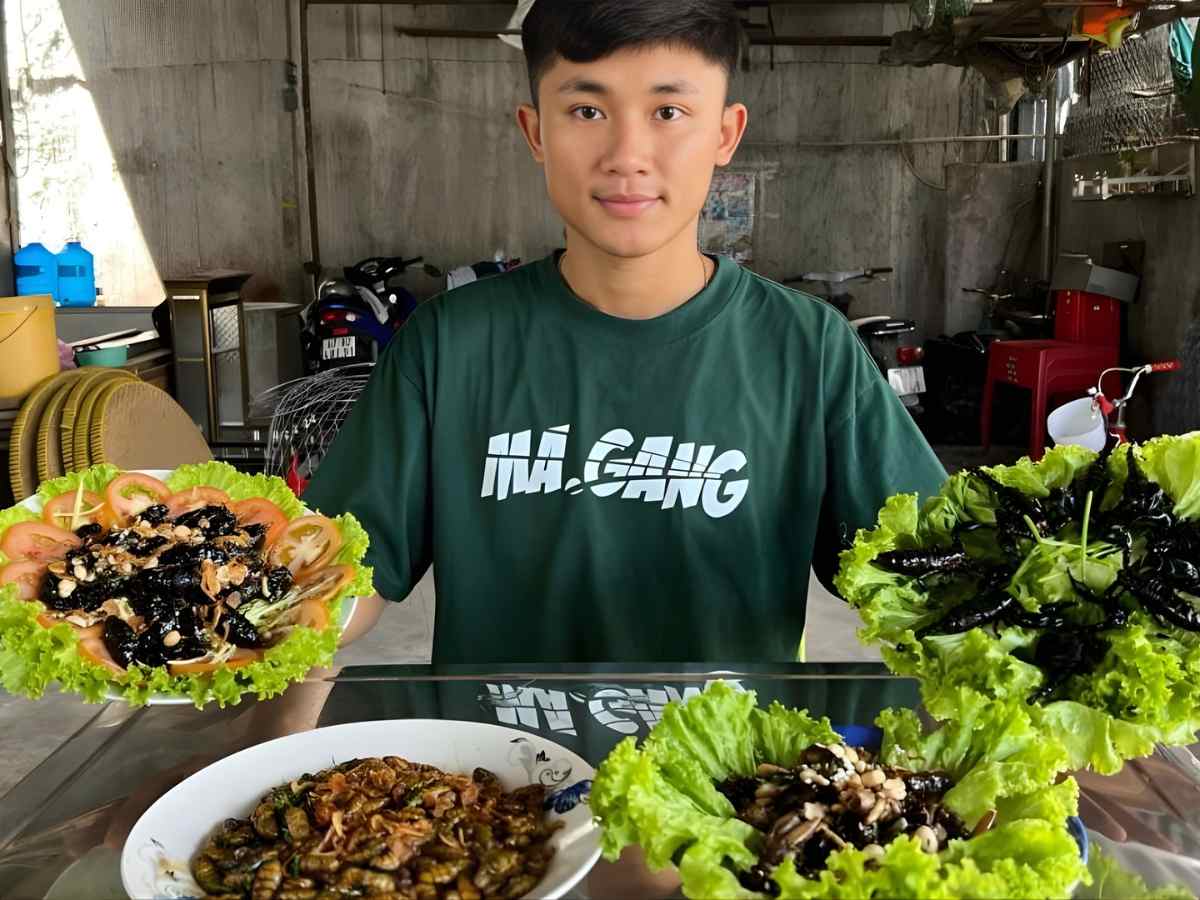
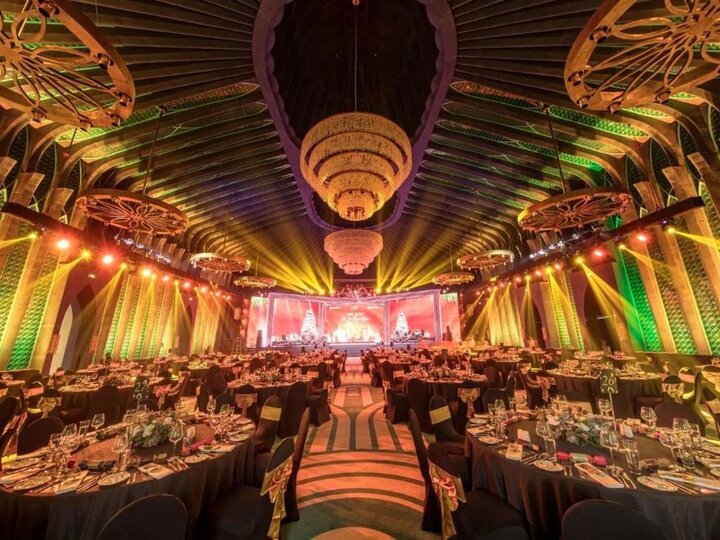
Cuisine combined with traditional performance art creates a deep cultural experience. (Source: Collected).
That culinary experience is reminiscent of art and performance programs at major tourist destinations. Sound, light, and stage space create strong emotions in a different way than cuisine. Although the forms of expression are different, both impact the personal perception of tourists.
The difference lies in the pace of experiencing during the trip. Cuisine offers direct perception through taste, while performance art impacts sight and hearing. When combining these two elements, the travel journey becomes more profound and leaves a richer aftertaste.
4.2. Proposed multi-experience itinerary
To make the trip richer, tourists can combine regional culinary exploration with relaxation or sightseeing activities. Alternating between dining and experiencing landscapes prevents the journey from becoming monotonous. Each activity complements the other in appreciating the land.
Balancing exploration and enjoyment allows tourists to flexibly adjust the pace of the trip. After novel culinary experiences, relaxing in a natural setting brings a lighter feeling. This prevents the trip from being too rushed. Arranging a reasonable itinerary also gives tourists time to observe local life. From traditional dishes to modern attractions, each element plays its own role. This combination creates a multi-dimensional travel picture.
By experiencing multiple types of activities within the same trip, tourists have the opportunity to understand the local culture and people more deeply. Experiences of cuisine, scenery, and emotions are naturally intertwined. This helps the trip leave a longer-lasting impression in memory.
Not a dish for every palate, bo cap Bay Nui represents the spirit of willingness to try and feel of An Giang's cuisine. When placed in the flow of modern tourism, this dish reminds us that each land has its own identity, formed by nature and the lives of local residents. The experience of tasting scorpion thus goes beyond just taste and opens a deeper perspective on the culture of the Bay Nui region.