















1. General Information about Mieu Ba Chua Xu Nui Sam Temple
1.1. Location and Spiritual Role in An Giang
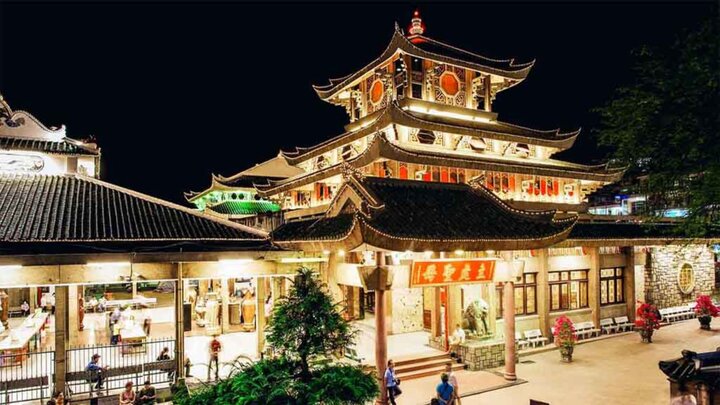
Mieu Ba Chua Xu Nui Sam Temple is located at the foot of Sam Mountain, An Giang province, and is a familiar spiritual destination in the Southwest region. The temple's location is in the low-lying area northwest of the mountain's base, with the main hall facing a vast field, creating a sense of openness and tranquility. This space is suitable for pilgrimage, worship, and prayer activities for both locals and tourists.
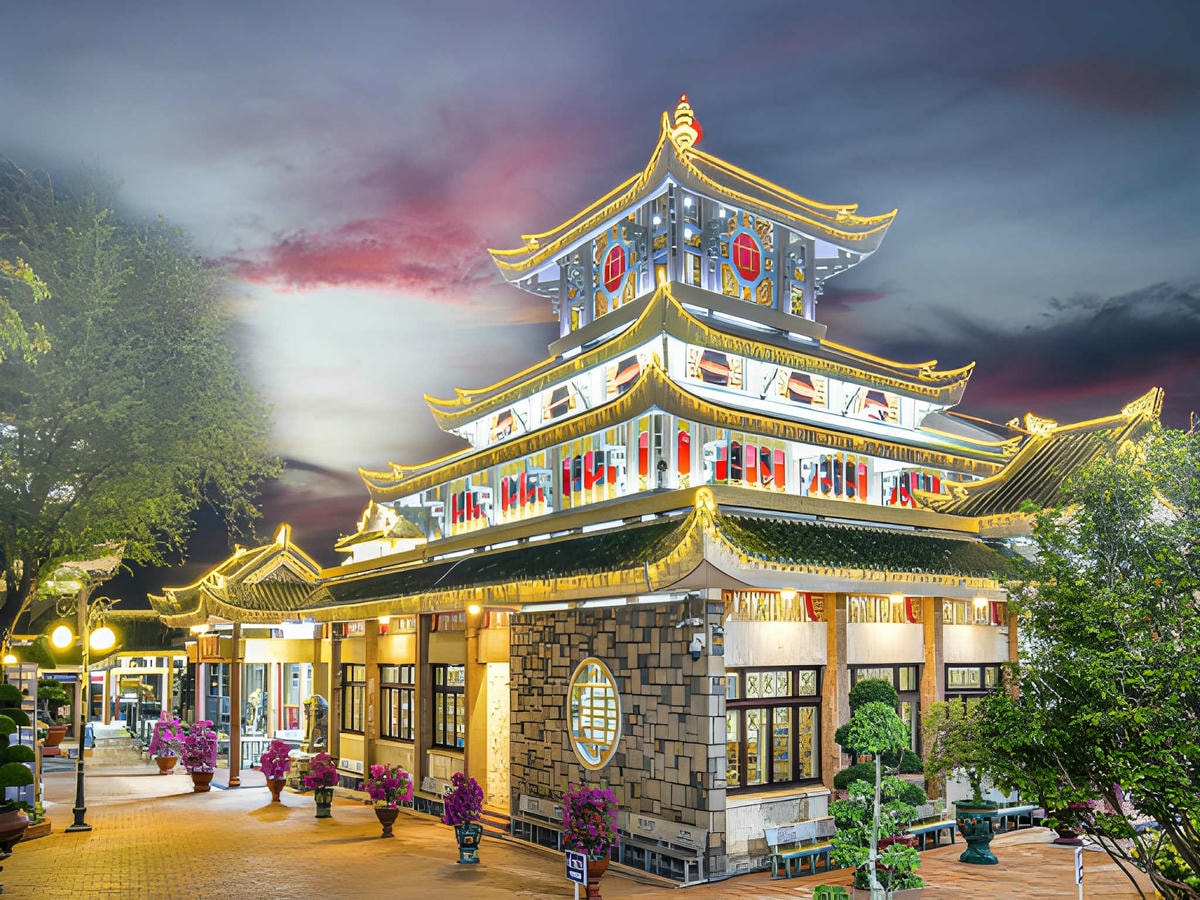
The Temple of the Lady of the Realm of Sam Mountain holds an important spiritual position in the life of An Giang. (Source: Collected)
With its location connected to Sam Mountain, the Temple of the Lady plays a crucial role in the spiritual life of An Giang residents for generations. People often come here to pray for peace, health, and family harmony during important times of the year. The steady stream of pilgrims has contributed to the formation of a distinct community spiritual activity.
The space around the temple harmonizes with the riverine and delta scenery, reflecting the natural characteristics of the Chau Doc region. The Temple of the Lady has gradually become a convergence point between folk beliefs and local cultural life, creating a unique imprint for An Giang's spiritual tourism. This role helps maintain the connection between traditional beliefs and the spiritual life of the people in the area.
1.2. Origin of the Name and Legend of the Lady of the Realm
According to stories passed down through folklore, the statue of the Lady of the Realm was discovered on the summit of Sam Mountain in the early 19th century and has since become an object of worship for the people of Chau Doc. Legend has it that when the Siamese army attempted to move the statue down the mountain, they encountered many obstacles, making the relocation impossible. This sparked the belief that the Lady possessed a special spiritual power, intrinsically linked to the land of Sam Mountain.
Another familiar anecdote suggests that the statue could only be carried by nine virgin girls, as a symbolic divine sign. After this event, the locals built the temple at its current location to worship and express their reverence. Over time, these stories continued to be told, contributing to the formation of a strong belief in the Lady of the Realm within the local spiritual life.
1.3. Characteristic Cultural and Historical Elements of the Sam Mountain Complex
The Temple of the Lady of the Realm of Sam Mountain not only holds religious significance but is also associated with the historical and cultural values of the An Giang region. The structure has been recognized as a National Historical and Cultural Relic, reflecting the formation and preservation of folk beliefs across generations. It also serves as evidence of the close connection between spiritual life and community activities in this area.
Besides the Temple of the Lady, the Sam Mountain complex also includes relics such as Tay An Ancient Pagoda and Thoai Ngoc Hau Mausoleum, creating a distinctive cultural space for An Giang's spiritual tourism. The presence of multiple religious structures in the same area indicates a long process of cultural exchange among different communities. This contributes to enriching the historical value and cultural identity of the Chau Doc land.
2. Architecture and Spiritual Space at the Temple of the Lady of the Realm
2.1. Temple Architecture and Distinctive Features
The Temple of the Lady of the Realm of Sam Mountain is currently built with a "quoc" (國) character layout, featuring a three-tiered roof with green tiles, creating a harmonious overall appearance. The structure uses reinforced concrete columns, stone-clad walls, and many traditional decorative details. This architecture is the result of several renovation phases, with most of its current appearance completed in the late 19th century.
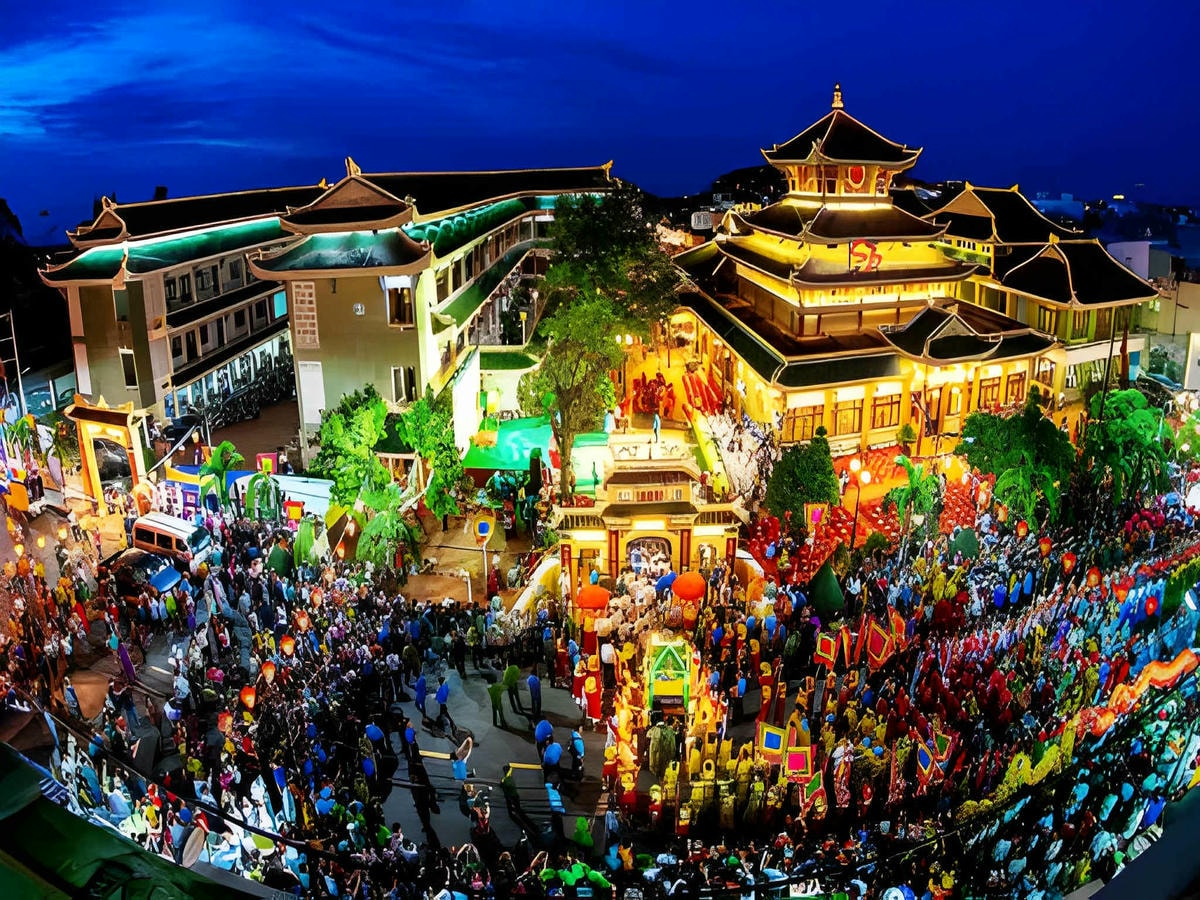
The architecture of Ba Chua Xu Temple features a traditional layout, harmonizing with the surrounding landscape. (Source: Collected)
The main facade of the temple is decorated with patterns on the door frames, horizontal lacquered boards, and parallel sentences, reflecting a combination of folk art and Eastern influences. Statues and bas-reliefs placed in the elevated areas of the sanctuary are in a classical sculptural style, creating a solemn atmosphere inside. These details contribute to highlighting the aesthetic value and spiritual depth of the structure.
2.2. Worship space and the meaning of rituals
The worship space in Ba Temple is arranged along a central axis, with the statue of Ba Chua Xu placed solemnly in the main hall. In front is the area for arranging altars, offerings, and items for the incense-offering activities of worshippers. This arrangement reflects respect and order in the community's spiritual life.
Rituals such as incense offering, the main sacrifice ceremony, the Túc yết ceremony, and the xây chầu ceremony are organized in a clear sequence, linked to specific times of the year. Especially during the Ba's festival season, the ceremonies attract a large number of participants, creating a solemn and devout atmosphere. These activities not only carry spiritual significance but also contribute to community cohesion and the preservation of local cultural traditions.
2.3. Pilgrimage experience of visitors
Many visitors coming to Ba Chua Xu Temple of Sam Mountain often clearly feel the solemn atmosphere from their very first steps. During the festival season from the 22nd to the 27th of the 4th lunar month, the number of pilgrims increases, creating a bustling scene while maintaining necessary order. The continuous flow of people offering incense and praying creates a familiar spiritual activity of this land.
The pilgrimage journey is often associated with preparing traditional offerings and simple wishes for the family. Many believe the trip is not just for sightseeing but also an opportunity to pause and find peace in their spiritual lives. This experience helps visitors better understand the spiritual culture and age-old beliefs of the people of An Giang.
3. Ba Chua Xu Temple Festival and local cultural life
3.1. Festival timing and scale
The Vía Bà Chúa Xứ Núi Sam festival is a spiritual cultural event held annually at Ba Chua Xu Temple and its surrounding areas. The festival takes place from the 22nd to the 27th of the 4th lunar month, lasting for several days with a series of continuous traditional rituals. Throughout this period, people and visitors from many regions gather to participate in pilgrimage and worship activities.
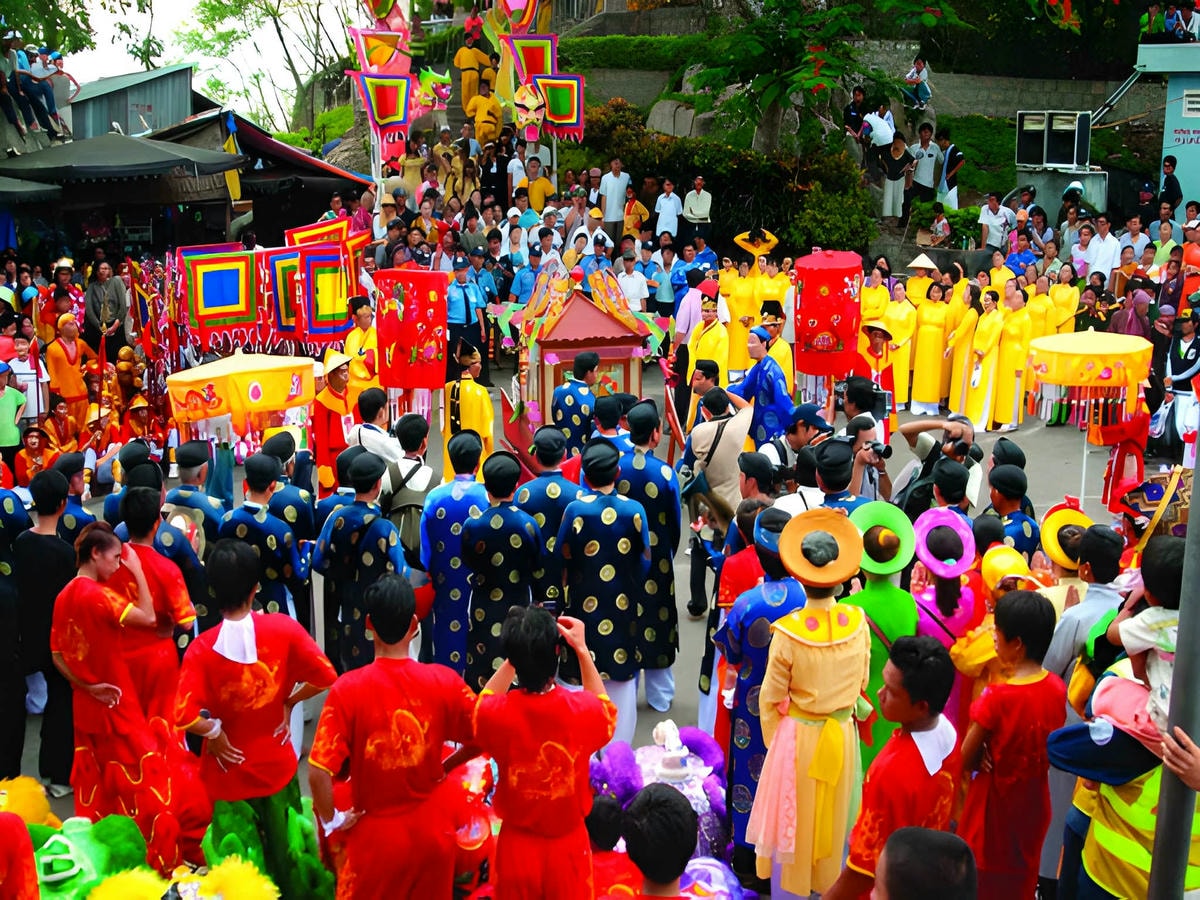
The Via Ba Chua Xu Festival takes place on a large scale, attracting a large number of pilgrims. (Source: Collected)
The festival plays an important role in the cultural life of the community in Chau Doc, An Giang province. The main rituals such as the Re-enactment Ceremony, the Bathing of the Goddess Ceremony, the Decree Inviting Ceremony, and the Main Worship Ceremony are organized sequentially, attracting a large number of participants. The scale of the festival has gradually expanded over time, reflecting the continuous maintenance of folk beliefs in local life.
3.2. Typical Traditional Rituals
The Re-enactment Ceremony is one of the important opening rituals of the festival, recreating the legend of carrying the statue of Ba Chua Xu from the peak of Sam Mountain to the place of worship. The ritual is performed by a carrying team in traditional attire, creating a solemn atmosphere from the very beginning. This activity signifies the origin of the belief associated with the land of Sam Mountain.
Next is the Bathing of the Goddess Ceremony, which takes place at midnight on the 23rd and early morning of the 24th of April of the Lunar calendar, when the statue of the Goddess is washed with fragrant water according to traditional rites. Rituals such as the Decree Inviting Ceremony, the Solemn Offering Ceremony, the Main Worship Ceremony, and the Decree Returning Ceremony are held in the following days, each with its own spiritual significance. This series of activities demonstrates the cultural connection and religious faith of the community living around the area.
3.3. Spiritual Festival in the Modern Tourism Landscape
In the current flow of experiential tourism, the Mieu Ba Chua Xu Sam Mountain festival retains its traditional pilgrimage essence. Visitors come here not only to sightsee but also to explore the depth of local culture and beliefs. This experience differs from modern entertainment tourism activities like visiting Sun World Hon Thom or watching the Symphony Of The Sea show, where the focus is placed on rituals and community life.
4. Useful Information for Visiting Mieu Ba Chua Xu Sam Mountain
4.1. Suitable Time to Visit Mieu Ba Chua Xu
The period from the 22nd to the 27th of April of the Lunar calendar is when the Via Ba Chua Xu festival takes place, attracting a large number of pilgrims and tourists. This is a suitable time for those who wish to directly participate in the rituals and experience the characteristic atmosphere of religious activities. The space during these days carries a solemn tone mixed with a clear sense of community life.
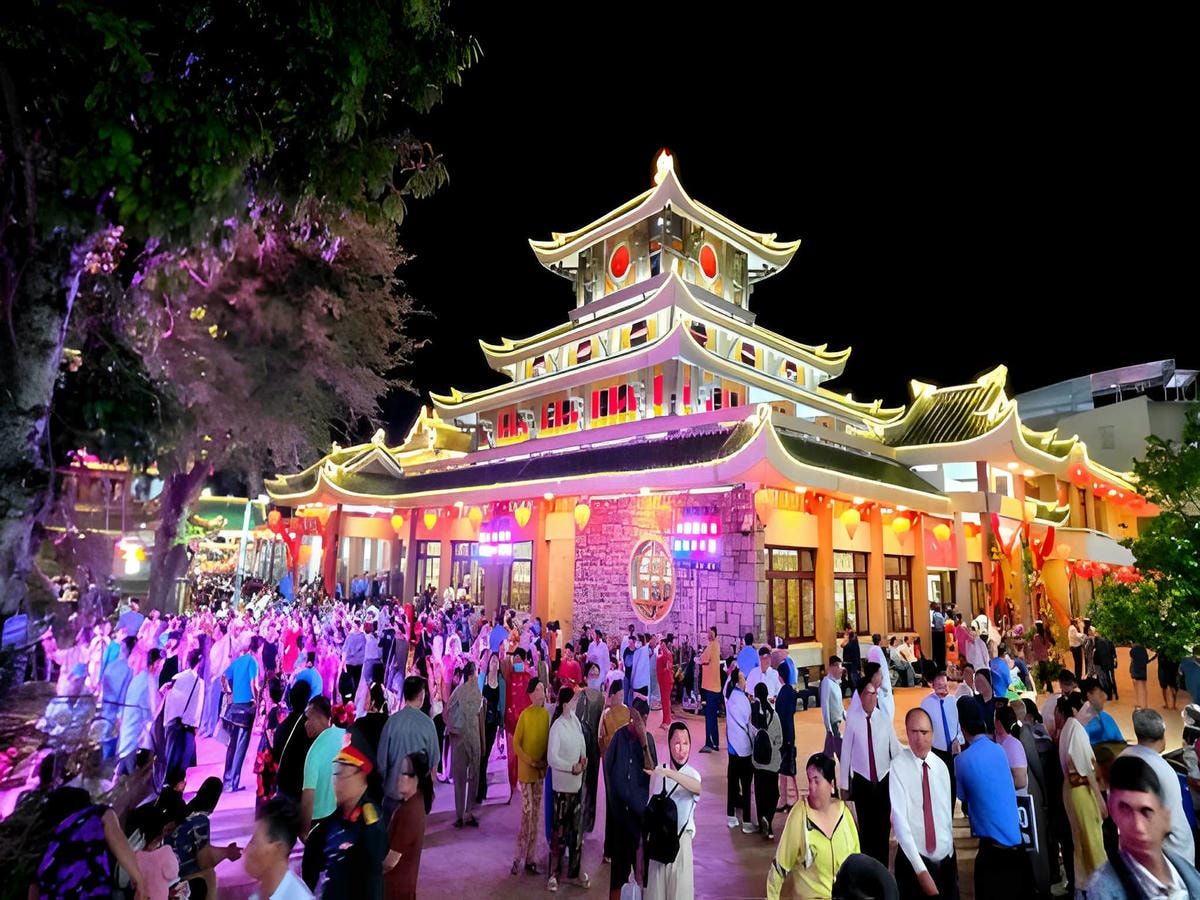
The festival season creates a vibrant spiritual space at Ba Chua Xu Temple. (Source: Collected)
Besides the festival season, visitors can choose to visit the temple in other months of the year to experience the tranquility of the spiritual space. The number of visitors during this period is usually more stable, creating favorable conditions for worship. Proactively choosing the time helps the trip better suit personal needs.
4.2. Points to Note When Visiting and Pilgrimage
When visiting Ba Chua Xu Temple of Sam Mountain, visitors should choose modest and polite attire to suit the sacred space. This shows respect for local beliefs and traditional rituals. Appropriate attire also facilitates a smoother pilgrimage.
Within the temple area, maintaining order and adhering to the guidance of the relic management board is essential. Visitors should move quietly, queue when offering incense, and refrain from making noise in the main hall. These notes contribute to maintaining a common space for everyone to visit and worship.
Additionally, choosing to visit early in the morning or on weekdays can help avoid crowds. This time allows for closer observation of the temple's architecture and sacred space. It is also an opportune moment to clearly feel the spiritual atmosphere at Sam Mountain.
4.3. Options for Combining Multi-Regional Tourism Experiences
During the journey to explore Ba Chua Xu Temple of Sam Mountain, visitors can combine visits to nearby relics such as Tay An Ancient Pagoda and Thoai Ngoc Hau Tomb. These destinations are located within the same Sam Mountain ward, convenient for day trips. Connecting these sites helps broaden perspectives on An Giang's history and culture.
Furthermore, the trip can be extended to other destinations in the Mekong Delta region. Visitors have the opportunity to explore riverine landscapes, local cuisine, and characteristic folk life. This combination creates a harmonious journey between spiritual experience and regional cultural exploration.
Ba Chua Xu Temple of Sam Mountain is not only a sacred pilgrimage site but also a place that preserves the deep cultural and spiritual heritage of the Southwest region of Vietnam. When placed within a broader travel itinerary, from An Giang to vibrant destinations developed by Sun Group, visitors' trips become complete with a harmonious blend of spirituality, culture, and modern experiences.