















When "Micro-Experiences" Determine Macro Competitiveness
Tourists are increasingly influenced by "micro experiences," which are the small touchpoints throughout their journey. An airport taxi ride, a customer support call, or a driver's attitude is sometimes all it takes to shape an impression of an entire country.
What is currently happening in Thailand is a clear testament to this trend. A survey conducted by the Tourism Council of Thailand among 302 international tourists in the fourth quarter of last year revealed that overcharging by taxis and fraudulent tour operators are now among the biggest concerns for visitors to the country.
Many tourists reported that upon arriving in Thailand, some drivers would only accept a ride if the passenger agreed to a flat rate instead of using a meter based on distance. This practice leaves tourists feeling "scammed" from the very first minute they set foot in the destination. "No Thai taxis, please," an exasperated sentiment echoed by many tourists, according to the Pattaya Mail.
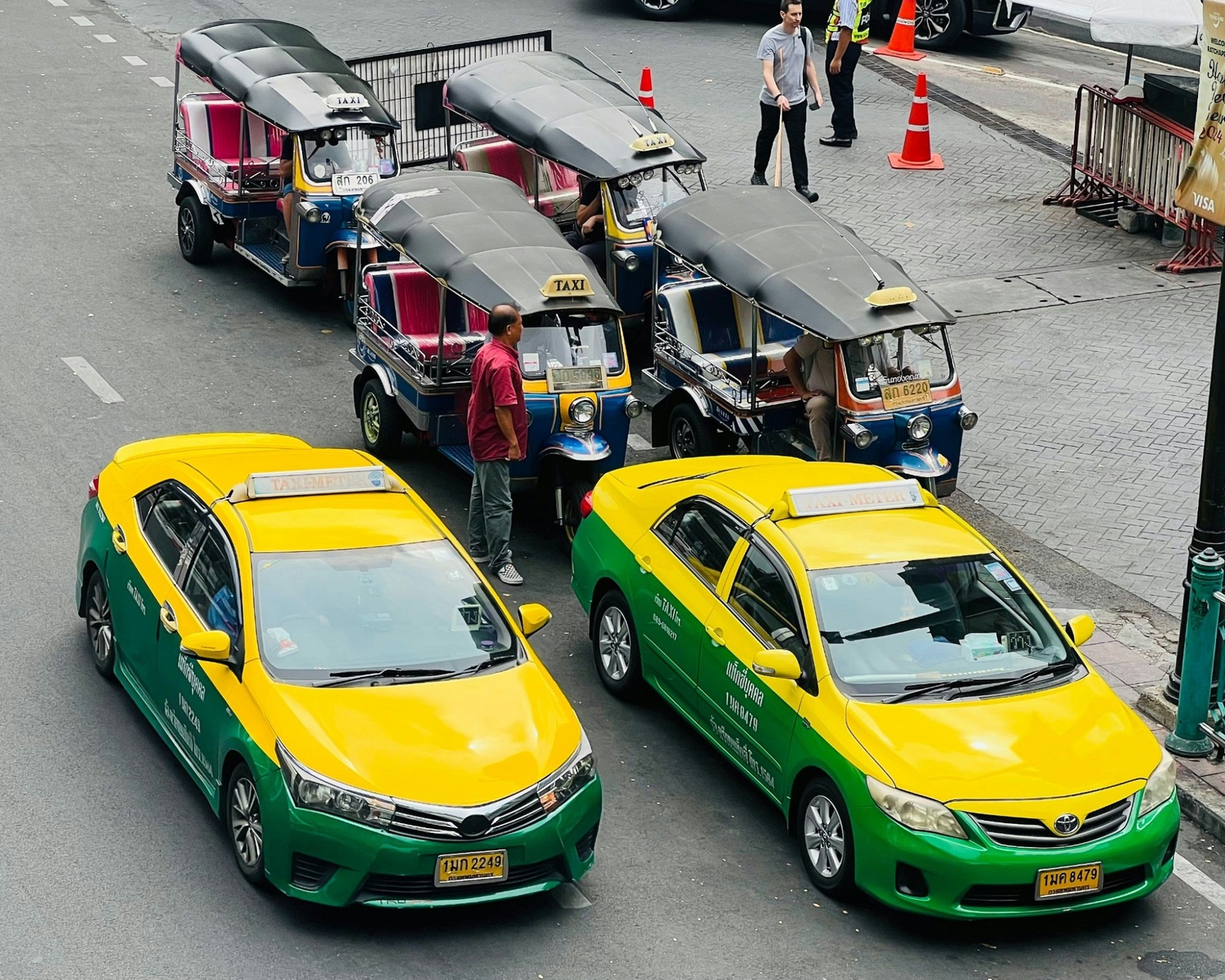
A perfect journey in Thailand can be compromised simply by substandard services right from the start. Source: Unsplash
These "minor scratches" are creating a compounding effect, hindering Thailand's robust tourism recovery efforts following the global COVID pandemic. According to Bloomberg, the number of international visitors to the country dropped by 7.2 percent last year to 32.9 million.
This downward trend aligns with a study published in Scientific Reports, which indicates that tourists typically synthesize multiple experience signals to form their travel decisions, rather than evaluating individual factors in isolation. When negative touchpoints accumulate over time, a single service interaction that falls below expectations can degrade the visitor's perception of the entire destination.
The pressure from these "small signals" with massive impacts has forced Thai authorities to step in. The Pattaya Mail reported that police forces in Pattaya, Phuket, and Bangkok have intensified crackdowns on unethical practices in the tourism industry, specifically targeting taxi drivers who exploit tourists through price gouging, refusing service, and other violations.
Phu Quoc Opts for Early Prevention Over Damage Control
The reality in Thailand demonstrates that once "faulty touchpoints" are allowed to accumulate, rectifying them becomes not only financially costly but also severely damaging to the destination's image and tourism revenue.
The lesson from the neighboring country presents an issue that Vietnam's tourism industry must address seriously. Particularly with APEC 2027 set to be hosted in Phu Quoc, the imperative to elevate experience standards goes beyond improving isolated services; it has become a strategic challenge in destination management. The solution lies in proactively standardizing the smallest links across every touchpoint of the tourist's journey.
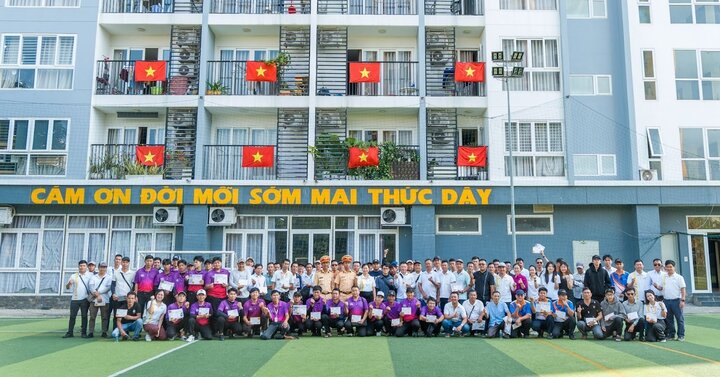
Recognizing this, the People's Committee of the Phu Quoc Special Economic Zone has implemented synchronized solutions to build a safe, civilized, and transparent destination. Kicking off the plan to cultivate a "Green Tourism Culture" was the Driver Training Program held on January 28, 2026, in collaboration with Sun Paradise Land Phu Quoc, part of the Sun Group ecosystem.
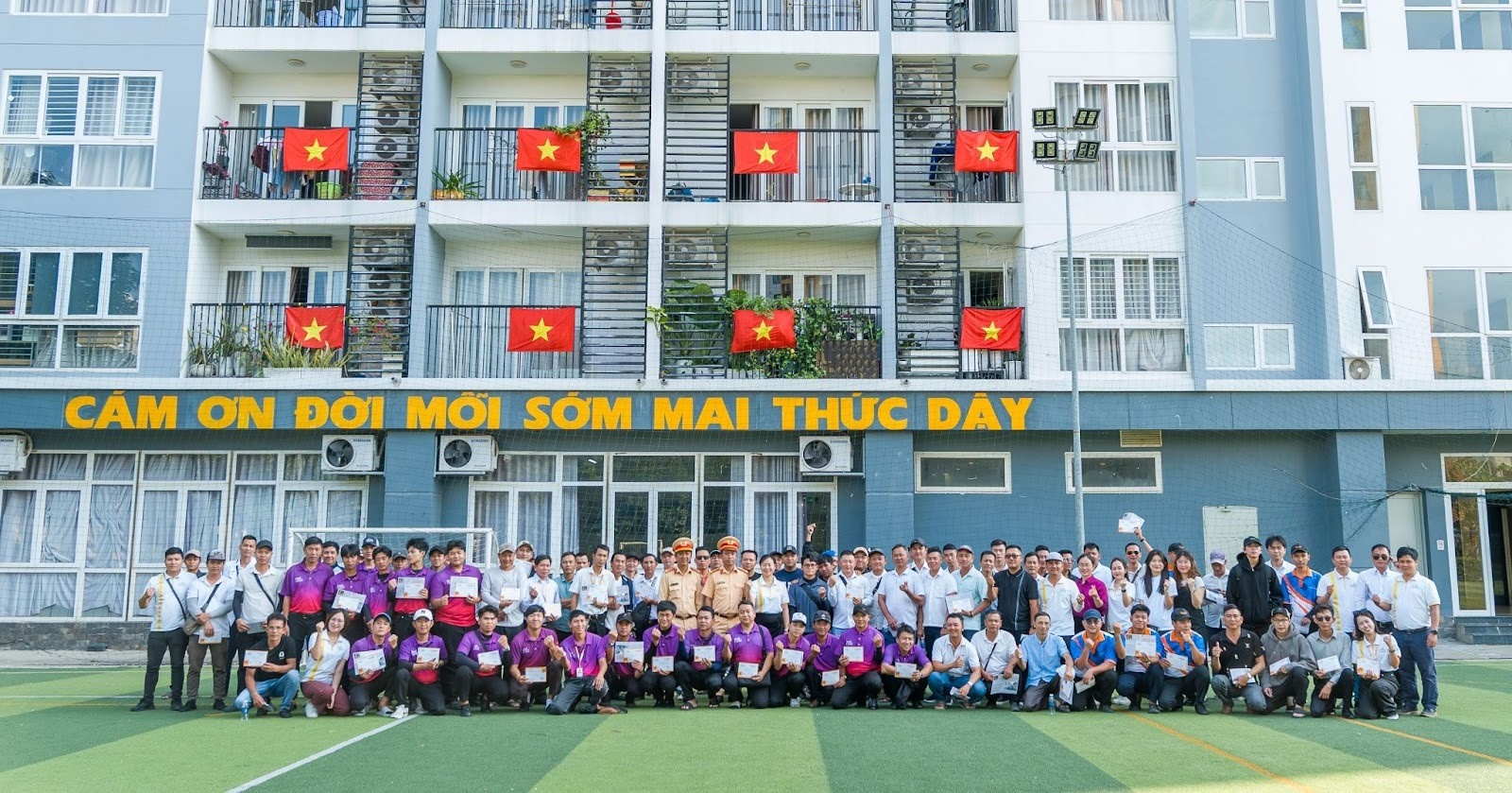
The People's Committee of the Phu Quoc Special Economic Zone organizes the Driver Training Program in partnership with Sun Paradise Land Phu Quoc, part of the Sun Group ecosystem
Guided by the special economic zone's vision, every individual in the service chain, from drivers to waitstaff, is viewed as a tourism ambassador. When behavioral standards are uniformly established, the resulting value goes beyond improving the destination's image; it translates into higher tourist satisfaction and an increased likelihood of return visits. This approach shows Phu Quoc proactively tightening standards right at the frontline, viewing the driver workforce as a crucial link to eliminate service "friction" from the very moment a tourist arrives.
Notably, a Tourism Rapid Response Team was recently established to promptly receive and handle tourist complaints, as well as coordinate the resolution of emerging situations related to security, safety, and service quality. Managed by the Phu Quoc People's Committee, the team is led by Ms. Nguyen Thi Kim Loan, Vice Chairwoman of the Special Economic Zone, and includes personnel from the police force, market management, health sector, economic division, and representatives from the Tourism Association.
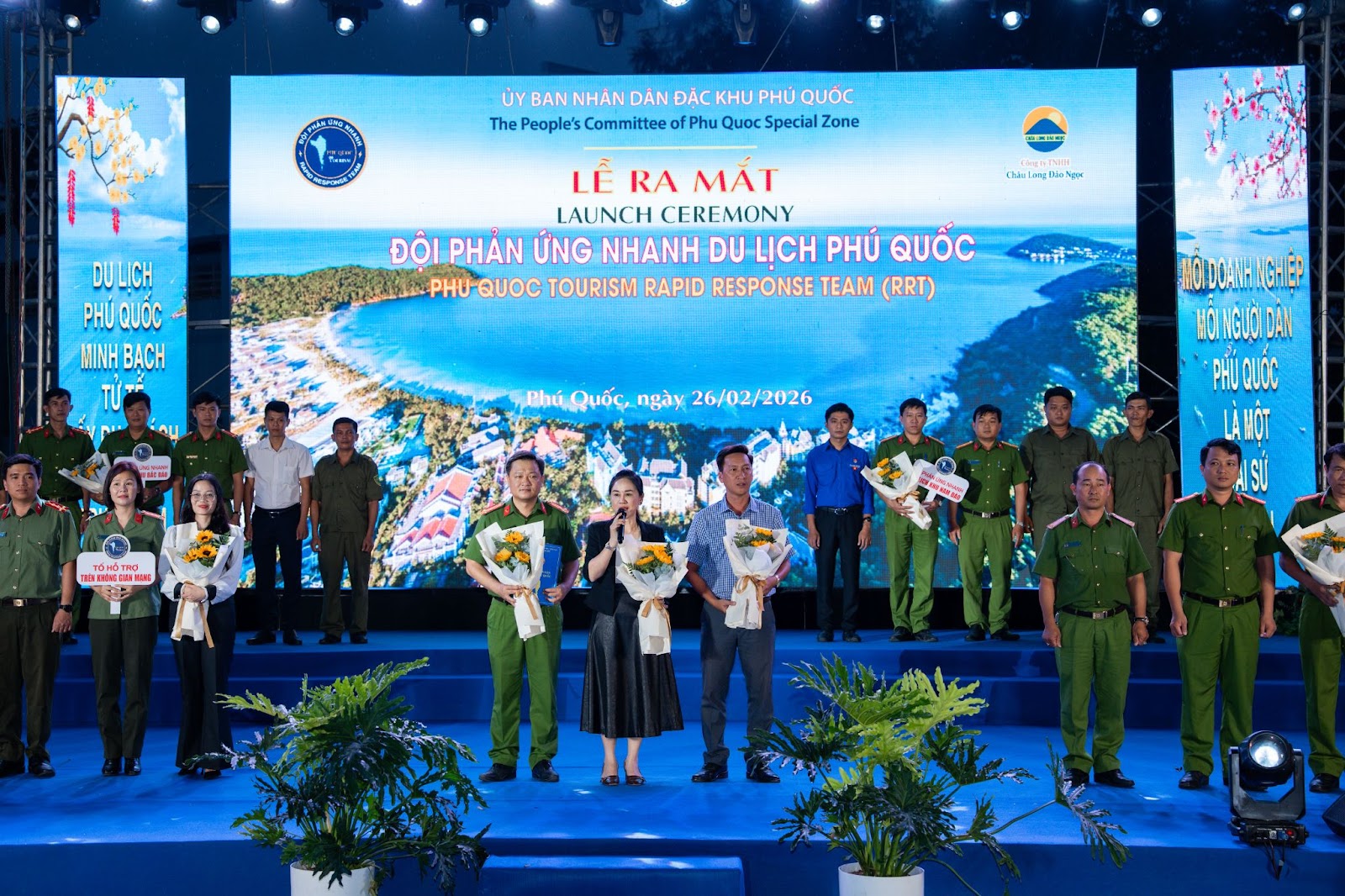
Phu Quoc launches the Tourism Rapid Response Team
Establishing a rapid response mechanism enhances the local government's coordinating role and creates a service safety net for tourists. It also sends a clear message about the destination's proactive stance in protecting the legitimate rights of visitors and preserving its tourism image.
Alongside this, a comprehensive Code of Conduct has been developed for the entire tourism ecosystem, spanning accommodations, travel agencies, transportation, local communities, and public officials. The core principles focus on price transparency, eliminating price gouging and unfair competition, protecting the environment, upholding the rule of law, and respecting tourists.
As APEC 2027 approaches, the tourist experience is no longer merely an operational task; it has become a direct test of destination management capability. What Phu Quoc is currently implementing showcases a proactive approach: early prevention, standardizing from the roots, and establishing a quality filter right at the frontline of services.
Crucially, this process is not solely a government effort but features clear collaboration from the corporate sector, including the pioneering role of leading private economic conglomerates like Sun Group. This involvement reflects the responsibility of businesses to partner with the locality in gradually establishing sustainable tourism standards. This aligns with Environmental, Social, and Governance criteria, which are rapidly becoming key metrics for the capacity for long term development of destinations and tourism businesses alike.

Starting from small touchpoints, Phu Quoc is demonstrating a renewed appeal to global travelers
These standardization efforts, beginning with every single ride and small touchpoint today, will serve as the foundation for Phu Quoc to prove its ability to win over premium international tourists in a new era of competition driven by experience.