















1. Experiencing Banh Bo Thot Not in the Context of An Giang Cuisine
1.1. The Role of Palm in the Lives of Local People
The palm tree is closely associated with the daily life of the people in the Bay Nui region, An Giang province, where many parts of the tree are utilized in daily activities. From drinks and jams to traditional cakes, palm serves as a familiar ingredient in local cuisine. The presence of palm reflects the strong connection between people and local resources.
Palm sugar, made from the tree's sap, has a natural aroma and a delicate sweetness, often appearing in many traditional An Giang dishes. This type of sugar contributes to a unique flavor, distinct from common refined sugars. Thanks to this, many local dishes have maintained their characteristic culinary identity through generations.
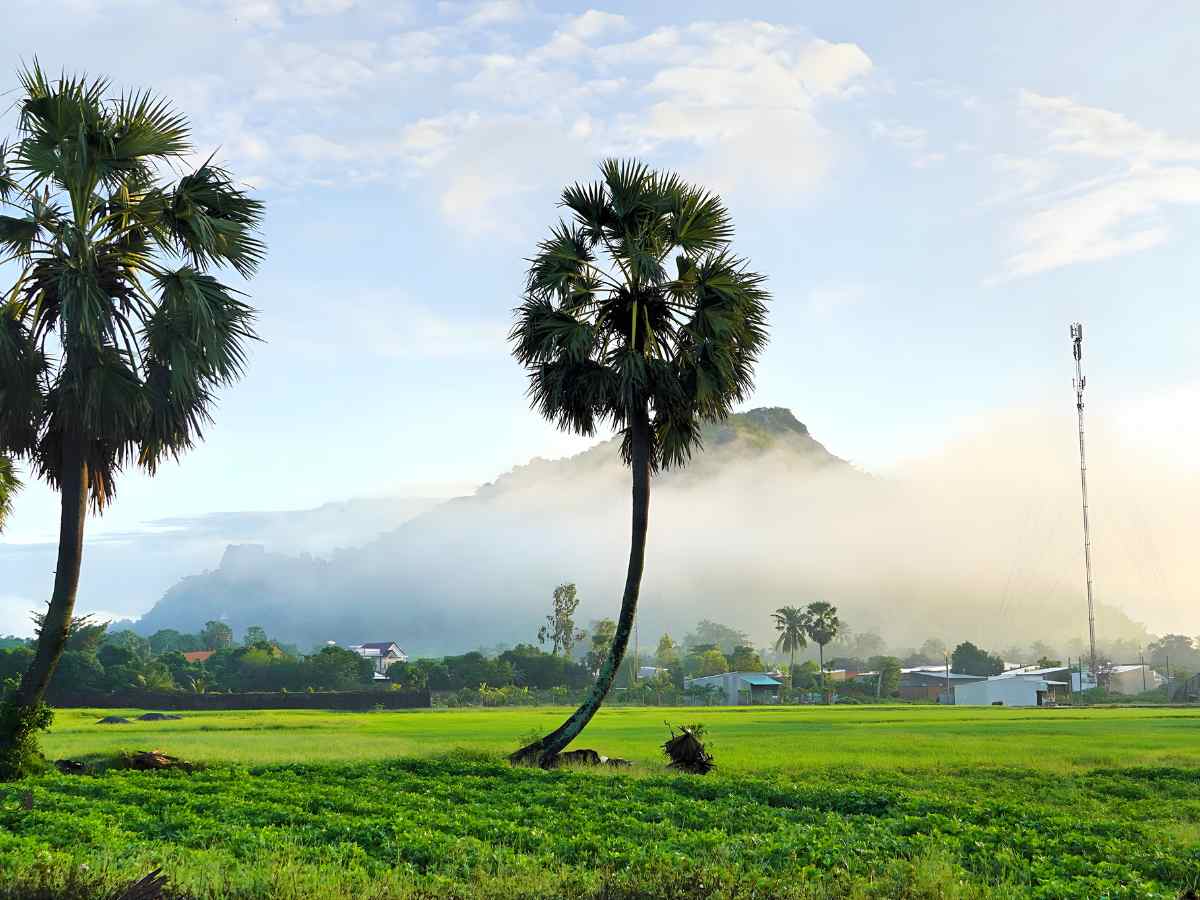
Toddy palm is closely associated with the daily life and cuisine of the local residents. (Source: Collected)
Local people exploit and process toddy palms through many manual stages, demonstrating long-accumulated experience. Products from toddy palms, including palm sugar, provide a stable income for many farming households in areas such as Chau Doc and Tinh Bien. The use of toddy palms both serves daily life and contributes to maintaining local livelihoods.
For the Khmer Nam Bo community in An Giang, the toddy palm is considered a tree of special significance in daily life and traditional rituals. Every part of the tree is utilized, with palm sugar being a familiar ingredient in many dishes. The culinary value of the toddy palm is evident in how locals select suitable ingredients to preserve the characteristic flavor for cakes and sweets.
1.2. Analysis of the position of toddy palm cake in the Western region's culinary culture
An Giang toddy palm cake is a familiar dish in the daily life of people in the Western region, especially in An Giang province. This cake is commonly found in family meals and local markets, closely linked to the rhythm of community life. Over time, toddy palm cake has become a part of the culinary memory of the Bay Nui region.
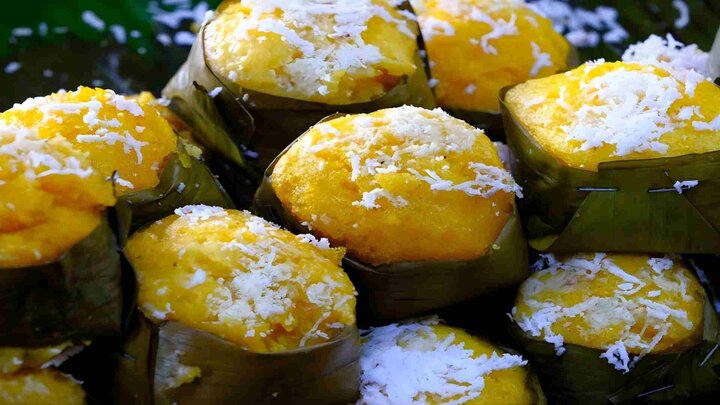
Thanks to the use of palm sugar, the cake has a warm yellow color and a delicate aroma, creating a distinct impression compared to other types of bò cakes. The mild sweetness and slight richness make the cake easy to eat, suitable for breakfast or as a light snack during the day. The simple way of enjoying it reflects the rustic eating style of the people in the Western region.
Toddy palm cake also often appears during family gatherings or intimate meetings. For tourists, this cake offers a close culinary experience, helping them understand more about local life and culture. As a result, toddy palm cake holds a memorable place in the journey of exploring An Giang's cuisine.
2. Characteristics of ingredients and cake-making techniques
2.1. Palm sugar and its value in creating flavor
Palm sugar plays an important role in creating the color and aroma of toddy palm cake in An Giang. When combined with rice flour and coconut milk, this sugar imparts a warm yellow hue and a light, recognizable fragrance. From the ingredient selection stage, cake makers focus on preserving the natural characteristics of palm sugar.
The sweetness of palm sugar is delicately mild, differing from the sharp sweetness of regular granulated sugar. This allows the toddy palm cake to maintain a harmonious flavor, without causing a heavy taste when consumed. This is also a factor that creates the unique identity of the cake in Western Vietnamese cuisine.
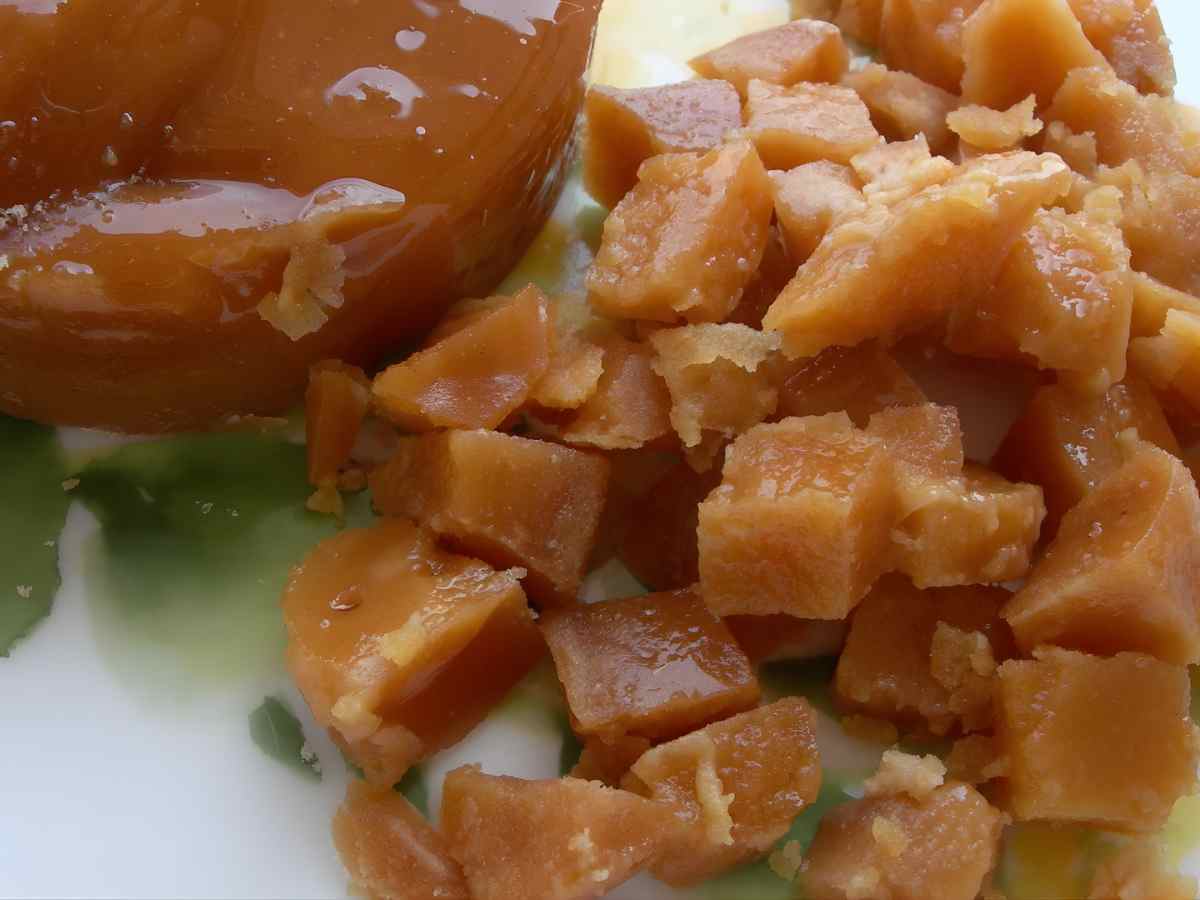
Palm sugar creates natural color and flavor for traditional cakes. (Source: Collected)
During the cake-making process, palm sugar blends with fermented rice and coconut milk, creating a characteristic aroma. Bakers often prioritize using pure palm sugar to preserve the traditional flavor. This choice reflects the appreciation for local ingredients in the culinary culture of An Giang.
Besides its flavor-enhancing value, palm sugar also provides a natural energy source for the cake. When combined with other ingredients, the cake achieves a smooth texture and natural color, without the need for added coloring agents. This contributes to keeping the An Giang palm sugar steamed cake simple and relatable to consumers.
2.2. Cake Texture and the Process of Creating Sponginess
The sponginess of the palm sugar steamed cake is formed from the natural fermentation process of the batter. Bakers typically let the batter ferment with rice starter for an appropriate period to allow the yeast to develop evenly. As a result, the cake rises well when steamed, creating its characteristic soft and spongy texture.
During the steaming process, small air pockets form and distribute evenly throughout the cake, creating a light and airy feel when eaten. This texture prevents the cake from being dense or dry, while also maintaining a moderate level of moisture. This is a clear difference compared to many cakes that do not use natural fermentation methods.
The ratio of rice flour, fermented rice water, and coconut milk directly affects the cake's softness and moisture. Bakers must control the steaming time and temperature to ensure the cake rises evenly and does not become tough. The harmonious combination of ingredients and techniques creates a stable structure for each batch of cake.
Thanks to the meticulous preparation process, the palm sugar steamed cake retains its soft, spongy texture and is easy to eat. This contributes to a light eating experience, suitable for many people. The cake's texture also reflects the baking experience passed down through generations in the Bay Nui region.
3. Enjoying and Perceived Value
3.1. How to Enjoy An Giang Palm Sugar Steamed Cake Authentically
An Giang palm sugar steamed cake is usually enjoyed while still warm to preserve its softness, sponginess, and the natural aroma of the ingredients. At this time, the scent of palm sugar mixed with coconut milk is clearly diffused, creating a pleasant sensation from the very first bite. This way of eating allows consumers to clearly feel the balance between the mild sweetness and the light richness.
When the cake is just perfectly cooked, its internal texture remains moist and smooth, not dry or dense. Each piece of cake melts gently in the mouth, providing a light and easy-to-eat sensation. This is when the cake most clearly expresses the characteristic flavor of traditional ingredients.
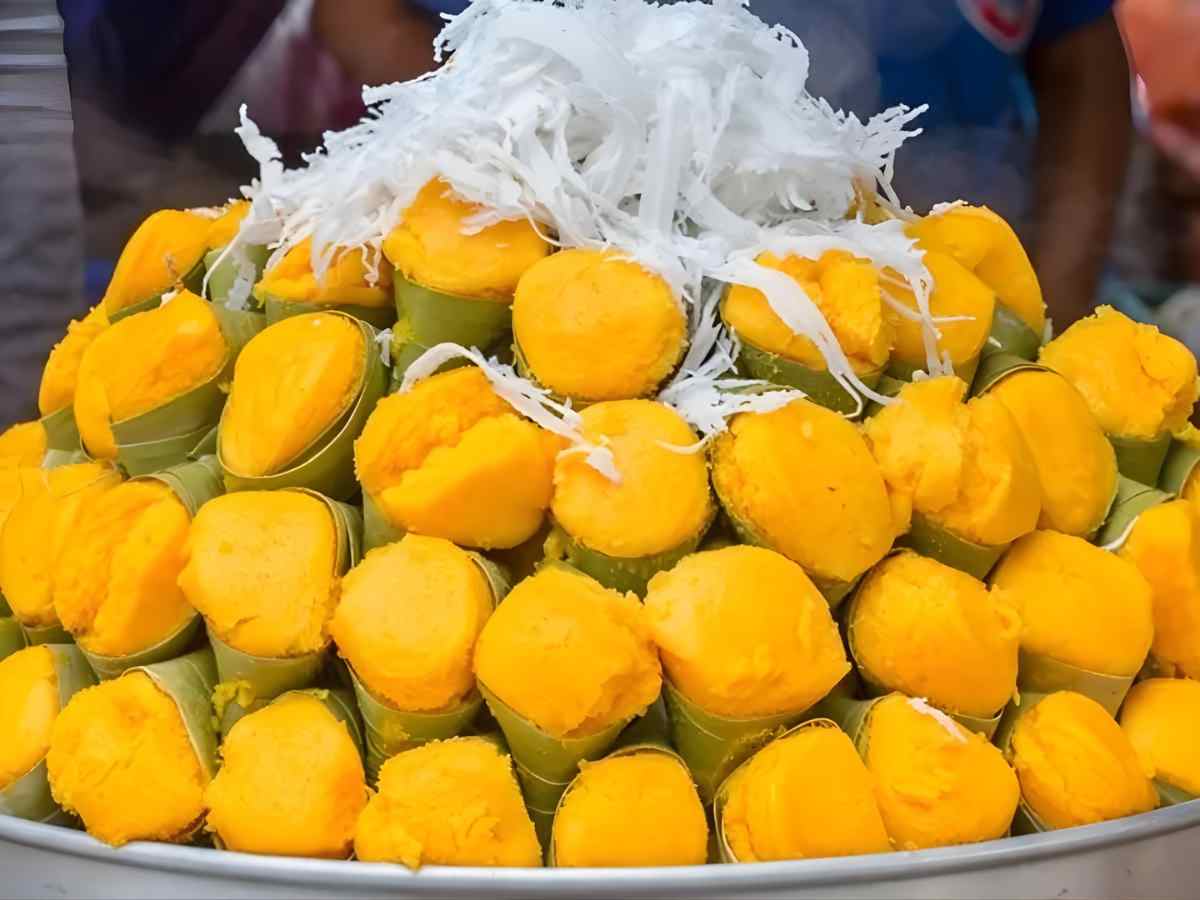
Steaming palm sugar cake preserves its soft, spongy texture and delicate sweetness. (Source: Collected)
Enjoying palm sugar honeycomb cake in its authentic form requires no elaborate toppings or complex variations. This simplicity highlights the cake's inherent rustic and refined flavor. Such a way of enjoying it reflects the familiar, down-to-earth culinary habits of the Mekong Delta people. It offers a simple yet complete culinary experience.
Besides eating it while still warm, many locals often choose to enjoy the cake with hot tea or a light herbal drink. This combination helps balance the cake's delicate sweetness while enhancing the natural aroma from the palm sugar. This leisurely way of enjoying it suits the familiar pace of life in the Mekong Delta.
3.2. An Giang's Palm Sugar Honeycomb Cake in the Context of Culinary Tourism
During a journey to explore An Giang, palm sugar honeycomb cake often leaves a deep impression on many tourists. The cake offers a taste experience tied to local ingredients and traditional preparation methods. Through this, tourists can better perceive the culinary life of the Seven Mountains region.
The sweet taste from palm sugar combined with coconut milk creates a pleasant sensation, suitable for many palates. More than just a food, palm sugar honeycomb cake also evokes stories about the local culture and living customs. This very element makes the cake memorable during a travel journey.
In the trend of exploring local cuisine, palm sugar honeycomb cake is often mentioned as a representative experience of An Giang. The cake contributes to enriching the culinary landscape of the Mekong Delta. As a result, the travel journey is not just about scenery but also extends to cultural depth.
For tourists who enjoy on-site experiences, savoring palm sugar honeycomb cake right at a local market or near residential areas provides a more authentic feel. The simple setting and unpretentious display help the cake retain its inherent familiarity. This context contributes to enhancing the value of the culinary experience during an exploration of An Giang.
4. Culinary Culture in the Flow of Modern Tourism
4.1. From Rural Cake Flavors to Multi-dimensional Travel Experiences
Local cuisine, such as palm sugar honeycomb cake, plays a crucial role in shaping authentic travel experiences. When encountering this rustic delicacy, tourists not only savor its taste but also feel the way of life connected to the Mekong Delta. The culinary experience thus becomes a natural approach to understanding local culture.
The slow pace of life in the riverine region is clearly reflected in the making and enjoyment of palm sugar honeycomb cake. The cake does not demand haste but encourages the eater to savor each layer of flavor leisurely. This creates a harmony with the trend of tourism seeking relaxation and mental balance.
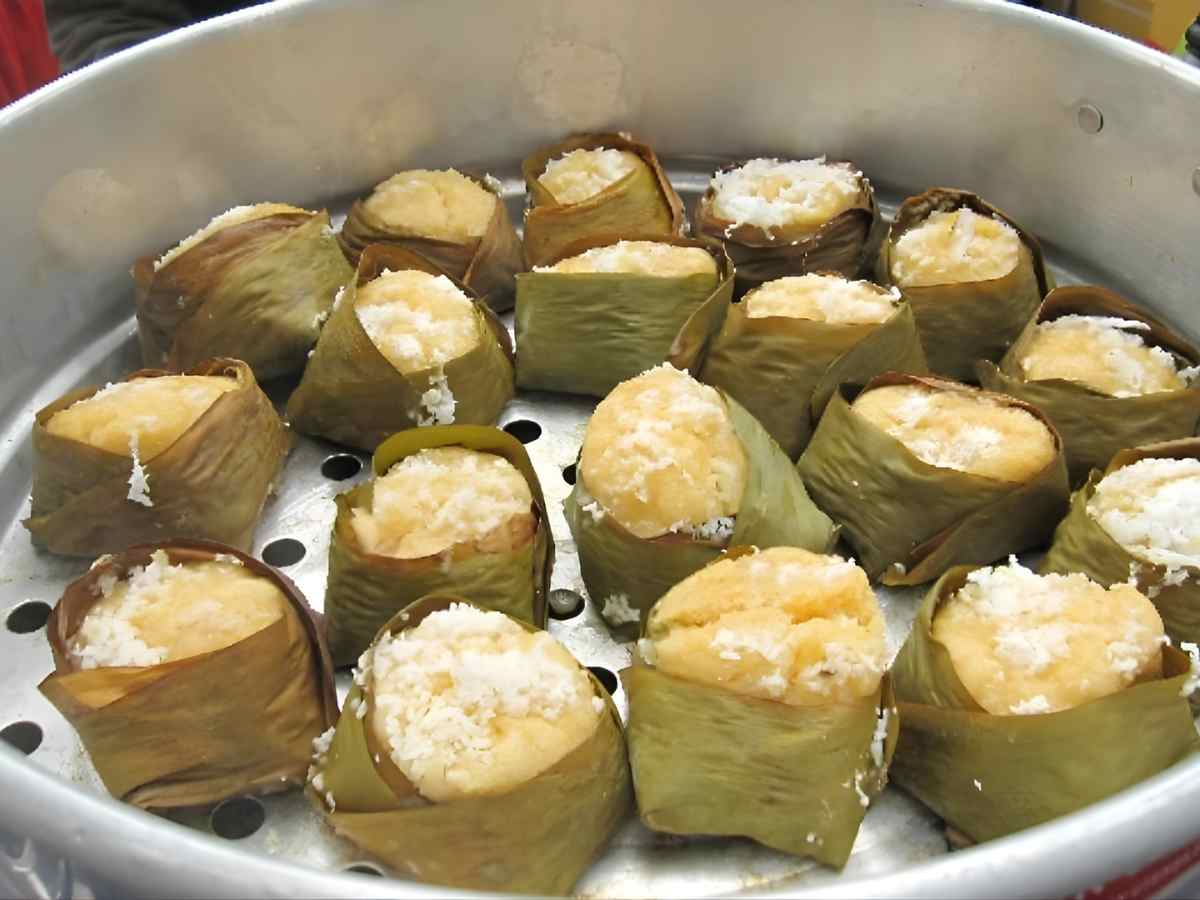
From a rustic cake, palm sugar cuisine becomes a cultural tourism experience. (Source: Collected)
In modern tourism journeys, traditional dishes play a role as an additional layer of experience to the scenery and sightseeing activities. Palm sugar steamed rice cake appears as a gentle stop amidst the exploration itinerary. Through this, the trip is not just about moving between places but also a journey to feel the depth of culture.
When a rustic dish is placed in the context of a resort tourism, the visitor's experience becomes more layered. Taste, emotions, and cultural knowledge are all activated in a simple moment of enjoyment. It is this interaction that helps palm sugar steamed rice cake transcend its role as a common dish, becoming a part of a personalized tourism experience.
4.2. Connecting culinary spirit with resort and entertainment spaces
The appearance of palm sugar steamed rice cake in the tourism journey creates a connection between tradition and modern life. When tourists experience the cake interspersed with resort and entertainment activities, their emotions are flexibly transformed between various states. This makes the journey more vibrant and memorable.
In the context of increasingly invested resort spaces, traditional cuisine plays a role in balancing the experience. The rustic cake helps tourists slow down, observe, and better feel the local values. This gentle contrast helps highlight both traditional and modern elements of the trip.
Combining the enjoyment of local specialties with relaxation activities opens up a more comprehensive perspective on the destination. Tourists access the place not only through scenery or amenities but also through flavors and cultural stories. Thereby, the tourism experience becomes seamless and profound.
Simple in form but rich in cultural meaning, An Giang palm sugar steamed rice cake clearly reflects the connection between cuisine and human life. When placing this cake within the flow of contemporary tourism, its value lies not only in its flavor but also in its ability to evoke memories and emotions associated with the land. Thus, palm sugar steamed rice cake becomes a bridge that helps tourists better feel the local cultural identity.