















1. General Information about An Giang Museum
1.1. Background of the establishment of the museum
An Giang Museum was formed in a context where the locality increasingly cared about preserving and conserving materials related to the province's history and culture. An Giang is a land with a long history of settlement, associated with many successive cultural layers such as Oc Eo culture, the process of reclaiming the South, and modern and contemporary historical periods. The need to gather artifacts and documents scattered among the people and specialized agencies thus became clearer over time.
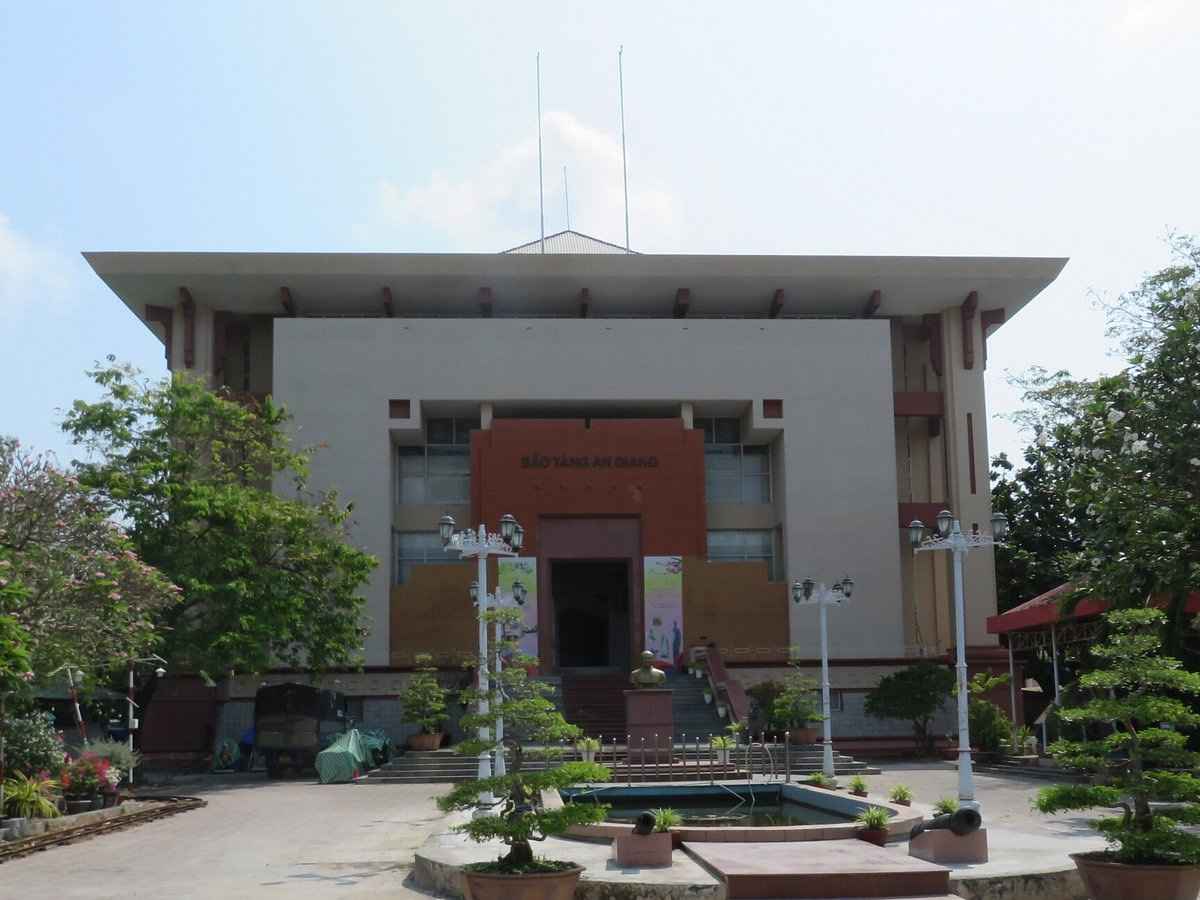
The context of An Giang Museum reflects the local cultural and historical space. (Source: Collected)
In the initial phase, the museum served as an official archival center, receiving artifacts from archaeological excavations, collection activities, and handover from organizations and individuals. The initial collections focused on archaeology, the history of revolutionary struggle, and the cultural life of local residents through various periods. The establishment of the museum not only served exhibition purposes but also met the long-term needs for research and preservation.
1.2. The museum's role in documenting history
An Giang Museum plays a role in documenting history through the collection, preservation, and exhibition of artifacts with documentary value. Each artifact reflects a specific period, while also contributing to completing the overall picture of the region's formation and development. Systematizing artifacts by theme and chronology helps the local history to be presented clearly and easily followed.
The museum space functions as a general information repository for the community, where historical events are represented by images, objects, and specific documents. Thanks to this visual presentation, history is not just in text form but becomes more accessible to viewers. This approach helps visitors better understand the connection between the past and the present.
1.3. The museum's function in contemporary cultural life
In addition to its exhibition function, the museum also serves as a destination for cultural education and local research. Residents and tourists can access historical information while learning about cultural values passed down through generations. This contributes to clarifying the cultural identity of the ethnic communities living in An Giang.
Furthermore, the museum space is regularly used to organize thematic exhibitions and cultural activities. These activities help the exhibition content become more flexible and suitable for various audience groups. Through this, the museum plays a role in connecting heritage with contemporary cultural life.
2. Exhibition Space and Artifact System at the Museum
2.1. Organization of Exhibition Areas
The exhibition space at the museum is organized into several thematic areas, reflecting the historical, social, and cultural progression of the region. Each exhibition area focuses on a specific content, such as ancient Oc Eo culture, the history of resistance, or the process of social development after independence. This arrangement helps visitors access information sequentially and visualize it more easily.
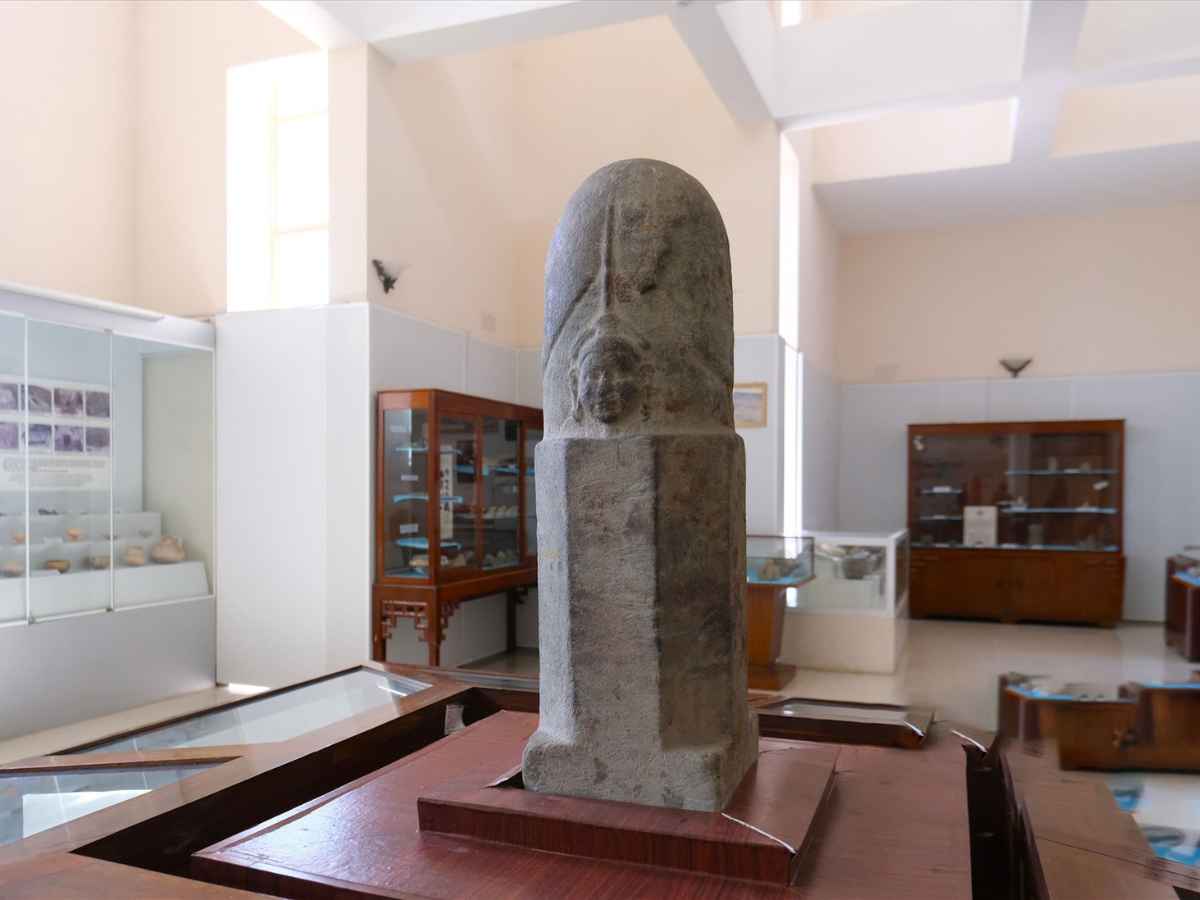
The organization of exhibition areas at the museum reflects the historical progress of An Giang. (Source: Collected)
The division of space by theme facilitates viewers in following the developmental flow of An Giang province's history. Each exhibition room serves as a slice, complementing the overall content. As a result, the visiting experience becomes more seamless and profound.
2.2. Artifacts related to the life of Southern Vietnamese residents
The museum preserves many artifacts associated with the life of Southern Vietnamese residents through different periods. From labor tools and costumes to daily living items, each artifact reflects the living environment and customs of the local people. These details help recreate the daily life of residents in the riverine region.
Through the system of daily life artifacts, viewers can recognize the changes in the living and production methods of residents over time. The artifacts not only possess material value but also contain cultural information characteristic of each period. This helps visitors better understand the relationship between humans and the natural environment of the South.
2.3. Historical documents and important milestones
Besides artifacts, the museum also displays many historical documents and images recording the typical events of the locality. The exhibition content includes the Oc Eo cultural heritage, periods of struggle, and the process of modern social development. These documents help viewers grasp the historical context of each period.
Historical milestones are arranged chronologically, assisting visitors in following the development process of the An Giang region. Each period is represented through specific images and documents. Thus, local history is placed in relation to the overall picture of the Mekong Delta region.
3. Notes for visiting An Giang Museum
3.1. Comply with visiting regulations and artifact protection
When visiting An Giang Museum, visitors must strictly adhere to general regulations to protect artifacts and exhibition spaces. Do not touch artifacts unless instructed to do so, especially precious antiques, documents, or fragile items.
In addition, maintain a safe distance from exhibition areas, and do not move or change the position of artifacts. In some areas, photography may be restricted, so visitors should observe signage or ask staff before taking pictures.
3.2. Maintain order and the common space
The museum is a place that preserves historical and cultural values, so it is necessary to maintain a quiet atmosphere for everyone to visit and learn fully. Visitors should refrain from loud conversations, running, or making noise in the exhibition areas.
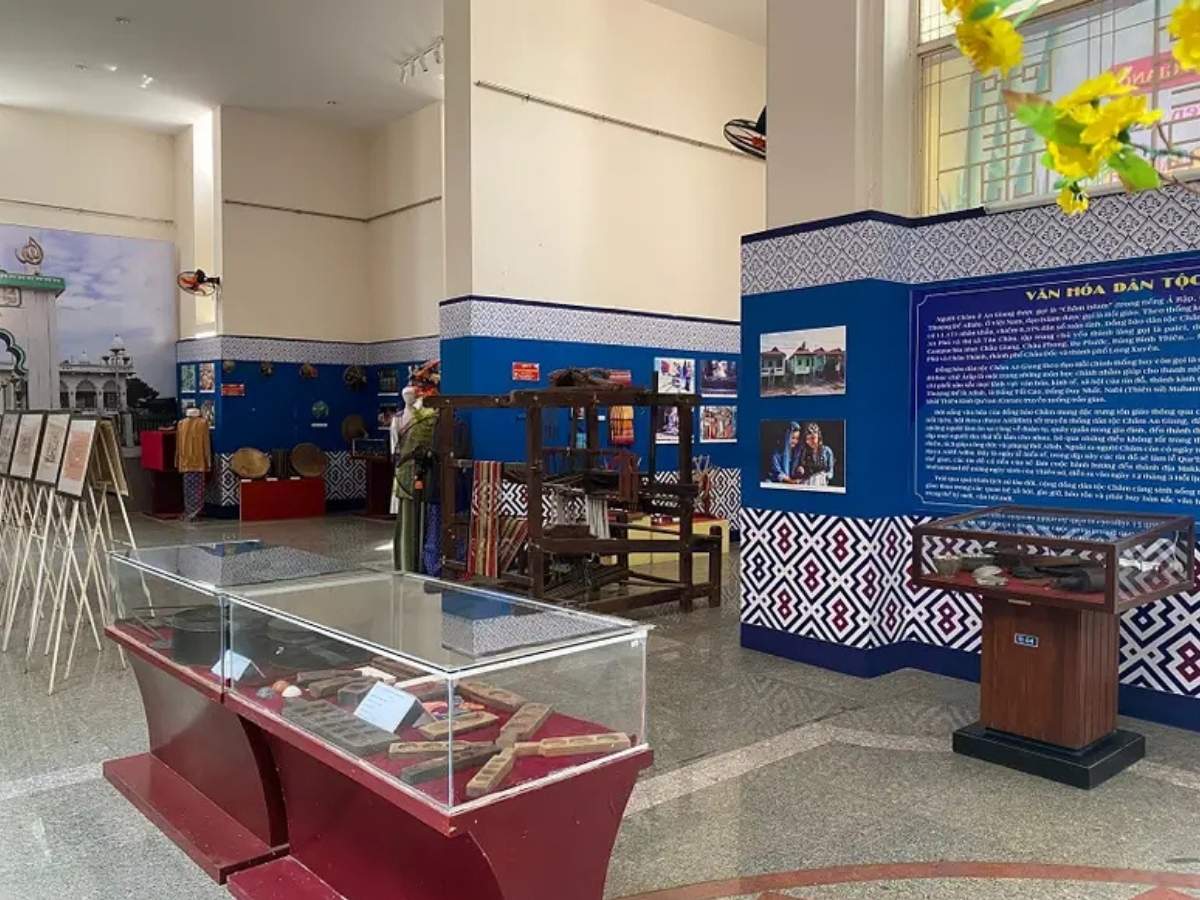
Visitors, please maintain order and do not make noise in the exhibition area. (Source: Collected)
In addition, do not eat or drink within the museum premises, do not litter, and comply with hygiene regulations. Small but conscious actions will contribute to maintaining a civilized and polite visiting environment.
3.3. What to prepare before visiting
To make the visit more effective, visitors should learn in advance about the opening hours, main exhibition areas, and exhibition content of the An Giang Museum. This helps save time and easily choose areas that suit your learning needs.
Additionally, it is advisable to wear neat and comfortable clothing for easy movement over long periods. If visiting in groups or with family, especially with young children, pay attention to supervision and remind them to comply with the museum's general regulations.
4. Significance of An Giang Museum
4.1. The Museum is the starting point for exploring An Giang
Visiting the museum is a suitable first step before visitors explore historical and cultural sites in An Giang. This is where visitors build a foundation of knowledge about the history, culture, and local context before continuing their journey. Accessing this background information makes the exploration of subsequent destinations more systematic.
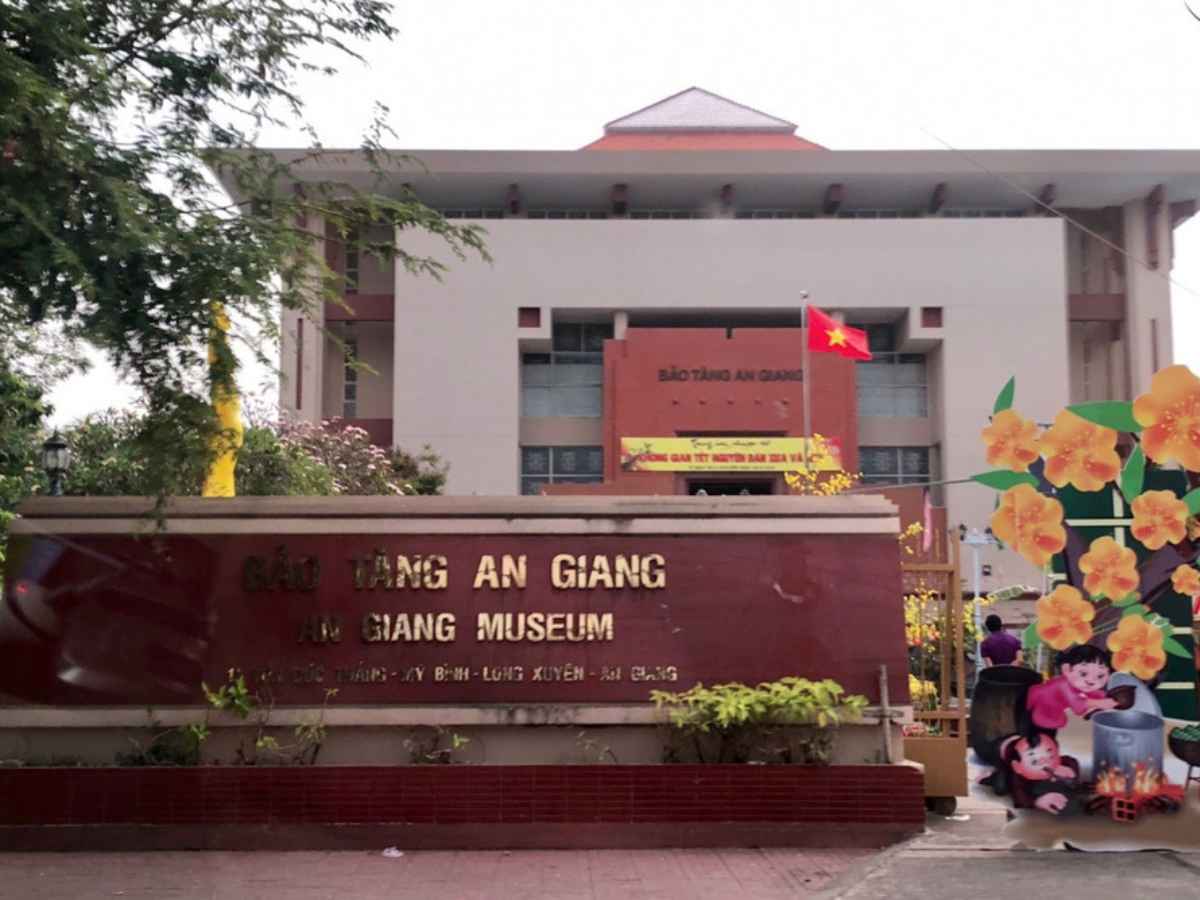
The museum serves as the starting point for understanding the culture and history of An Giang. (Source: Collection)
Once the general context at the museum is understood, visitors can easily connect the information with what they observe in reality. Historical sites and cultural spaces are therefore no longer fragmented but are integrated into a unified experience. This approach helps the journey to discover An Giang become more profound.
4.2. Changes in how people perceive history
In the current context, people tend to receive history through various forms such as films, art performances, and interactive experiences. The quiet and informative space of the museum still plays an important role in conveying systematic knowledge. However, this approach is increasingly supplemented by more flexible storytelling methods.
The combination of traditional exhibitions and new approaches opens up many ways for viewers to perceive history. History is not only received intellectually but also through emotions and personal experiences. This makes learning about the past more relatable to contemporary life.
4.3. Suggesting extended cultural experiences
After accessing information at the museum, visitors can extend their journey to other cultural experiences in An Giang. Connecting the traditional exhibition space with contemporary art activities provides a multi-dimensional view of the local history and culture. This approach encourages viewers to continue learning and deepening their knowledge.
These extended journeys not only involve visiting heritage sites but also open up emotional experiences in a modern context. History and culture are accessed through multiple layers of space and different forms. This makes the exploration of An Giang more complete and profound.
An Giang Museum is an ideal stop to conclude the trip with intellectual and historical depth. Each artifact, each story helps visitors better understand the land and its people. In articles summarizing tourist attractions, An Giang Museum is often indirectly compared with Sun World Hon Thom to highlight two different approaches to tourism.