















1. An Giang's Culinary Experience with Dried Snakehead Fish
1.1. Snakehead Fish and the Characteristic Freshwater Environment
Snakehead fish is a familiar freshwater species, growing in rivers, canals, ditches, and rice paddies in the Mekong Delta region. An Giang, in particular, has a rather abundant fish source thanks to the freshwater system from the Tien and Hau rivers flowing through many localities. Snakehead fish meat is firm, has few bones, and contains protein levels suitable for many traditional processing methods of the Western region. In daily meals, snakehead fish appears as soup, braised dishes, or grilled, closely associated with the culinary life of the riverine residents.
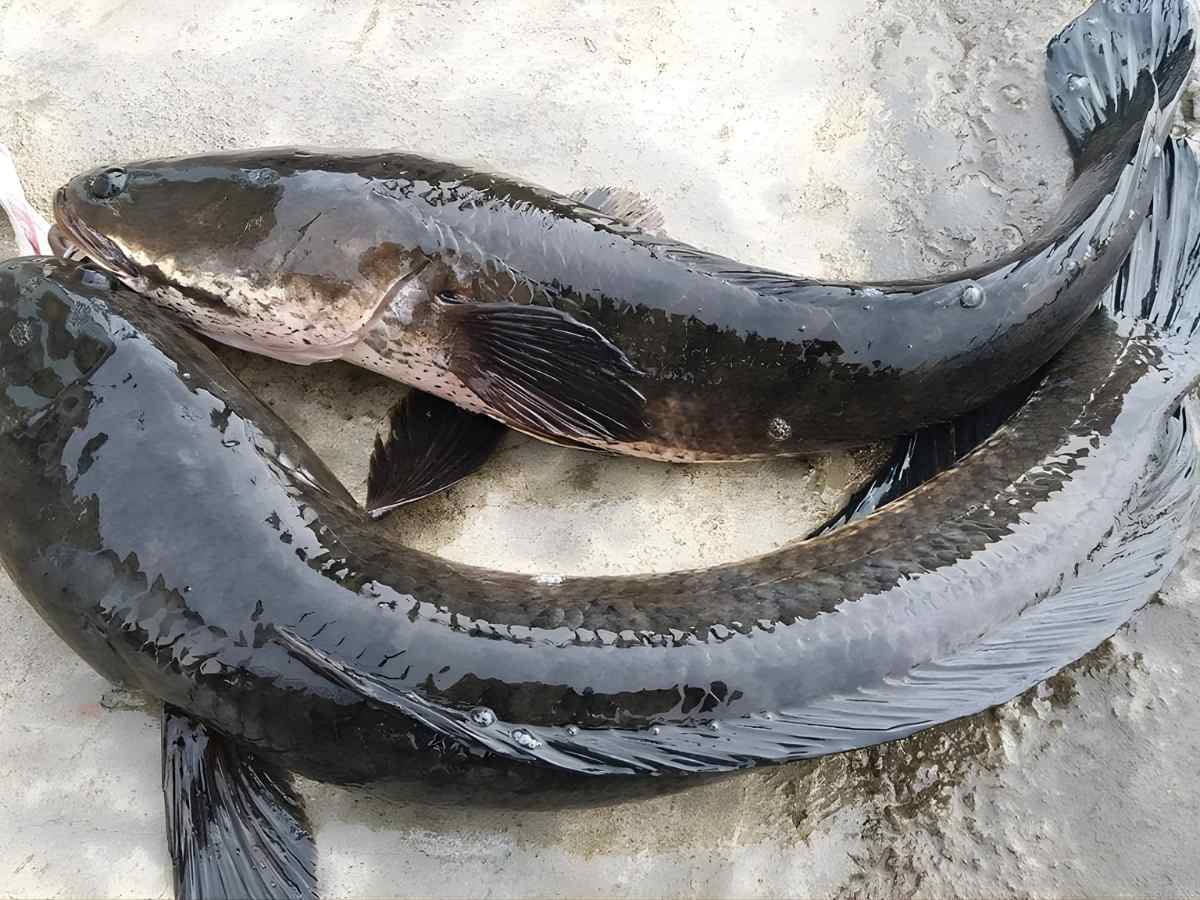
Snakehead fish is closely associated with freshwater environments and the culinary life of river regions. (Source: Collected).
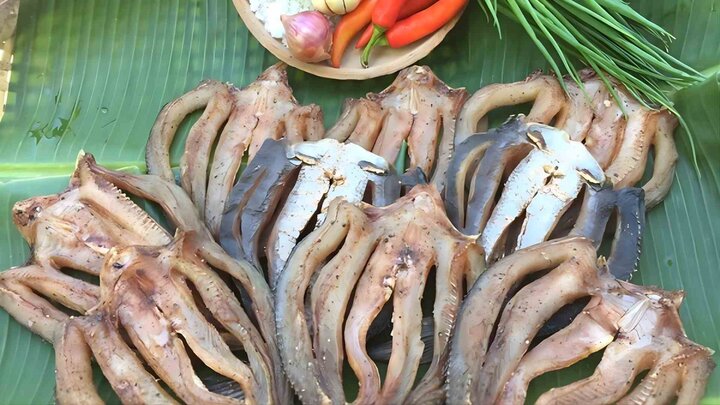
An Giang dried snakehead fish is a product processed from fresh snakehead fish after marinating and drying, gradually becoming one of the familiar specialties of the Mekong Delta. In An Giang, this dried product is popular in culinary life and is known to many diners inside and outside the region. The use of dried snakehead fish in meals or as a snack with white rice reflects local eating habits.
1.2. The origin of dried snakehead fish as a method of food preservation
In the context of agricultural labor and long-term living in the West, food preservation plays an important role when fish sources often depend on the water season. Drying is a method to reduce moisture and extend shelf life, while retaining the natural flavor of the ingredients. This method was applied to snakehead fish, thus forming the familiar dried snakehead fish dish.
An Giang dried snakehead fish gradually entered the lives of people in the West, from family meals to trading activities in local markets. Fish, after being caught, are usually pre-processed immediately, seasoned, and then sun-dried to limit spoilage. This product serves daily life and is also stored for use during times when fresh food is scarce.
In daily life, dried snakehead fish is considered a convenient food, easy to preserve, and can be prepared in many different ways. The value of this dried product lies not only in its nutrition but also reflects a lifestyle adapted to the river environment. Thus, dried snakehead fish has become a part of Southern Vietnamese culinary culture.
2. Processing methods that create the reputation of An Giang dried snakehead fish
2.1. Ingredient selection and preparation
Ingredient selection is an important step in the dried snakehead fish production process. Fresh snakehead fish, usually weighing between 0.5 kg and 1 kg, are preferred because their meat is firm and retains its chewiness after drying. The fish source mainly comes from snakehead fish caught in the canal system, contributing to the characteristic flavor of the freshwater region.
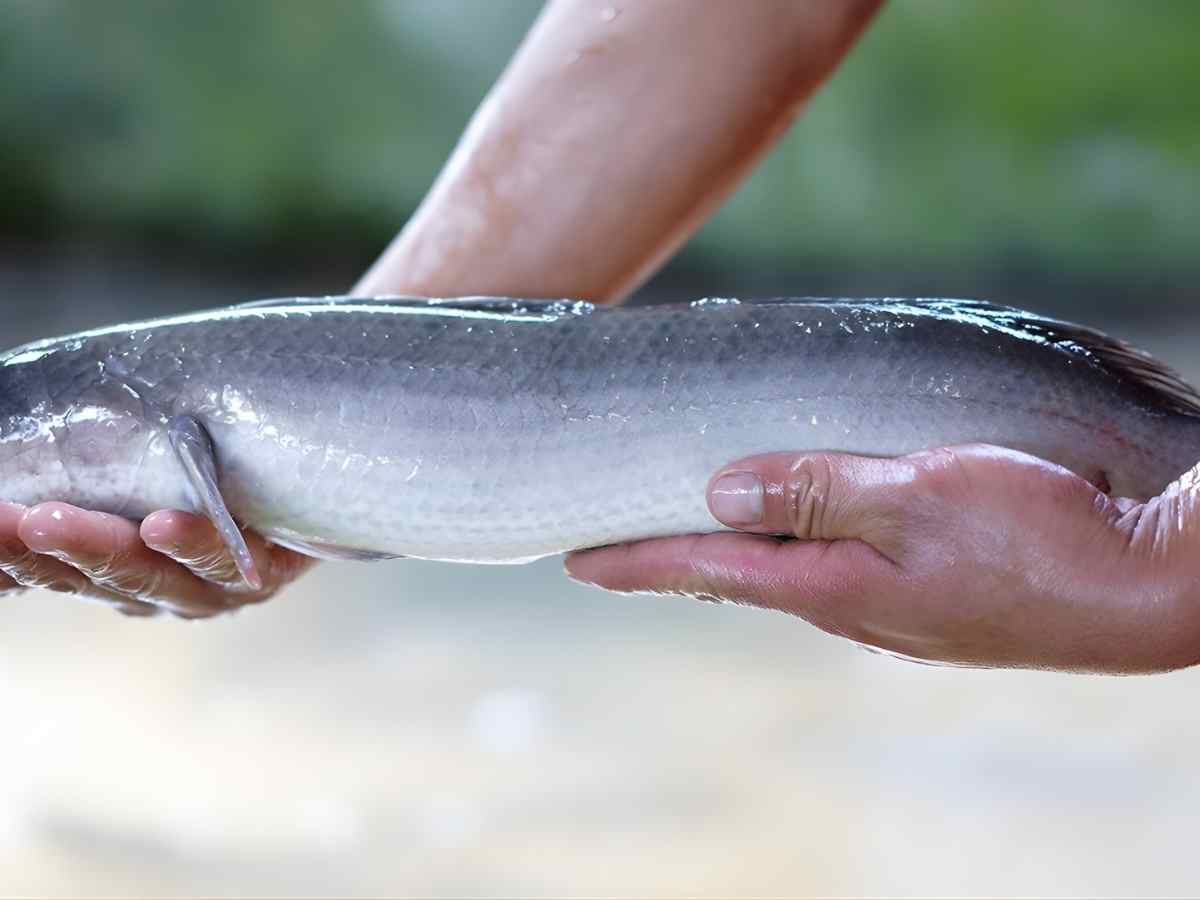
The selection and preparation of snakehead fish determine the quality of the traditional dried dish. (Source: Collected).
After being caught, the fish is cleaned by removing the internal organs, slime, and then rinsed with diluted saltwater to reduce the fishy odor. This step needs to be performed carefully to prevent spoilage before marinating. Thorough preparation directly affects the quality of the dried fish once completed.
Cleaning and odor treatment also help increase food safety as dried snakehead fish is often stored for a long time. As a result, the product after drying not only achieves the necessary chewiness but also retains its natural flavor. This is the foundation for dried snakehead fish to meet the needs of various meals.
2.2. Marinating and Drying Process According to Folk Experience
After preparation, the snakehead fish is marinated with familiar spices such as salt, pepper, chili, and sometimes garlic to balance the flavor. The spices are adjusted to penetrate evenly into each muscle fiber, avoiding excessive saltiness but still ensuring richness. This step largely determines the flavor of dried snakehead fish An Giang.
The marinated fish is then sun-dried for about 2 to 4 days, depending on weather conditions and the desired dryness. The drying process needs to be monitored regularly to prevent the fish from becoming too dry or remaining moist. The balance in drying time directly affects the quality of the finished product. The weather in the Mekong Delta, with its sun and wind, plays a crucial role in creating a satisfactory batch of dried fish. Fish makers often observe the color and firmness of the fish meat to assess it. When it meets the standard, the fish meat has a natural color, a light aroma, and a moderate chewiness.
3. Traditional Specialties in the Flow of Modern Tourism
3.1. Local Value Alongside New Urban Spaces
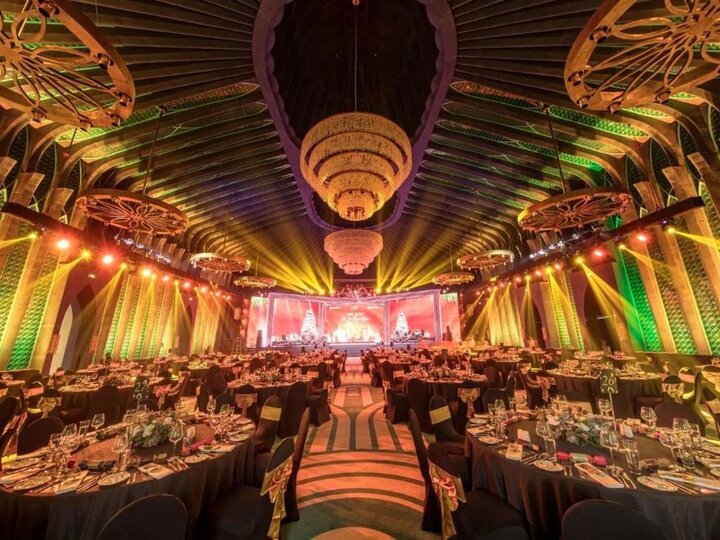
In the context of developing tourism, dried snakehead fish is not only present in family meals but also appears in culinary experiences at many destinations in the Mekong Delta. Tourists visiting An Giang often explore and enjoy local products associated with river life. Including dried snakehead fish on menus and in culinary events contributes to introducing local culture to visitors.
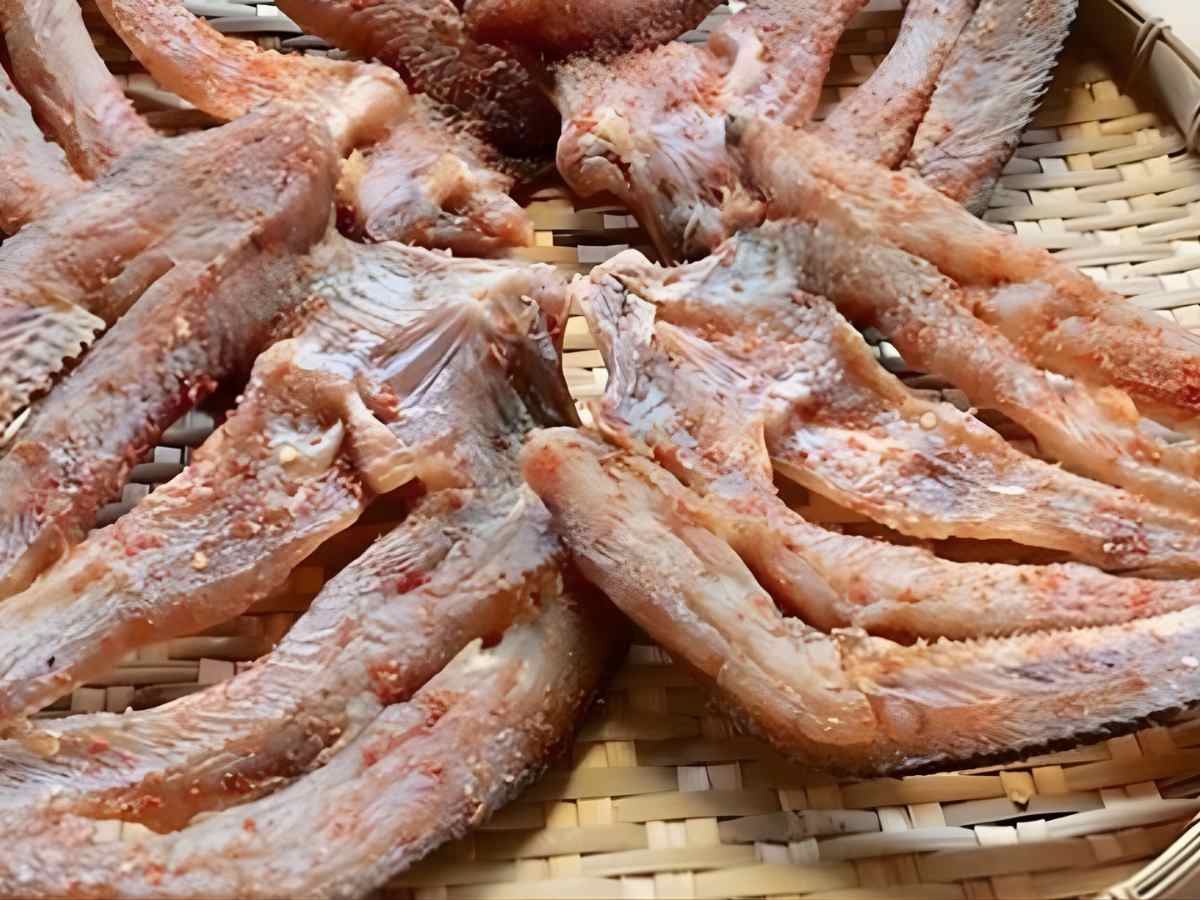
Dried snakehead fish contributes to shaping the local culinary experience in urban spaces. (Source: Collected).
The value of dried snakehead fish is shown through the connection between tradition and new urban spaces. Here, the dried dish is seen as a cultural slice, helping tourists understand more about the history and living environment of freshwater residents. This combination creates an exploratory culinary experience.
In agricultural and culinary tourism routes, dried snakehead fish is often introduced as a typical product of the Mekong Delta. This dish is not only for enjoyment but also tells stories about local labor and life. Thus, the tourism experience becomes multi-dimensional and more intimate.
3.2. Evoking cultural experiences on the Southern Island journey
From the flavors of the Mekong Delta to the tourist destinations in southern Phu Quoc, visitors can experience the diversity of Vietnamese cuisine. Dried snakehead fish, with its riverine characteristics, evokes associations with other local products where tradition and modernity coexist. This broadens tourists' perspectives on regional culinary culture.
The spirit of enjoying specialties lies not only in the food but also in the experiential space. At destinations like Sun World Hon Thom or the Central Village Clock Tower area, tourists have the opportunity to access various culinary forms. The fusion of traditional flavors and modern spaces creates a novel experience during the journey.
When introduced in culinary tourism programs, dried snakehead fish carries both cultural value and local identity. The dish helps tourists recognize and appreciate traditional aspects amidst globalization. Thus, An Giang dried snakehead fish retains its unique position in contemporary tourism experiences.
Dried snakehead fish is also often chosen as a souvenir to bring home after a trip, due to its convenience and suitability for long journeys. For tourists, the dried dish is not just food but also a reminder of past experiences in the riverine region. Thus, the value of dried snakehead fish extends from cuisine to travel memories, connecting emotions between the destination and the experiencer.
More than just a familiar dried dish, An Giang dried snakehead fish reflects how local people adapt to their natural environment and preserve flavors over time. When placed within the broader picture of tourism and cultural experiences, this specialty enriches the landscape of Vietnamese cuisine in a unique way.