















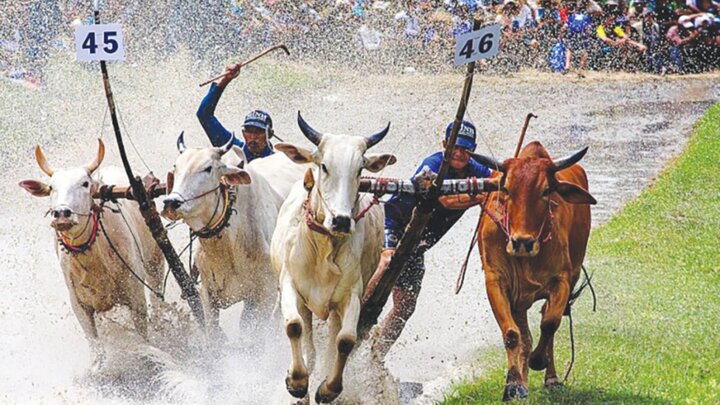
1. Overview of the Bay Nui Buffalo Racing Festival
1.1. Location and cultural space of Bay Nui, An Giang
The Bay Nui Buffalo Racing Festival takes place in the Bay Nui area of Tri Ton and Tinh Bien districts, An Giang province, which has a characteristic terrain of low hills interspersed with plains. This space is associated with the long-standing life of the Southern Khmer people, forming a cultural life with strong agricultural and religious imprints. It is the natural conditions and historical settlement that have created the foundation for the festival to develop over many generations.
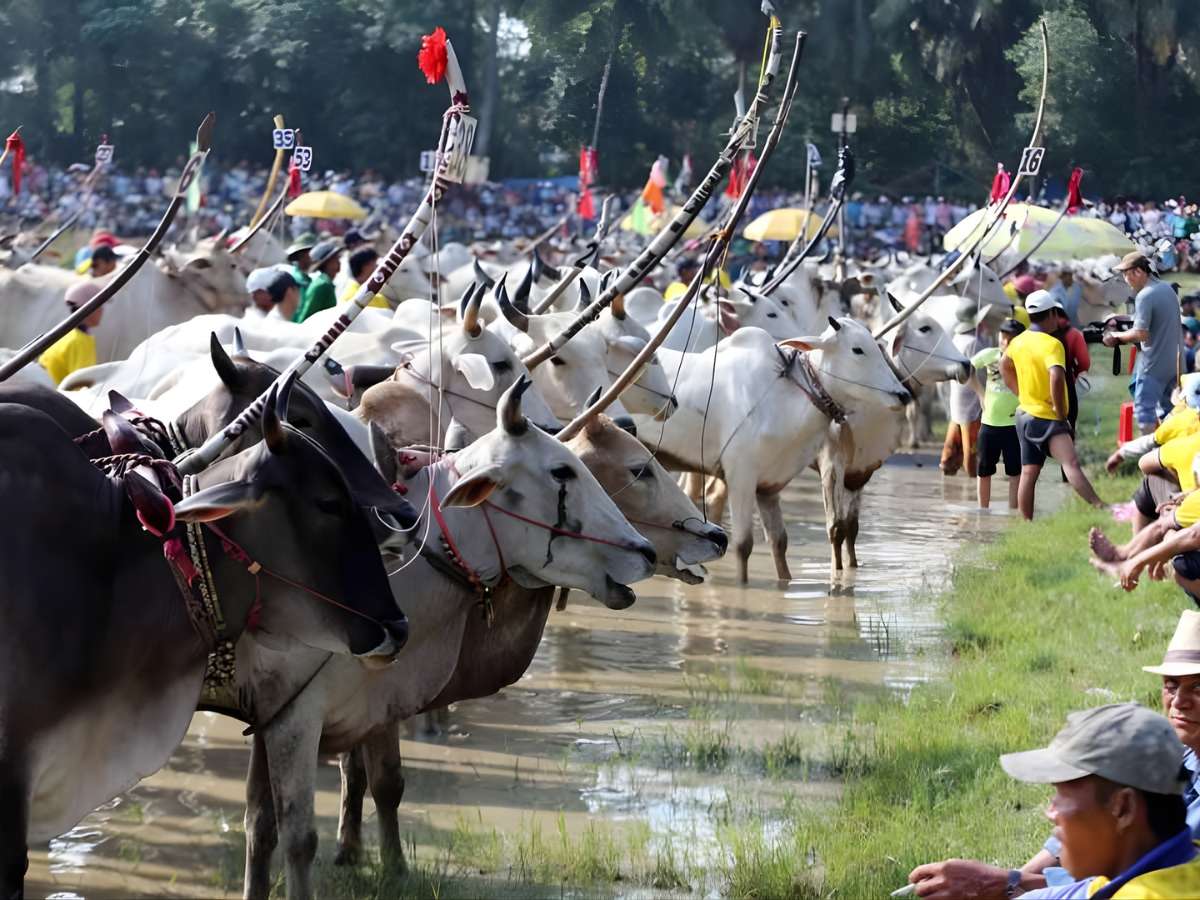
The Bay Nui Buffalo Racing Festival takes place vibrantly amidst the rice fields of An Giang. (Source: Collected)
Within the cultural context of Bay Nui, the buffalo racing festival is an occasion for villages to gather, exchange farming experiences, and strengthen community cohesion. The flooded fields after the rainy season become natural race tracks, where strong pairs of buffaloes demonstrate their endurance and coordination. The festival's atmosphere is therefore not limited to the race track but also extends into the daily lives of the Khmer people.
1.2. The Bay Nui Buffalo Racing Festival in Khmer Life
For the Khmer community in the South, the Bay Nui Buffalo Racing Festival holds great significance in their spiritual life, coinciding with the end of the harvest season and the beginning of a rest period. Initially, the races were spontaneous events after the harvest, when people organized them for entertainment and to test the strength of buffaloes familiar with field work. Over time, this activity became more organized, evolving into a festival with broad community participation.
Besides the competitive aspect, the festival also expresses appreciation for the buffalo's role in Khmer agriculture. The participating buffaloes are often meticulously cared for, reflecting the close relationship between humans and livestock. The lively cheering atmosphere during each race contributes to a community activity rich in the cultural colors of the Bay Nui region.
1.3. Festival Timing and Scale
The Bay Nui Buffalo Racing Festival is typically held during the Khmer Sen Dolta festival, occurring from late August to early September of the lunar calendar each year. This timing coincides with the period after the harvest, when the fields retain sufficient moisture for mud racing. It is also a time when people honor their ancestors and pray for peace in the new year.
In terms of scale, the festival is organized rotationally in communes within Tri Ton and Tinh Bien, two areas with a significant Khmer population in An Giang. Over the years, the event has increasingly attracted the attention of local residents and tourists. The festival has gradually become a cultural activity linked to the province's tourism development.
2. Origins and Cultural Significance of the Festival
2.1. History of the Bay Nui Buffalo Racing Festival
The Bay Nui Buffalo Racing Festival originated from community activities after the harvest among the Khmer people in the South. When field work temporarily concluded, people organized buffalo races on muddy fields as a form of entertainment and community bonding. Over time, these races became more structured and evolved into a traditional festival.
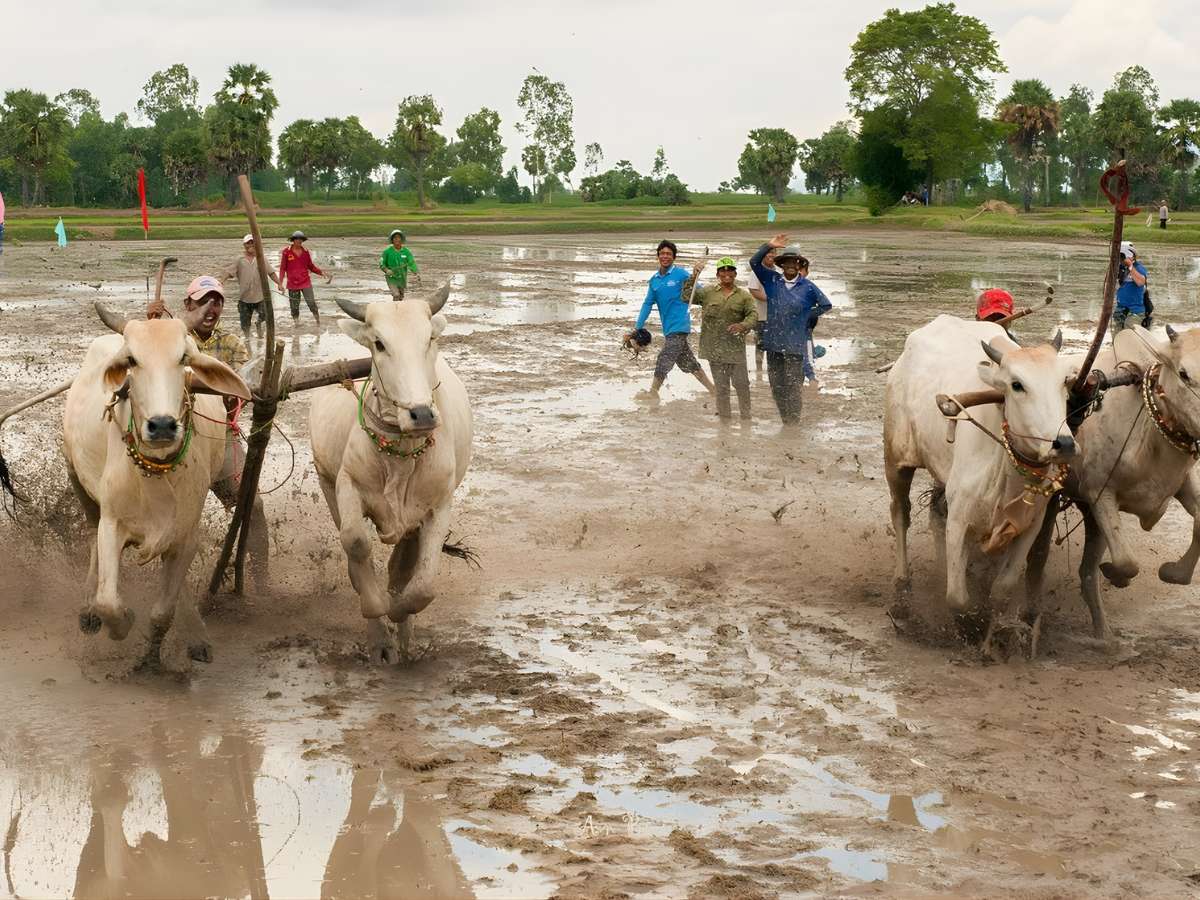
Buffalo racing activities reflect the origins of community activities of the Southern Khmer people. (Source: Collected)
During its formation, the festival not only has recreational meaning but is also closely linked to the cultural space of the villages. Many racing grounds are organized near Khmer pagodas, creating a connection between daily life and spiritual life. This reflects the harmonious relationship between agricultural labor and beliefs in the life of the Khmer people.
2.2. Spiritual significance associated with the Sen Dolta festival
The Sen Dolta festival is an important occasion of the year for the Khmer people, with the meaning of remembering ancestors and the deceased. The organization of buffalo racing festivals during this time contributes to enriching community activities revolving around traditional rituals. Thereby, the festival becomes a part of the spiritual life of the people in the Bay Nui region.
Besides the commemorative aspect, the festival is also associated with beliefs in peace and hopes for favorable harvests. The buffalo race is seen as a symbol of labor and the bond between humans and nature. This spiritual significance helps the festival maintain its sustainable value in the cultural life of the Southern Khmer people.
2.3. Cultural and tourism value of the festival
The Bay Nui Buffalo Racing Festival is recognized as a typical intangible cultural heritage of An Giang, reflecting the long-standing traditions of the Khmer community. Through the festival, folk cultural values are preserved and passed down to future generations. It is also an opportunity for local culture to be widely introduced to tourists.
From a tourism perspective, the festival contributes to creating a highlight for the An Giang exploration journey during the festival season. Tourists not only watch the races but also have the opportunity to learn about the life, cuisine, and community activities of the Khmer people. These experiences help the festival become a cultural product linked to sustainable tourism development.
3. Activities and characteristic atmosphere of the festival
3.1. Competition rules and traditional buffalo racing format
The Bay Nui Buffalo Racing Festival is held on a muddy field of appropriate length, creating conditions for the buffalo pairs to demonstrate their endurance and coordination. Before the competition, buffaloes are carefully selected to ensure their health and ability to participate in the race. The racing ground is carefully prepared to ensure tradition and create excitement for spectators.
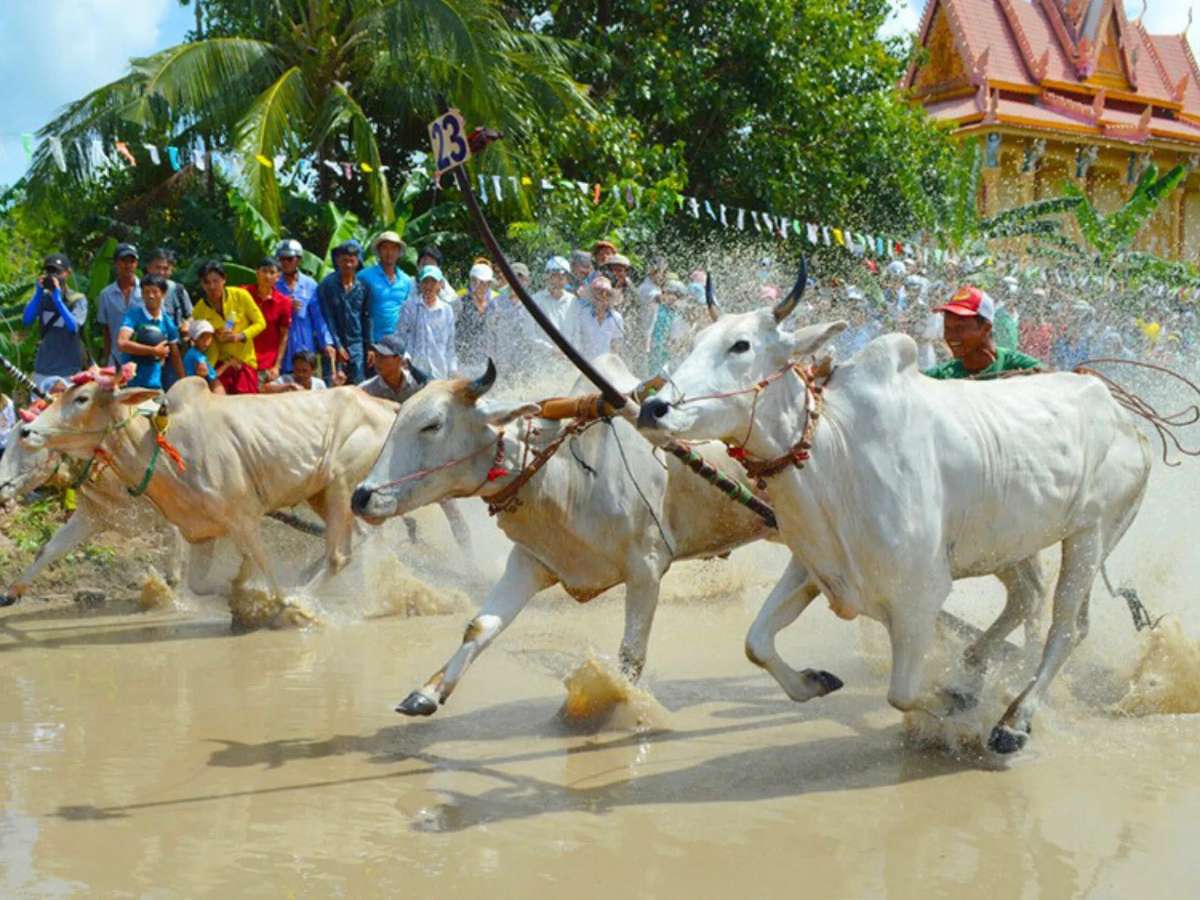
Traditional buffalo racing showcases skillful control and a unique festival spirit. (Source: Collected)
The competition format consists of two rounds: the 'hô' round and the 'thả' round, taking place consecutively in each match. The 'hô' round helps the buffaloes gain momentum and stabilize their running rhythm, while the 'thả' round determines the race outcome. The handler stands on the plough frame, using traditional tools to guide the buffaloes on the wet, slippery field.
3.2. Vibrant and emotional festival atmosphere
During the festival days, the racecourse becomes bustling with the participation of many locals and tourists. Cheers of encouragement blend with the sounds of drums and gongs, creating a festival atmosphere rich in local cultural nuances. Each race round captures the attention and emotions of the spectators.
The festival atmosphere is not only generated by the competitions but also by the interaction between different villages ('phum sóc'). People bring food and drinks and watch the competitions together throughout the day. This community bonding contributes to the characteristic cultural life of the Bay Nui region.
3.3. Discover accompanying folk cultural activities
Besides the buffalo races, the festival also features many Khmer folk cultural activities. Lăm vông dance performances, traditional art shows, and folk games are organized alongside the competitions. These activities enrich the festival space, making it more vibrant and engaging.
Local cuisine also contributes to the unique charm of the Bay Nui buffalo racing festival. Traditional dishes are sold around the racecourse, reflecting the daily life of the Khmer people. Through food and games, visitors have more opportunities to fully experience the local culture.
4. Combined tourism experience when visiting An Giang during the festival season
4.1. Sun World Hon Thom
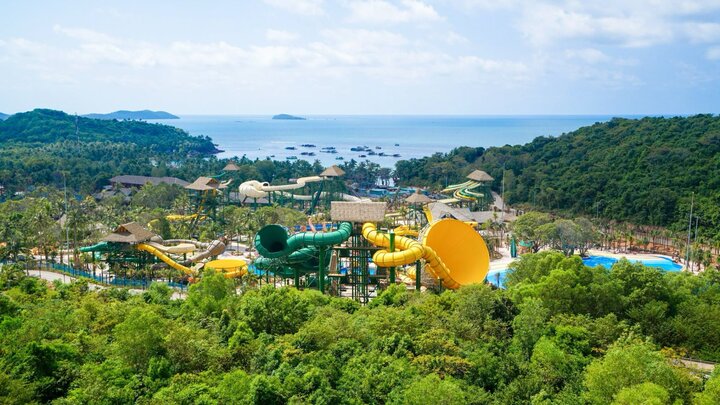
Sun World Hon Thom is an entertainment complex located in An Thoi ward, Kien Giang province, which began operations in 2018 with many modern facilities. Notably, the large-scale Aquatopia water park, opened in December 2019, features over 20 water games of various difficulty levels. The space is designed with a tropical island theme combined with local cultural elements, suitable for many groups of tourists.
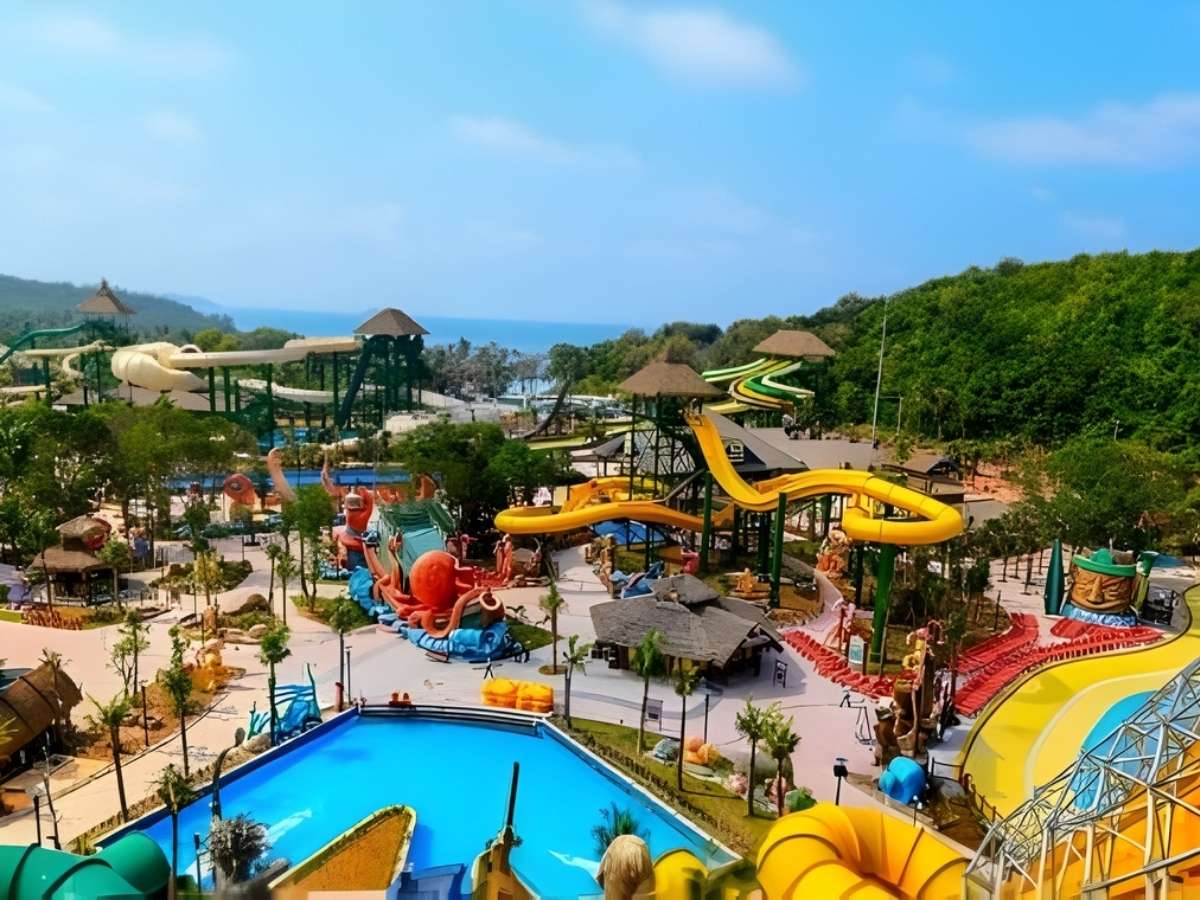
Aquatopia Water Park with over 20 modern games at Hon Thom. (Source: Collected)
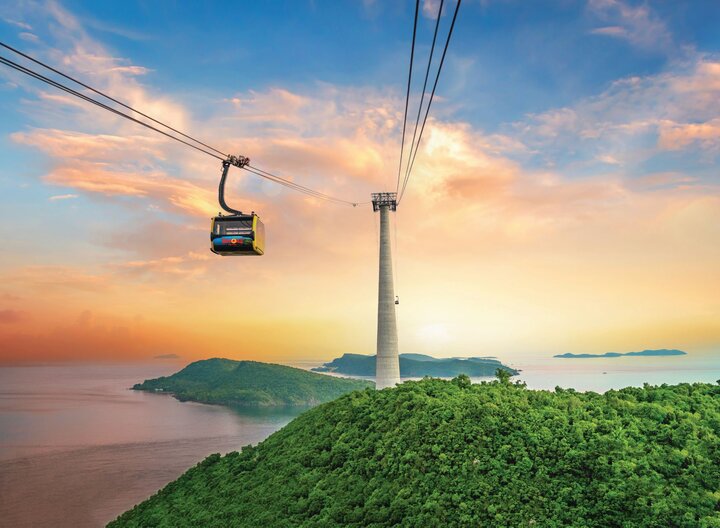
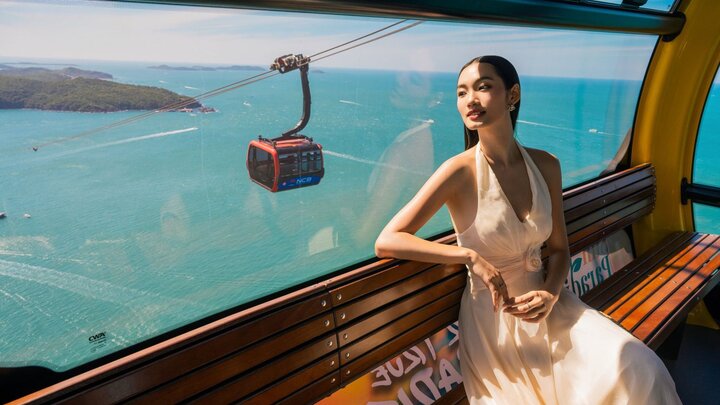
Another notable point is the 3-wire cable car crossing the sea, 7,899.9 m long, recognized as the longest in the world. The cable car connects from Hoang Hon Town to Hon Thom island, with a travel time of about 15 minutes and passes through many small islands in the An Thoi archipelago. The system includes 69 cabins, each serving up to 30 passengers, operating at a speed of up to 8.5 m/s.
In addition to water games and island scenery, the area also integrates marine sports activities and art performances. The combination of entertainment infrastructure and natural landscapes creates a diverse experience in the South of the island. This is one of the destinations attracting a large number of tourists to Phu Quoc in recent years.
>>> Book Sun World Hon Thom tickets now to fully explore Hon Thom HERE.
4.2. Phu Quoc Prison
Phu Quoc Prison is a historical relic located in An Thoi ward, Kien Giang province, built during the war and once held tens of thousands of prisoners. The relic site currently covers an area of about 400 hectares, with many restored sections such as detention cells, isolation rooms, and torture areas. Reconstruction models help visitors visualize the living conditions and history here more clearly.
The visiting space is organized along a route, combining artifacts and explanations. Some areas display images, documents, and models recreating important historical events. This enhances visualization and aids visitor comprehension.
The prison is recognized as a special national historical relic, attracting many visitors each year. It is a destination with educational and historical learning value, complementing the exploration of Phu Quoc's southern region. The visiting time usually lasts from 60 to 90 minutes depending on the itinerary.
4.3. Hoang Hon Town
Hoang Hon Town, located in An Thoi ward, Kien Giang province, is a synchronously planned coastal tourism and entertainment complex. This area is notable for its architecture inspired by European coastal towns, combining squares, terraces, and pedestrian streets. It is also the starting point of the Hon Thom cable car route.
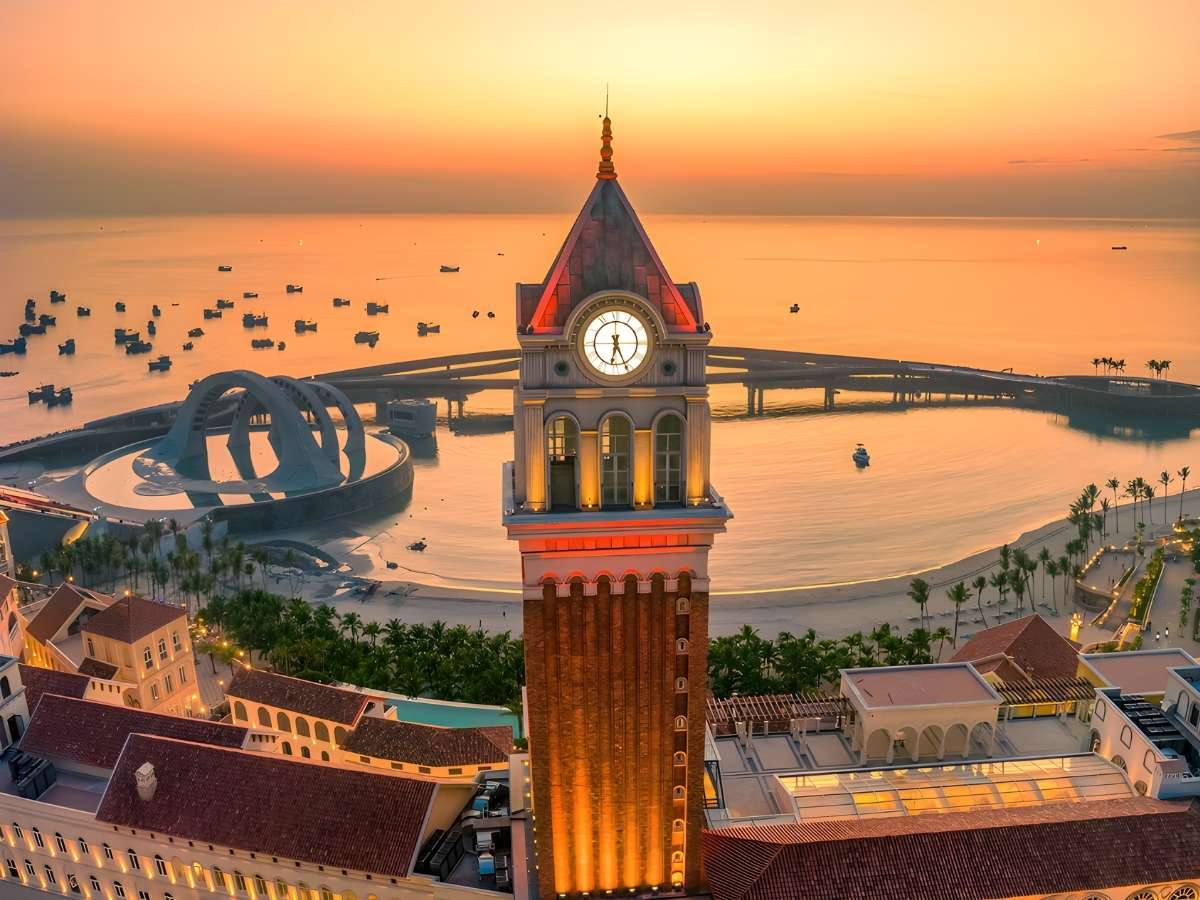
European architecture and the coastal square at Sunset Town. (Source: Collected)
One of the notable activities is the fireworks display program, held twice every night and maintained for 365 days a year. Besides that, this area also features shows such as “Kiss of The Sea” and “Symphony of the Sea”, combining sound, light, and water effects. The programs are built on a large scale, serving the evening entertainment needs of tourists.
The architectural highlight here is the Kiss Bridge, a structure located by the sea with a design of two branches reaching out but not touching. The structure creates a sunset viewing space and has become a prominent attraction in the area. The combination of landscape, entertainment activities, and architecture helps Sunset Town become a noteworthy stopover in the South of Phu Quoc.
The Bay Nui Buffalo Racing Festival reflects the cultural depth of the Khmer community in An Giang. In the context of an increasingly changing modern life, the festival is still maintained as a part of traditional activities, contributing to preserving the cultural identity associated with local agriculture and beliefs. Through the festival, tourists have the opportunity to feel more clearly about the people, the rhythm of life, and the distinctive cultural space of the Southern region.