















1. General introduction to Gao Giong Ecological Tourist Area
1.1. Where is Gao Giong Ecological Tourist Area?
Gao Giong Ecological Tourist Area is located at Hamlet 6, Phu Cuong Commune, Dong Thap Province, in the Dong Thap Muoi region, an area famous for its characteristic wetland ecosystem. It is about 15 km from Cao Lanh city center and about 150 km from Ho Chi Minh City, convenient for day trips or weekend getaways. With its proximity to provinces like An Giang, Tien Giang, and Long An, Gao Giong can be easily combined into a Mekong Delta exploration itinerary. The surrounding space consists of cajeput forests, canals, and rice fields, creating a peaceful, ecological natural landscape.
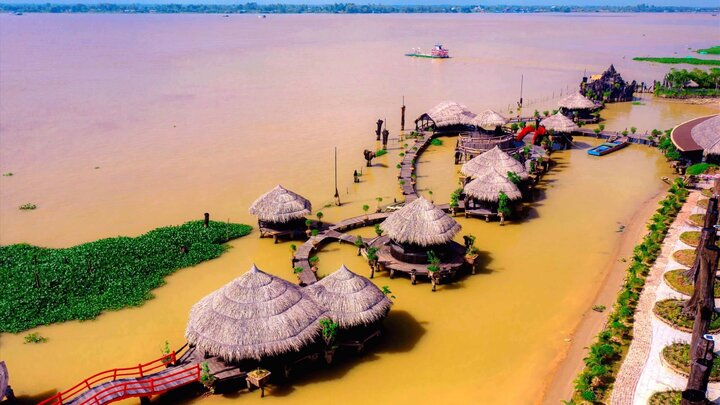
Gao Giong eco-tourism area in Phu Cuong commune, Dong Thap, near An Giang. (Source: Collected)
1.2. Origin of the Name and Characteristic Ecosystem
The name “Gao Giong” originates from the natural characteristics of the low-lying land, where many gao trees once grew. Through reclamation, this area has been reforested with vast expanses of flooded cajeput forest, becoming a typical ecosystem of Dong Thap Muoi. Gao Giong eco-tourism area is currently home to many water bird species such as storks, egrets, and whistling ducks, along with rich flora and fauna. The long stretches of cajeput forests, interspersed with natural canals, create a balanced ecological environment that holds both conservation value and tourism potential.
1.3. Why is Gao Giong Attractive to Tourists in the Mekong Delta?
The attraction of Gao Giong eco-tourism area lies in its quiet atmosphere, which remains largely uncommercialized, offering a rare sense of relaxation. Visitors can immerse themselves in nature, listening to the calls of birds, the gentle lapping of water, and the rustling of wind through the cajeput forest. Experiences such as boating through the forest, watching birds return to their nests, or exploring the native ecosystem create a gentle yet emotionally rich journey. This is a suitable destination for nature lovers seeking to regain balance amidst the pace of modern life.
2. How to Get to Gao Giong Eco-tourism Area
2.1. Traveling from Ho Chi Minh City to Gao Giong
From Ho Chi Minh City, visitors can easily reach Gao Giong eco-tourism area by motorbike or private car via the Trung Luong – My Thuan expressway, then connect to National Highway 30 to reach Cao Lanh city center. From there, continue for another 17–18 km to reach the tourist area. The total travel time is about 3–4 hours, suitable for a day trip or a weekend getaway. Alternatively, intercity buses to Cao Lanh are also a convenient option, after which you can take a taxi or motorbike taxi to Gao Giong. The journey is not too long, the roads are easy to navigate, and it offers a characteristic experience of viewing the Mekong Delta scenery.
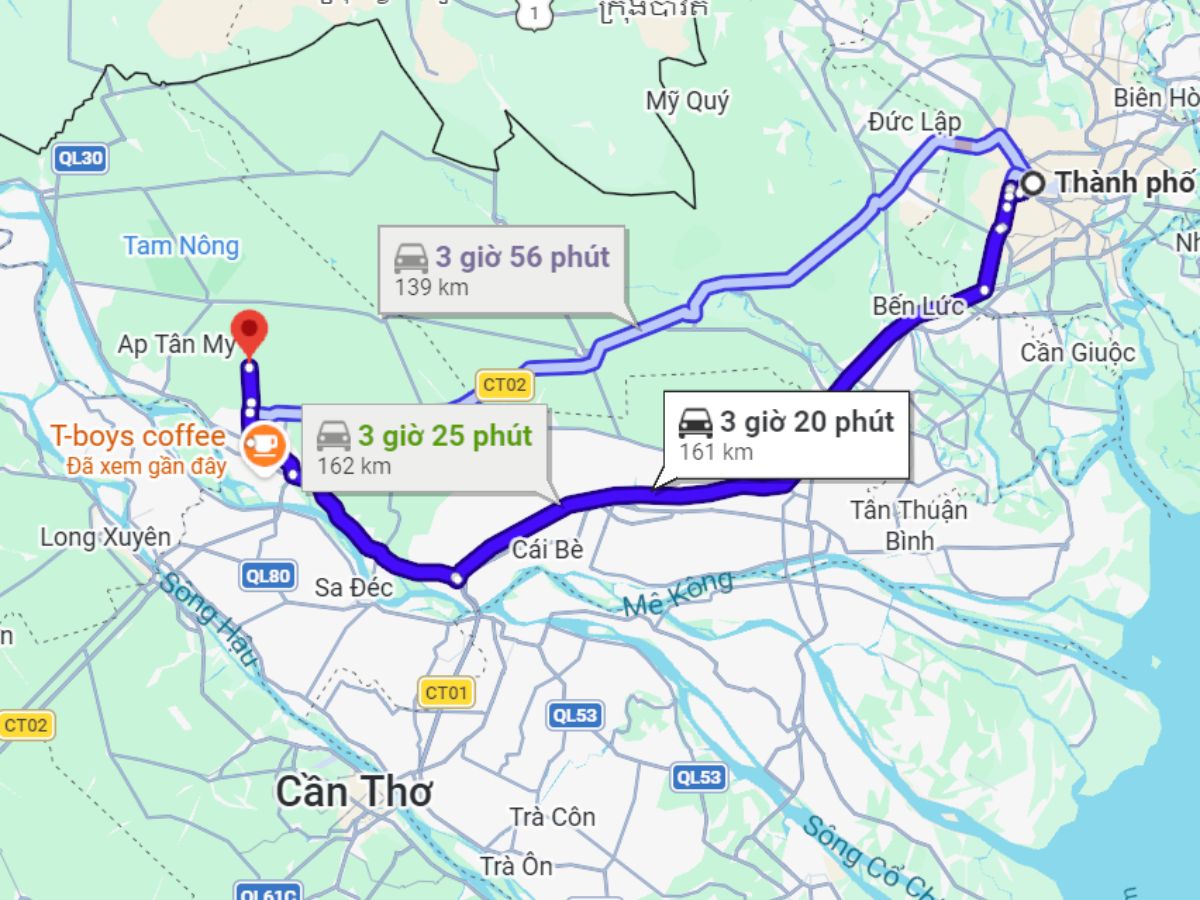
Visitors travel about 3-4 hours from Ho Chi Minh City to reach the tourist area. (Source: Collected)
2.2. Detailed Directions and Notes
From the center of Cao Lanh, visitors travel along National Highway 30, then turn into the QLN2 route towards Tan Nghia and continue to Gao Giong. Upon entering this area, the signs to the Gao Giong ecotourism area are quite clear; just go a few more kilometers to reach the entrance. However, the final section of the road is relatively narrow, with many rural bridges and a narrow concrete surface, so it is advisable to drive slowly and carefully, especially during the rainy season. For convenience, visitors should combine Google Maps with asking locals to ensure a more accurate and easier journey.
3. Ideal Time to Explore Gao Giong
The ideal time to explore the Gao Giong ecotourism area largely depends on the water season characteristics of Dong Thap Muoi. The best time is the flood season from around September to November, when the entire area is covered with water, the cajeput forest is lush green, and many birds flock, creating a vibrant, characteristic Mekong Delta scene.
However, other seasons of the year are also suitable for visiting, especially the dry season which allows for easier travel and a more open space. During the day, early morning is the ideal time to watch birds and enjoy the fresh air, while the afternoon offers beautiful light, suitable for photography and gentle experiences amidst nature.
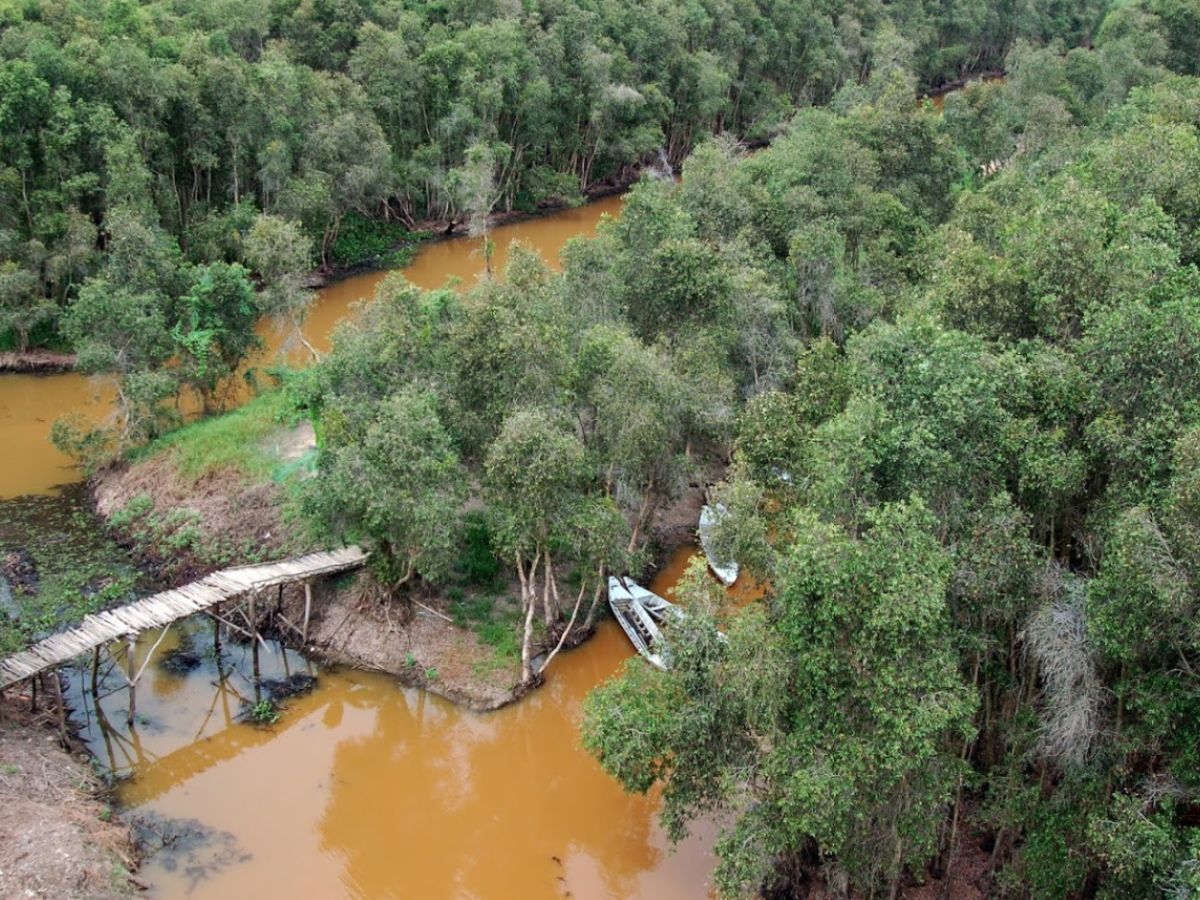
Each season, Gao Giong Ecotourism Area offers a unique charm, attracting tourists. (Source: Collected)
4. Outstanding experiences at Gao Giong Ecotourism Area
4.1. Experience rowing a boat through the melaleuca forest
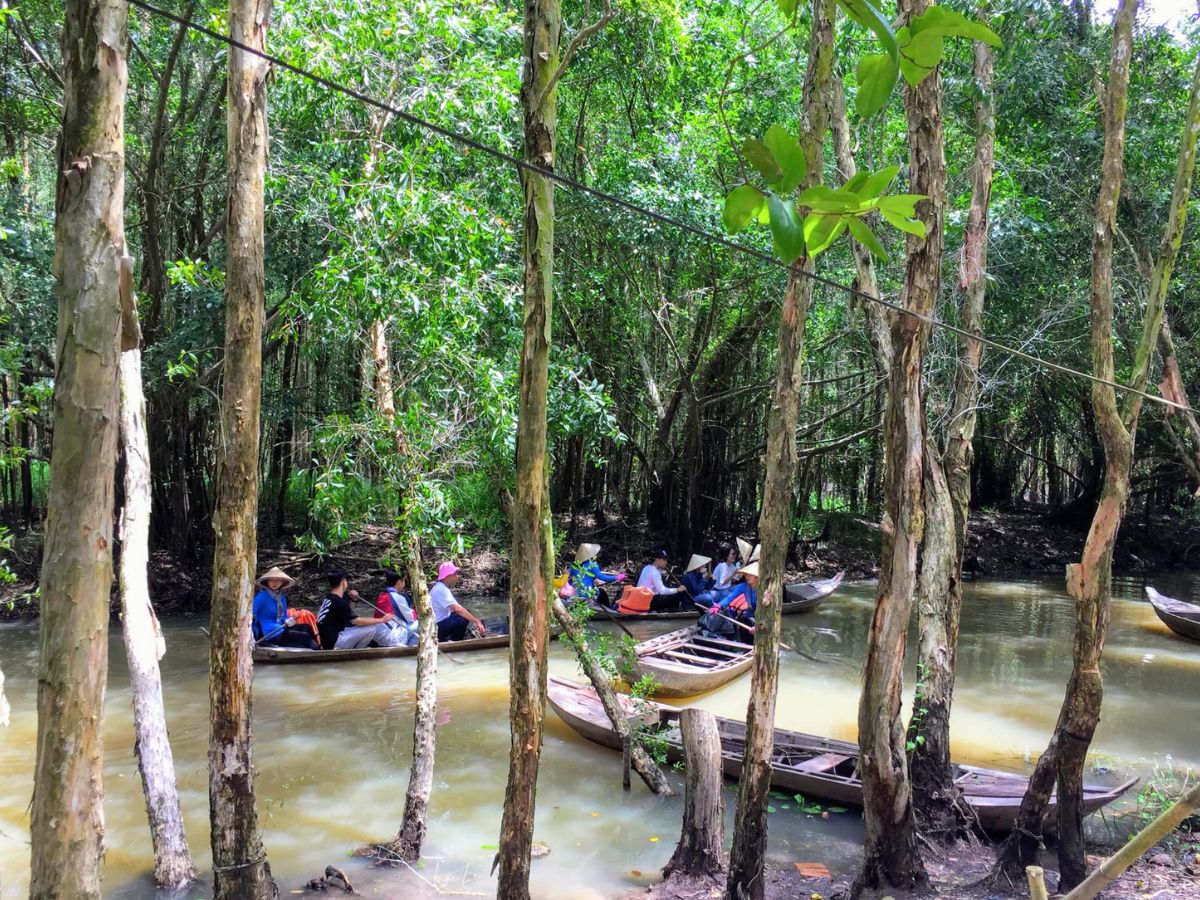
Rowing a three-plank boat through the melaleuca forest is the most distinctive experience at Gao Giong Ecotourism Area, offering a close and authentic connection with nature. Sitting on a small boat rowed by local people, visitors will navigate through narrow canals, flanked by lush green melaleuca trees, interspersed with lotus and water hyacinth. The journey lasts about 30–45 minutes, enough time to feel the tranquility and freshness of the Dong Thap Muoi region. The gentle splash of the oars, the chirping of birds, and the wind blend to create a rare relaxing atmosphere, helping visitors escape the urban pace of life.
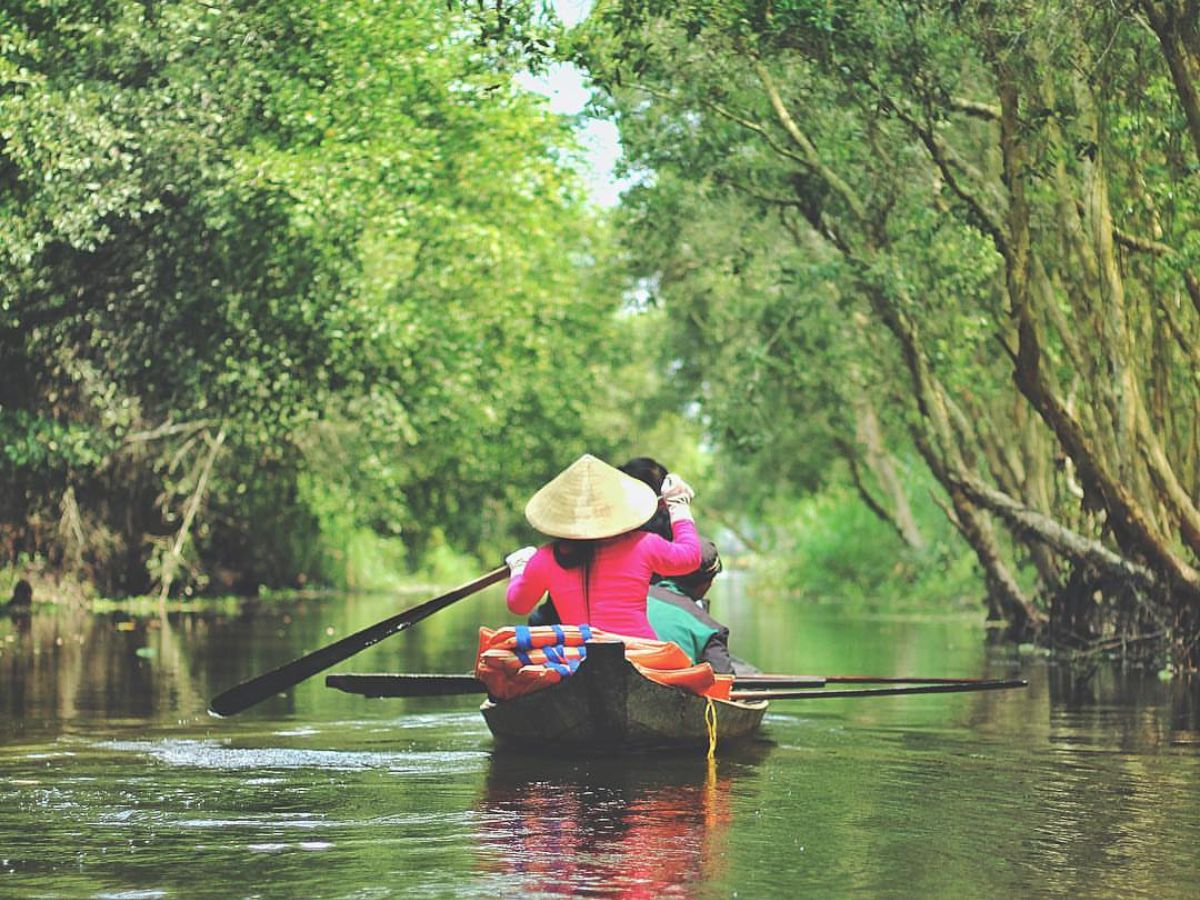
Tourists row a boat through the cajeput forest at Gao Giong ecotourism area. (Source: Collected)
4.2. Bird watching at the natural bird sanctuary
Gao Giong is considered one of the typical natural bird sanctuaries of Dong Thap, home to many water bird species such as egrets, night herons, herons, whistling ducks, or cormorants. In the early morning or late afternoon, flocks of birds fly back to their nests, covering a corner of the sky, creating a vibrant and attractive scene. This is the ideal time to observe and photograph wildlife. The quiet space, with minimal human impact, helps the ecosystem here to be well-preserved. Visitors should maintain order and limit noise to avoid disturbing the living environment of the birds.
4.3. Check-in at the panoramic observation tower of the cajeput forest
An experience not to be missed when visiting Gao Giong ecotourism area is climbing the observation tower to admire the panoramic view of the cajeput forest from above. With a height of about 20 m, the tower offers a sweeping view of hundreds of hectares of forest, interspersed with canals and the bird sanctuary. From here, visitors can clearly see the endless green expanses, dotted with flocks of birds in flight. Especially during the flood season, the scenery becomes more impressive as the water surface reflects the sky and the cajeput forest. The ideal time to ascend the tower is early morning or late afternoon, when the light is soft and conducive to beautiful photography.
4.4. Enjoy rustic Western cuisine
After a journey of exploring nature, enjoying cuisine is an experience that makes the trip more complete. At Gao Giong ecotourism area, visitors can savor many Western specialties such as grilled snakehead fish, fermented fish hot pot, flood-season linh fish, or wild vegetables like water lily stems and dien dien flowers. The dining space is usually near ponds or along the forest, offering a relaxing and close-to-nature feel. The dishes carry simple, rustic flavors, typical of the countryside, suitable for families or groups of friends after participating in outdoor activities.
5. Detailed tips for visiting Gao Giong ecotourism area
When visiting Gao Giong ecotourism area, visitors should prioritize comfortable, lightweight clothing and wear non-slip shoes for easy movement on boats or wet paths in the cajeput forest. Due to the characteristics of the flooded area and dense vegetation, preparing sunscreen and mosquito repellent is necessary for health protection. During the visit, it is important to be environmentally conscious, not to litter, and to limit noise, especially in the bird sanctuary area. Additionally, visitors should follow the instructions of staff or boat rowers to ensure safety, making the trip smooth and complete.
6. Suggested itinerary combining visits near Gao Giong ecotourism area
The journey of exploring Gao Giong ecotourism area will be more attractive when combined with nearby destinations that have unique characteristics. After navigating the cajeput forest, you can continue to Xeo Quýt to experience the feeling of boating through the forest, discovering the revolutionary base hidden in the wild nature. If you love vibrant spaces, Sa Dec flower village offers a "world of colors" with thousands of flowers blooming year-round, ideal for photography.
Additionally, the itinerary can be extended to Tram Chim or Tra Su cajeput forest to continue experiencing the characteristic flooded ecosystem. This combination creates a trip that offers nature, history, and a true Western experience.
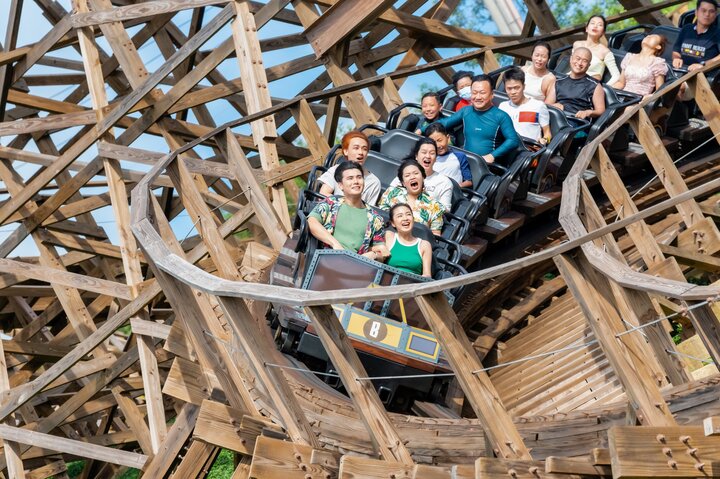
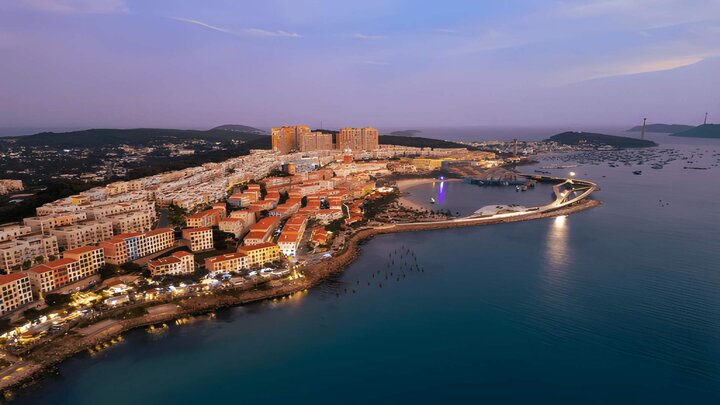
If you wish to continue your journey after exploring Gao Giong ecotourism area, you can consider traveling to Phu Quoc, a prominent resort destination in An Giang. From the peaceful cajeput forest, the journey transitions to the blue of the sea and islands with beautiful beaches like Khem Beach and Truong Beach. In the South of the island, Sun World Hon Thom offers an impressive sea-crossing cable car experience along with a modern entertainment complex. Besides, Sunset Town stands out with its unique Mediterranean architecture, iconic structures, and world-class shows, creating a vibrant nightlife entertainment space.
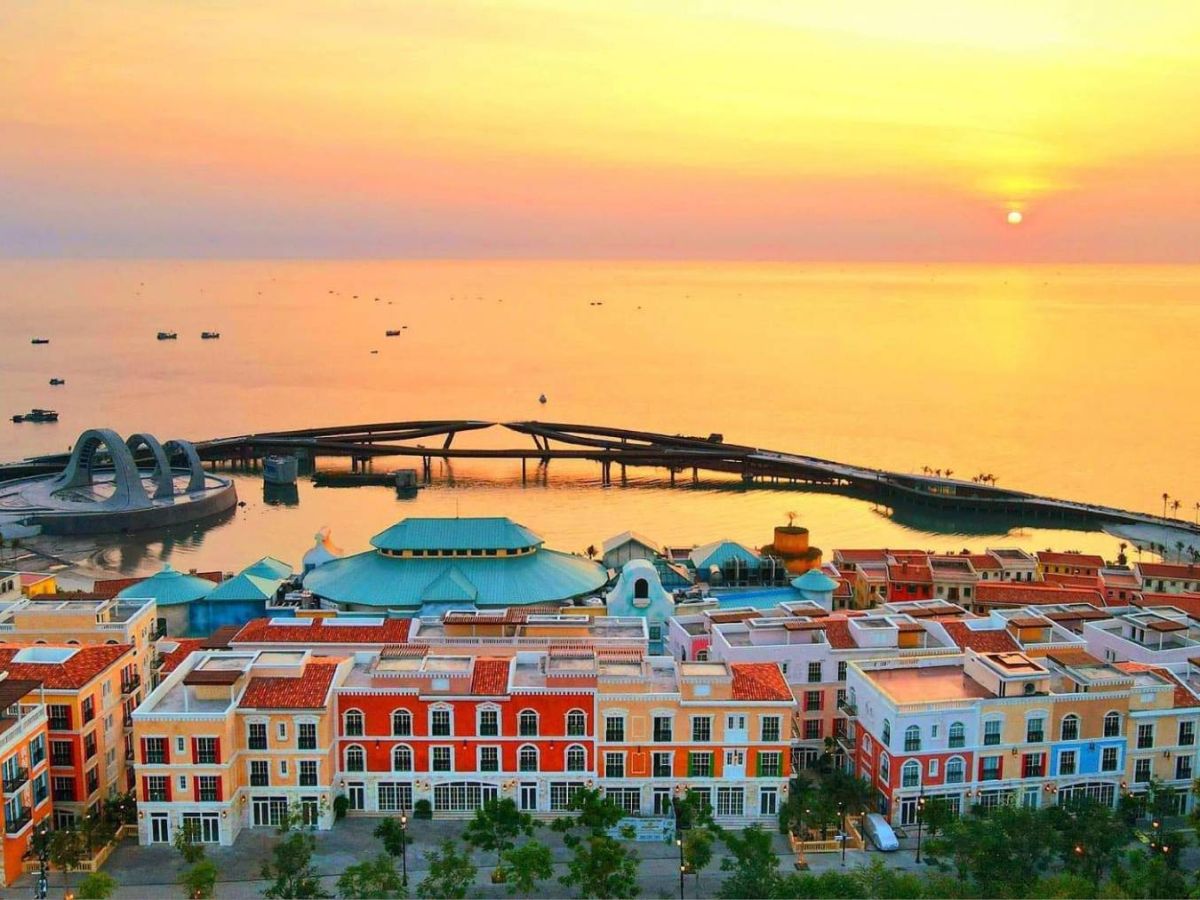
Sunset Town with unique Mediterranean architecture in the south of Phu Quoc island. (Source: Compilation)
The journey to explore the Gao Giong ecotourism area offers visitors the opportunity to immerse themselves in pristine nature, clearly feeling the characteristic beauty of the Dong Thap Muoi region. From experiences of rowing through the forest, bird watching to enjoying rustic cuisine, all create a gentle yet emotionally rich trip.